This post may contain affiliate links. Please see my disclosure policy for details.
Attic Loft Ideas That’ll Make You Wonder Why You’ve Been Storing Junk Up There
Contents
Attic loft conversions are having a moment, and I’m here to tell you why that dusty space above your head could be the best room in your house.
Look, I get it. Right now, your attic probably looks like a graveyard for Christmas decorations and boxes you haven’t opened since 2012. But what if I told you that awkward, hot, slightly creepy space could become your favorite escape?
I converted my own attic three years ago, and honestly, it was one of those decisions that made me slap my forehead and ask, “Why didn’t I do this sooner?”
What Exactly Is an Attic Loft?
An attic loft is basically your attic’s glow-up.
It’s that unfinished space directly under your pitched roof that’s been transformed into actual, usable living space. We’re talking bedrooms, offices, studios, or whatever your life needs right now.
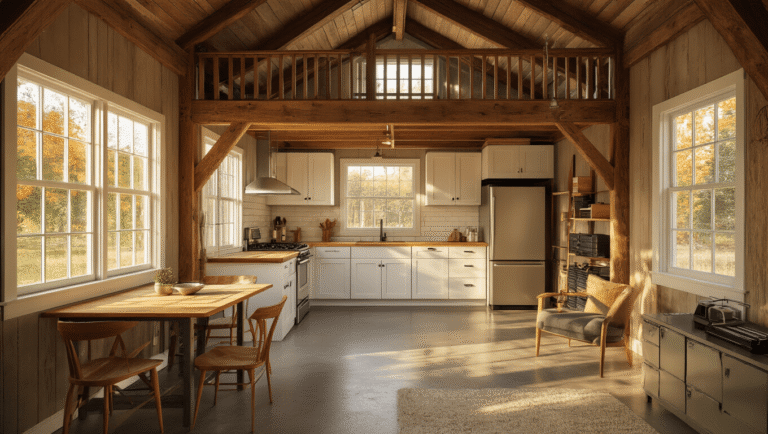
The thing that makes attic lofts special? Those sloped ceilings and angled walls that builders usually treat like problems are actually design gold. Exposed rafters, cozy nooks, those hard-to-reach corners that beg for a reading chair—these “flaws” create character that perfectly square rooms just can’t match.
When I first saw my attic’s weird angles, I thought, “Great, nothing will fit.” Now those same angles make the space feel like a secret hideaway.
The Real Talk: What Can You Actually Do With an Attic Loft?
Your attic loft can be whatever you’re currently wishing you had more space for.
Here’s what I’ve seen work beautifully:
Sleeping Spaces:
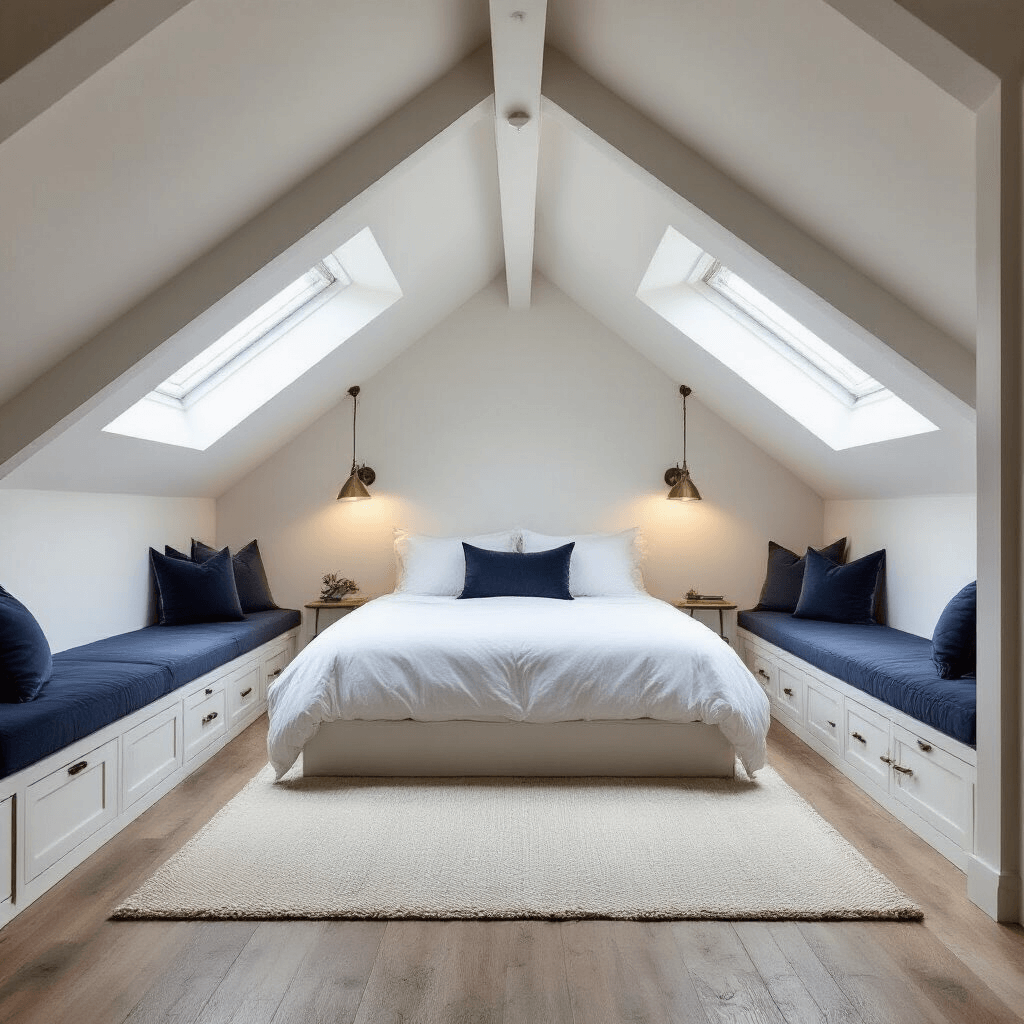
- Guest bedrooms that make visitors actually want to stay
- Primary bedrooms with built-in intimacy
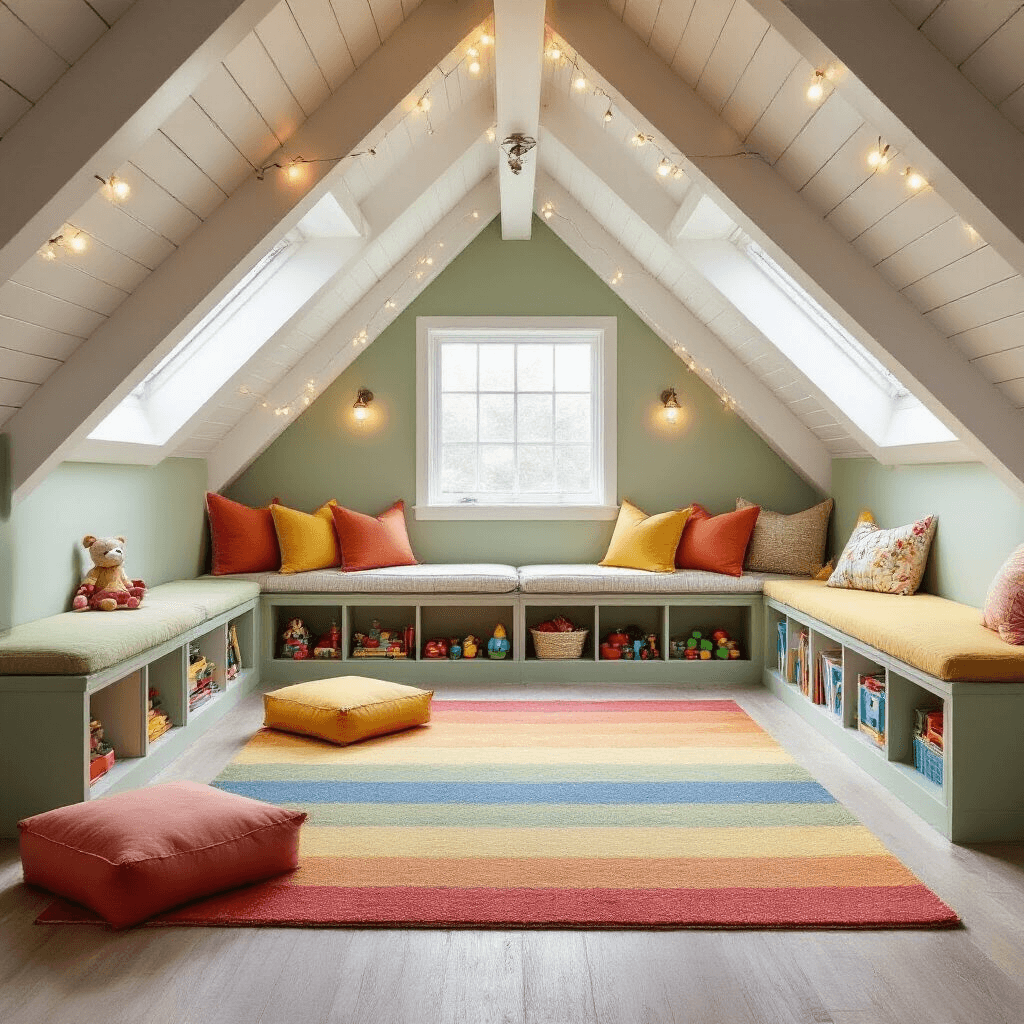
- Bunk rooms where kids feel like they’re camping indoors
Work and Creative Zones:
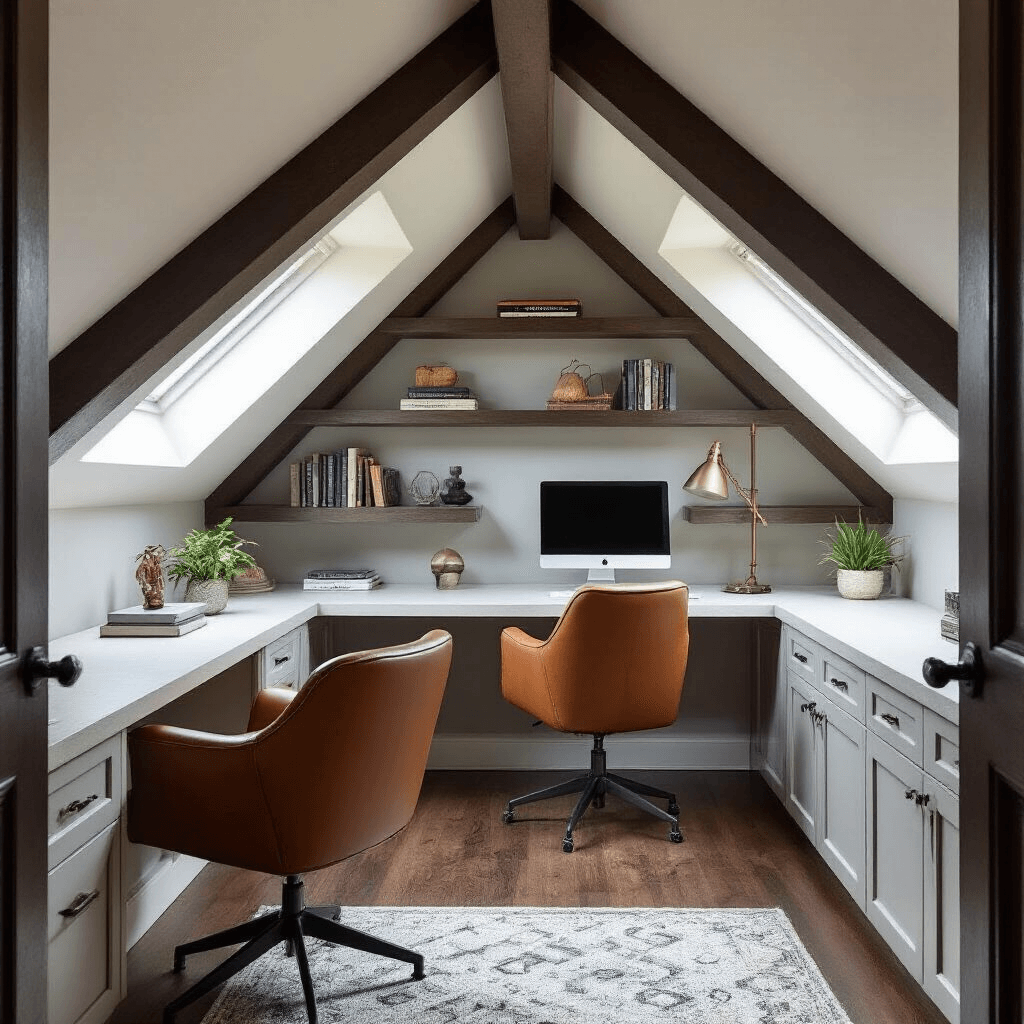
- Home offices away from household chaos
- Artist studios with dramatic ceiling angles
- Music rooms where you won’t bother anyone
Relaxation Areas:
- Reading nooks with cozy floor cushions
- Meditation spaces
- Home theaters (seriously, the sloped ceilings help with acoustics)
Practical Spaces:
- Walk-in closets with serious character
- Bonus bathrooms
- Game rooms
My own attic loft became my writing office. The sloped ceiling makes it feel like a writer’s garret, which sounds pretentious but actually helps me focus.
Before You Start Ripping Out Insulation: The Stuff Nobody Wants to Hear
Converting an attic isn’t just slapping down some flooring and calling it a day.
Trust me, I learned this the expensive way.
The Height Situation Is Non-Negotiable
Building codes typically require at least seven feet of ceiling height. Not “close to seven feet.” Seven feet minimum.
Here’s the kick in the teeth: once you add proper insulation and drywall, you’re losing several inches. That eight-foot ceiling suddenly becomes 7’4″ if you’re lucky.
Measure everything twice. Measure it three times. Then have someone else measure it.
I almost started my conversion before realizing a quarter of the space wouldn’t meet code requirements. Would’ve been a very expensive mistake.
Access Matters More Than You Think
You need a real staircase, not some pull-down ladder situation.
And where that staircase goes matters enormously. Running it through a hallway? Perfect. Cutting through a bedroom? Legally questionable and definitely annoying.
The staircase alone can eat up 40-50 square feet between both floors. Plan for this before you fall in love with the space.
Insulation Is Your New Obsession
Your attic ceiling sits right under the roof. In summer, it’s an oven. In winter, it’s a freezer.
Skimping on insulation is basically lighting money on fire through your utility bills.
Spray foam insulation is your best friend here. Yes, it costs more than fiberglass batts. But it’s thinner, so you lose less headroom, and it creates an actual air barrier instead of just slowing down heat transfer.
I spent an extra $1,200 on spray foam, and my energy bills dropped by about $60 a month. Do the math.
You’ll also want to grab a quality dehumidifier because attics can trap moisture like nobody’s business.
The Systems Nightmare (Or: Why You Need a Professional)
Unless your attic was pre-wired by psychic previous owners, you’re looking at retrofitting:
- Electrical wiring
- HVAC ducts or mini-splits
- Plumbing if you want a bathroom
- Proper ventilation
In older homes, this can mean opening walls on the floors below.
I had to run ductwork through a second-floor closet. Not ideal, but necessary.
Get an engineer or architect to assess your space before you commit. Mine charged $500 for an evaluation that saved me from at least three terrible decisions.
The Money Question Everyone’s Thinking About
Attic conversions typically return about 65% of your investment.
That’s actually pretty solid for home renovations. Kitchen remodels usually return 50-60%.
But here’s the thing—if you’re planning to move in two years, this probably isn’t your project. If you’re planning to stay and actually need the space, the return on investment is the extra room you’ll use constantly.
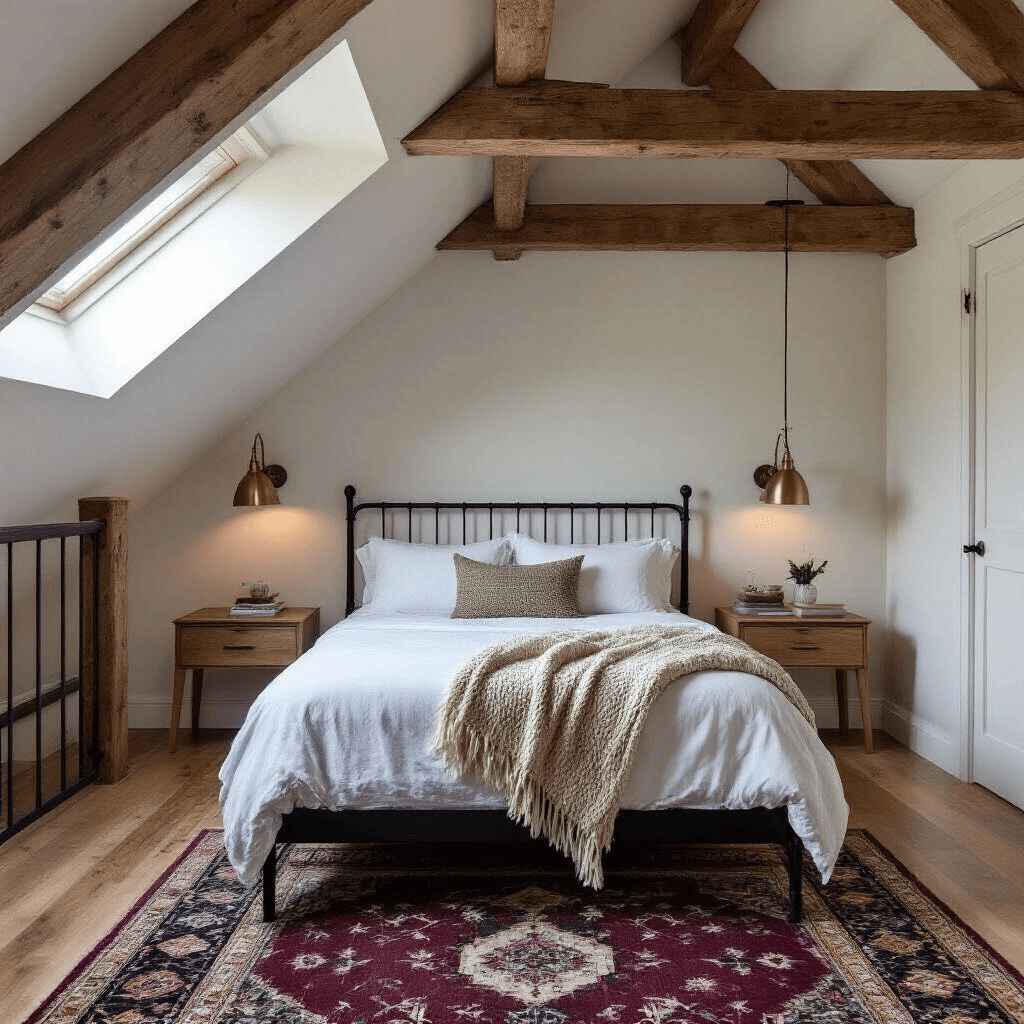
Making Those Weird Angles Work for You
The sloped ceilings that seem like design problems? They’re actually opportunities.
Here’s what I’ve figured out:
Low ceiling areas are perfect for:
- Built-in storage drawers
- Window seats with cushions
- Desks (you sit down anyway)
- Kids’ play areas (they’re shorter)
Taller ceiling sections should hold:
- Beds
- Wardrobes and tall storage
- Standing work areas
I installed custom built-in shelving along a knee wall, and it holds twice as much as any freestanding bookshelf would.
Pro tip: Paint everything the same light color. Those angles already create visual interest. Multiple colors make it feel choppy.