

This post may contain affiliate links. Please see my disclosure policy for details.
Transform Your Home Into a Cozy Maximalist Haven: Where More Really Is More (and Better)
Contents
- Transform Your Home Into a Cozy Maximalist Haven: Where More Really Is More (and Better)
- What Exactly Makes Cozy Maximalism Different From Regular Maximalism?
- Master the Art of Warm Materials and Finishes
- Layer Patterns Like a Pro (Without Looking Like a Circus)
- Create Texture Paradise Through Strategic Layering
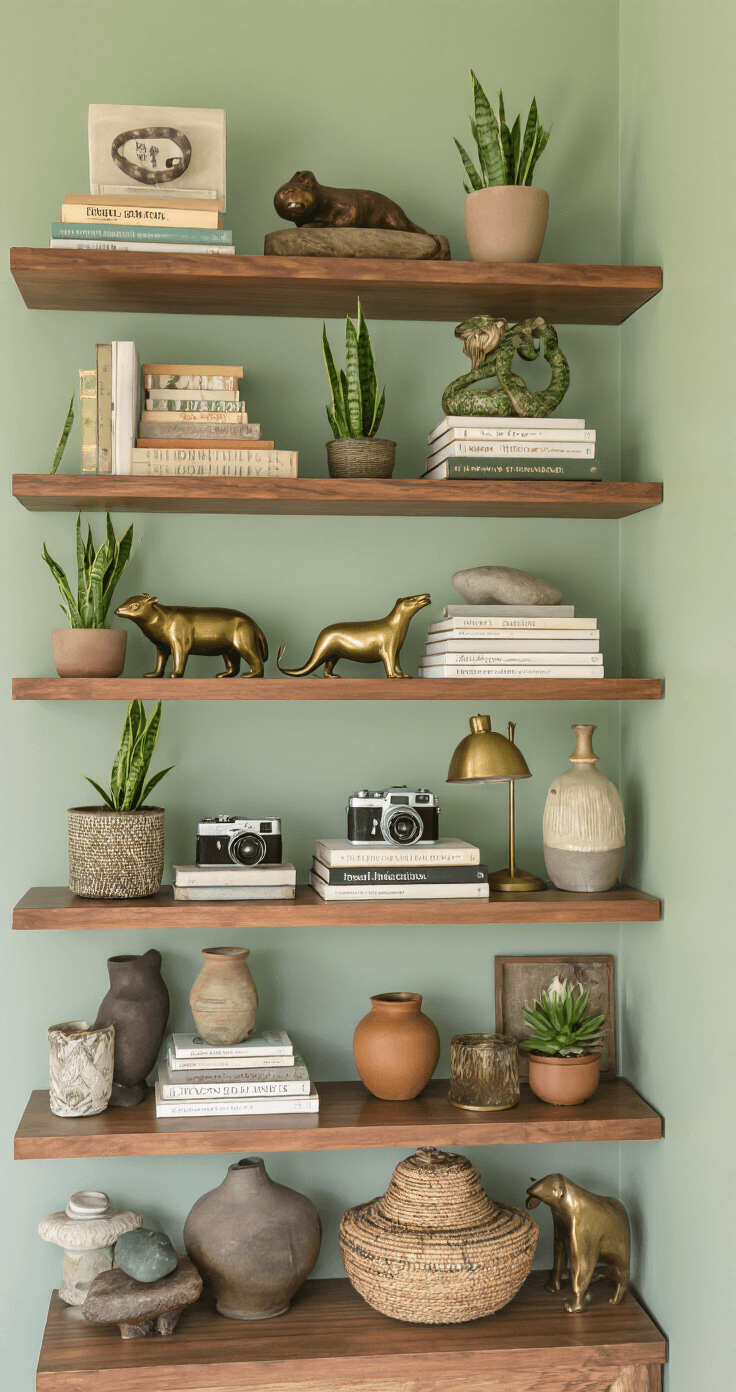
- Bring Nature Indoors (Your Plants Deserve Better Than a Sad Corner)
Cozy maximalism might just be the antidote to all those cold, Instagram-perfect spaces that leave you feeling like you can’t actually live in your own home.
You know that feeling when you walk into someone’s house and it looks like a magazine spread, but you’re afraid to sit down? That’s not what we’re going for here.
I’ve been designing spaces for over a decade, and I can tell you right now – the homes that feel the most like home are the ones that embrace abundance with intention. Cozy maximalism gives you permission to love your stuff, display your collections, and create spaces that actually reflect who you are.
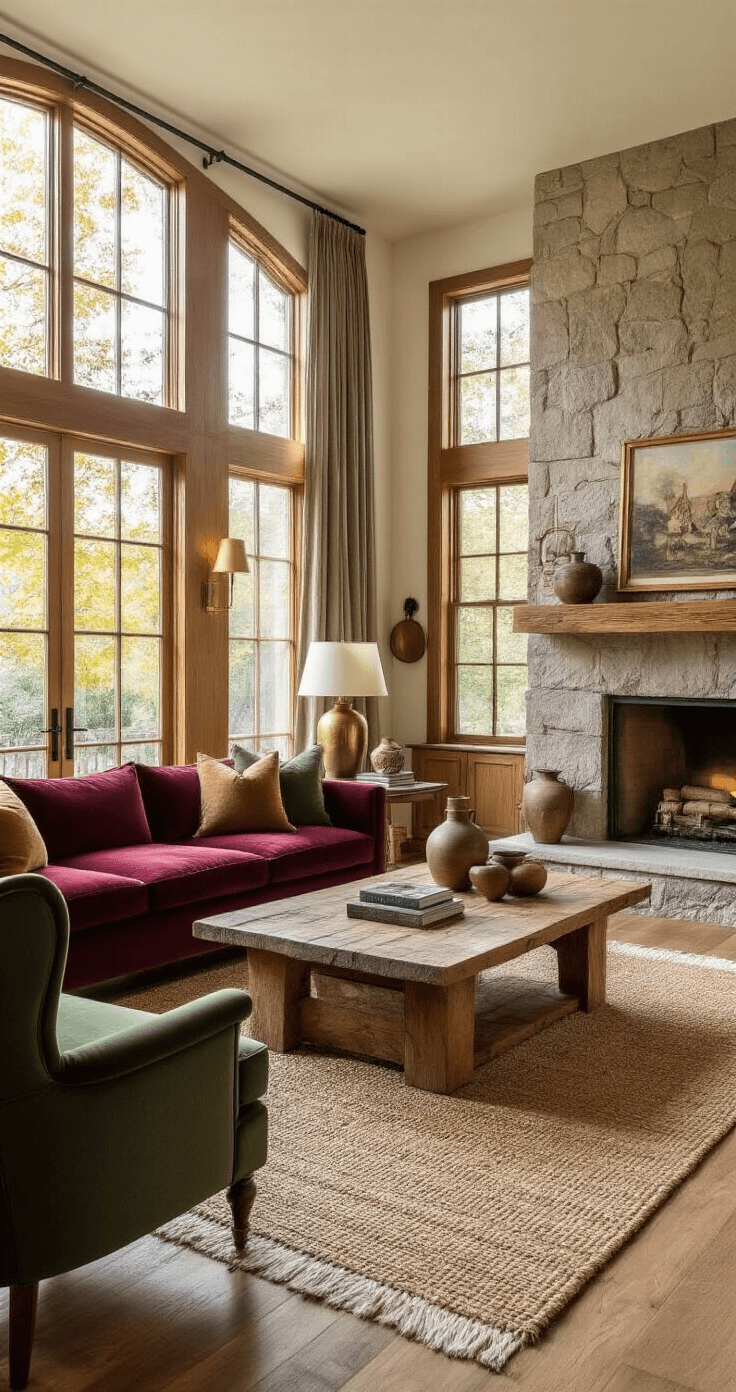
What Exactly Makes Cozy Maximalism Different From Regular Maximalism?
Think of it this way: regular maximalism is like that friend who talks loudly and wears sequins to brunch. Cozy maximalism is like your favorite aunt’s house – full of interesting things, warm textures, and stories in every corner.
The magic happens when you combine the “more-is-more” philosophy with materials and elements that make you want to curl up with a cup of tea.
Here’s what sets it apart:
- Warm wood tones instead of stark metals
- Soft textures that beg to be touched
- Personal collections that tell your story
- Plants everywhere (seriously, everywhere)
- Patterns that play well together instead of competing
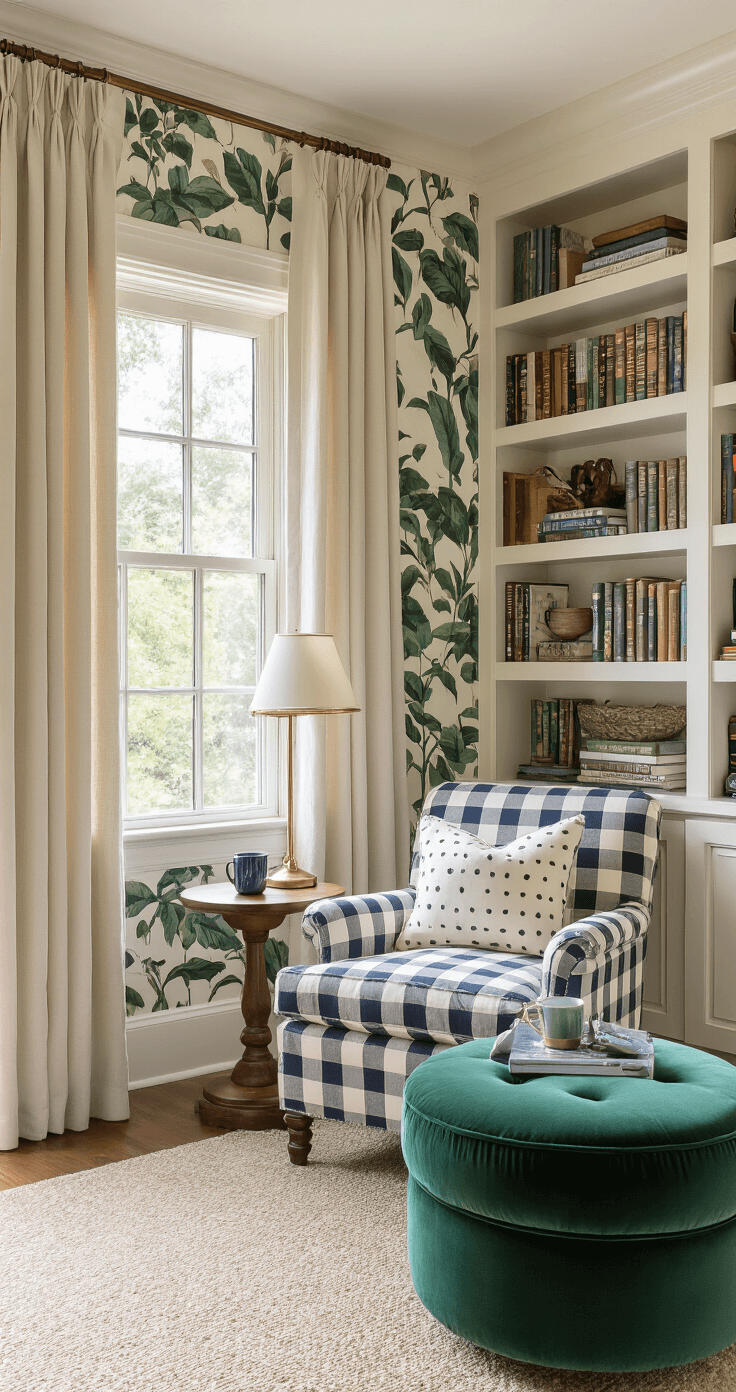
Master the Art of Warm Materials and Finishes
I learned this lesson the hard way when I first started decorating my own space. I went full maximalist with chrome fixtures, glass tables, and stark white walls. It looked impressive but felt like living in a very crowded museum.
The game-changer? Switching to warm materials:
- Wood tones in honey, walnut, and oak – Mix different wood finishes without fear
- Brass and copper accents instead of cold chrome
- Natural stone and ceramic pieces that feel substantial
- Woven baskets and rattan elements for organic texture
Start with one room and swap out cold materials for warm ones. Replace that glass coffee table with a reclaimed wood coffee table. Switch chrome lamp bases for brass or ceramic options.
The transformation will blow your mind.
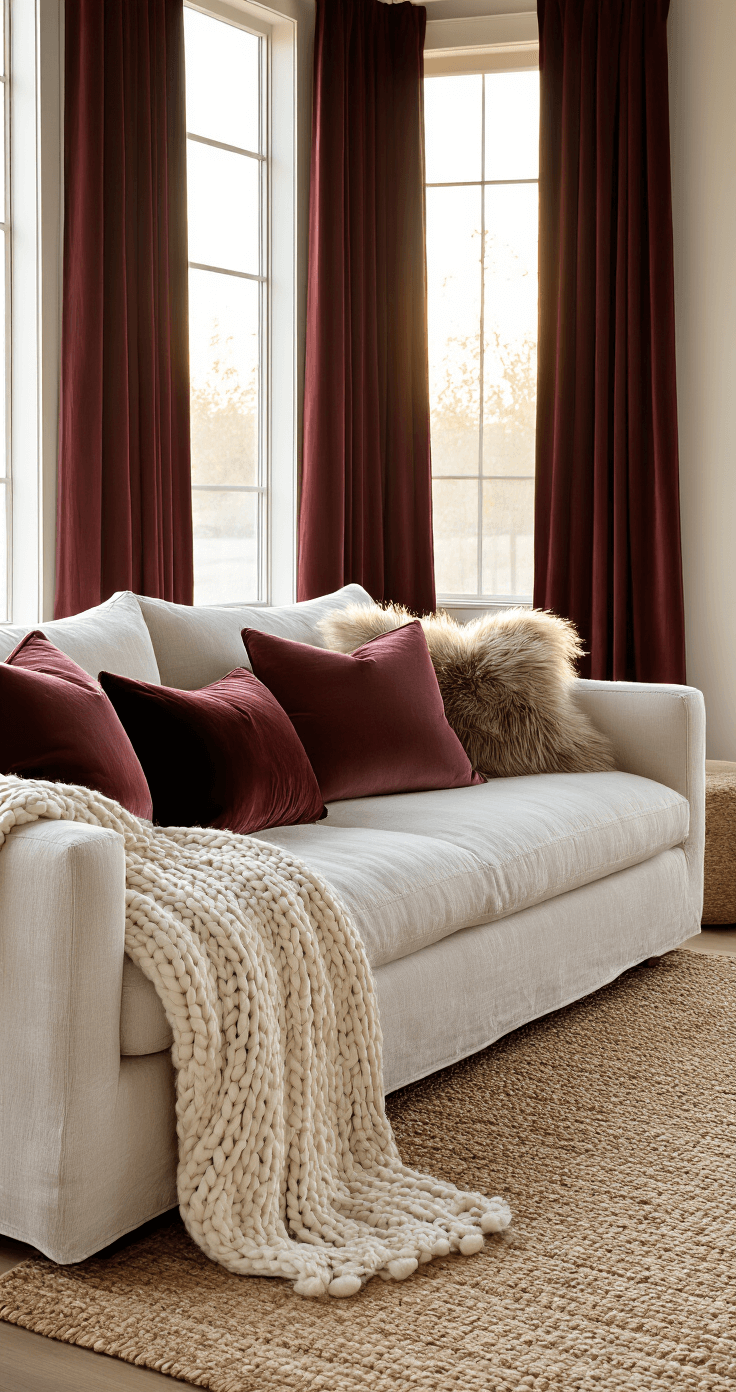
Layer Patterns Like a Pro (Without Looking Like a Circus)
“But won’t mixing patterns look crazy?” This is the question I get asked most, and here’s the truth: bad pattern mixing looks crazy. Good pattern mixing looks intentional and interesting.
My foolproof pattern-mixing formula:
- Start with one large-scale pattern (big florals, bold geometrics)
- Add one medium pattern (medium stripes, checks)
- Finish with small-scale details (tiny dots, small prints)
- Keep one color thread running through all patterns
I once mixed a large botanical print with medium windowpane checks and tiny polka dots in my living room. The common thread? Deep forest green appeared in all three patterns. Guests still ask me where I learned to mix patterns so fearlessly.
Pro tip: Test pattern combinations by laying fabric swatches or pillows together before committing. Your eye will tell you immediately if something feels off.
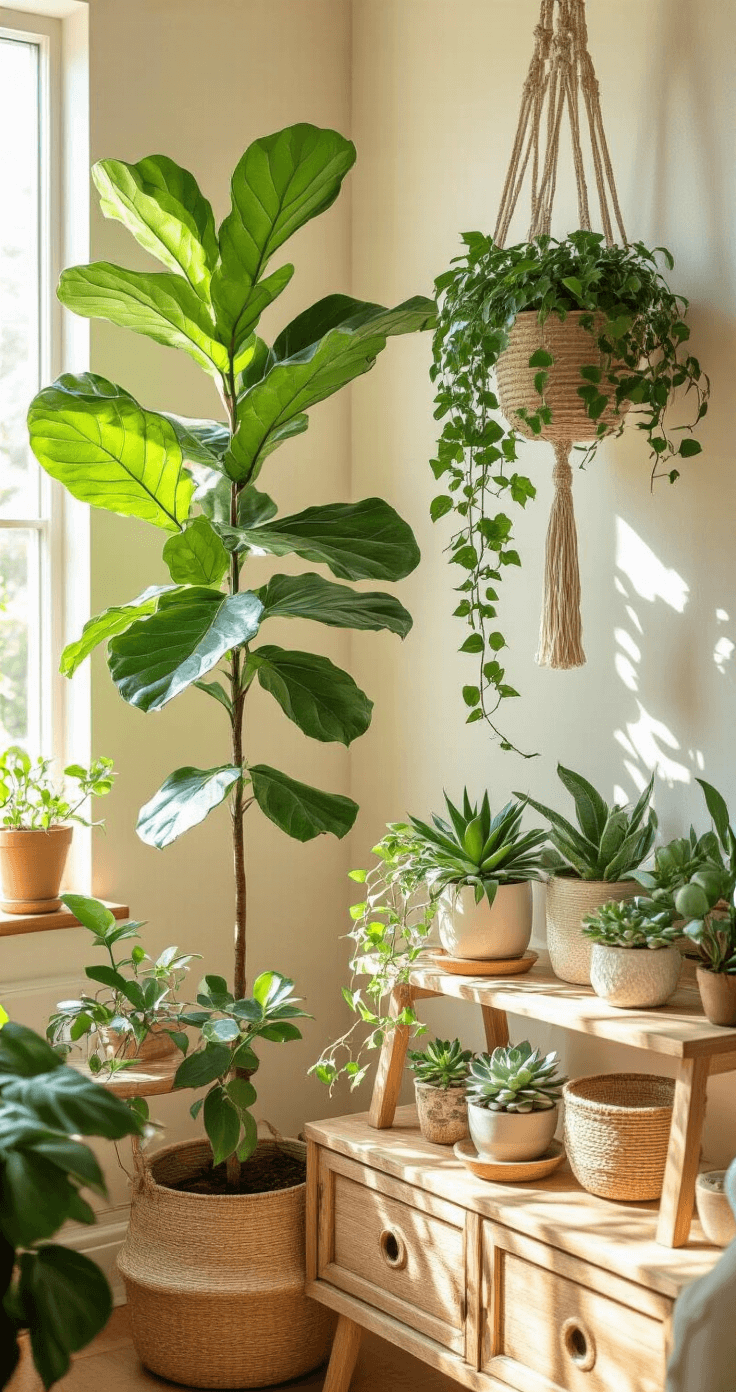
Create Texture Paradise Through Strategic Layering
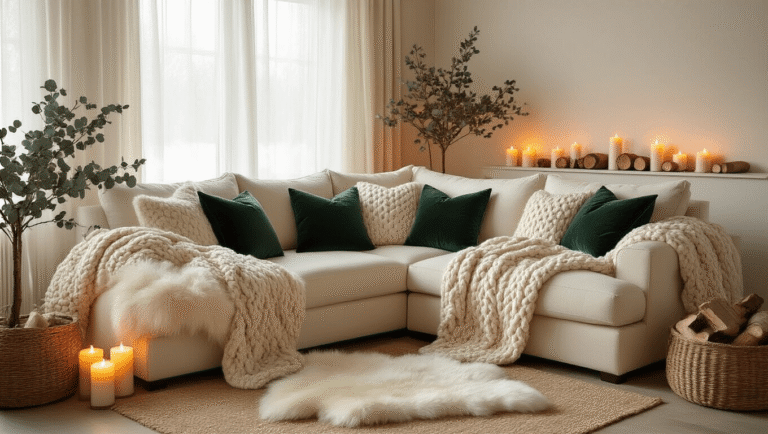
Texture is where cozy maximalism really shines. This isn’t about throwing random blankets everywhere – it’s about creating layers that invite touch and add visual depth.
Essential texture elements:
- Multiple rugs – Layer a smaller patterned rug over a larger neutral one
- Varied pillow textures – Combine velvet, linen, knit, and faux fur
- Throw blankets galore – Different weights and materials for every season
- Long, flowing curtains – Floor-to-ceiling panels in rich fabrics
Start building your texture library with chunky knit throw pillows and work from there.
I keep throws in every room because they serve double duty – adding visual softness and practical comfort for impromptu naps.
Bring Nature Indoors (Your Plants Deserve Better Than a Sad Corner)
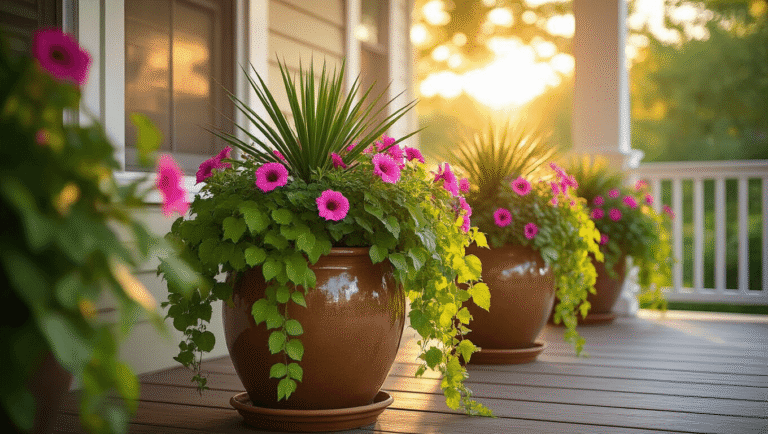
Real talk: plants in cozy maximalist spaces aren’t just decoration. They’re essential team players that soften all the visual richness and connect your indoor sanctuary to the natural world.
My go-to plant strategy:
- Tall floor plants for dramatic corners and empty spaces
- Hanging plants to draw the eye upward and add movement
- Clustered smaller plants on shelves and surfaces
- Trailing varieties for bookcases and mantels
Don’t stick all your plants in one corner like they’re in timeout. Spread them throughout the space so they feel integrated, not afterthoughts.
Plant placement winners:
- Next to reading chairs (natural air purifiers)
- On kitchen open shelving (herbs you can actually use)
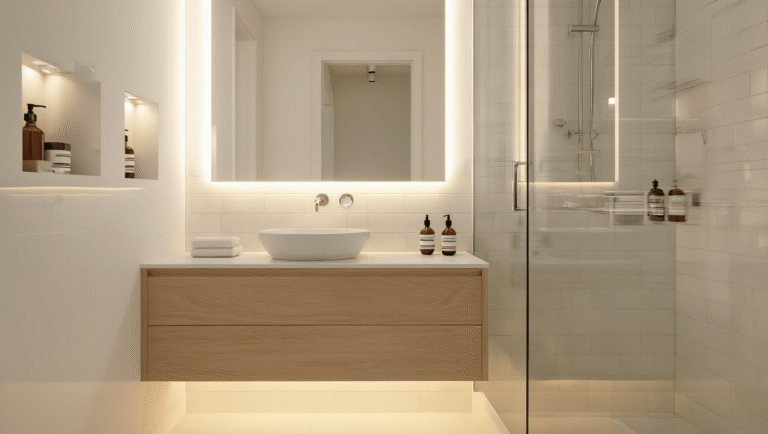
- Bathroom counters (they love humidity)
- Bedroom dressers (peaceful vibes)
I started with three plants five years ago and now have forty-seven. It’s an addiction, but the most beautiful kind.


[…] difference is immediate and dramatic. Your home transforms from a house with Christmas stuff in it to an actual cozy […]