This post may contain affiliate links. Please see my disclosure policy for details.
Garden Sheds: Everything You Need to Know Before You Buy or Build One
Contents
Garden sheds might just be the unsung heroes of your backyard, and I’m about to tell you why you probably need one more than you think.
Look, I get it. Your garage is overflowing with rakes, shovels, that lawnmower you can barely squeeze past, and enough garden hoses to wrap around your house twice. Meanwhile, your yard looks like a hardware store exploded across the lawn.
I’ve been there, standing in my backyard wondering where the hell to put everything without turning my outdoor space into a storage nightmare. That’s when I discovered what a proper garden shed could actually do for me.
What Exactly Is a Garden Shed Anyway?
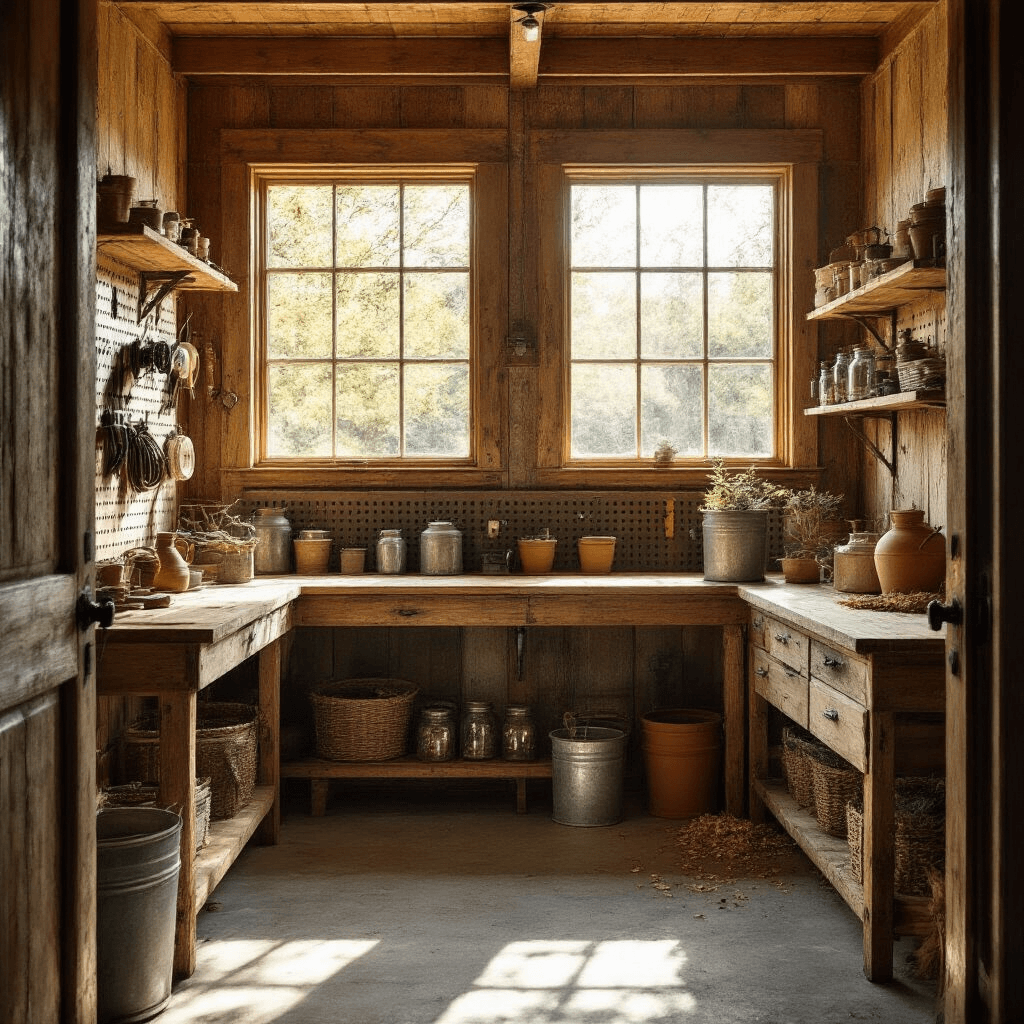
A garden shed is basically your yard’s best friend—an outdoor storage structure designed specifically to house all those gardening tools, lawn equipment, and outdoor bits and bobs that have nowhere else to go.
Think of it as a dedicated home for everything that clutters up your life outdoors.
But here’s where it gets interesting. These aren’t just boring boxes sitting in your backyard.
Garden sheds have evolved into multifunctional spaces that can completely transform how you use your outdoor area.
Why Your Yard Is Begging You for a Shed
I never realized how much mental clutter came from physical clutter until I got my first shed.
Storage That Makes Sense
- Keeps your mowers protected from weather
- Organizes garden hoses so they’re not tangled disasters
- Houses outdoor tools where you can actually find them
- Stores watering equipment without it littering your patio
Beyond Just Storage
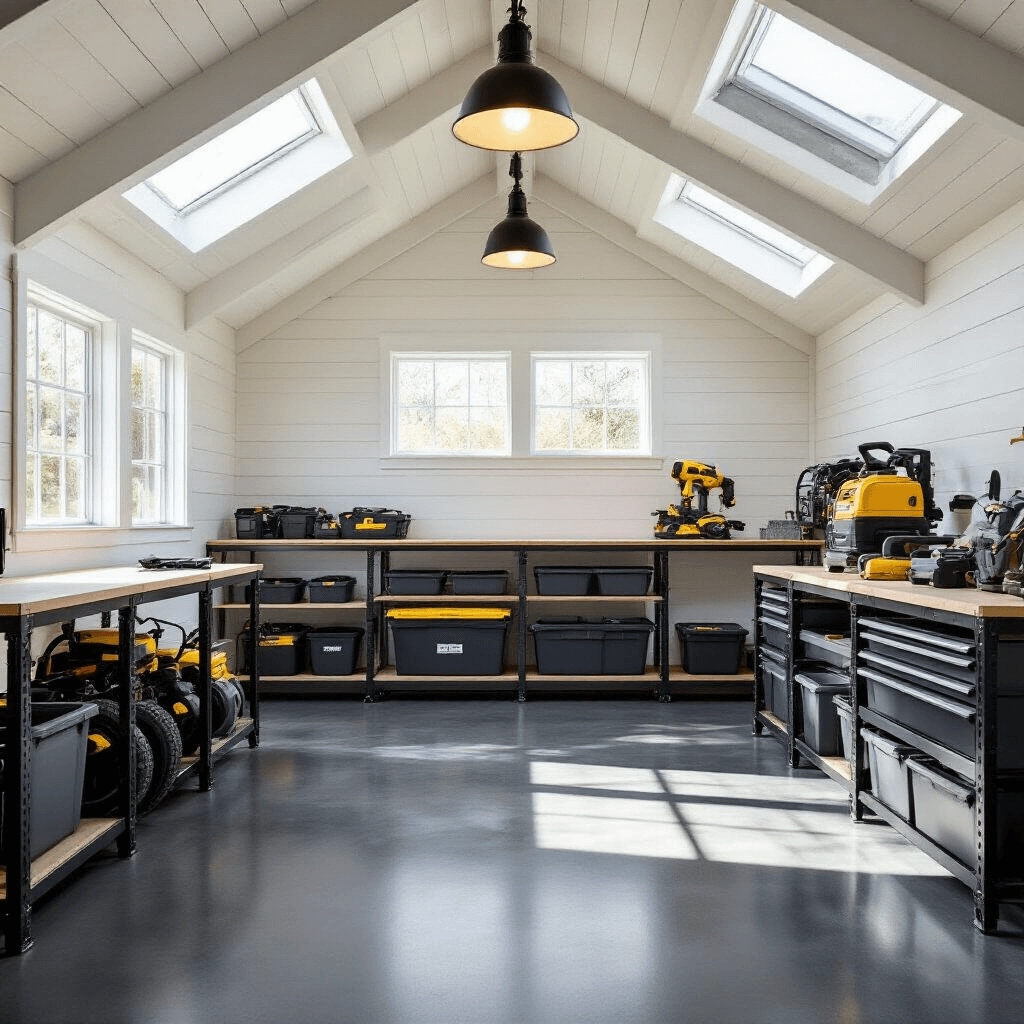
- Creates a dedicated workshop space
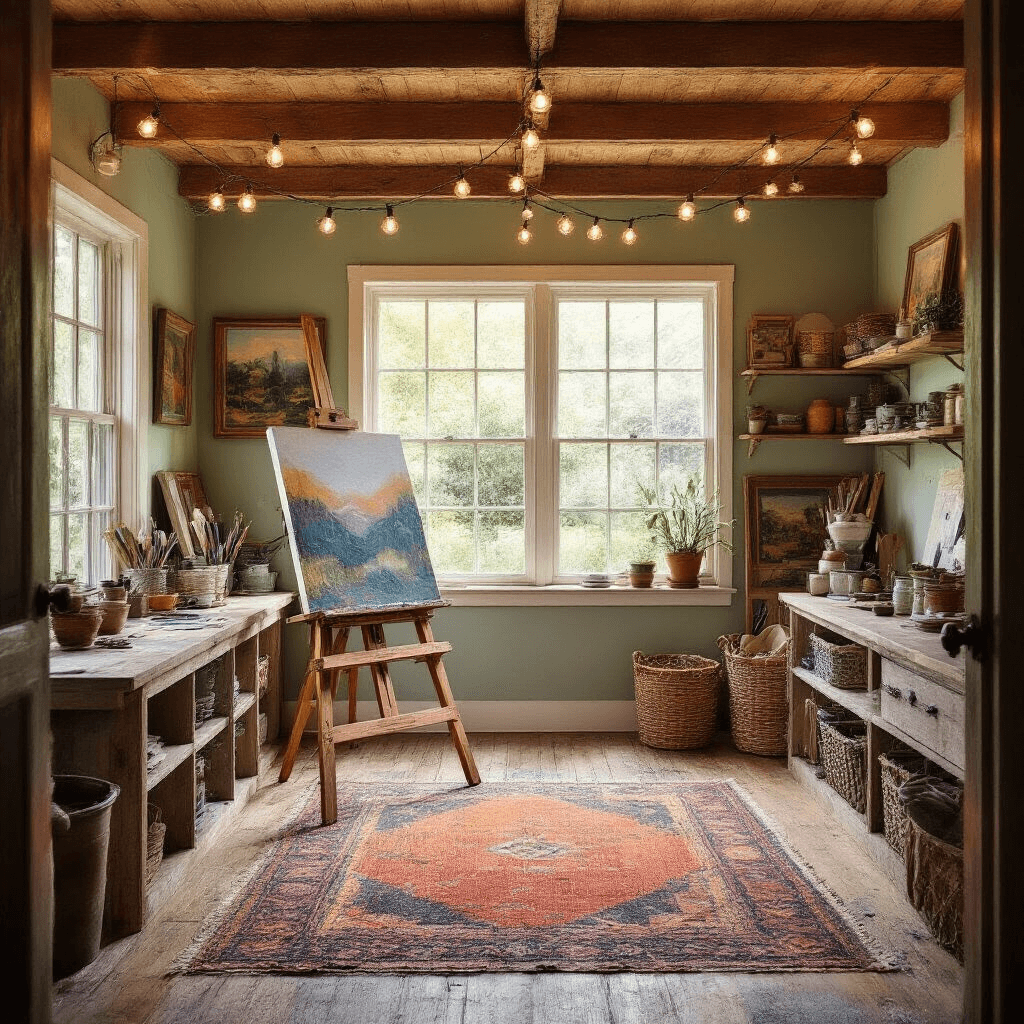
- Functions as an art studio (my neighbor turned hers into a painting haven)
- Becomes a hobby room away from the main house
- Serves as a quiet retreat when you need space
The Practical Stuff
- Aesthetic appeal that can actually increase your property value
- Customizable interiors with shed organization systems and hooks
- Structural strength to handle heavy equipment without collapsing
- Natural insulation that keeps things cooler in summer and warmer in winter compared to metal alternatives
I remember the first summer after installing my shed. The temperature inside stayed remarkably moderate, protecting my more sensitive gardening supplies from the brutal heat.
Wood, Metal, or Plastic: The Great Shed Material Showdown
This is where people get paralyzed by choice. Let me break it down without the sales pitch.
Wood Sheds: The Classic Choice
I went with wood for my first shed, and here’s why it worked:
The Good:
- Looks naturally beautiful in any backyard setting
- Easy to customize with additional shelving or windows
- Blends into garden landscapes like it belongs there
- Can be painted or stained to match your house
The Reality Check:
- Requires maintenance every few years
- You’ll need to treat it to prevent rot
- Not a “set it and forget it” option
But here’s a game-changer: Western Red Cedar sheds are naturally resistant to rot, decay, and those annoying insects that love to munch on wood.
My neighbor has had his cedar shed for over 15 years with minimal maintenance. That’s the kind of durability we’re talking about.
Metal Sheds: The Tough Guy
The Good:
- Incredibly durable and long-lasting
- Fire-resistant (huge plus if you live in wildfire-prone areas)
- Low-maintenance to the point of being nearly maintenance-free
- Won’t rot or get eaten by termites
The Reality Check:
- Higher upfront cost
- Can rust if the coating gets damaged
- Gets HOT in summer and COLD in winter
- Limited aesthetic appeal (looks industrial)
Resin/Plastic Sheds: The Easy Route
The Good:
- Zero maintenance required
- Weather-resistant out of the box
- Won’t rot, rust, or need painting
- Quick assembly
The Reality Check:
- Looks plastic (because it is)
- Very limited customization options
- Can crack in extreme cold
- Doesn’t add much to property value
Where to Buy Your Shed Without Getting Ripped Off
I’ve priced sheds at every major retailer, and here’s what I’ve learned.
Big Box Retailers
- Lowe’s carries solid mid-range options
- Home Depot has frequent sales (I saved $400 waiting for Memorial Day)
- Both offer installation services if DIY isn’t your thing
Specialty Suppliers
- Higher quality but also higher prices
- Better customization options
- Often include delivery and setup
Price Reality Check
Wood storage sheds range wildly:
- Budget options: Around $137 (tiny utility sheds)
- Mid-range sweet spot: $3,000-$3,500 (this is where most people land)
- Premium builds: Up to $14,000+ (basically tiny houses)
The average sits around $3,018, which honestly isn’t bad when you consider you’re adding functional square footage to your property.
Pre-Cut Shed Kits: The Middle Ground
I actually used a kit for my current shed, and it was brilliant. Everything arrives precision-cut and ready to assemble like adult Legos.
No measuring. No complicated cuts. Just follow the instructions and you’re golden.
The best part? You save money on labor but don’t need advanced carpentry skills.
<img src="https://evyvehomes.com/wp-content/uploads/2026/03/1218rustic-garden-potting-shed-interior.png" alt="Interior of a traditional garden potting shed featuring a red brick foundation and knotty pine walls, with a galvanized metal potting bench adorned with terra cotta pots, vintage seed packets, and hand tools. The scene includes wire basket storage, burlap sacks of soil, hanging dried herb bundles, and antique watering vessels, all bathed in bright midday light. The earth-tone palette of browns, greens, and rust orange emphasizes the weathered charm and practicality of the garden workspace." style="max-width