

This post may contain affiliate links. Please see my disclosure policy for details.
The Only Interior Design Style Guide You’ll Ever Need (And Actually Use)
Contents
Interior design styles confuse the hell out of most people, and I get it—one minute you’re scrolling through Pinterest thinking “that looks nice,” and the next you’re drowning in terms like “Japandi,” “organic modern,” and “quiet luxury” wondering if someone just made these up to sell you more throw pillows.
Let me cut through the nonsense.
I’ve spent years transforming homes, and here’s what I know: understanding design styles isn’t about memorizing fancy terms or following trends blindly. It’s about finding what actually makes you feel good when you walk into your space. So let’s break down the most popular interior design styles in a way that actually makes sense.
Modern Interior Design: Clean Lines Without the Cold Shoulder
Modern interior design focuses on simplicity and minimalism, emphasizing clean, uncluttered spaces that are easy to use.
I’m talking about spaces that breathe.
The whole point here is straightforward design that lets your furniture and decor speak for themselves without shouting. No frilly curtains, no excessive ornamentation, just pure, functional beauty.
Here’s what defines modern design:
- Clean lines and geometric shapes that make sense
- Neutral color palettes (think whites, grays, beiges)
- Strategic pops of color that actually mean something
- Natural materials like wood, linen, stone, and wool
- Furniture that serves multiple purposes
- Open floor plans that maximize natural light
Form follows function is the golden rule here—it comes straight from the Bauhaus movement, meaning every piece in your room should actually do something useful. That sleek modern coffee table with hidden storage? Perfect. That decorative bowl collecting dust? Not so much.
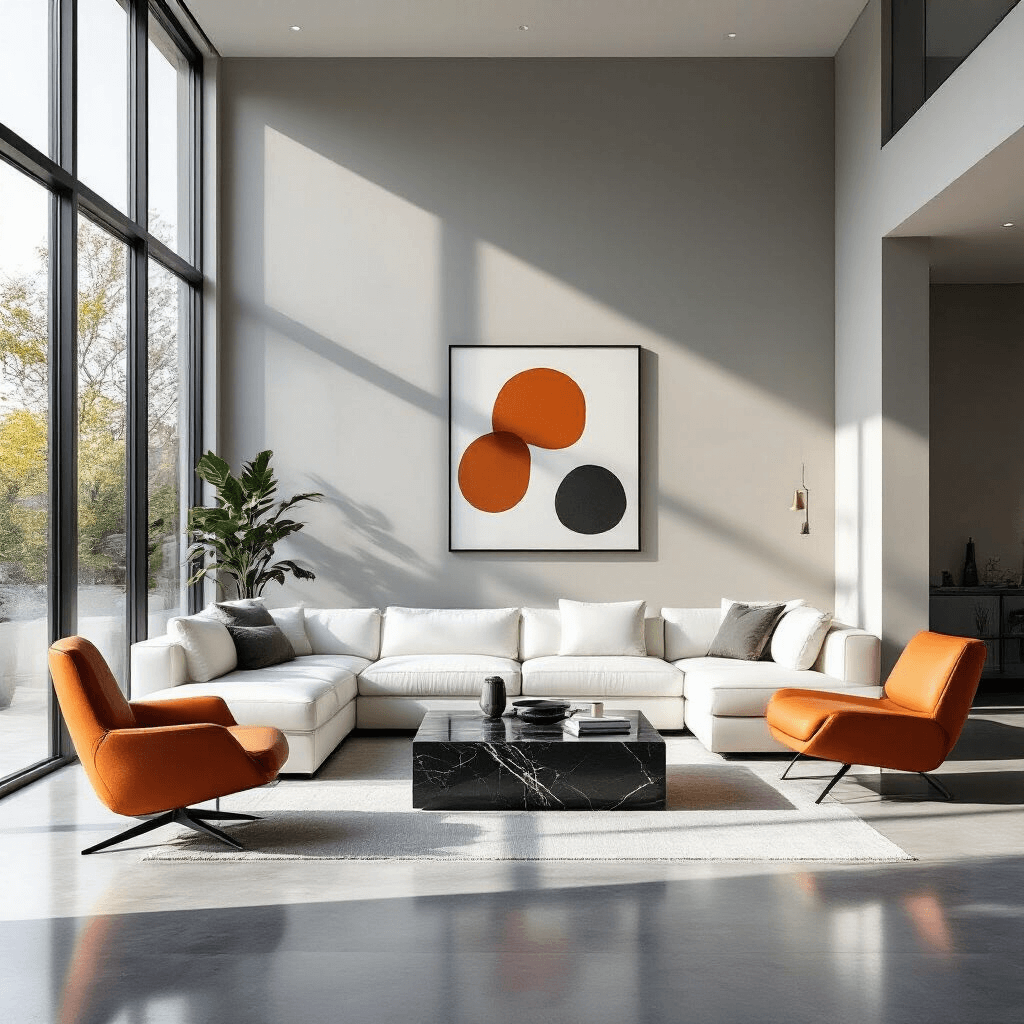
I love using neutral tones because they bounce natural light around like nobody’s business, making even small apartments feel spacious and welcoming. Then I’ll throw in a burnt orange accent chair or a deep teal vase—just enough color to make the space feel alive without turning it into a circus.
The beauty of modern design is its honesty. Nothing pretends to be something it’s not. Concrete looks like concrete. Wood grain shows proudly. And that transparency creates spaces that feel genuine and grounding.
Scandinavian design centers around creating functional spaces that are open and filled with light, often featuring neutral color palettes and natural elements.
Listen, there’s a reason everyone went crazy for Scandi style—it just works.
Growing up in cold, dark climates, Scandinavians figured out how to make homes feel warm and inviting without cluttering them to death. The result? Spaces that are tidy, functional, and cozy all at once.
What makes Scandinavian design special:
- Light wood tones (especially birch, pine, and beech)
- White or light gray walls that maximize brightness
- Soft textiles like wool throws and sheepskin rugs
- Minimal but meaningful decor
- Plants—lots of them
- Simple, functional furniture with clean lines
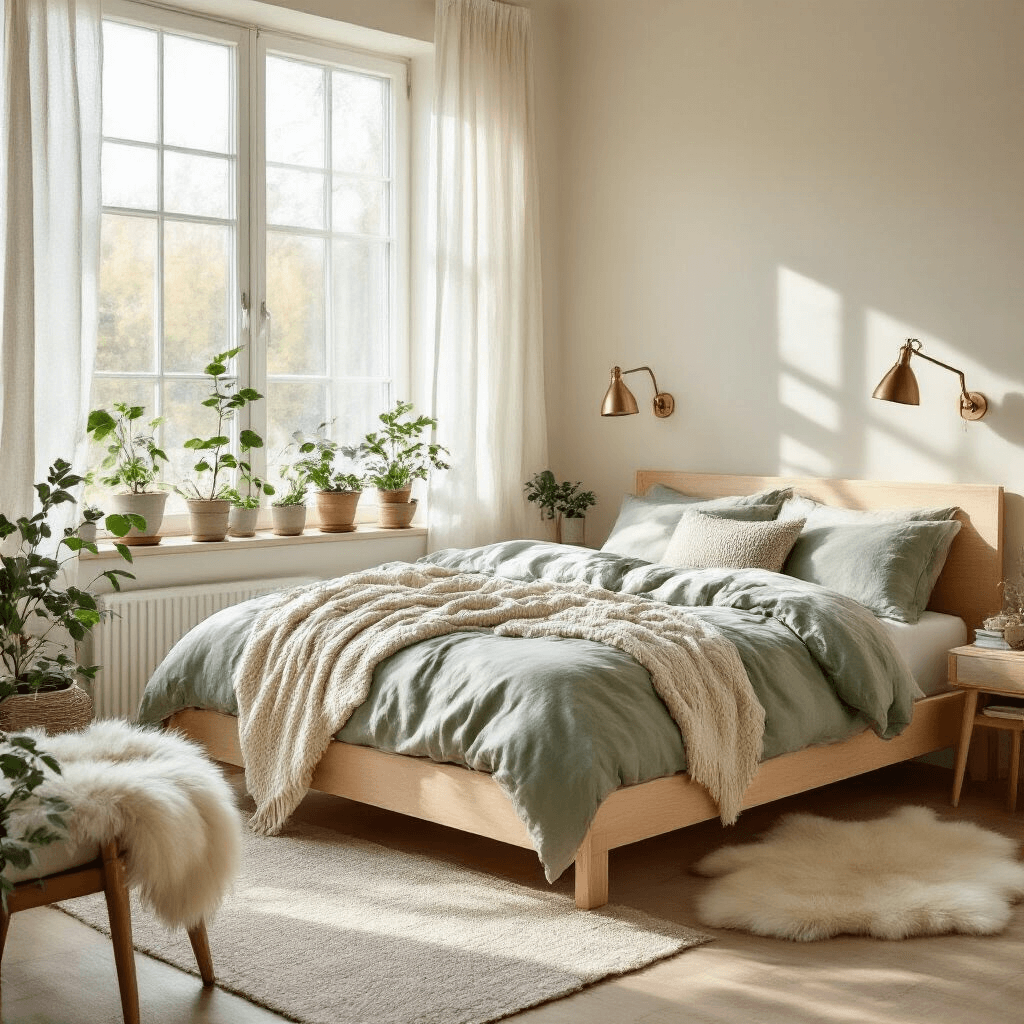
The magic happens in the balance. A Scandi room feels minimal but never cold, simple but never boring. You might have a plain white wall, but then there’s a chunky knit throw blanket draped over your sofa that makes you want to curl up with a book immediately.
I’ve used Scandinavian principles in countless homes, and what clients love most is how easy these spaces are to maintain. Everything has its place, nothing feels excessive, but the room still feels lived-in and loved.
Hygge—that Danish concept of coziness—isn’t just marketing hype. It’s built into every choice: the soft lighting from multiple lamps instead of harsh overhead lights, the natural textures that invite touch, the neutral backdrop that calms your mind after a chaotic day.
Minimalism: Less Stuff, More Peace
Minimalist design strips things down to the most basic form, creating streamlined, open, and inviting spaces.
Full disclosure: minimalism isn’t for everyone, and that’s okay.
But for people drowning in clutter and visual noise, minimalism feels like finally being able to breathe. It’s not about living in an empty white box (though some people love that aesthetic). It’s about being intentional with every single thing you bring into your space.
Core minimalist principles:
- Keep only what serves a purpose or brings joy
- Monochromatic or neutral color schemes
- Clean, uninterrupted surfaces
- Hidden storage solutions
- Quality over quantity always
- Strategic negative space
Here’s where people mess up minimalism: they think it means cheap or sparse. Wrong. Minimalism often means investing in fewer, better pieces. That one perfect minimalist platform bed made from solid wood will outlast and outperform five cheap bed frames.
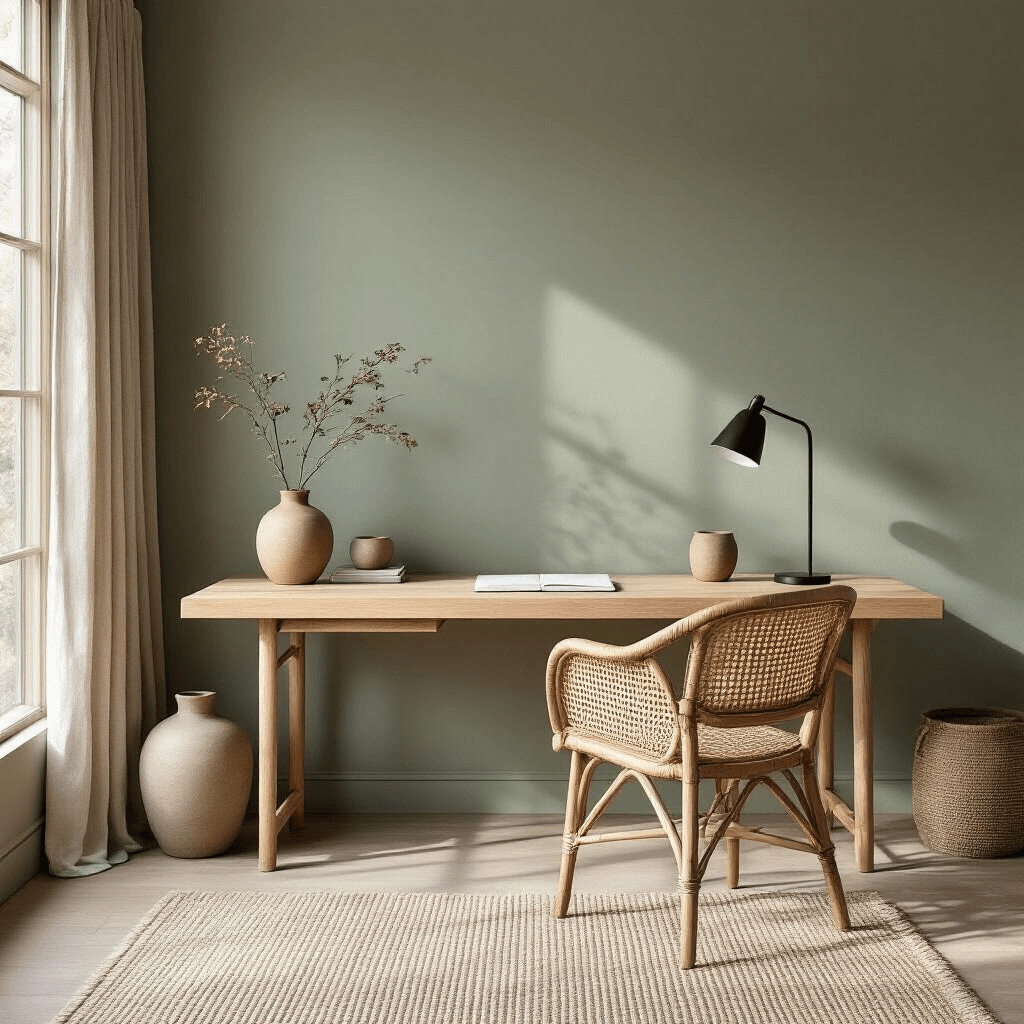
I’ve helped clients transition to minimalist spaces, and the psychological shift is real. When your environment is calm and ordered, your mind follows. You stop losing your keys. You actually use your kitchen counter for cooking instead of as a junk collection point. You remember what’s actually important.
The trick is finding your own version of minimal. Maybe you can’t part with your book collection—fine, make those books the focal point and keep everything else simple. Love colorful art? Perfect, let one bold piece shine against clean white walls.
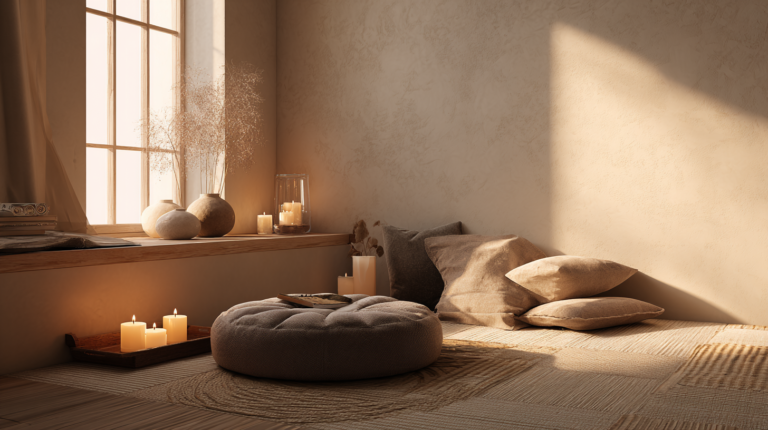
Japandi combines Japanese and Scandinavian influences, focusing on minimalism, natural materials, and a neutral palette, enhanced with cozy elements.
This is one of my favorite styles because it takes the best from two design philosophies and creates something uniquely balanced.
Japanese design brings wabi-sabi—the beauty of imperfection—and a zen-like calm. Scandinavian design adds warmth and coziness. Together? Magic.
What defines Japandi:
- Low-profile furniture with clean lines
- Natural wood in medium to dark tones
- Handcrafted items with visible imperfections
- Neutral colors with occasional muted greens or blues
- Bamboo, rattan, and linen textures
- Functional simplicity in every choice
- Plenty of negative space
The Japanese influence shows in the mindfulness of each element. Nothing is accidental. That ceramic vase isn’t just decoration—it’s a deliberate choice that adds texture and meaning. The Scandinavian side prevents things from feeling too austere, adding soft linen curtains that filter light beautifully and wool rugs that ground the space

[…] This isn’t just an outdoor structure. It’s an extension of your living space, a personal sanctuary that reflects your style and meets your practical needs. […]
[…] to streamline meal preparation, this guide will help you navigate the options and find the perfect kitchen robot for your […]