

This post may contain affiliate links. Please see my disclosure policy for details.
Espresso kitchen cabinets have long been associated with classic luxury and high-end design. Their rich, deep color creates a sense of sophistication that few other finishes can match. However, without the right design strategy, these dark cabinets can sometimes make a space feel heavy or confined. Top designers from Benjamin Moore to Sherwin-Williams consistently recommend espresso cabinets for their timeless appeal, especially when paired with premium appliances from brands like Sub-Zero, Wolf, and Miele. This comprehensive guide will show you how to leverage the luxury of espresso cabinetry while keeping your kitchen bright, airy, and undeniably high-end.
What You’ll Learn About Espresso Kitchen Cabinets
Contents
- What You’ll Learn About Espresso Kitchen Cabinets
- What Are Espresso Kitchen Cabinets?
- Why Designers Still Use Espresso Cabinets in Luxury Kitchens
- Espresso Kitchen Cabinets Cost (Stock vs Custom)
- High-End Cabinet Brands That Offer Espresso Finishes
- Best Countertops to Lighten Espresso Kitchen Cabinets
- Best Paint Colors to Balance Espresso Cabinets
- Hardware Finishes That Elevate Espresso Cabinets
- Lighting Strategies That Prevent Espresso Kitchens from Feeling Dark
- Best Layouts for Espresso Kitchen Cabinets
- Espresso Cabinets vs Other Dark Cabinet Colors
- Common Espresso Kitchen Cabinet Mistakes
- Are Espresso Kitchen Cabinets Still in Style?
- FAQs About Espresso Kitchen Cabinets
- Related Espresso & Cabinet Design Guides
- Creating Your Perfect Espresso Kitchen
- What defines espresso cabinets and why they’re considered classic
- Why designers continue to use them in luxury kitchens
- Cost comparisons between stock, semi-custom, and custom options
- Best countertops, paint colors, and hardware to pair with espresso
- Lighting strategies to prevent dark kitchens
- Optimal layouts for espresso cabinets
- Common mistakes to avoid when designing with dark cabinetry
What Are Espresso Kitchen Cabinets?

Espresso vs Dark Brown vs Black Cabinets
Espresso cabinets occupy a distinct place in the spectrum of dark cabinetry. Unlike pure black cabinets, which absorb light completely, espresso finishes have a rich, deep brown base with subtle red or purple undertones that become visible in natural light. This gives them more dimension than flat black while maintaining a sophisticated dark presence. Compared to standard dark brown cabinets, espresso has a more intense, concentrated color that reads as nearly black in certain lighting but reveals its complexity as light changes throughout the day.
Undertones in Espresso Finishes
The undertones in espresso finishes can vary significantly between manufacturers and wood species. Warm espresso finishes lean toward reddish-brown undertones that create a cozy, inviting feel. Cool espresso finishes have more purple or neutral undertones that pair beautifully with contemporary design elements. Understanding these subtle variations is crucial when coordinating with countertops, flooring, and wall colors in your kitchen design.
Why Espresso Reads More “Classic” Than Trendy
While kitchen trends come and go, espresso cabinets have maintained their place in timeless kitchen design for decades. Their association with classic luxury stems from their use in traditional and transitional kitchens where they evoke the rich mahogany and walnut furniture of high-end estates. Unlike trendy cabinet colors that quickly date a kitchen, espresso creates a foundation of sophistication that transcends passing fads, making it a safe yet luxurious choice for custom cabinetry investments.
Why Designers Still Use Espresso Cabinets in Luxury Kitchens

Warmth and Depth Without Harsh Contrast
Designers consistently choose espresso cabinets for luxury kitchens because they provide warmth and depth without the stark contrast of black cabinetry. This rich finish creates visual weight and anchors a space while still allowing for nuance and dimension. The subtle complexity of espresso allows it to complement a wide range of materials and finishes, making it exceptionally versatile in high-end design.
Works Well in Large and Open Kitchens
Contrary to the myth that dark cabinets make spaces feel smaller, designers often select espresso for large, open kitchens precisely because the deep color helps define the space and create visual boundaries. In expansive floor plans, the rich tone of espresso cabinets creates a sense of intimacy and coziness that might otherwise be lost in an overly bright, all-white kitchen. This makes them particularly effective in open-concept homes where the kitchen flows into other living areas.
Strong Resale Appeal in Classic Homes
Real estate professionals and designers alike recognize the strong resale appeal of espresso cabinets, particularly in classic and traditional homes. While trendy cabinet colors can limit buyer appeal, espresso is widely recognized as a premium finish that signals quality and timelessness. For homeowners concerned about long-term investment, espresso cabinets offer a safe yet sophisticated choice that appeals to discerning buyers.
Complements Natural Stone and Wood Floors
One of espresso’s greatest strengths is its ability to complement natural materials. The deep, rich tone creates a beautiful contrast with light marble and quartzite countertops, allowing their veining and character to stand out. Similarly, espresso cabinets pair exceptionally well with both light and medium-toned wood floors, creating a cohesive look that highlights the natural beauty of hardwood.
Espresso Kitchen Cabinets Cost (Stock vs Custom)

Stock Espresso Cabinets
Stock espresso cabinets represent the most affordable entry point, typically ranging from $100-250 per linear foot installed. These mass-produced options come in standard sizes and limited configurations. While they offer the espresso look at an accessible price point, they often lack the depth of color and finish quality found in higher-end options. Stock cabinets typically feature thermofoil or laminate finishes rather than real wood stains, which can affect both appearance and durability.
Semi-Custom Espresso Cabinetry
Semi-custom espresso cabinets strike a balance between affordability and customization, typically ranging from $250-650 per linear foot installed. These cabinets offer more size options, better construction quality, and improved finish consistency. Semi-custom lines often feature real wood doors with stained finishes that better capture the true depth and character of authentic espresso. They also provide more storage configurations and the option to add specialized features.
Fully Custom Espresso Kitchens
Fully custom espresso kitchens represent the pinnacle of quality and personalization, typically starting at $650 per linear foot and ranging well into the thousands. These bespoke cabinets are built to exact specifications with premium materials and construction techniques. The espresso finish on custom cabinetry is often hand-applied in multiple layers, creating exceptional depth and richness that mass-produced options cannot match. Custom cabinetry also allows for specialized storage solutions and unique design elements.
Cost Per Linear Foot
When budgeting for espresso kitchen cabinets, expect to pay approximately:
| Cabinet Type | Cost Per Linear Foot (Materials Only) | Installed Cost Per Linear Foot |
| Stock | $70-180 | $100-250 |
| Semi-Custom | $150-400 | $250-650 |
| Fully Custom | $500-1,200+ | $650-1,500+ |
Several factors can significantly impact the cost of espresso cabinets, particularly at the high end:
- Custom stain matching: Creating a precise espresso tone that complements other elements in your kitchen
- Inset vs overlay doors: Inset doors (which sit flush with the cabinet face) require more precision and typically cost 15-30% more than overlay doors
- Soft-close hardware: Premium hardware from brands like Blum and Hettich ensures silent, smooth operation but adds to the overall cost
Editor’s Choice: Premium Soft-Close Hinges
For espresso cabinets, we recommend Blum BLUMOTION soft-close hinges. These premium hinges prevent slamming, protect your cabinet finish, and provide the smooth, high-end operation expected in luxury kitchens.
High-End Cabinet Brands That Offer Espresso Finishes

Semi-Custom Brands
Wood-Mode
Known for exceptional craftsmanship and finish quality, Wood-Mode offers several espresso stain options on various wood species. Their “Brookhaven” line provides semi-custom options with the look and feel of fully custom cabinetry.
Wellborn Cabinet
Wellborn’s “Espresso” finish on maple and cherry provides rich color with subtle wood grain visibility. Their “Premier” and “Estate” series offer various door styles that pair beautifully with this sophisticated finish.
KraftMaid
More accessible than fully custom options, KraftMaid’s “Peppercorn” and “Cannon Grey” finishes provide espresso-like depth with excellent quality. Their wide availability makes them popular for high-end renovations on reasonable budgets.
Luxury & Bespoke Brands
Plain English Design
This British cabinetry company offers bespoke kitchens with their “Liquorice” and “Lamp Black” finishes that provide the sophisticated look of espresso with extraordinary attention to detail and craftsmanship.
Christopher Peacock
Synonymous with luxury kitchens, Christopher Peacock offers custom espresso finishes that can be precisely color-matched to your specifications. Their hand-applied finishes create exceptional depth and character.
Henrybuilt
This American system manufacturer combines exceptional craftsmanship with modern design. Their dark stain options provide the espresso aesthetic with contemporary styling and innovative storage solutions.
Best Countertops to Lighten Espresso Kitchen Cabinets

Quartzite (Taj Mahal, Mont Blanc)
Natural quartzite countertops create stunning contrast with espresso cabinets while adding organic movement and texture. Premium varieties like Taj Mahal and Mont Blanc feature creamy backgrounds with subtle veining that complement the richness of espresso without competing visually. Quartzite also offers practical benefits including exceptional durability, heat resistance, and scratch resistance that make it ideal for active kitchens.
Editor’s Choice: Countertop Sample Kit
Not sure which countertop material will best complement your espresso cabinets? This professional sample kit includes swatches of premium quartzite, marble, and quartz options to test in your own lighting conditions.
Marble (Calacatta, Carrara)
For unmatched luxury, marble countertops provide a classic pairing with espresso cabinets. Calacatta marble, with its bold veining on a bright white background, creates dramatic contrast that highlights both materials. Carrara marble offers a more subtle option with softer gray veining. While requiring more maintenance than other options, marble’s timeless elegance and the way it patinas over time make it a favorite for high-end espresso kitchens.
Light Quartz Surfaces
Engineered quartz countertops offer practical performance with designer aesthetics. Premium brands like Caesarstone, Cambria, Silestone, and Dekton provide numerous options that pair beautifully with espresso cabinets. Look for whites and creams with subtle veining that mimics natural stone without the maintenance concerns. Quartz surfaces provide consistent coloration, excellent stain resistance, and long-term durability that complement the investment in quality espresso cabinetry.
Best Paint Colors to Balance Espresso Cabinets

Warm Whites
Warm whites create an inviting backdrop that balances the depth of espresso cabinets without harsh contrast. Benjamin Moore White Dove (OC-17) offers a soft, creamy white with subtle yellow undertones that complement the richness of espresso. Sherwin-Williams Alabaster (SW 7008) provides another excellent option with its warm glow that prevents espresso cabinets from feeling too stark or severe against the walls.
Perfect Paint for Espresso Kitchens
Benjamin Moore White Dove is our top recommendation for walls in espresso kitchens. This warm white creates the perfect balance with dark cabinets while maintaining a bright, welcoming atmosphere.
Soft Neutrals
Soft neutral paint colors provide subtle sophistication that complements espresso cabinets beautifully. Farrow & Ball Skimming Stone (No. 241) offers a warm taupe with gray undertones that creates a refined backdrop for dark cabinetry. Benjamin Moore Pale Oak (OC-20) provides another excellent option with its light beige-gray tone that adds warmth without competing with the strong presence of espresso cabinets.
Accent Wall Considerations
Strategic accent walls can add depth and interest to kitchens with espresso cabinets. Consider using a slightly deeper tone from the same color family as your main walls to create subtle dimension. Alternatively, natural materials like stone or textured tile can create a focal point that complements the richness of espresso. Avoid bold, competing colors that can make the space feel busy or chaotic.
Hardware Finishes That Elevate Espresso Cabinets

Aged Brass and Antique Brass
Aged brass and antique brass hardware create a warm, sophisticated contrast against espresso cabinets. These living finishes develop a beautiful patina over time, adding character and depth to your kitchen. The warm golden tones complement the rich undertones in espresso finishes while providing enough contrast to stand out as a design element. For traditional and transitional kitchens, this pairing creates timeless elegance.
Luxury Hardware Recommendation
Amerock’s Champagne Bronze cabinet pulls offer the perfect warm metallic accent for espresso cabinets. Their substantial feel and premium finish instantly elevate the look of any dark cabinetry.
Brushed Nickel
For a more contemporary look, brushed nickel hardware provides clean lines and subtle contrast against espresso cabinets. This versatile finish works well in modern and transitional kitchens, offering durability and resistance to fingerprints and water spots. The cool silver tone creates clear definition against the dark cabinetry without the harshness of chrome or polished nickel.
Champagne Bronze
Champagne bronze offers a sophisticated middle ground between brass and nickel. This warm, muted metallic finish complements espresso cabinets beautifully while coordinating well with both stainless steel and brass fixtures. Luxury hardware brands like Armac Martin, Rocky Mountain Hardware, and Emtek offer champagne bronze options that provide the perfect finishing touch for high-end espresso kitchens.
Why Matte Black Can Feel Too Heavy
While popular in many kitchen styles, matte black hardware often disappears against espresso cabinets, creating a missed opportunity for contrast and definition. The similar depth of color can make cabinet doors look flat and one-dimensional. If you prefer darker hardware, consider options with subtle texture or slight metallic undertones that will be visible against the deep cabinet finish.
Lighting Strategies That Prevent Espresso Kitchens from Feeling Dark

Layered Lighting Approach
The key to a successful espresso kitchen is a comprehensive layered lighting plan. Combine ambient lighting (overall room illumination), task lighting (focused work areas), and accent lighting (highlighting design features) to create depth and eliminate shadows. This multi-dimensional approach ensures your dark cabinets appear rich and sophisticated rather than heavy or cave-like.
Under-Cabinet LED Lighting
Under-cabinet lighting is non-negotiable with espresso cabinetry. High-quality LED light strips illuminate countertop work surfaces while creating a beautiful glow that highlights the contrast between dark cabinets and light countertops. For the most professional installation, choose hardwired systems with diffusers that eliminate visible light dots and create even illumination.
Essential Lighting for Espresso Cabinets
Philips Hue White Ambiance under-cabinet lighting strips provide adjustable color temperature and brightness that can be customized throughout the day. This smart lighting solution is essential for properly illuminating kitchens with espresso cabinets.
Recessed Lighting Placement
Strategic recessed lighting prevents shadows and dark corners in espresso kitchens. Place recessed lights approximately 12-18 inches from upper cabinets to properly illuminate the faces without creating harsh shadows. In larger kitchens, establish a consistent grid pattern with lights spaced 3-4 feet apart. For island areas, ensure adequate overhead lighting to prevent this central workspace from feeling dark.
Correct Color Temperature (2700K–3000K)
Color temperature significantly impacts how espresso cabinets appear. For most kitchens, stay within the 2700K-3000K range, which provides warm, inviting light that enhances the rich tones in espresso finishes. Avoid cool temperatures (4000K+) that can make espresso cabinets appear flat and harsh. Premium lighting brands like Visual Comfort, Apparatus Studio, and Schoolhouse offer fixtures with ideal color temperatures for espresso kitchens.
Best Layouts for Espresso Kitchen Cabinets

Espresso Lower Cabinets with Light Uppers
One of the most successful layouts for espresso cabinets is pairing them as base cabinets with lighter upper cabinets. This two-tone approach anchors the space with the rich espresso below while keeping eye-level cabinetry light and reflective. The contrast creates visual interest while preventing the heavy feeling that can occur with espresso cabinets throughout. This strategy works particularly well in smaller kitchens or spaces with limited natural light.
Espresso Kitchen Islands
Using espresso exclusively for a kitchen island creates a stunning focal point while keeping perimeter cabinets lighter. This strategic use of dark cabinetry adds depth and dimension to the kitchen without overwhelming the space. The island becomes an anchor that grounds the design while allowing light to flow freely throughout the rest of the kitchen. This approach works exceptionally well in open-concept spaces where the island defines the kitchen zone.
Espresso Cabinets in Open-Concept Kitchens
Open-concept kitchens provide ideal conditions for full espresso cabinetry. With fewer walls and more natural light, these spaces can handle the visual weight of dark cabinets throughout. The key to success is ensuring adequate lighting and using light countertops, backsplashes, and flooring to create balance. In these expansive spaces, espresso cabinets help define the kitchen area and create a sense of intimacy within the larger floor plan.
Espresso Cabinets with Glass-Front Uppers
Incorporating glass-front upper cabinets into an espresso kitchen creates breathing room and visual lightness. The transparent doors break up the solidity of dark cabinetry while providing opportunities to display beautiful dishware. For maximum effect, install LED lighting inside glass cabinets to create a glowing display that draws the eye upward and adds dimension to the space.
Espresso Cabinets vs Other Dark Cabinet Colors

Espresso vs Black Cabinets
While both create dramatic kitchens, espresso and black cabinets produce distinctly different effects. Espresso offers more dimension and warmth with its deep brown base and subtle undertones that become visible in natural light. Black cabinets create sharper contrast and a more contemporary feel but can sometimes appear flat or severe. Espresso tends to work better in traditional and transitional homes, while pure black often suits modern and minimalist spaces.
Espresso vs Dark Walnut
Dark walnut and espresso share similar depth but differ in undertones and grain visibility. Walnut naturally features more prominent grain patterns and reddish-purple undertones that create visual texture. Espresso finishes tend to obscure grain more completely, creating a more uniform appearance. Dark walnut reads as more casual and organic, while espresso projects a more formal, polished aesthetic that works well in luxury kitchens.
Espresso vs Dark Gray Cabinets
Dark gray cabinets offer a contemporary alternative to espresso with cooler undertones. While espresso brings warmth and traditional elegance, dark gray creates a more modern, sleek appearance. Gray cabinets tend to show less variation in different lighting conditions compared to espresso’s complex undertones. For transitional kitchens seeking to bridge traditional and contemporary elements, espresso often provides more versatility than dark gray.
Common Espresso Kitchen Cabinet Mistakes

Using Dark Countertops
The most common mistake with espresso cabinets is pairing them with dark countertops. This combination creates a heavy, monolithic appearance that absorbs light rather than reflecting it. The lack of contrast eliminates the opportunity to highlight either element and can make even spacious kitchens feel cave-like. Always balance espresso cabinets with lighter countertop materials that create clear definition and visual breathing room.
Skipping Under-Cabinet Lighting
Inadequate lighting is a critical error in espresso kitchens. Without proper under-cabinet illumination, countertops become shadowed and work areas appear dark. This functional problem also eliminates the opportunity to highlight the beautiful contrast between dark cabinets and light countertops. Invest in quality under-cabinet lighting as an essential component of your espresso kitchen, not an optional upgrade.
Cool Gray Floors with Espresso Cabinets
Pairing trendy cool gray floors with warm-toned espresso cabinets creates a disconnected look. The competing undertones never quite harmonize, resulting in a kitchen that feels unintentionally mismatched. Instead, choose flooring with warm undertones or neutral characteristics that complement the richness of espresso. Natural wood, warm-toned tile, or neutral stone all provide better foundations for espresso cabinetry.
Choosing the Wrong Hardware Finish
Hardware that disappears against espresso cabinets represents a missed opportunity for contrast and definition. Avoid dark bronze or black hardware that blends into the cabinet color. Instead, choose finishes that stand out while complementing the sophisticated nature of espresso, such as aged brass, brushed nickel, or champagne bronze. The right hardware adds the perfect jewelry-like finishing touch to your luxury kitchen.
Are Espresso Kitchen Cabinets Still in Style?

2025–2026 Kitchen Design Trends
Looking ahead to 2025-2026 kitchen trends, espresso cabinets continue to maintain their relevance in luxury design. While lighter wood tones have gained popularity, espresso remains a staple in high-end kitchens, particularly when incorporated thoughtfully. Current trends favor using espresso in mixed material kitchens, often as an accent rather than throughout the entire space. Designer forecasts suggest espresso will continue its staying power when paired with natural stones, warm metals, and textural elements.
Espresso in Classic vs Modern Homes
The application of espresso cabinets varies significantly between classic and modern homes. In traditional and transitional architecture, full espresso kitchens with detailed door styles and crown molding create timeless elegance. In contemporary homes, espresso often appears in sleeker forms with minimal detailing and is frequently combined with other materials like glass, metal, and concrete for a more current interpretation.
Long-Term Resale Considerations
From a resale perspective, espresso cabinets offer stronger longevity than trendy colors or finishes. Real estate professionals note that high-quality espresso kitchens tend to maintain their appeal longer than kitchens featuring of-the-moment colors. The key to maximizing resale value is ensuring your espresso kitchen incorporates timeless elements like light countertops, quality materials, and excellent lighting rather than trendy details that will quickly date the space.
FAQs About Espresso Kitchen Cabinets
Do espresso cabinets make kitchens look smaller?
Not necessarily. While dark colors can visually recede, proper design strategies prevent espresso cabinets from making kitchens feel smaller. The keys are adequate lighting (especially under-cabinet), contrasting light countertops and backsplashes, and maintaining some open space or glass-front cabinets. In larger kitchens, espresso cabinets can actually create a sense of intimacy and definition that improves the overall feel of the space.
Are espresso cabinets outdated?
No, espresso cabinets are not outdated. Unlike trendy cabinet colors that quickly cycle in and out of fashion, espresso has maintained its place in luxury kitchen design for decades. Its association with high-end, timeless design gives it staying power that trend-driven finishes lack. The key to a contemporary espresso kitchen is pairing the cabinets with updated elements like modern lighting, current hardware styles, and fresh countertop materials.
What backsplash works best with espresso cabinets?
Light-colored backsplashes with subtle patterns work best with espresso cabinets. White marble, cream limestone, light travertine, and soft neutral ceramic tiles all complement the richness of espresso while brightening the space. For contemporary kitchens, large-format porcelain slabs in light colors create a clean, sophisticated look. Avoid busy patterns or dark colors that compete with the strong presence of espresso cabinetry.
Can you mix espresso cabinets with wood floors?
Yes, espresso cabinets can work beautifully with wood floors when the tones are complementary rather than matching. Light to medium wood floors with warm undertones create pleasing contrast with espresso cabinets. Avoid very dark floors that create a heavy, monochromatic look or gray-toned woods with cool undertones that clash with espresso’s warmth. The key is creating distinction between the floor and cabinets while ensuring their undertones harmonize.
Are espresso cabinets hard to maintain?
Espresso cabinets require similar maintenance to other finishes but may show dust and fingerprints more readily than lighter colors. Regular cleaning with a soft microfiber cloth and appropriate wood cleaner keeps them looking their best. Quality espresso finishes from reputable manufacturers are designed to resist fading and wear when properly maintained. For high-traffic areas, consider cabinet doors with textured details that help disguise fingerprints and minor marks.
Creating Your Perfect Espresso Kitchen
Espresso kitchen cabinets continue to be a sophisticated choice for homeowners seeking timeless luxury. By implementing the design strategies outlined in this guide—from selecting the right countertops and hardware to creating a comprehensive lighting plan—you can enjoy the rich elegance of espresso cabinetry while maintaining a bright, inviting space. Remember that successful espresso kitchens rely on thoughtful contrast, quality materials, and attention to detail. With proper planning and design, your espresso kitchen will provide enduring beauty and functionality for years to come.

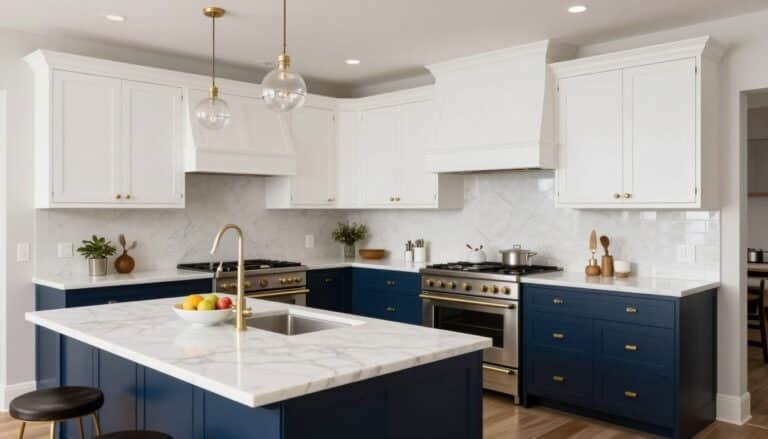
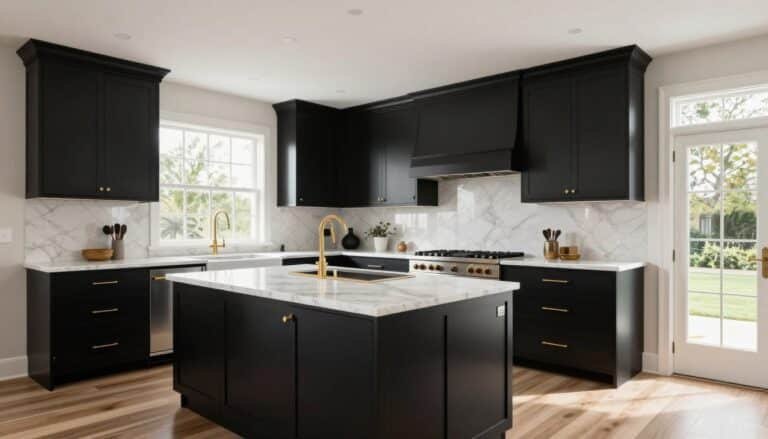
[…] kitchens replace upper cabinets with open shelving—providing display space for beautiful dishware while maintaining some […]