This post may contain affiliate links. Please see my disclosure policy for details.
Transforming Your Garden: The Magic of Circular Lawns
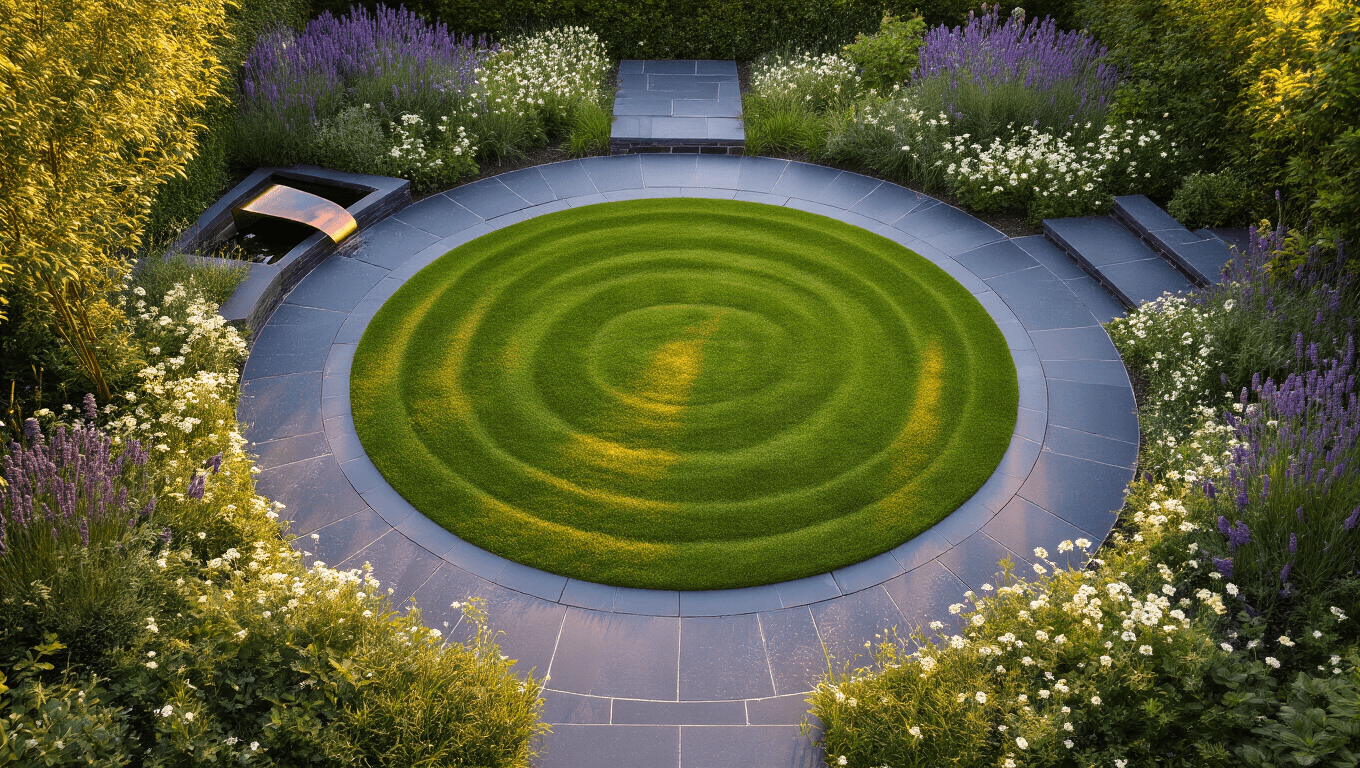
Gardens are more than just green spaces – they’re living canvases waiting to be transformed. Today, I’m diving deep into the world of circular lawns, a design trend that’s about to revolutionize your outdoor space.
Why Circular Lawns Are a Game-Changer
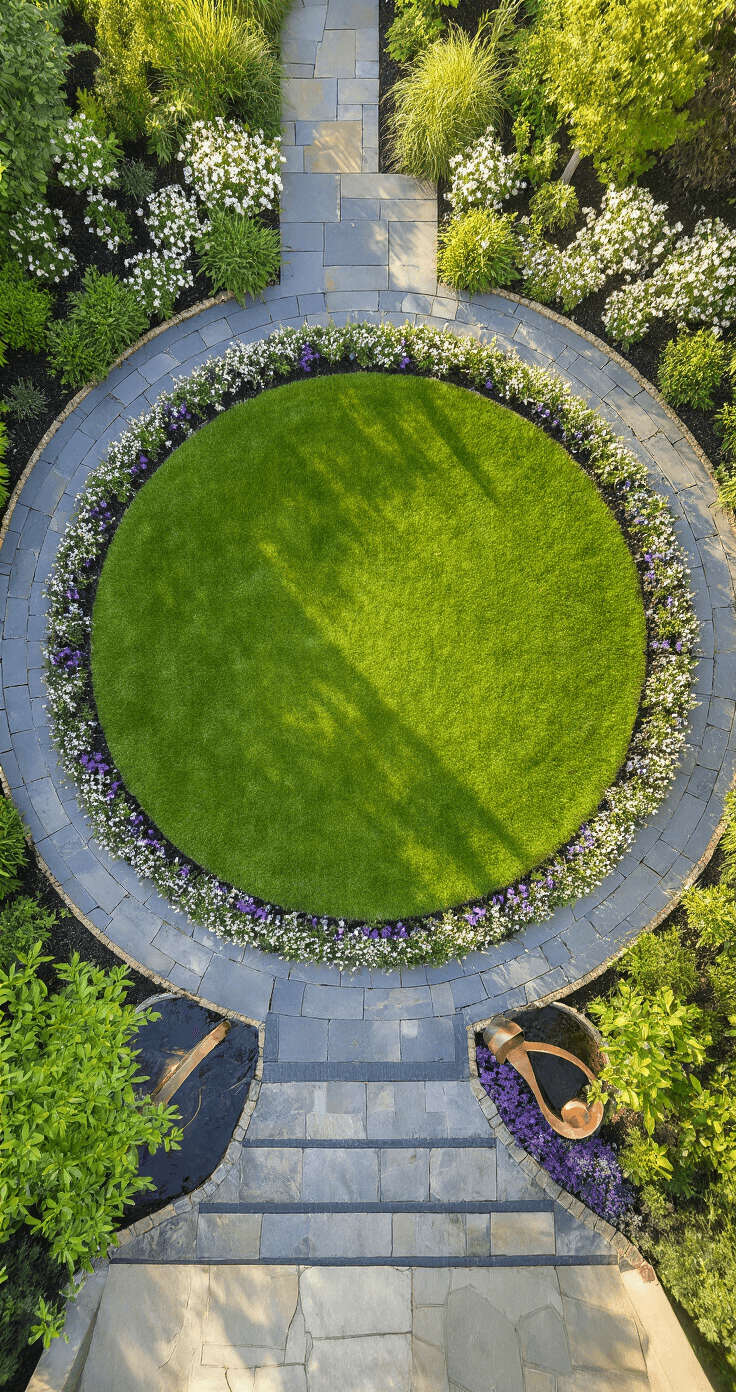
Let’s be real. Traditional rectangular lawns are boring. Circular lawns bring:
- Visual Drama: Break the monotonous straight lines
- Spatial Illusion: Make small spaces feel larger
- Modern Aesthetic: Instantly upgrade your garden’s style
- Flexibility: Works in virtually any garden size
Essential Tools You’ll Need
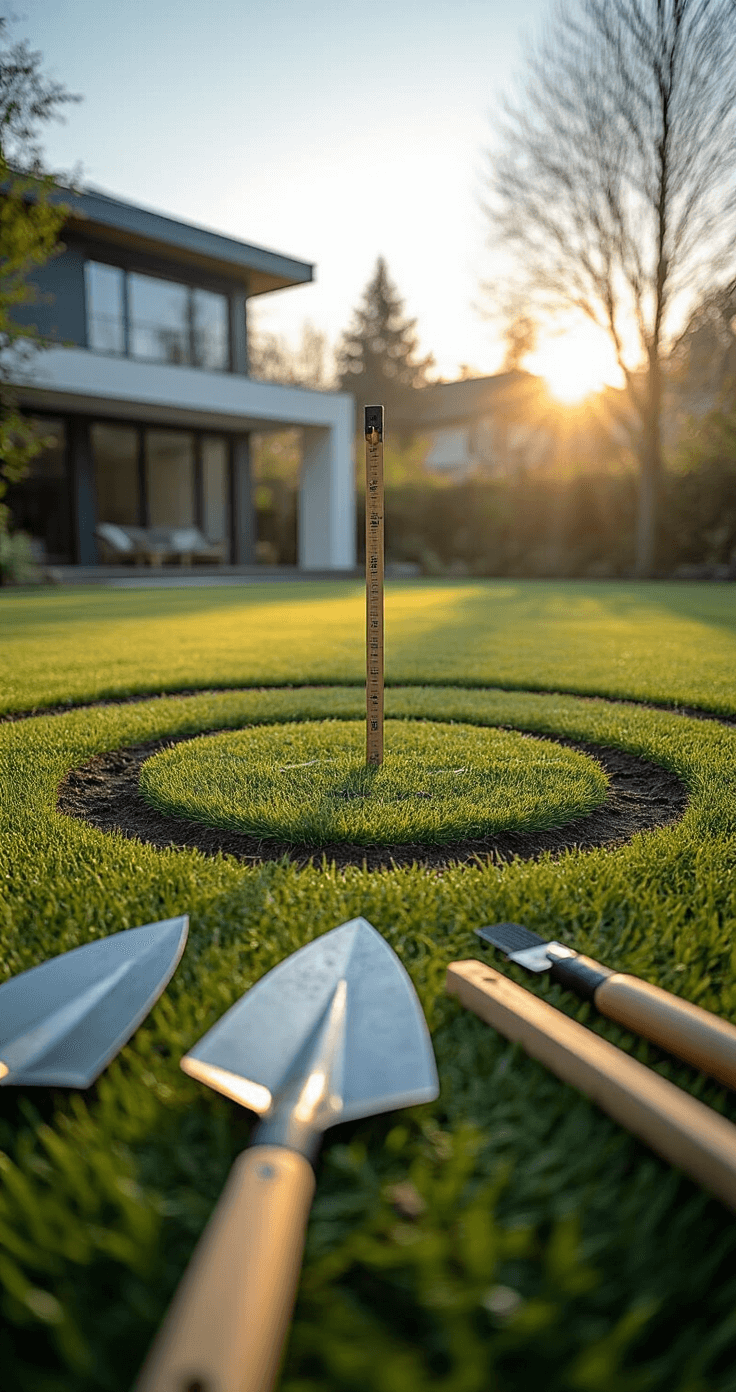
Before you start, grab these must-have items:
- Flexible tape measure
- Garden string
- Spray paint
- Sharp garden spade
- Canes or stakes
Step-by-Step Circular Lawn Creation
🏠 Steal This Look
- Paint Color: Sherwin-Williams Garden Sage SW 7749
- Furniture: circular teak dining set with curved bench seating that mirrors the lawn’s radius
- Lighting: low-voltage LED path lights arranged in concentric rings around the lawn perimeter
- Materials: natural stone edging in warm sandstone, crushed gravel transition zones, and drought-tolerant fescue blend turf
There’s something almost meditative about standing at the center of a circular lawn, where every direction offers equal possibility—it’s the outdoor equivalent of a deep breath, and guests always gravitate toward that gravitational pull without knowing why.
🌊 Get The Look
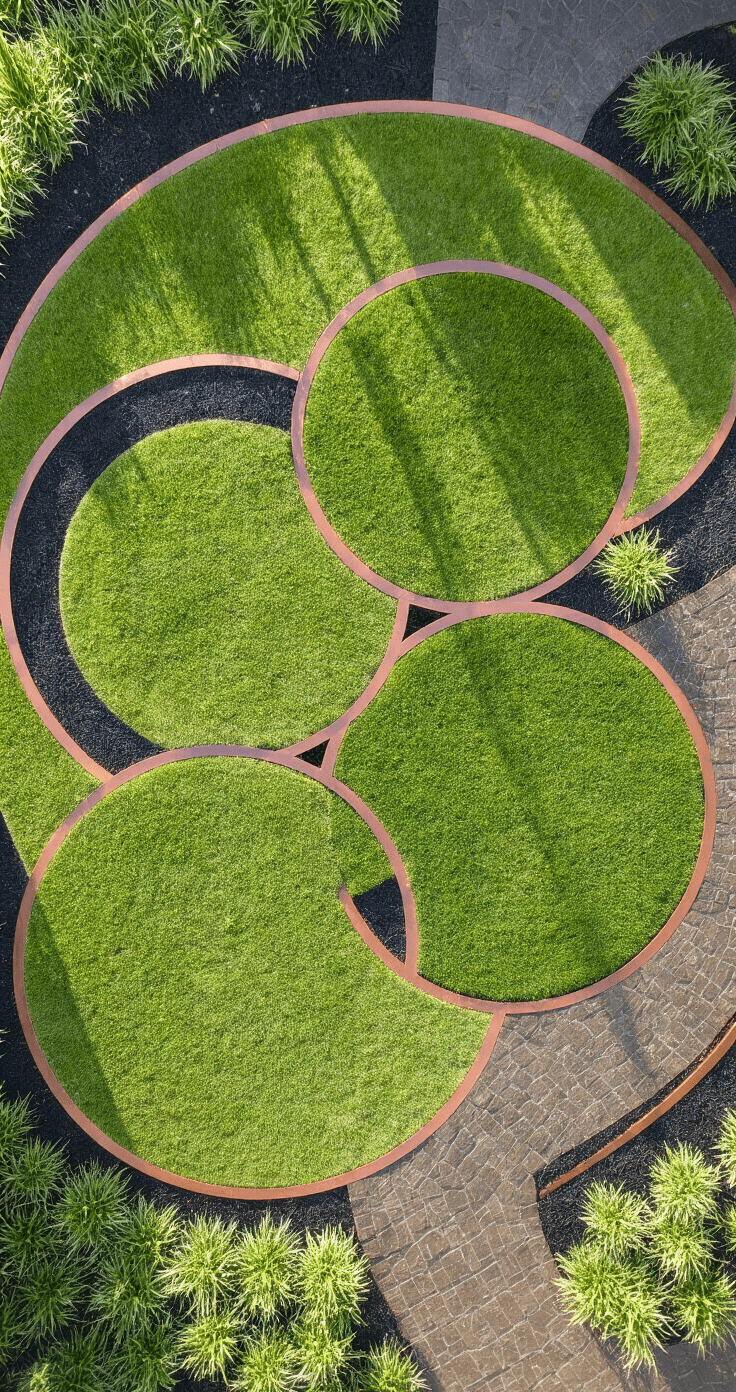
1. Planning Your Circle
Pro Tip: Measure twice, cut once!
- Determine your circle’s center point
- Use a stake as your pivot
- Attach string for precise radius measurement
- Mark boundaries with spray paint
🏠 Steal This Look
- Paint Color: Benjamin Moore Garden Cucumber 644
- Furniture: Weathered teak Adirondack chair with curved slat back, positioned at the lawn’s edge facing inward
- Lighting: Low-voltage brass path lights with 18-inch stems, installed at 8-foot intervals around the perimeter
- Materials: Natural jute garden twine for radius marking, biodegradable marking spray paint, untreated cedar stakes
There’s something almost meditative about standing at the center of your future lawn, string in hand, realizing you’re not just marking grass—you’re defining a gathering space that will anchor your entire garden’s energy for years to come.
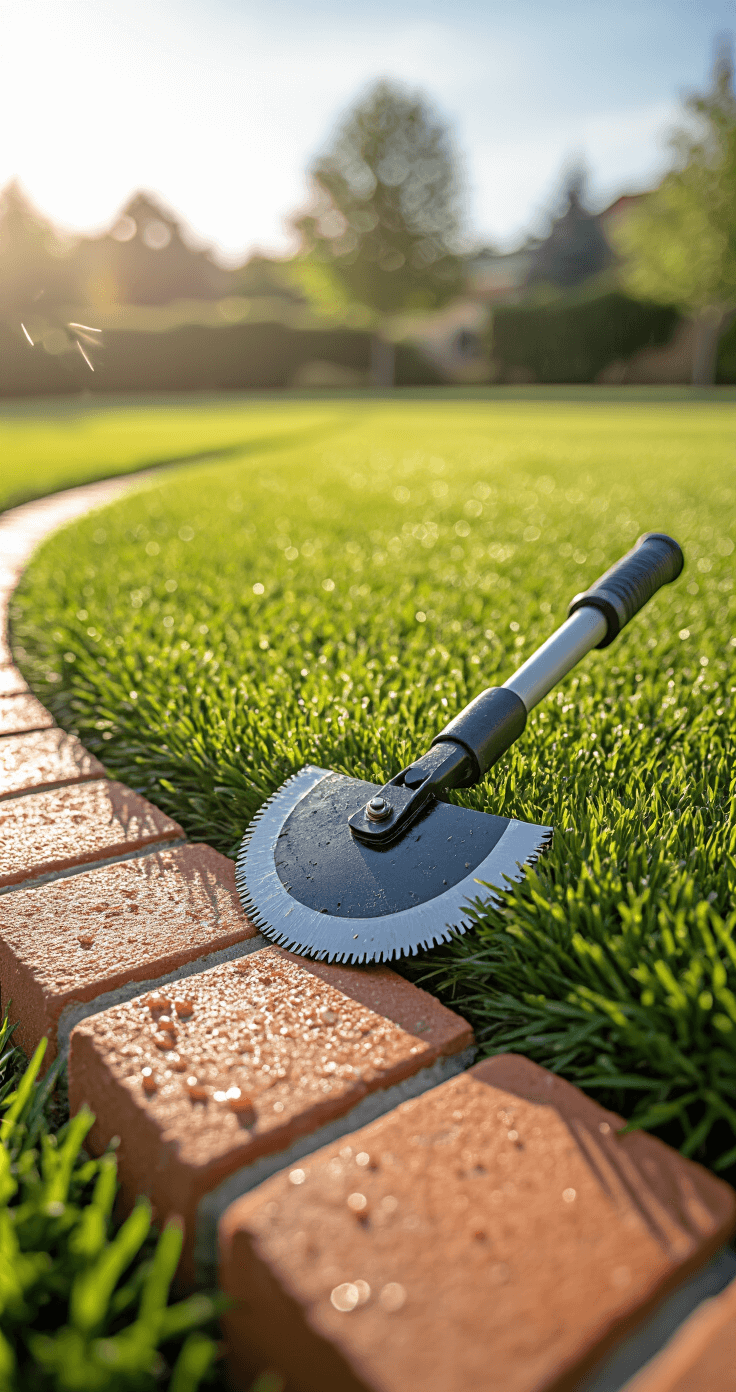
2. Cutting the Lawn
Key Techniques:
- Use a sharp spade for clean edges
- Remove existing turf carefully
- Ensure smooth, even cutting
🌟 Steal This Look
- Paint Color: Farrow & Ball Green Smoke 47
- Furniture: weathered teak Adirondack chair with curved back that echoes the lawn’s geometry
- Lighting: solar-powered bollard lights with domed tops placed at 90-degree intervals around the perimeter
- Materials: Cotswold stone edging, brushed steel spade with ash handle, loamy topsoil, horticultural sand for drainage
There’s something almost meditative about cutting a circular lawn properly—it’s where the gardener becomes a draftsman, and getting that first perfect edge right sets the entire garden’s rhythm for years.
Save this article
Enter your email and we'll send it straight to your inbox.
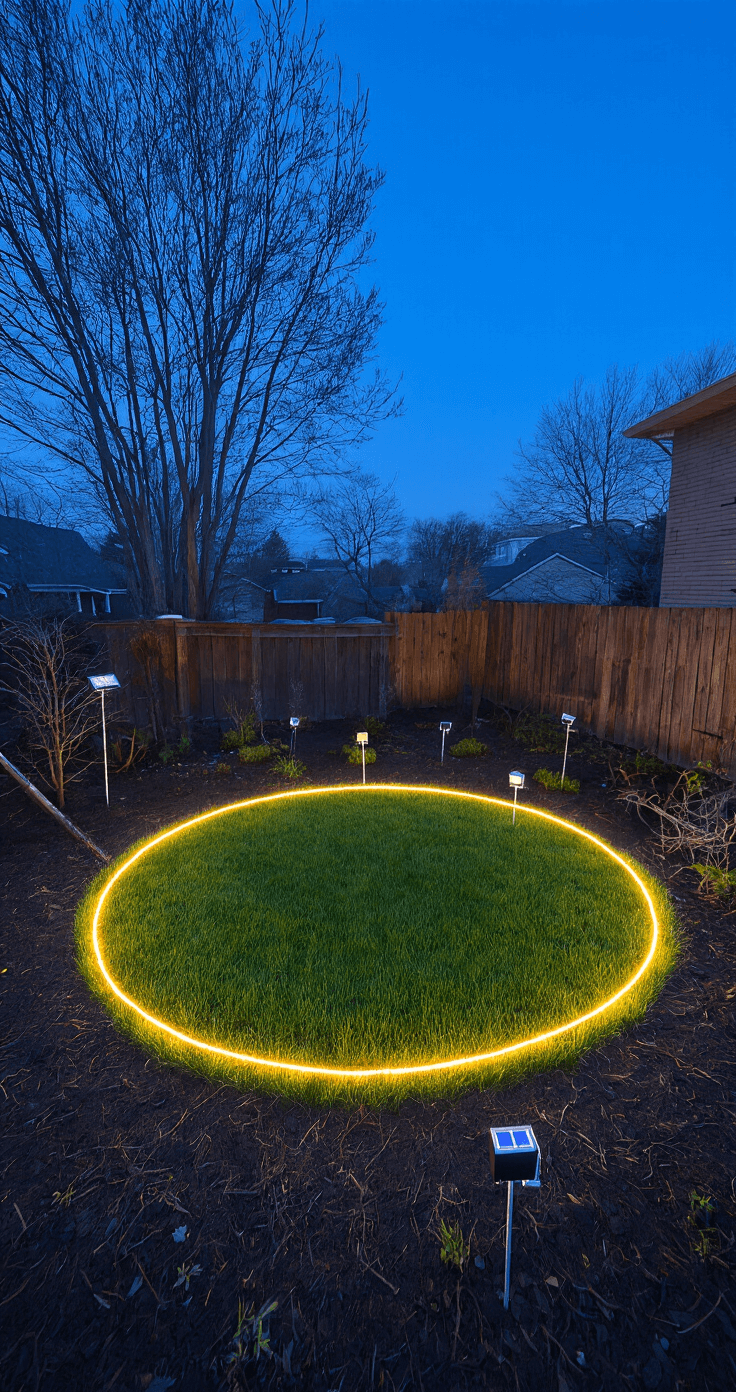
3. Edging Options
You’ve got choices:
- Brick Borders: Classic and formal
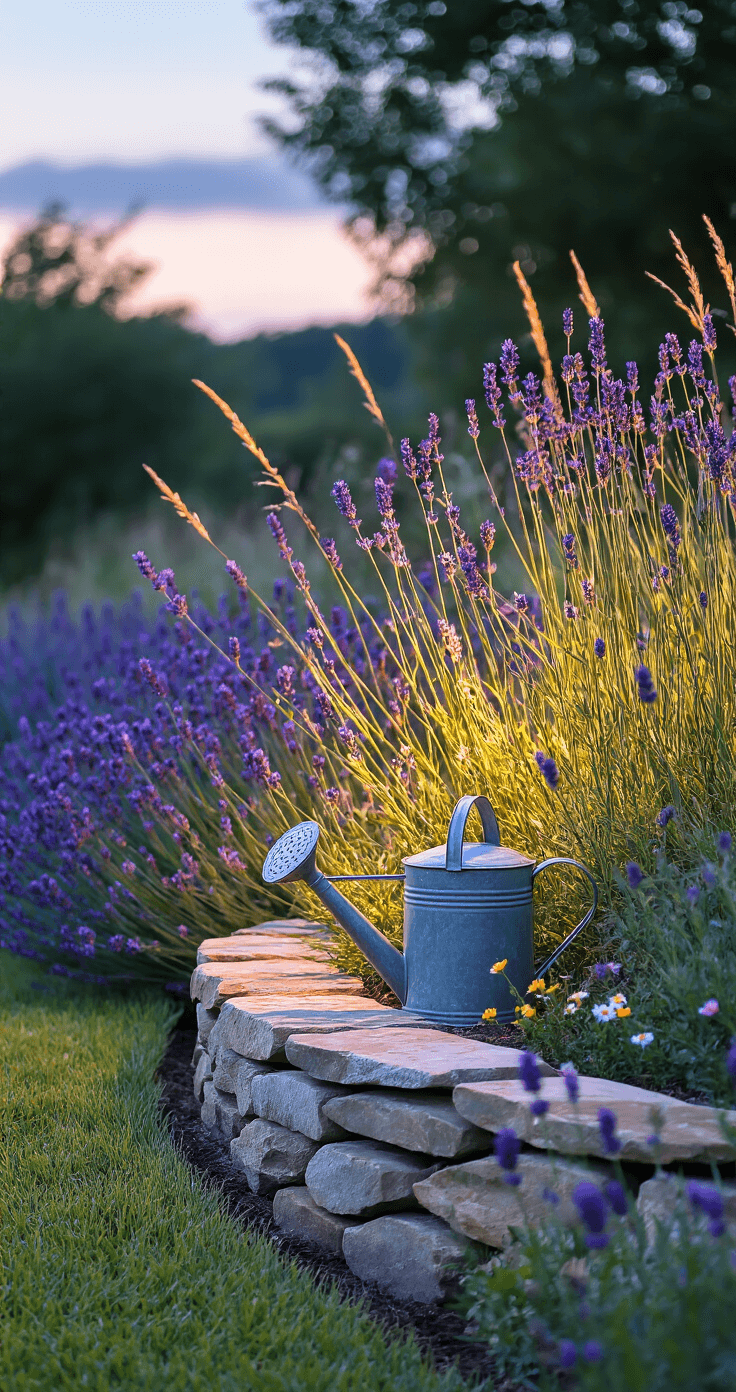
- Stone Edging: Natural and rustic
- Plant Borders: Soft and organic
Design Variations to Explore
✎ Steal This Look
- Paint Color: Behr Garden Wall S340-4
- Furniture: curved teak garden bench with weathered gray finish
- Lighting: low-voltage brass path lights with frosted glass domes
- Materials: reclaimed brick, bluestone pavers, boxwood hedge, crushed granite
There’s something deeply satisfying about the crisp edge where lawn meets border—it’s the detail that separates a backyard from a garden, and circular lawns demand this precision more than any other shape.
🌊 Get The Look
Modern Minimalist
- Clean, crisp edges
- Monochromatic plant selections
- Simple geometric accessories
Cottage Garden Style
- Wildflower borders
- Softer lawn edges
- Vintage garden accessories
Common Mistakes to Avoid
Warning: Don’t fall into these traps:
- Uneven circle edges
- Overcrowding the space
- Ignoring surrounding landscape
Maintenance Tips
Keeping your circular lawn pristine:
- Regular mowing
- Consistent watering
- Edge trimming every 2-3 weeks
Budget-Friendly Transformation
Cost Breakdown:
- Basic DIY circular lawn: $100-$300
- Professional installation: $500-$1500
- Additional landscaping: Optional
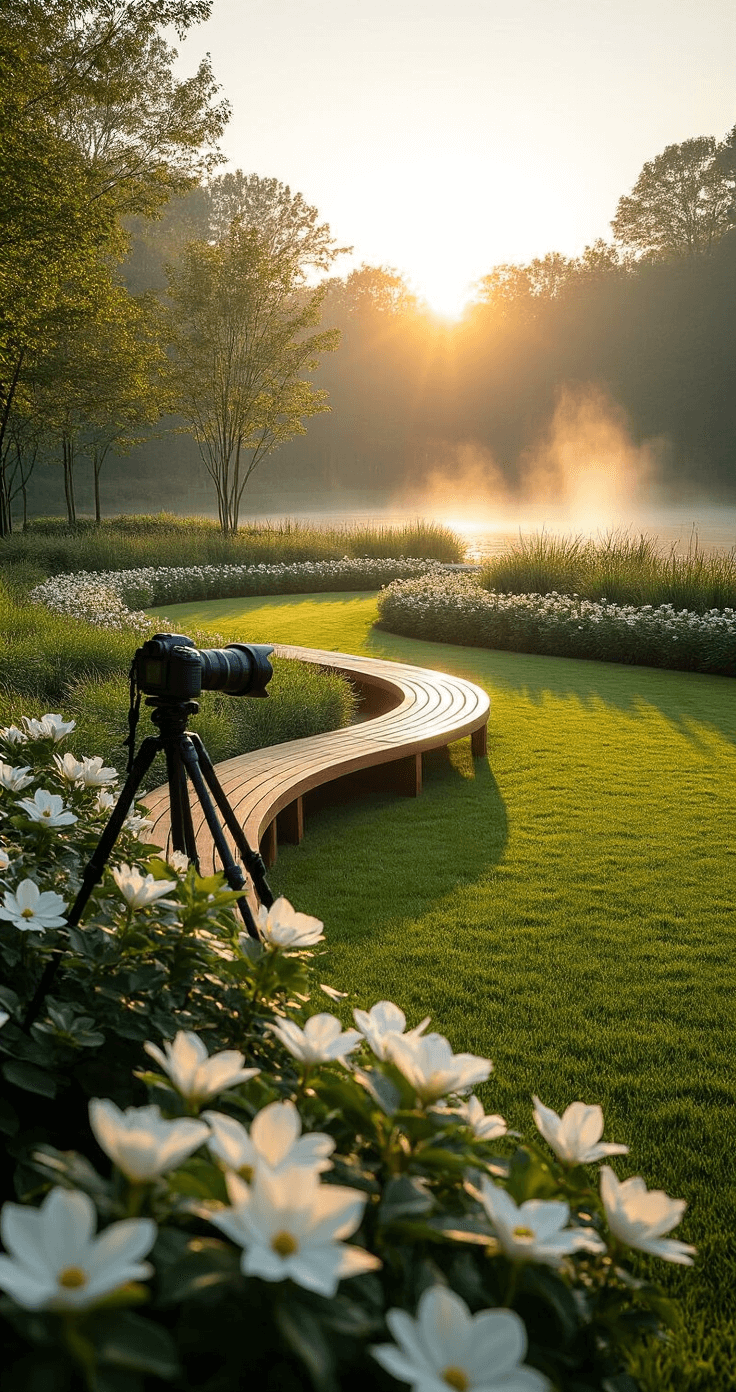
Photography and Showcase
Capture Your Creation:
- Best light: Early morning or late afternoon
- Angles: Multiple perspectives
- Highlight unique features
Final Thoughts
Circular lawns aren’t just a trend – they’re a statement. They transform ordinary gardens into extraordinary spaces that reflect your creativity and style.
Pro Insight: Your garden is an extension of your home. Make it count!
Quick Action Checklist
- Measure your space
- Gather tools
- Plan your design
- Execute with confidence
- Share your masterpiece!
Ready to turn your garden into a circular sensation? Let’s make it happen!
★ Steal This Look
- Paint Color: PPG Sage Green PPG1130-5
- Furniture: wrought iron bistro set with curved backs and scrollwork details
- Lighting: solar-powered vintage-style lantern string lights with warm amber bulbs
- Materials: weathered cedar for raised beds, crushed limestone pathways, galvanized metal planters with patina finish
There’s something deeply satisfying about a circular lawn that feels discovered rather than designed—like a secret garden room that happened naturally, even when you’ve planned every curve.
Keep this one for later
We'll email you the link so you can come back to it.