
This post may contain affiliate links. Please see my disclosure policy for details.
The Art of Mastering Long and Narrow Living Dining Rooms
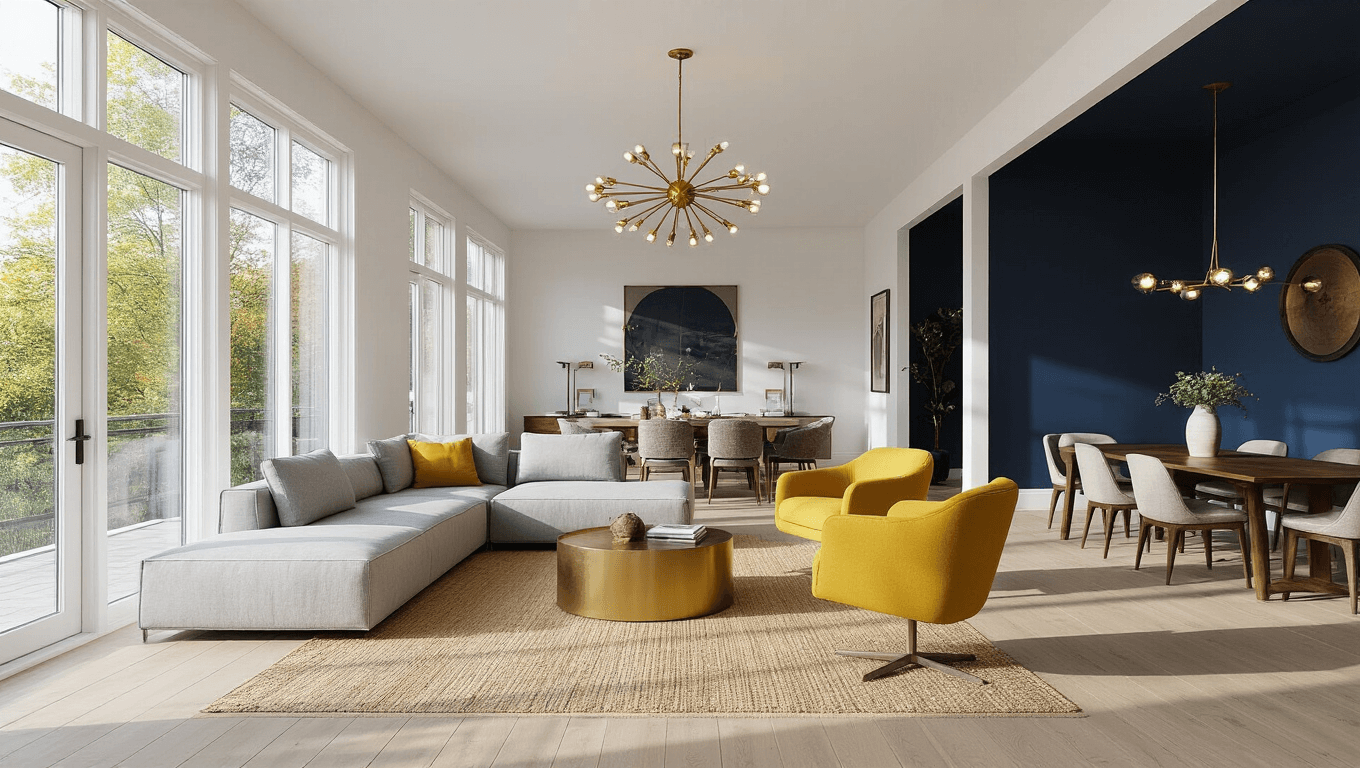
The long narrow living-dining room that worked best was split into two zones by a console table behind the sofa, so the room had two destinations instead of one long corridor. Long narrow rooms fail when everything sits against the walls and the middle goes dead. Create crosswise zones and the room starts to feel wide.
Trust me, I’ve been there. It’s like trying to fit a square peg in a rectangular hole. But fear not, my space-challenged friends! I’m about to spill the beans on how to turn that awkward layout into a stunning, multi-functional masterpiece.
Creating Zones: The Secret Sauce
First things first – we need to break up that bowling alley vibe. Think of your room as a mullet: business in the front, party in the back. Or vice versa. Whatever floats your boat.
Here’s how we’ll slice and dice:
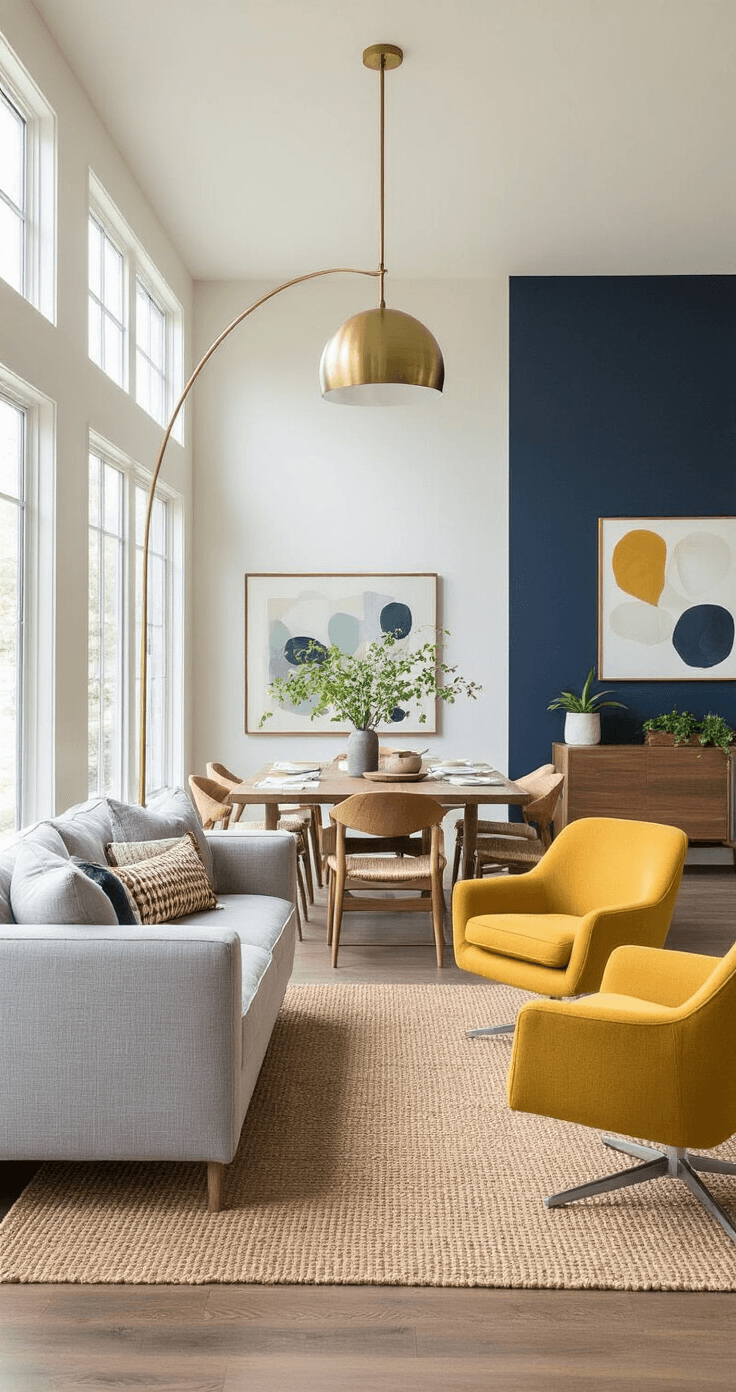
- Use area rugs to define spaces
- Play with lighting to create ambiance in each zone
- Arrange furniture back-to-back as a natural divider
Voila! You’ve just created distinct areas without building a wall. Sneaky, right?
Furniture Arrangement: The Tetris of Interior Design
Now, let’s talk furniture. Forget what your grandma told you about pushing everything against the walls. We’re going rogue.
Try these tricks:
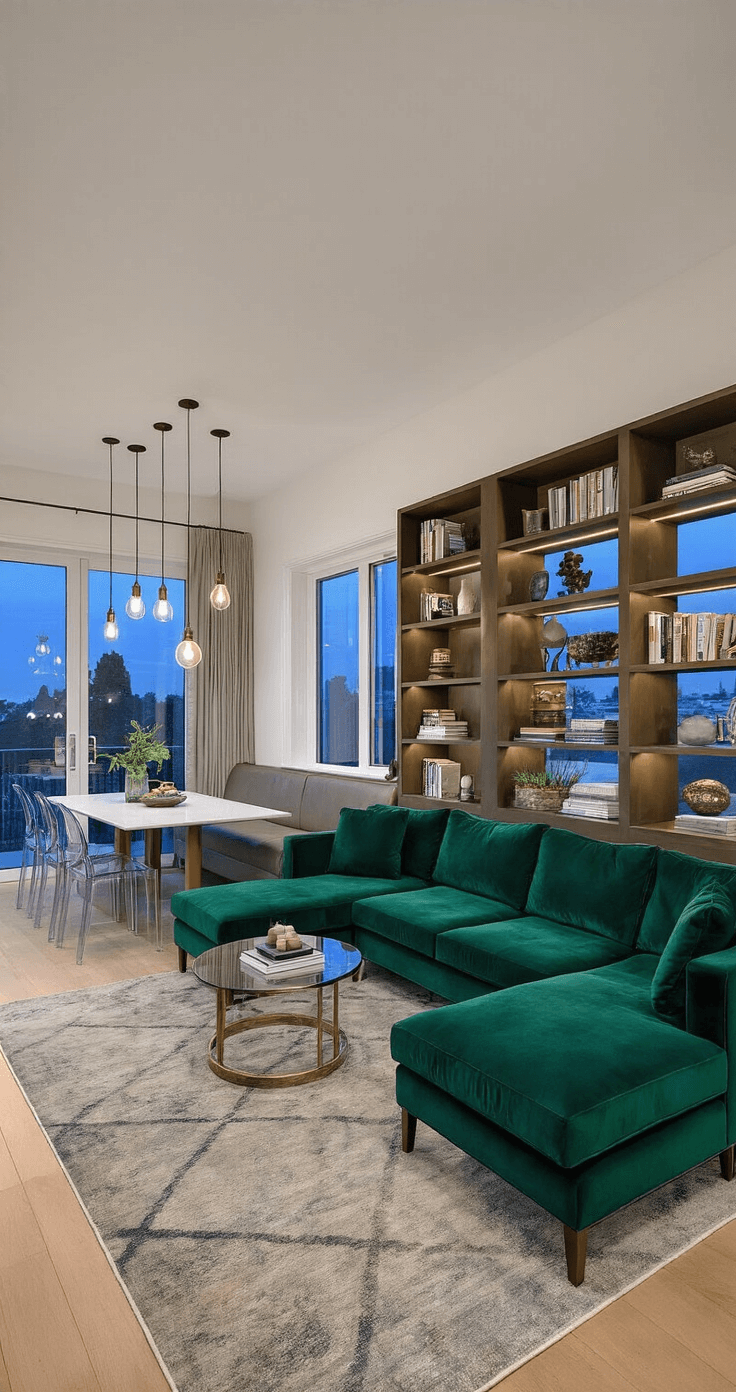
- Float that sofa in the middle of the room
- Mix and match chairs with a sectional for flexibility
- Invest in swivel chairs – they’re like the Swiss Army knives of seating
And for dining? Go for a compact table that expands faster than your waistline at Thanksgiving dinner.
Keep the Flow Going: No Traffic Jams Allowed
Remember, we’re creating a living space, not an obstacle course. Keep those pathways clear, people!
Save this article
Enter your email and we'll send it straight to your inbox.
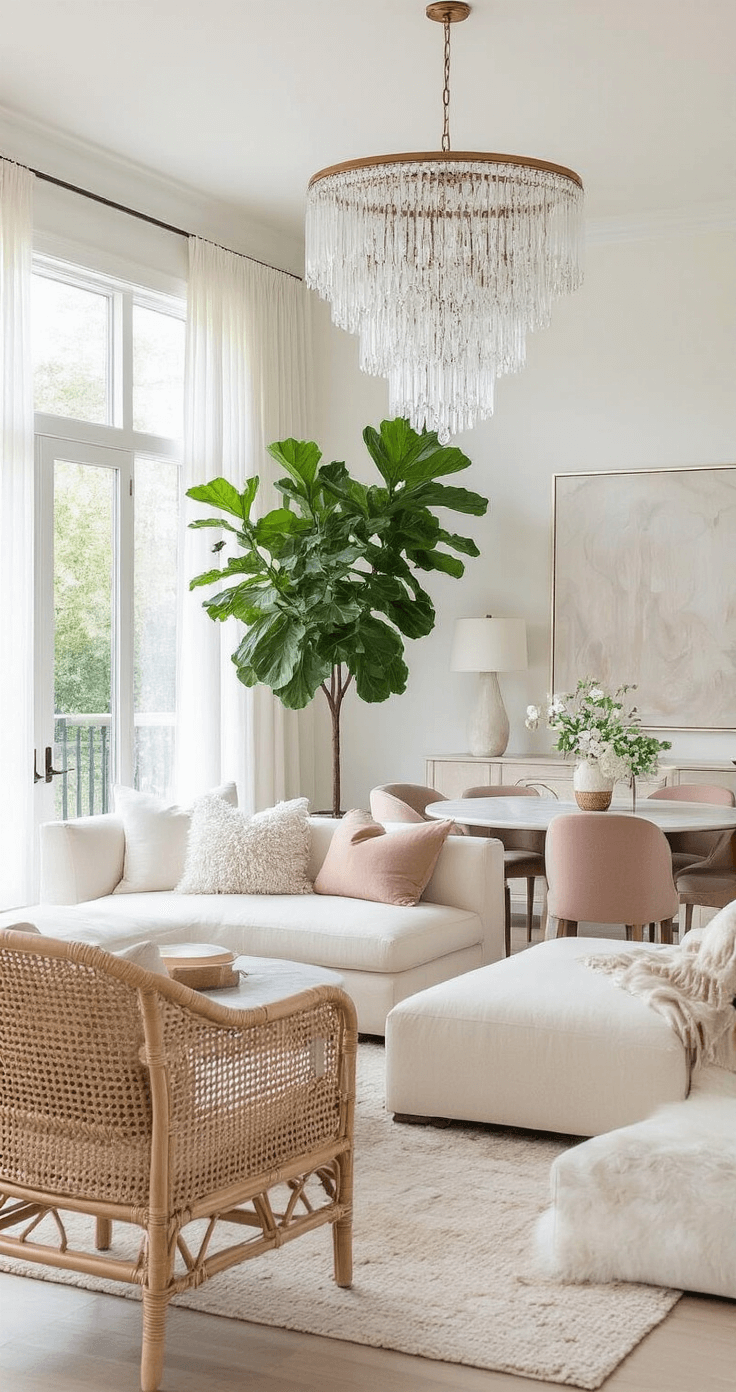
- Maintain wide walkways (no toe-stubbing allowed)
- Choose slimline furniture that doesn’t block the flow
- Think vertical – use tall, narrow pieces to draw the eye up
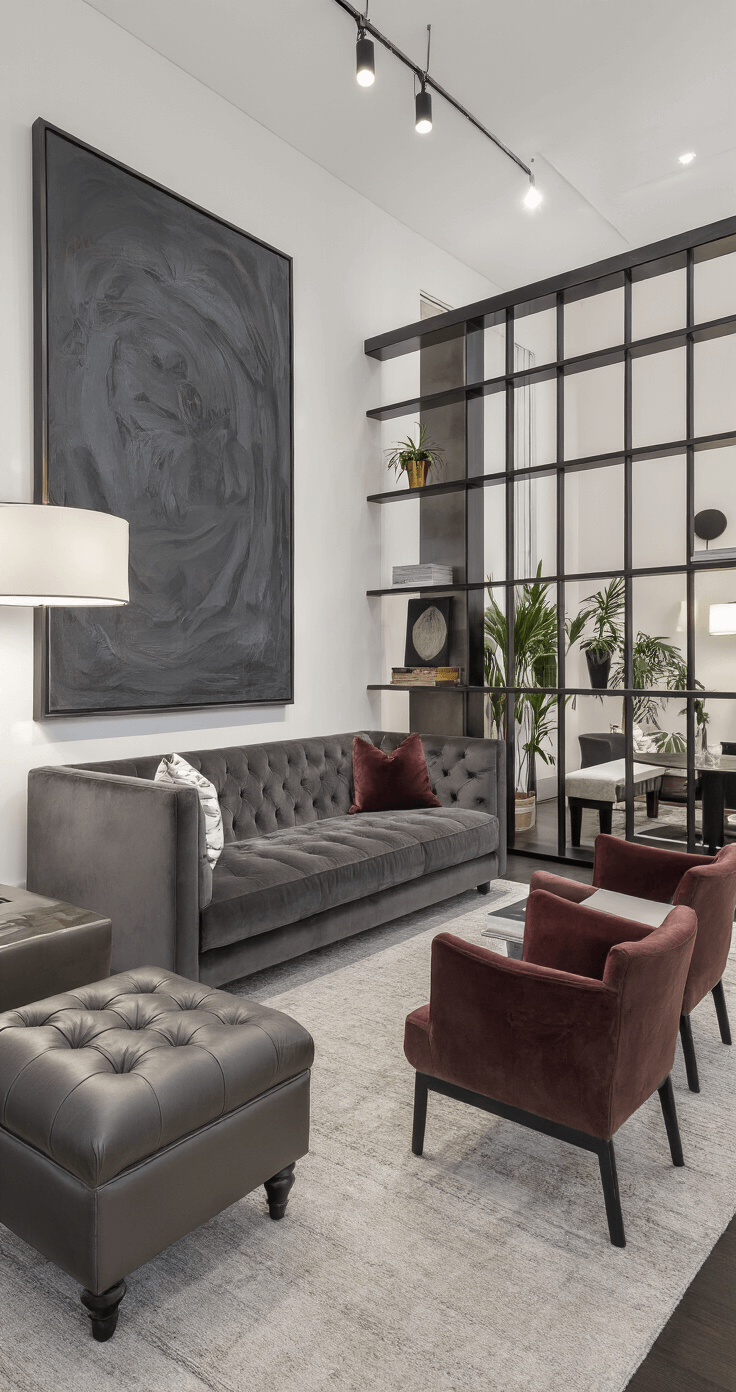
Lighting and Accessories: The Cherry on Top
Time to zhuzh it up! This is where we add personality and pizzazz.
- Hang pendant lamps over the dining area
- Place floor lamps strategically in the living zone
- Add texture with cushions, throws, and rugs
And don’t forget to accessorize! A well-placed vase or a quirky piece of art can be the conversation starter you never knew you needed.
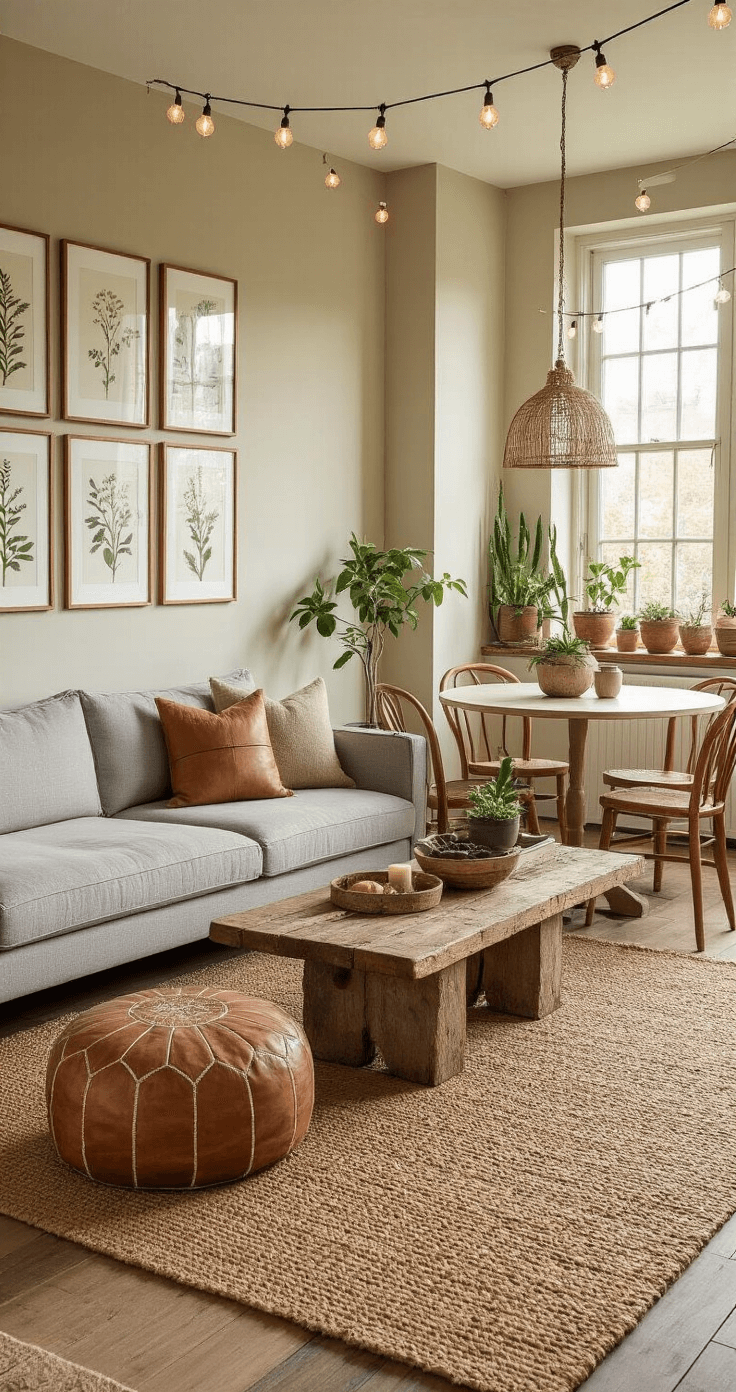
Background and Scale: The Smoke and Mirrors of Design
Let’s play some visual tricks, shall we?
- Paint an accent wall to define areas
- Use tall bookshelves to break up long walls
- Hang mirrors to create the illusion of more space
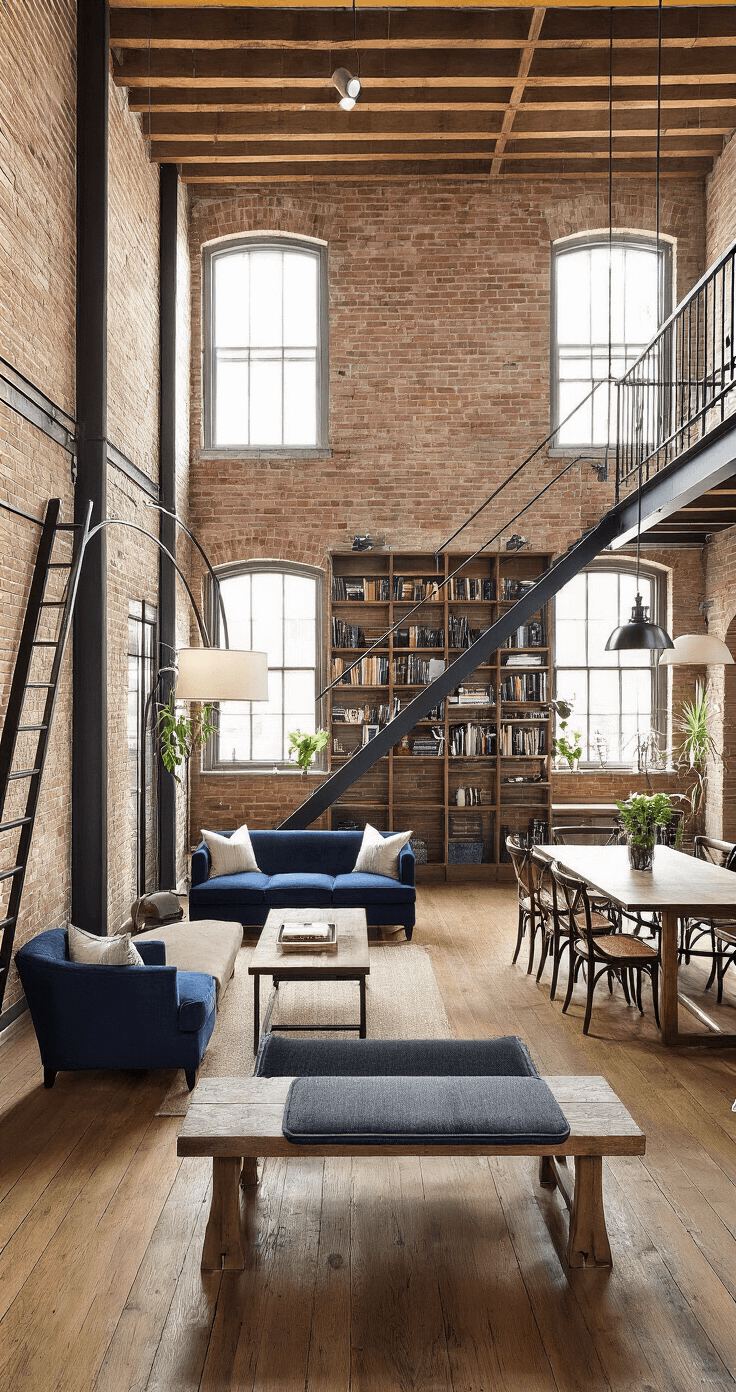
Multi-functional Furniture: The Overachievers of Home Decor
In a narrow space, every piece needs to pull its weight.
- Try a banquette along one wall – seating and storage in one!
- Use a console table behind the sofa for extra surface area
- Opt for ottomans with hidden storage

Avoiding the Pitfalls: What Not to Do
Listen up, because this is important:
- Don’t create a “bowling alley” effect by lining everything up
- Avoid blocking natural light with bulky furniture
- Steer clear of clashing styles between zones
Expert Styling Tips: The Secret Sauce
Want to know how the pros do it?
- Layer textures like a boss – mix smooth with rough, shiny with matte
- Use pops of color to tie the zones together
- Bring in some greenery – plants are like the cool kids of interior design
A long narrow room works when you break it into distinct zones, each with its own focus, and avoid pushing everything against the long walls. Use rugs to define the zones and keep a clear path through the middle. The room should feel generous, not like a hallway.
Keep this one for later
We'll email you the link so you can come back to it.


[…] Hanging art so high it looks like it’s trying to escape the room […]
[…] don’t worry, it doesn’t have to be boring! Add pops of color […]