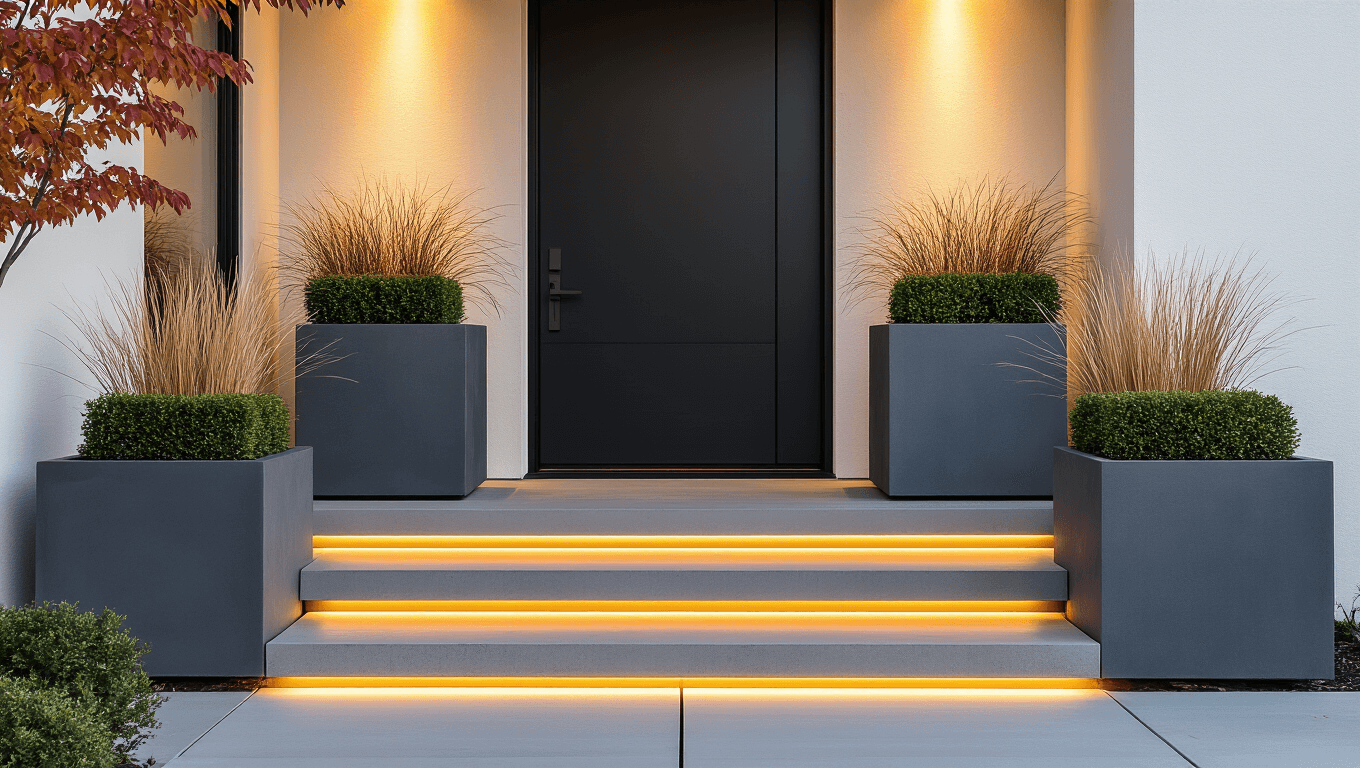
This post may contain affiliate links. Please see my disclosure policy for details.
Modern Front Porch Planters That’ll Make Your Neighbors Actually Stop and Stare
Contents
- Modern Front Porch Planters That’ll Make Your Neighbors Actually Stop and Stare
- Why Modern Planters Hit Different
- The Shape of Things That Actually Look Good
- Materials That Can Actually Handle Real Life
- Polyethylene and Resin
- Metal (The Showstopper)
- Fiberglass (The Chameleon)
- Recycled Materials (The Guilt-Free Option)
- Concrete and Fiber-Reinforced Concrete
- Teak Wood with Aluminum
- How to Actually Style These Things
- Flanking Doorways (The Classic Move)
- Layering Multiple Sizes
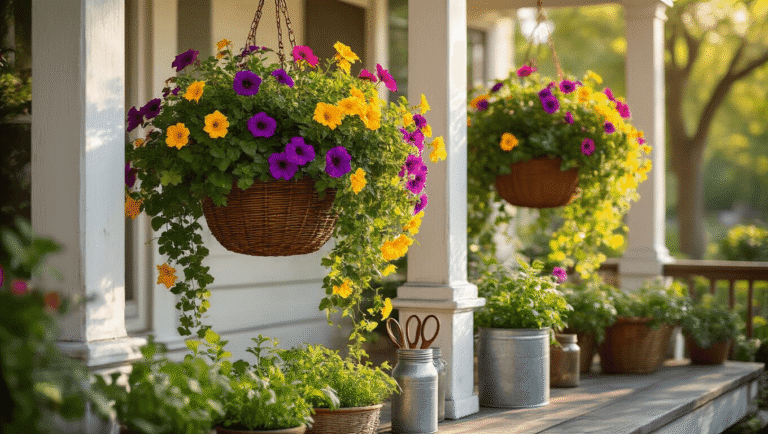
Modern front porch planters aren’t just containers—they’re the exclamation point your entryway desperately needs.
I remember standing on my porch three years ago, staring at those sad, chipped terra cotta pots I’d inherited from the previous owner. My front door looked like it was auditioning for a “before” photo in a home makeover show. Not exactly the vibe I was going for.
Here’s the thing: your front porch is the handshake before the conversation. It’s what people see before they even knock. And those planters? They’re doing more heavy lifting than you think.
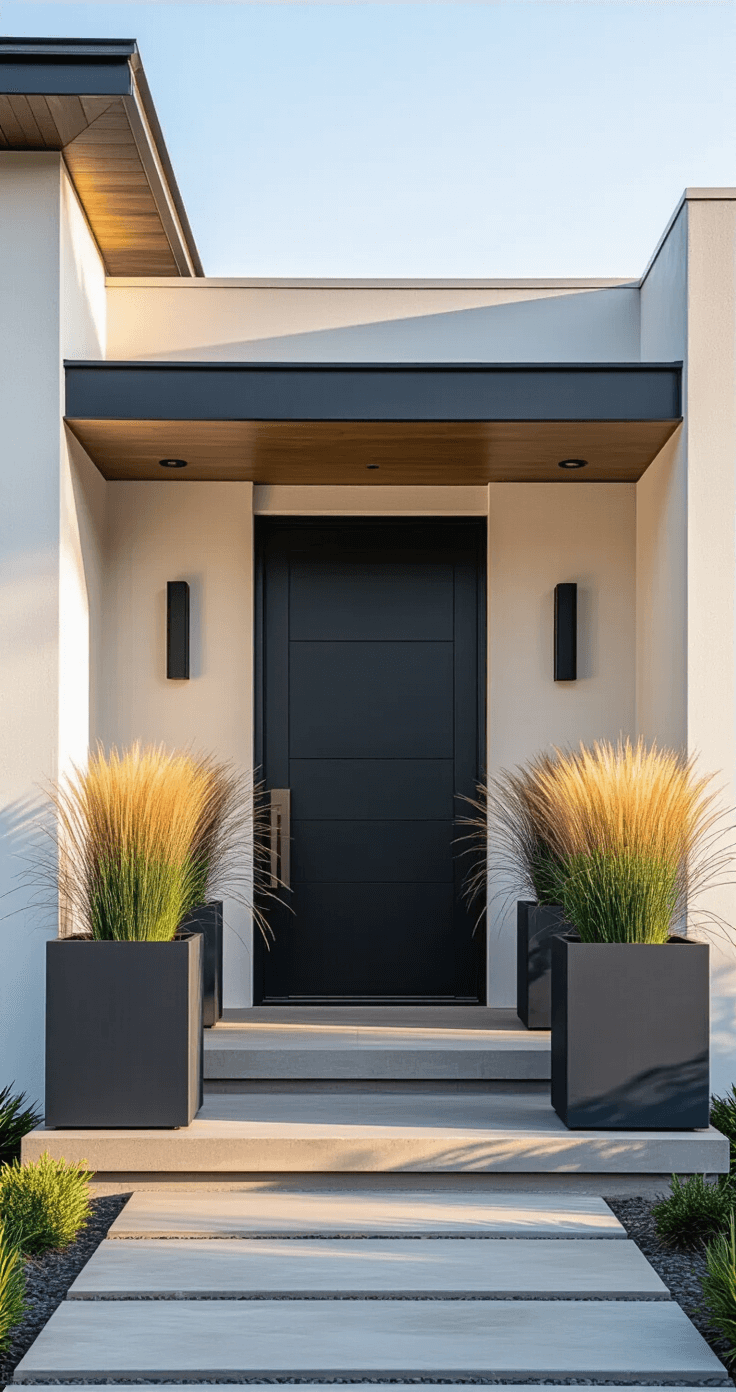
Why Modern Planters Hit Different
Forget everything you know about traditional plant pots. Modern front porch planters bring clean lines, geometric shapes, and minimalist aesthetics that transform your entryway from “meh” to “wait, can I take a photo?
These aren’t your grandmother’s flowerpots (no offense to grandma). We’re talking sleek, architectural pieces that serve double duty as functional containers and legitimate design statements.
I switched to modern planters last spring, and my mail carrier literally asked me if I’d hired a designer. I hadn’t—I’d just finally figured out what worked.
The Shape of Things That Actually Look Good
Sharp geometric designs are where modern planters absolutely shine.
Here’s what you’ll see dominating contemporary entryways:
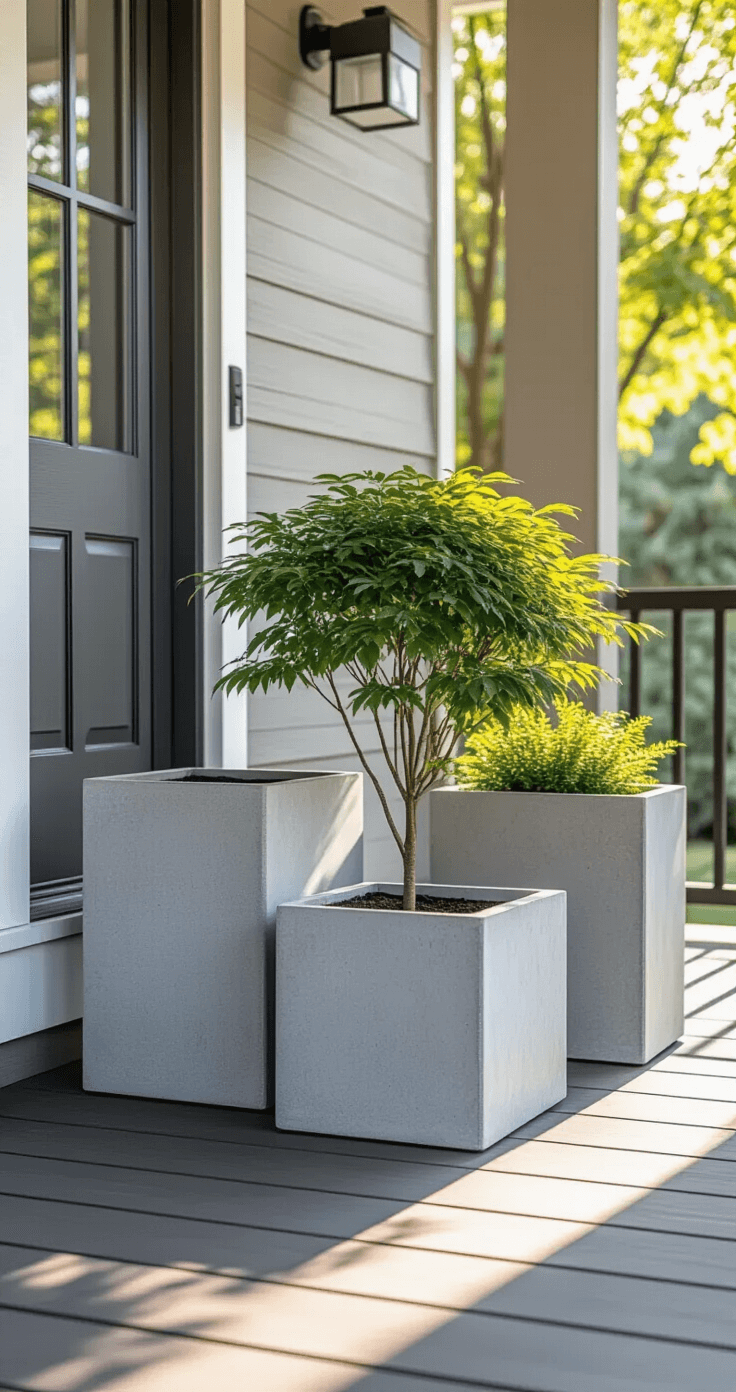
- Cubes: Boxy, bold, unapologetically angular
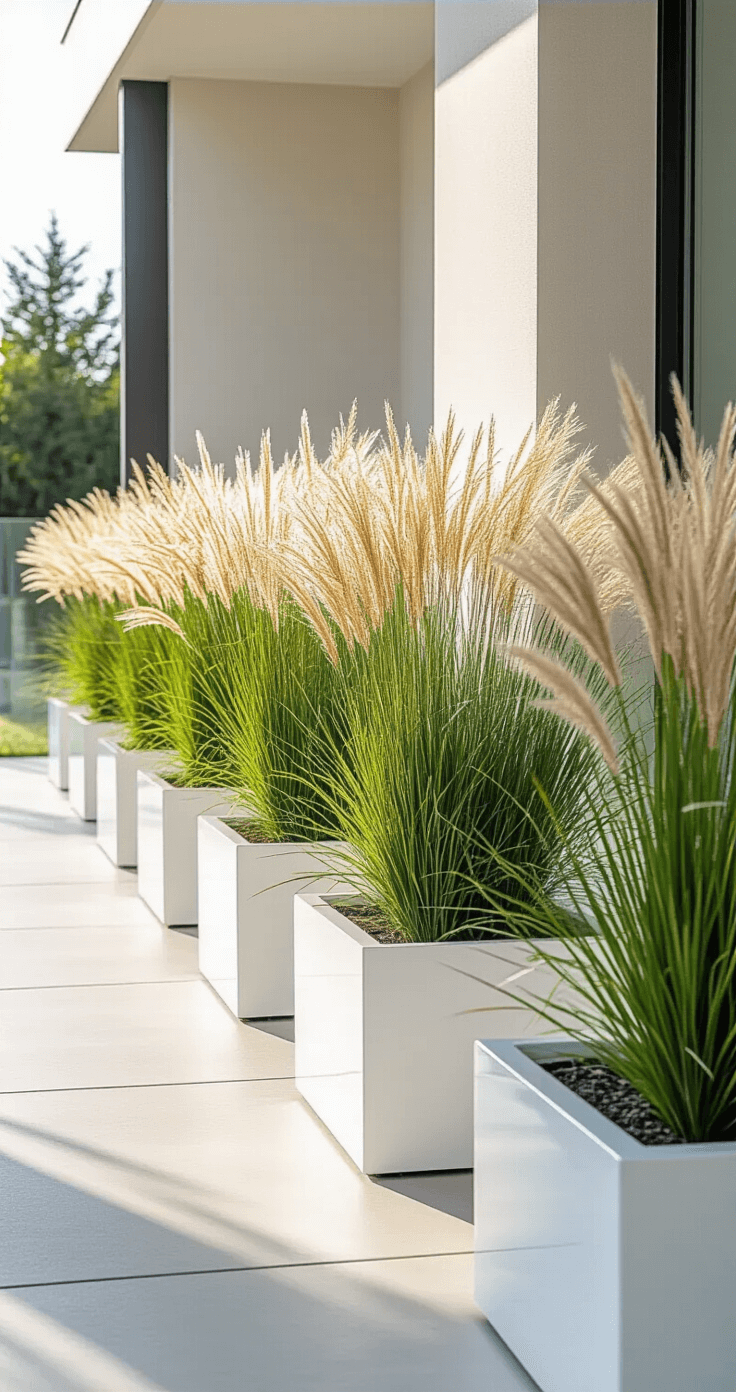
- Rectangles: Perfect for creating that horizontal flow
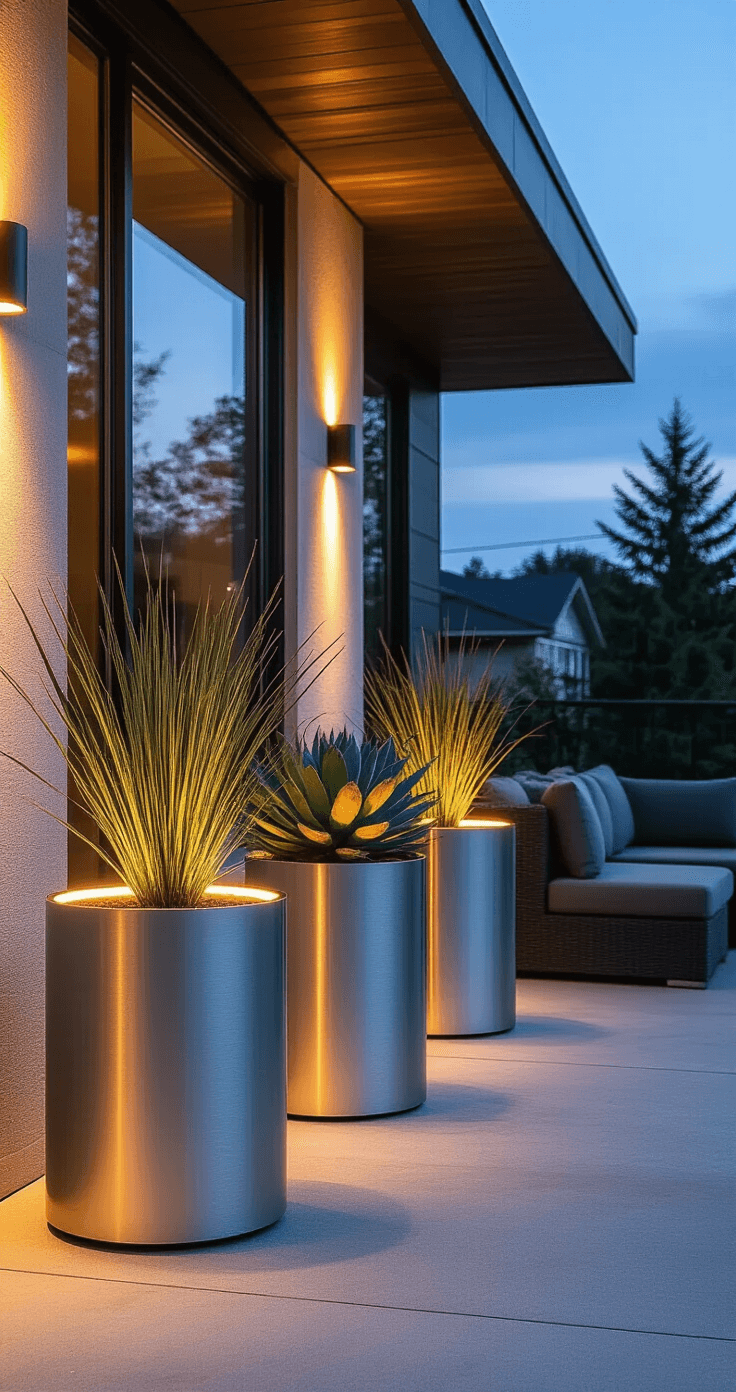
- Cylinders: Classic rounds that never go out of style
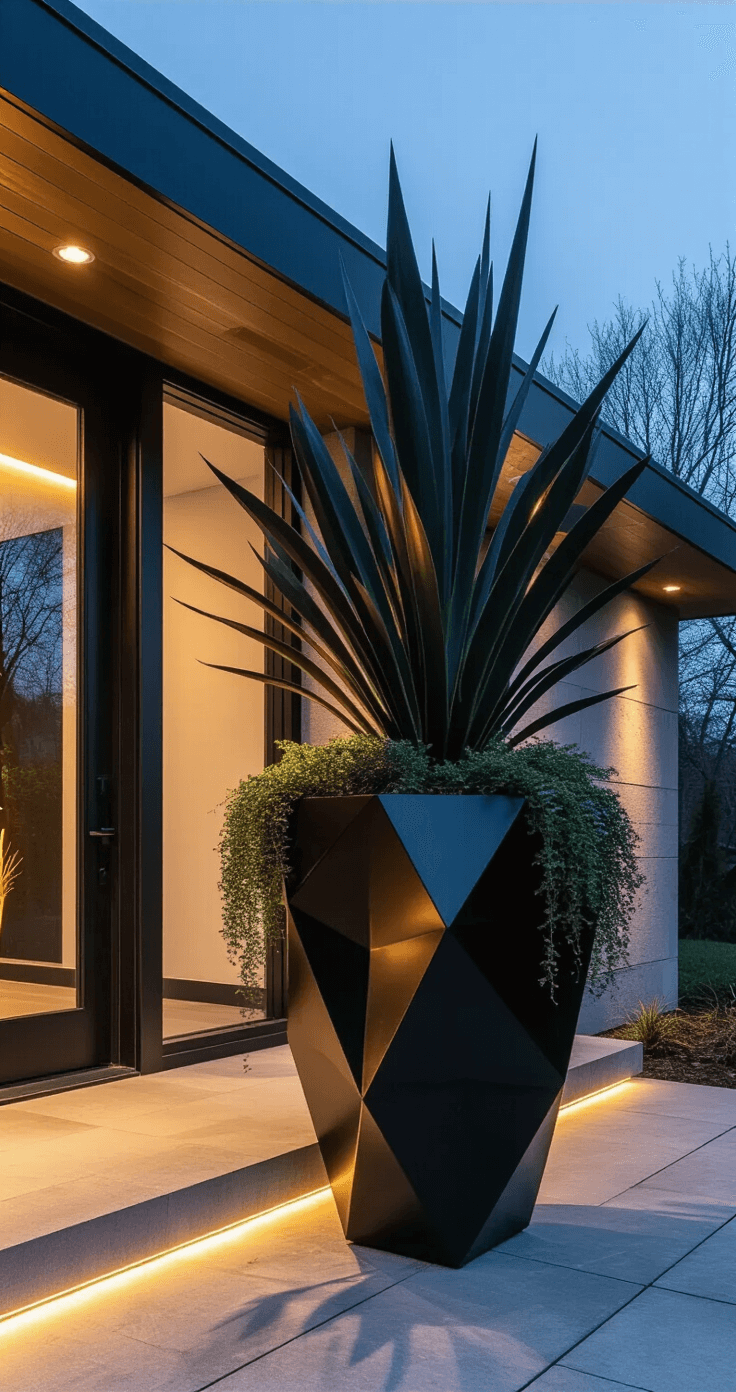
- Diamond-faceted shapes: For when you want to get a bit fancy
- Rounded profiles with clean edges: The sweet spot between soft and structured
The beauty of geometric planters is how they create visual order. Your porch might be small, asymmetrical, or awkwardly shaped—but drop in a pair of matching modern rectangular planters and suddenly everything looks intentional.
Minimalist silhouettes work because they don’t compete with your plants or your home’s architecture. They enhance both.
I learned this the hard way after buying ornately detailed pots that fought with my home’s simple lines. They lasted two weeks on my porch before I quietly donated them.
Materials That Can Actually Handle Real Life
Listen, I don’t know about you, but I’m not bringing planters inside when the weather turns. That’s why weather-resistant materials aren’t just nice to have—they’re non-negotiable.
Polyethylene and Resin
Lightweight and UV-resistant, these planters laugh in the face of sun damage. They come in every color imaginable, won’t crack in freezing temperatures, and you can actually move them without throwing out your back.
I’ve got large resin planters flanking my door that have survived three winters without a single crack. They still look brand new.
Metal (The Showstopper)
High-grade stainless steel and brushed aluminum deliver that sleek, industrial look that makes people think you have your life together.
Metal planters catch light beautifully throughout the day. Morning sun hits them differently than afternoon glow—it’s like free mood lighting.
The downside? They heat up in direct sun, which some plants hate. Choose your placement wisely or opt for metal planters with inner liners that protect roots.
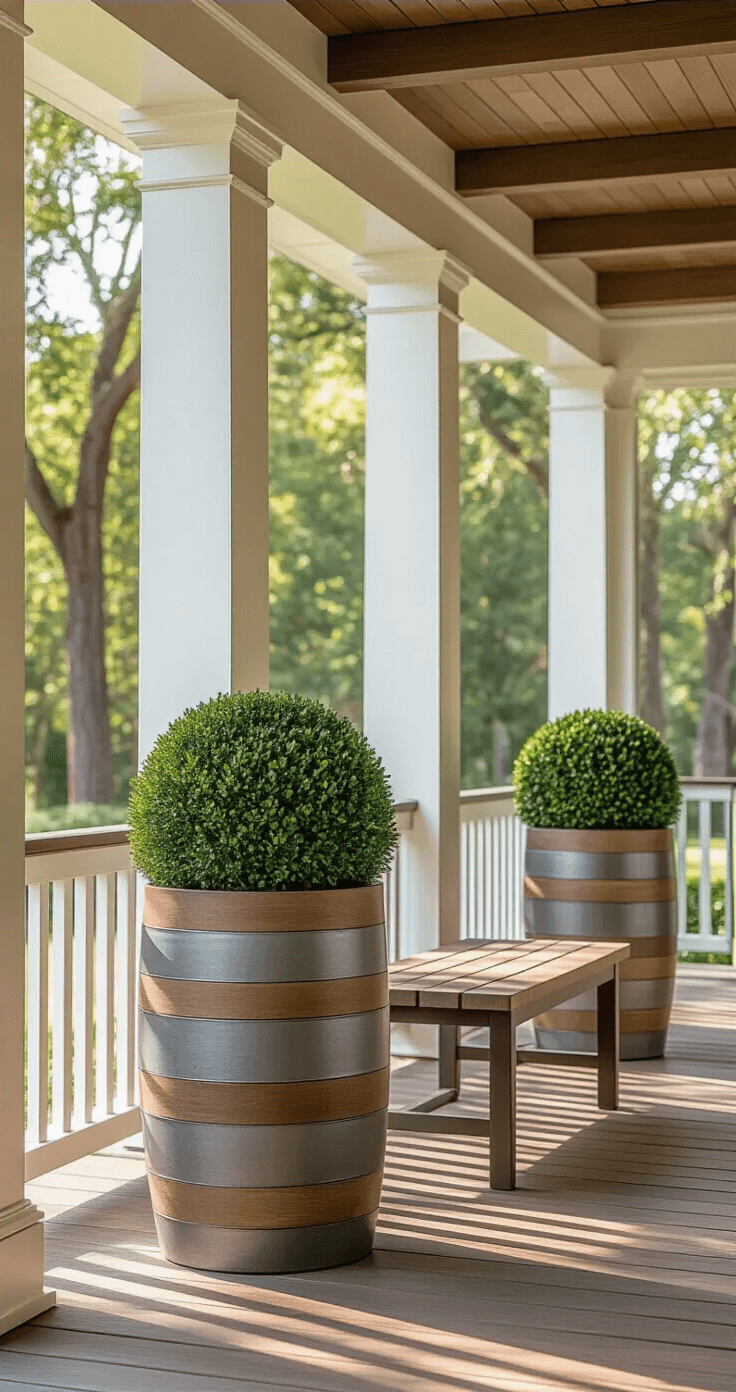
Fiberglass (The Chameleon)
Durable and ridiculously easy to move between indoor and outdoor spaces. Fiberglass can mimic concrete, stone, or ceramic at a fraction of the weight.
I use fiberglass planters near my door because I’m indecisive and rearrange my porch setup seasonally. They don’t judge my constant redesigning.
Recycled Materials (The Guilt-Free Option)
Planters made from recycled plastic milk jugs sound suspiciously like something from a craft fair, but modern versions are legitimately gorgeous. They withstand extreme weather and you get to feel smug about being eco-friendly.
Win-win.
Concrete and Fiber-Reinforced Concrete
Handcrafted options with natural variations that ensure your porch doesn’t look like everyone else’s.
Real concrete is heavy—like, injure-yourself-moving-it heavy. Fiber-reinforced versions give you that industrial aesthetic without requiring a moving crew.
Each one has unique textures and color variations. I’m slightly obsessed with the organic feel they bring to otherwise sleek modern designs.
Teak Wood with Aluminum
This combo combines natural rot-resistant wood with contemporary metal accents for people who can’t choose between organic and modern.
Spoiler: you don’t have to choose. These hybrid planters age beautifully, developing a silver-grey patina that looks intentional and expensive.
How to Actually Style These Things
You didn’t buy beautiful planters just to plop them randomly on your porch, right? Right?
Flanking Doorways (The Classic Move)
Flanking doorways with matching planters creates instant symmetry and makes your entrance feel grand—even if your porch is the size of a postage stamp.
I use matching tall cylindrical planters on either side of my door. It frames the entrance and draws the eye exactly where you want it.
Pro tip: the planters don’t need to be huge. Medium-sized ones often work better than the massive statement pieces you’re eyeing.
Layering Multiple Sizes
Layer multiple sizes to