
This post may contain affiliate links. Please see my disclosure policy for details.
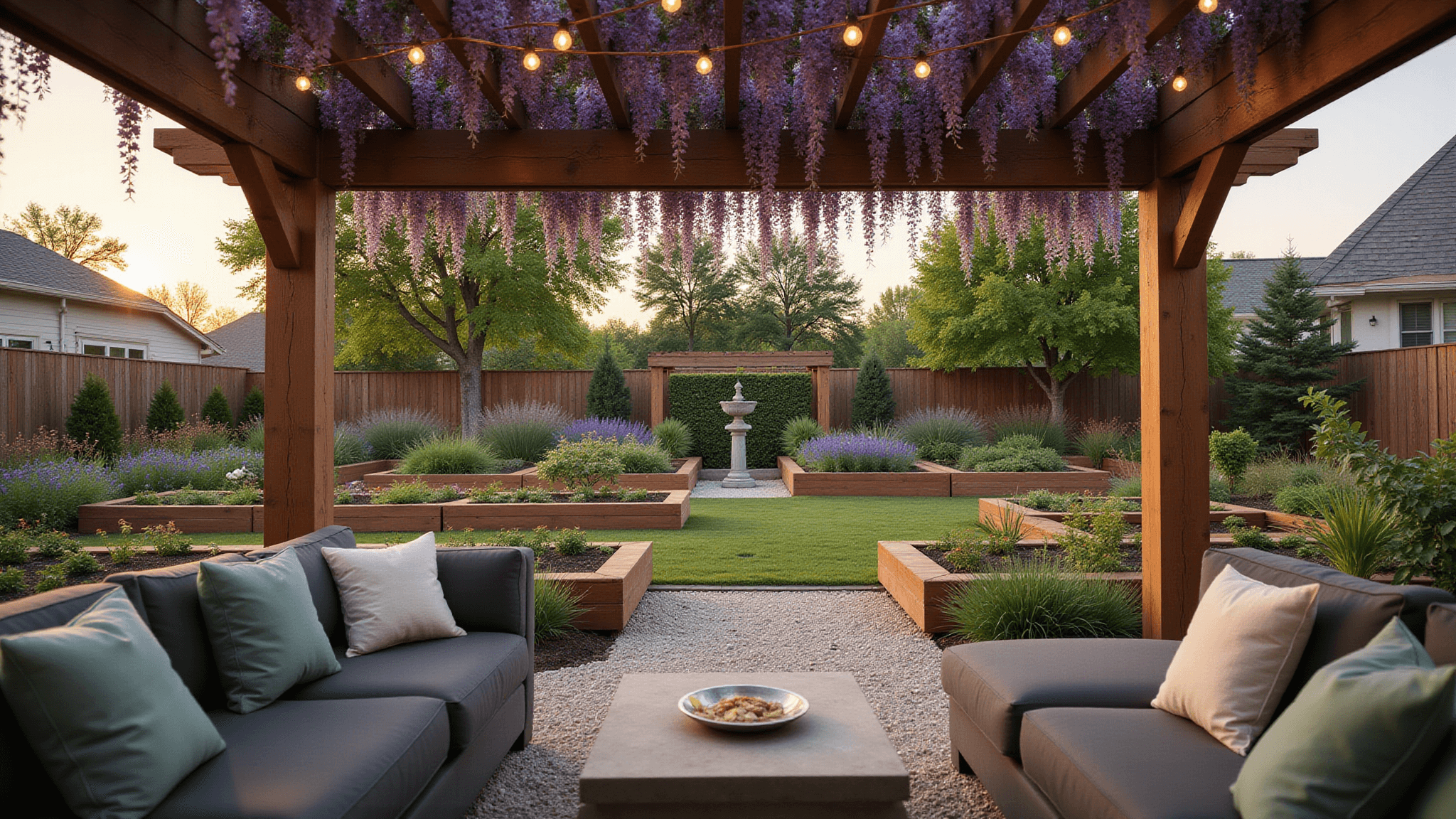
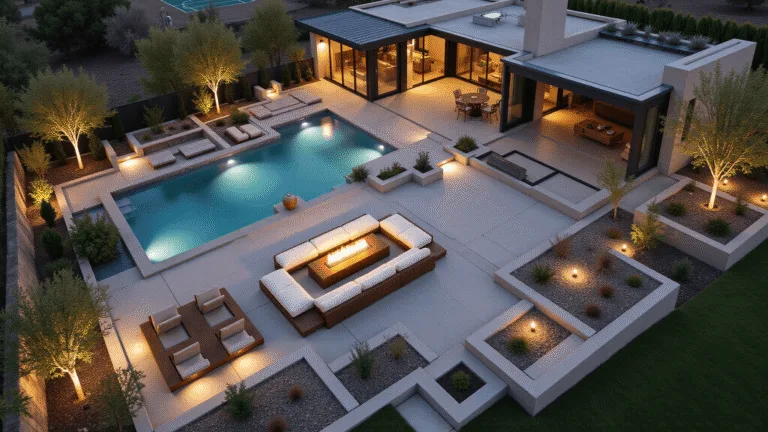
Your suburban backyard isn’t just a patch of grass—it’s a canvas waiting to become your personal sanctuary, food production zone, and wildlife haven.
Why Your Backyard Deserves a Makeover
Tired of staring at a bland outdoor space? Let’s transform that ordinary yard into an extraordinary living environment that serves multiple purposes.
Design Foundations: Creating Your Dream Outdoor Space
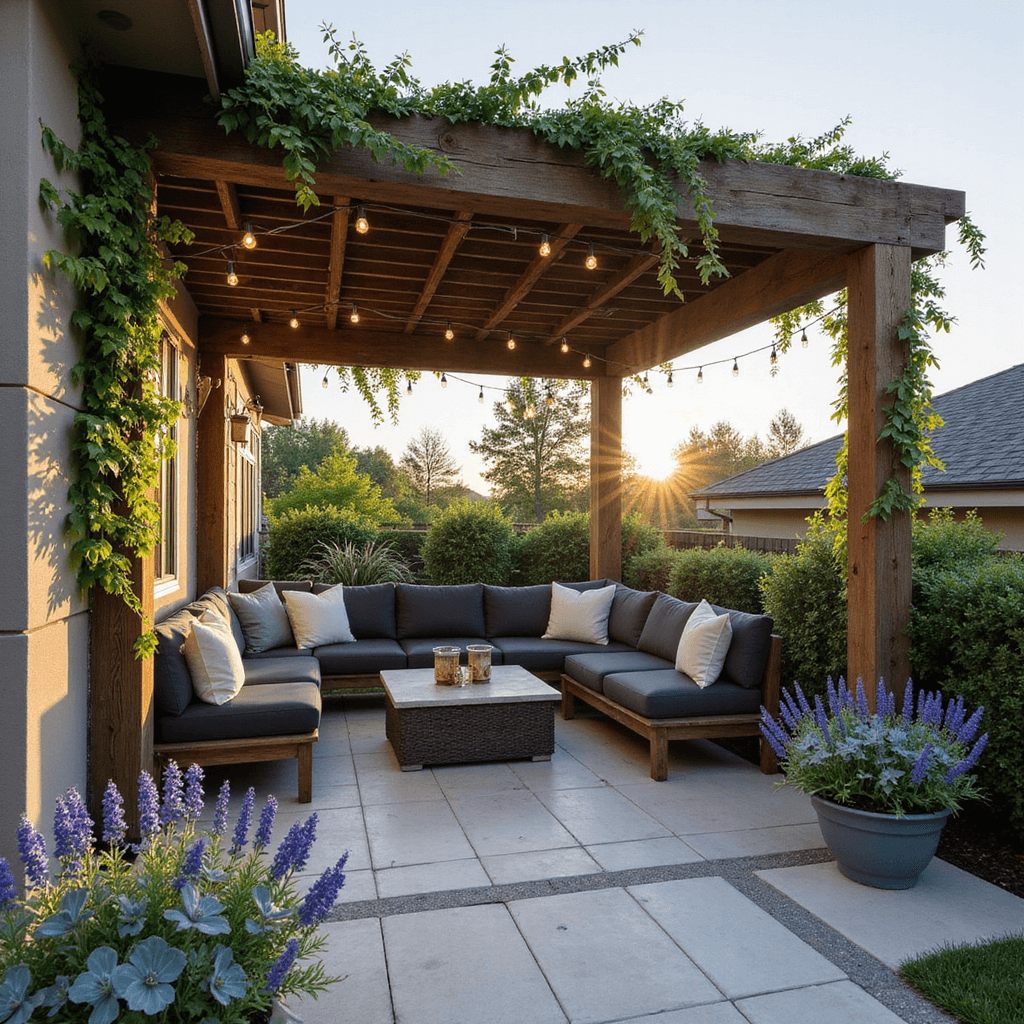
Zoning is Your Secret Weapon
- Divide your backyard into purposeful areas
- Create distinct zones for:
- Dining
- Relaxation
- Gardening
- Play areas
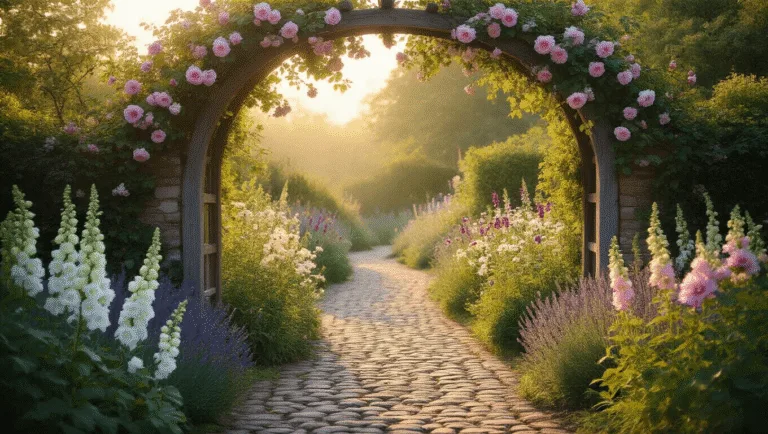
Embrace Naturalistic Design
- Use native plants that:
- Support local pollinators
- Provide year-round visual interest
- Require minimal maintenance
Small Space? No Problem!
Compact backyards can feel massive with smart design strategies:
- Vertical gardening techniques
- Raised vegetable beds
- Multi-functional furniture
- Strategic layout planning
Essential Backyard Features
1. Outdoor Living Spaces
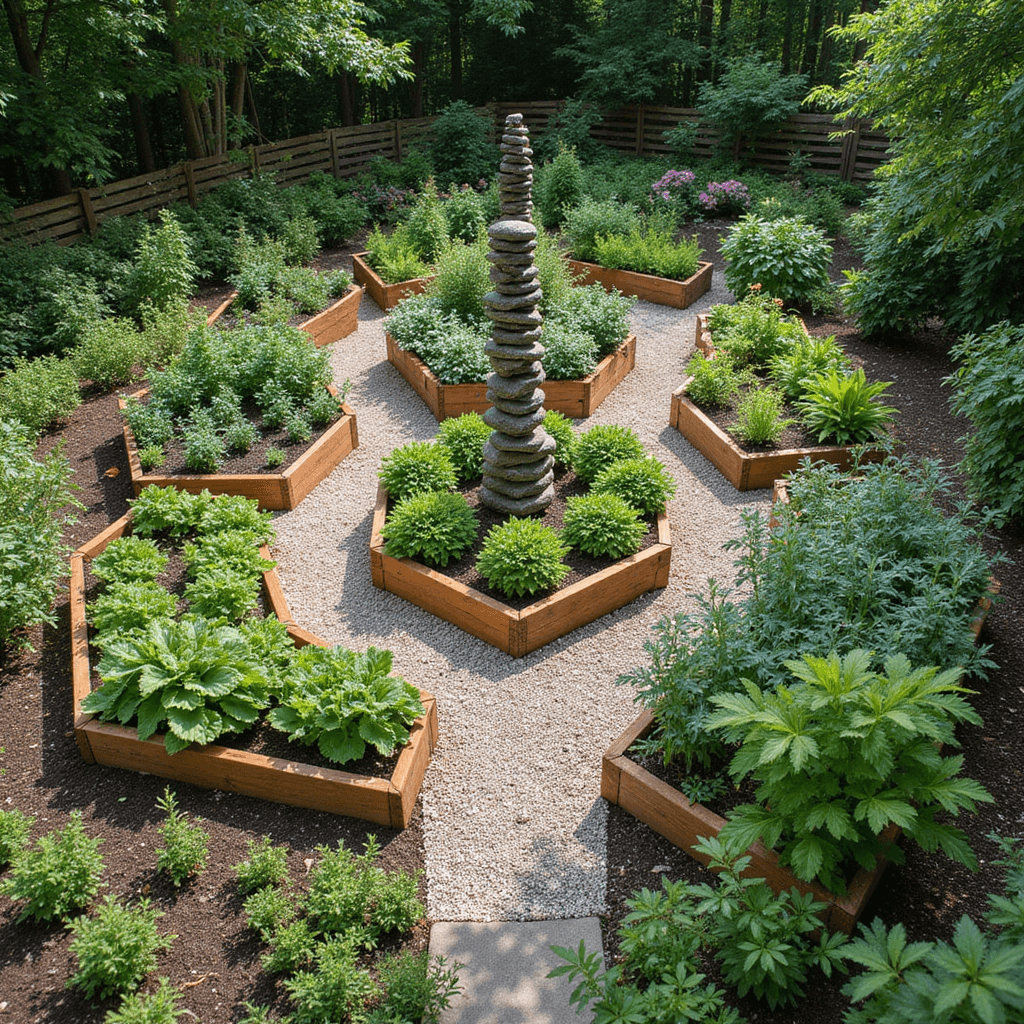
Pergolas: Your Backyard’s Game Changer
- Create shaded retreats
- Extend living areas
- Perfect for outdoor dining
- Add architectural interest
2. Sustainable Garden Elements
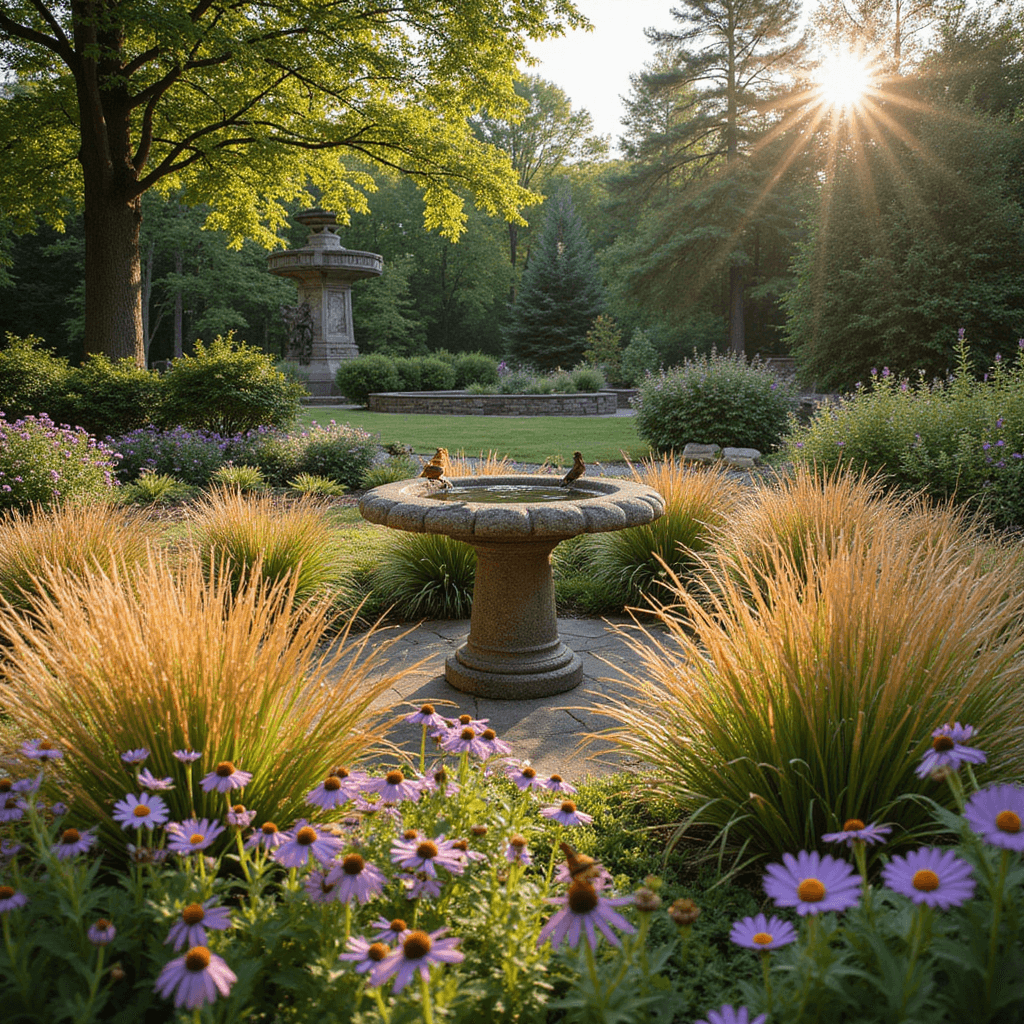
Eco-Friendly Implementations
- Composting systems
- Water-conserving plant selections
- Permeable surface rain gardens
- Native plant integration
3. Edible Landscape Magic
Grow Your Own Produce
Save this article
Enter your email and we'll send it straight to your inbox.
- Raised garden beds
- Container vegetable gardens
- Herb spirals
- Vertical food production
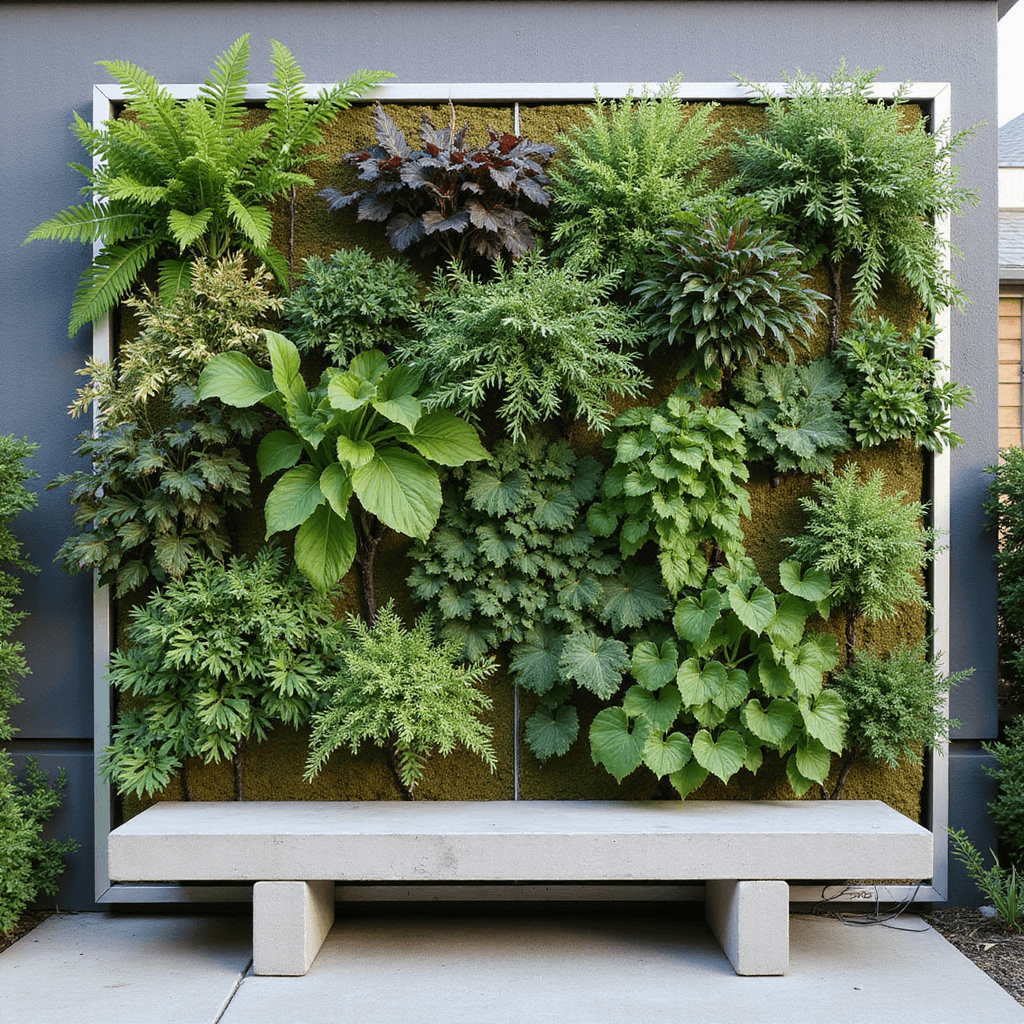
🏠 Steal This Look
- Paint Color: Sherwin-Williams Urbane Bronze SW 7048
- Furniture: Crate & Barrel Alfresco II natural teak dining table with weathered grey finish, paired with woven rope dining chairs in charcoal
- Lighting: Rejuvenation Crosby outdoor pendant in aged brass with seeded glass, hung in clusters of three over dining zones
- Materials: FSC-certified ipe hardwood decking, hand-cast concrete pavers with limestone aggregate, galvanized steel raised beds with corten steel patina finish, and hemp rope outdoor textiles
This is where your backyard stops being a lawn you mow and becomes the room you actually live in—I’ve seen clients host Thanksgiving dinner under their pergola because the space outperformed their dining room.
Pro Design Tips
Texture and Color Mastery
- Layer ground covers
- Mix shrub heights
- Coordinate seasonal bloom colors
- Create visual depth
DIY Enhancements
- Build custom raised beds
- Create unique garden paths
- Upcycle seating
- Add personal touches affordably
Maintenance Made Easy
Soil Preparation Secrets
- Clear and level your space
- Add organic compost
- Use strategic mulching
- Choose perennial plants
Planting Like a Pro
- Plant in early spring
- Use companion planting techniques
- Select drought-tolerant natives
- Rotate crop locations annually
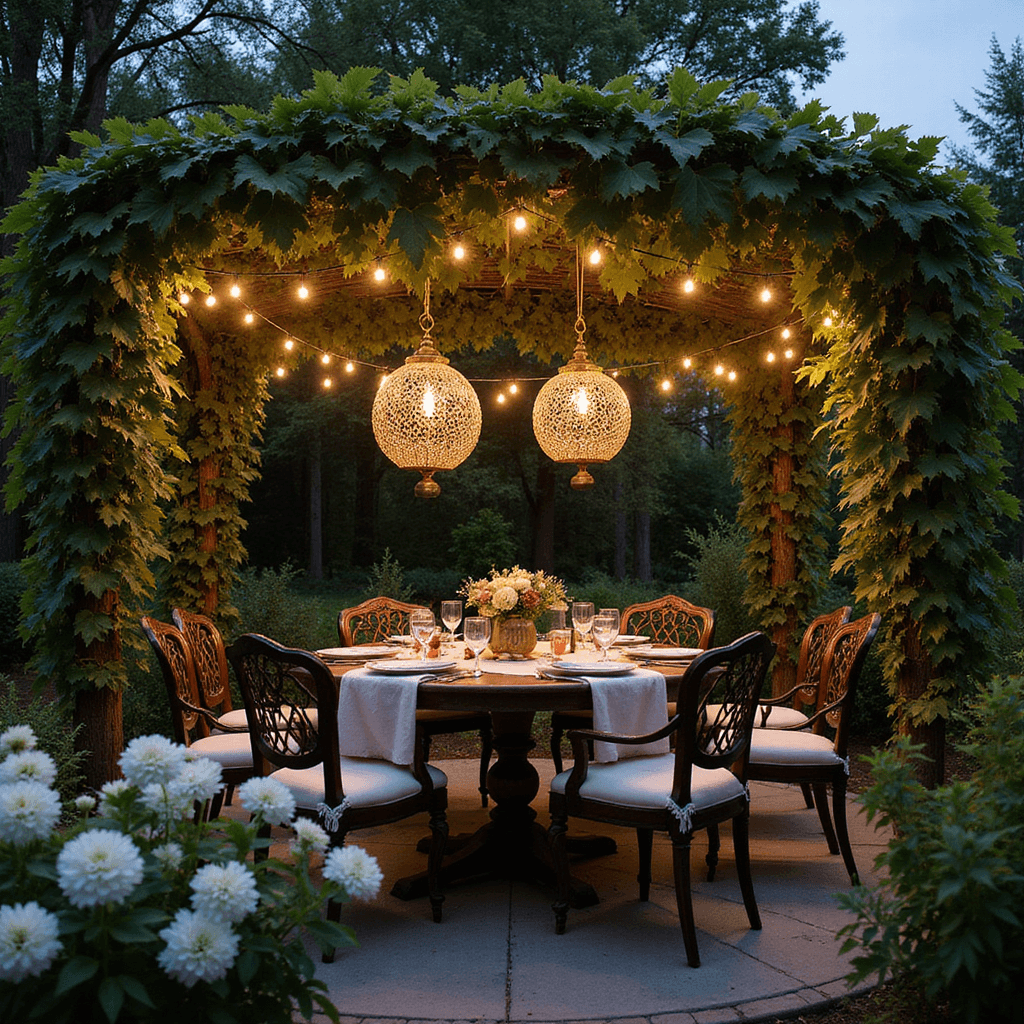
🎨 Steal This Look
- Paint Color: Farrow & Ball Green Smoke 47
- Furniture: weathered teak potting bench with galvanized steel top
- Lighting: gooseneck barn sconce in matte black finish
- Materials: cedar raised bed frames, crushed gravel pathways, corten steel edging, hemp mulch matting
This is the unglamorous backbone of every beautiful backyard—the hidden infrastructure that lets you spend Saturday evenings enjoying your space rather than wrestling with it.
Overcoming Common Challenges
Garden Growth Management
- Control aggressive plant spread
- Maintain tiered arrangements
- Monitor sun and water requirements
- Adapt to local climate conditions
Quick Reference: Backyard Transformation Checklist
| Feature | Goal | Quick Tip |
|---|---|---|
| Raised Beds | Food Production | Use recycled materials |
| Pergola | Relaxation Zone | Add privacy plants |
| Native Plants | Wildlife Support | Choose local pollinators |
| Vertical Gardens | Space Optimization | Use fence lines creatively |
Final Thoughts
Your backyard is more than just outdoor space—it’s an opportunity to create a personal ecosystem that reflects your lifestyle, supports local wildlife, and provides fresh produce.
Whether you prefer a minimalist design or a lush, layered landscape, the power is in your hands. Start small, experiment, and watch your suburban backyard transform into something extraordinary.
Keep this one for later
We'll email you the link so you can come back to it.


[…] farmhouse pantry isn’t just storage—it’s a statement. It says you value both beauty and function. So roll up those sleeves and get […]