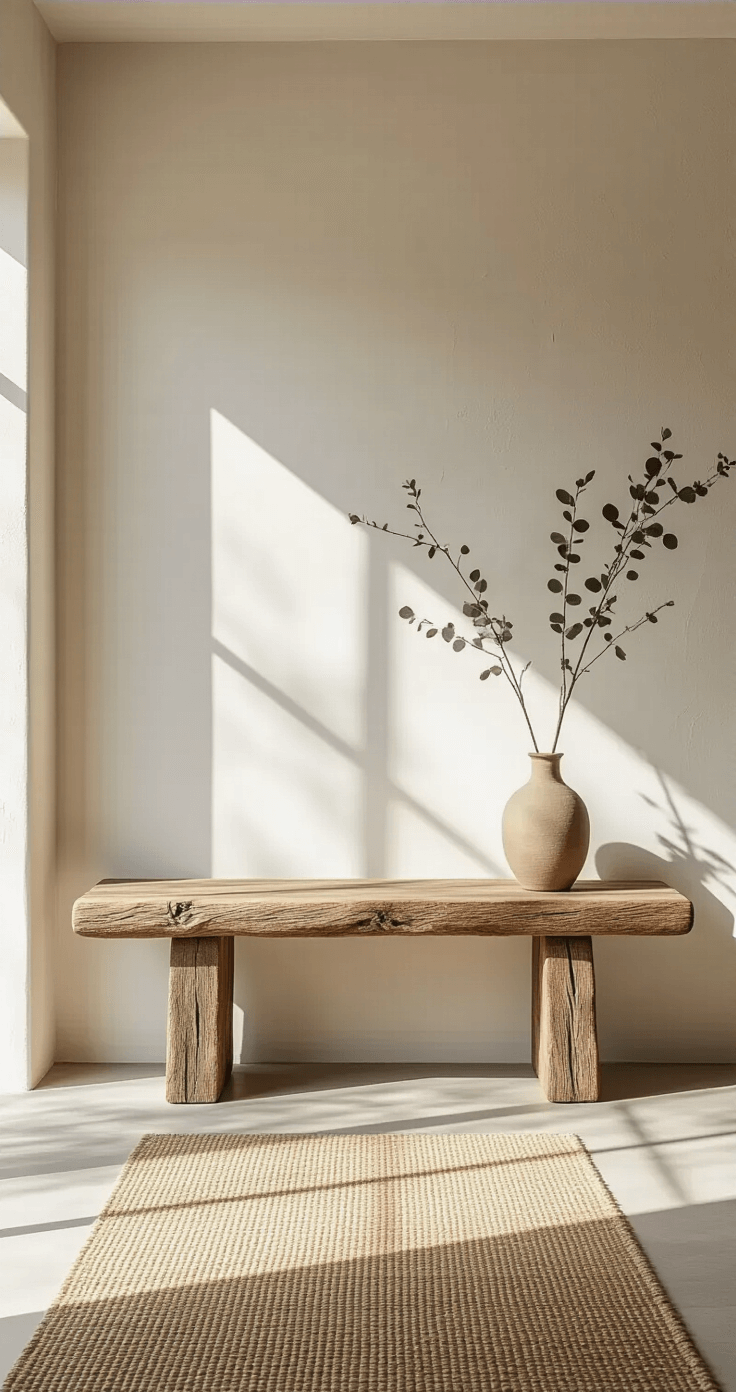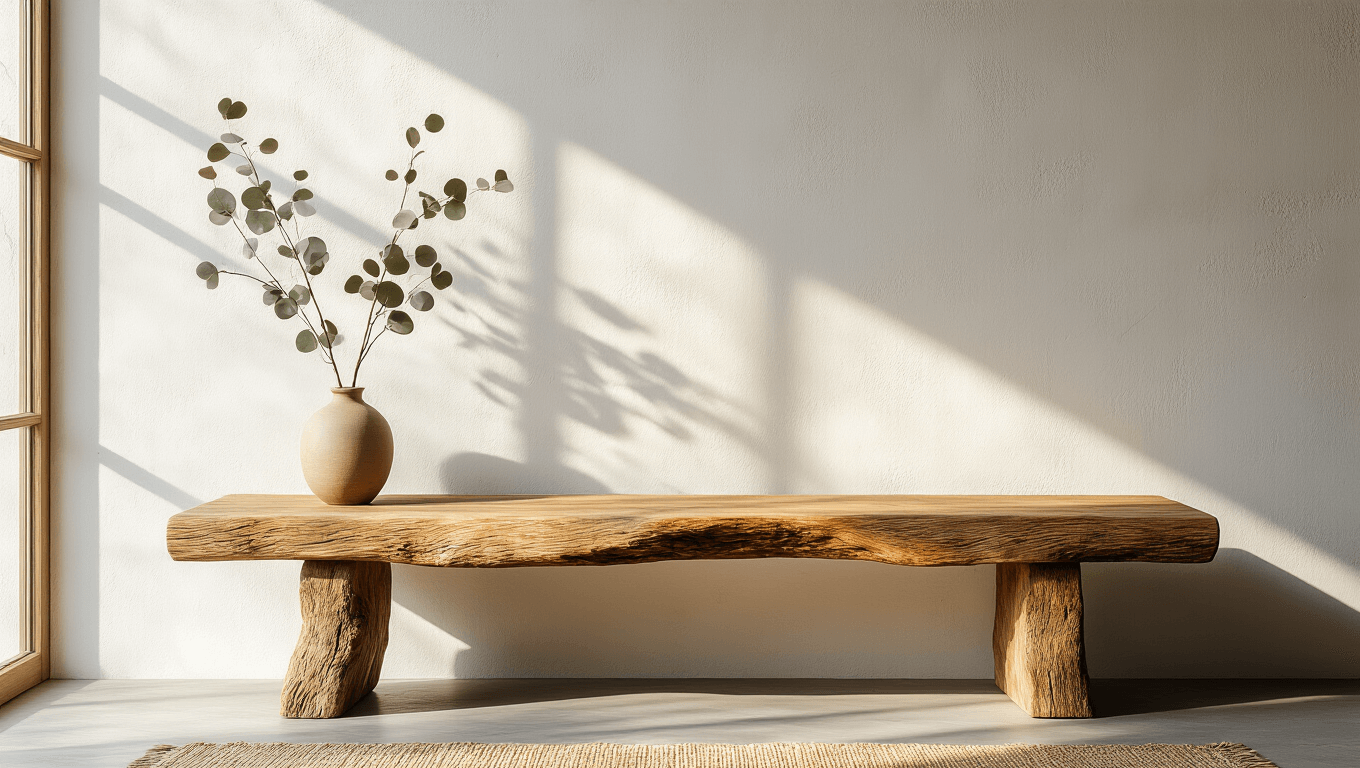
A sunlit minimalist entryway featuring a handcrafted weathered oak bench with live edges, positioned against a textured white wall, with golden morning light casting shadows and a dried eucalyptus branch in a vase above.

Wabi Sabi Bench: Embracing Imperfect Beauty in Home Seating

This post may contain affiliate links. Please see my disclosure policy for details.

Wabi Sabi Bench: Embracing Imperfect Beauty in Home Seating

Have you ever looked at a piece of furniture and felt an immediate sense of calm? That’s the magic of a wabi sabi bench.

A sunlit minimalist entryway featuring a handcrafted 6ft wabi sabi bench made from weathered oak against a textured white plaster wall, with morning light casting shadows through a floor-to-ceiling window. A dried eucalyptus branch in a matte ceramic vase rests above the bench, and a natural sisal runner leads to the bench, captured from a low angle to highlight the bench's raw edges and the warm color palette.

🌟 Pro Tip: Position your wabi sabi bench where morning light hits it to emphasize the wood’s natural texture and patina—this daily changing light becomes part of the piece’s evolving beauty.
✋ Avoid This: Avoid glossy finishes, perfectly matched sets, or synthetic materials that resist aging; wabi sabi celebrates the marks of time and use, not pristine preservation.

There’s something quietly grounding about sitting on a bench that shows its history—I’ve found guests linger longer, conversations slow down, and the room itself seems to exhale when you choose imperfection over polish.

What Makes a Wabi Sabi Bench Special?

Imagine a bench that tells a story without saying a word. A wabi sabi bench isn’t just furniture – it’s a philosophy of beauty wrapped in wood and simplicity.

The Heart of Wabi Sabi Design

Key Elements:

  • Celebrates imperfection
  • Honors natural materials
  • Embraces subtle, organic beauty

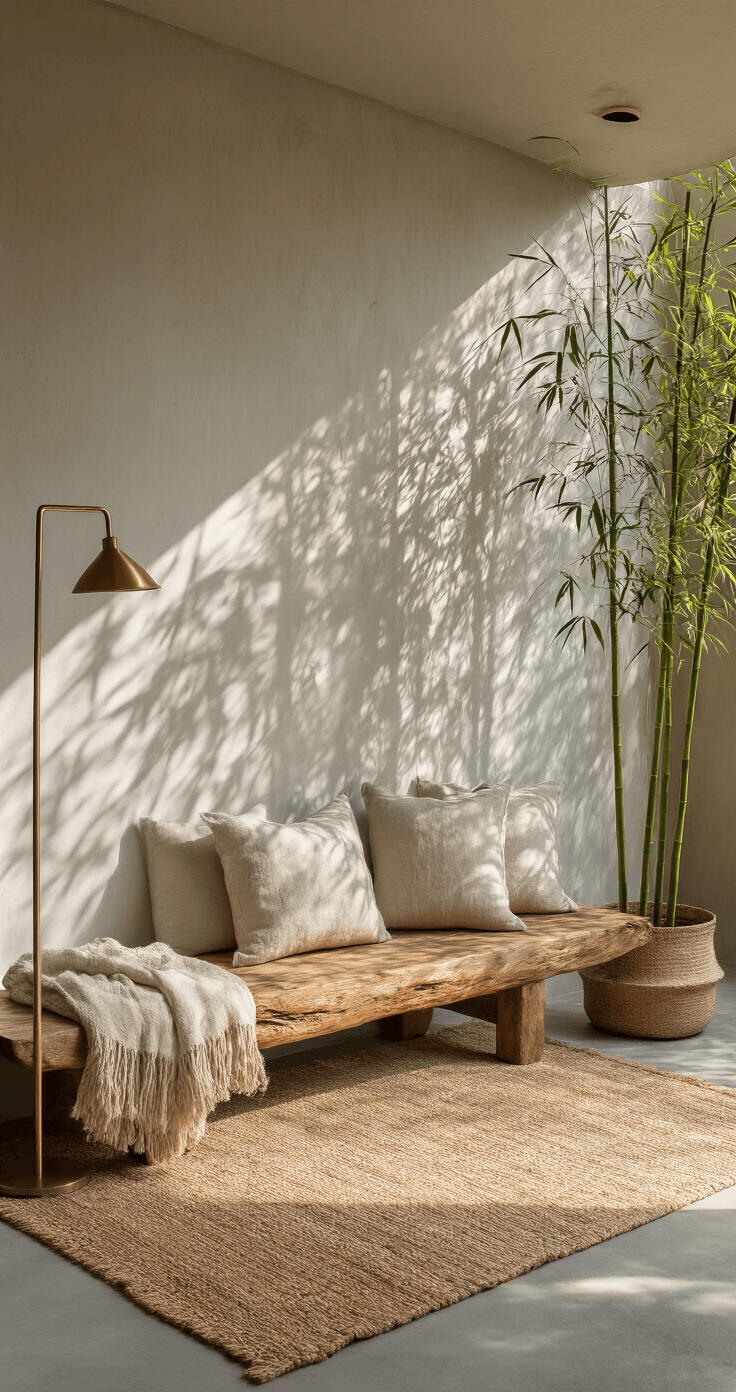
A serene meditation corner featuring a reclaimed teak bench on a jute rug, adorned with undyed linen cushions and a wool throw, with potted bamboo casting shadows on concrete walls, illuminated by a brass floor lamp in warm earth tones.

Materials That Speak Volumes

The magic happens with:

  • Solid, weathered wood
  • Reclaimed timber with visible grain
  • Live-edge surfaces that showcase nature’s unique patterns
🌟 Pro Tip: Position your wabi sabi bench where morning light hits the grain directly—those shadows across the live edge become the room’s most dynamic artwork, shifting throughout the day.
🛑 Avoid This: Avoid glossy polyurethane finishes that create plastic-like reflections; they erase the very soul and tactile honesty that makes wabi sabi compelling. Skip matching sets or perfectly symmetrical placement, which fight against the philosophy’s embrace of organic asymmetry.

There’s something quietly grounding about running your hand across a bench seat that bears the scars of its making—each tool mark reminds you that human hands shaped this, not machines, and that imperfection is where real character lives.

Crafting the Perfect Wabi Sabi Bench

Design Principles

What to Look For:

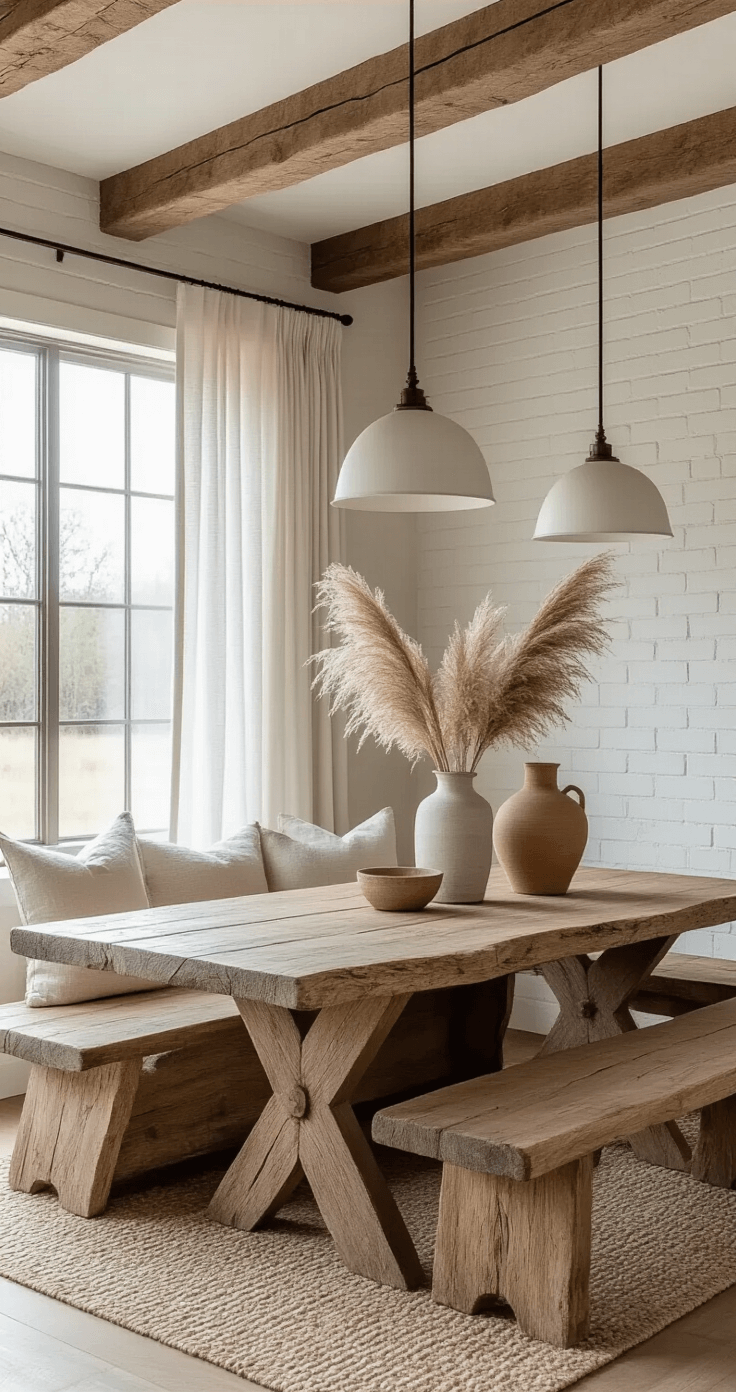
Modern farmhouse dining space with an 8ft live-edge wabi sabi bench and vintage dining table, showcasing exposed ceiling beams and whitewashed brick walls. Natural light filters through sheer linen curtains, illuminating handmade ceramic vessels with dried pampas grass. The bench displays pronounced grain and butterfly joints, all captured at a 45-degree angle to highlight the full table setting in warm whites, raw woods, and clay tones.

Styling Your Space

Placement Ideas:

  • Entryway statement piece
  • Bedroom accent
  • Dining room seating
  • Meditation corner
Pro Tip: Accessories Matter

Enhance your wabi sabi bench with:

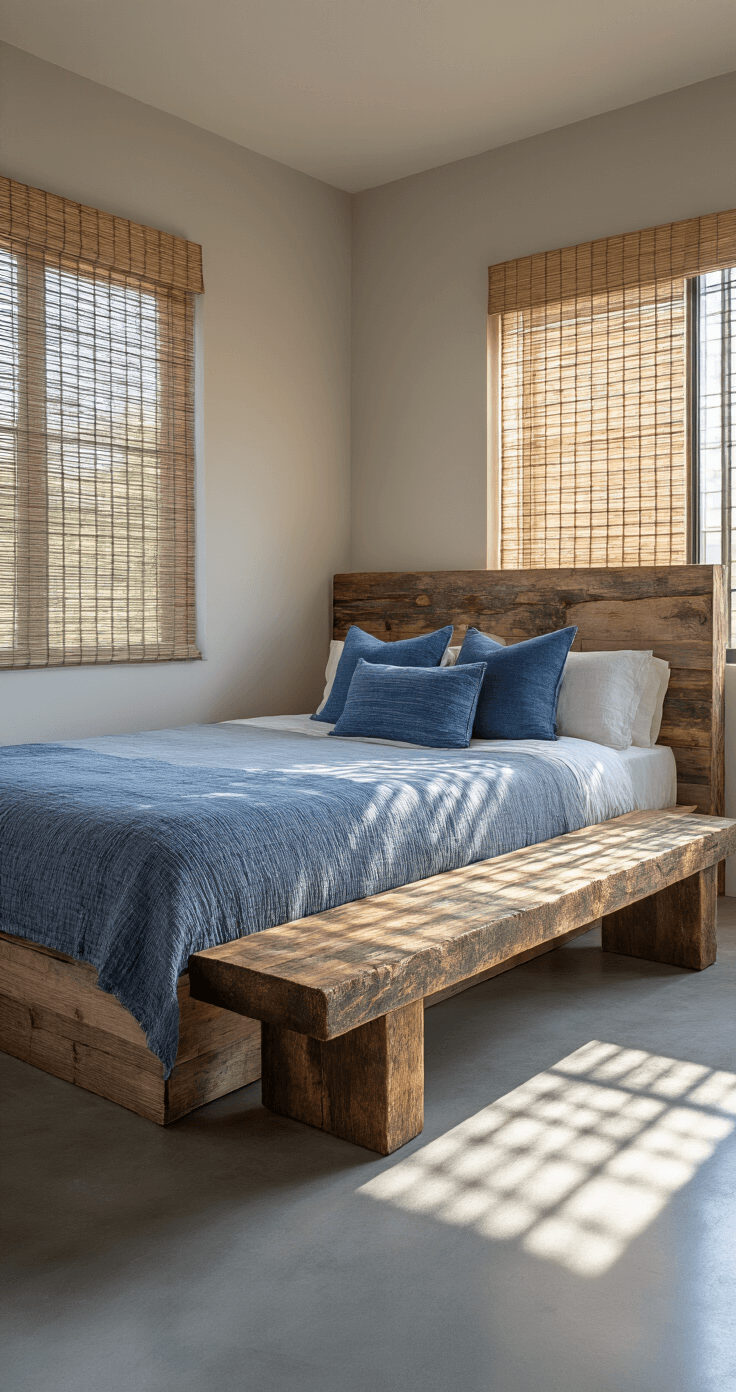
A serene bedroom featuring a 14x16ft space with a wooden platform bed and a 5ft wabi sabi bench made from century-old barn wood at the foot. Soft morning light filters through bamboo blinds, casting striped shadows on polished concrete floors. The room is styled with a handwoven throw and vintage indigo pillows, showcasing a calming color palette of blues, grays, and weathered browns. The photo is taken straight on from the doorway, slightly above eye level, creating a dreamy atmosphere.

🔎 Pro Tip: Position your bench where it catches morning light to emphasize the wood grain’s natural variation and create shifting shadows throughout the day.
⛔ Avoid This: Avoid glossy finishes or perfectly symmetrical silhouettes that contradict wabi sabi’s embrace of imperfection and organic irregularity.

This is the piece that grounds your daily rituals—whether it’s where you lace up shoes or sit with morning coffee, let its honest construction remind you that beauty lives in the unfinished.

Where to Find Your Perfect Bench

Buying Guide:

Price Range
  • Budget: $200-$500
  • Mid-range: $500-$1,500
  • Luxury: $1,500-$5,000

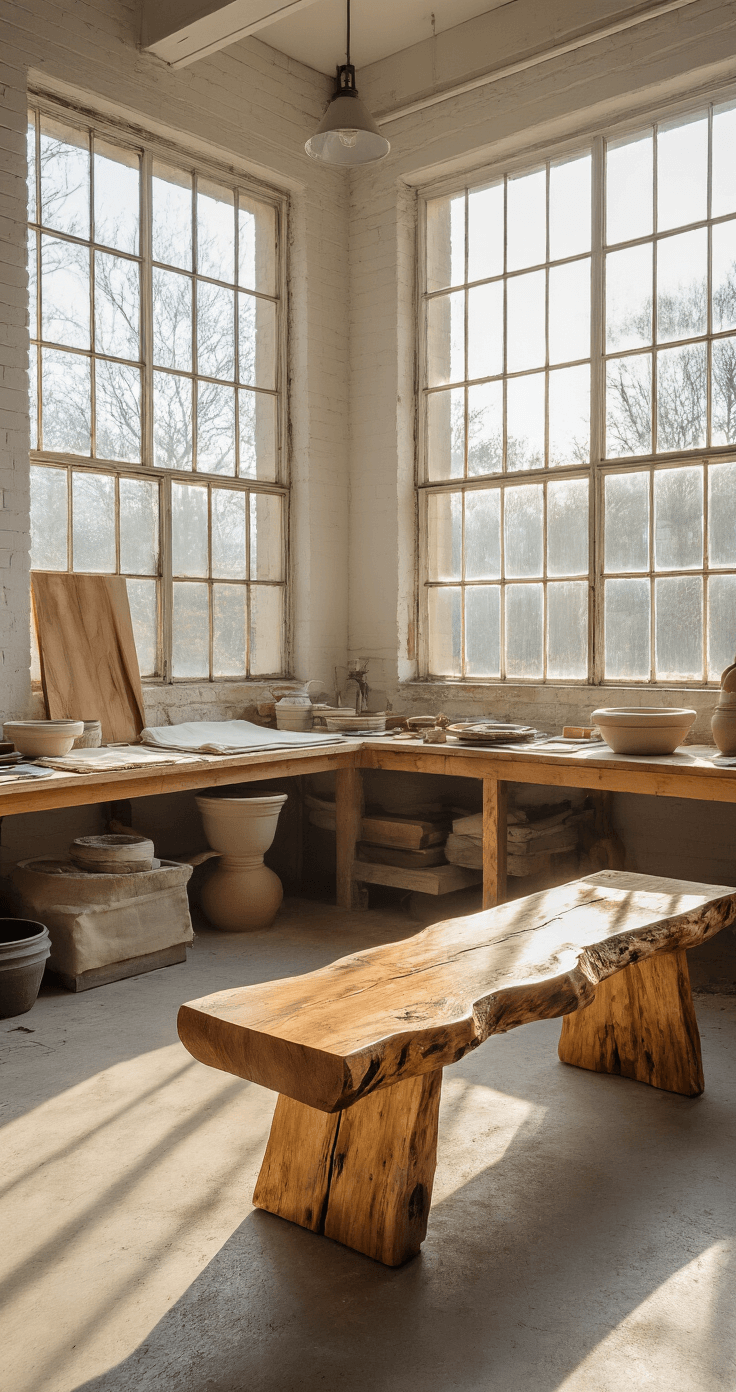
Light-filled artist's studio showcasing a 7ft maple wabi sabi bench with dramatic live edge, positioned beneath industrial windows. The space features canvas drop cloths, pottery wheels, and clay-splattered surfaces, illuminated by warm late afternoon golden hour light. The image is captured from an elevated corner angle, emphasizing textures and a flow of the workspace in creamy whites and earth tones with scattered color accents.

🔎 Pro Tip: Place your bench slightly off-center against the wall and layer a single imperfect ceramic vessel beside it—negative space is what transforms a bench from seating to a meditation object.
🔥 Avoid This: Avoid matching bench sets or anything with factory-perfect symmetry; wabi-sabi lives in the slight unevenness of hand-cut tenons and the organic variation in wood tone.

There’s something quietly radical about choosing a bench that bears the marks of its maker—every time you sit, you’re participating in a story that started in someone else’s hands.

Maintenance Tips

Keeping Your Bench Beautiful:

  • Use gentle wood cleaners
  • Avoid harsh chemicals
  • Embrace natural aging process
  • Occasional mineral oil treatment
What to Avoid
  • Glossy, perfect finishes
  • Mass-produced looks
  • Overly complicated designs

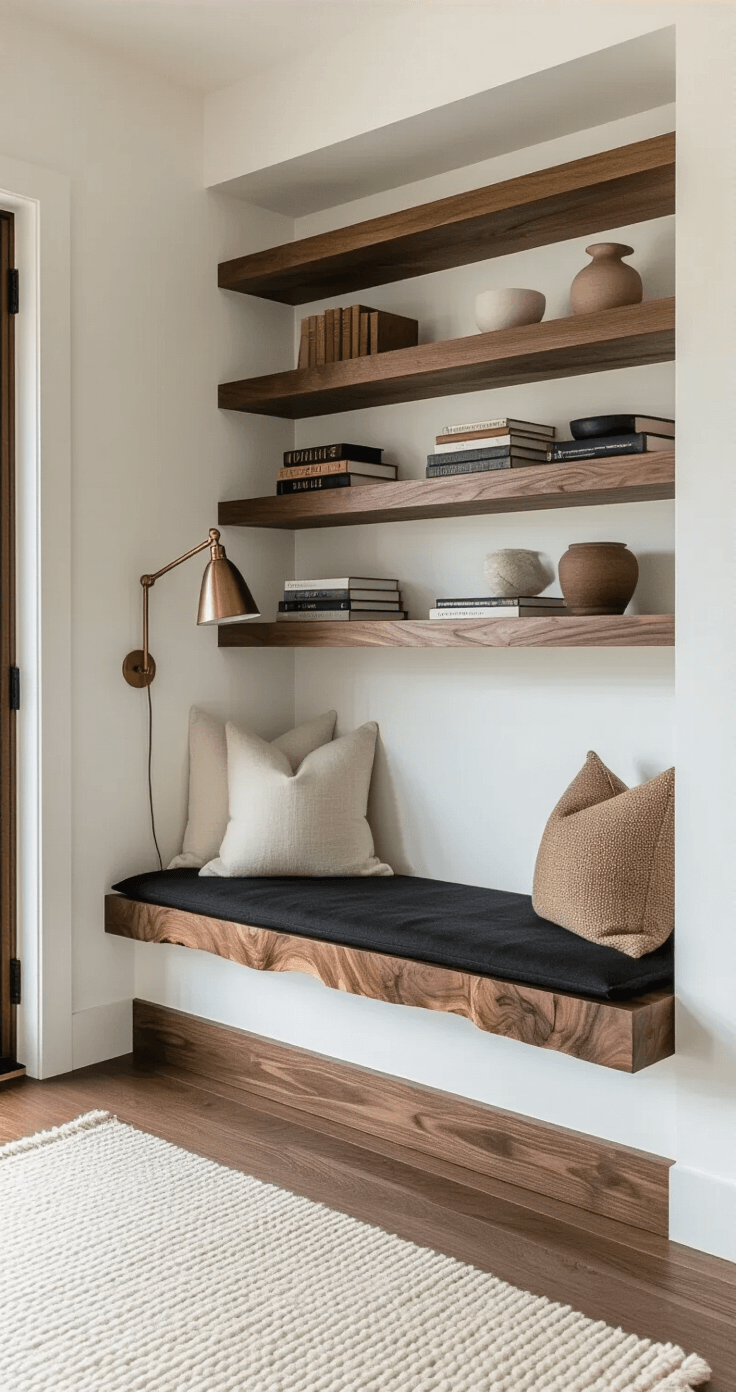
A cozy minimalist reading nook featuring a 4.5ft black walnut wabi-sabi bench with a prominent grain pattern and natural edge. Floating shelves display curated books and ceramic objects, set against a wool area rug in cream. An adjustable brass reading lamp casts a focused light pool, creating an intimate atmosphere with rich browns, warm metals, and ivory whites. The shot is taken from a slight downward angle, emphasizing the layout and textures.

💡 Pro Tip: Apply a thin coat of food-grade mineral oil every 3-4 months, rubbing with the grain using a soft cloth—this deepens the wood’s natural color without creating a plastic-like barrier that fights against wabi-sabi principles.
❌ Avoid This: Avoid polyurethane or high-gloss varnishes that create an artificial, impenetrable shell; these finishes contradict the philosophy of honoring impermanence and will make your bench look mass-produced rather than soulfully handcrafted.

There’s something deeply satisfying about watching your bench develop its own story—each water ring from morning coffee, each softening of edges from daily use becomes part of its character rather than a flaw to hide.

The Emotional Connection

A wabi sabi bench isn’t just furniture. It’s a meditation on beauty, imperfection, and the quiet stories wood can tell.

Remember: Every crack, knot, and grain tells a story. Your bench isn’t just a seat – it’s a conversation piece.
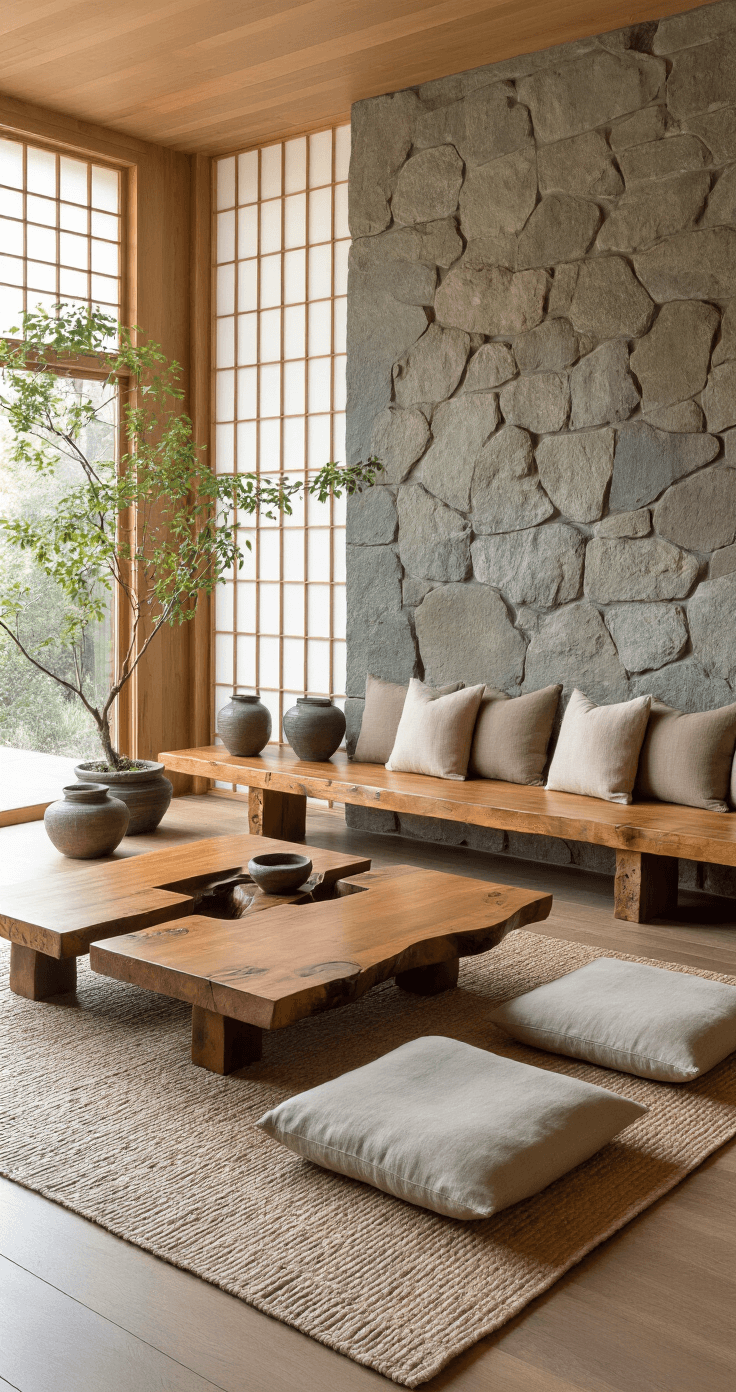
A wide-angle view of a zen-inspired living room featuring a 6ft cherry wabi sabi bench with split details and visible knots, surrounded by raw silk floor cushions and handmade ceramic planters with trailing vines. Shoji screens softly filter afternoon light while a stone feature wall adds texture. The color palette includes natural cherry tones, stone grays, and sage greens, captured from a corner angle at f/11.

Final Thoughts

Embrace imperfection. Celebrate simplicity. Choose a bench that whispers rather than shouts.

Pro Tip: Close your eyes. Run your hand

🚀 Pro Tip: Position your wabi sabi bench where morning light hits the wood grain—shadows become part of the daily meditation, shifting and deepening the bench’s character throughout the day.
🛑 Avoid This: Avoid over-styling with matching sets or polished accessories that compete with the bench’s organic imperfections; let the wood breathe as the focal point.

There’s something deeply grounding about furniture that doesn’t demand perfection from you—this bench meets you exactly where you are, scuffs and all.

Leave a Reply

Your email address will not be published. Required fields are marked *