
This post may contain affiliate links. Please see my disclosure policy for details.
Wabi Sabi Furniture: Embracing Imperfection for Soulful Simplicity
The wabi-sabi furniture that felt most soulful was a simple wooden table with visible grain, a worn leather chair, and a ceramic lamp with a crack that had been repaired with gold. Wabi-sabi furniture is about the beauty of materials and the stories they carry. Each piece should feel like it has a history.
What the heck is Wabi Sabi, anyway?
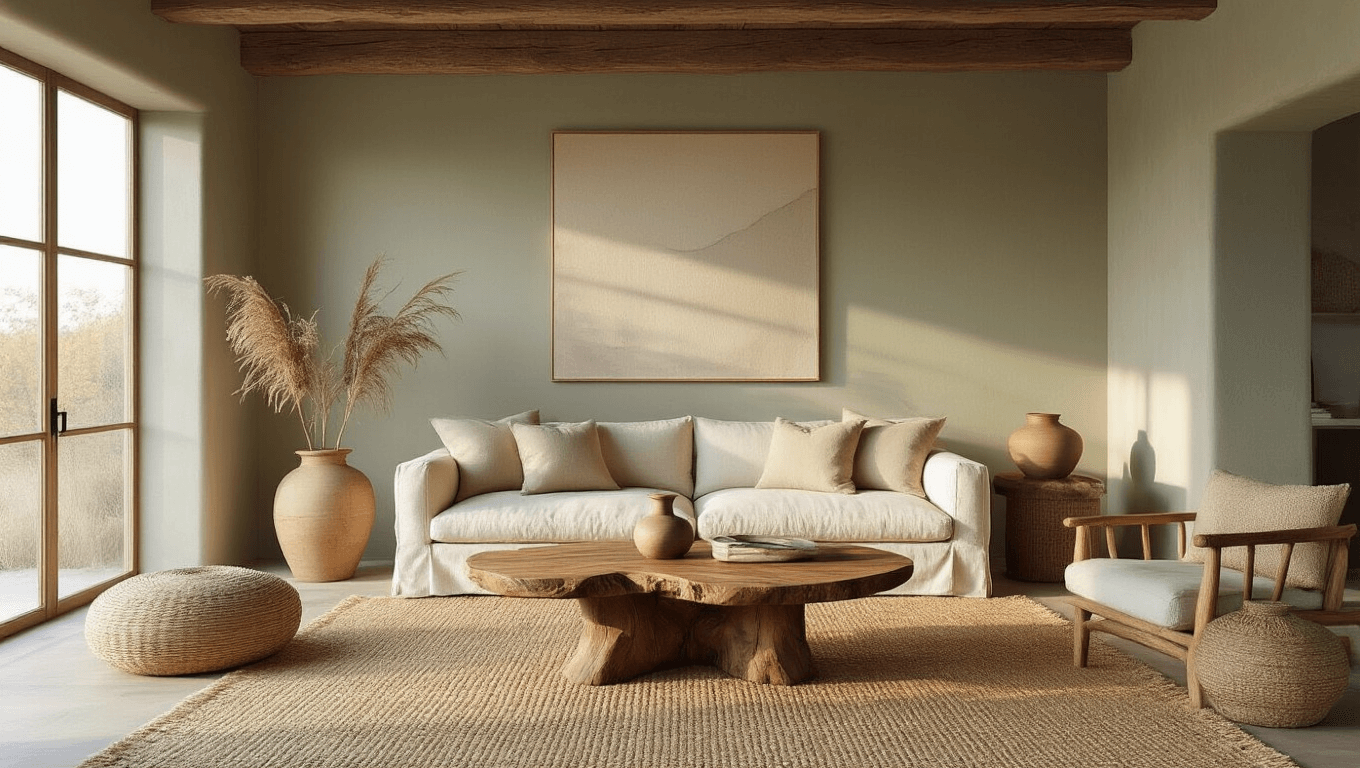
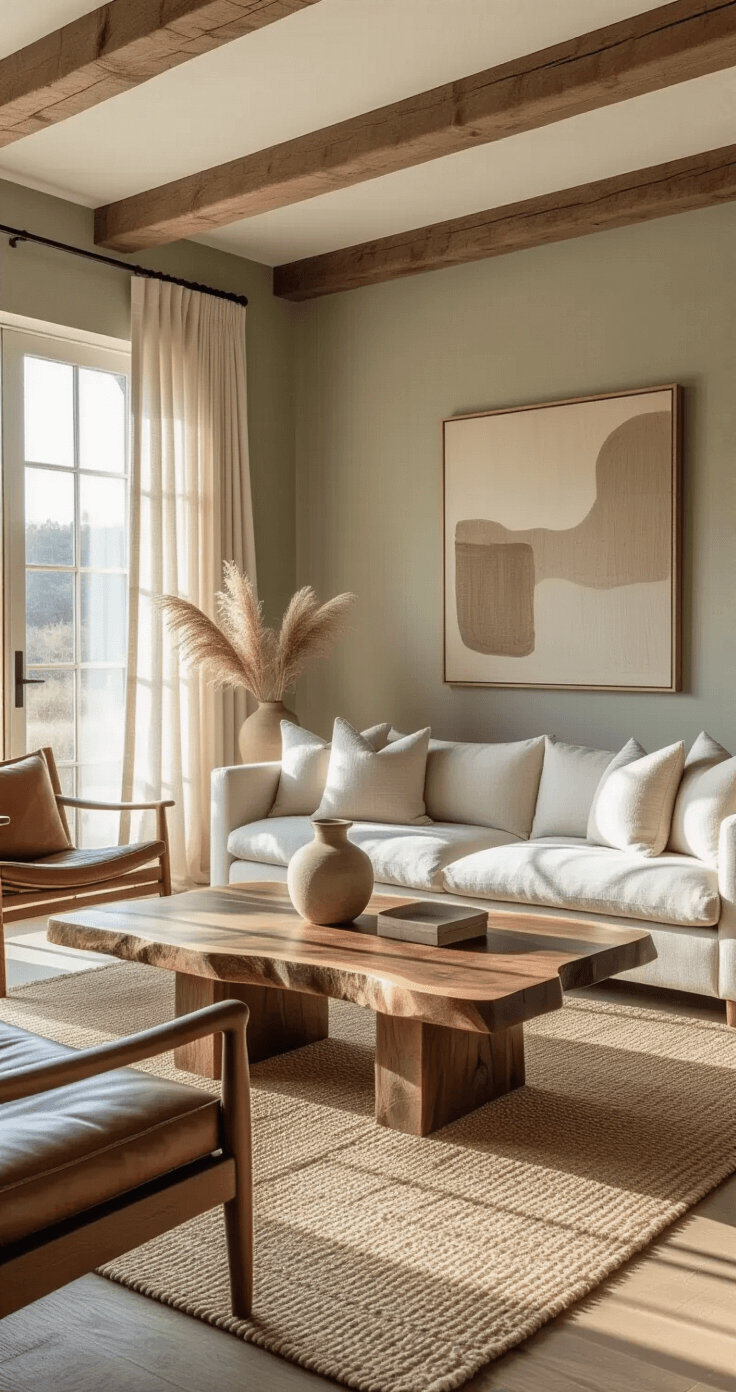
Picture this: a handcrafted wooden table with visible knots and a slightly uneven surface. It’s not flawless, but it’s got character for days. That’s Wabi Sabi in a nutshell – a Japanese philosophy that celebrates the beauty of imperfection and the passage of time.
Why should you care about Wabi Sabi furniture?
- It’s a breath of fresh air in our Instagram-perfect world
- It creates a calming, lived-in atmosphere that actually feels like home
- It’s sustainable and timeless, bucking the trend of disposable decor
The Wabi Sabi Vibe: Natural, Authentic, and Oh-So-Cozy
When I first stumbled upon Wabi Sabi design, it was like a lightbulb moment. Gone was the pressure to have everything match perfectly. Instead, I could embrace:
- Raw, unfinished wood with beautiful grain patterns
- Slightly wonky ceramic vases that tell a story
- Weathered metal accents that only get better with age
The result? A space that feels authentically me, not like a showroom.
Key Features That’ll Make You Fall in Love
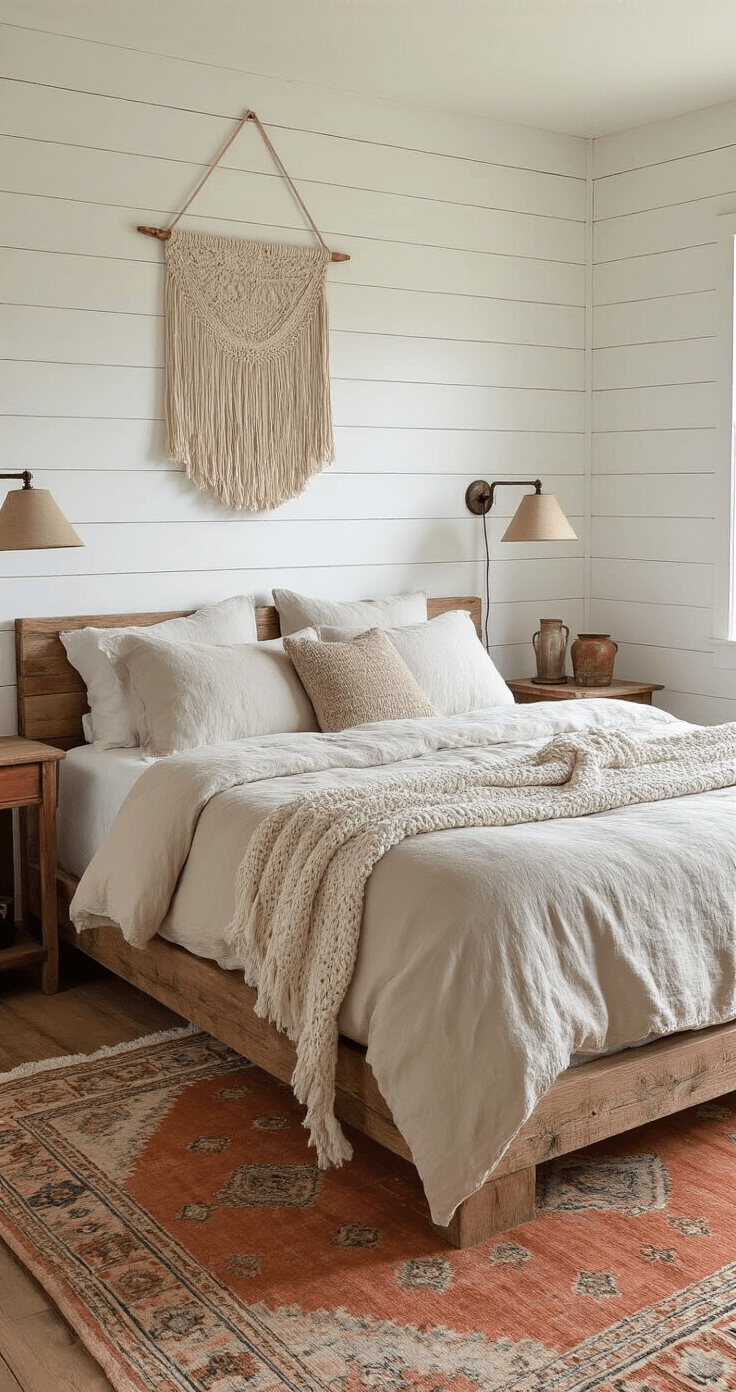
1. Natural Materials Galore
Forget plastic and shiny veneers. Wabi Sabi is all about:
- Rich, tactile woods
- Organic linens and cottons
- Earthy ceramics and stone
2. Handcrafted Charm
Each piece feels special because it is. Look for:
- Visible joinery in wooden furniture
- Slightly uneven edges on ceramics
- Textured surfaces that beg to be touched
3. The Beauty of Age
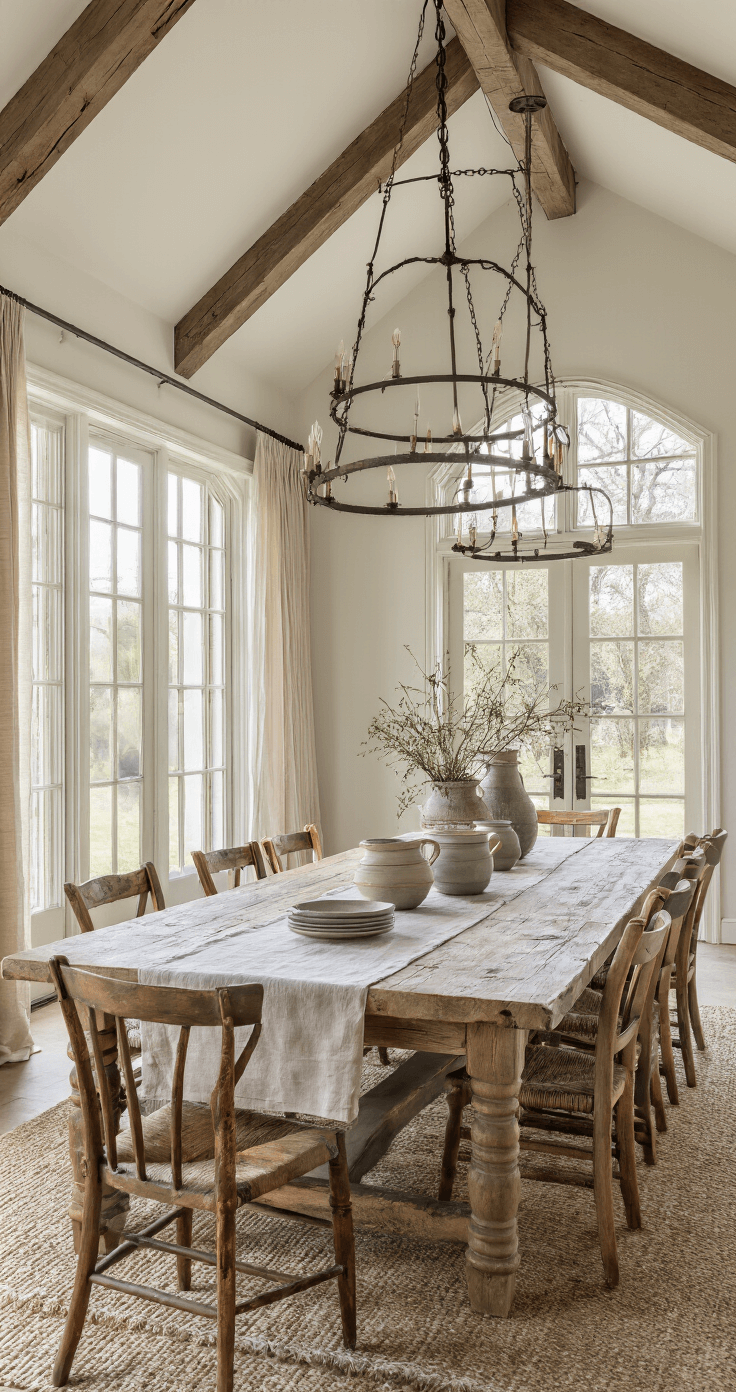
Forget hiding scratches or wear. In Wabi Sabi:
Save this article
Enter your email and we'll send it straight to your inbox.
- Patina is celebrated
- Cracks might be filled with gold (look up kintsugi!)
- Weathered finishes add depth and history
4. Colors Straight from Nature
Think soothing, not shocking:
- Soft greys and off-whites
- Sandy beiges and warm browns
- Muted greens that bring the outdoors in
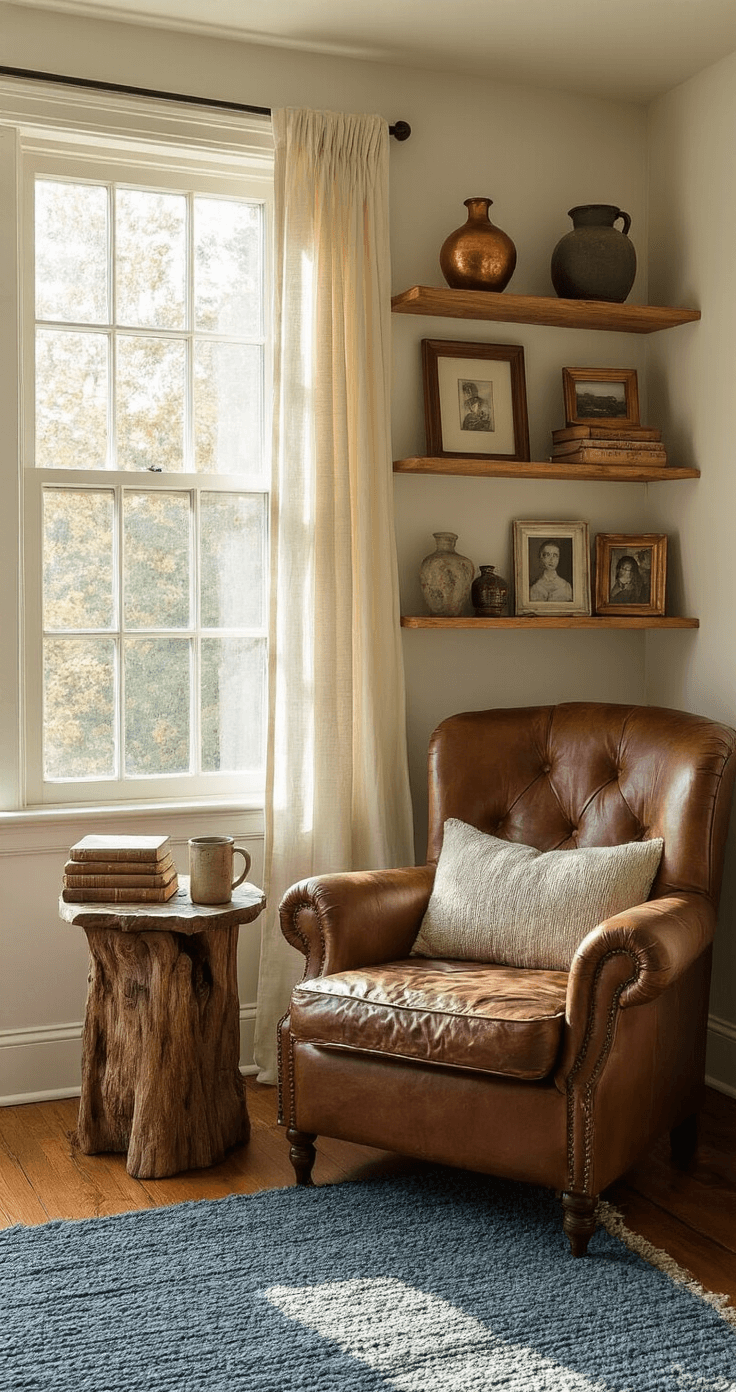
5. Minimalism, But Make It Cozy
Clutter-free doesn’t mean sterile:
- Curate meaningful pieces
- Focus on quality over quantity
- Create breathing room without feeling empty
Styling Your Wabi Sabi Haven
Here’s the fun part – bringing it all together:
- Start with a clean slate (but don’t go crazy with the bleach)
- Choose anchor pieces with natural materials and simple forms
- Layer in textiles with subtle texture – think nubby linen and raw silk
- Add a few carefully chosen accessories that spark joy (Marie Kondo would approve)
- Embrace negative space – let your pieces breathe!
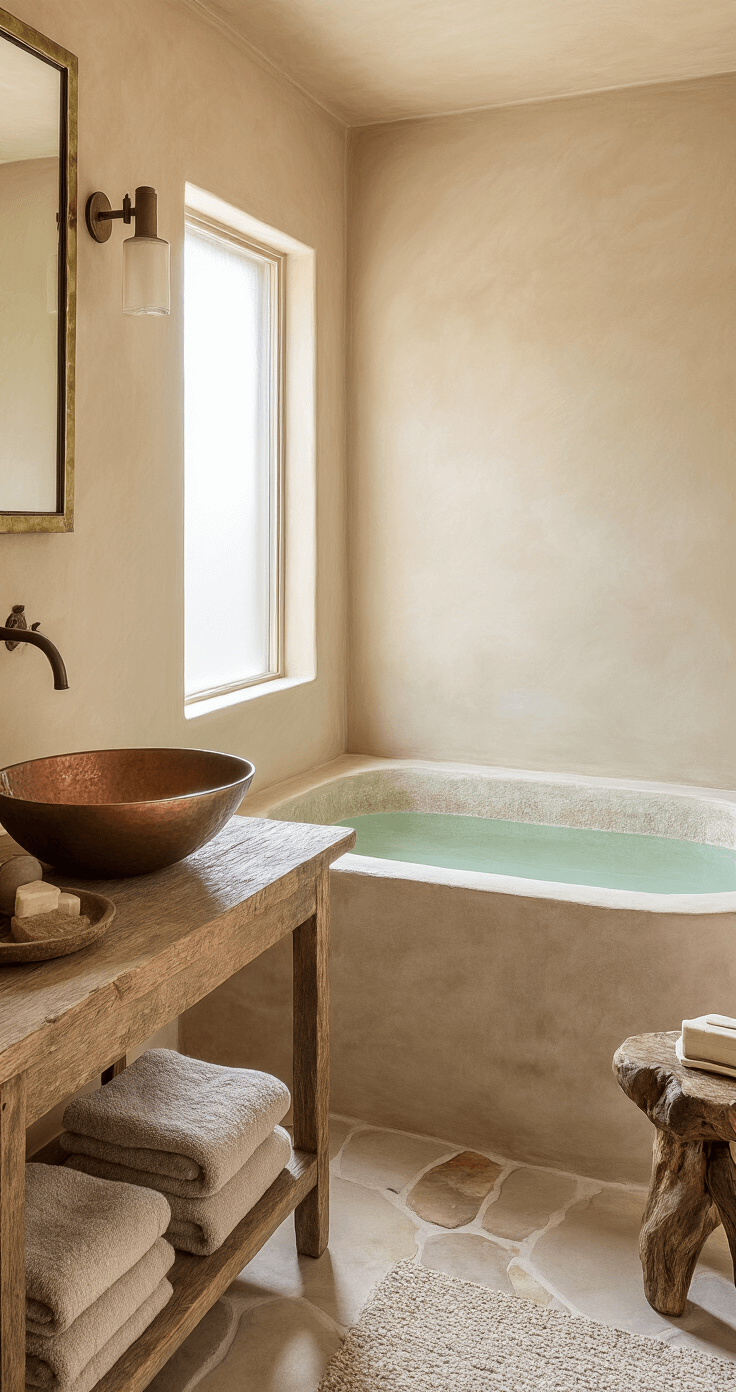
My Wabi Sabi Journey: A Personal Touch
When I first embraced Wabi Sabi, I was nervous. Would my home look unfinished? But as I slowly incorporated pieces – a gnarled wooden stool here, a perfectly imperfect ceramic bowl there – something magical happened. My space felt more “me” than ever before.
I’ll never forget the day a friend visited and said, “Your home feels so peaceful. How did you do that?” The answer was simple: I stopped chasing perfection and started embracing authenticity.
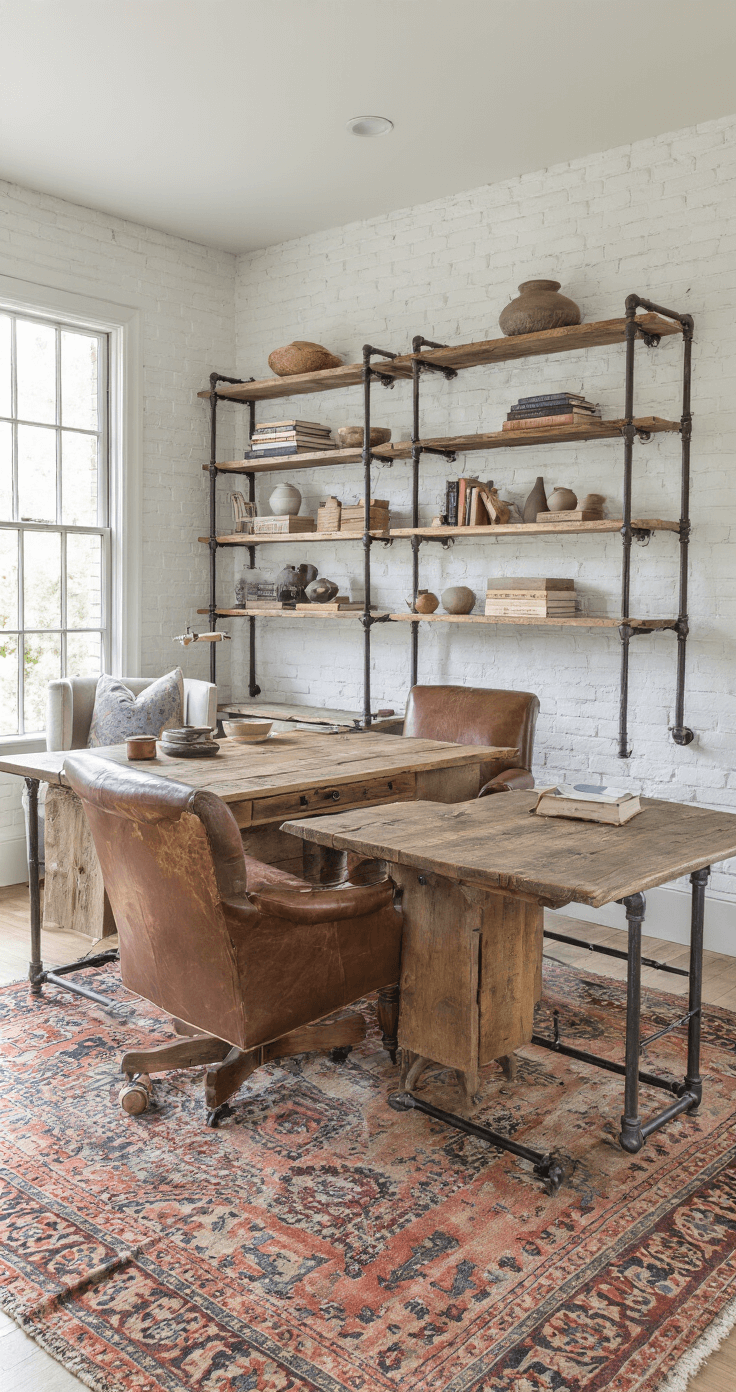
Wabi Sabi Pieces to Fall in Love With
- A live-edge wooden coffee table with visible knots and grain
- Hand-thrown ceramic mugs, each slightly different
- A bench made from reclaimed barn wood
- Linen curtains with a beautiful, natural drape
- A metal planter allowed to develop a rich patina
The Takeaway: Imperfection is the New Perfect
Wabi Sabi furniture isn’t just about looks – it’s a whole mindset. It’s about creating a home that feels like a sanctuary, not a showpiece. It’s about appreciating the beauty in life’s little quirks and imperfections.
Wabi-sabi furniture works when the materials are natural and the wear is visible. Choose pieces that show their age, wood that has patina, leather that has softened, ceramics that have been mended. The furniture should feel like it has a soul.
Keep this one for later
We'll email you the link so you can come back to it.


