This post may contain affiliate links. Please see my disclosure policy for details.
How to Plant a Christmas Tree That Actually Survives (And Thrives)
Contents
Christmas tree plant decisions can make or break your holiday tradition, and I’m here to make sure yours doesn’t end up as a brown, crispy reminder of good intentions gone wrong.
You’ve just dragged a living Christmas tree through your front door, and now you’re wondering if you can actually keep this thing alive long enough to plant it outside. Or maybe you’re dreaming bigger—thinking about growing your own Christmas tree farm. Either way, I’ve got you covered.

Why Most People Kill Their Christmas Trees (Before They Even Plant Them)
Here’s the brutal truth: that gorgeous tree you brought inside is now in shock. It thinks spring has arrived because you’ve got it sitting in your 70-degree living room. You’ve got maybe a week—ten days tops—before it starts thinking about budding out. And if that happens, you’re basically guaranteeing it’ll die the moment you plant it outside in freezing temperatures.
Time is everything here. Keep that tree indoors for the shortest time possible. I’m talking three to five days maximum if you want it to survive outdoors.
Planting Your Living Christmas Tree in Your Yard (The Right Way)
Before You Even Bring the Tree Inside
Dig that hole NOW. I’m serious. Before the ground turns into concrete, get outside with a quality digging shovel and create a hole about 2 feet wide and 18 inches deep.
Store the soil you removed somewhere it won’t freeze—your garage works perfectly. Trust me, you don’t want to be out there with a pickaxe on December 26th trying to chip through frozen ground while nursing a holiday hangover.
Choosing the Perfect Spot
Your tree isn’t a houseplant you can just stick anywhere. It needs:
- Full sunlight (at least 6 hours daily)
- Excellent drainage (no standing water, ever)
- Protection from harsh winds (a gentle north-facing slope is ideal)
- Room to grow (these babies can hit 50+ feet tall)
Avoid these death traps:
- Low-lying areas where frost settles
- Ditches and gullies that collect water
- Super sandy soil that won’t hold moisture
- Heavy clay that suffocates roots
- Anywhere near power lines (future you will thank me)
I learned this the hard way when I planted a beautiful blue spruce right in a frost pocket. It limped along for two miserable years before finally giving up. Don’t be like past me.
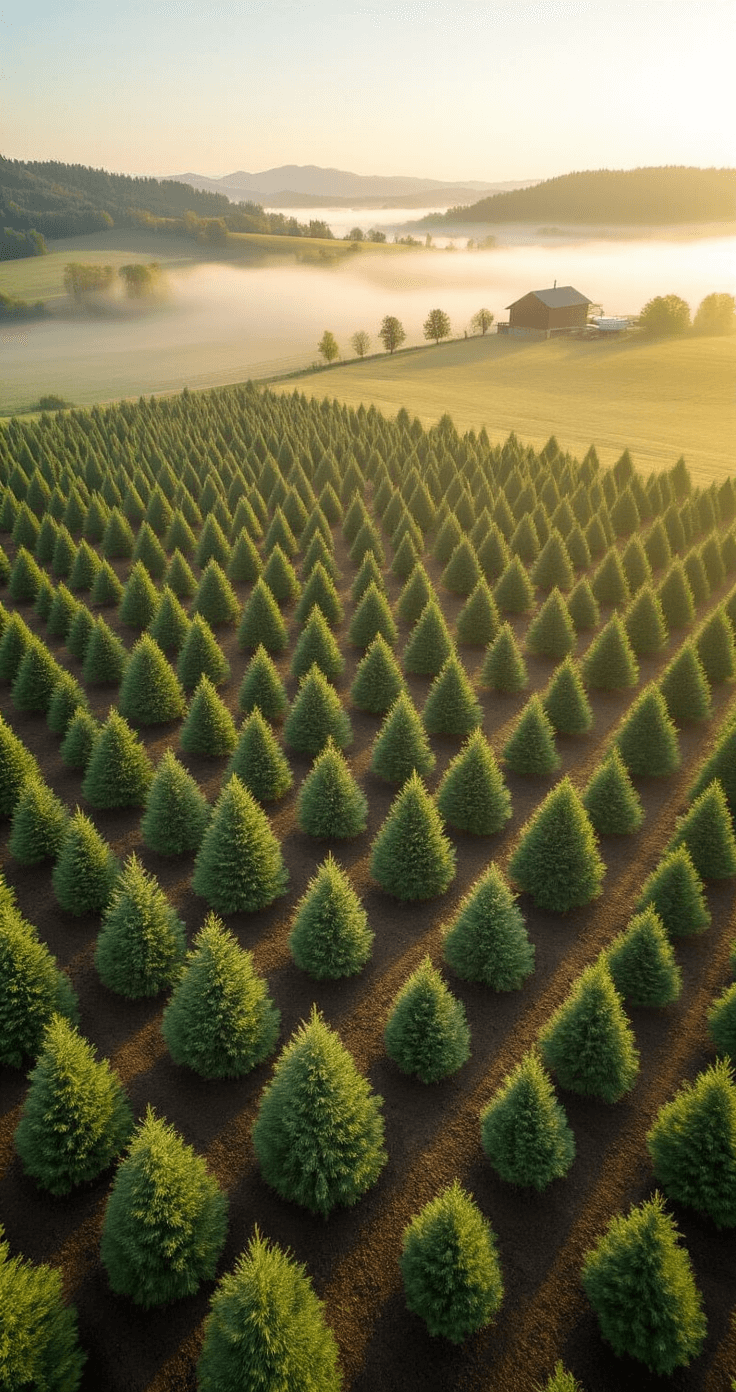
The Actual Planting Process
Step 1: Inspect Those Roots
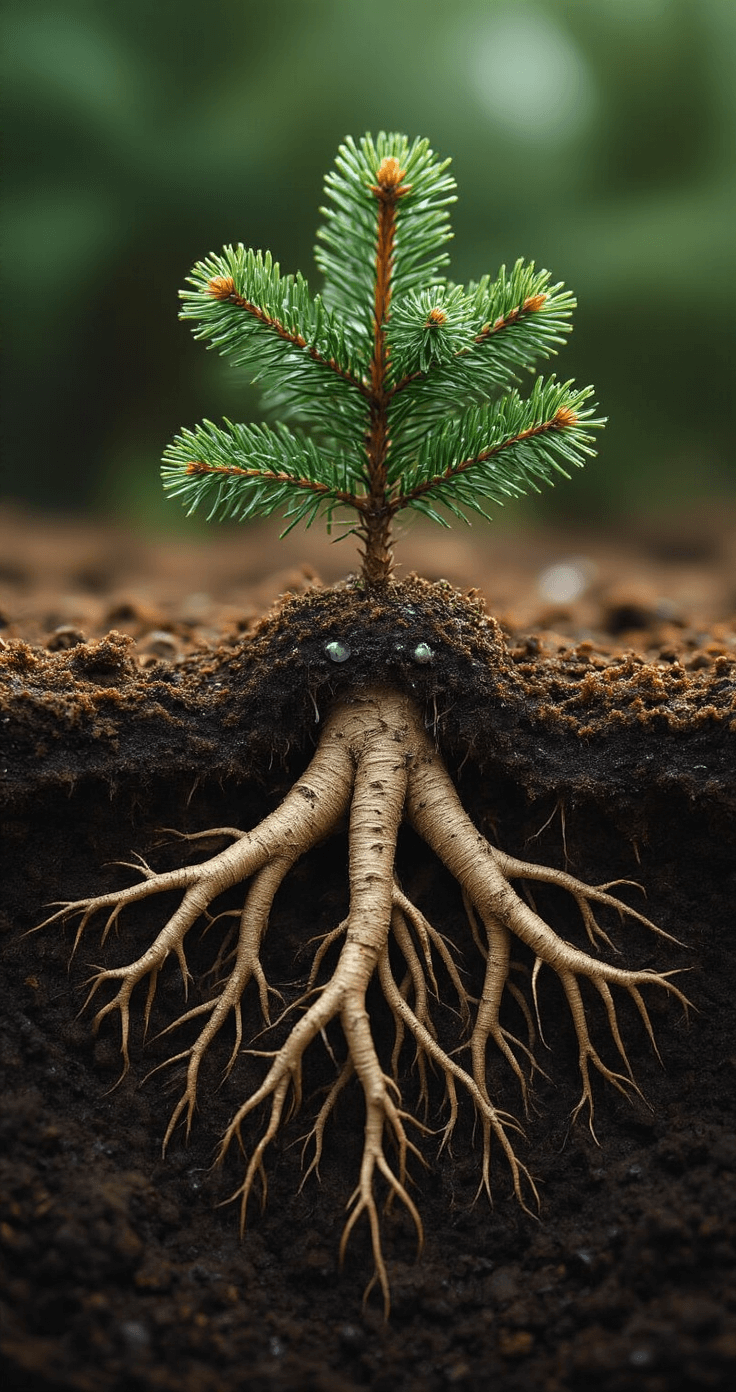
When you’re ready to plant, strip away any wire baskets, burlap, or twine from the root ball. These materials don’t decompose fast enough and will strangle your tree’s roots.
Look for J-shaped roots—those bent, cramped roots that curve back on themselves. If you see them, your tree is already compromised. Those deformed roots will never straighten out and will eventually kill the tree.
Step 2: Dig Smart, Not Hard
Make that hole wide enough so the roots can spread naturally. You’re not stuffing a suitcase here. Cramped roots = dead tree. It’s that simple.
Step 3: Get the Depth Right
This is where most people mess up. Find the root collar—that’s where the roots flare out from the trunk. That spot should sit right at ground level, maybe even slightly above.
Plant too deep and the trunk will rot. Too shallow and the roots dry out. There’s zero room for error here.
Step 4: Backfill and Settle
Use that soil you stored and backfill around the roots. Tamp it down firmly—you’re eliminating air pockets that will dry out roots faster than you can say “Charlie Brown Christmas.”
Water thoroughly with a quality garden hose. I mean really soak it. This settles the soil and gives those roots the moisture they desperately need.
Step 5: Mulch Matters
Add a 2-3 inch layer of organic mulch around the base. Keep it a few inches away from the trunk itself (you don’t want to encourage rot). This insulates roots and keeps moisture where it belongs.
Going Big: Starting a Christmas Tree Plantation
Site Selection Is Everything
Soil requirements:
- Topsoil deeper than 6 inches
- No hardpan (that impenetrable layer that blocks roots)
- Good drainage without being too sandy
- Avoid heavy clay at all costs
Infrastructure planning:
- Roads every 65-200 rows (you need access for equipment)
- No spot should be more than 100 feet from a road
- Plan for spray application access
- Consider harvesting logistics from day one
I’ve seen farmers skip the infrastructure planning and regret it every single harvest season. Watching a truck get stuck between rows of 8-foot trees is both expensive and hilarious (if it’s not your truck).
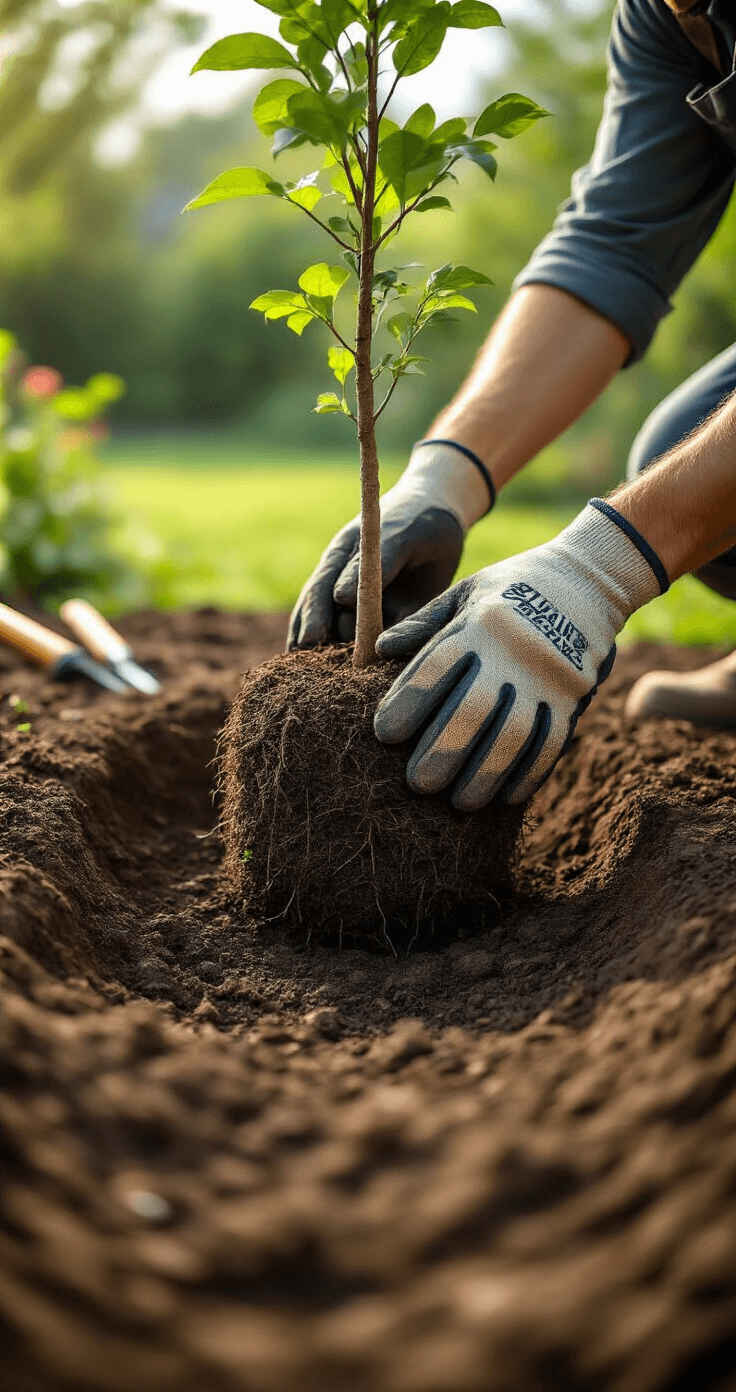
Site Preparation: The Unglamorous Truth
This part is brutal, dirty work:
- Push stumps and clear rocks (rent or buy a bulldozer)
- Rake out roots that’ll interfere with planting
- Disk, plow, or subsoil to break up compacted ground
- Let the soil settle for several months before planting
Old pasture or hay field? Disk or plow those rows several months before planting. The soil needs time to settle, or you’ll create air pockets that kill transplants.
Tree Spacing Mathematics
Your spacing determines your income potential:
5×5 foot spacing = 1,700+ trees per acre
6×6 foot spacing = 1,200 trees per acre
Sounds like more is better, right? Not necessarily.
Tighter spacing means:
- More trees to maintain
- More competition for nutrients
- Harder to navigate with equipment
- Potentially smaller final trees
Wider spacing means:
- Fewer trees but fuller growth
- Easier maintenance access