This post may contain affiliate links. Please see my disclosure policy for details.
47 Magical Fairy Garden Ideas That’ll Transform Your Backyard Into an Enchanted Paradise
Fairy garden ideas have completely taken over my weekends, and I’m not even slightly embarrassed about it.
You know that feeling when you spot something so charming you can’t help but smile? That’s what happened when I stumbled across my neighbor’s fairy garden tucked beside her front steps. I stood there like a complete weirdo, peering at tiny mushroom houses and pebble pathways until she invited me in for a closer look.
Three years later, I’ve got seven fairy gardens scattered around my property, and honestly, I might have a problem.
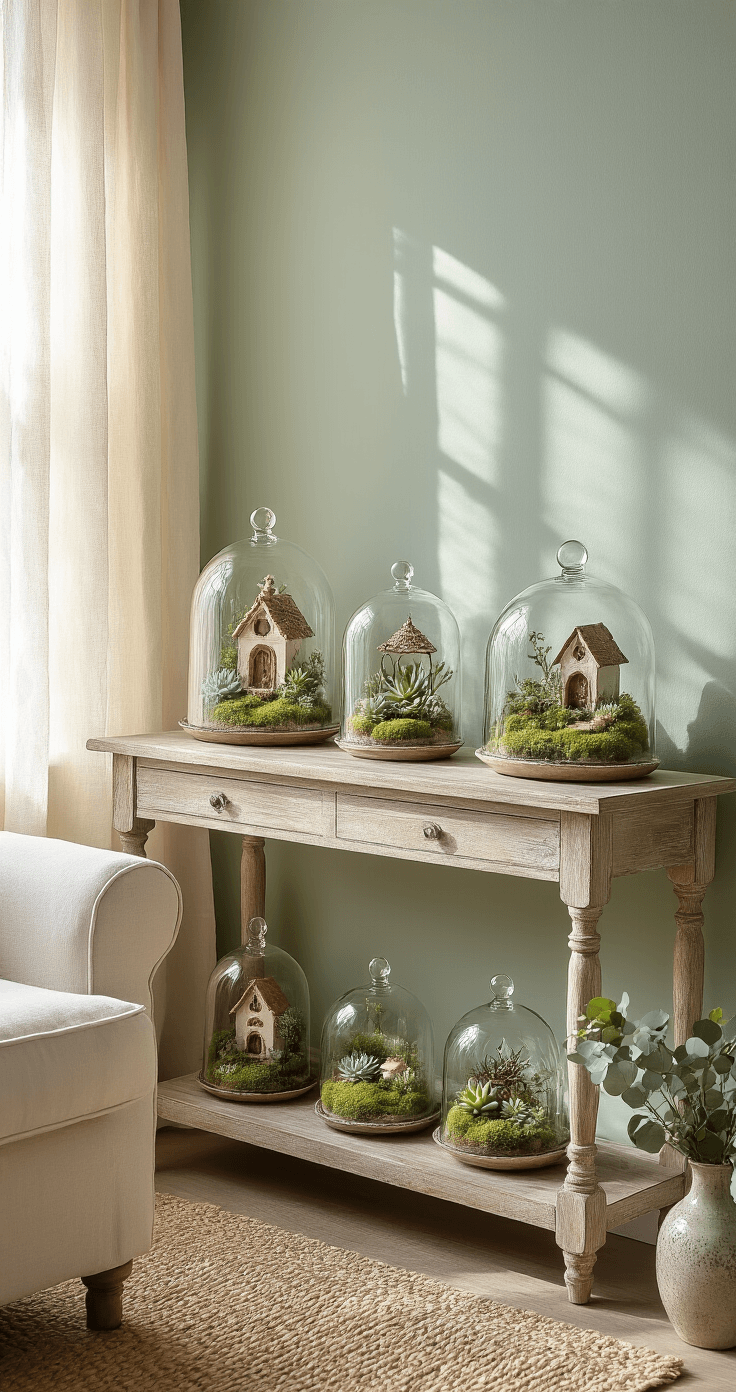
Why Your Garden Needs These Tiny Magical Worlds
Look, I get it. You’ve got real plants to worry about, actual-sized landscaping projects calling your name, and here I am suggesting you fuss over miniature furniture.
But here’s the thing: fairy gardens are ridiculously fun. They’re creative outlets that don’t require artistic talent, they’re affordable unlike most hobbies, and they give you instant gratification when everything else in your garden takes months to bloom.
Plus, if you’ve got kids or grandkids, these little scenes will keep them entertained for hours. My seven-year-old nephew literally asks to check on “his” fairy garden before he even says hello anymore.
Where to Put Your Fairy Garden (Spoiler: Basically Anywhere)
Indoor fairy gardens work perfectly if you’re short on outdoor space or live somewhere with brutal winters.
Outdoor fairy gardens can handle the elements with the right plants and weatherproof accessories.
I’ve created fairy gardens in:
- Traditional terracotta pots on my deck
- A broken pot I was about to toss (now my favorite multi-level design)
- An old wooden crate I found at a garage sale
- A shallow dish garden on my kitchen windowsill
- A corner of my actual garden bed
- A galvanized metal tub that gives off major farmhouse vibes
The broken pot situation was actually an accident. I dropped a large terracotta planter, and instead of crying over it, I stacked the pieces to create levels. Now it’s the one everyone photographs.
Container Ideas That’ll Make Your Fairy Garden Stand Out
Traditional containers work great, but why be boring?
Here’s what I’ve seen work beautifully:
Teacups and teapots create whimsical single-fairy homes. I picked up mismatched vintage teacups at a thrift store for fifty cents each.
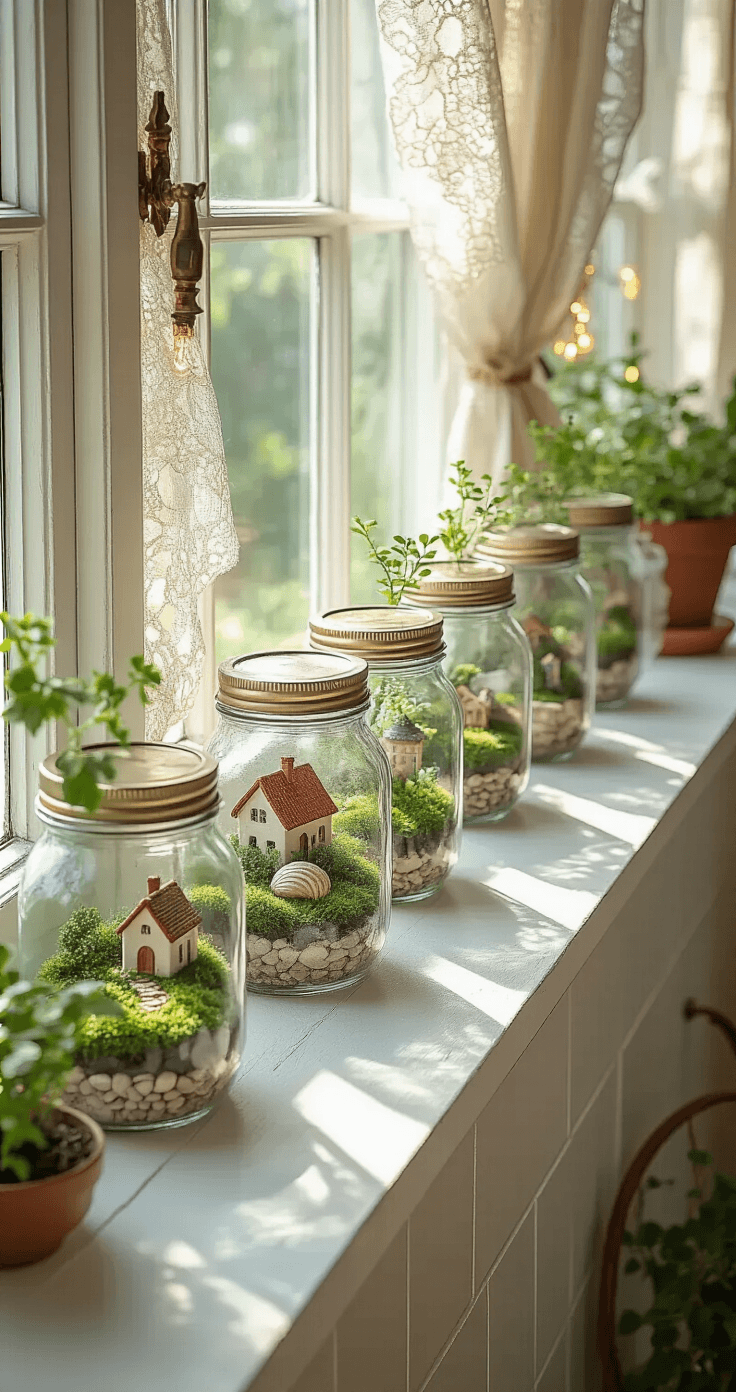
Mason jars work for tiny terrariums that need zero maintenance. Add a mason jar fairy light string and you’ve got nighttime magic.
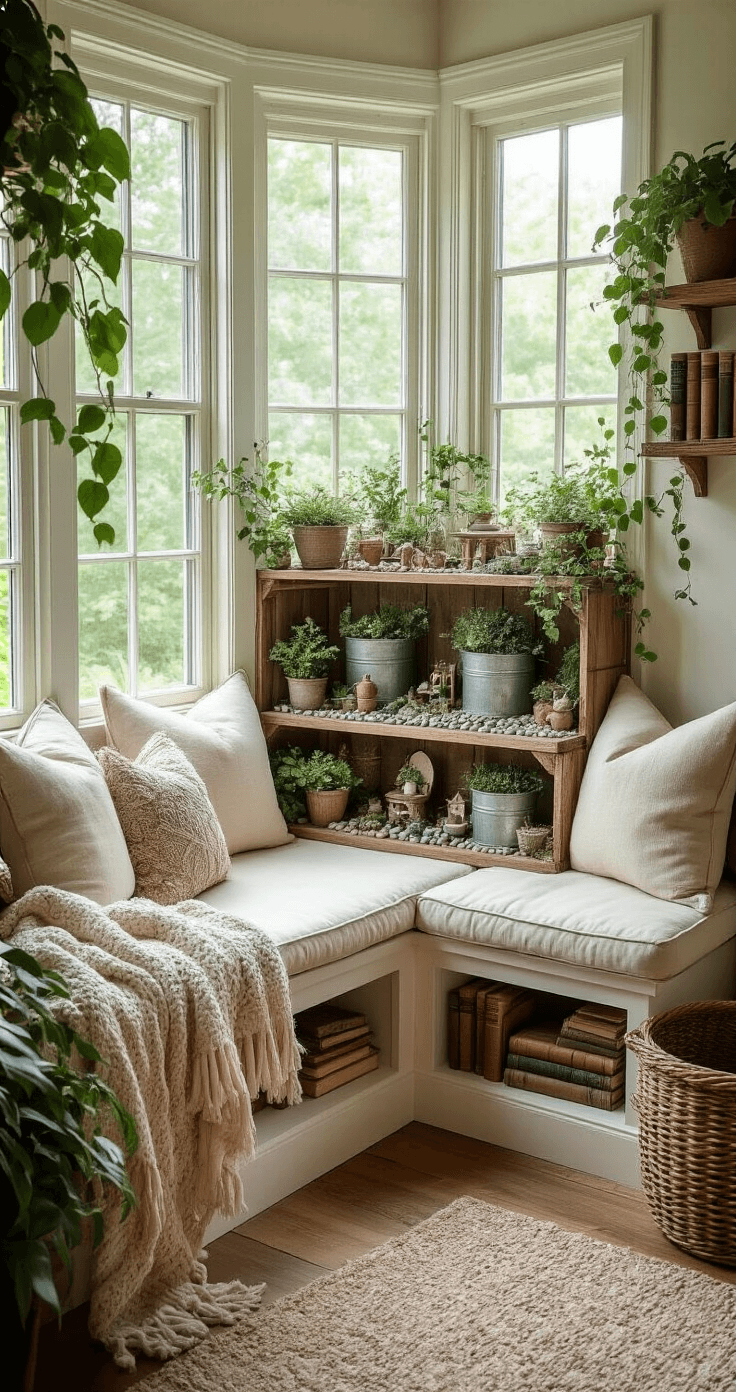
Wooden crates or drawers give you that rustic cottage vibe. Line them with plastic to protect the wood from soil moisture.
Baskets (lined with plastic or landscape fabric) create a woodland aesthetic.
Old wheelbarrows or wagons let you move your fairy garden around to follow the sun.
Tree stumps make natural-looking fairy villages. Hollow out a section and add moss around the edges.
Save this article
Enter your email and we'll send it straight to your inbox.
Broken furniture sounds weird but looks amazing. An old chair with the seat removed becomes a planter frame.
Plants That Won’t Outgrow Your Fairy Houses
This is where most people mess up. They grab whatever looks cute at the nursery, then six weeks later their fairy house is completely swallowed by an aggressive plant.
Succulents are your best friends because:
- They grow slowly
- They handle neglect like champions
- They come in wild shapes and colors
- They need minimal water
I’m obsessed with:
- Hens and chicks for ground cover
- String of pearls trailing over edges
- Tiny echeveria rosettes that look like flowers
- Sedum varieties in different colors
Mosses create instant magic and stay low to the ground. Irish moss, Scotch moss, and sheet moss work perfectly. I buy preserved moss sheets for indoor gardens since they don’t need water.
Small-leafed plants maintain proper scale:
- Miniature ivy
- Baby tears (Soleirolia)
- Creeping thyme (smells amazing when you brush against it)
- Dwarf mondo grass
- Miniature hostas
Tiny flowering plants add color pops:
- Miniature roses
- Sweet alyssum
- Lobelia
- Dwarf pansies
Pro tip I learned the hard way: research the mature size before planting. That “miniature” cypress I bought? Yeah, miniature is relative. It’s now in my actual landscape.
Creating Pathways That Look Professional
Pebble pathways are classic for a reason. I use aquarium gravel in different colors to create patterns.
Sand paths work for desert-themed gardens.
Moss paths feel organic and woodland-like.
Crushed shells if you’re going coastal.
Flat stone steppers made from broken tiles or slate. I smashed an ugly tile leftover from our bathroom renovation and now it’s a charming pathway.
Coffee beans create a dark, rich-looking path (replace them seasonally as they decompose).
The trick is keeping your pathways narrow—we’re creating fairy-sized walkways, not human highways. A quarter-inch wide path looks more realistic than a one-inch path.
Fairy Houses: Buy, Build, or DIY
Store-bought fairy houses range from cheap resin ones to expensive handcrafted ceramics.
I’ve bought houses from:
- Garden centers (overpriced but adorable)
- Amazon (huge selection)
- Etsy (unique artisan pieces)
- Dollar Tree (surprisingly decent for $1.25)
- Craft stores like Michaels during sales
DIY fairy houses cost almost nothing and
Keep this one for later
We'll email you the link so you can come back to it.