

This post may contain affiliate links. Please see my disclosure policy for details.
The Trees That’ll Make Your Yard Look Like a Pinterest Board Every Fall
Sugar Maple trees turn neighborhoods into absolute showstoppers come autumn, and I’m about to tell you exactly which trees will make your property the envy of everyone who drives past.
Look, I get it. You’re tired of watching your neighbor’s yard burst into flames of color every October while your landscape sits there looking like it missed the memo. You want that magazine-worthy fall aesthetic without hiring a landscape architect or spending your retirement fund.
I’ve spent years studying which trees actually deliver on their autumn promises and which ones just… don’t. And trust me, not all fall foliage is created equal.

Why Some Trees Explode With Color (And Others Just Turn Brown)
Here’s what most people don’t realize about fall colors.
Those stunning reds, oranges, and yellows aren’t just randomly happening. There’s actual science behind why some trees look like they’re on fire while others just look dead.
Carotenoids live in leaves all year long. They’re the sidekick that never gets noticed because chlorophyll hogs the spotlight with all that green. But when fall hits and chlorophyll breaks down? Boom—those yellows and oranges finally get their moment.
Anthocyanins are the overachievers. These pigments don’t even exist until late summer, when trees start producing them specifically for the fall show. They’re responsible for those jaw-dropping reds, purples, and pinks that make you pull over and take photos.
Browns? Yeah, those are literally just waste products the tree couldn’t get rid of before the leaf fell off. Not exactly glamorous.
The Weather Sweet Spot That Creates Magic
Want to know the secret to the best fall colors?
You need bright, sunny days combined with cool (but not freezing) nights. It’s like Goldilocks conditions—everything has to be just right.
Sunlight is the MVP here. The more bright autumn days you get, the more anthocyanins your trees produce. More anthocyanins equal more of those insane reds and purples.
This is why the same tree might look incredible one year and mediocre the next. Weather patterns make or break the show.
The Trees That Actually Deliver On Red and Purple
Let me tell you about the rockstars of the red category.
Sugar Maples are the celebrities of fall foliage. Everyone wants one, and for good reason—they deliver oranges, reds, and yellows that would make a sunset jealous. I planted a Sugar Maple sapling in my front yard seven years ago, and every October, I literally get neighbors knocking on my door asking what kind of tree it is.
Red Maples are the reliable friends who always show up. While their colors might not always be as intense as Sugar Maples, they’re consistent performers that you can count on year after year.
Black Tupelo (also called Black Gum) is my personal favorite. This tree doesn’t mess around—it goes straight for drama with deep burgundy, scarlet, and purple all happening simultaneously. Often on the same branch. It’s like the tree can’t decide which color to be, so it just says “all of them.”
Here’s my go-to list for guaranteed red and purple:
- Sugar Maple: The gold standard (well, red standard)
- Red Maple: Reliable and widely adaptable
- Black Tupelo: Multi-colored madness on one tree
- Sourwood: Produces dark red to purple foliage
- Red-Osier Dogwood: Deep burgundy leaves
- Sassafras: Brilliant orange-red combinations
- Eastern Redbud: Purple-red tones that pop
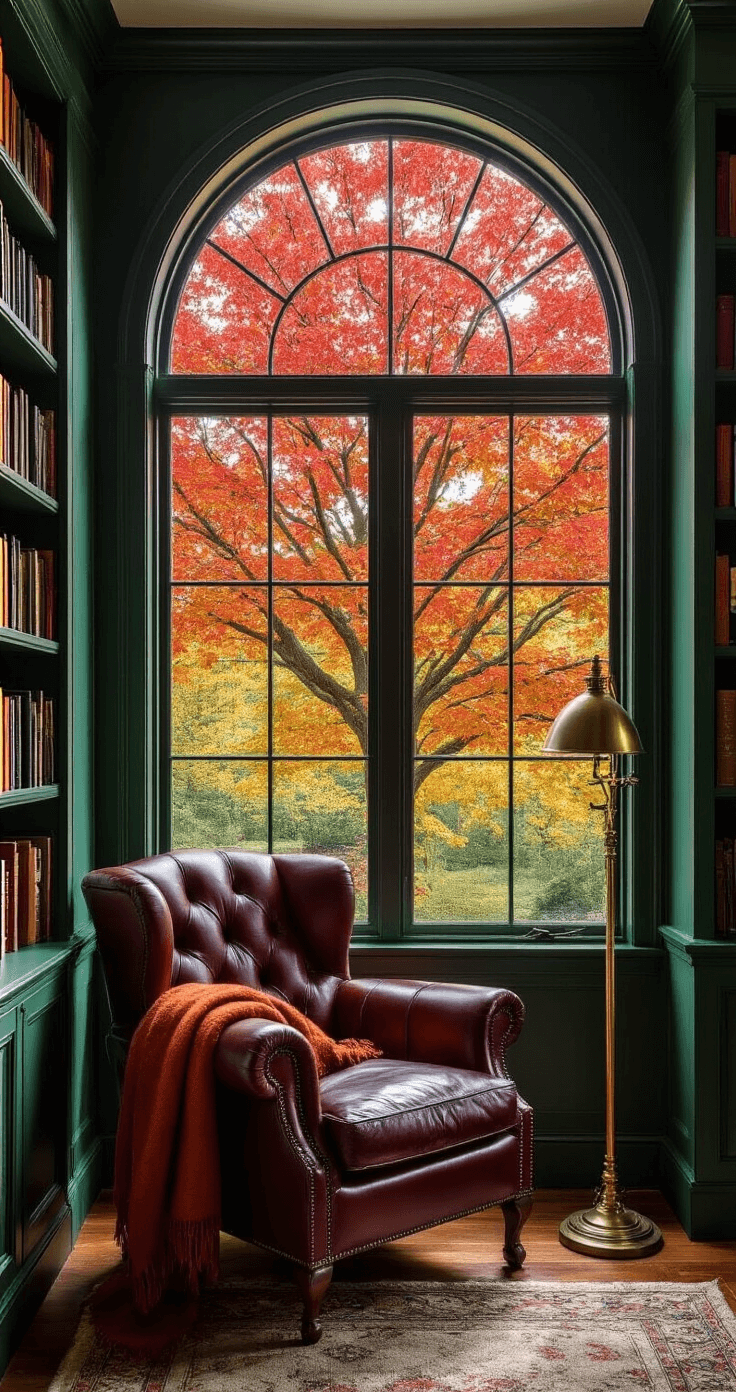
The thing about maples? They’re show-offs. You’ll often see yellow AND red on the same tree, creating this incredible gradient effect that looks professionally designed.
When You Want Your Yard Screaming Yellow and Orange
Ginkgo trees are in a league of their own for pure yellow.
I’m talking about a golden-yellow so bright it almost looks fake. These ancient trees (we’re talking literal living fossils here) drop all their fan-shaped leaves within about 48 hours, creating this incredible yellow carpet overnight.
One morning you’ve got a tree. Next morning you’ve got a tree and a golden pool underneath. It’s spectacular and slightly inconvenient if you hate raking.
For classic yellows and oranges, grab these:
- Ginkgo: Unmatched golden-yellow, all-at-once leaf drop
- Birch: Soft, buttery yellows
- Aspen: Shimmering gold (they literally sparkle in the breeze)
- Hickory: Reliable yellows and golden tones
- Ash: Clear, bright yellows
Sugar Maples deserve another mention here because they also produce brilliant orange and amber tones. They’re basically the Swiss Army knife of fall color.

The Overachievers That Can’t Pick Just One Color
Some trees apparently didn’t get the memo about staying in their lane.
Black Tupelo takes the crown here. I’ve stood under these trees and counted yellow, orange, bright red, AND purple all on the same branch. It’s been called “one of the best and most consistent native trees for fall color,” and I completely agree. This tree doesn’t have off years—it shows up ready to perform every single autumn.
Washington Hawthorn throws orange, scarlet, and purplish tones at you all at once. Plus you get those bright red berries that stick around into winter, so the show doesn’t completely end when the leaves drop.
Bitternut Hickory is usually the first tree in the neighborhood to change. It’ll turn bright yellow while everything else is still green, giving you that “heads up, fall is coming” moment. I use it as my personal calendar.
Bald Cypress surprises people because it’s a
[…] use about 3-5 yards of ribbon per foot of tree height. So my 7-foot tree gets roughly 21-35 yards total across all my ribbon […]