This post may contain affiliate links. Please see my disclosure policy for details.
Fall-Blooming Perennials That’ll Make Your Neighbors Ditch Their Boring Mums
Contents
Fall-blooming perennials are hardy plants that flower from late summer through fall, and I’m about to tell you why they’re going to change everything you thought you knew about autumn gardening.
Look, I get it.
Every September, you see those grocery store mums lined up like little orange soldiers, and you think that’s just what fall gardens look like.
But here’s what nobody tells you: those mums are basically the floral equivalent of fast fashion.
They look decent for about three weeks, then they’re done.
Dead.
Gone.
And next year? You’re shelling out another forty bucks for the same disappointing cycle.
I learned this the hard way after three consecutive years of watching my “investment” mums turn into brown, crispy disappointments by mid-October.
That’s when I discovered fall-blooming perennials, and honestly, it felt like someone handed me a cheat code for gardening.

Why I’m Obsessed With Perennials (And You Should Be Too)
These plants come back year after year.
They’re like that reliable friend who actually shows up when they say they will.
Plant them once, and they’ll reward you with flowers every single autumn without you having to replant, repurchase, or really do much of anything.
Here’s what makes them absolute garden gold:
- They bloom from late summer straight through fall (we’re talking September, October, November, and sometimes even December)
- Pollinators absolutely lose their minds over them
- They actually save you money in the long run
- Many are drought-tolerant once established
- They require way less babysitting than annuals
I remember the first fall after I planted my perennial garden.
I was sitting on my porch in late October, watching bees and butterflies work overtime on my asters while my neighbor was hauling dead mums to the curb.
That’s when it clicked: I was done being a gardening sucker.
The Rockstars of Fall Flowers
Asters: The Overachievers You Actually Want Around
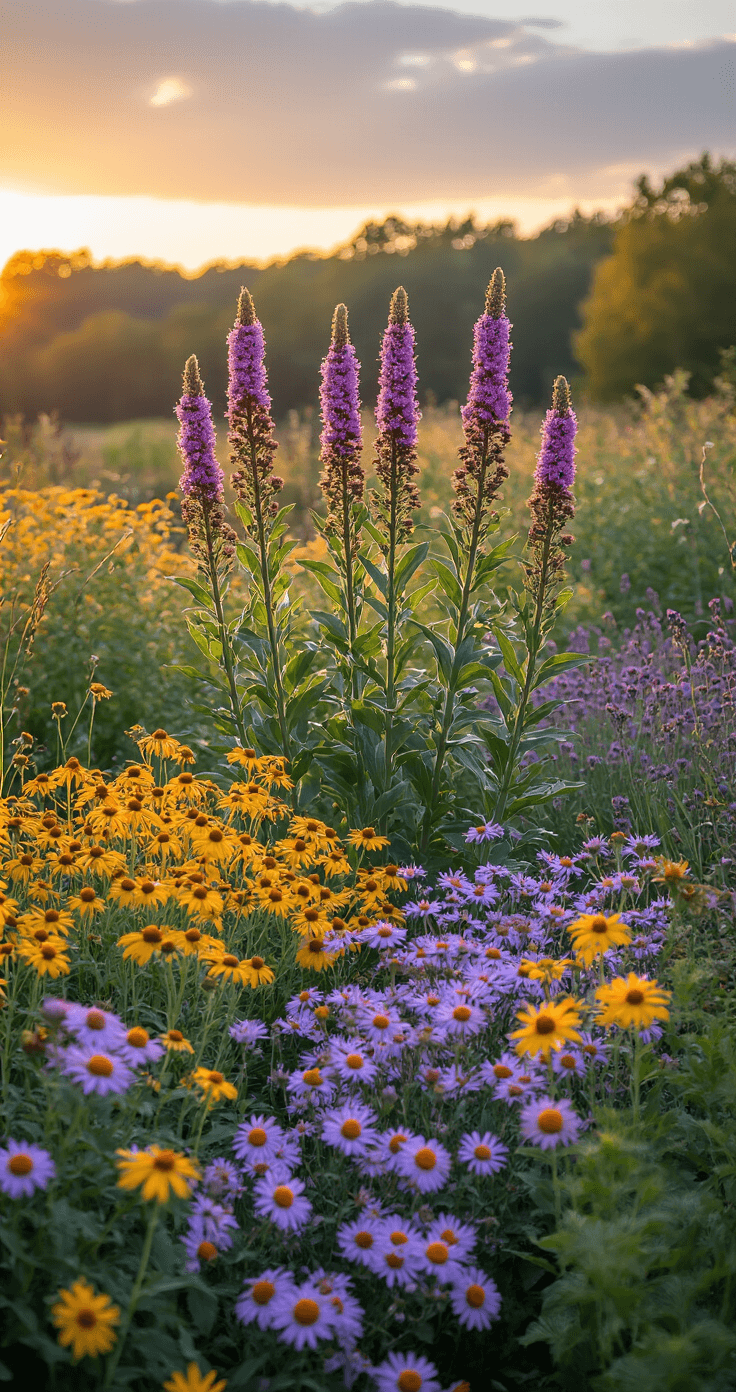
Asters are considered among the best fall-flowering plants for sheer flower power, and I’m not exaggerating when I say they’re the show-offs of the autumn garden.
The Fall Aster (Symphyotrichum oblongifolium) produces these dazzling purple blooms that create dense mounds of color well into winter.
I planted a collection of native asters three years ago, and now they’re the backbone of my entire fall display.
Why asters are brilliant:
- They attract Monarch butterflies during their fall migration (watching this is basically free therapy)
- They multiply without becoming aggressive bullies in your garden
- The purple blooms contrast beautifully with basically everything
- They look intentional and designed, not like you just grabbed whatever was on sale
My neighbor asked me last year if I hired a landscaper.
Nope, just planted some asters and let them do their thing.
Salvias: The Drought-Defying Dynamos
Salvias offer versatile options for fall gardens, and they’ve become my go-to recommendation for anyone who occasionally forgets to water.
Because let’s be real—we all do.
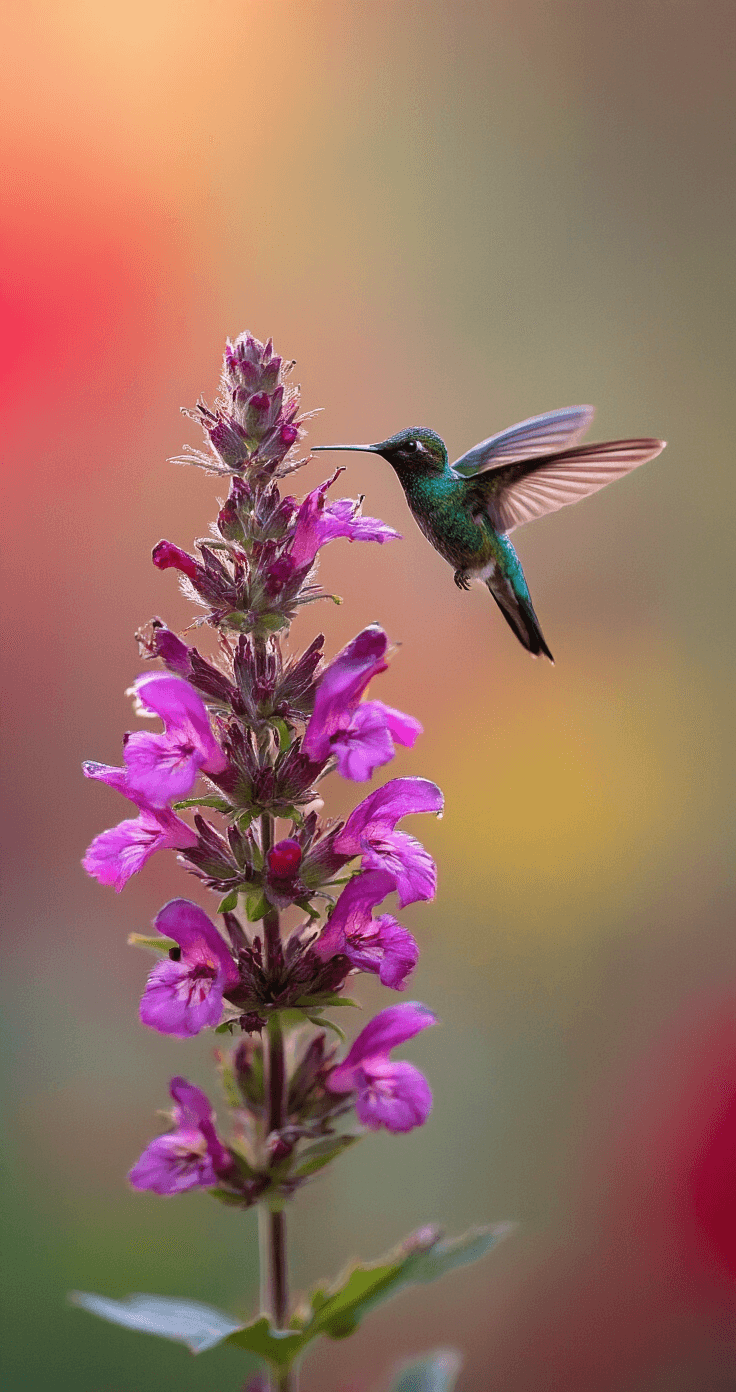
Autumn Sage (Salvia greggii) is a drought-tolerant Texas native that blooms in red, pink, or purple.
I planted mine in a spot that gets absolutely blasted by afternoon sun, the kind of spot where other plants go to die, and this salvia just laughs and keeps blooming.
It attracts hummingbirds and butterflies like some kind of pollinator magnet.
I’ve counted up to seven hummingbirds fighting over mine during peak bloom.
Salvia ‘Henry Duelberg’ features tall spikes of blue flowers from spring to fall and actually thrives in heavy clay soils.
If you’ve got clay soil, you know the struggle is real.
Most plants treat clay like it’s concrete.
But Henry? He’s unbothered.
Why I always recommend salvias:
- Seriously drought-tolerant once established
- Long bloom period (we’re talking months, not weeks)
- Hummingbirds will literally set up camp in your yard
- They don’t get leggy or weird-looking mid-season
- Salvia plants come in enough varieties to keep things interesting
The Supporting Cast That Steals The Show
Black-eyed Susan (Rudbeckia) produces cheerful yellow flowers and is highly adaptable to basically whatever you throw at it.
I’ve grown these in full sun, partial shade, good soil, terrible soil, and they just keep delivering.
They’re like the golden retrievers of the plant world—happy, reliable, and impossible not to love.
Coreopsis brings more cheerful yellow blooms in late spring and fall.
I planted these along my driveway, and they’ve reseeded themselves into a naturalized drift that looks like I actually planned it.
(I didn’t, but I’m taking full credit.)
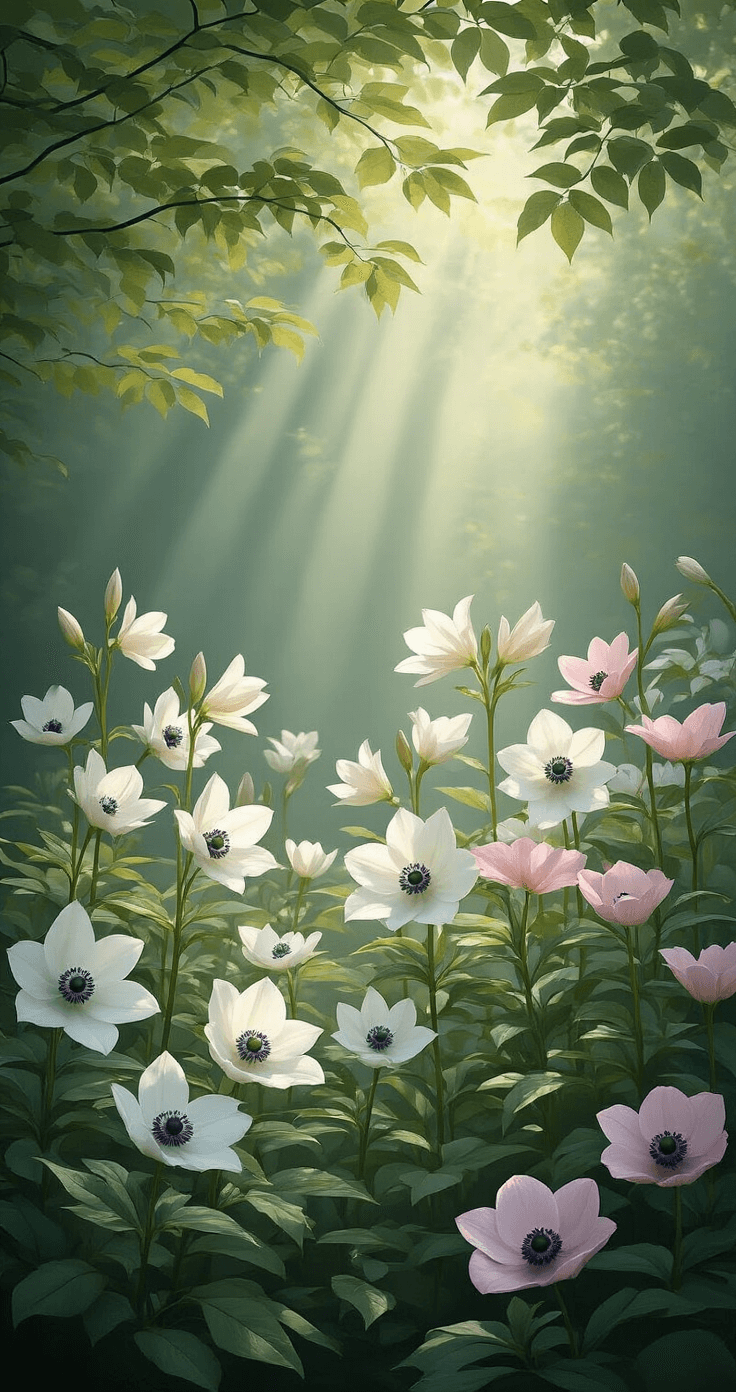
Japanese Anemones (Anemone × hybrida) produce white or pink flowers on tall, elegant stems.
These are the sophisticated cousin at the garden party.
They bloom later than most perennials, hitting their stride in September and October when everything else is winding down.
I’ve got mine planted under a dogwood tree where they get dappled shade, and they’re absolutely thriving.
Ironweed (Vernonia) produces purple or pink spidery flowers on plants that can reach anywhere from 2 to 12 feet tall.
Yes, twelve feet.
This isn’t a plant for small spaces or people who like things tidy and compact.
But if you’ve got room and want serious drama, ironweed delivers.
I planted mine at the back of my border, and it creates this incredible purple haze in September that makes people slow down when they drive past.
Toad Lily (Tricyrtis) produces intricate pink flowers and thrives in part to full shade.
This is your answer for those impossible shady spots where nothing else wants