

This post may contain affiliate links. Please see my disclosure policy for details.
Winter Vegetables That’ll Actually Survive (And Taste Better) In Freezing Weather
Winter vegetables are the tough cookies of the gardening world, and I’m about to show you exactly which ones will thrive when everything else has given up the ghost.
Look, I get it. You’re staring out at your garden in October thinking the growing season is over, and you might as well pack it in until spring. Been there, done that, bought the commemorative t-shirt.
But here’s what changed everything for me: discovering that some vegetables actually prefer the cold snap. They laugh in the face of frost. They get sweeter when the temperature drops. And they’ll keep producing fresh food when your neighbors are stuck eating sad supermarket lettuce.
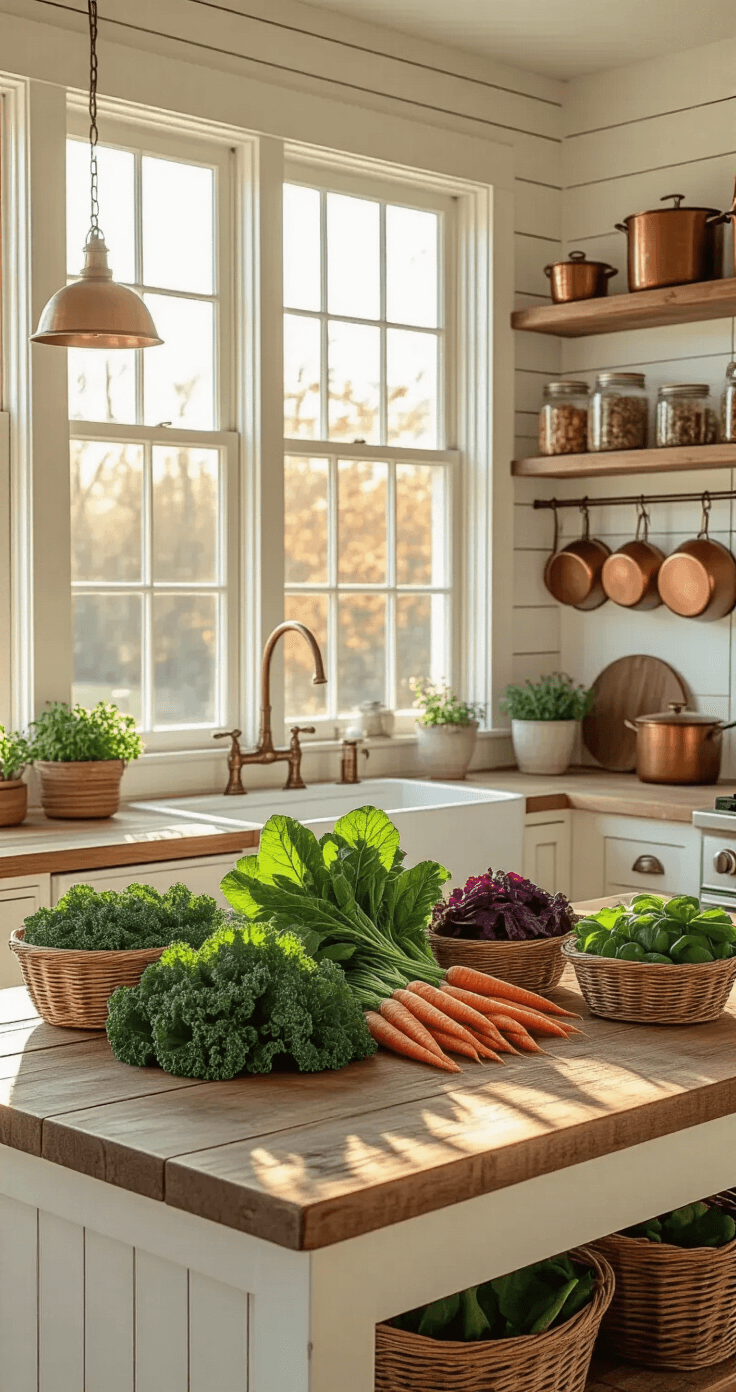
🌟 Steal This Look
- Paint Color: Sherwin-Williams Ripe Olive SW 6209
- Furniture: reclaimed wood potting bench with galvanized steel top, vintage seed cabinet with brass label holders
- Lighting: industrial pendant with seeded glass shade and antique brass hardware
- Materials: raw linen, weathered cedar, cast iron, terracotta, unglazed ceramic
There’s something quietly defiant about slicing into a parsnip you pulled from frozen ground while your heating bill climbs—this room honors that stubborn, sustaining magic of growing through the dark months.
The Vegetables That Won’t Bail On You When It Gets Cold
I learned this the hard way during my first winter garden attempt. Planted everything in September, felt like a genius, then watched half of it turn to mush after the first hard freeze. The survivors? Those became my winter garden MVPs.
Leafy Greens: Your Winter Garden Champions
These are the show-offs of winter gardening. I’ve grown them all, and honestly, they’re more reliable than my morning alarm. Here’s your A-list:
- Spinach – Gets sweeter after frost hits it (seriously, it’s like nature’s candy)
- Arugula – Peppery bite intensifies in cold weather
- Chard – Those colorful stems look gorgeous poking through snow
- Kale – The undisputed heavyweight champion of cold tolerance
- Bok choy – Harvest the baby leaves all winter long
- Mustard greens – Spicy kick that’ll wake up any winter salad
- Lettuce varieties – But not just any lettuce
Let me stop you right there on the lettuce thing. Don’t waste your time with summer lettuce varieties in winter. I did that once and ended up with expensive compost.
The varieties that actually perform?
- ‘Winter Density’ – Compact, sweet, bulletproof
- ‘Red Salad Bowl’ – Pretty AND productive
- ‘Winter Marvel’ – Lives up to its name
Grab some cold-hardy lettuce seeds that are specifically bred for winter growing.
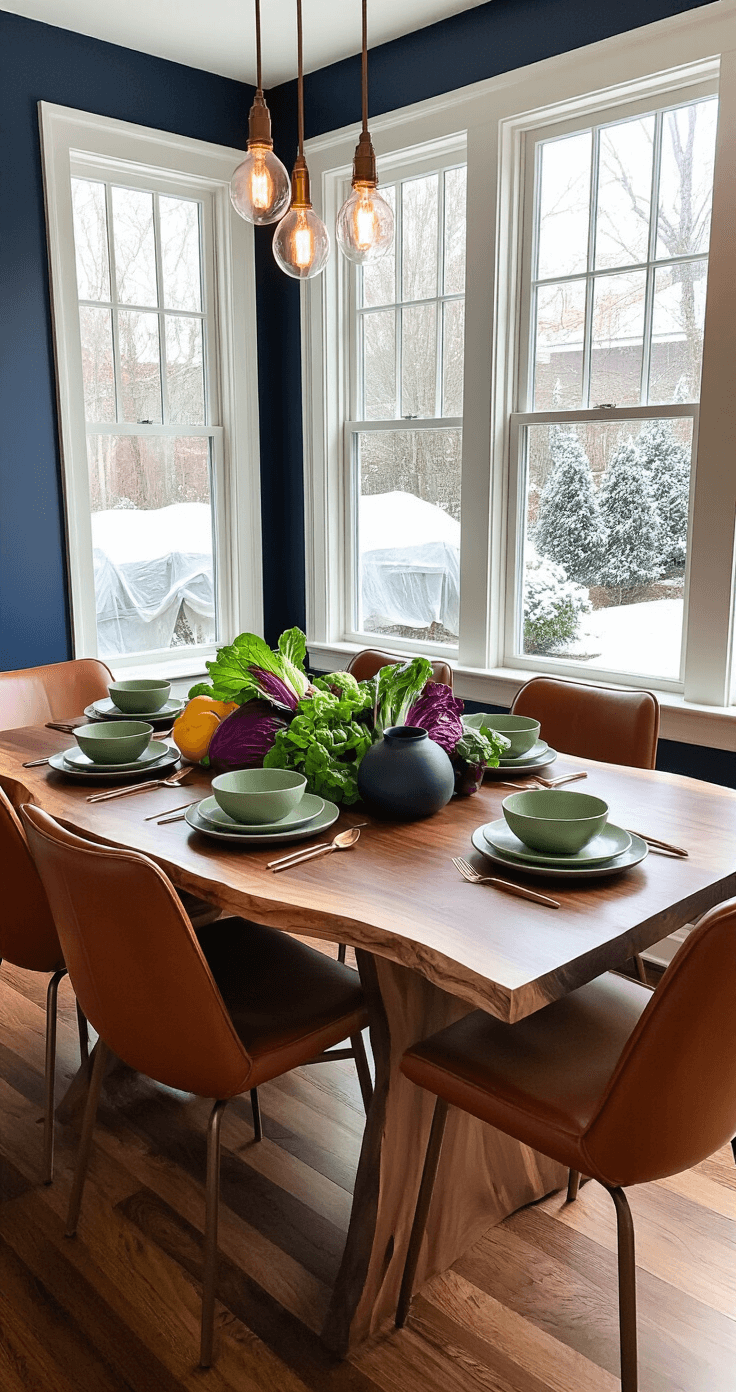
Root Vegetables: The Underground Success Story
The secret weapon hiding beneath the soil. Root vegetables are basically doing their thing underground where it’s warmer, which makes them natural winter survivors. I’ve pulled carrots from frozen ground in January that tasted better than anything I grew in summer.
Here’s what works:
- Carrots – Frost converts their starches to sugar (game-changer)
- Beets – Both roots and greens are edible all winter
- Turnips – Fast-growing and frost-hardy
- Rutabagas – The forgotten hero that stores incredibly well
- Parsnips – Actually require frost to develop their sweet flavor
- Radishes – Ready in 30 days even in cold weather
- Kohlrabi – Weird-looking but delicious and tough as nails
You can direct seed most of these or start with transplants. Transplants give you a head start, but direct seeding works fine if you time it right. The underground portions stay protected from the worst weather, which is why these vegetables are so forgiving.
Save this article
Enter your email and we'll send it straight to your inbox.
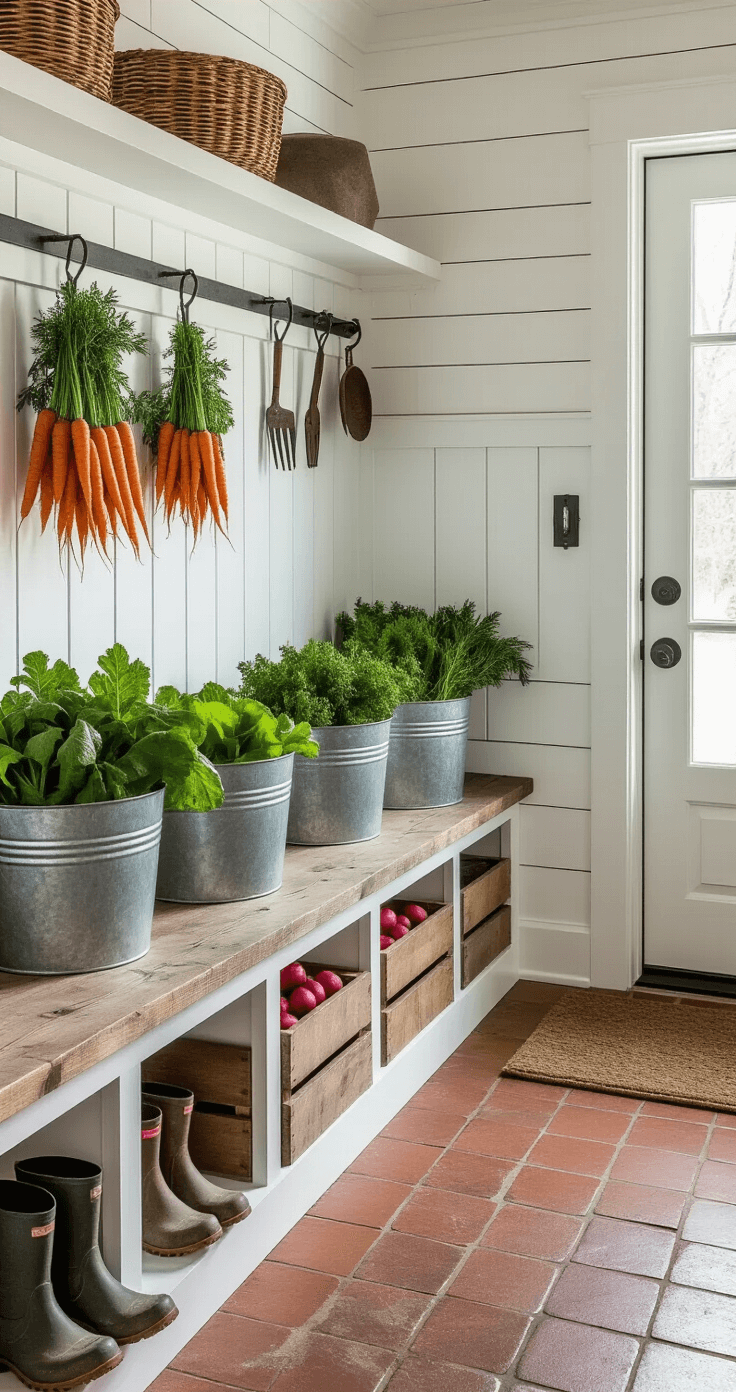
Brassicas: The Cold Weather Bruisers
These plants were basically designed for winter. I remember my first winter broccoli harvest. Picked it on a morning when there was actual frost on the heads, and it was the most flavorful broccoli I’d ever tasted. No bitterness, just sweet and tender.
Your winter brassica lineup:
- Broccoli – Side shoots keep producing all winter
- Cabbage – Stands in the garden for months without complaint
- Brussels sprouts – Frost makes them sweeter (who knew?)
- Collard greens – The more you harvest, the more they produce
These are commitment vegetables, though. They take up space for the long haul, so plan accordingly.
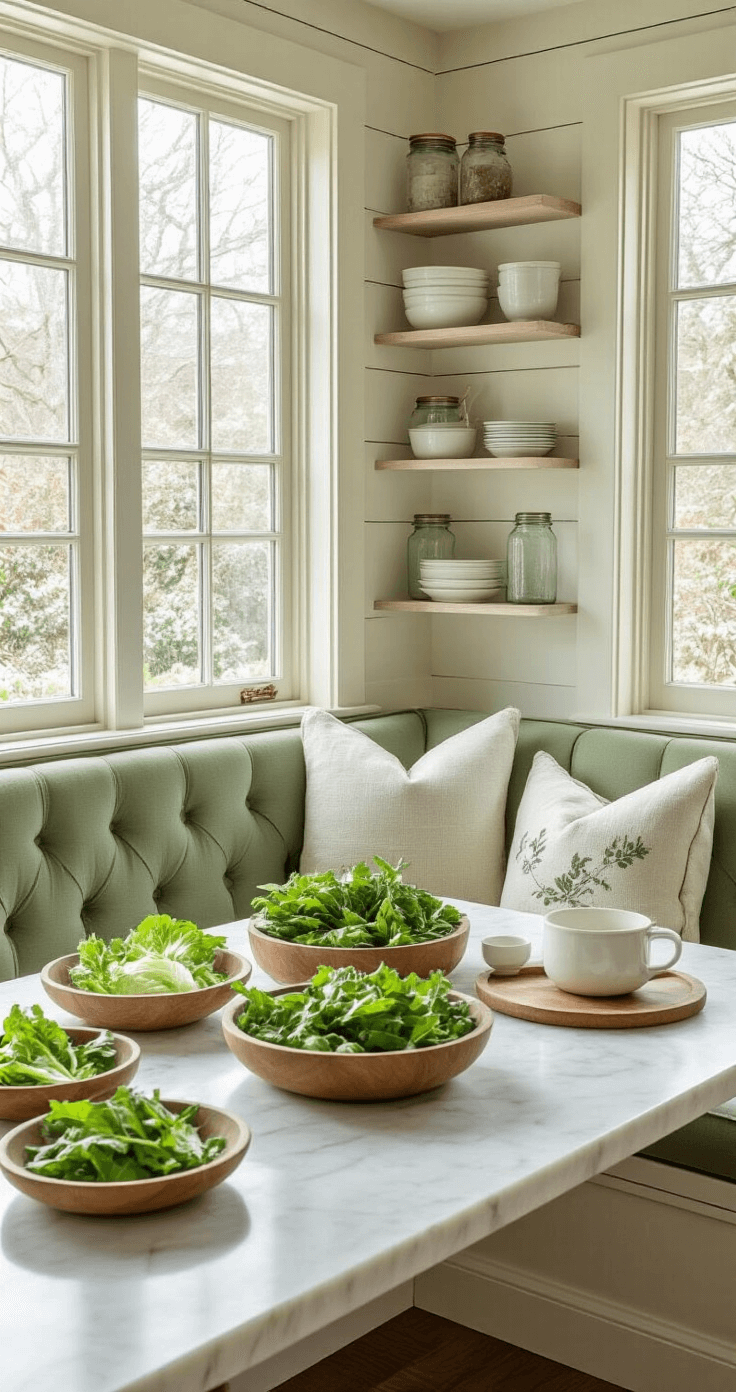
🎨 Steal This Look
- Paint Color: Benjamin Moore Sage Tint 458
- Furniture: reclaimed wood potting bench with zinc top, vintage farmhouse sink for washing harvests, open-shelved seed storage cabinet
- Lighting: industrial gooseneck barn sconces with warm 2700K LED bulbs
- Materials: weathered cedar planters, galvanized steel buckets, burlap root vegetable storage sacks, matte black iron hardware
There’s something deeply satisfying about brushing snow off chard leaves in January while your neighbors are buying wilted grocery store greens, and this space honors that stubborn self-sufficiency.
Timing This Whole Winter Garden Thing
Here’s where most people mess up. You can’t just throw seeds in the ground in November and expect magic. Winter gardening requires planning backward from your first freeze date.
I keep a garden journal (just a beat-up notebook, nothing fancy) where I track my local freeze dates. In my Texas garden, I can seed beets and carrots all the way until mid-March. Kale and kohlrabi have similar windows.
But here’s the crucial part: most winter vegetables need to be seeded or transplanted in mid-summer to early autumn. That’s right. Your winter garden starts in summer. Mind. Blown.
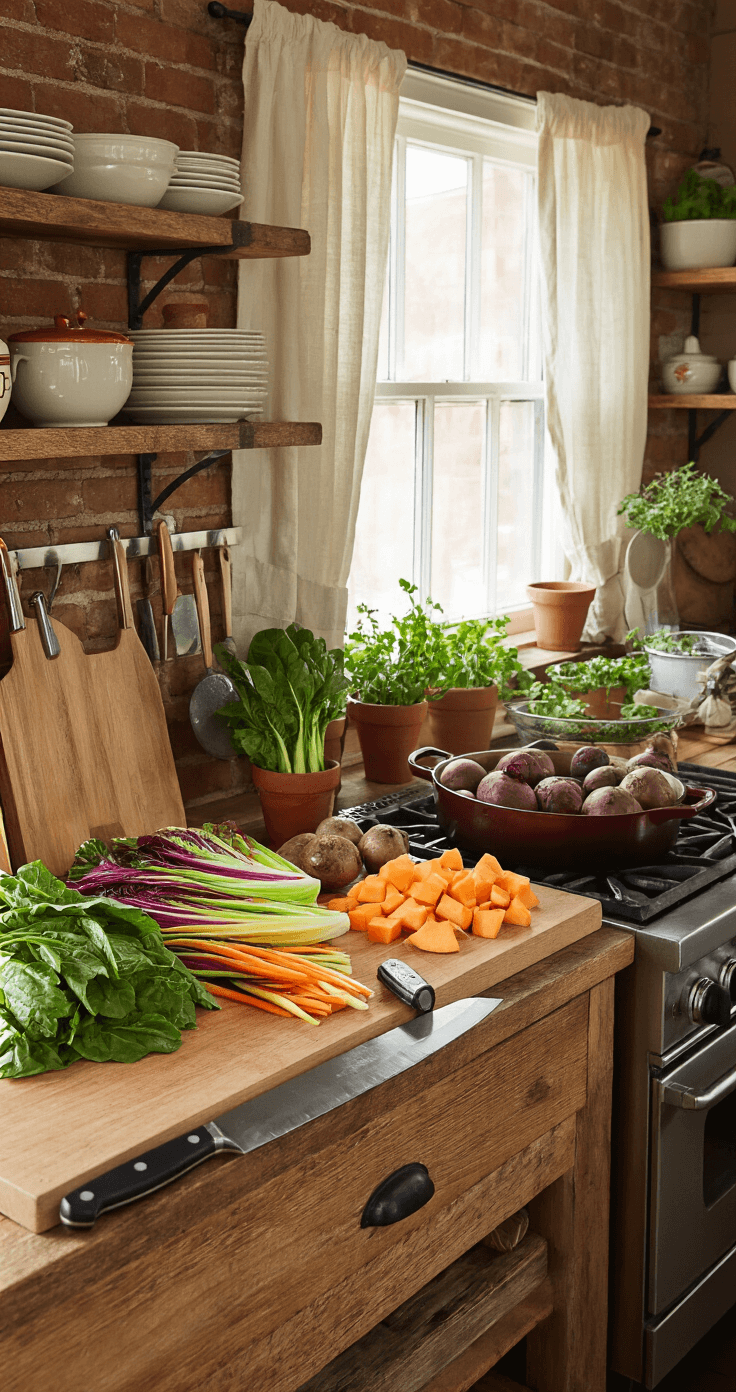
The Transplant vs. Direct Seeding Debate
I’ve done both, and here’s my honest take:
Transplants work better for:
- Broccoli
- Cabbage
- Brussels sprouts
- Cauliflower
✎ Steal This Look
- Paint Color: Farrow & Ball Green Smoke 47
- Furniture: vintage potting bench with zinc top for seed starting station
- Lighting: industrial gooseneck wall sconce with warm LED for task lighting over journal workspace
- Materials: raw linen, reclaimed wood, terracotta, aged brass, kraft paper
There’s something deeply satisfying about spreading seed packets across a proper surface with your coffee, not hunched over the kitchen counter—this small ritual honors the patience winter gardening demands.
Keep this one for later
We'll email you the link so you can come back to it.





[…] Better survival through harsh weather […]
[…] You’re standing in a garden center, overwhelmed by hundreds of options, wondering what the hell actually survives autumn weather. […]