
This post may contain affiliate links. Please see my disclosure policy for details.
Flower Bed Edging Ideas: Transform Your Garden with Creative Borders
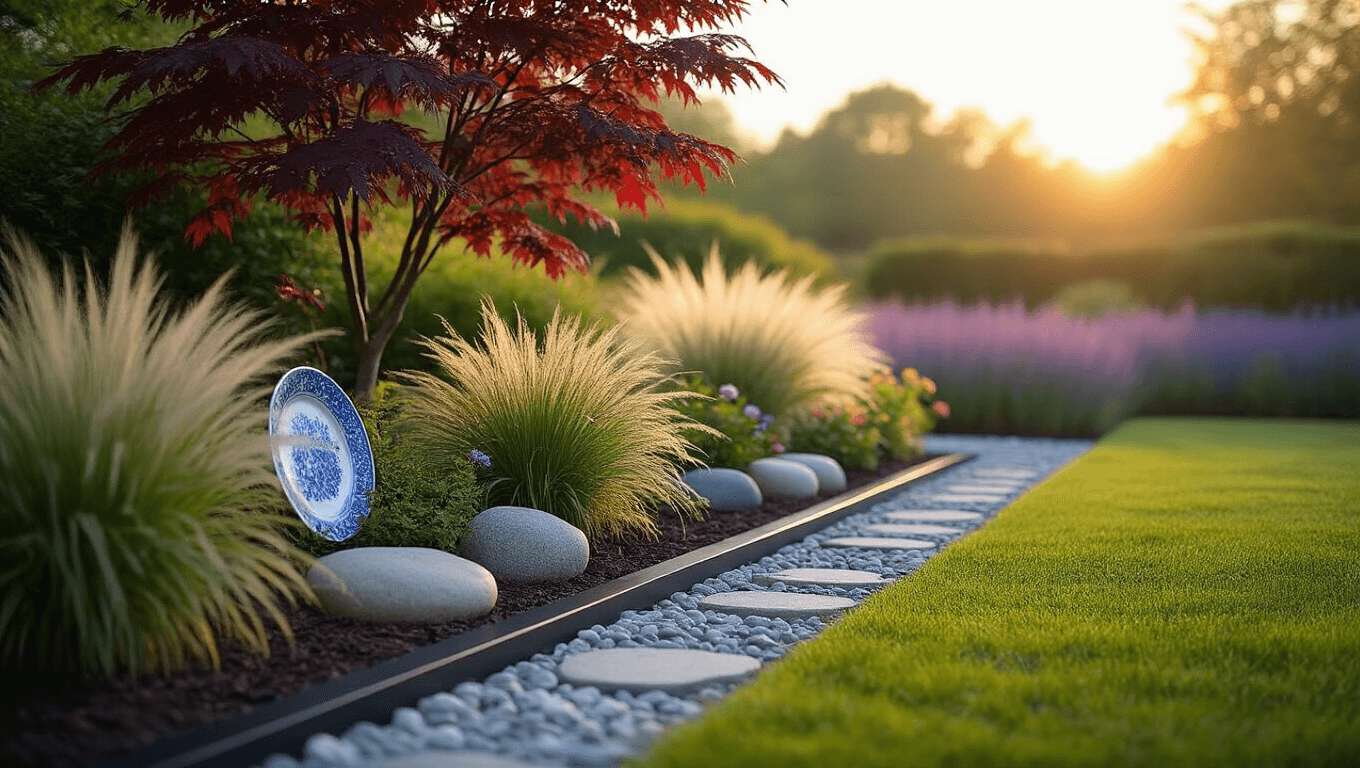
Flower bed edging ideas include using brick, stone, metal, or wood to define garden beds. The best edging keeps grass out and adds a finished look. The key is choosing a material that complements the garden style.
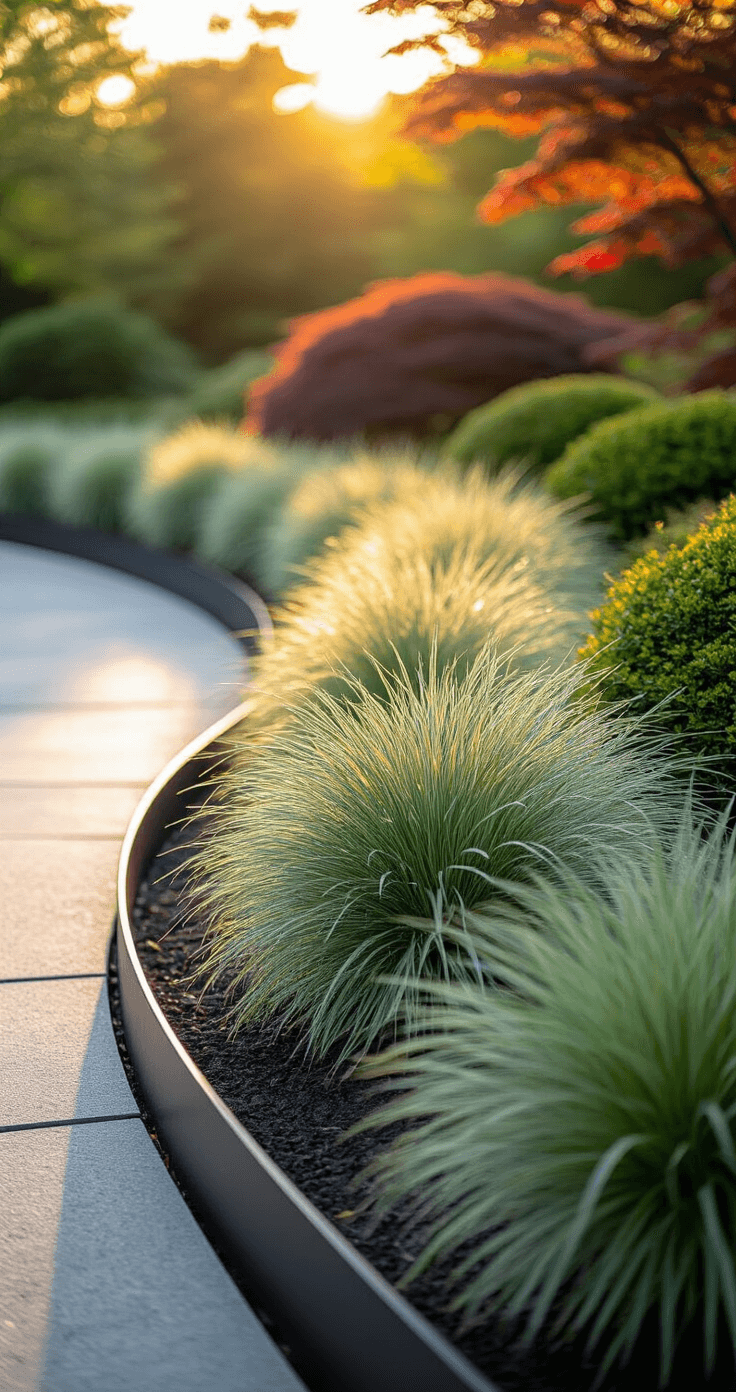
There’s something deeply satisfying about crisp bed lines after a fresh edging session—it’s the garden equivalent of a perfect haircut that makes everything else look intentional.
Why Flower Bed Edging Matters
Imagine walking into a garden where boundaries blur and chaos reigns. Not pretty, right? Flower bed edging does more than look good. It:
- Prevents soil erosion
- Keeps mulch contained
- Creates clean visual lines
- Protects plant roots
- Adds structure to your landscape
Top Flower Bed Edging Materials
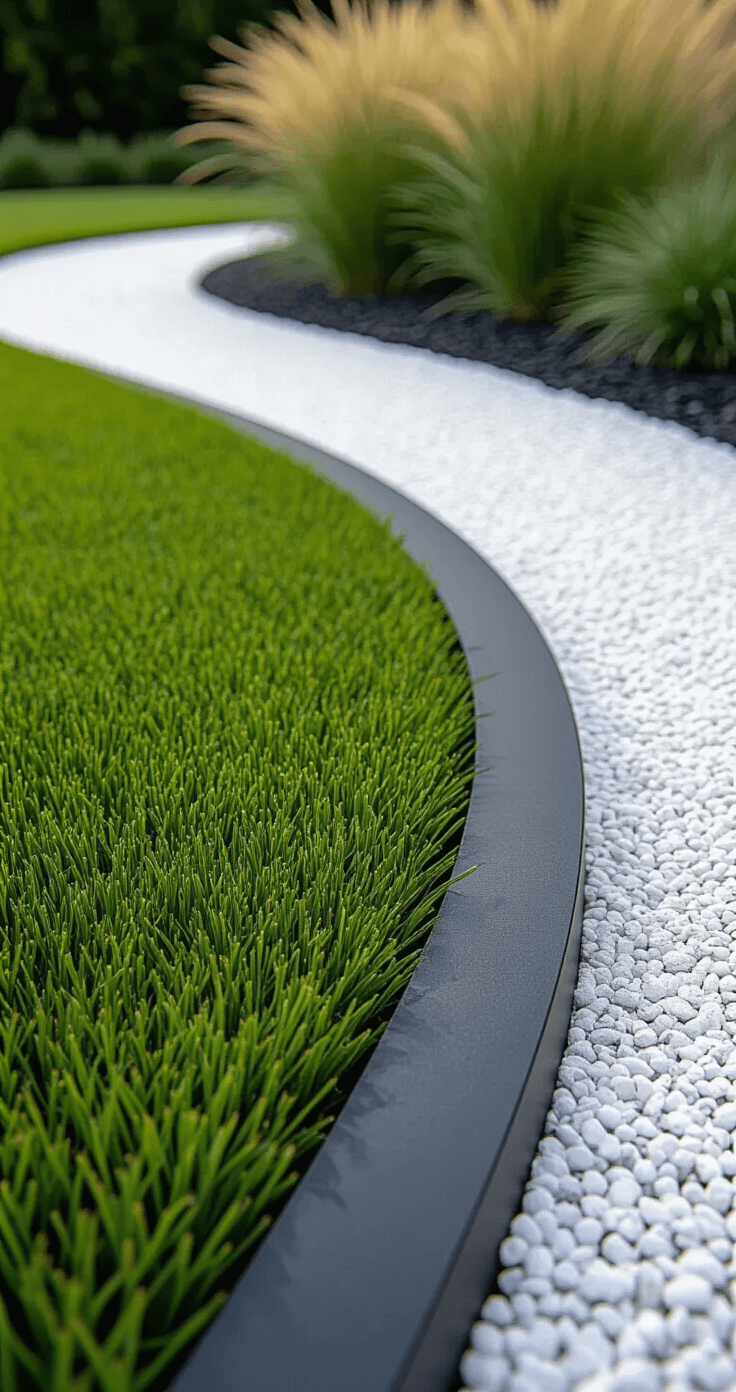
1. Rubber Edging: The Flexible Champion
Why it rocks:
- Ultra-flexible
- Weather-resistant
- Easy to install
- Built-in mowing guides
- Perfect for curved gardens
2. Stone and Rock: Nature’s Border Artist
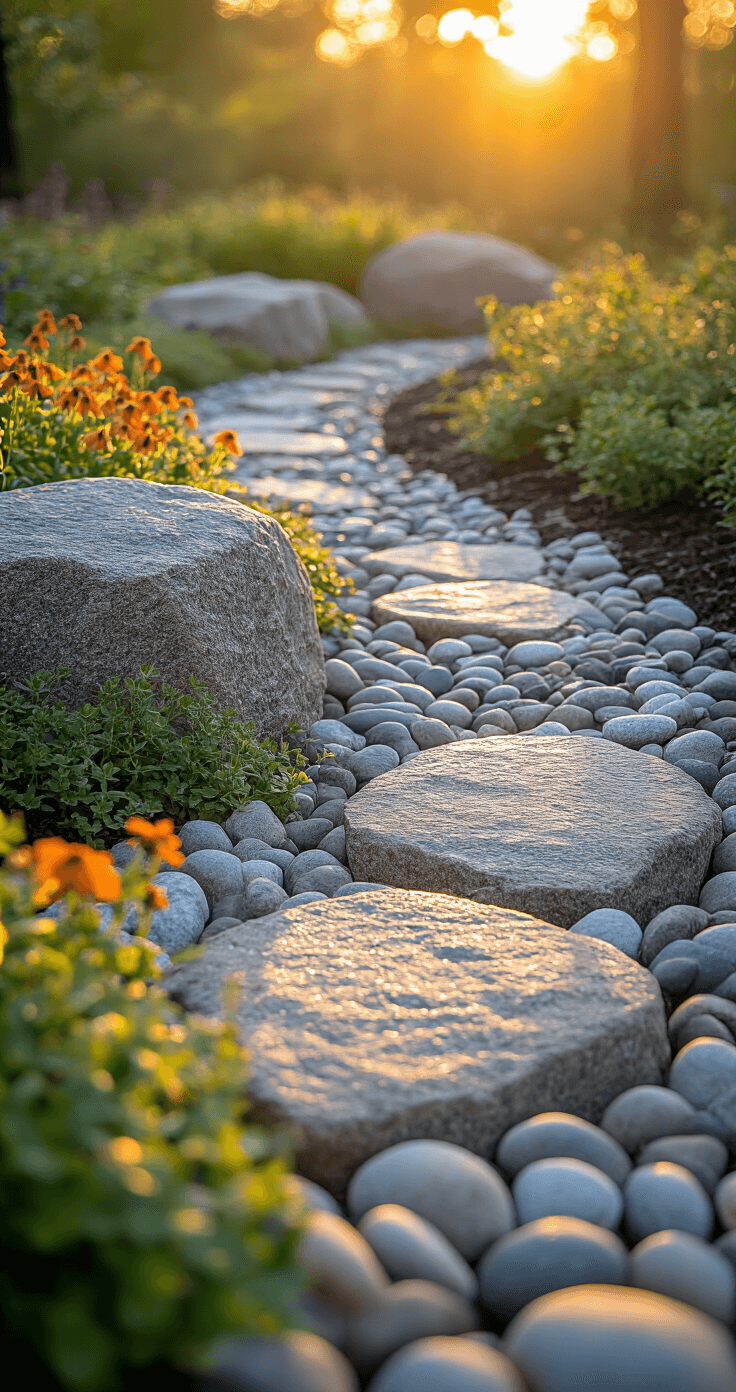
Natural stones create timeless, elegant boundaries. Pro tips:
- Use river rocks for smooth transitions
- Create straight or curved lines
- Mix rock sizes for visual interest
- Minimal maintenance required
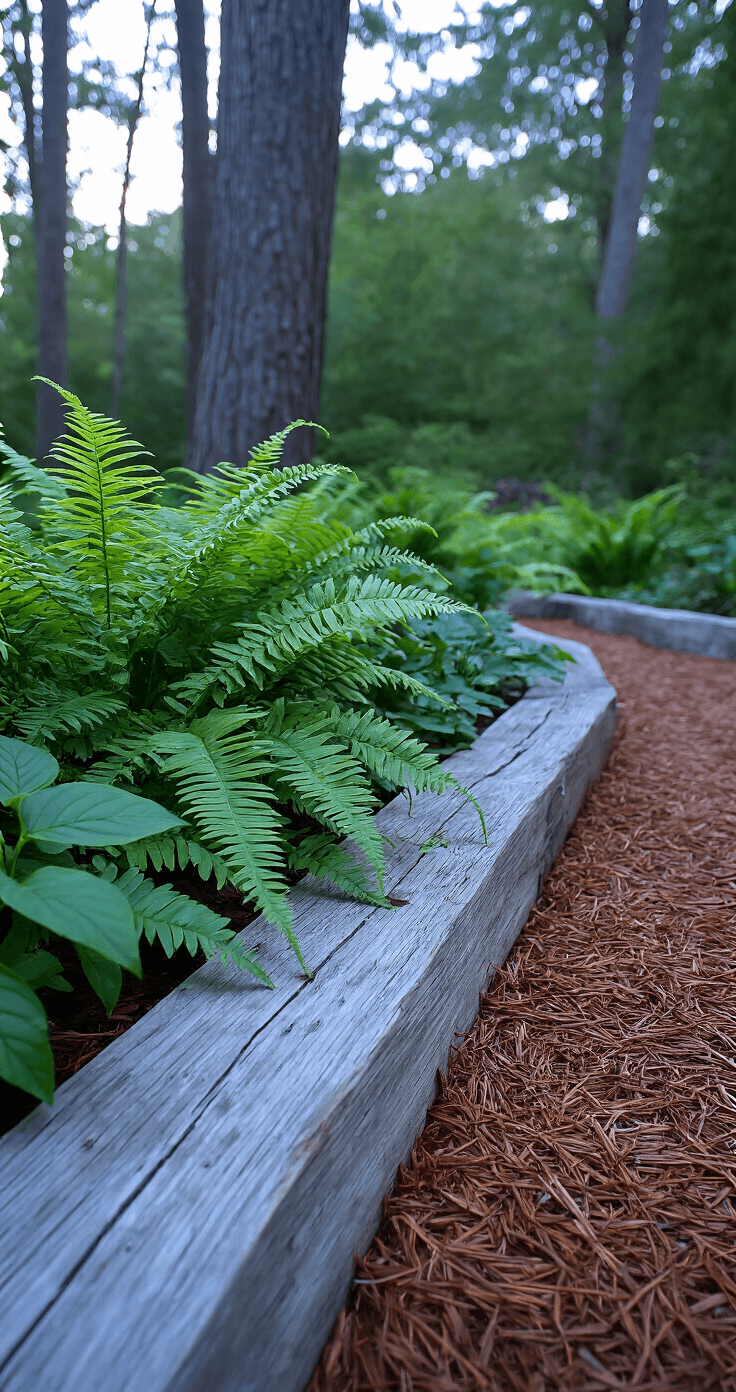
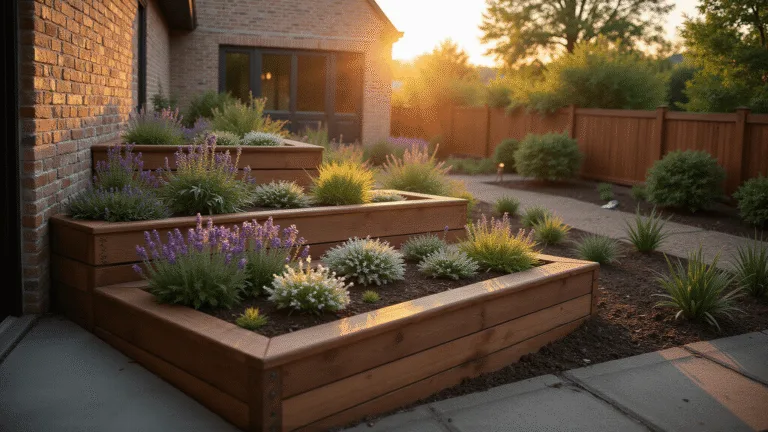
3. Wood Edging: Rustic and Versatile
Wood brings warmth and character:
- Paintable and customizable
- Affordable
- Easy DIY installation
- Options from lumber to railroad ties
4. Brick Borders: Classic Elegance
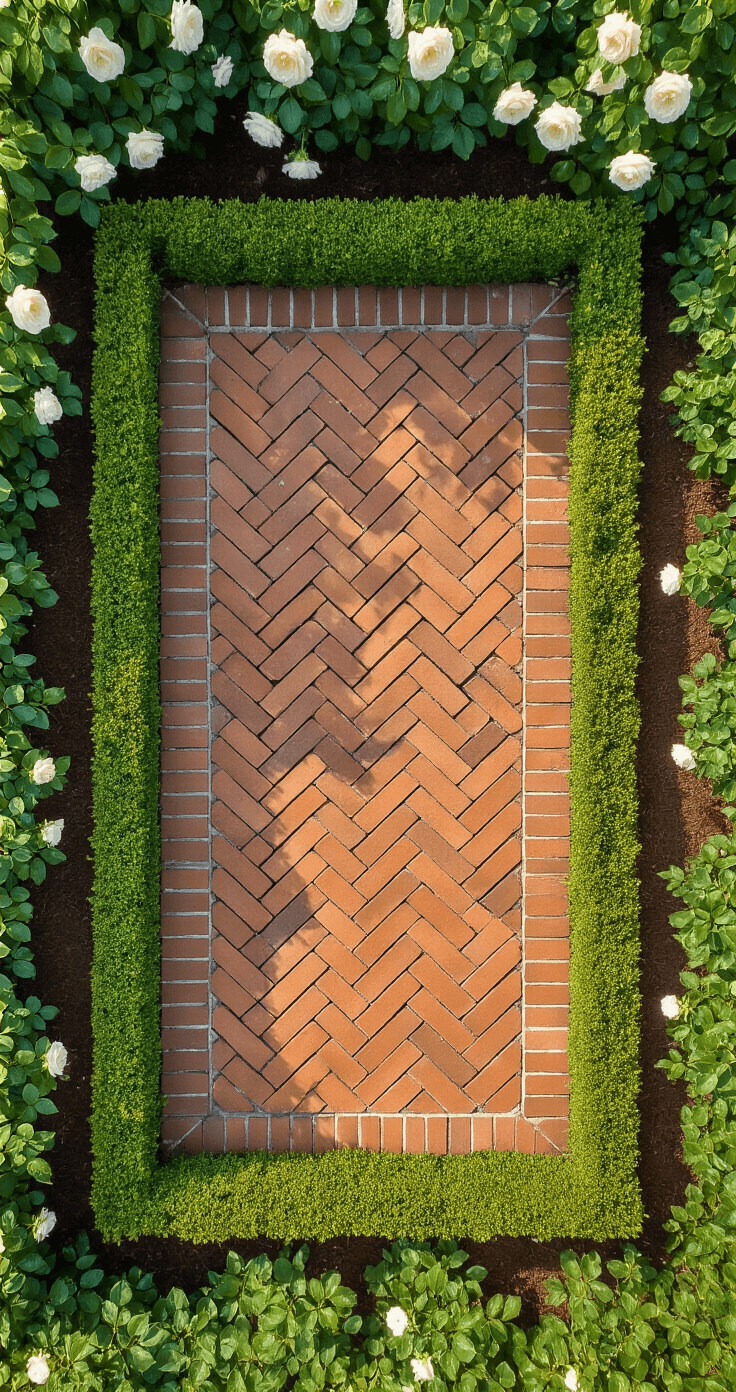
Bricks offer multiple styling options:
Save this article
Enter your email and we'll send it straight to your inbox.
- Lay flat or on edge
- Straight or curved designs
- Works with various garden styles
- Scalloped bricks add decorative flair
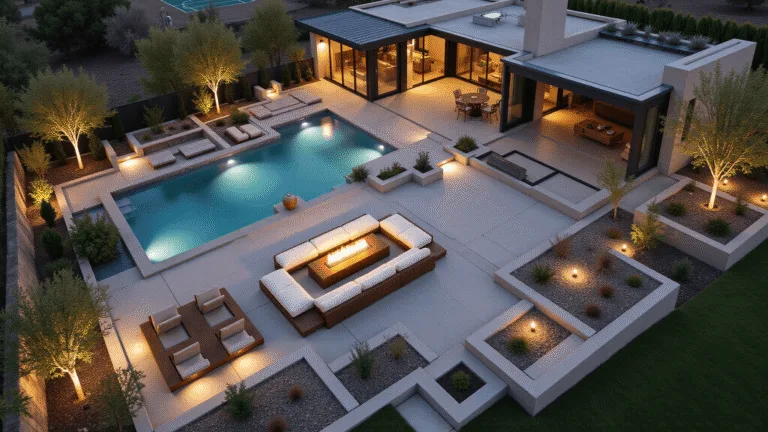
5. Metal Edging: Modern Minimalist Approach
Sleek and contemporary:
- Crisp, clean lines
- Durable
- Weather-resistant
- Perfect for contemporary landscapes
There’s something deeply satisfying about walking a garden path where every edge feels intentional—this is the room where your outdoor space earns its polish, transforming from ‘backyard’ to ‘designed landscape’ with surprisingly modest effort.
Creative DIY Edging Techniques
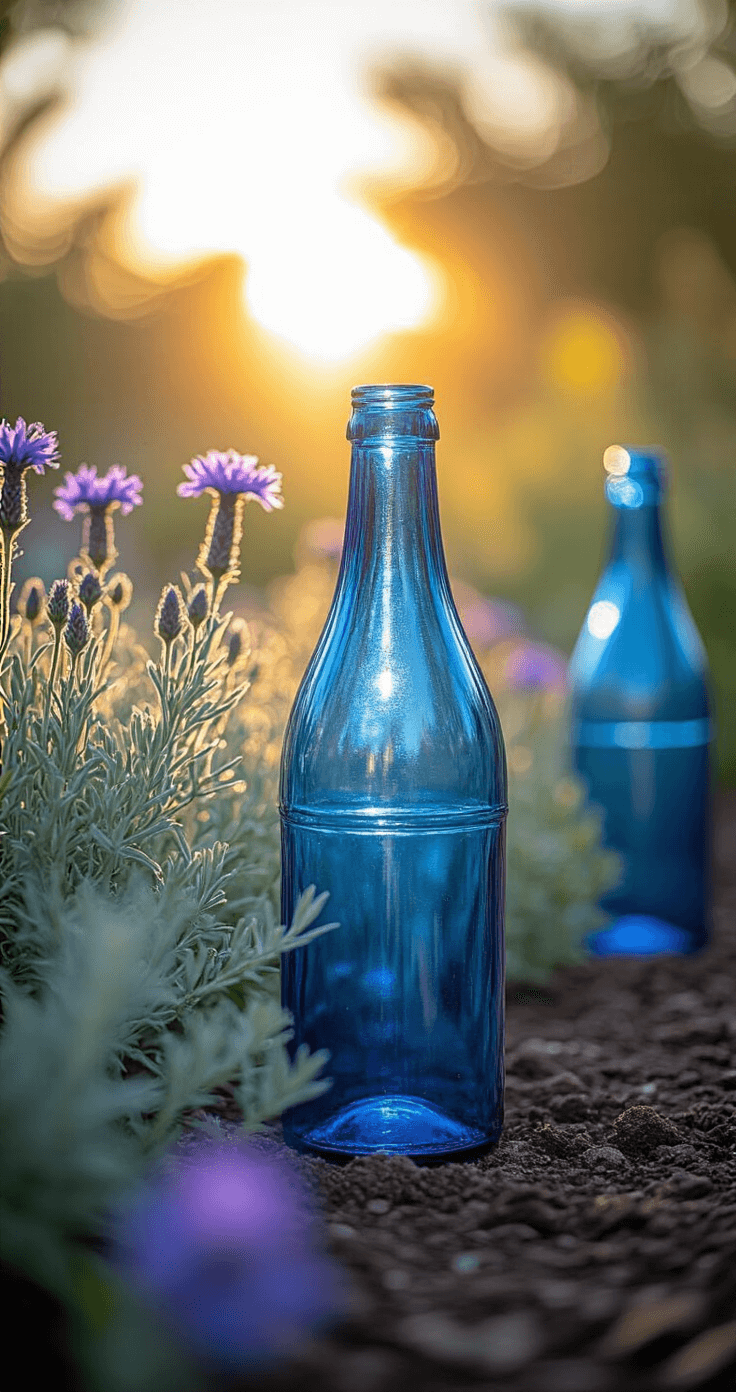
Unconventional Materials
- Recycled glass bottles
- Old ceramic plates
- Reclaimed wood
- Wine corks
No-Dig Installation Tricks
- Use string lines for precision
- Stake-in flexible materials
- Minimal soil disruption
- Quick weekend project
There’s something deeply satisfying about turning what others discard into the defining feature of your garden—I still remember the weekend my neighbor and I transformed her collection of blue wine bottles into a shimmering border that now stops every passerby.
Pro Installation Tips
Tools You’ll Need:
- Spade shovel
- Rubber mallet
- Garden staples
- Landscape measuring tape
- Level
Design Considerations
Design Like a Pro
- Vary material heights
- Mix textures
- Coordinate with existing landscape
- Consider garden’s overall aesthetic
Functional Extras
- Create wildlife barriers
- Use edging for walkways
- Define vegetable patches
- Suppress weed growth
Budget-Friendly Options
Not all great gardens require massive investments:
- Use local stones
- Repurpose materials
- Start small
- DIY instead of professional installation
Maintenance Matters
Different materials require different care:
- Wood: Seal annually
- Stone: Occasional reset
- Metal: Check for rust
- Rubber: Minimal maintenance
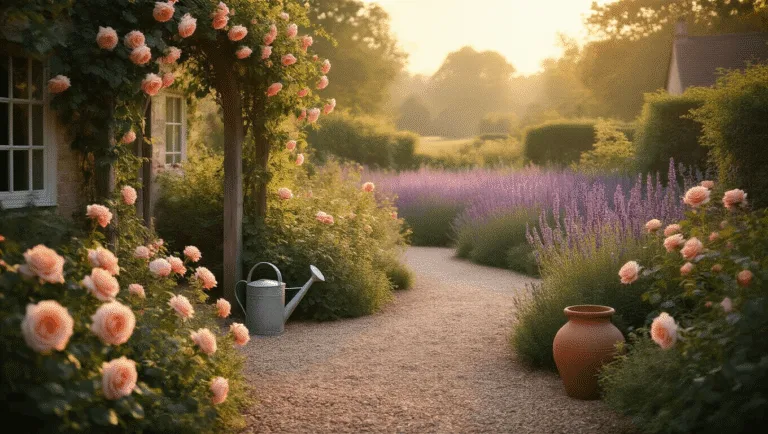
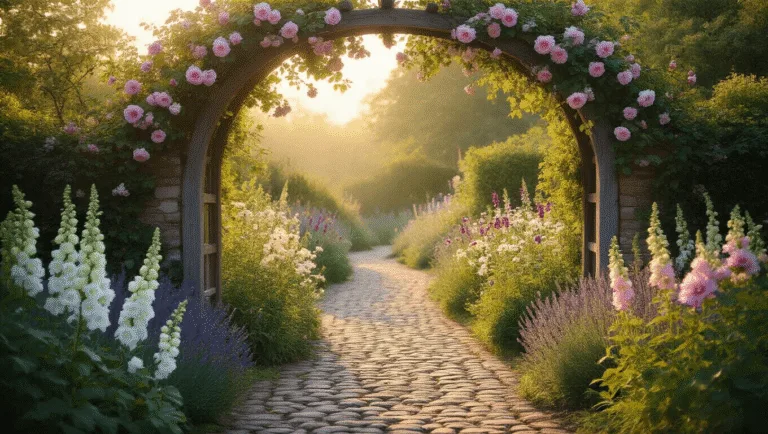
Your garden’s edge is more than a boundary—it’s a statement. Whether you choose rustic wood, sleek metal, or playful recycled materials, the right edging transforms your outdoor space.
Pro Tip: Always measure twice, install once. Your future garden will thank you!
Flower bed edging works when the material complements the garden and the installation is clean. Use brick, stone, metal, or wood. The edging should define the beds and keep them tidy.
Keep this one for later
We'll email you the link so you can come back to it.


[…] lawn edging isn’t just a border – it’s a statement. Whether you’re going for rustic charm or modern elegance, […]