This post may contain affiliate links. Please see my disclosure policy for details.
My Garden Grew the Perfect Flower Beds (and Thousands of Pinterest Saves)—Here’s How You Can Too
Flower garden ideas transform boring yard corners into photo-ready spaces that make neighbors slow down and Instagram feeds light up.
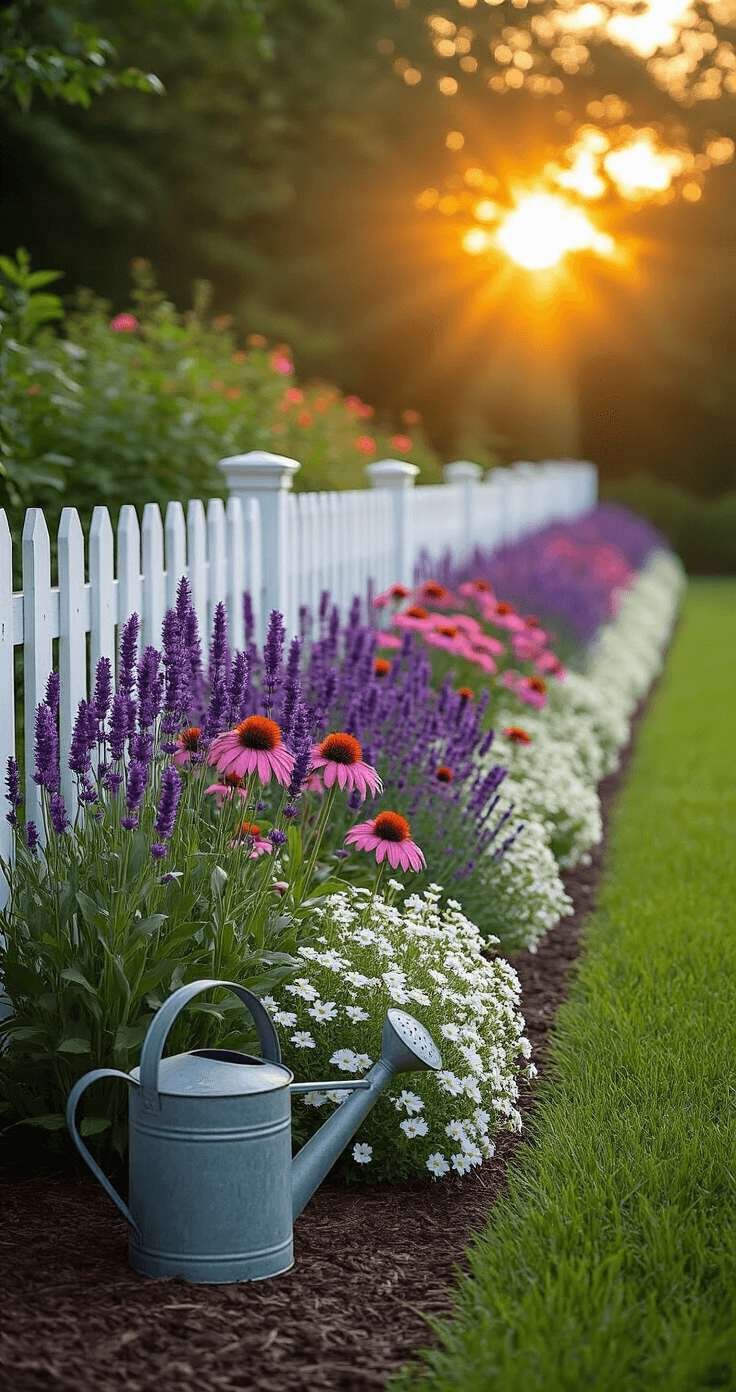
I spent three weekends last spring wrestling with a sad patch of dirt along my fence line, convinced I’d never grow anything Pinterest-worthy.
My impatiens kept drowning, my petunias looked scraggly, and that “instant cottage garden” kit from the hardware store turned into three lonely stalks by July.
Then I stopped fighting my space and started working with it—sun exposure, container tricks, layered heights, and a color story that actually made sense.
Now that same fence bed pulls in compliments from delivery drivers and generates more saves on Pinterest than anything else I’ve posted.
You don’t need a sprawling English estate or a degree in horticulture.
You need a plan, the right plant choices for your light conditions, and a handful of styling tricks that make even a 4×8 border look like a magazine spread.
Why Most First Flower Gardens Flop (and How to Skip the Mistakes)
The “onesie” trap.
You buy one petunia, one zinnia, one salvia, spacing them evenly like a connect-the-dots drawing.
From ten feet away it reads as scattered dots, not a lush bed.
Professional designers plant in groups and drifts—at least three to five of the same variety clustered together so your eye sees color blocks, not lonely soldiers.
Ignoring your light.
I learned this the hard way when I planted sun-loving coneflowers in the shade of my oak tree.
They sulked for two months before I admitted defeat and moved them.
Walk your space at three different times of day—morning, noon, late afternoon—and note where shadows fall.
Full sun means six-plus hours of direct light; part sun is four to six; shade is less than four.
Match your plants to reality, not wishful thinking.
No focal point.
A flower bed without an anchor—a birdbath, trellis, or statement shrub—feels like a crowd with no leader.
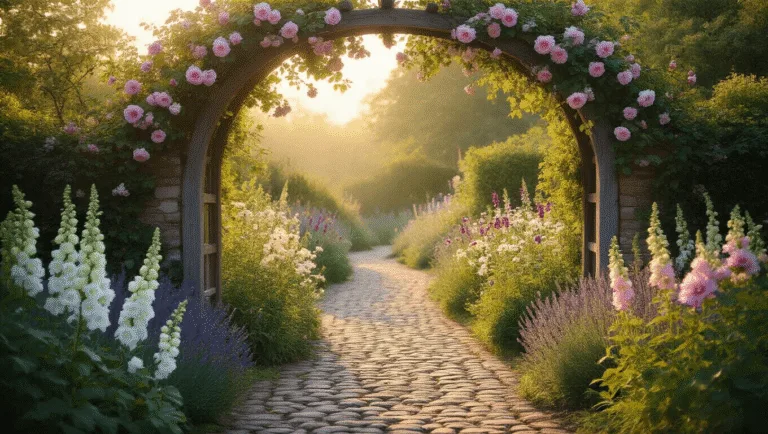
I added a simple garden arbor at one end of my fence bed and suddenly the whole composition clicked.
Your eye needs somewhere to land before it explores the rest.
Save this article
Enter your email and we'll send it straight to your inbox.
Flat layering.
Planting everything at the same height creates a visual pancake.
Tall plants (salvia spires, lilies, ornamental grasses) go at the back or center; mid-height bloomers (coneflowers, daylilies, catmint) in the middle; low spreaders (dianthus, creeping phlox, sweet alyssum) at the front.
This stair-step approach gives depth and makes even small beds feel abundant.
Planning Your Flower Garden for Maximum Visual Impact (and Minimum Maintenance)
Pick Your Stage
Where you plant matters as much as what you plant.
High-traffic, high-visibility spots deliver the biggest payoff for your effort:
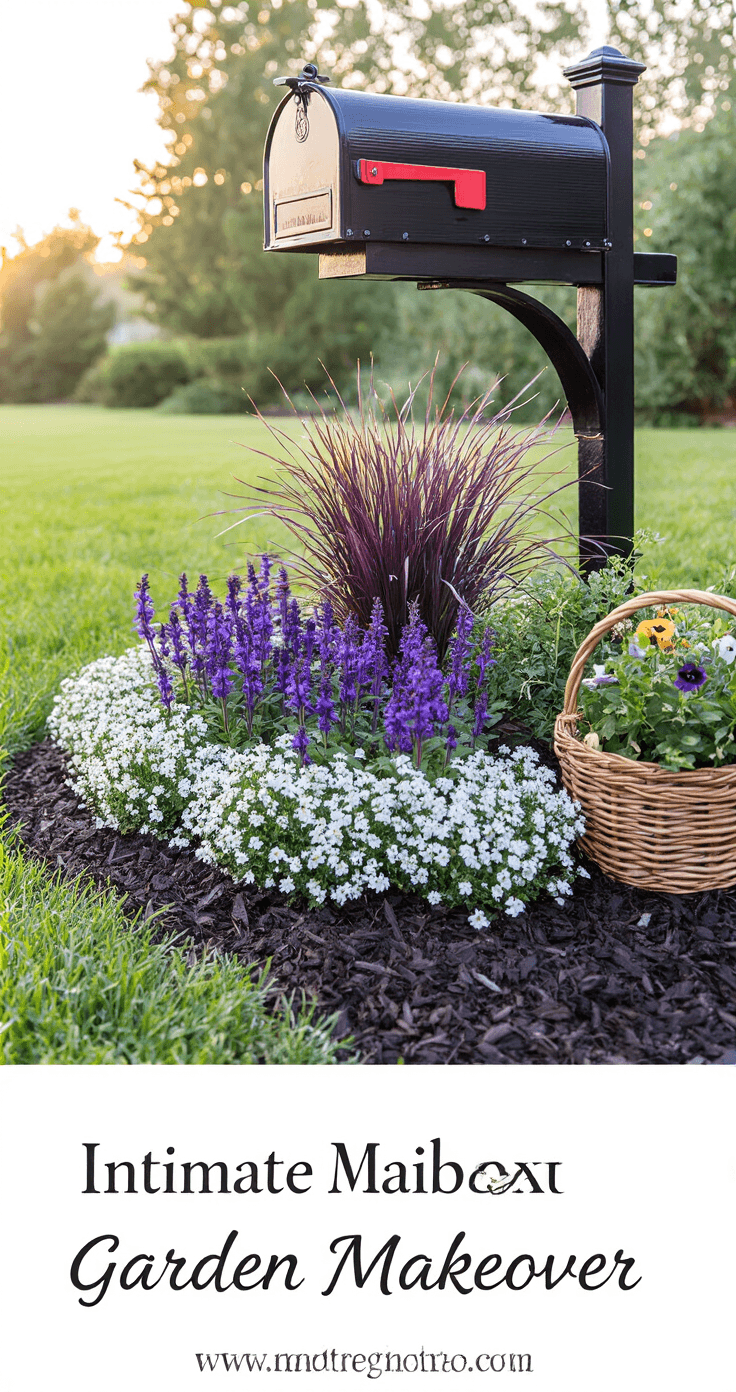
- Mailbox beds – Tiny footprint, huge curb appeal
- Along fences or walls – Built-in backdrop, no distracting clutter behind your blooms
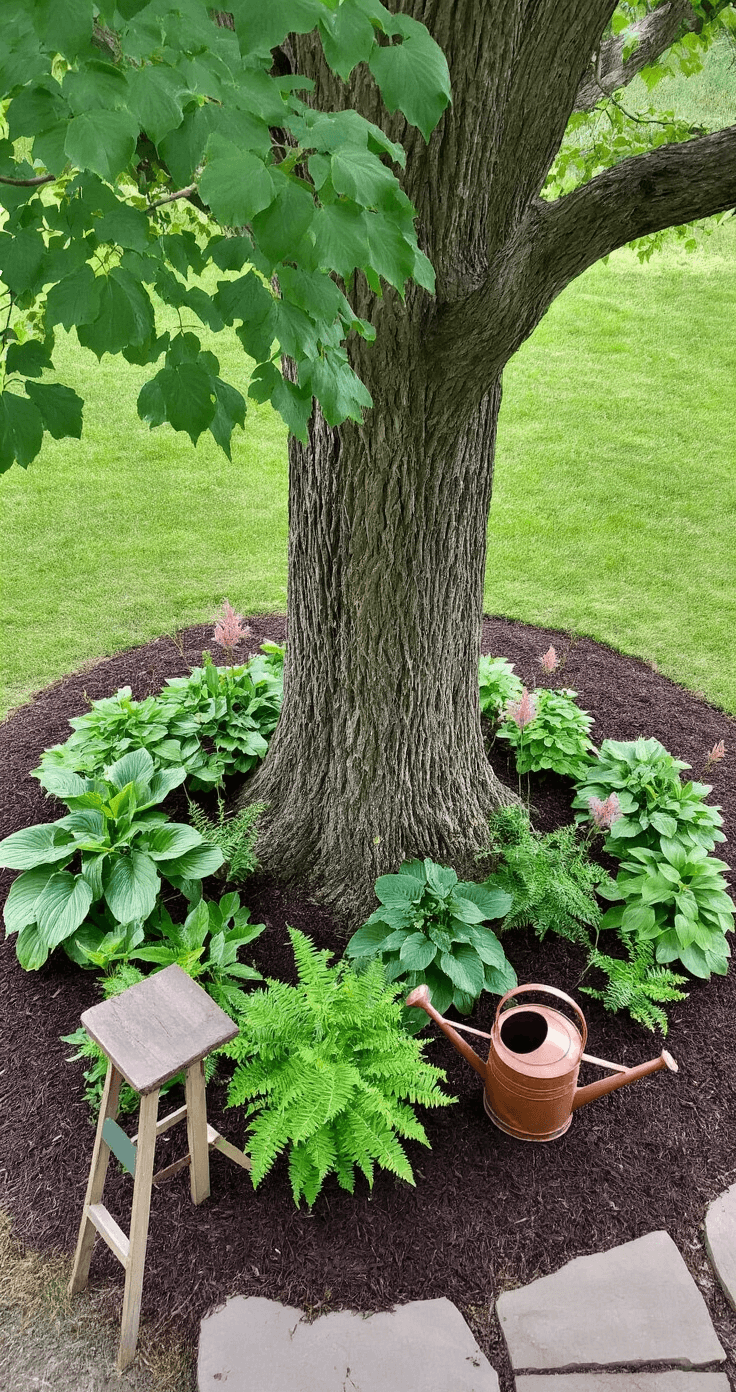
- Around trees – Tricky root competition, but stunning when you choose shade-tolerant varieties
- Walkway borders – Guests literally walk through your garden room
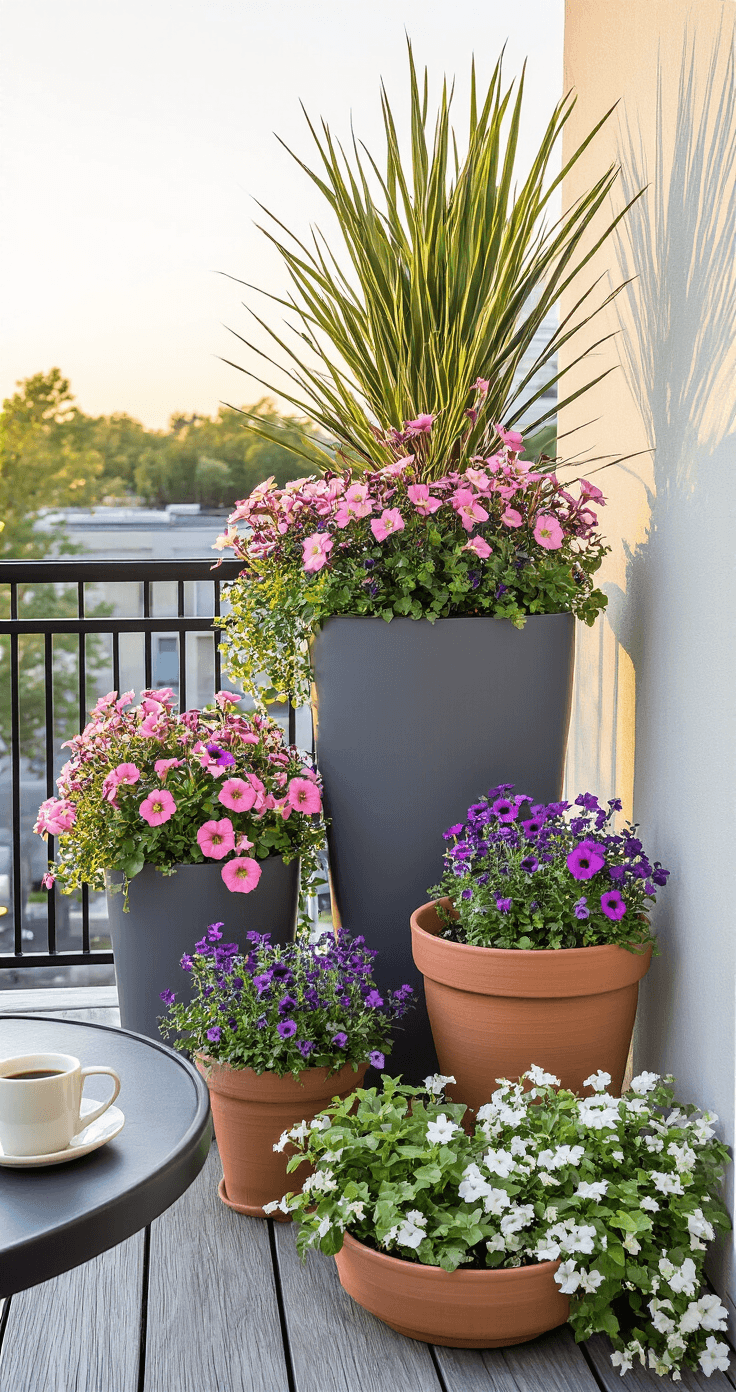
- Patio containers – Renters and balcony gardeners, this is your canvas
- Vertical trellises – Go up when you can’t go out
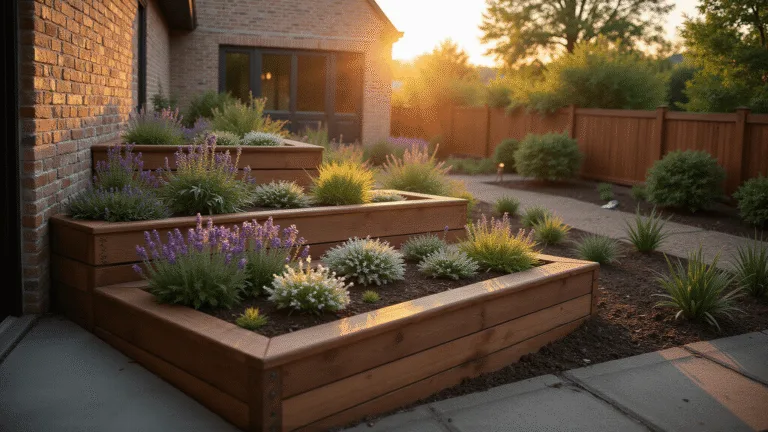
I started with a narrow 3×12 strip along my back fence because it got morning sun, the neighbors’ hedge blocked the afternoon blaze, and the fence gave me a clean neutral backdrop for photos.
Choose a Color Story (Not a Rainbow Explosion)
Gordon Ramsay wouldn’t throw every spice in the rack into one dish, and you shouldn’t throw every flower color into one bed.
Pick two to three hues and repeat them in drifts.
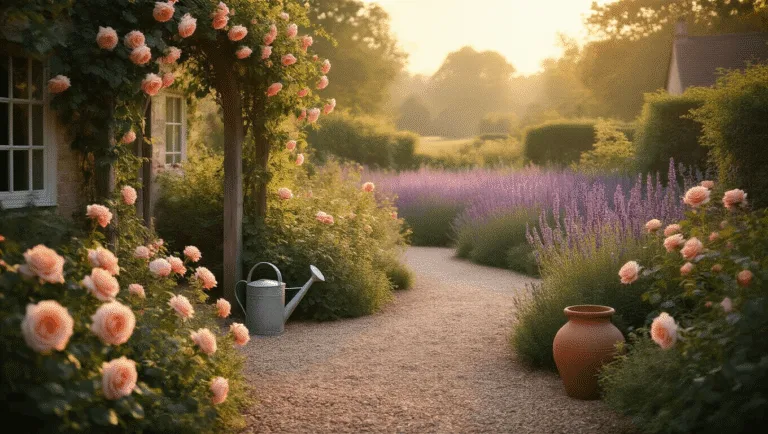
Soft cottage palette:
- Pinks (dianthus, roses, cone flowers)
- Lavenders (catmint, salvia, Russian sage)
- Whites (Shasta daisies, white phlox, alyssum)
- Soft yellows (coreopsis, daylilies)
Bold drama:
- Hot pinks (petunias, zinnias)
- Deep purples (salvia, verbena)
- Oranges (marigolds, gaillardia)
- Reds (geraniums, scarlet sage)
- Silver foliage (dusty miller, artemisia) to cool it down
Monochrome magic:
- All white with varied textures (my personal favorite for evening garden photos when whites glow at dusk)
- All purple in every shade from lilac to eggplant
I shot a client’s all-white cutting garden at golden hour last June and the photos are still getting repinned—proof that restraint beats chaos.
Layer Textures Like You’re Dressing a Bed
Color grabs attention; texture keeps people looking.
Mix three categories in every bed:
- Fine, feathery – Ornamental grasses, fennel, asparagus fern, Russian sage
- Medium, daisy-like – Coneflowers, black-eyed Susans, gaillardia, cosmos
- Bold, statement – Lilies, hydrangeas, roses, hostas (for shade), large-leaf cannas
When I added feathery love-in-a
Keep this one for later
We'll email you the link so you can come back to it.