

This post may contain affiliate links. Please see my disclosure policy for details.
Forget-Me-Not Flowers: The Ultimate Guide to Growing and Styling Nature’s Most Romantic Blooms
Forget-me-not flowers stole my heart the first time I saw them carpeting my grandmother’s shady garden path. Those impossibly delicate blue petals with their cheerful yellow centers looked like someone had scattered tiny pieces of sky across the ground. I thought they’d be fussy, difficult, or require some sort of horticultural PhD to keep alive. Turns out, I couldn’t have been more wrong.

Why Everyone’s Obsessed With These Tiny Blue Beauties
Listen, I’ve killed more plants than I care to admit. Succulents? Dead. Orchids? Don’t even get me started. That supposedly indestructible snake plant? Somehow, I managed. But forget-me-nots? These little champions practically grow themselves, seed themselves, and come back year after year without me lifting a finger beyond the initial planting.
They thrive in the exact spots where other flowers throw tantrums and die—those shady, slightly damp corners that remain stubbornly bare no matter what you try. The romantic symbolism doesn’t hurt either. For centuries, these flowers have represented eternal love, devotion, and cherished memories. Henry IV supposedly adopted them as his symbol in 1398, and they’ve been tugging at heartstrings ever since.
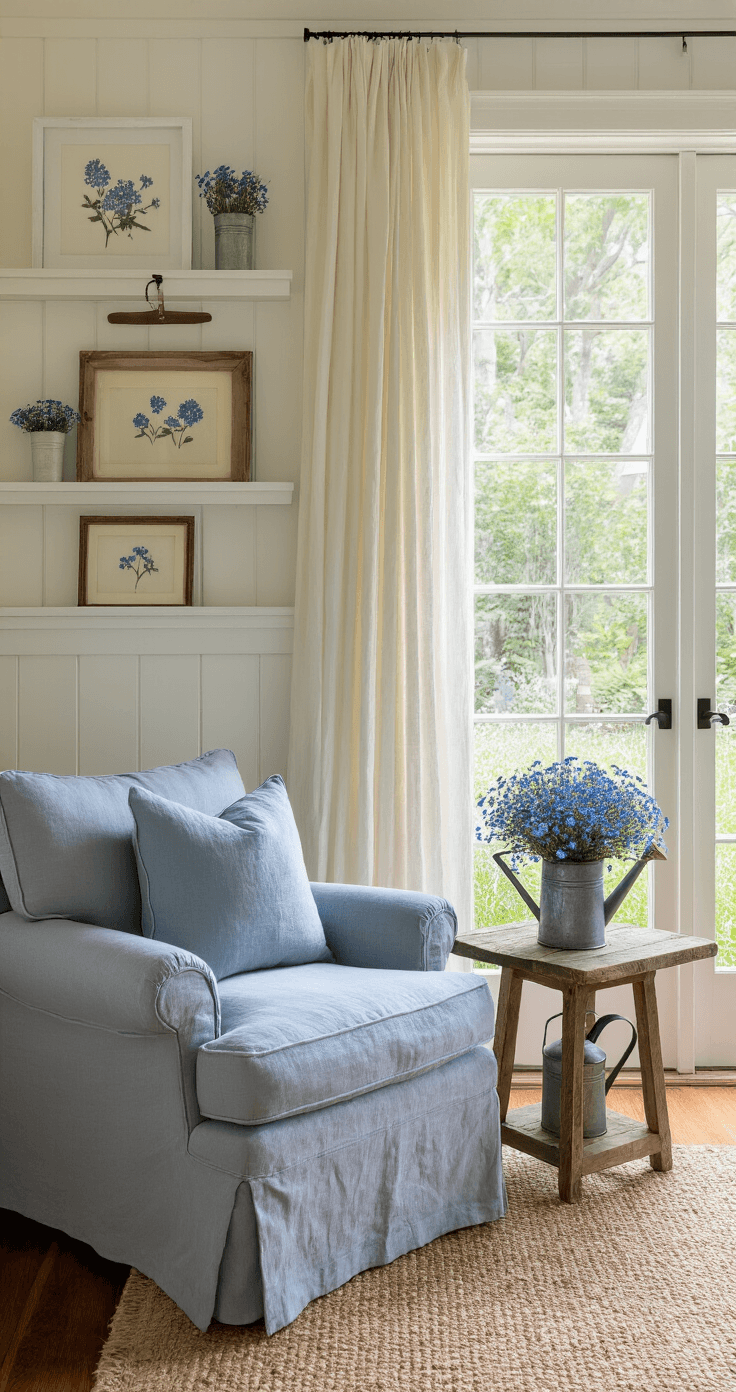
What You’re Actually Getting With Forget-Me-Nots
Let me paint you a proper picture before you rush off to buy seeds.
The basics:
- Height: 6-12 inches tall (they stay politely low)
- Spread: Up to 24 inches wide (they’ll happily carpet an area)
- Bloom time: April through May (peak spring magic)
- Color: Predominantly sky blue with yellow centers (some pink and white varieties exist)
- Life cycle: Biennial or short-lived perennial
- Zones: 4-8 (hardy little things)
What this means in real terms: You plant them one year, they establish roots and foliage. The following spring, they explode into bloom. Then—and this is the best part—they scatter their seeds everywhere, and new plants pop up the next year. It’s like having a self-replenishing supply of flowers without doing anything except occasionally pulling them from places you don’t want them. I consider that a pretty fantastic trade-off.
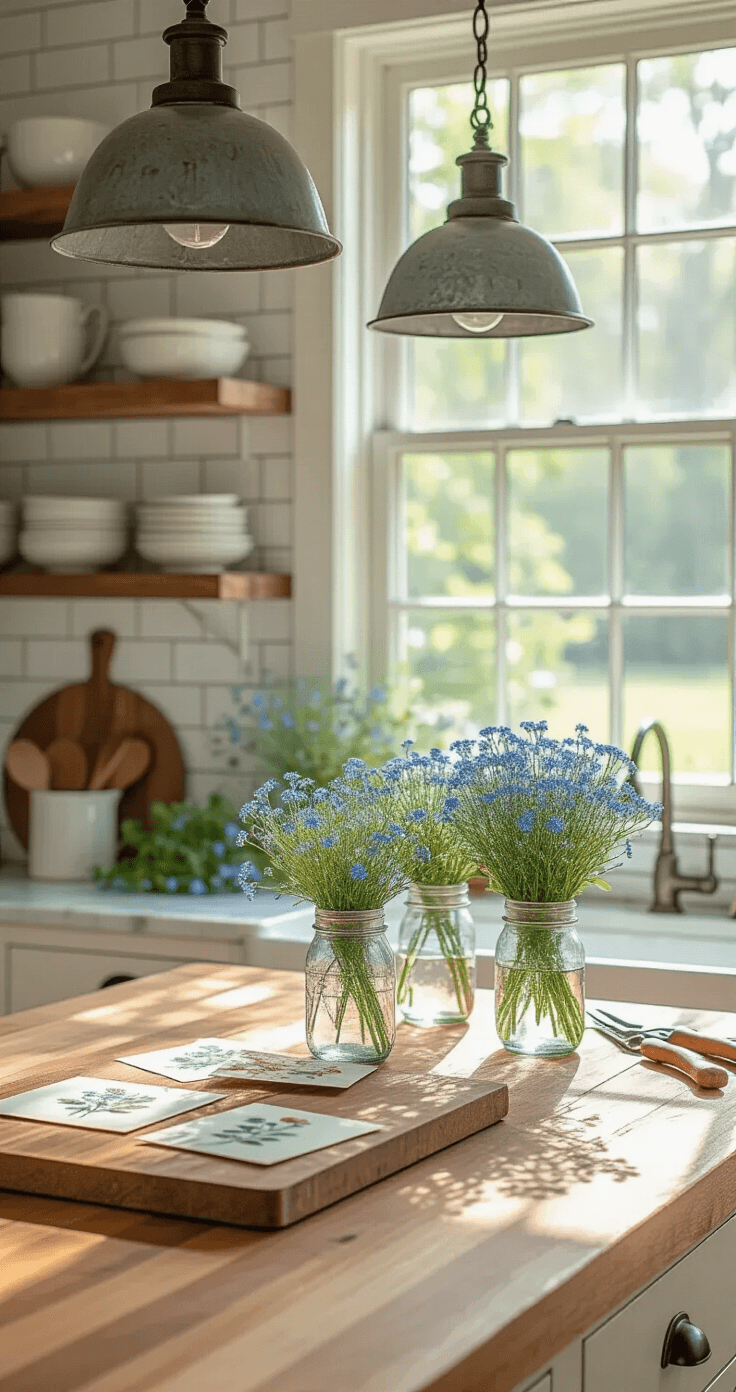
Where These Flowers Actually Want to Live
Forget everything you think you know about sun-loving flowers. Forget-me-nots prefer partial shade to full shade. They originated in woodland areas and near streams, so they’re genetically programmed to enjoy:
- Dappled sunlight filtering through trees
- Consistently moist soil (not soggy, but definitely not bone-dry)
- Cooler temperatures (they’re spring bloomers for a reason)
- Edges of ponds or streams (they adore water features)
This makes them absolute heroes for those problem areas in your garden. That spot under the maple tree where grass refuses to grow? Perfect. The shady border along your fence that’s been mocking you for three years? Ideal. Near your rain garden or that perpetually damp corner by the downspout? They’ll think they’ve died and gone to heaven.
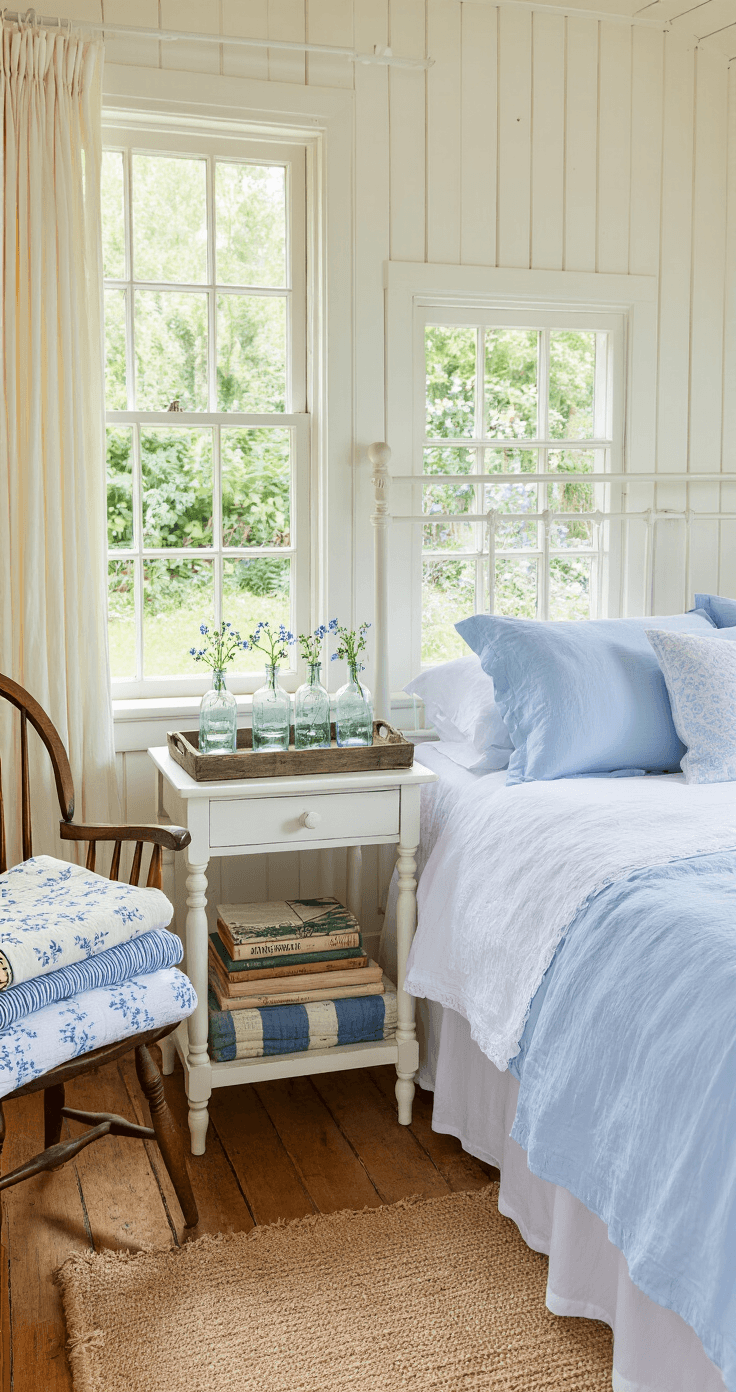
I planted mine along a shady pathway where nothing else would survive, and now visitors literally stop and ask what magical fairy dust I used. The secret? I just stopped fighting the shade and planted what actually wanted to be there.
Getting Started: Planting Without the Drama
You’ve got two main options: seeds or transplants.
Save this article
Enter your email and we'll send it straight to your inbox.
Starting From Seed
Seeds are ridiculously cheap and stupidly easy.
When to plant:
- Fall (September-October) for blooms next spring
- Early spring (February-March) for blooms the following year
How to plant:
- Scatter seeds directly where you want them to grow
- Press them gently into the soil (they need light to germinate)
- Don’t bury them under soil—that’s a rookie mistake I made my first time
- Keep the area consistently moist for 2-3 weeks
- Watch for tiny sprouts
I bought forget-me-not seed packets from three different suppliers my first year because I was paranoid about failure. Turns out, all three sprouted beautifully, and now I have more forget-me-nots than I know what to do with.
Starting With Transplants
If you’re impatient like me and want flowers this year, buy starter plants in early spring.
Planting transplants:
- Choose your shady, moist location
- Dig holes slightly larger than the root ball
- Space plants 6-12 inches apart
- Water thoroughly after planting
- Add a layer of mulch to retain moisture
I grabbed a few transplants my first year just to see blooms immediately while I waited for my seeds to mature. Worth every penny for that instant gratification.
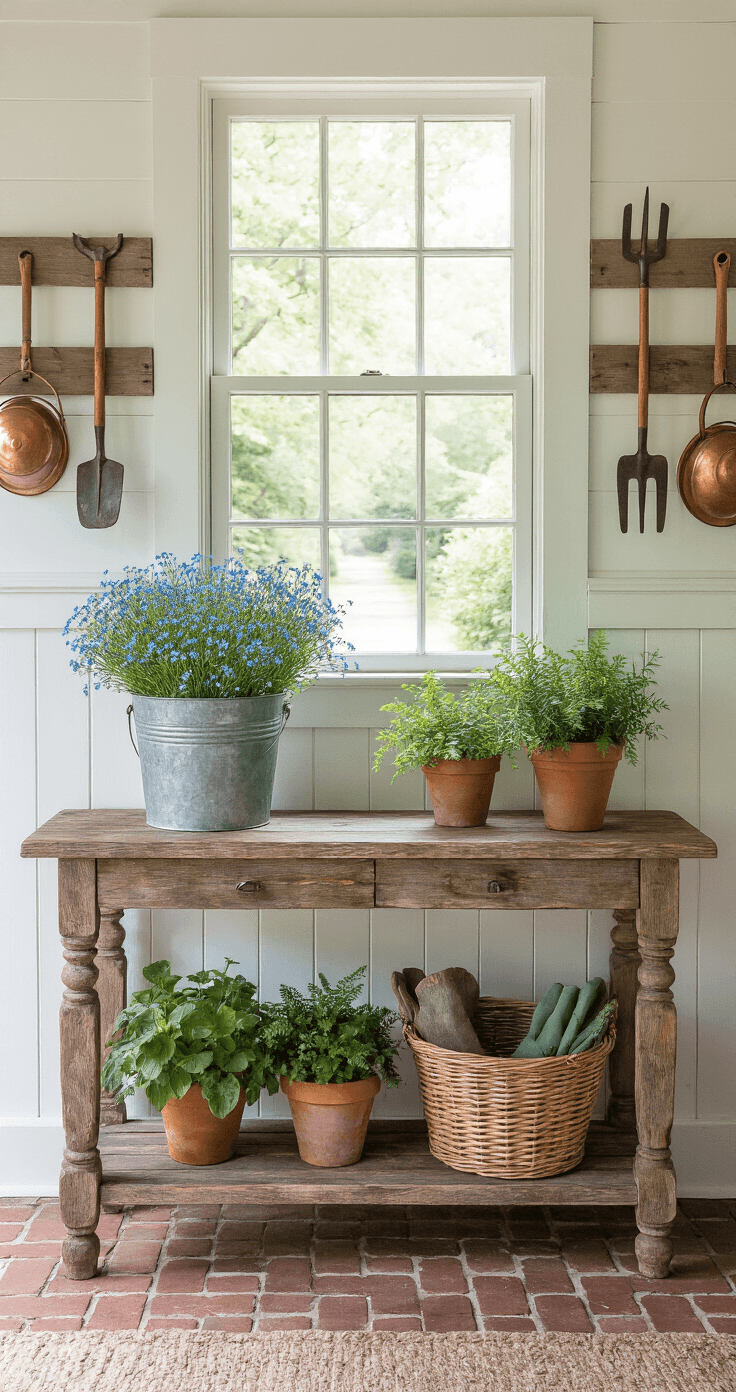
The Stupidly Simple Care Routine
Here’s my entire forget-me-not care routine:
Water when it doesn’t rain for more than a few days.
That’s it. Okay, fine, here’s slightly more detail:
Watering
These flowers appreciate consistent moisture. If you planted them in their preferred shady, naturally moist location, you barely need to water except during drought conditions. I check the soil every few days—if it feels dry an inch down, I water. If we’ve had rain, I skip it entirely.
Keep this one for later
We'll email you the link so you can come back to it.


[…] Proven Winners flowers and greenery to add sunny accents to a simple rock garden. Pair colorful blooms with pale gravel, dark stones, or natural boulders for pretty contrast. […]
[…] there you have it – your guide to creating a dark bedroom that’s a perfect blend of contemporary style and cozy comfort. It’s a space that says, […]