
This post may contain affiliate links. Please see my disclosure policy for details.
Freestanding Porch Swing: Everything You Need to Know Before You Buy
Contents
Freestanding porch swings have completely changed how I think about outdoor relaxation. I used to stare at my patio, wishing I had a massive tree or sturdy porch beams to hang a swing. Then I discovered these standalone beauties, and honestly, I haven’t looked back.
What Exactly Is a Freestanding Porch Swing?
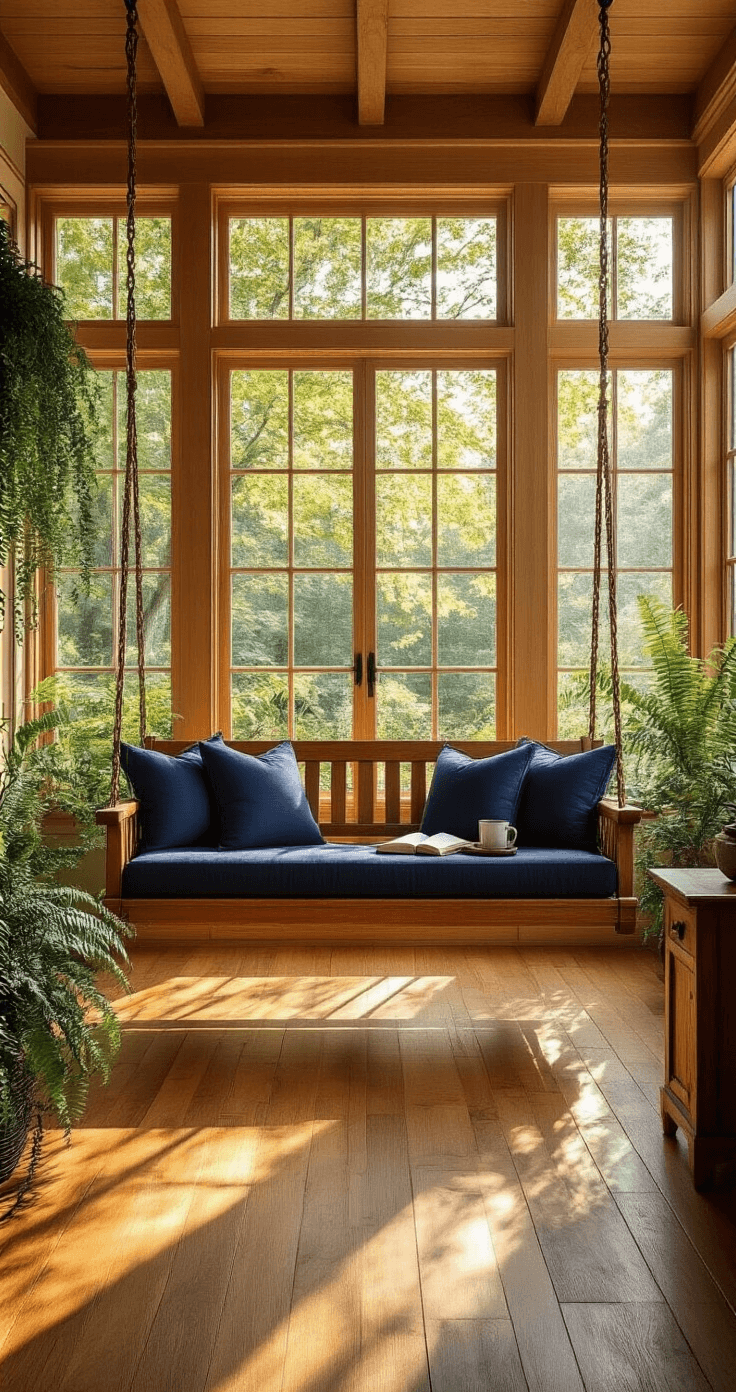
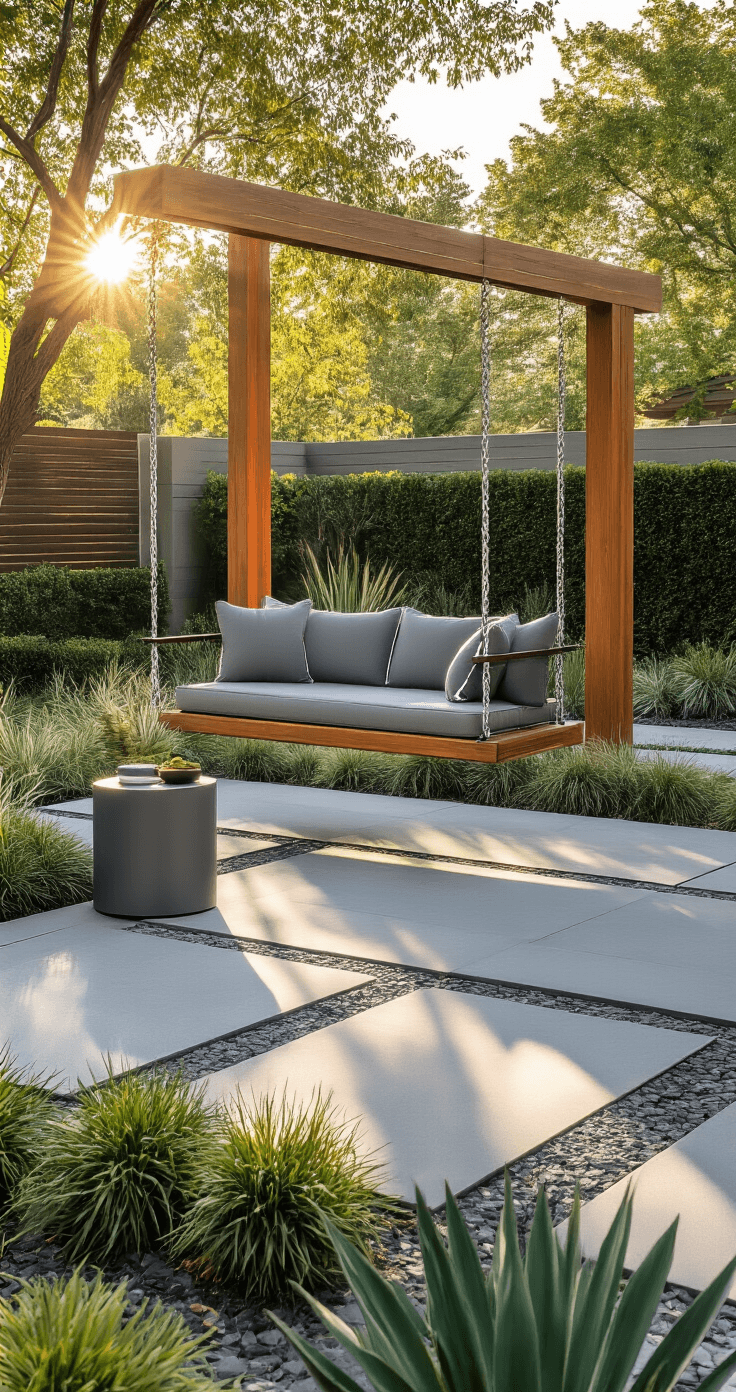
Look, it’s not rocket science. A freestanding porch swing is basically a swing that comes with its own frame—no drilling into your ceiling, no hunting for ceiling joists, no calling your contractor buddy to ask if your porch can handle the weight. You unbox it, set it up, and boom—instant backyard paradise. I put mine right smack in the middle of my garden, nowhere near my actual porch, because I could. That’s the whole point.
Why I’m Obsessed (And You Might Be Too)
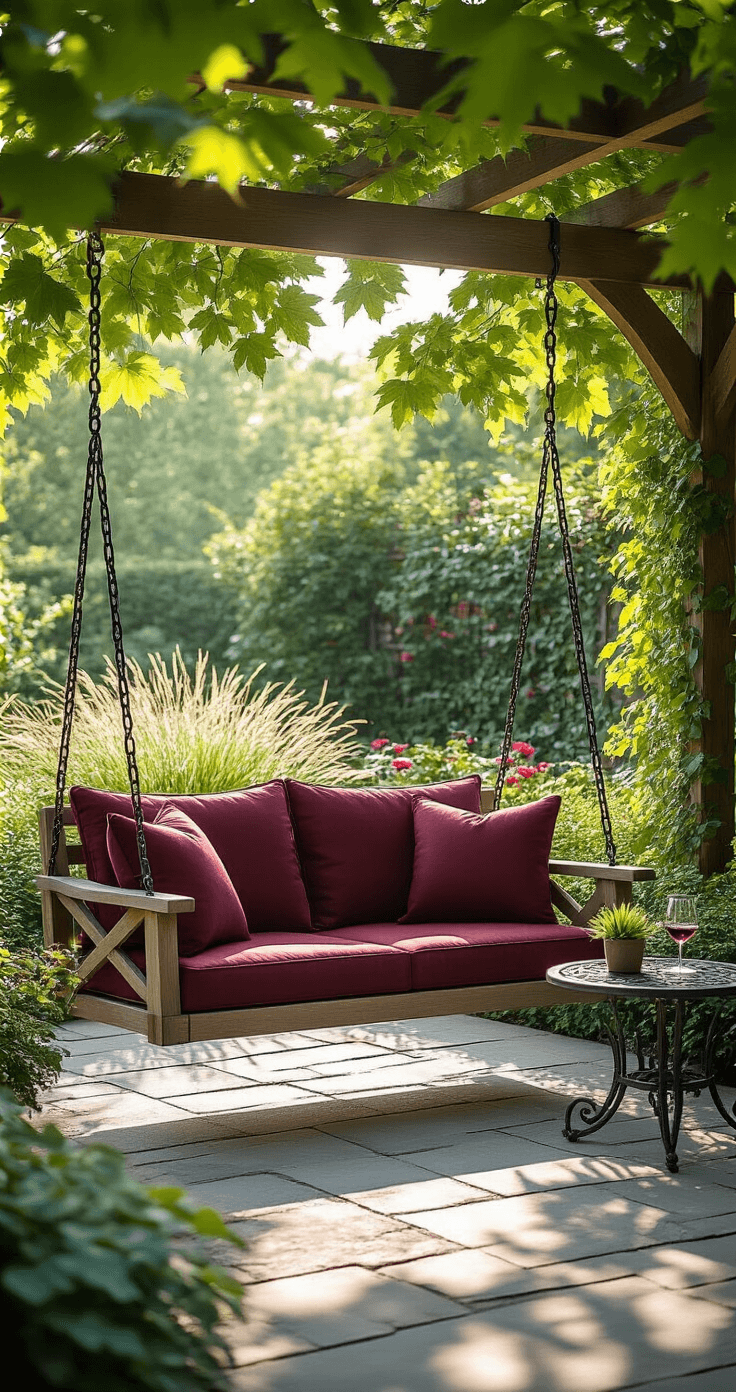
Here’s the thing that sold me: freedom. My rental agreement specifically says “no permanent fixtures.” A freestanding swing frame isn’t permanent—I can move it whenever I get bored or when the sun shifts throughout the season. Last month, I dragged mine from the shady corner to the sunny spot near my flower beds. Took me maybe ten minutes. Try doing that with a ceiling-mounted swing.
The Nitty-Gritty Details You Actually Care About
What They’re Made From
Most quality frames use western red cedar. Why cedar? Because it:
- Naturally resists rot and insects
- Weathers beautifully without falling apart
- Smells absolutely incredible on warm days
- Doesn’t need constant maintenance (I’ve treated mine exactly zero times in two years)
Some cheaper versions use metal or treated pine, but I’d skip those unless you’re really watching your budget. When I’m shopping for outdoor furniture, I always look for western red cedar porch swing frames because they last forever.
How Much Weight Can These Things Handle?
Standard frames support around 600 pounds. That’s me, my partner, our oversized dog, and probably a small child. We’ve definitely tested this theory during family gatherings. Some beefier models go up to 880 pounds, which is frankly overkill unless you’re planning swing parties. I went with a standard 600-pound capacity freestanding porch swing, and it’s held up perfectly through everything—including that time my brother-in-law decided to see “how high it could go.”
Size Matters (Seriously)
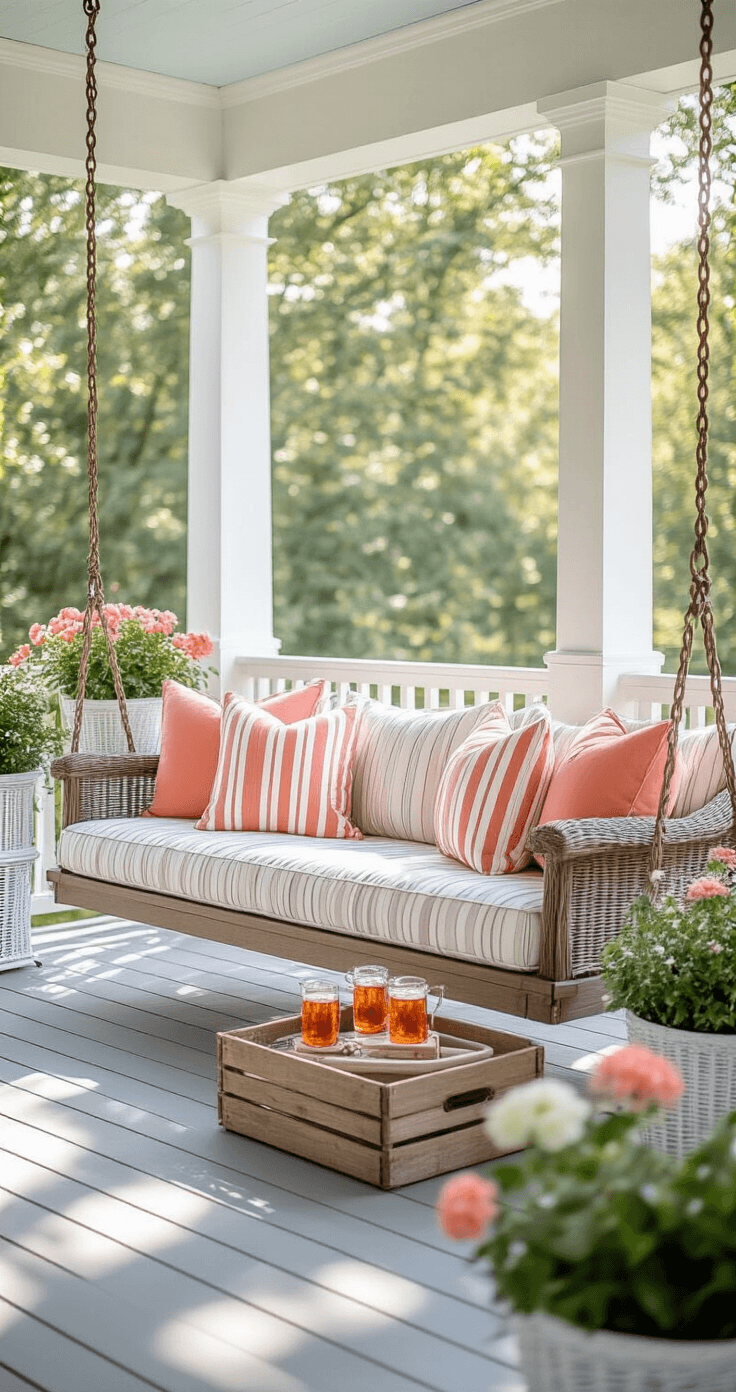
Most frames fit 4-foot swings. The typical inside clearance is about 74.5 inches, which gives your swing room to actually swing without smacking into the frame posts. I learned this the hard way. My first swing was too wide for my frame, and every backward motion resulted in this annoying thunk against the support beam. Measured properly the second time around, and suddenly swinging became relaxing instead of irritating.
The Hardware Situation
Rust-guard hardware isn’t optional—it’s essential. I live in the Pacific Northwest where it rains approximately eleven months a year. If your chains, hooks, and bolts aren’t rust-protected, you’ll be replacing them annually. Quality frames come with rust-resistant hardware already installed, which saves you from that headache.
Where to Actually Buy One
Ready-Made Options
I’m not crafty. I can barely assemble IKEA furniture without an emotional breakdown, so building my own swing frame was never happening. You can find solid pre-made frames at:
- Big box stores: Lowe’s and Home Depot carry seasonal options, usually spring through summer
- Online retailers: Walmart has surprisingly decent selections
- Specialty shops: The Porch Swing Company and Cedar Wood Furniture focus exclusively on this stuff, so their quality tends to be better
I bought mine from a specialty retailer, and the difference in sturdiness was immediately obvious compared to the wobbly display model I sat on at Lowe’s. If you’re going the pre-made route, check out porch swing frames with stands for complete packages.

The DIY Route
My neighbor built his own using 2×6 lumber and 4×4 uprights. He spent a weekend on it, saved maybe a hundred bucks, and now brings it up at every barbecue. If you’re handy, it’s definitely doable. The key is positioning those corner supports so they don’t interfere with the swing motion—otherwise you end up with the thunk problem I mentioned earlier. Honestly though? Unless you genuinely enjoy woodworking, just buy one. Your time is worth something.
What I Wish Someone Had Told Me Before Buying
Measure Everything Twice
I cannot stress this enough. Measure your space. My patio is smaller than I thought, and my swing needed about a foot of clearance behind it to swing properly. I nearly bought a massive three-seater that would’ve turned my patio into an obstacle course. You need:
- Length clearance for the full swing arc
- Width clearance so people can walk around it
- Height clearance if you’re putting it under anything
<img src="https://evyvehomes.com/wp-content/uploads/2026/04/4165modern-farmhouse-deck-cedar-swing-pergola.png" alt="Photorealistic modern farmhouse deck featuring a cedar swing frame with black metal accents on white decking, bright sunlight casting shadows beneath a pergola with climbing vines, and decorative elements like buffalo check cushions, a metal plant stand with mason jar flowers and candles, and structured planters." style="max-width: 100%;