This post may contain affiliate links. Please see my disclosure policy for details.
Garden Christmas Trees: Turn Your Holiday Decor Into Year-Round Living Beauty
Contents
Garden Christmas trees solve one of the biggest frustrations of the holiday season—watching your beautiful tree turn brown and crispy while your wallet weeps over spending $100+ on something destined for the curb.
I’ll never forget the guilt I felt dragging my dried-out Fraser fir to the street every January, knowing I’d just thrown away perfectly good money and contributed to the waste pile.
That’s when I discovered garden Christmas trees, and honestly, it changed everything about how I approach holiday decorating.
Why Most People Get Garden Christmas Trees Wrong
Here’s the thing nobody tells you: not every cute little evergreen at the nursery will survive indoors during December.
I learned this the hard way when my first “living” Christmas tree turned into a brown, crispy disaster by New Year’s Eve.
The tree had been indoors too long, in air too dry, and I hadn’t prepared the ground outside because it was frozen solid.
The biggest mistakes people make:
- Keeping living trees indoors longer than 7-10 days
- Not acclimating trees gradually to temperature changes
- Forgetting to pre-dig planting holes before winter hits
- Choosing varieties that grow too large for their space
- Overwatering or underwatering during the indoor period
Real Miniature Evergreens That Actually Work Indoors
Let me walk you through the varieties I’ve personally tested or watched friends successfully use.
Boulevard Cypress: The Silvery Showstopper
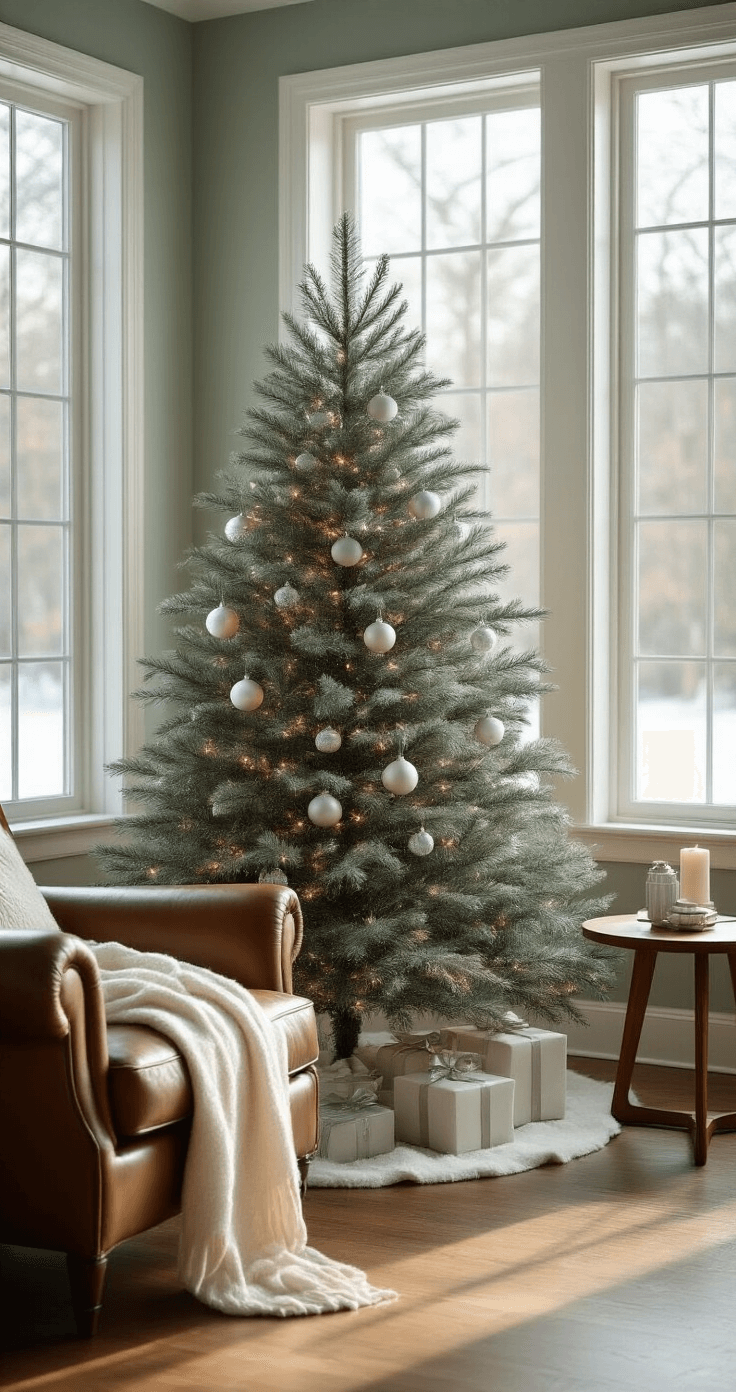
This tree looks absolutely magical with its silvery-blue needles that catch the light from your Christmas bulbs.
I put one in my living room two years ago, decorated it with simple white lights and silver ornaments, and guests couldn’t stop photographing it.
What makes it perfect:
- Natural pyramid shape means minimal trimming needed
- Slow grower won’t outpace your space quickly
- Those blue-silver needles create stunning contrast with traditional decorations
- Handles indoor life better than most varieties
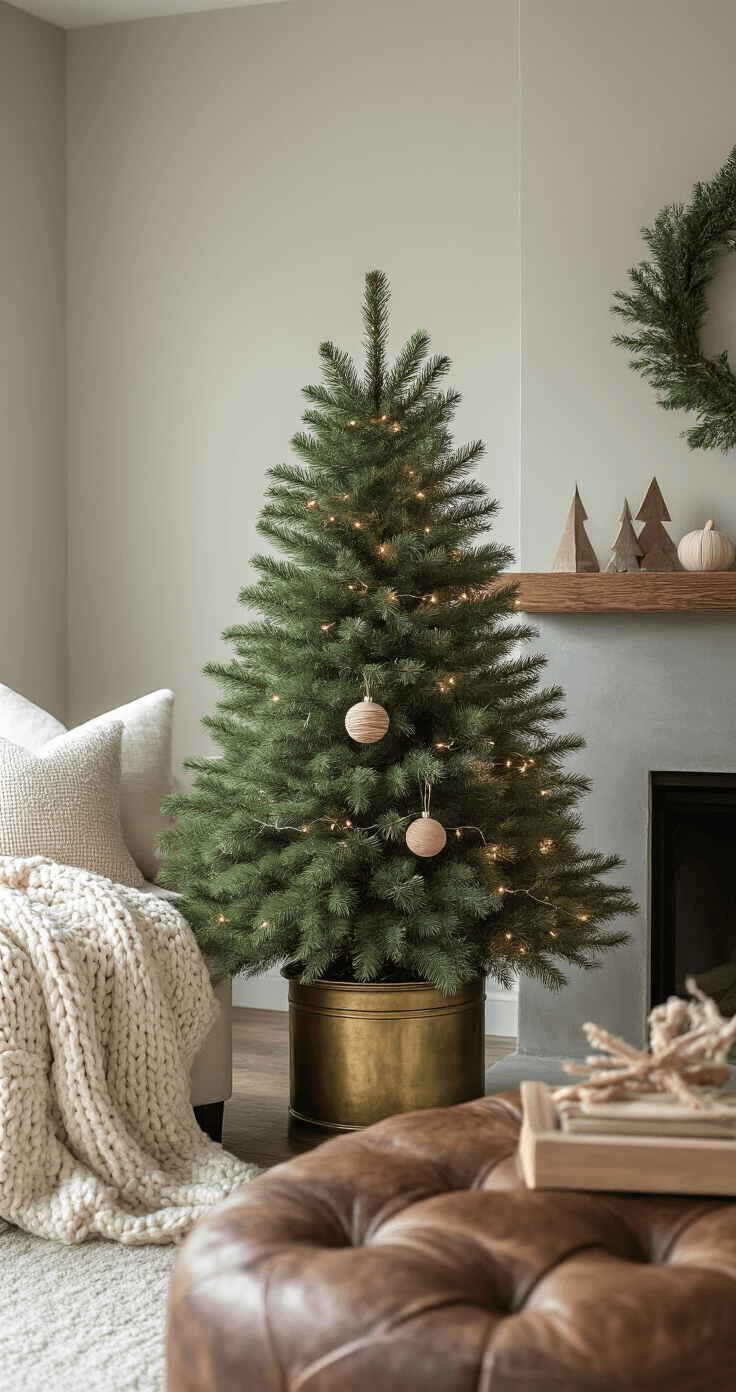
The Boulevard Cypress likes partial shade or full sun once planted outside.
Don’t stick it in heavy clay soil—it’ll sulk and possibly die.
Get yourself well-draining potting soil mixed with some loamy goodness, and keep it moderately moist (not soggy, not desert-dry).
Dwarf Alberta Spruce: The Patient Perfectionist
This is the tree for people who want that classic Christmas tree shape without the classic Christmas tree size problem.
Growing only two inches per year, this little beauty stays manageable for years.
I’ve seen these trees live happily in containers for five or six years before needing a permanent outdoor home.
Why I love this variety:
- Classic pyramid form looks like a postcard-perfect tree
- Blue-green foliage has that traditional evergreen vibe
- Incredibly slow growth means longer usefulness
- Tough as nails once established outdoors
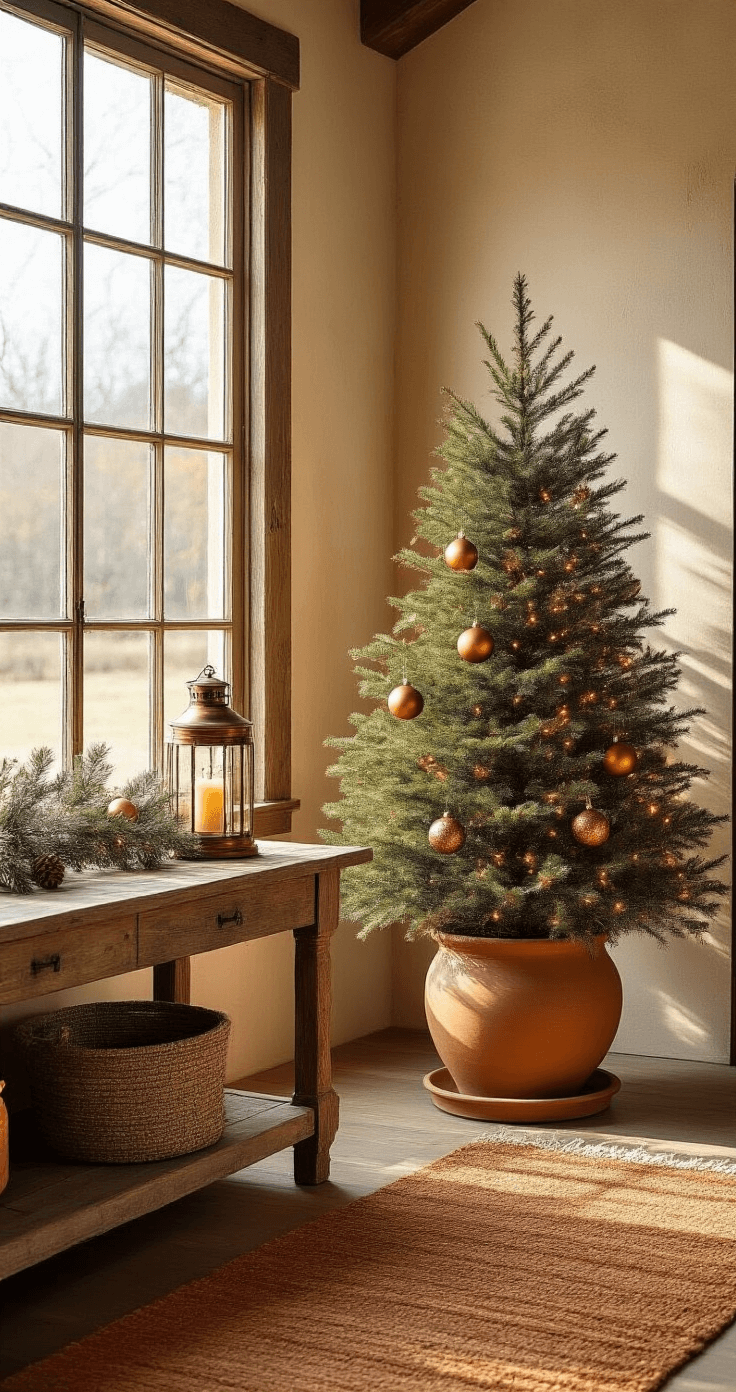
After the holidays, gradually move your Dwarf Alberta Spruce to cooler locations before planting it in a sunny spot outside.
It’ll live for decades if you treat it right, becoming a permanent garden feature that reminds you of past Christmases.
Grab a quality container with drainage holes if you’re planning to keep yours potted for a while.
Gold Cone Juniper: The Color Magician
If you want something different from the standard green tree, this is your winner.
The Gold Cone Juniper brings amber tones and vibrant gold new growth that makes spring absolutely spectacular.
I planted one in my front garden three years ago after using it for Christmas, and every spring when that gold growth appears, my neighbors literally stop to ask what it is.
What sets it apart:
- Slow-growing to eventually six feet (so it stays manageable)
- Green foliage with gorgeous amber undertones
- Spring brings electric gold new growth
- Different enough to stand out without being weird
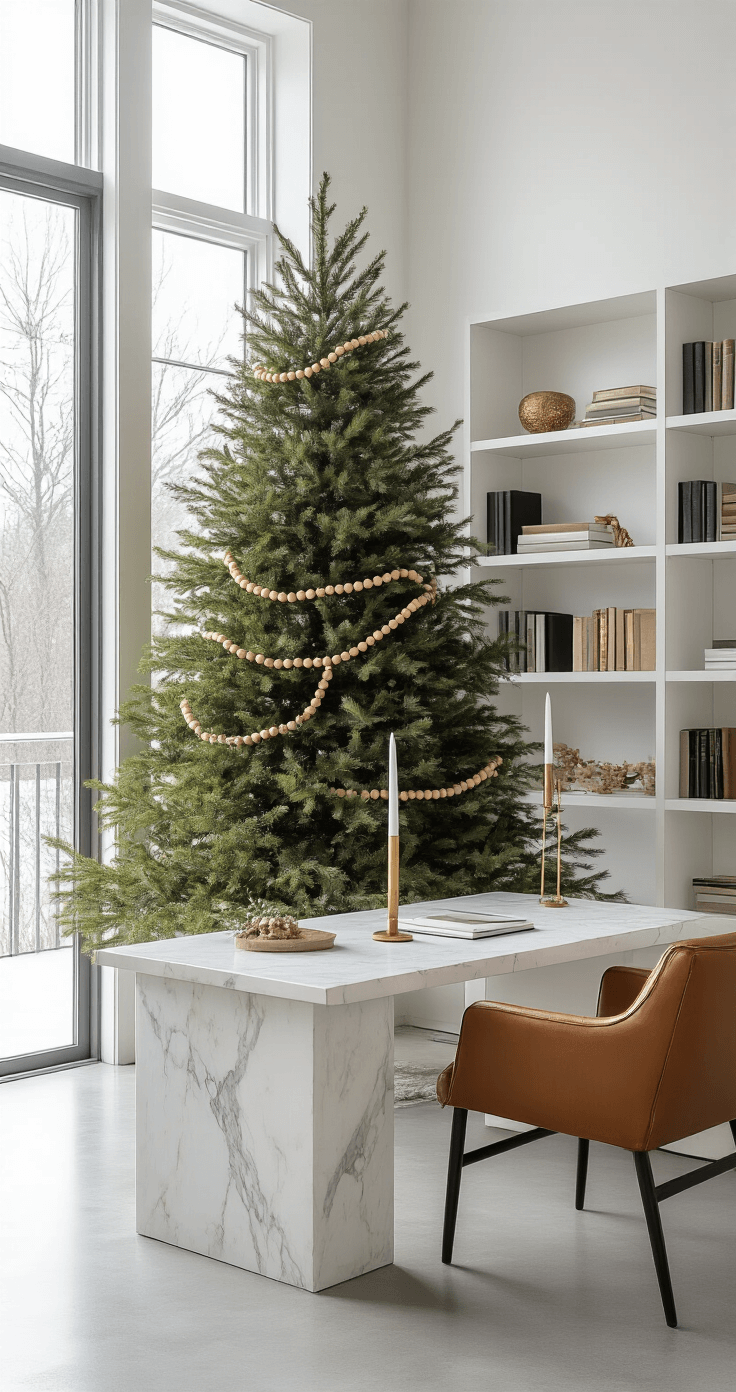
This variety works beautifully with both warm-toned decorations (coppers, golds, reds) and creates interesting contrast with cool silvers and blues.
Amber Gold Arborvitae: The Long-Game Player
This one grows a bit faster than the others, eventually reaching 12 feet, but that “moderate” growth means you’ve got several good years as a houseplant.
The color is outstanding—rich green with those golden amber tones that warm up any room.
Key advantages:
- Several years of indoor/outdoor holiday use before permanent planting
- Thrives in full sun or partial shade
- Handles various soil types with good drainage
- That golden color adds warmth to winter decor
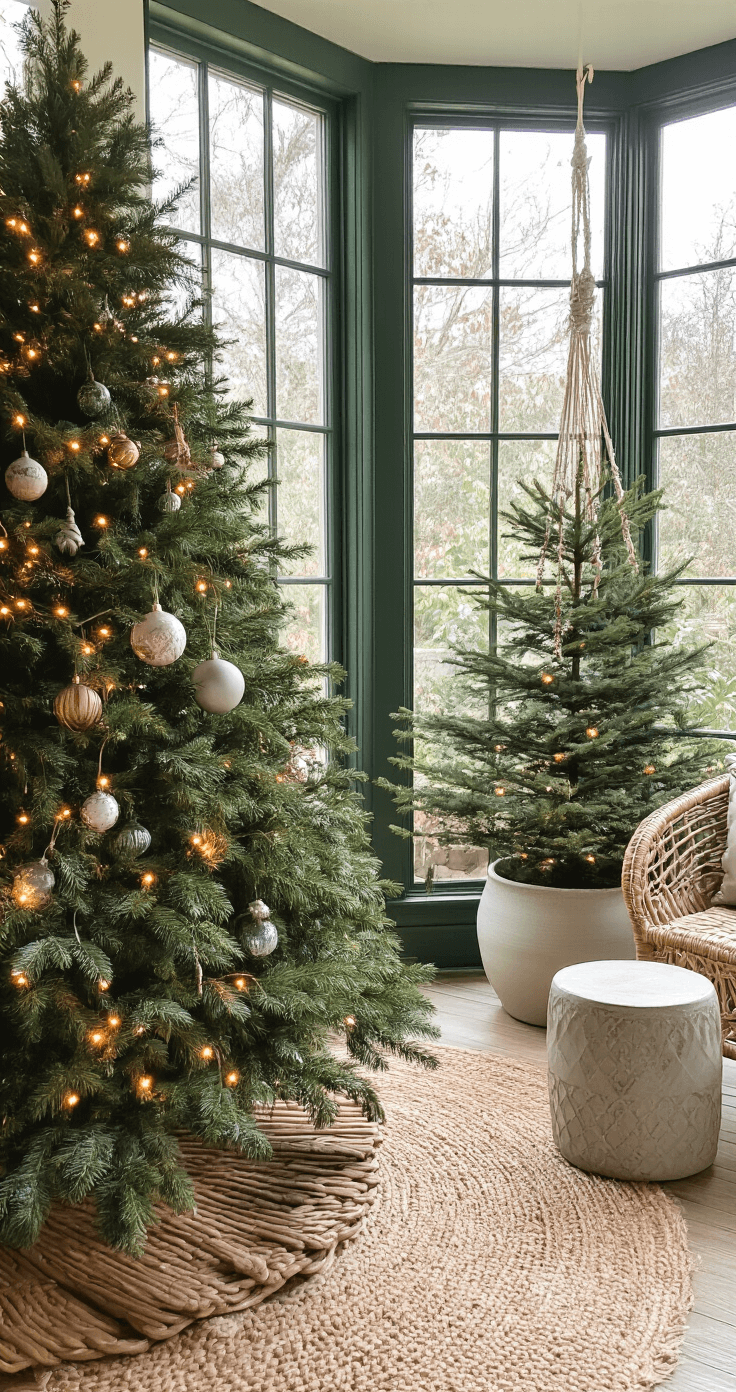
When you finally plant your Amber Gold Arborvitae outside, it becomes a stunning privacy screen or garden focal point.
Living Christmas Trees: The Complete Replanting Strategy
Living Christmas trees are different from the mini varieties—these are regular-sized trees that still have their root balls intact.
You bring them inside for the holidays, then plant them outside permanently.
I won’t lie to you: this approach requires planning.
But the satisfaction of looking at a 15-foot tree in your yard and thinking “that was our Christmas