

This post may contain affiliate links. Please see my disclosure policy for details.
How Often Should You Water Your Spider Plant?
How often should you water your spider plant? That’s the question I typed into Google at 2 AM after watching my third spider plant turn into a crispy brown disaster.
I thought I was doing everything right. I had a schedule. I watered every Monday like clockwork. And yet, there I was, staring at another dying plant, wondering what sort of botanical serial killer I’d become.
Turns out, watering spider plants isn’t about following some rigid calendar system like you’re taking antibiotics. It’s about paying attention.
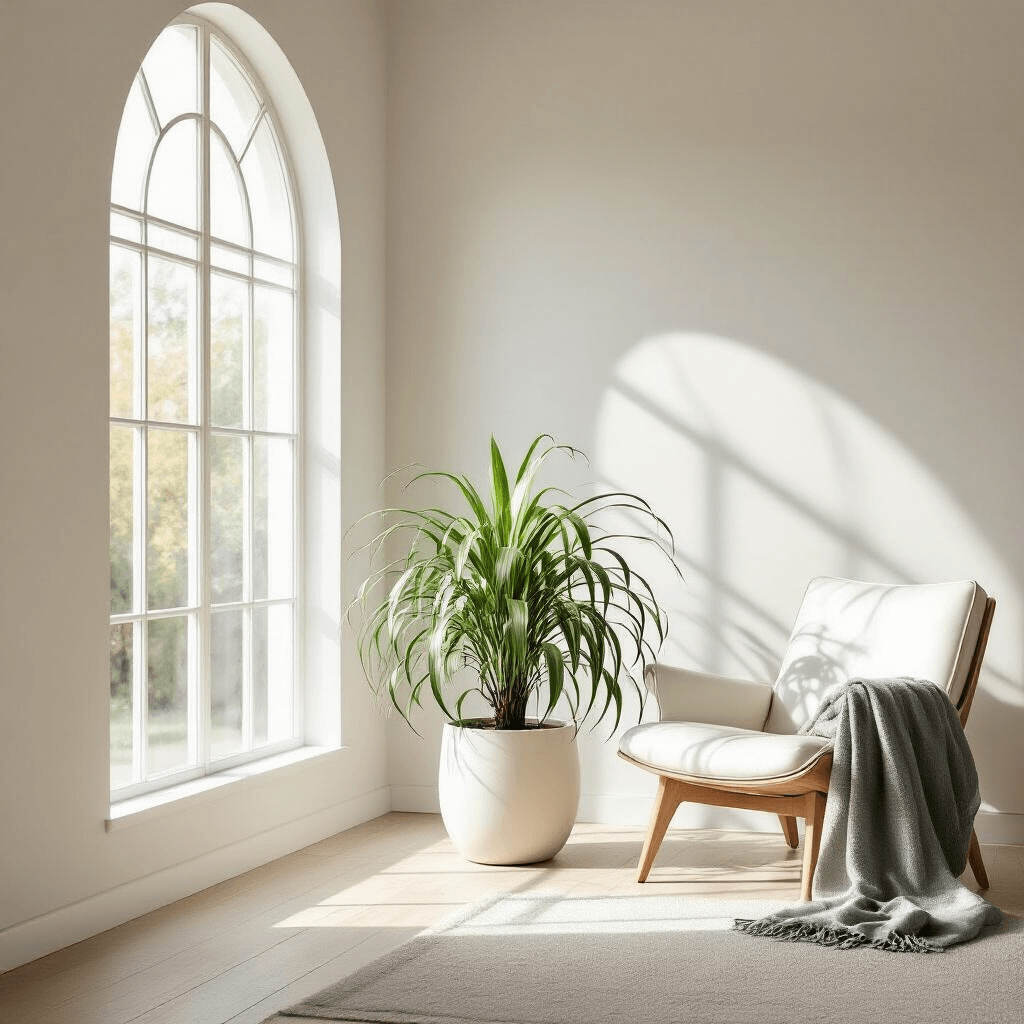
💡 Steal This Look
- Paint Color: Sherwin-Williams Rainwashed SW 6211
- Furniture: floating white oak wall shelves for trailing spider plant displays
- Lighting: adjustable-arm brass grow light sconce
- Materials: terracotta pots with drainage, woven seagrass baskets, raw linen curtains
This is the room where you actually live, not just the one you photograph for Instagram, so your plant care routine needs to fit real life with its messy windowsills and inconsistent mornings.
The Real Answer Nobody Wants to Hear
Water your spider plant when the top inch or two of soil feels dry to the touch.
That’s it. That’s the secret.
I know you wanted me to say “every Tuesday at 3 PM” or something equally specific, but plants didn’t get the memo about our need for structure.
Some weeks that means watering once. Other weeks, especially in summer, you might water twice. In winter, you might go two weeks between waterings.
The spider plant growing in my bright bathroom gets thirsty twice as fast as the one chilling in my dimmer bedroom. Same plant species. Same house. Completely different watering schedules.
The Finger Test (Yes, Really)
Here’s what I do now, and I haven’t murdered a spider plant in two years.
I stick my finger into the soil up to my first knuckle.
If it feels:
- Dry → Time to water
- Damp → Check again tomorrow
- Wet → Back away slowly and wait
This isn’t elegant or scientific-looking, but it works. My grandmother taught me this after watching me struggle with my plant-killing streak, and she’s kept the same spider plant alive since 1987.
I bought a soil moisture meter once because I thought technology would solve my problems. It mostly just confirmed what my finger already knew, though it does look more impressive when guests are over.
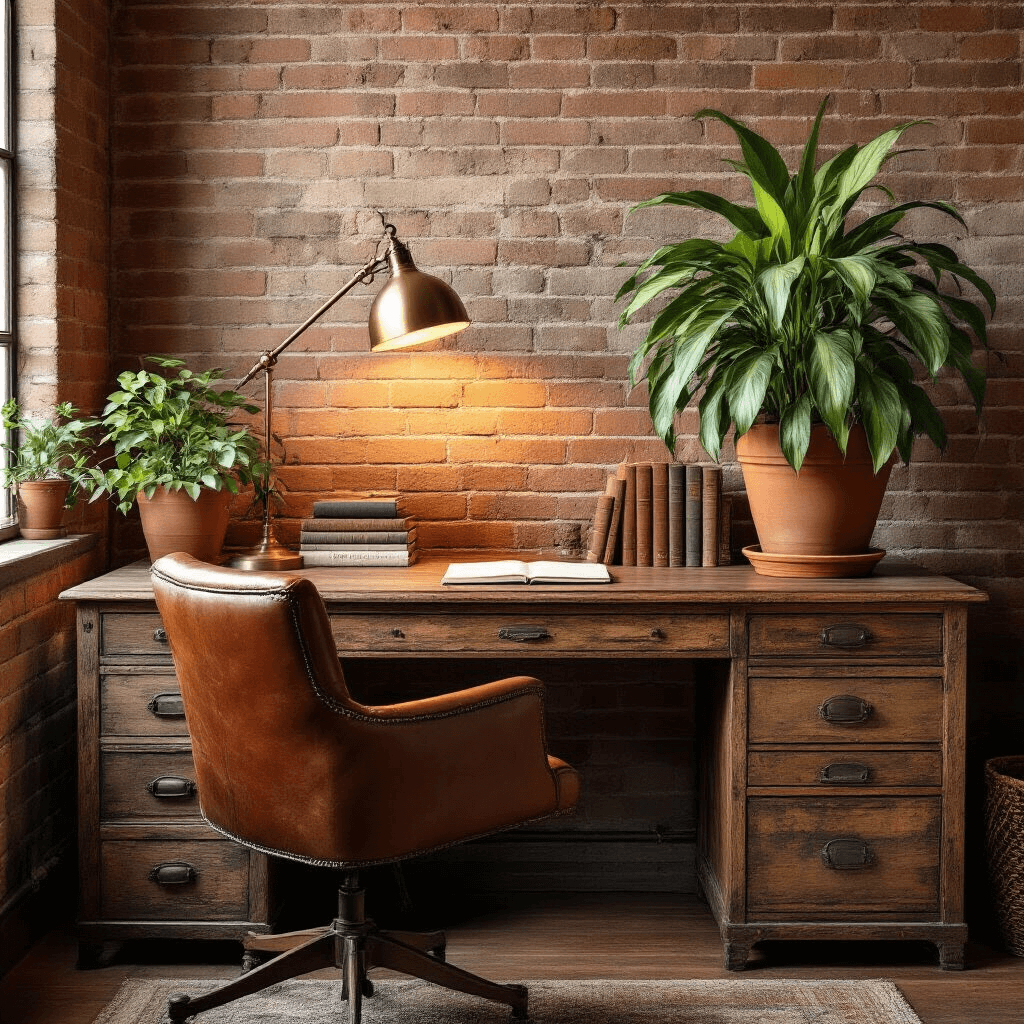
🎨 Steal This Look
- Paint Color: Farrow & Ball School House White 291
- Furniture: vintage ceramic garden stool used as side table
- Lighting: schoolhouse glass pendant with brass hardware
- Materials: terracotta pots, unglazed clay, raw linen, weathered wood
This is the room where practicality meets sentiment—the finger test belongs in spaces where inherited wisdom matters more than Instagram perfection, where a grandmother’s 1987 spider plant feels like family history.
Why Your Spider Plant Isn’t Reading This Article
Your spider plant’s thirst depends on factors it won’t bother explaining to you:
Save this article
Enter your email and we'll send it straight to your inbox.
Season matters more than you think
- Spring and summer: Active growing season, drinks more frequently
- Fall and winter: Dormant period, sips like it’s trying to make a cocktail last all evening
Your home environment is unique
- Bright light = thirstier plant
- Warm temperatures = more frequent watering
- Low humidity = faster soil drying
- Terra cotta pots = soil dries faster than plastic
Size and setup play their part
- Smaller pots dry out faster
- Larger plants drink more
- Well-draining soil needs more frequent watering
- Root-bound plants (yes, they’re dramatic) need water more often
I learned this the hard way when I moved apartments. Same plant, same watering schedule, completely different results. My new place had better heating, and suddenly my once-a-week routine was leaving my plants parched.

💡 Steal This Look
- Paint Color: Behr Soft Focus PPU18-09
- Furniture: mid-century modern teak plant stand with tapered legs
- Lighting: adjustable brass gooseneck grow light with warm white LED
- Materials: unglazed terra cotta, raw linen, aged brass, woven seagrass baskets
This is the room where you actually pay attention to your plants—morning coffee in hand, checking leaves like a worried parent—so your setup needs to make that daily ritual feel intentional, not chaotic.
How to Actually Water This Thing
When the soil tells you it’s time, here’s what works:
The process I use:
- Take the plant to the sink (I’m done with spills on furniture)
- Water slowly until liquid runs out the bottom drainage holes
- Let it drain completely—and I mean completely
- Put it back once the dripping stops
This “water thoroughly, then wait” approach beats the “sprinkle a little water every day” method that was slowly killing my plants with kindness.
The goal is to moisten all the soil, not just the top layer. Think of it like watering your lawn properly once instead of misting it daily and wondering why it looks terrible.
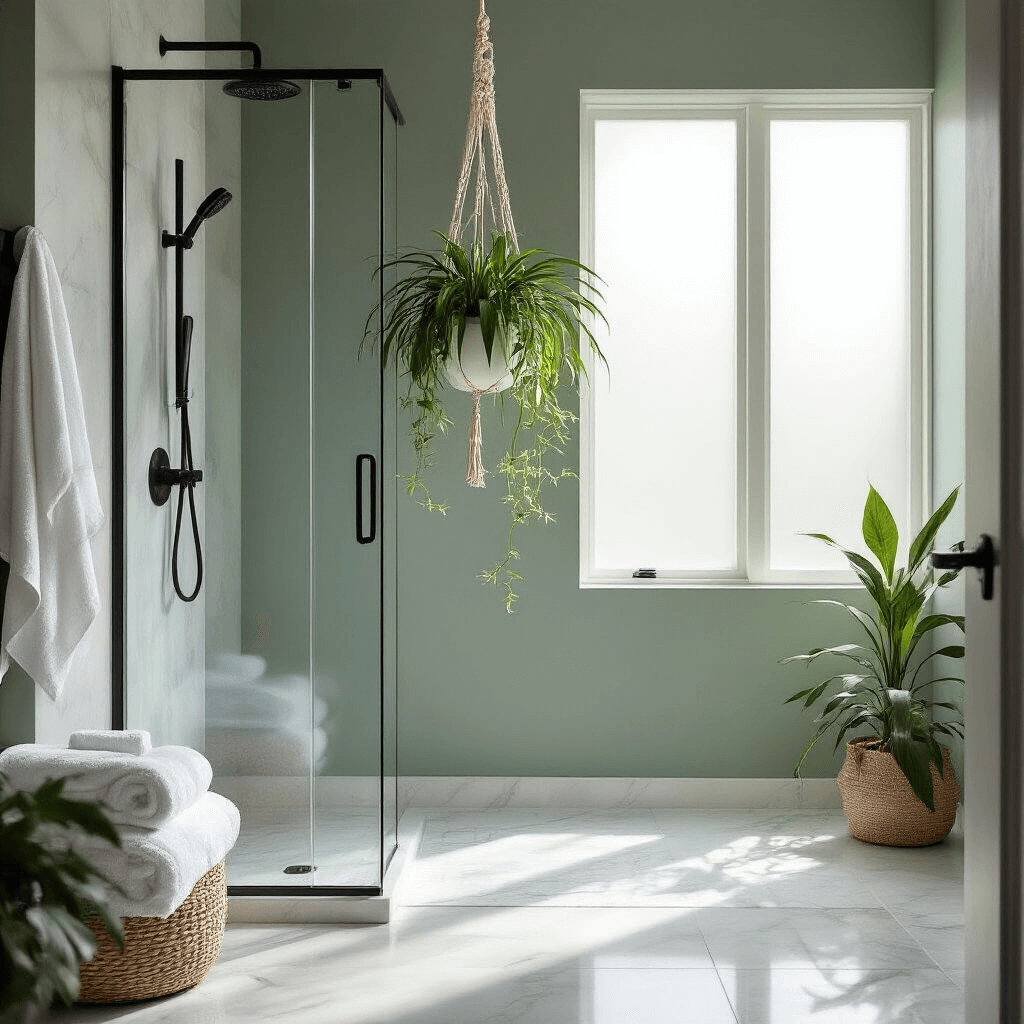
🖼 Steal This Look
- Paint Color: Valspar Soft Wool 4008-1B
- Furniture: slim-profile console table with waterproof top for plant staging near kitchen sink
- Lighting: under-cabinet LED strip with daylight 5000K temperature for sink area visibility
- Materials: powder-coated metal plant caddy with locking wheels, terracotta saucers, microfiber drying mat
This is the room where plant care becomes ritual rather than chore—your kitchen sink transforms from dish-duty drudgery to a moment of intentional nurturing, and that shift in mindset is what separates thriving plants from surviving ones.
The Water Quality Plot Twist
Remember those brown tips I mentioned? The ones that made my spider plants look like they’d been lightly toasted?
That was my tap water.
Spider plants are apparently drama queens about fluoride and chlorine, which my city water had in abundance. I switched to filtered water and the difference was almost insulting in how obvious it was.
Your water options:
- Rainwater (free, plants love it)
- Distilled water (the plant equivalent of bottled water)
- Filtered water (what I use)
- Tap water left out overnight (chlorine evaporates, fluoride doesn’t)
I keep a large pitcher filled with water sitting next to my plants now. It looks intentional, like part of my decor, but really it’s just tomorrow’s watering supply de-chlorinating itself.

🌟 Steal This Look
- Paint Color: PPG Pure White PPG14-15
- Furniture: ceramic pitcher with bamboo lid for water storage
- Lighting: small LED grow light strip under kitchen cabinet
- Materials: unglazed terracotta, matte ceramic, natural bamboo
This is the kitchen windowsill or counter space where your morning coffee ritual and plant care overlap—it’s the most honest corner of your home, where function and beauty have to negotiate daily.
Warning Signs You’re Getting It Wrong
Overwatering symptoms (my former specialty):
- Yellow leaves that feel mushy
- Soil that smells like a swamp
- Root rot (brown, mushy roots instead of healthy white ones)
- Fungus gnats throwing parties in your pot
Underwatering clues:
- Leaves turning brown and crispy at the tips
- Wilting or drooping despite good light
- Soil pulling away from the pot edges
- Plant babies looking sad and shriveled
I’ve experienced both extremes. Overwatering feels worse because you’re literally drowning something through excessive care, which seems particularly cruel.
The Winter Watering Adjustment
Nobody warned me about this, so I’m warning you.
When winter hits and your spider plant goes into its rest period, it doesn’t want as much water. I learned this by continuing my summer watering schedule straight
Keep this one for later
We'll email you the link so you can come back to it.



[…] add 30% extra for water weight because plants get thirsty, and wet soil is heavy […]
[…] Water sparingly after planting […]