

This post may contain affiliate links. Please see my disclosure policy for details.
Why Single-Family Homes Rule America
Let me start with the obvious winner. Single-family detached homes make up roughly 66-70% of America’s housing market. That’s not just a statistic—it’s a testament to our love affair with privacy, space, and the freedom to paint our front door hot pink if we damn well please.
These homes offer three things Americans crave:
• Privacy (no shared walls means no hearing your neighbor’s questionable music choices)
• Flexibility (want to knock down that wall? Go for it)
• Yard space (because where else are you going to put that outdoor fire pit you’ve been eyeing?)
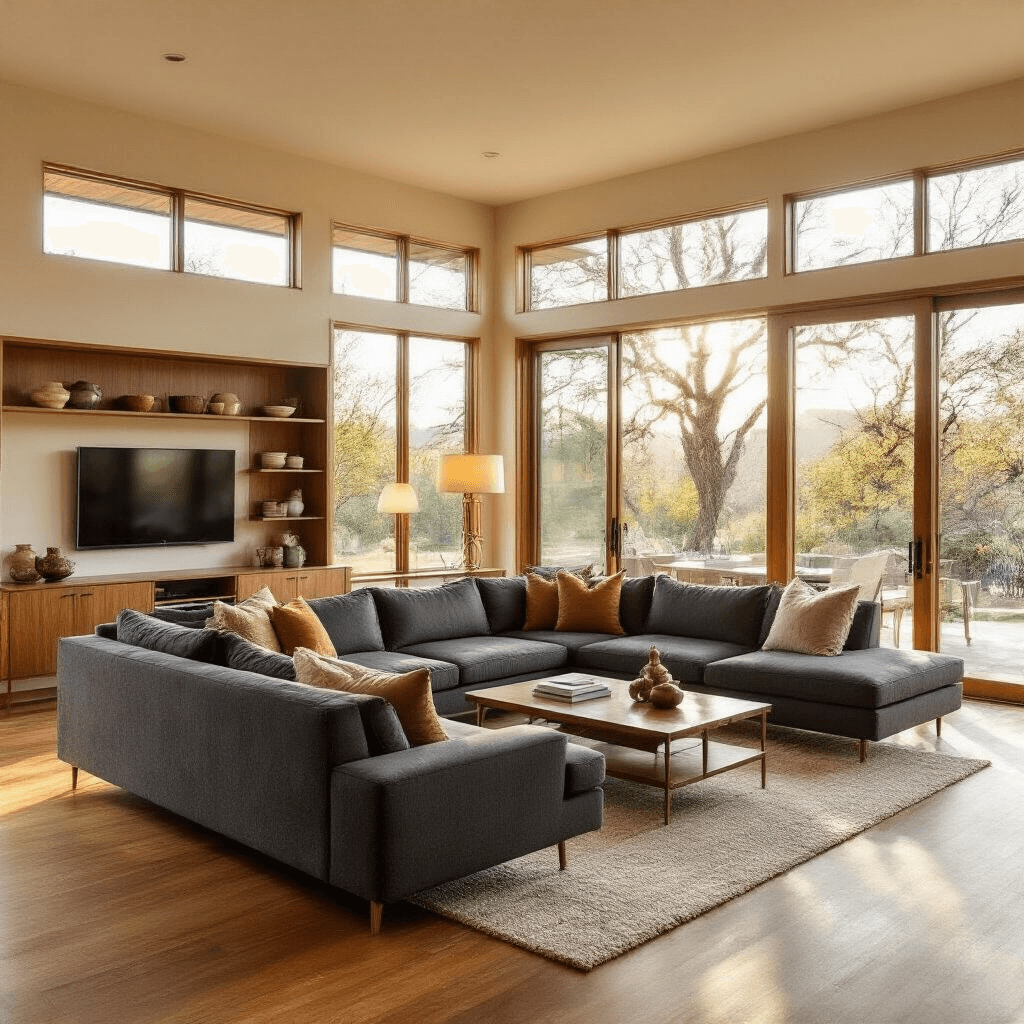
💡 Steal This Look
- Paint Color: Sherwin-Williams Agreeable Gray SW 7029
- Furniture: oversized sectional sofa with deep seats and performance fabric
- Lighting: statement drum pendant with linen shade over the living area
- Materials: wide-plank oak flooring, matte black metal accents, chunky knit textiles
This is the room where you’ll host Thanksgiving for twenty or collapse after mowing that quarter-acre lawn you swore you wanted—make it work hard for both scenarios.
Ranch Style: The Sprawling Superstar
Ranch homes are like that reliable friend who’s always there for you. Single-story layouts, open floor plans, and those signature low-pitched roofs make them incredibly popular.
What makes Ranch homes special:
• No stairs to navigate (your knees will thank you later)
• Open concepts that flow beautifully
• Easy access to outdoor spaces
• Perfect for aging in place
Decorating Ranch homes:
I always tell clients to embrace the horizontal lines. Long, low furniture works brilliantly here. Think mid-century modern sofas and streamlined coffee tables. The key is not fighting the architecture—work with those clean, simple lines.

🖼 Steal This Look
- Paint Color: Benjamin Moore White Dove OC-17
- Furniture: Low-profile mid-century modern sofa with tapered walnut legs, 84-inch length maximum
- Lighting: Linear sputnik chandelier or elongated flush-mount fixture to emphasize horizontal span
- Materials: Warm walnut wood, matte black metal, textured bouclé or flat-weave wool, large-format concrete-look tile
I grew up in a 1962 ranch and still remember how the uninterrupted sightline from kitchen to backyard made every gathering feel connected—there’s something deeply comforting about that single-level living.
Colonial and American Traditional: The Timeless Champions
Colonial homes are the little black dress of American architecture. Symmetrical, classic, and they never go out of style.
Key Colonial features:
• Perfect symmetry (windows balanced on both sides of the front door)
• Two-story design
• Pitched roofs that mean business
• Simple, clean facades that age gracefully
Cape Cod subset:
These compact cousins feature steep roofs, dormer windows, and central chimneys. Originally coastal homes, they’ve spread nationwide because they’re just so damn practical.
My Colonial decorating philosophy:
Respect the formality but don’t let it intimidate you. These homes love traditional elements mixed with personal touches. I’ve seen magic happen when clients add classic table lamps alongside modern artwork.
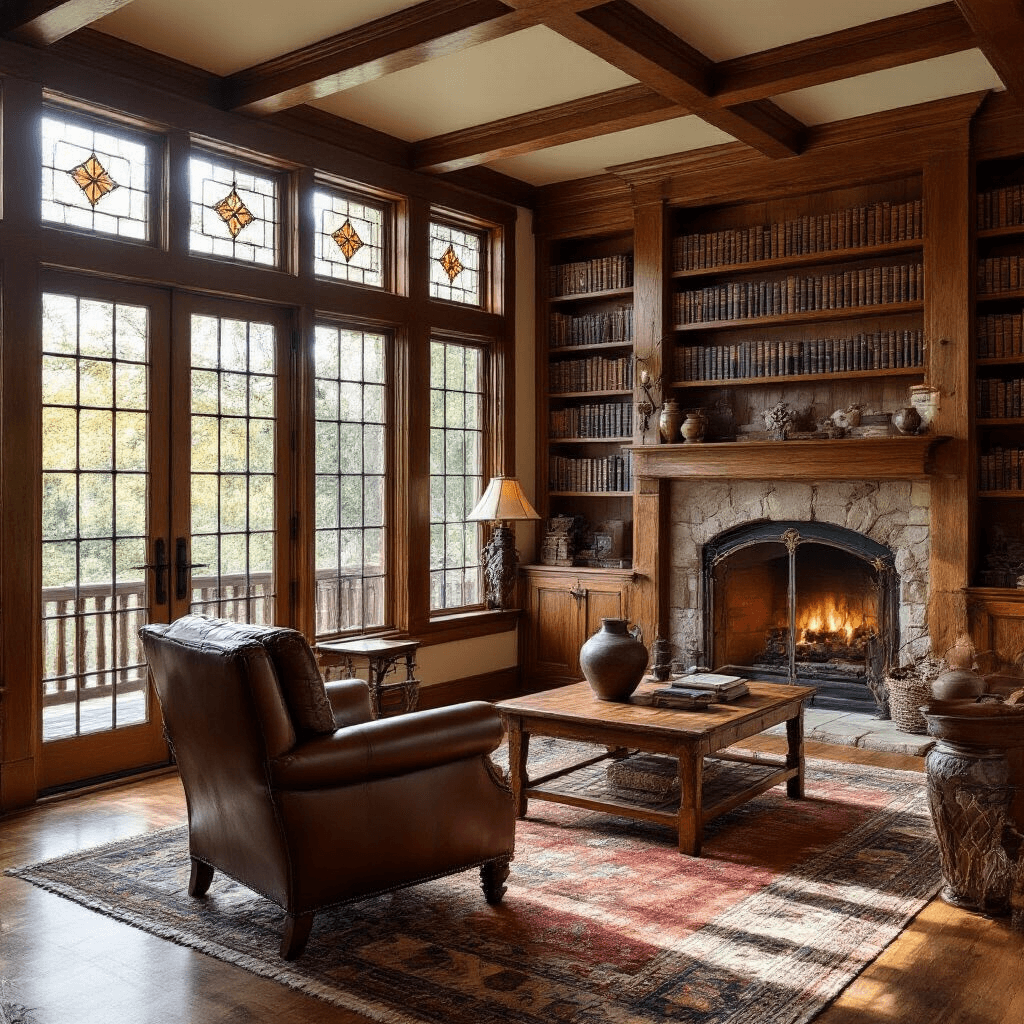
★ Steal This Look
- Paint Color: use Farrow & Ball brand. Match the ACTUAL wall color in the image. Format: Farrow & Ball ColorName CODE
- Furniture: wingback armchair in rich leather or deep velvet, mahogany or cherry wood dining table with turned legs, four-poster bed or sleigh bed in dark wood finish
- Lighting: brass or oil-rubbed bronze chandelier with candle-style bulbs, paired with symmetrical table lamps with pleated silk shades
- Materials: wainscoting or beadboard paneling, wide-plank hardwood floors in walnut or oak, marble fireplace surrounds, brass hardware and fixtures, Oriental or Persian area rugs
There’s something deeply grounding about walking into a Colonial home that feels lived-in rather than museum-perfect—I’ve always found that the most welcoming spaces here are the ones where family photos share wall space with ancestral portraits and the dog’s bed sits tucked beside the fireplace.
Craftsman Style: Where Character Lives
Craftsman homes make my decorator heart sing. They’re all about handcrafted details, wide porches, and built-in features that modern homes desperately try to replicate.
Signature Craftsman elements:
• Low-pitched roofs with deep overhangs
• Exposed rafters and beams
• Built-in bookcases and window seats
• Wide front porches perfect for evening conversations
Decorating Craftsman homes:
Never cover up those beautiful built-ins! These homes were designed when craftsmanship mattered. I always recommend highlighting natural wood elements and choosing furniture that complements rather than competes with the architecture.
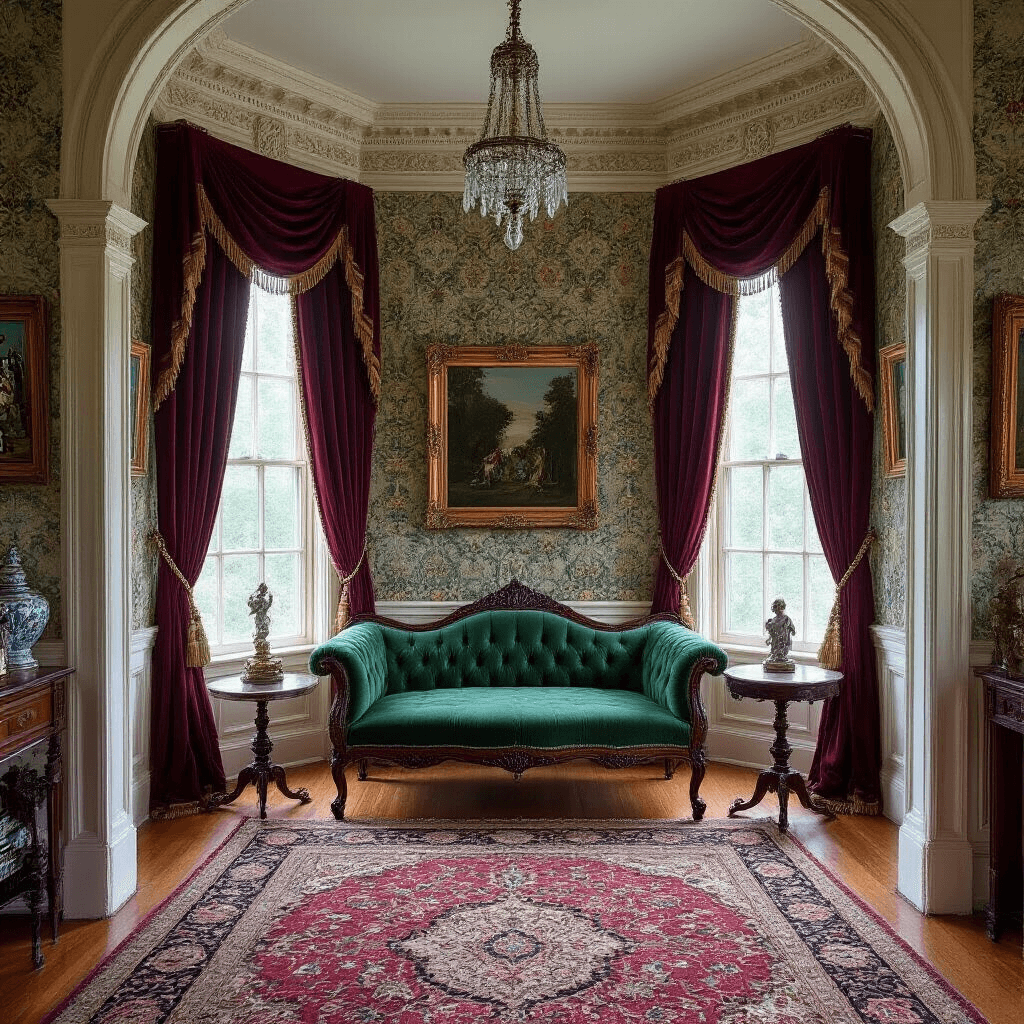
★ Steal This Look
- Paint Color: use Behr brand. Match the ACTUAL wall color in the image. Format: Behr ColorName CODE
- Furniture: specific furniture for this room
- Lighting: specific lighting fixture
- Materials: key textures and materials
There’s something deeply grounding about a Craftsman living room; it reminds us that homes can be both beautiful and honest, built by hands rather than algorithms.
Save this article
Enter your email and we'll send it straight to your inbox.
Tudor Style: English Countryside Charm
Tudor homes transport you straight to the English countryside. Those steep gabled roofs, decorative half-timbering, and tall narrow windows create instant curb appeal.
Tudor characteristics:
• Steep, complex rooflines
• Mixed materials (stone, brick, stucco)
• Leaded glass windows
• Asymmetrical facades that tell a story
Victorian Style: Ornate and Unapologetic
Victorian homes don’t whisper—they shout. Ornate detailing, asymmetrical facades, towers, turrets, and colors that make neighbors take notice.
Victorian features:
• Elaborate decorative elements
• Bay windows and wraparound porches
• Steep roofs with multiple gables
• Rich color schemes
Victorian decorating tip:
Don’t try to minimize the drama. These homes were built to be noticed. Embrace bold patterns, rich textures, and ornate mirrors that match the home’s personality.
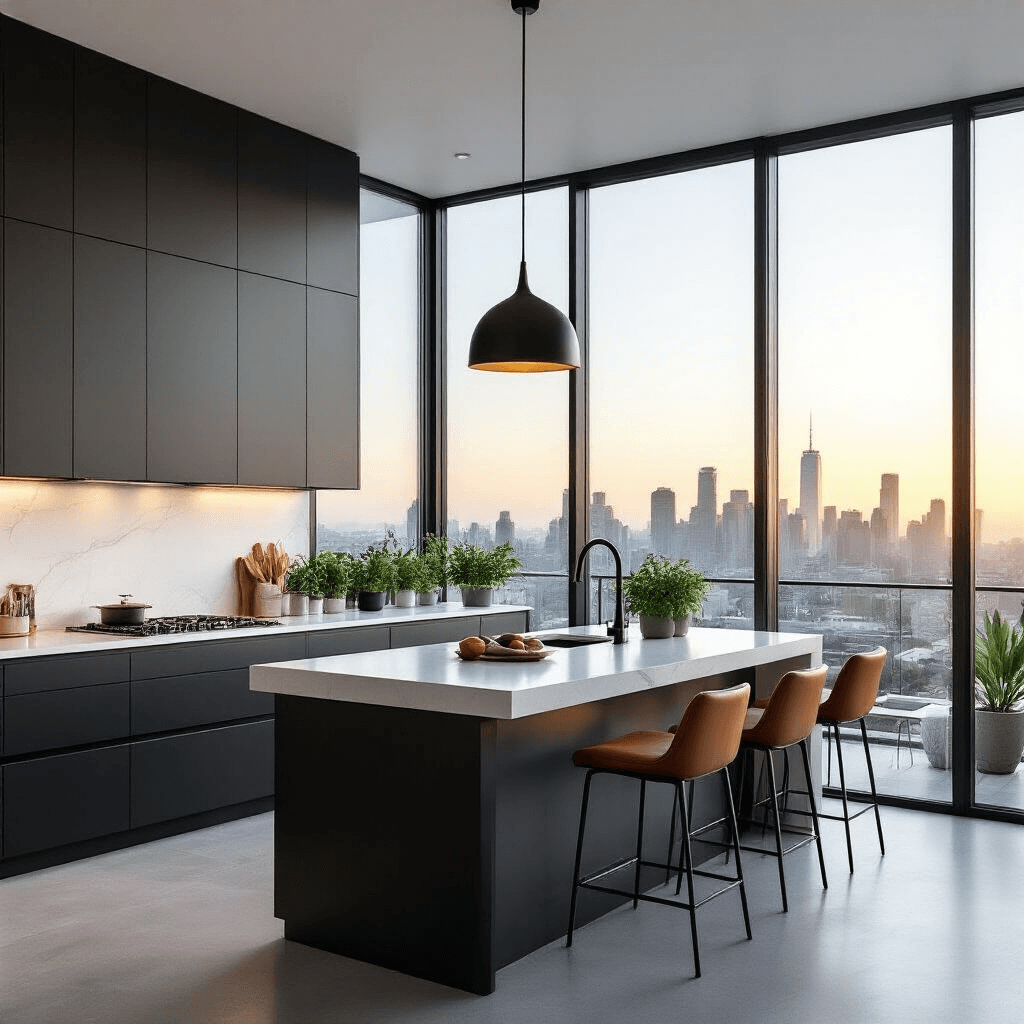
💡 Steal This Look
- Paint Color: PPG Victorian Rouge PPG1052-7
- Furniture: tufted velvet settee with carved mahogany frame, claw-foot pedestal dining table, ornately carved armoire with beveled mirror panels
- Lighting: brass and crystal gasolier-style chandelier with multiple arms and prismatic drops
- Materials: damask silk, brocade, carved walnut and mahogany, marble mantel surrounds, embossed leather, gilded plaster ceiling medallions
Walking into a properly dressed Victorian parlor feels like being hugged by history itself—every surface tells you someone cared deeply about craft and beauty.
Mediterranean Style: Warmth and Romance
Mediterranean homes bring vacation vibes to everyday living. Stucco walls, red tile roofs, and central courtyards create that relaxed, resort-like atmosphere.
Mediterranean must-haves:
• Low-pitched red tile roofs
• Stucco or adobe exterior walls
• Arched doorways and windows
• Central courtyards or patios
Modern and Contemporary: Clean Lines Rule
Modern and Contemporary homes strip away the unnecessary and focus on what matters: space, light, and function.
Modern characteristics:
• Minimalist design principles
• Asymmetrical exteriors
• Flat or shed roofs
• Floor-to-ceiling windows
• Industrial materials mixed with natural elements
Don’t Forget the Urban Warriors: Townhouses and Row Houses
Townhouses and row houses share walls but not personality. These multi-story homes dominate urban areas and dense suburbs where every square foot counts.
Why townhouses work:
• Vertical living maximizes small lots
• Often more affordable than detached homes
• Built-in community feeling
• Less exterior maintenance
Mid-Century Modern: The Post-War Phenomenon
Mid-Century Modern homes emerged post-World War II and never really left. Flat roofs, expansive windows, and minimalist styling create spaces that feel both retro and futuristic.
Regional Flavor Makes
Keep this one for later
We'll email you the link so you can come back to it.


[…] Match your home’s style […]
[…] Let’s be real. Your bedroom is more than just four walls and a bed. It’s your personal sanctuary, your retreat from the world, and the one space where you can truly be yourself. A well-designed masculine bedroom isn’t about following strict rules—it’s about creating a space that makes you feel confident, comfortable, and completely at home. […]