

This post may contain affiliate links. Please see my disclosure policy for details.
Outdoor Mud Kitchen Ideas: Unleash Creative Play in Your Backyard
Outdoor mud kitchen ideas for kids create a play space for imaginative cooking. The best outdoor mud kitchens have a play sink, counter space, and storage for pots. The key is using weather-resistant materials and creating a safe play area.

🌟 Steal This Look
- Paint Color: Not applicable – outdoor mud kitchen is a ground-level play structure, not a painted wall space
- Furniture: Child-height mud kitchen counter (24-30 inches), open shelving for play dishes and utensils, weathered wood or composite frame, sandboxed base area with containment lip
- Lighting: Not required – designed for daytime outdoor play; optional solar string lights for extended play sessions
- Materials: Weathered cedar or composite lumber frame, food-grade stainless steel sink basin, natural sand/mud substrate, sealed plywood work surface, non-toxic exterior stain or sealant
Mud kitchens tap into every child’s natural desire to explore textures and create—they’re sensory-rich, budget-friendly alternatives to expensive play structures. The mess isn’t a problem; it’s the entire point of the magic.
Why Mud Kitchens are Every Parent’s Secret Weapon
Imagine a play space that:
- Costs almost nothing to create
- Keeps kids entertained for hours
- Develops crucial motor skills
- Connects children with nature
- Encourages creative thinking
Pro Tip: The messier, the better!
Essential Components of an Epic Mud Kitchen
The Perfect Work Surface
Don’t overthink this. Look for:
- Reclaimed wooden pallets
- Old sturdy tables
- Composite decking
- Concrete blocks
Must-Have Kitchen Tools
Raid your kitchen drawers for:
- Mismatched measuring cups
- Wooden spoons
- Rusty colanders
- Plastic mixing bowls
- Old muffin tins
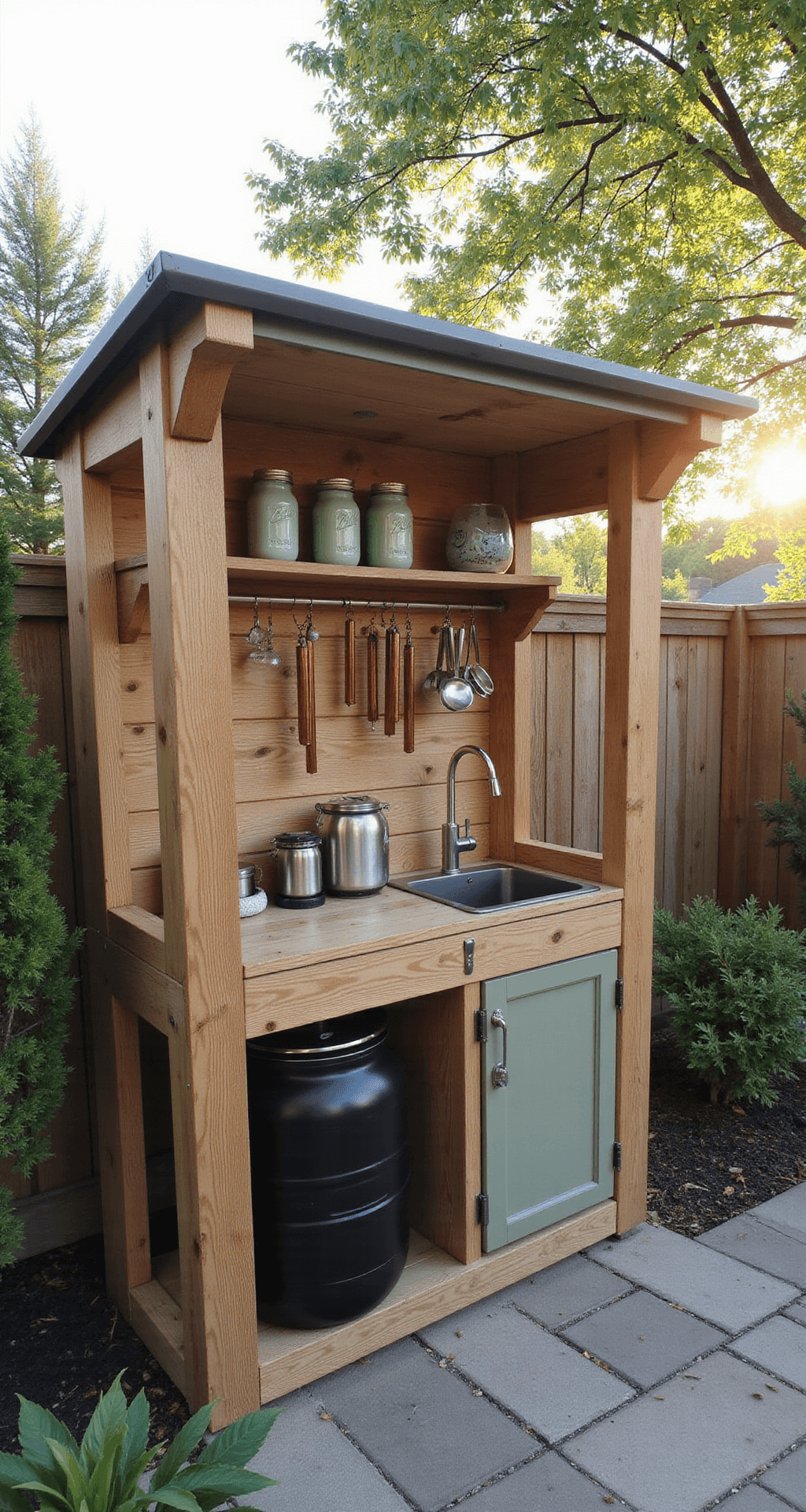
🏠 Steal This Look
- Paint Color: Not applicable – outdoor mud kitchen structure
- Furniture: Reclaimed wooden pallet work surface or repurposed sturdy wooden table base (36-42 inches height for child-friendly mud kitchen workspace)
- Lighting: Not applicable for outdoor daytime play structure
- Materials: Raw reclaimed wood, untreated composite decking, concrete blocks, weathered metal hardware, rust-patina colanders and tin vessels
Mud kitchens celebrate imperfection and upcycling—the mismatched measuring cups and rusty colanders aren’t design compromises, they’re the whole point. Kids love the authenticity of real kitchen tools, even broken ones.
Design Your Mud Kitchen: 3 Simple Approaches
1. Budget Builder
- Use free pallets
- Scavenge old kitchen tools
- Total cost: Under $20
2. Pinterest Perfect
- Custom wooden structure
- Built-in water feature
- Organized storage
- Total cost: $100-$300
3. Portable Play Zone
- Plastic folding table
- Storage tote
- Removable accessories
- Total cost: $50

🎨 Steal This Look
- Paint Color: N/A – outdoor structure
- Furniture: Weathered wooden pallet frames or untreated pine lumber for Budget Builder approach; cedar or treated pine for Pinterest Perfect custom build; industrial-grade plastic folding table with sturdy legs for Portable Play Zone
- Lighting: N/A – outdoor daytime activity space
- Materials: Reclaimed wood pallets, galvanized metal buckets and utensils, food-grade plastic bins, weathered cedar siding, natural stone or gravel base, weather-resistant wood sealant
Mud kitchens are where imaginative outdoor play comes alive, and your budget doesn’t determine the quality of the experience. Whether you’re building from found pallets or investing in a custom structure, what matters most is creating a space where kids can dig, pour, mix, and create without worrying about making a mess indoors.
Safety First: Mud Kitchen Ground Rules
Critical Safety Checklist:
Save this article
Enter your email and we'll send it straight to your inbox.
- Secure all structures
- Supervise younger children
- Use rounded/safe utensils
- Position on grass or dirt
- Keep first aid kit nearby
Fun Activities Beyond Mud Pies
- Herbal Tea Brewing Station
- Nature Sculpture Workshop
- Potion Making Laboratory
- Pretend Restaurant
- Sensory Exploration Zone

💡 Steal This Look
- Paint Color: PPG Timeless Taupe PPG1025-2 – neutral backdrop that doesn’t compete with natural materials and activity stations in outdoor mud kitchen spaces
- Furniture: Wooden activity tables with removable trays, open shelving units for organizing potion bottles and tea supplies, weatherproof storage benches for nature materials
- Lighting: String lights or solar-powered pendant lights suspended overhead to define activity zones and extend usable hours for creative play
- Materials: Natural wood, weathered metal accents, terracotta pots, burlap storage containers, untreated slate or stone surfaces for sensory exploration
These activity stations transform a mud kitchen from single-purpose into an imaginative outdoor classroom where children explore nature through play. The herbal tea and potion stations especially encourage safe experimentation with edible plants and sensory discovery.
Pro Tips from a Mud Kitchen Veteran
- Place near water source
- Use weatherproof materials
- Create storage for tools
- Rotate “ingredients” weekly
- Embrace the mess!
What You’ll Need: Shopping List
Basic Setup
- Wooden surface
- Storage containers
- Assorted kitchen tools
- Measuring cups
- Buckets
Optional Upgrades
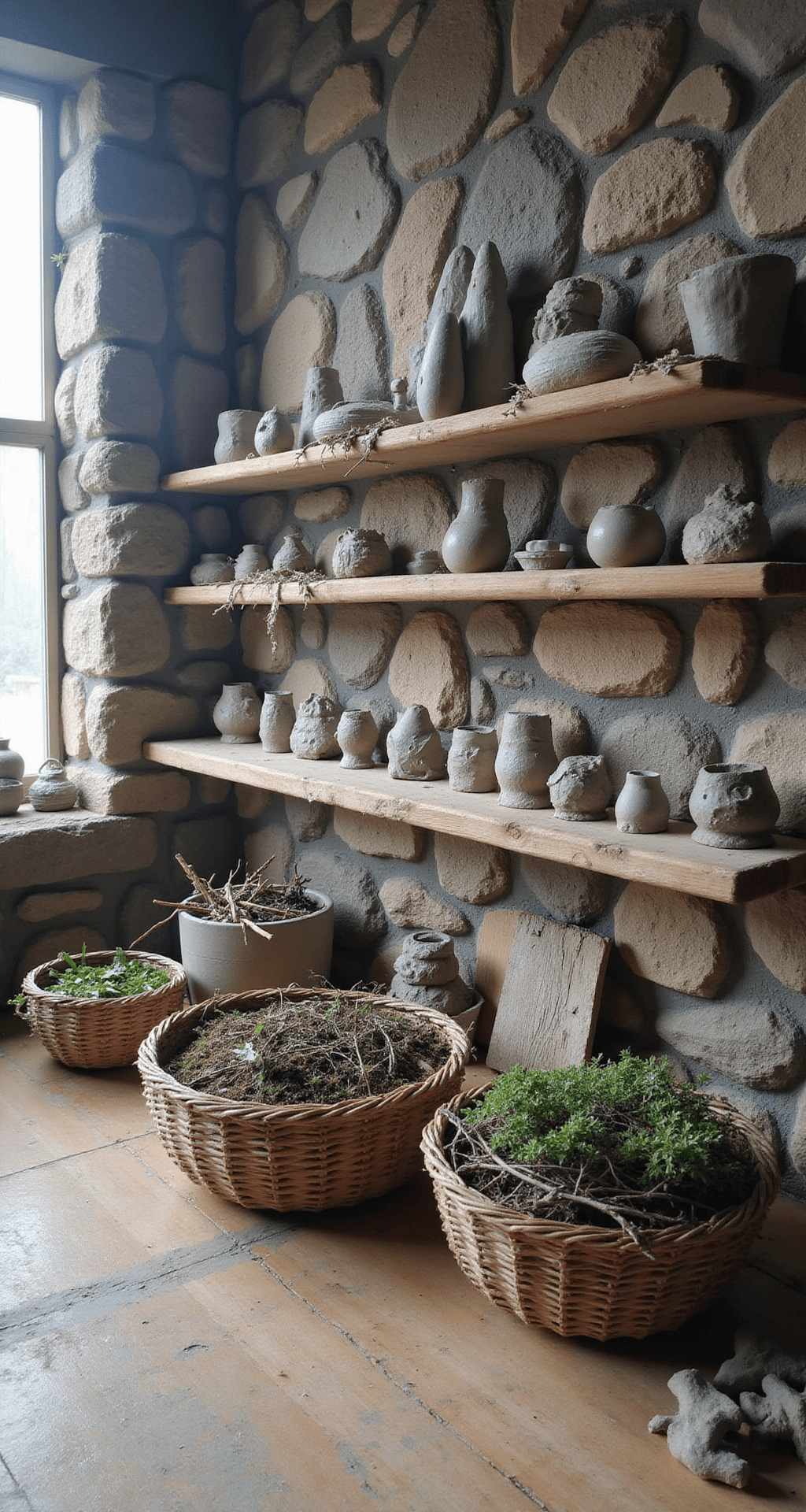
★ Steal This Look
- Paint Color: Not applicable – outdoor mud kitchen is a play structure, not a painted room
- Furniture: Wooden work surface (untreated or natural cedar), open-shelf storage unit, child-height workbench frame, weathered wood shelving
- Lighting: Not applicable – outdoor structure uses natural daylight; optional solar stake lights for evening visibility
- Materials: Untreated wood, galvanized metal buckets, natural stone or gravel base, rust-resistant hardware, food-grade containers
A mud kitchen is about function and natural play—the beauty comes from honest materials and weathered patina that show the joy of outdoor discovery.
Maintenance and Cleanup
Quick Clean Strategy:
- Rinse tools after play
- Store under cover
- Air dry accessories
- Check for rust periodically
Cost Breakdown
- DIY Budget Option: $20-$50
- Mid-Range Setup: $75-$200
- Premium Installation: $250-$500
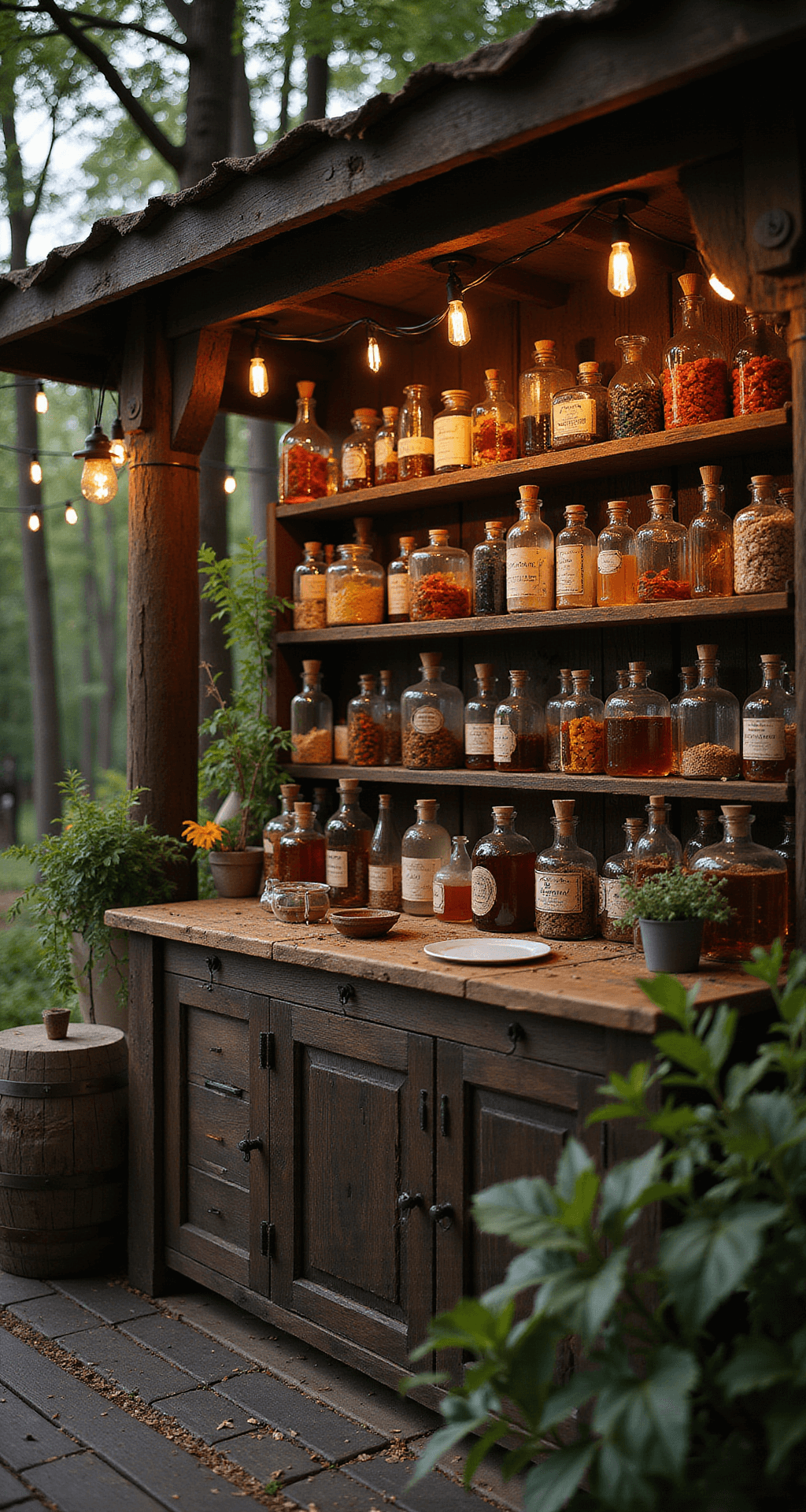
✎ Steal This Look
- Paint Color: Backdrop Sage Green 442 – ideal for outdoor mud kitchen spaces to complement natural play environments
- Furniture: Wooden work tables, storage shelving units, and child-sized countertops suitable for outdoor mud kitchen setups
- Lighting: Weatherproof string lights or solar pathway lights for outdoor mud kitchen visibility
- Materials: Treated wood, stainless steel fixtures, gravel base, and weather-resistant sealants
Building a mud kitchen is one of the most rewarding outdoor projects because it grows with your children’s imagination and requires surprisingly minimal investment. Smart sourcing at thrift stores and salvage yards transforms budget builds into beautiful, functional play spaces.
A mud kitchen isn’t just a play area. It’s a magical space where imagination runs wild, learning happens naturally, and childhood memories are created.
Remember: Perfect isn’t the goal. Fun is.
Go get messy! 🌿🥄🍃
Outdoor mud kitchen ideas work when the kitchen is durable and safe. Use weather-resistant materials, a play sink, and storage. The mud kitchen should be fun and long-lasting.
Keep this one for later
We'll email you the link so you can come back to it.


[…] not convinced? Here are some wild ideas to get your creative juices […]