This post may contain affiliate links. Please see my disclosure policy for details.
Creating Magic: Kids’ Garden Play Areas That Spark Imagination
Transforming your garden into a wonderland for children isn’t just about adding a playground – it’s about crafting an immersive outdoor experience that nurtures creativity, exploration, and a love for nature.
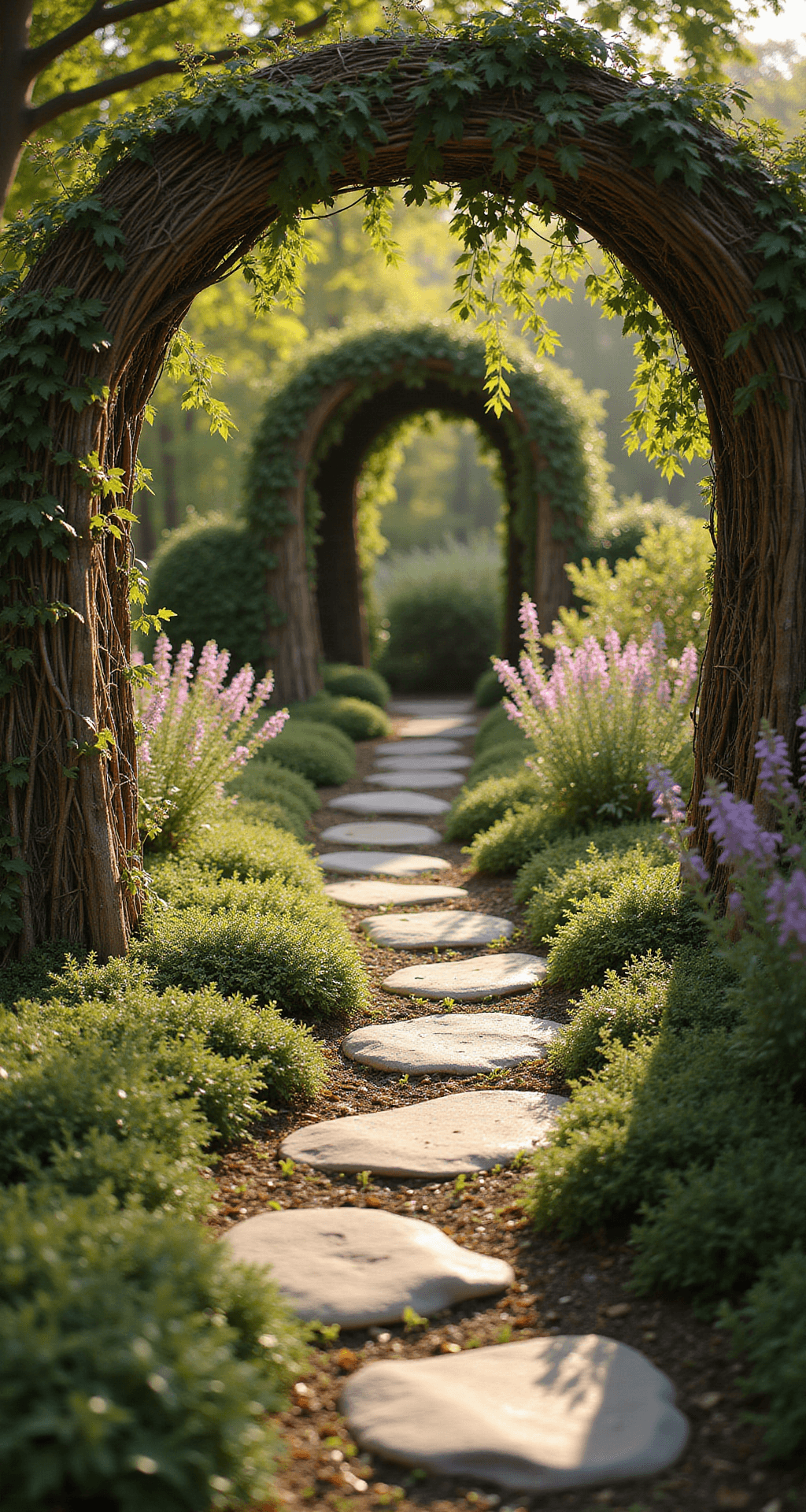
🖼 Steal This Look
- Paint Color: Sherwin-Williams Halcyon Green SW 6213
- Furniture: weathered cedar playhouse with working windows and flower boxes
- Lighting: solar-powered mason jar string lights draped through tree branches
- Materials: natural cedar shavings ground cover, smooth river rock borders, untreated pine climbing structures
This is the garden where you’ll find yourself sitting longer than planned, coffee cooling, watching your children build entire worlds from sticks and leaves—it’s worth designing slowly and intentionally.
Why Garden Play Spaces Matter
Let’s be real. Kids today spend too much time indoors, glued to screens. A thoughtfully designed garden play area can:
- Encourage physical activity
- Stimulate sensory exploration
- Develop problem-solving skills
- Create lasting childhood memories
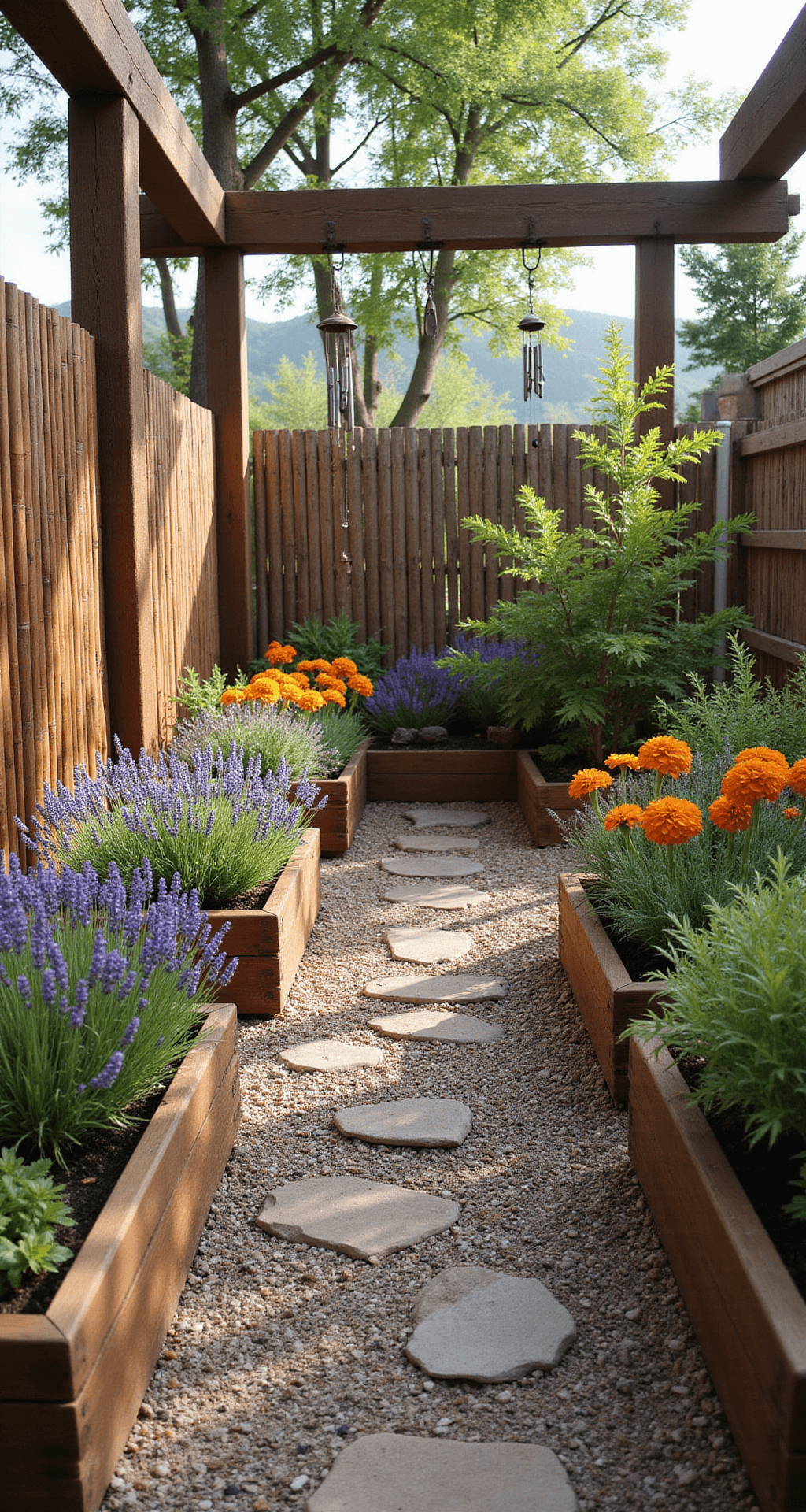
Sensory Gardens: A Feast for Young Explorers
Engage All Five Senses
- Soft lamb’s ear plants for touching
- Fragrant herbs like lavender and mint
- Colorful flowers that attract butterflies
- Wind chimes for auditory delight
- Edible plants kids can taste and pick
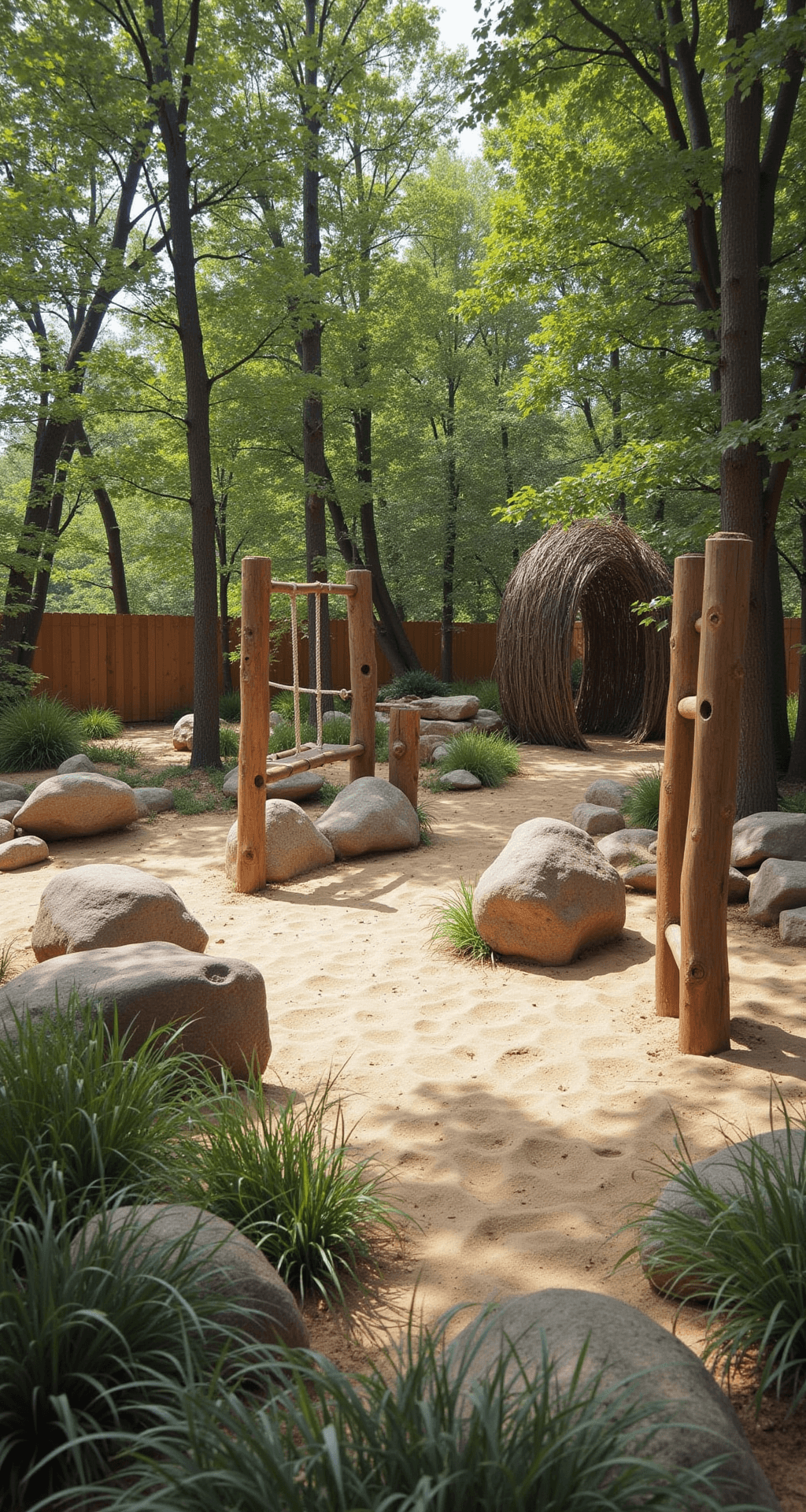
Natural Play Zones: Beyond Traditional Playgrounds
Creativity Unleashed
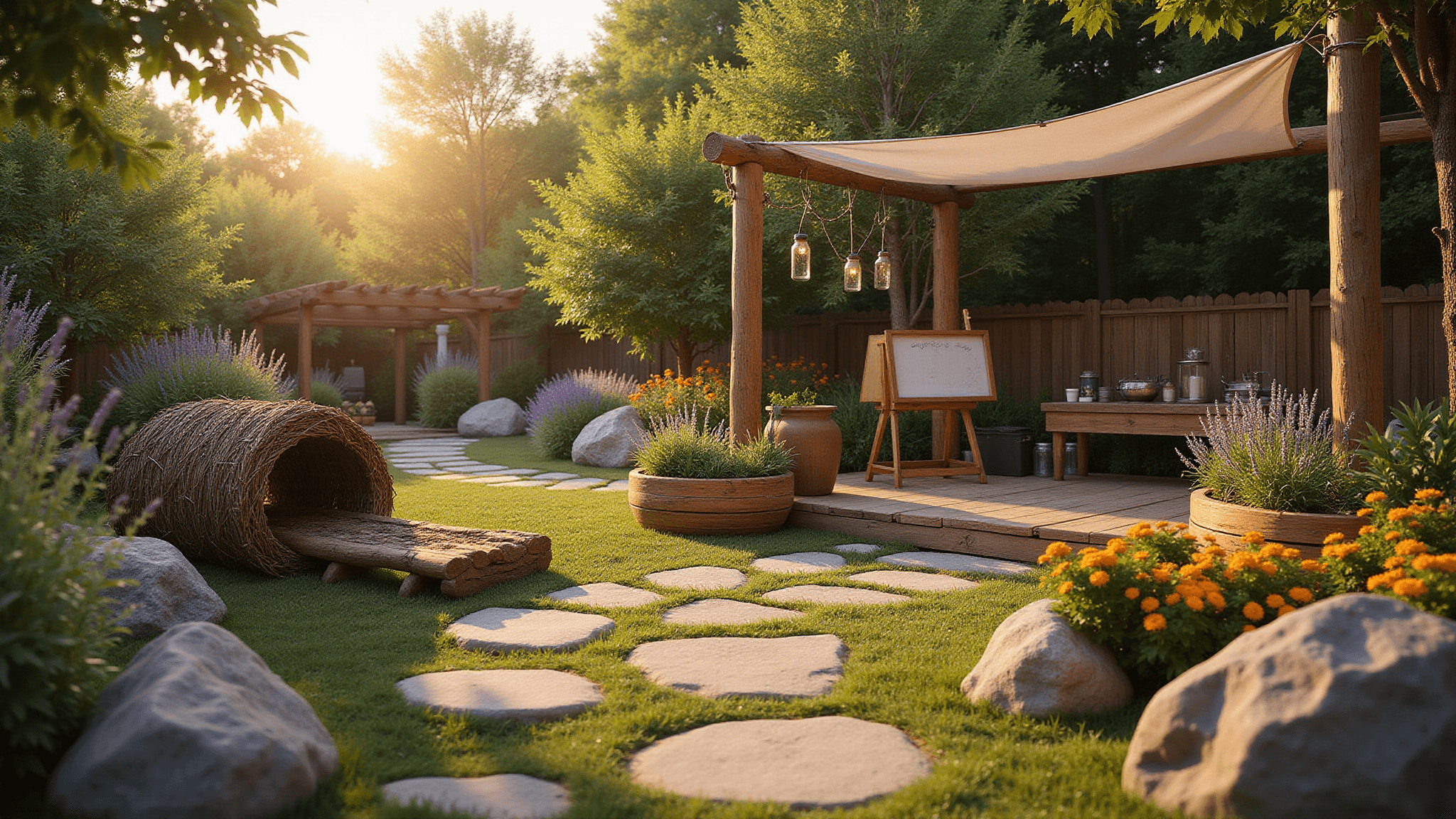
- Log climbing structures
- Boulder obstacle courses
- Willow tunnels for secret adventures
- Mud kitchens beneath fruit trees
- Sandy play areas integrated with garden design
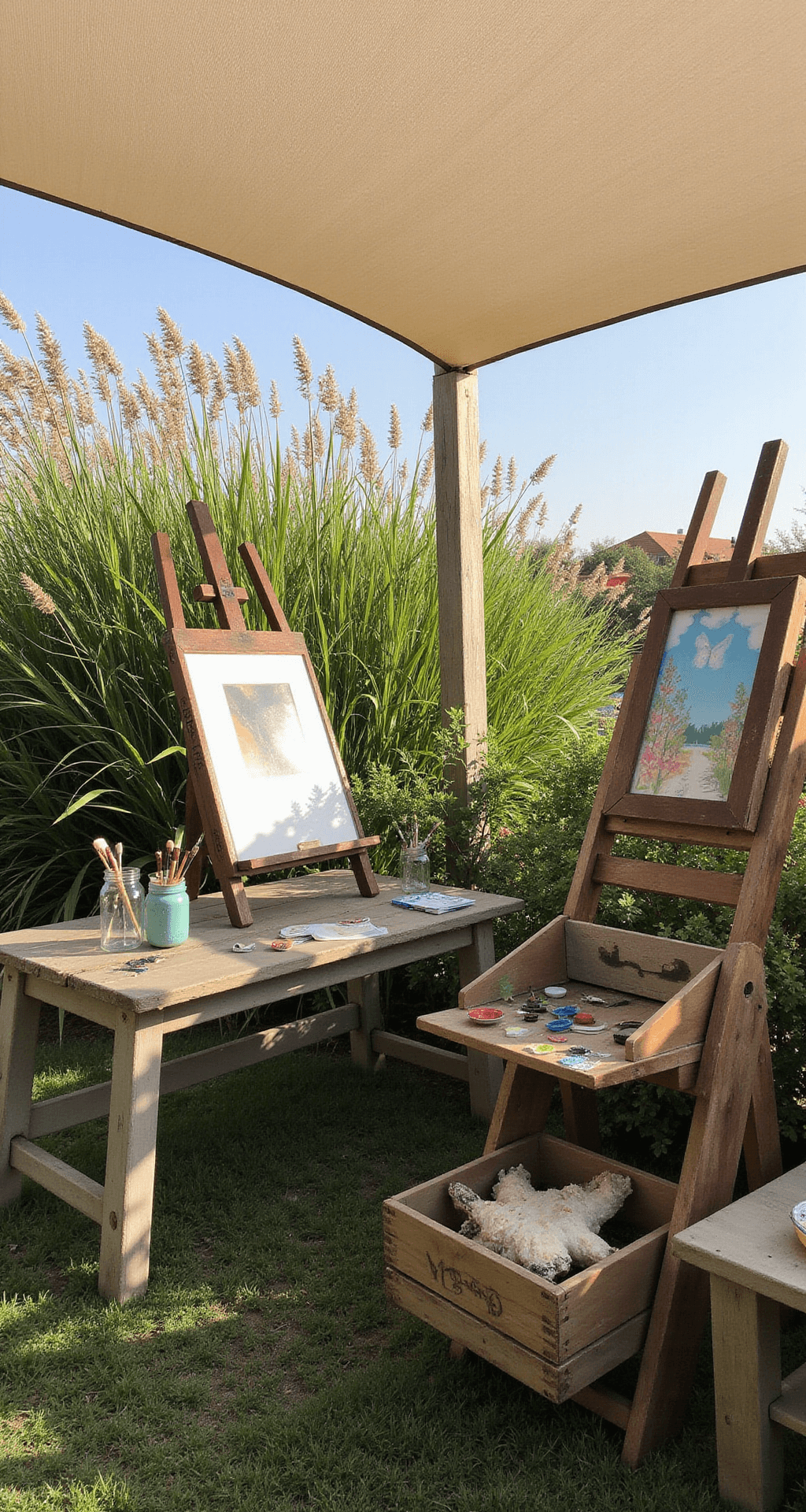
DIY Garden Play Space Essentials
Must-Have Elements
- Stepping stone paths
- Outdoor art stations
- Child-sized garden tools
- Shaded rest areas
- Wildflower meadows for running
Safety and Sustainability Tips
Design Smart
Save this article
Enter your email and we'll send it straight to your inbox.
- Use recycled and natural materials
- Create clear play boundaries
- Ensure adequate sun protection
- Design for year-round enjoyment
- Choose non-toxic, child-friendly plants

Inspiration from Public Gardens
Real-World Magic Spots
- Morton Arboretum’s interactive children’s garden
- Chicago Botanic Garden’s Nature Play Garden
- Maggie Daley Park’s storybook-like play landscape
Pro Design Tips
Make It Magical
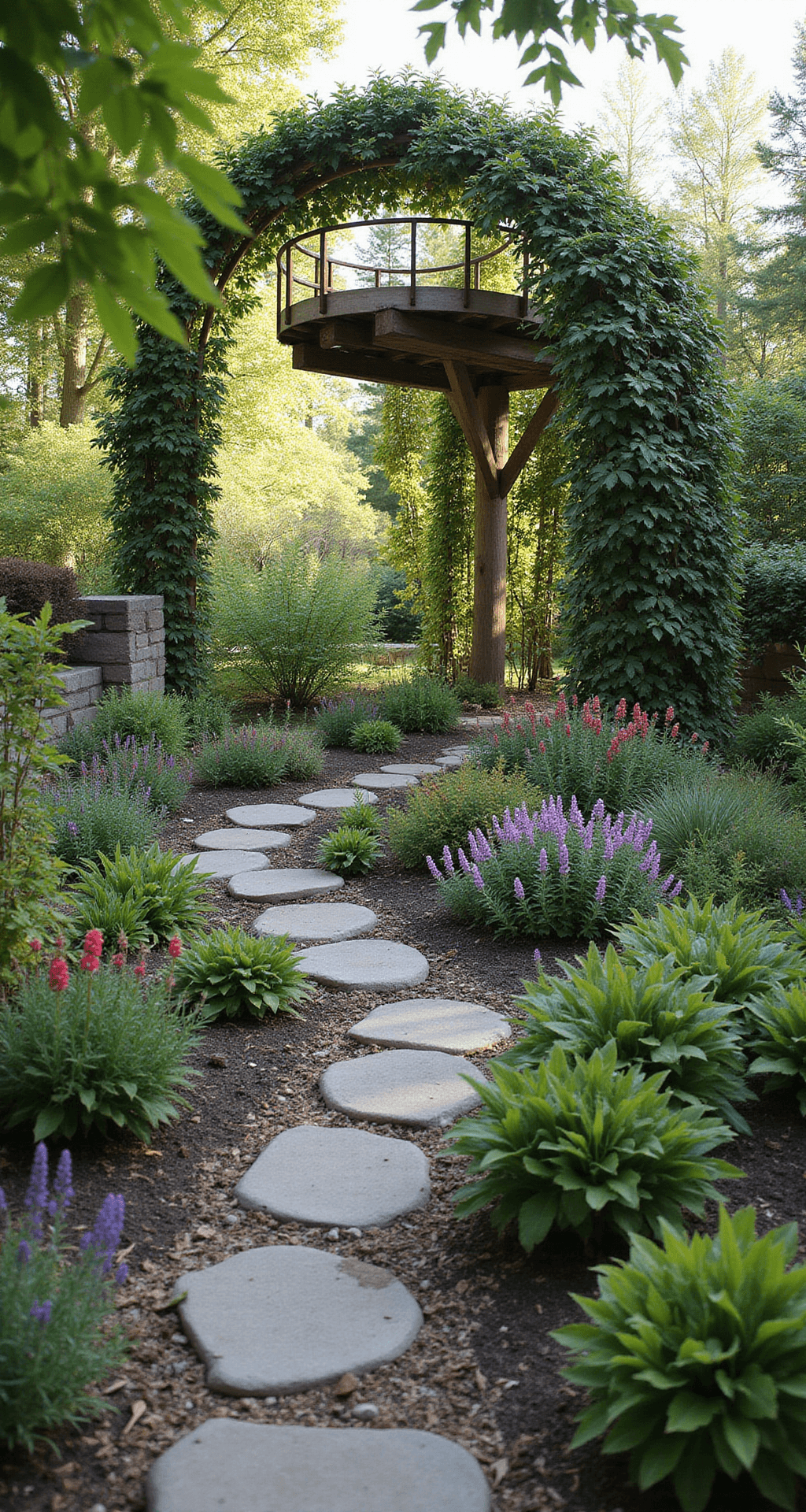
- Create secret paths
- Add whimsical elements
- Use varying landscape heights
- Incorporate musical features
- Design for exploration and discovery
Seasonal Engagement
Keep the Excitement Alive
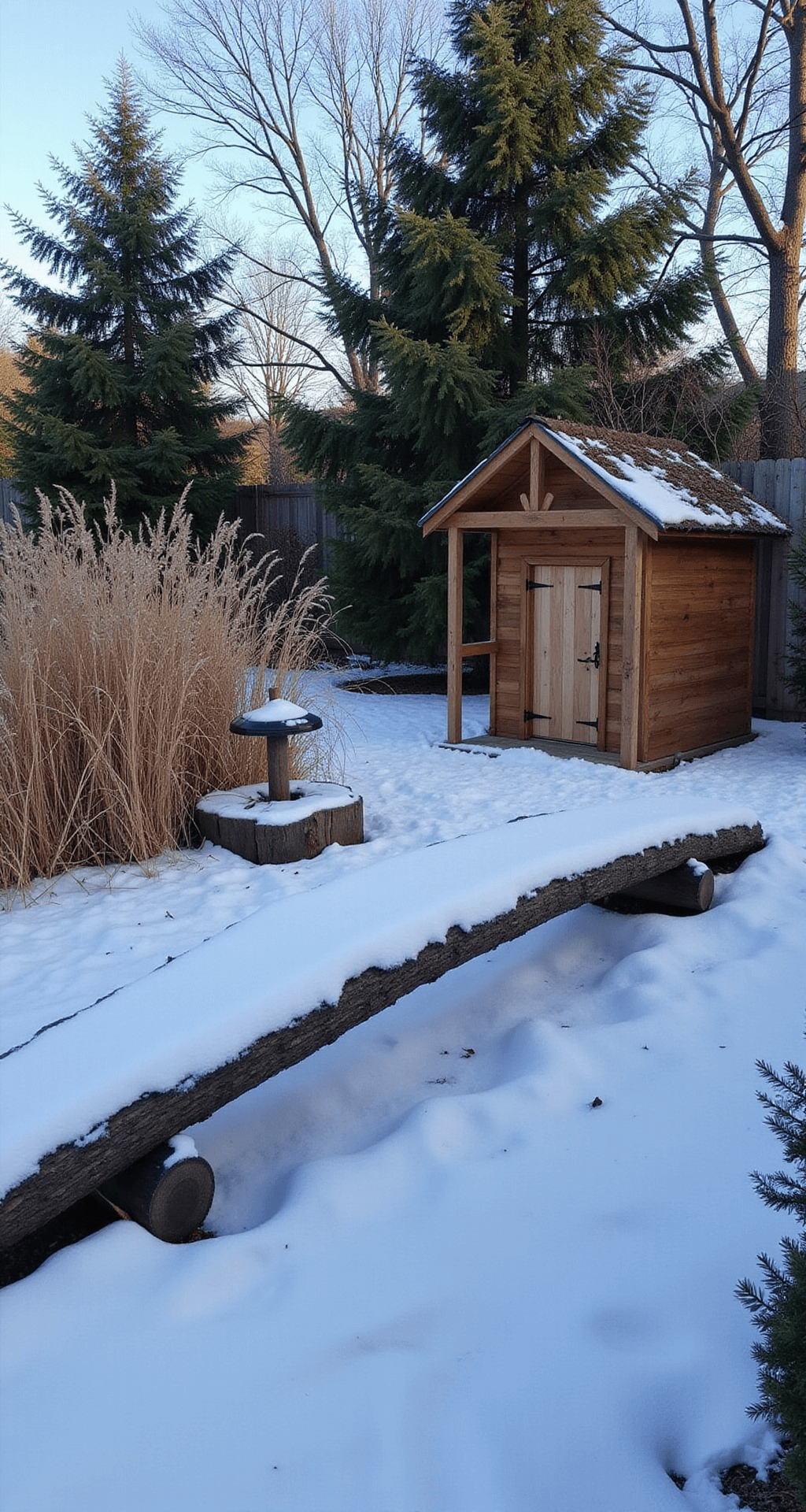
- Plant seasonal flowers
- Create winter play zones
- Add movable play elements
- Rotate garden activities
- Encourage year-round outdoor play
🏠 Steal This Look
- Paint Color: Benjamin Moore Caldwell Green HC-124
- Furniture: weathered cedar potting bench converted to outdoor mud kitchen, child-height log stump seating circle, galvanized steel raised garden beds at 18-inch height
- Lighting: solar-powered mason jar string lights draped through willow tunnel branches
- Materials: unfinished cedar for sensory-friendly texture, river rock for dry creek bed pathways, untreated pine logs for climbing structures, natural burlap for sensory garden borders
There’s something deeply satisfying about watching a child discover that mint actually smells like mint, or that lamb’s ear feels like a pet’s fur—these small sensory moments anchor them to the natural world in ways no app can replicate.
Your Garden, Their Playground
The most important rule? Have fun! Every garden is a blank canvas waiting for children’s imagination to transform it into something extraordinary.
A well-designed kids’ garden play area does more than entertain – it grows curious minds, builds confidence, and creates lifelong memories of outdoor adventure.
Pro Tip: Involve your children in the design process. Their creativity might surprise you!
Keep this one for later
We'll email you the link so you can come back to it.