This post may contain affiliate links. Please see my disclosure policy for details.
What Exactly Are Plumeria Flowers?
Let’s start with the basics because I had no clue what I was looking at when I first fell for these beauties.
Plumeria (also called frangipani, which sounds impossibly romantic) are the blooms from small trees or deciduous shrubs in the Apocynaceae family—the same family as oleander and periwinkle.
They’re native to tropical America, stretching from Mexico and the Caribbean all the way down to Brazil.
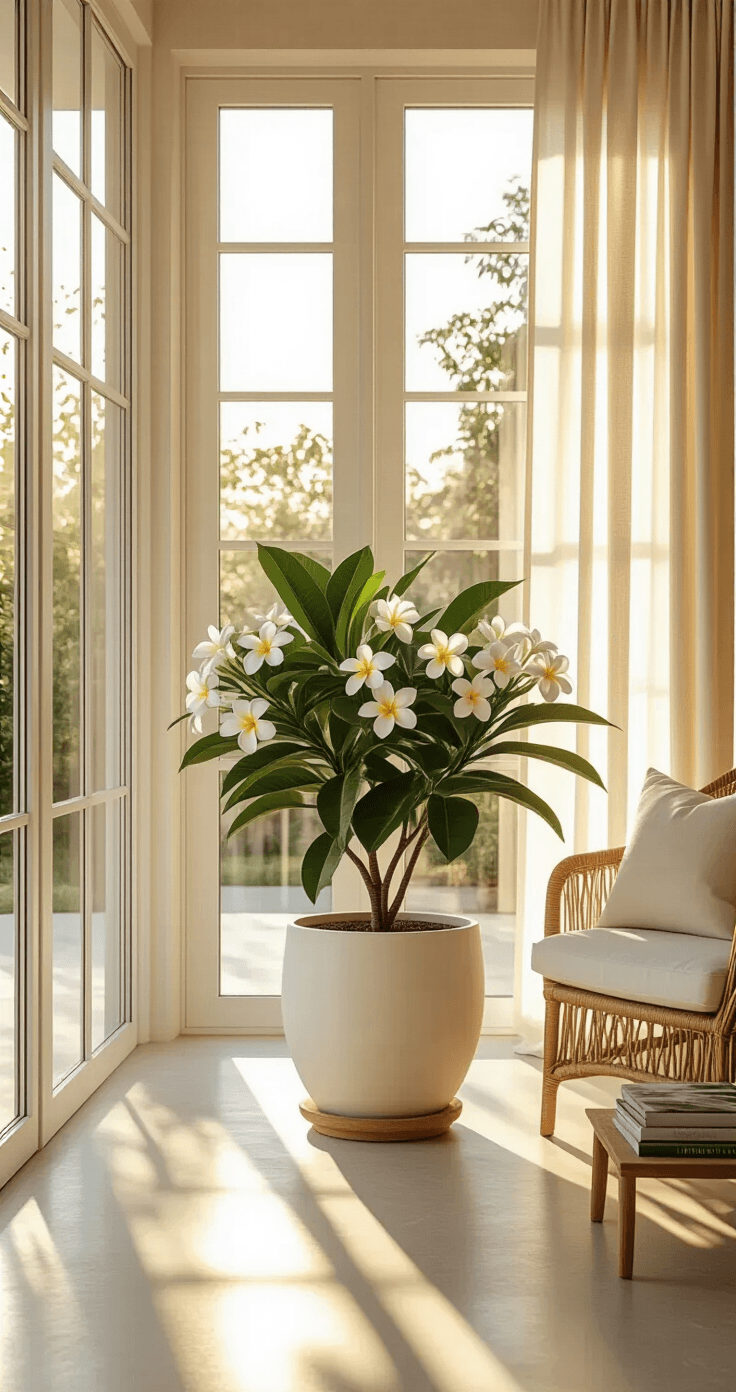
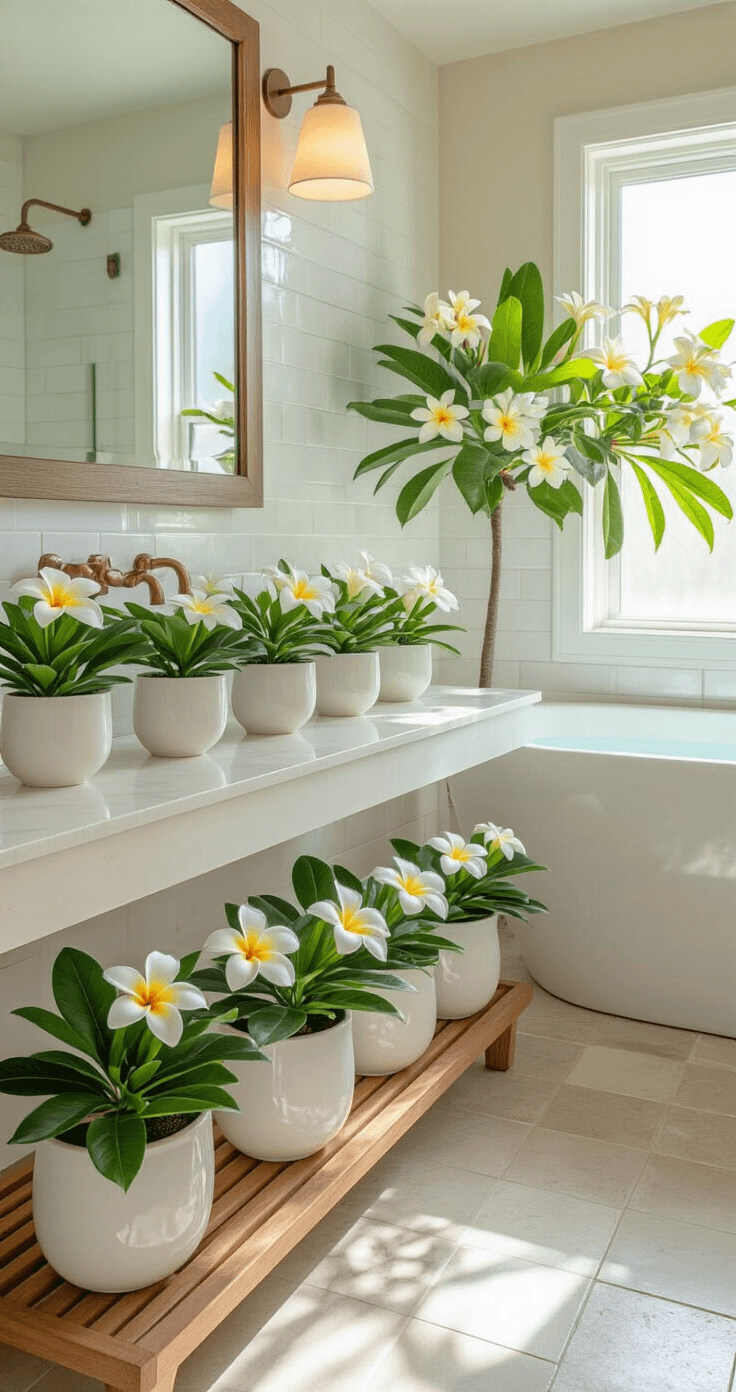
The flowers themselves grow in clusters at the branch tips, each bloom featuring a tubular base that flares into five rounded, overlapping petals.
Think of them as nature’s pinwheels.
Most flowers measure about 2–4 inches across, though I’ve seen some monster blooms that pushed closer to 5 inches.
The petals have this slightly waxy, almost plastic-looking texture that makes them incredibly durable—perfect for those traditional Hawaiian leis that can survive a full day of wear without wilting into sad mush.
The Colors Will Make Your Head Spin
This is where plumeria really shows off.
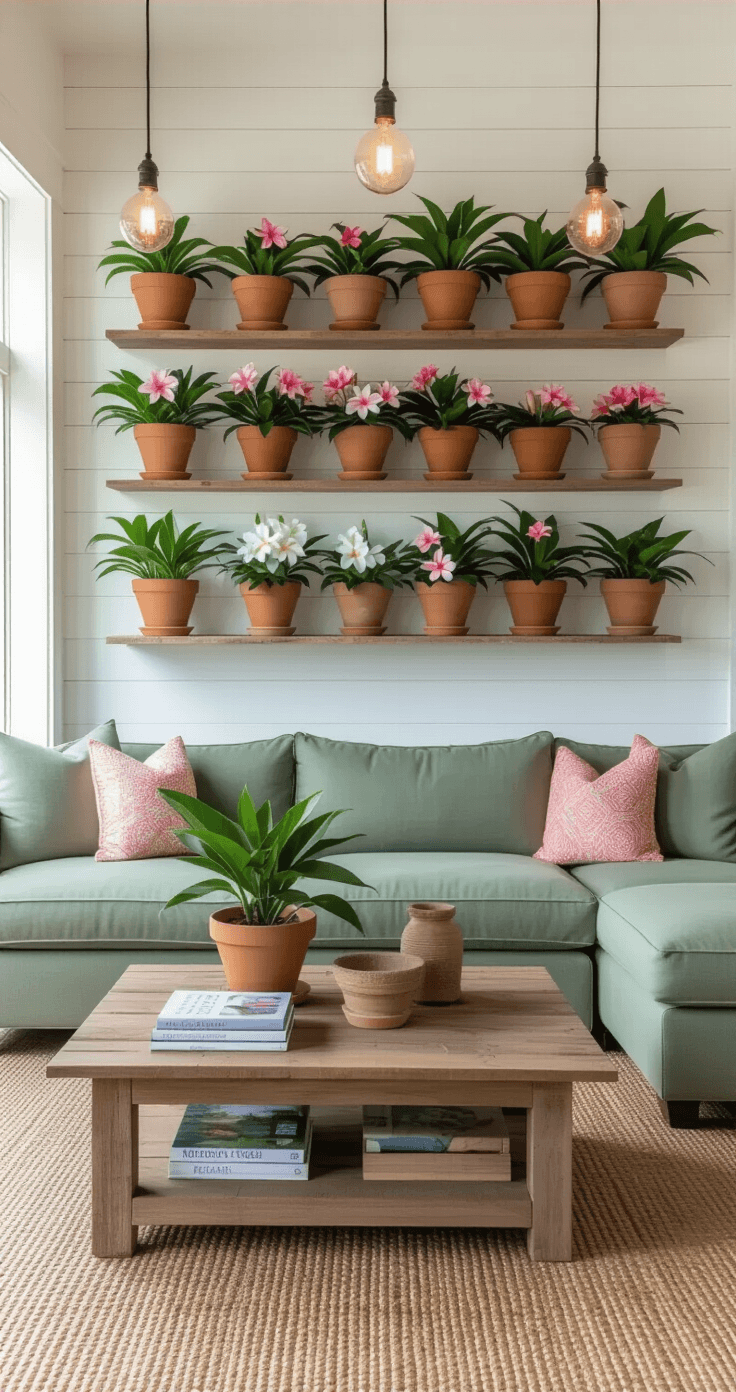
White, yellow, pink, red, orange, and every pastel or bicolor combination you can imagine.
I’ve seen pure white blooms with sunshine-yellow centers.
Deep coral-pink flowers that fade to cream at the edges.
Sunset-orange petals tipped with the palest blush.
My personal favorite is a variety with creamy petals and a deep golden throat—it looks like someone dipped the center in liquid gold.
The color range depends on the species and cultivar you choose, and trust me, choosing is the hardest part because you’ll want them all.
That Fragrance Though
Here’s what nobody prepared me for: the scent.
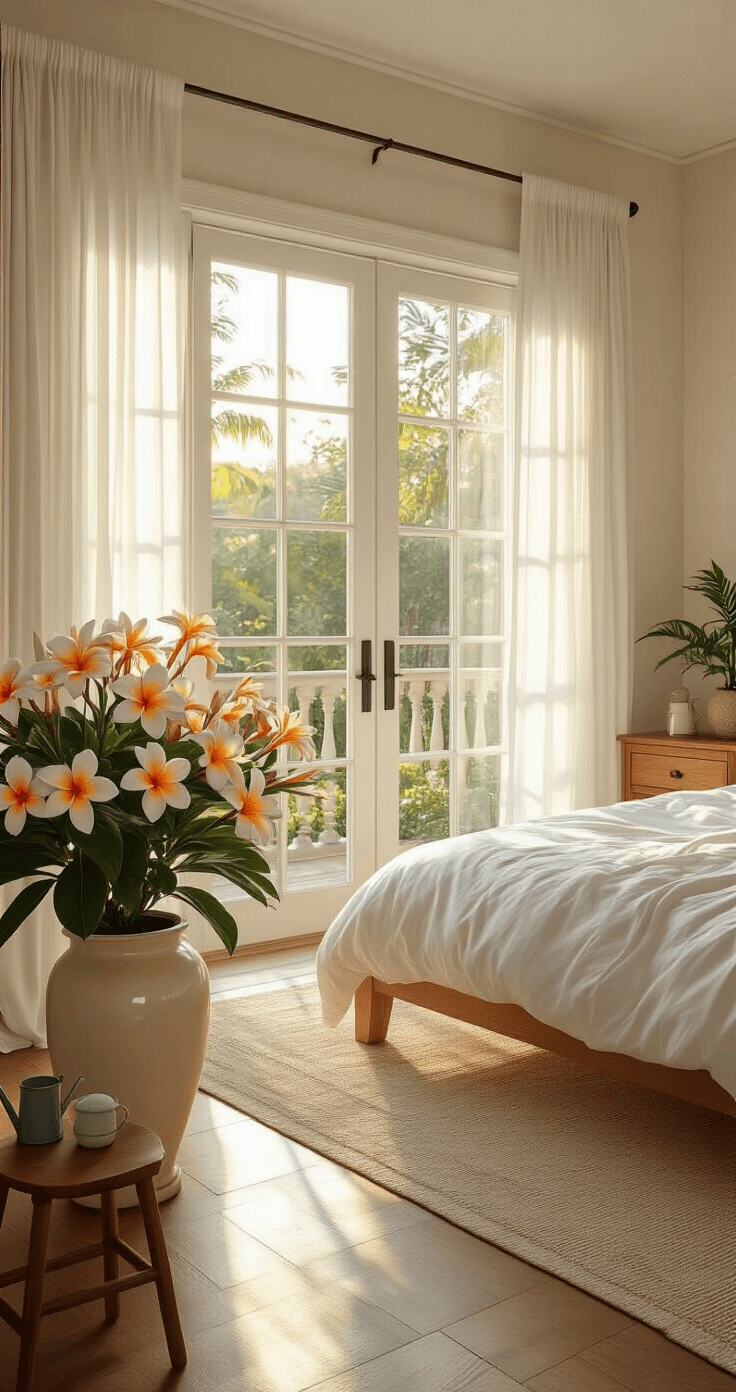
Plumeria flowers are powerfully fragrant, especially as evening approaches.
People describe the perfume as notes of jasmine, citrus, gardenia, coconut, peach, and vanilla all tangled together.
I’d add that there’s something almost creamy about it, something that makes you want to breathe deeper.
The scent isn’t just lovely—it’s strategic.
Plumeria flowers attract night-flying sphinx moths with that evening perfume blast, even though the flowers are basically stingy jerks that produce little to no nectar.
It’s all show, all seduction, no payoff.
The moths don’t seem to mind.
If you want to capture that scent year-round, consider picking up plumeria scented candles for your home—though fair warning, nothing quite matches the real thing.
When Do These Beauties Actually Bloom?
On mature plants, you’re looking at flowers from early summer through fall.
In warm climates, that typically means May through November, give or take.
Young plants are maddeningly slow to bloom—I waited three years for my first flowering.
But once they start, they’re generous.
A healthy, happy plumeria in full bloom is absolutely loaded with flower clusters.
The show runs for months, not weeks.
Save this article
Enter your email and we'll send it straight to your inbox.
Why Plumeria Flowers Matter Culturally
These aren’t just pretty faces.
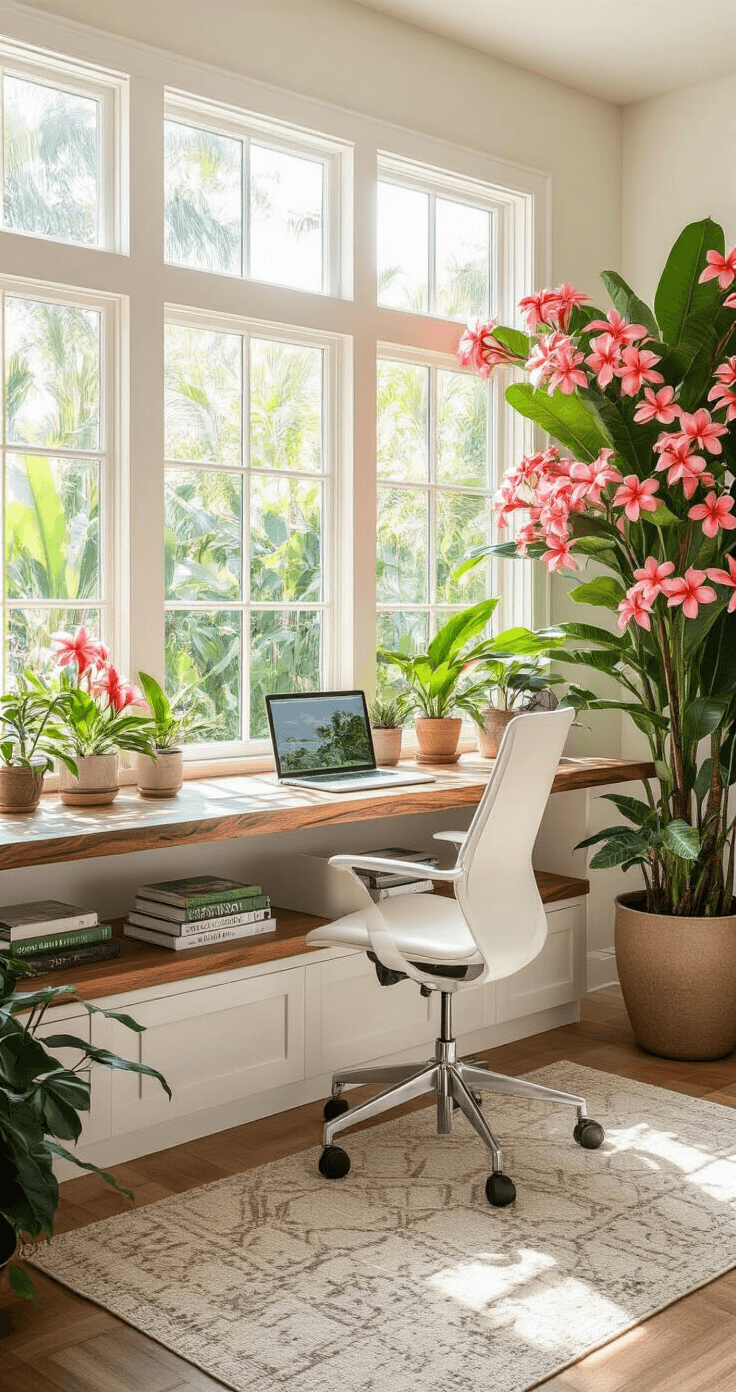
Plumeria flowers are woven into Pacific Island culture, especially in Hawaii where they’re the classic lei flower.
I learned that different colors carry different meanings when worn as leis.
Plumeria rubra is the national flower of Nicaragua.
Plumeria alba holds that honor in Laos.
In some Southeast Asian cultures, the trees are planted near temples and the flowers used in religious ceremonies.
There’s something almost sacred about them, beyond their obvious beauty.
Growing Plumeria: What They Actually Need
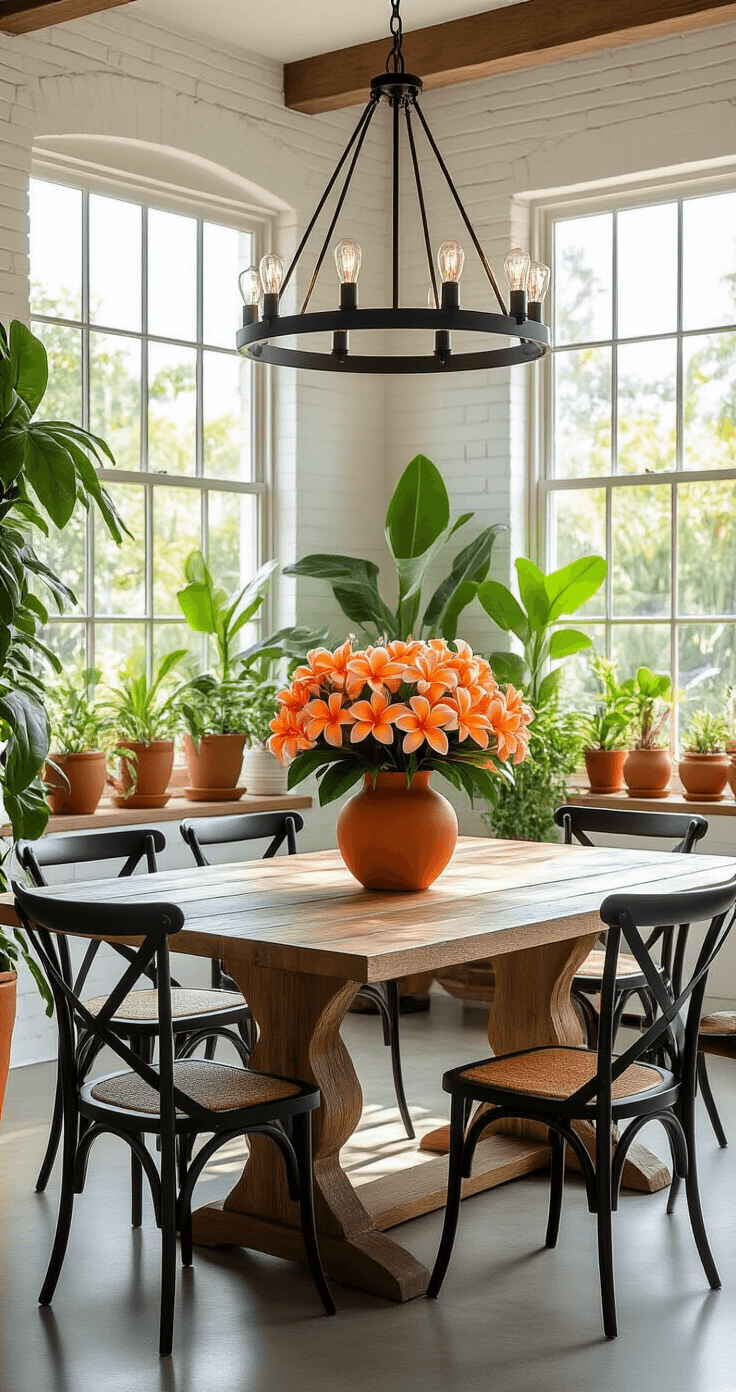
Right, let’s talk about keeping these divas happy.
I’ll be honest—they have opinions about their care.
But they’re not nearly as fussy as you might think for such exotic-looking blooms.
Sun and Soil Requirements
Full sun is non-negotiable.
I tried growing one in partial shade and it basically sulked for two years, producing maybe four sad flowers total.
Moved it to a spot that gets six-plus hours of direct sun and suddenly it’s thriving.
Plumeria want well-drained soil more than they want anything else.
These plants absolutely despise wet feet.
I use a cactus and succulent mix for my container plants, which might sound extreme but works brilliantly.
If you’re planting in the ground, amend heavy clay soil with plenty of sand and organic matter.
A good cactus and succulent potting mix is worth its weight in gold for container plumerias.
Water Needs (They’re Surprisingly Tough)
Once established, plumeria are fairly drought-tolerant.
During active growth and blooming season, I water mine thoroughly when the top couple inches of soil feel dry.
In my climate, that works out to about once a week, sometimes twice in brutal heat.
But here’s the crucial bit: let them dry out between waterings.
Overwatering is the fastest way to kill a plumeria.
I learned this the hard way with my first plant.
Root rot moves fast and shows no mercy.
Salt Tolerance
If you’re coastal, you’re in luck.
Plumeria handle salt spray reasonably well, making them good candidates for seaside gardens in warm climates.
I’m inland so I can’t speak from personal experience, but I’ve seen gorgeous specimens thriving in Florida beachfront properties.
Container Growing (For Those of Us With Actual Winters)
I grow mine in large containers because I’m nowhere
Keep this one for later
We'll email you the link so you can come back to it.