This post may contain affiliate links. Please see my disclosure policy for details.
Shed House Living: How I Discovered the Most Affordable Path to Homeownership
Contents
- Shed House Living: How I Discovered the Most Affordable Path to Homeownership
- What Exactly Is a Shed House?
- Why I’m Obsessed with Shed Houses (And You Might Be Too)
- The Shouse: When You Need Space for Life AND Work
- Shed Styles That Actually Work for Living
- Building Your Shed House: The Real Process Nobody Talks About
Shed house construction changed everything I thought I knew about buying a home.
Two years ago, I was drowning in rental payments and watching traditional home prices climb further out of reach each month. Then my contractor friend mentioned something that sounded completely mad: people were converting storage sheds into actual houses.
Not garden tool storage. Not lawn mower garages. Actual living spaces with kitchens, bathrooms, and everything you’d expect in a regular home.
I thought he’d lost his mind until he showed me what’s possible.
What Exactly Is a Shed House?
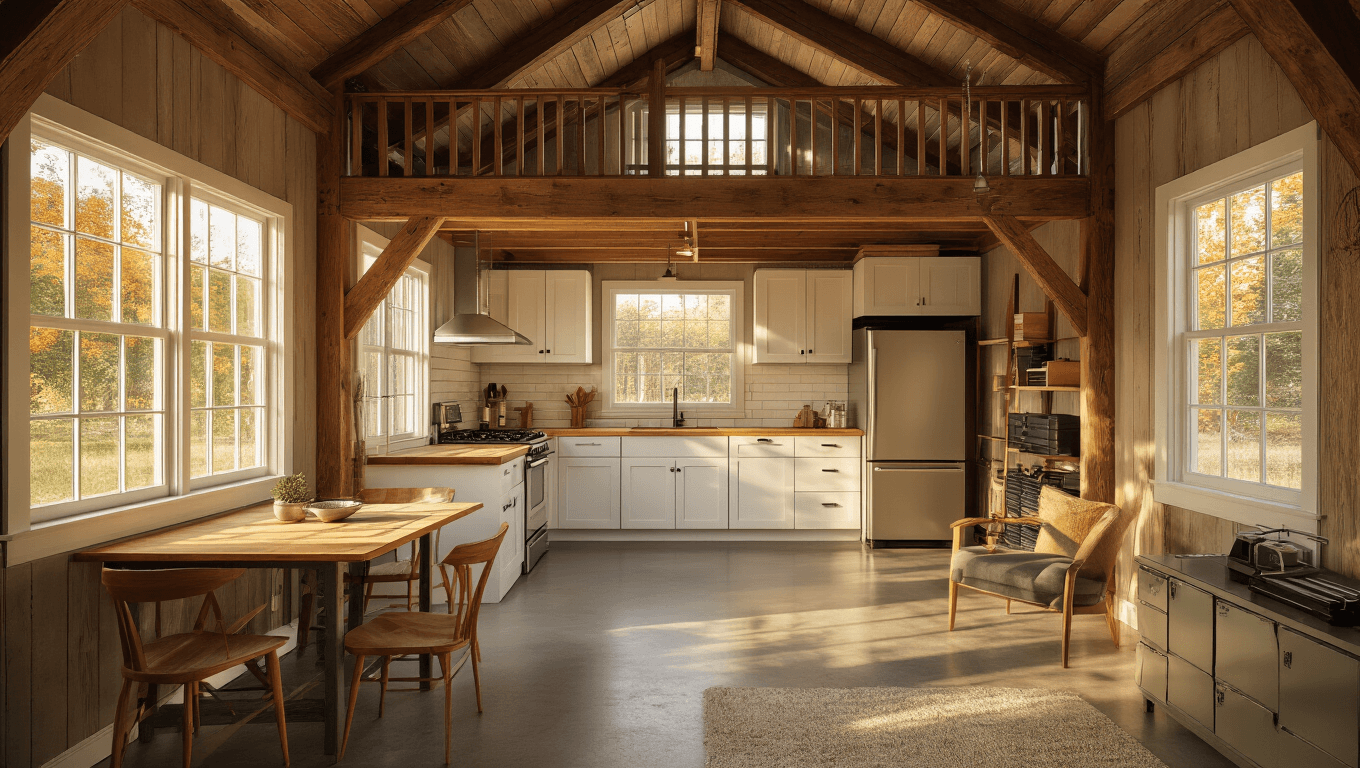
A shed house starts as a basic storage shed structure that gets transformed into a fully functional living space.
Think of it as taking a blank canvas and turning it into a masterpiece, except your canvas costs a fraction of what traditional homes demand.
You’re not just slapping a mattress in a garden shed and calling it home. These are legitimate residential spaces with proper plumbing, electrical systems, insulation, and all the creature comforts you need.
The difference is you’re starting with a simpler structure that doesn’t require a mortgage the size of a small country’s GDP.
Why I’m Obsessed with Shed Houses (And You Might Be Too)
Building One Won’t Require a Construction Engineering Degree
I can barely hang a picture frame straight, so traditional homebuilding terrified me.
But shed house construction uses straightforward DIY skills:
- Basic electrical work (think installing outlets, not rewiring a power grid)
- Simple plumbing connections (connecting pipes, not engineering city water systems)
- Drywall installation (messy but manageable)
- Painting and finishing work (if you can paint a bedroom, you can handle this)
Last summer, I watched my neighbor Lisa finish her shed house interior in three months. She’d never picked up a power drill before starting this project.
The Permit Nightmare Is Actually… Not a Nightmare
Traditional home construction means drowning in paperwork and approval processes that take months.
Shed houses sidestep much of this headache because they often fall under different zoning classifications.
Important reality check: Permit requirements vary drastically by location. What works in rural Tennessee might be completely illegal in suburban California.
I spent exactly two weeks getting my permits approved. My cousin building a traditional home in the same county waited eight months.
Your Carbon Footprint Shrinks Dramatically
I never considered myself an environmental warrior, but the numbers shocked me.
Shed houses use:
- Significantly less lumber and building materials
- Minimal energy for heating (my electric bill dropped 60%)
- Less cooling in summer months
- Fewer resources during construction
My 400-square-foot shed house uses less electricity in a month than my previous two-bedroom apartment used in a week.
Customization That Actually Fits Your Budget
With traditional homes, customization means spending thousands extra for basic changes.
Shed houses let you personalize everything without breaking the bank:
- Exterior colors that match your personality (I went with deep forest green)
- Roofing materials from basic shingles to metal roofing
- Window placement exactly where you want natural light
- Door styles that fit your aesthetic
- Interior layouts that make sense for how you actually live
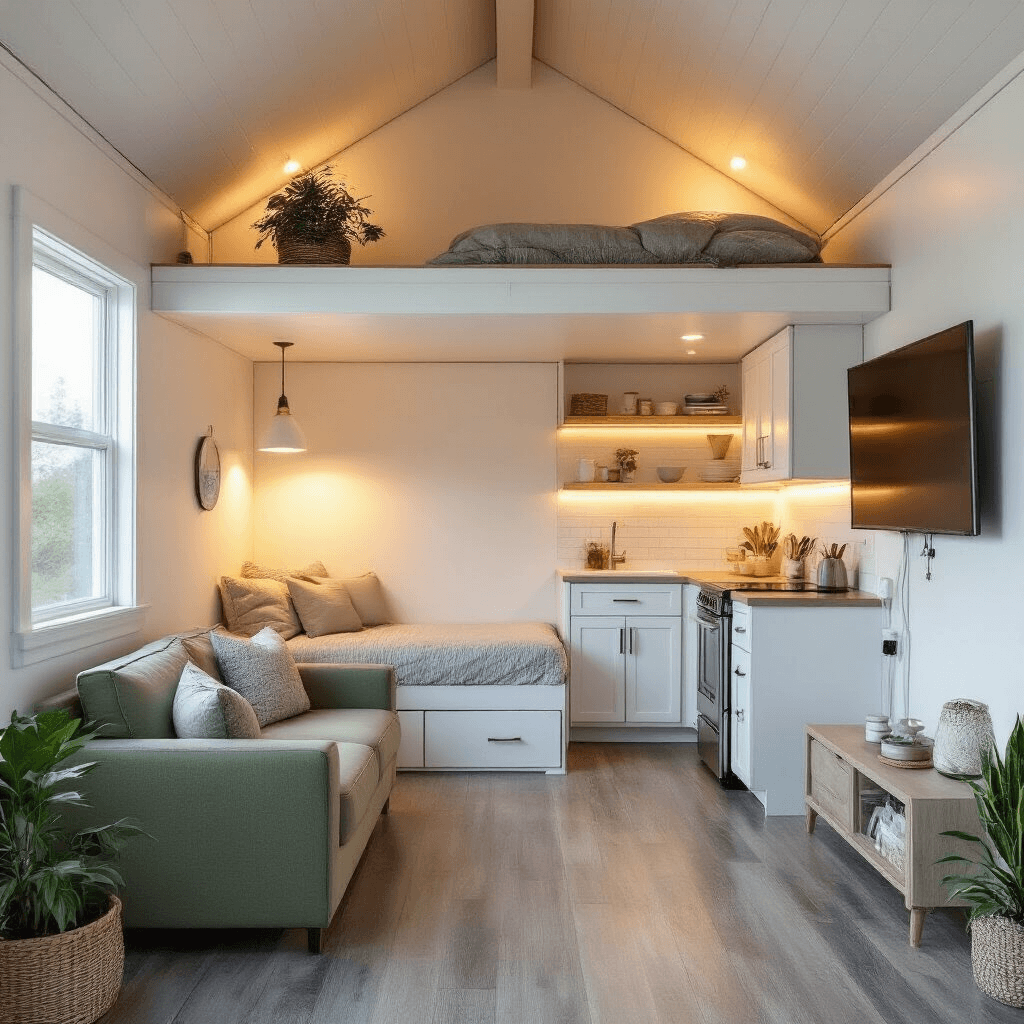
I installed oversized windows on my south-facing wall using energy efficient window treatments to maximize natural light while controlling heat.
You Can Actually Move Your Entire House
This blew my mind when I first learned it.
Most shed houses sit on foundations that allow relocation. Got a new job three states away? Take your house with you. Found better land? Move your entire home there.
My friend Jake relocated his shed house twice in five years, following job opportunities without losing his home investment.
The Shouse: When You Need Space for Life AND Work
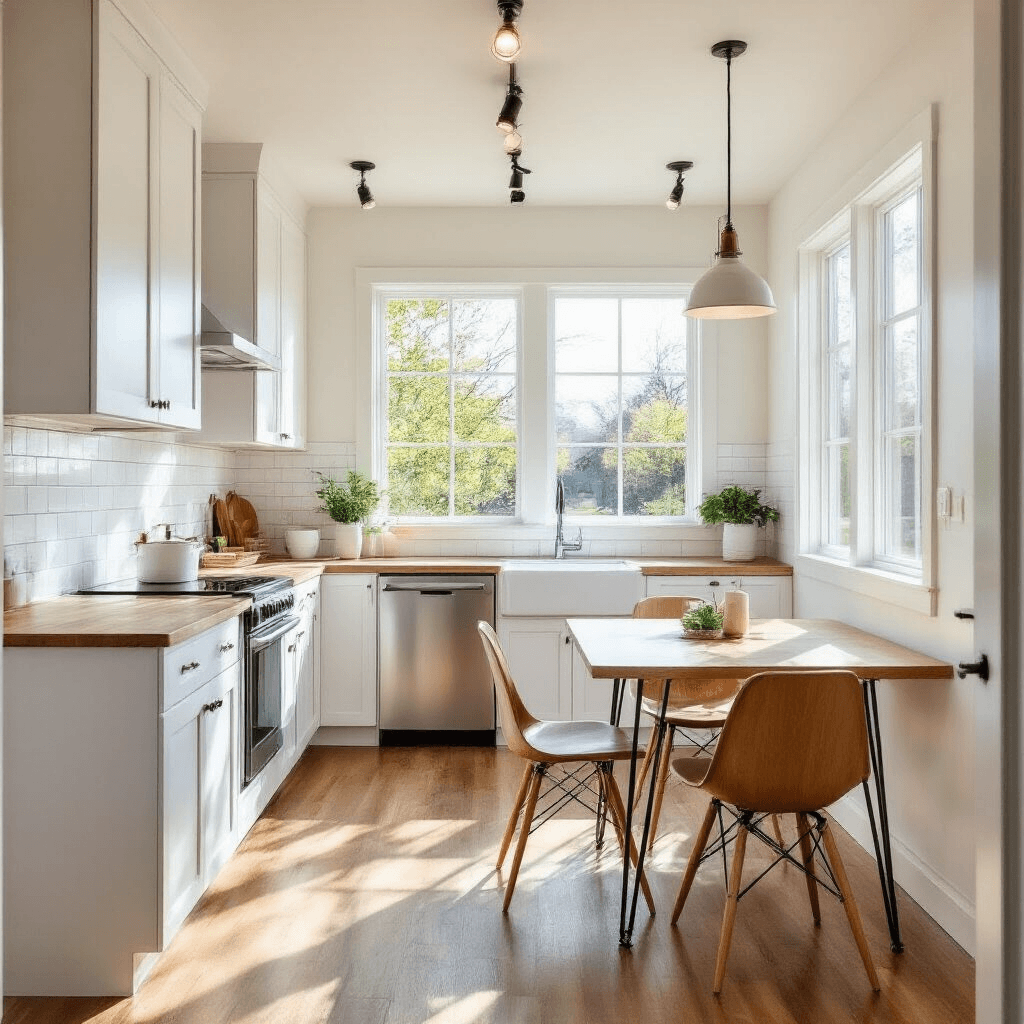
Shouses take the shed house concept and supersize it for people who need both living and working space.
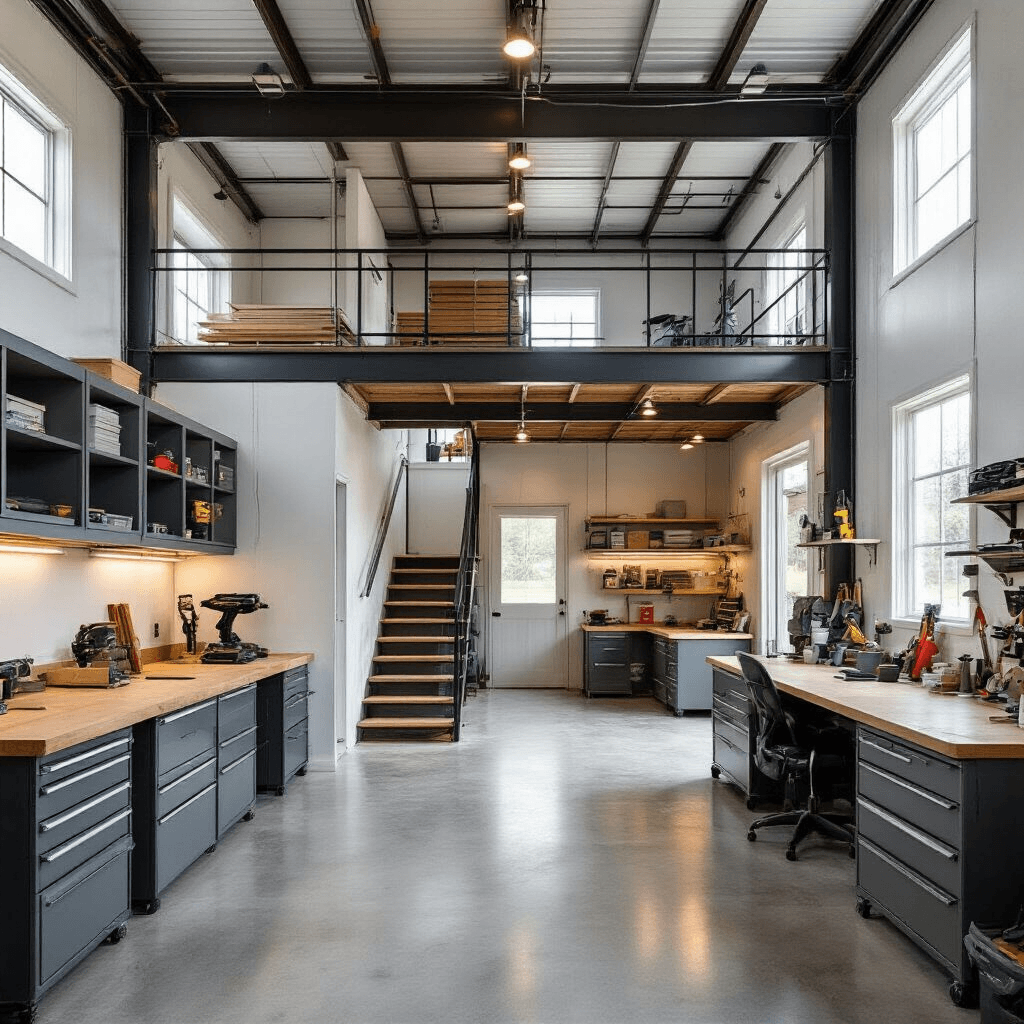
A typical 40×60 shouse gives you 2,400 square feet split between workshop and living areas.
I visited one last month that included:
- A massive workshop with professional tool storage systems
- A two-story apartment section with 4 bedrooms
- Full kitchen and two bathrooms
- Office space overlooking the workshop
The owner runs a custom furniture business from the workshop while his family lives comfortably in the attached apartment.
Everything under one roof. One mortgage payment (well, one building loan payment). No commute between home and work.
Shed Styles That Actually Work for Living
Not all sheds convert equally into living spaces.
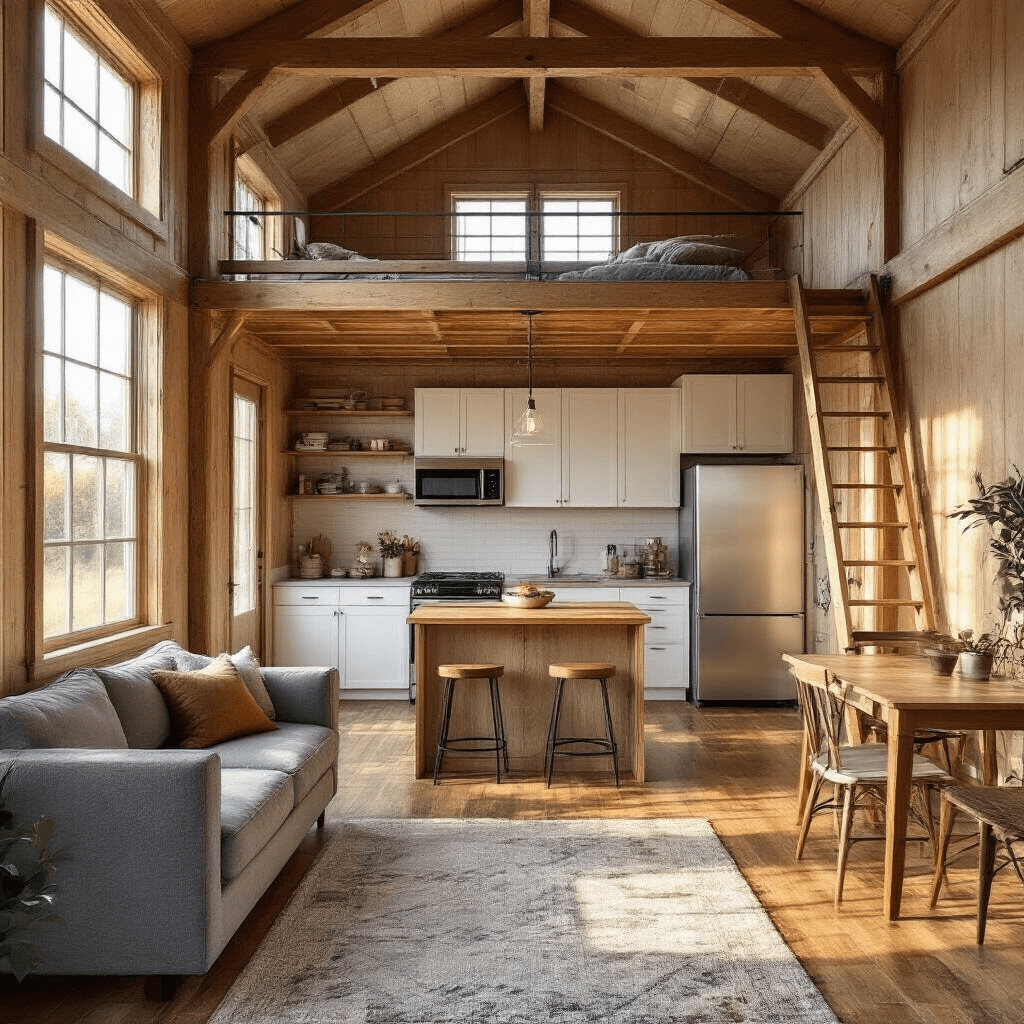
Lofted cabins provide the most residential feel right out of the gate. They come with peaked roofs and often include a sleeping loft that maximizes vertical space without expanding your footprint.
Lofted barns offer more rustic charm with gambrel roofs that create tons of overhead storage or additional sleeping areas. I love these for their character and the extra headroom in the loft spaces.
Lofted garden sheds work perfectly for singles or couples who want something cozy and affordable. These typically start smaller but the loft addition prevents them from feeling cramped.
My shed house uses a lofted barn design, giving me a main floor living area and a loft bedroom that feels like a treehouse.
Building Your Shed House: The Real Process Nobody Talks About
Let me walk you through what actually happens, not the sanitized version.
Getting Your Permits Sorted
Call your local zoning office before you fall in love with any design.
Ask specifically about:
- Minimum square footage requirements
- Foundation requirements
- Utility connection regulations
- Occupancy permits for shed conversions
- Setback requirements from property lines
Some areas welcome shed houses with open arms. Others treat them like you’re proposing a nuclear reactor in a residential neighborhood.