This post may contain affiliate links. Please see my disclosure policy for details.
Blue Flowers: The Complete Guide to Nature’s Most Coveted Garden Treasures
Blue flowers are the unicorns of my garden, and I’m not being dramatic.
Last spring, I spent three weekends hunting down the perfect delphinium for my backyard, and when I finally found it, I nearly hugged the nursery worker. Why? Because genuine blue blooms are ridiculously rare in nature, and when you spot one, it feels like winning the botanical lottery.

★ Steal This Look
- Paint Color: Sherwin-Williams Rain SW 6219
- Furniture: vintage-style wrought iron garden bench with curved arms and a weathered patina finish
- Lighting: solar-powered Edison bulb string lights with black wire, draped between pergola posts
- Materials: aged terracotta pots, reclaimed cedar planter boxes, crushed limestone pathways, and hand-forged copper plant markers
There’s something quietly obsessive about the blue flower hunt that every serious gardener understands—it’s not just about color, it’s about pursuing something nature barely wanted to give us in the first place.
Why Blue Flowers Make Me Lose My Mind (And Why They Should Excite You Too)
Here’s the thing about blue flowers—they’re not just pretty faces. They carry symbolic weight that goes beyond “oh, that’s nice.”
Blue blooms represent:
- Peace and tranquility
- Inspiration and creativity
- Hope and desire
- Spirituality and intelligence
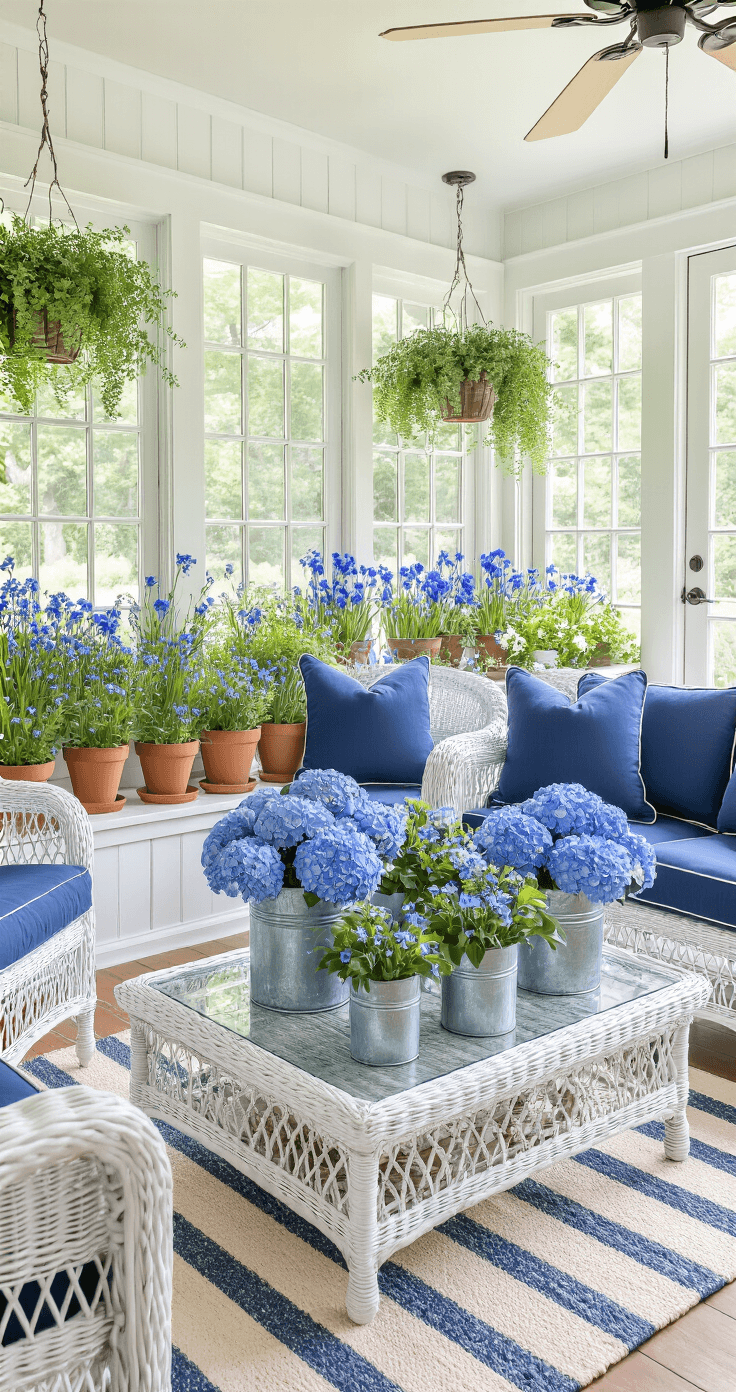
I’ve noticed something magical happens when I place a blue hydrangea arrangement in my living room. The space instantly feels calmer. My shoulders drop. My racing thoughts slow down.
It’s not woo-woo nonsense—it’s science meeting aesthetics. Blue genuinely soothes our overworked brains.
The Blue Flower Starter Pack: What Actually Works
Let me save you from my rookie mistakes.
Spring and Summer Showstoppers
Hydrangeas: The Drama Queens
These shrubs are my ride-or-die plants. Massive flower heads that look like fluffy clouds. The color shifts based on your soil’s pH level, which honestly blew my mind when I first learned it.
Acidic soil = gorgeous blue blooms. Alkaline soil = pink flowers.
I accidentally turned mine pink one year by adding too much lime. Whoops.
Pro tip: Test your soil before planting, or grab a soil pH testing kit and become a proper garden nerd like me.
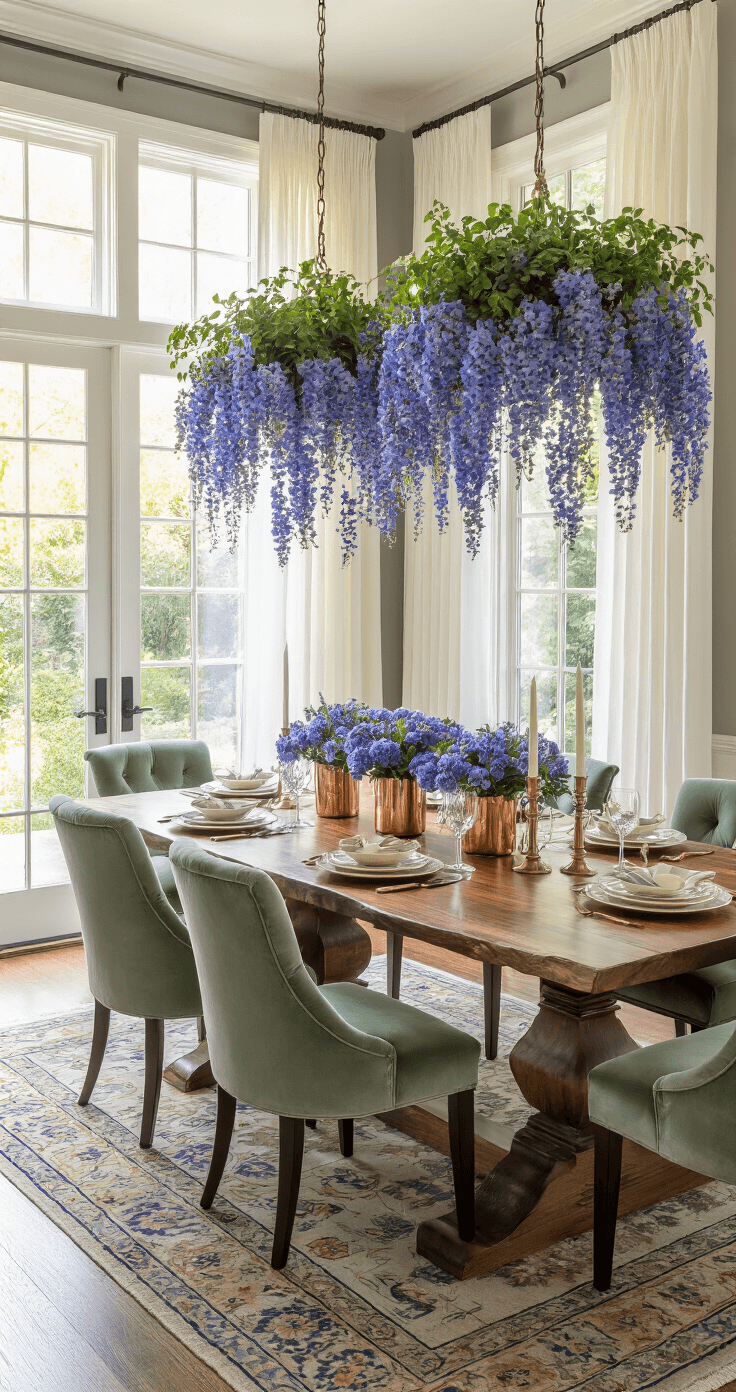
Delphiniums: The Tall Beauties That Make Neighbors Jealous
These plants shoot up like botanical skyscrapers. Long stalks absolutely covered in flowers. They demand full sun to partial shade and won’t shut up about it.
I planted mine too close to a tree once. They looked miserable and spindly. Moved them into proper sunlight, and suddenly they transformed into garden supermodels.
Columbines: The Hummingbird Magnets
Bell-shaped flowers that make me feel like I’m living in a fairytale. These perennials bloom from spring through summer, which is basically an eternity in plant years.
The hummingbirds in my yard treat these like an all-you-can-eat buffet. I’ve watched them hover for minutes, drunk on nectar.
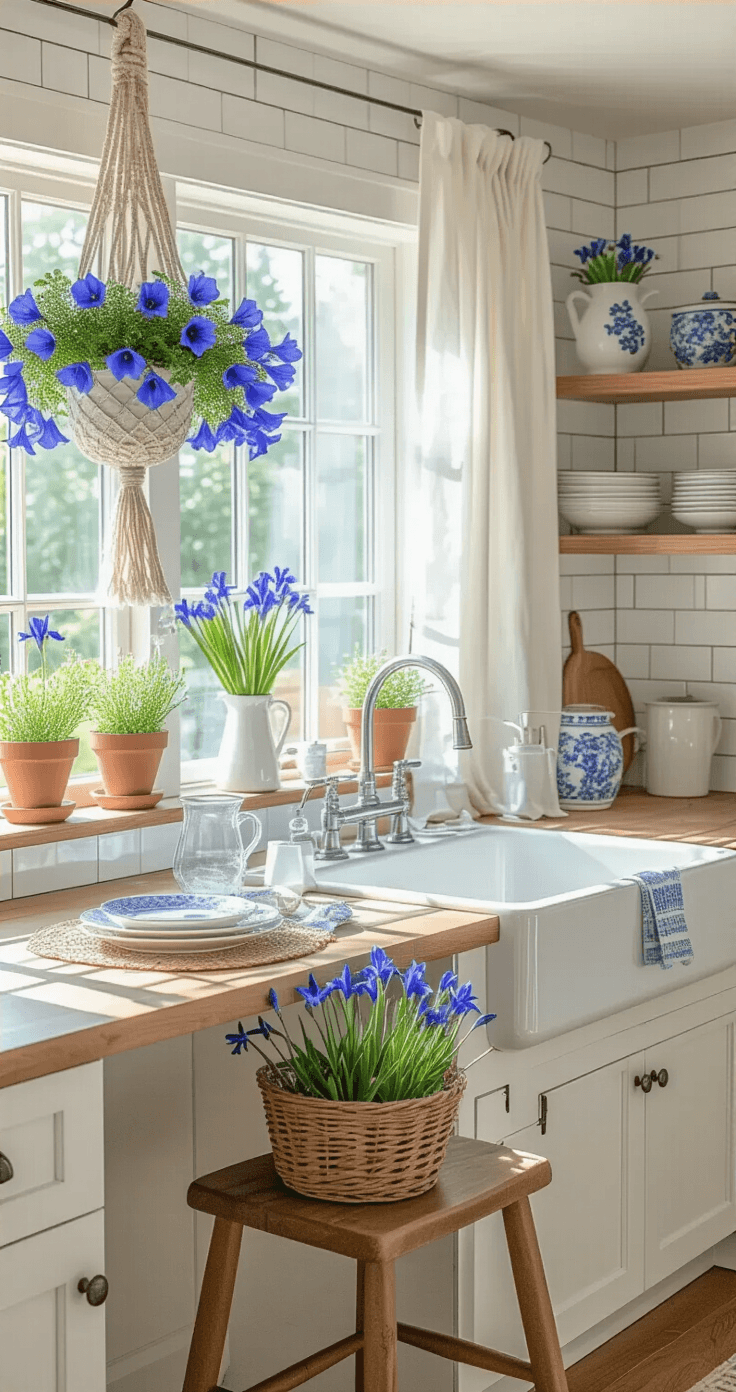
Forget-Me-Nots: Tiny But Mighty
Don’t let the size fool you. These miniature sky-blue flowers with white, pink, or yellow centers pack serious visual punch when planted in clusters.
They self-seed aggressively, which sounds annoying but is actually brilliant. Plant once, enjoy forever. That’s my kind of gardening.
Save this article
Enter your email and we'll send it straight to your inbox.
Cornflowers: The Classic That Never Disappoints
Simple, reliable, beautiful. The plant equivalent of a perfectly cooked scrambled egg—no fuss, all satisfaction.
Irises: The Elegant Overachievers
Multiple blue varieties available. Elegant forms that look expensive but aren’t. They make your garden look like you hired a professional designer.
I haven’t hired anyone. I just planted irises and let everyone assume.
Gentians: The Blue Flower Royalty
Calling these “the undisputed king of blue flowers” isn’t marketing fluff. The color saturation is absurd. Deep, bold, impossibly blue. Trumpet-like shapes that command attention.
They’re the Gordon Ramsay of flowers—intense, uncompromising, and absolutely worth the effort.
Bellflowers: The Versatile Performers
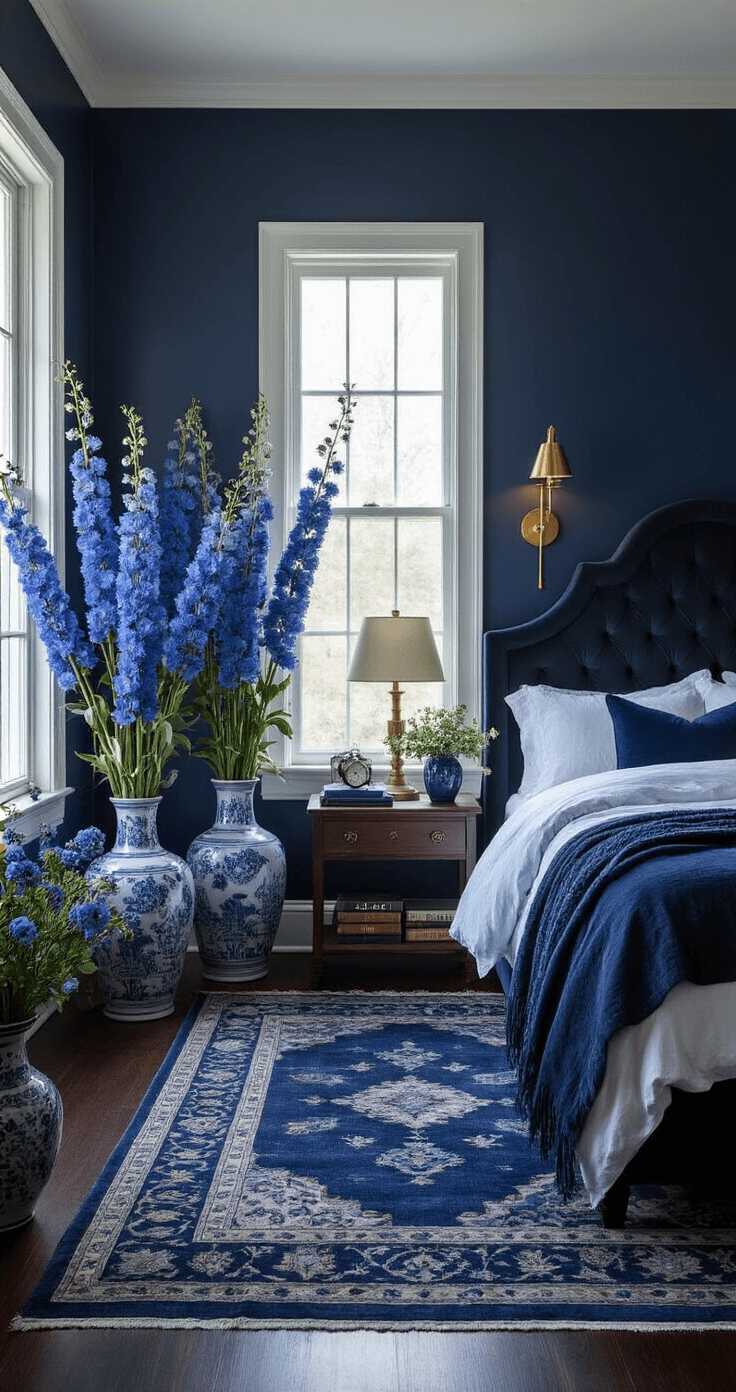
Available in blue, violet, pink, and white. I stick with blue because I’m committed to my theme. The bell-shaped blooms look charming whether you plant them in containers or borders.
Year-Round Options That Won’t Quit
Plumbago: The Warm Climate Winner
Delicate light-blue flowers that bloom continuously in warm climates. CONTINUOUSLY.
I lived in zone 9 for years, and my plumbago never stopped performing. It was the Energizer Bunny of my garden.
Butterfly Bush: The Pollinator Party Central
Long-lasting blooms that attract every butterfly within a three-block radius. Also bees, hummingbirds, and occasionally my neighbor’s cat who likes watching the butterflies.
🌟 Steal This Look
- Paint Color: Farrow & Ball De Nimes No.299
- Furniture: weathered teak potting bench with zinc top
- Lighting: antique brass gooseneck barn sconce
- Materials: terracotta pots with aged patina, galvanized steel watering cans, rough-hewn cedar raised beds
This starter pack reflects the hard-won wisdom of someone who learned that gardening success lives in the soil chemistry, not just the plant tag—and there’s something deeply satisfying about finally nailing that saturated cobalt hydrangea color after seasons of trial and error.
✅ Get The Look
Creating Visual Magic: How I Actually Use Blue Flowers
Blue pairs beautifully with warm colors—yellows, oranges, reds. The contrast makes both colors pop harder.
My go-to combinations:
- Blue delphiniums behind yellow coreopsis
- Blue hydrangeas next to orange marigolds
- Blue forget-me-nots surrounding red tulips
The greenery between them acts as a visual buffer, preventing color chaos.
I also layer different blue shades together. Pale sky-blue plumbago in front, medium-blue bellflowers in the middle, deep indigo gentians in back. It creates depth that photographs can’t quite capture.
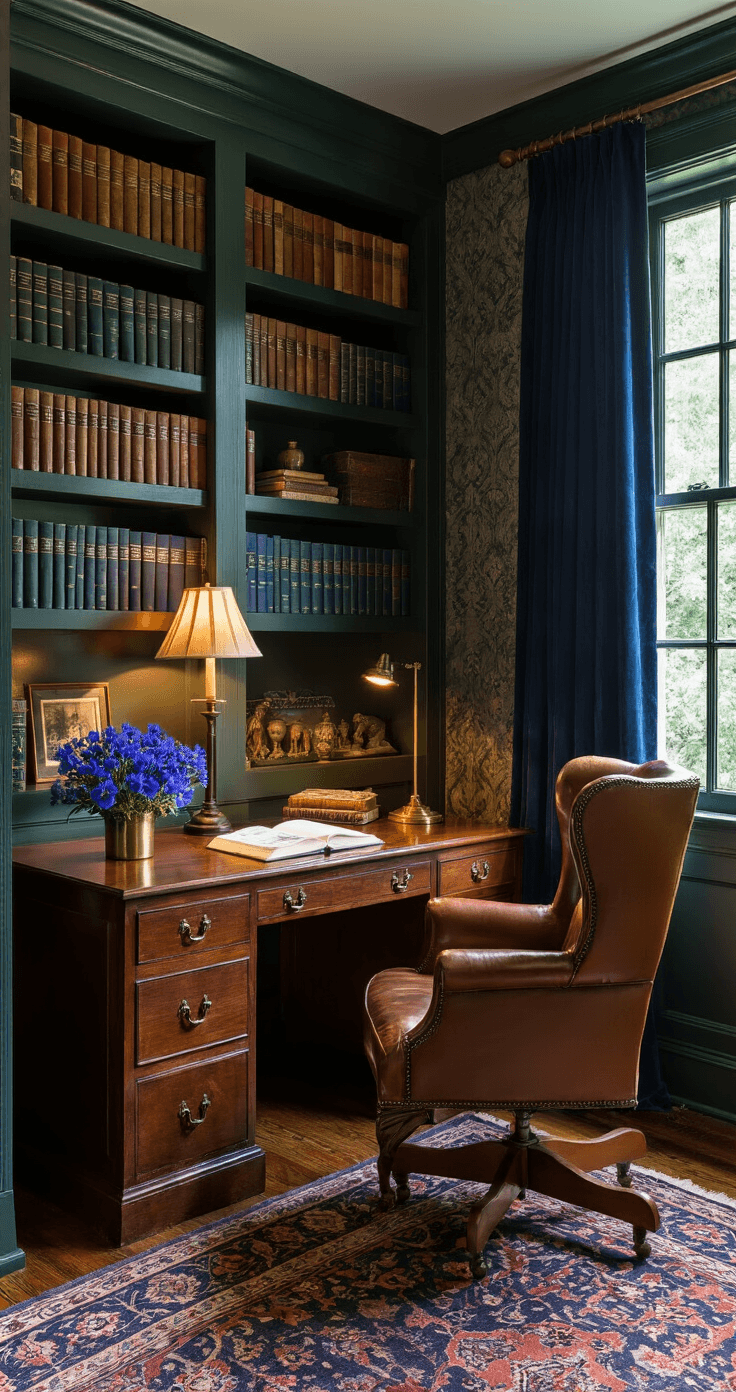
🎨 Steal This Look
- Paint Color: Behr Deep Indigo PPU15-20
- Furniture: weathered teak outdoor dining table with curved aluminum legs
- Lighting: solar-powered copper string lights with warm 2700K bulbs
- Materials: unglazed terracotta, aged cedar, crushed limestone gravel, hand-thrown ceramic vessels
There’s something almost meditative about tending a garden where the colors do the work for you, and I find myself slowing down every morning just to watch how the light shifts across those layered blues.
The
Keep this one for later
We'll email you the link so you can come back to it.