This post may contain affiliate links. Please see my disclosure policy for details.
How to Convert a Shed into a Tiny House: My No-BS Guide to Affordable Living
Contents
- How to Convert a Shed into a Tiny House: My No-BS Guide to Affordable Living
- Why I’m Obsessed with Shed Conversions (And You Should Be Too)
- The Real Numbers Nobody Talks About
- Budget Tier: Under $5,000
- Mid-Range: $8,000–$20,000
- The “I Want It Nice” Range: $30,000–$50,000
- The Shed Itself: Your Biggest Single Purchase
- Step 1: Planning and Permits (Don’t Skip This—Seriously)
- Call Your Local Zoning Office
- The Good News About Regulations
- Step 2: Foundation Work (Don’t Half-Ass This)
Converting a shed into a tiny house changed my perspective on what “home” actually means.
You’re probably here because rent is bleeding you dry, or maybe you’re tired of dumping money into a mortgage for space you don’t even use.
I get it—I was there too.
The good news? Shed-to-tiny-house conversions cost anywhere from under $3,000 to $50,000, which beats the hell out of a traditional home purchase.
Let me walk you through exactly how this works, what you’ll spend, and the mistakes that’ll cost you if you’re not careful.
Why I’m Obsessed with Shed Conversions (And You Should Be Too)
Look, I’m not going to pretend I’m some minimalist guru who always dreamed of living in 240 square feet.
I needed affordable housing, plain and simple.
Traditional home construction? Forget it—we’re talking $150,000 minimum in most markets, plus months of your life dealing with contractors.
Shed conversions cut through all that noise.
The structure’s already there, which means you’re not starting from absolute zero.

Here’s what makes this approach brilliant:
- Your “framing” arrives on a truck, already assembled
- Weather won’t delay you for weeks like traditional builds
- You can work on it nights and weekends without going insane
- Material waste drops dramatically when you’re not building walls from scratch
I started my conversion while working full-time, which would’ve been impossible with ground-up construction.
The Real Numbers Nobody Talks About
Everyone asks: “What does this actually cost?”
The answer pisses people off because it’s genuinely “it depends.”
But I’ll give you actual numbers from real builds, not some theoretical BS.
Budget Tier: Under $5,000
Yes, people have done this for under $3,000 and around $3,500.
These are bare-bones conversions—think camping cabin, not Architectural Digest.
What you get:
- Basic insulation
- Simple electrical (maybe just extension cords initially)
- A portable camping toilet instead of plumbing
- LED battery-powered lights before proper wiring
- Minimal interior finishes
- Second-hand everything
This works if you’re handy, scrappy, and willing to upgrade gradually.
Mid-Range: $8,000–$20,000
This is the sweet spot I recommend.
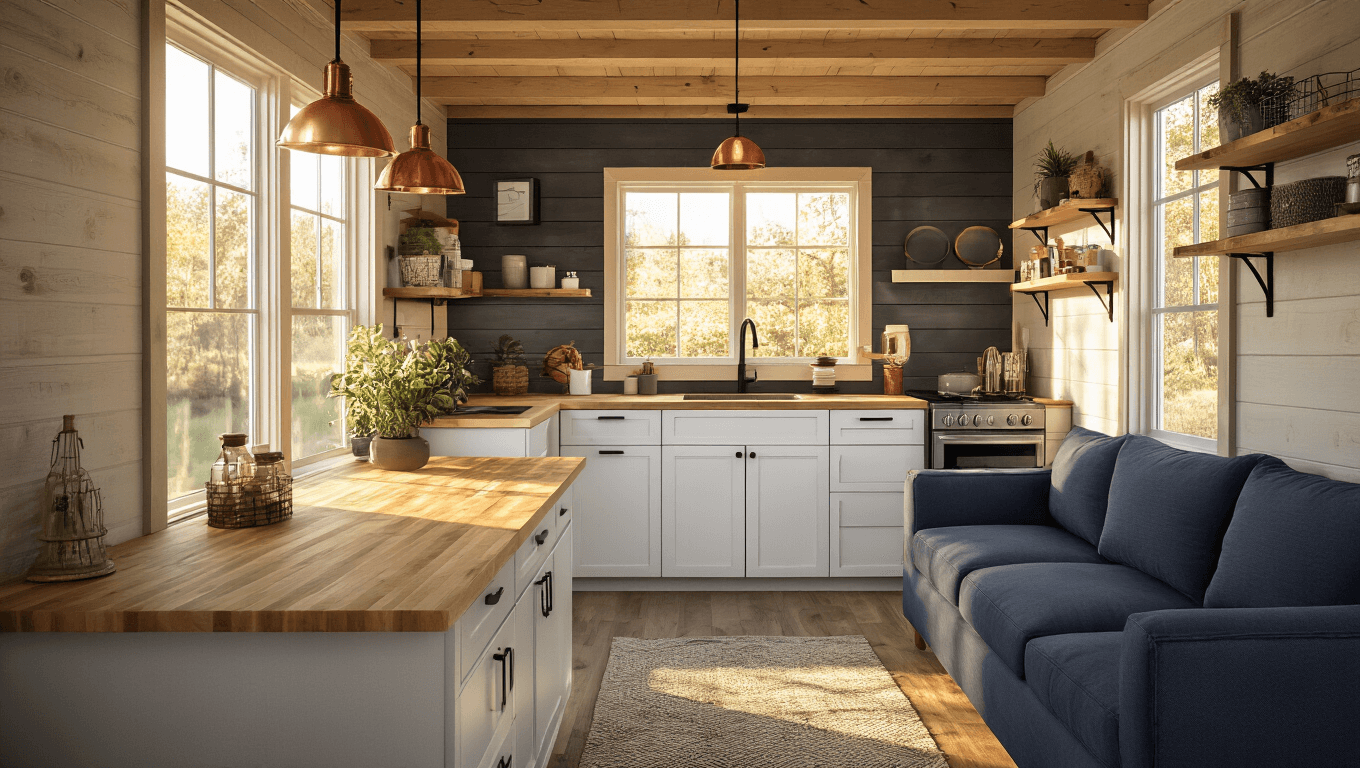
You’re getting documented builds that people actually live in comfortably for under $8,400 to under $20,000.
This budget covers:
- Proper insulation throughout
- Real electrical work (hire a pro for this)
- Basic plumbing or at least a water system
- Decent interior wall paneling
- A small kitchen setup
- Bathroom with shower
You’re not cutting corners that’ll bite you later, but you’re not going luxury either.
The “I Want It Nice” Range: $30,000–$50,000
The average conversion runs about $50,000 when people add:
- Multiple windows for natural light
- Quality finishes (hardwood, tile, etc.)
- Full-size appliances
- Custom cabinetry
- Upgraded exterior siding
- Proper HVAC systems
At this price point, you’re building something that doesn’t scream “I live in a shed.”
The Shed Itself: Your Biggest Single Purchase
Here’s where people get sticker shock.
A large 12×20 structure (240 square feet—that’s my recommended minimum) runs $3,600 to $36,000 just for the shed.
That massive price range? It’s about quality.
Cheaper sheds ($3,600–$8,000):
- Thinner walls
- Basic materials
- Minimal warranty
- You’ll spend more on upgrades
Mid-tier sheds ($8,000–$18,000):
- Better construction
- Proper flooring systems
- Often include basic electrical prep
Premium sheds ($18,000–$36,000):
- Engineered for conversion
- Better insulation potential
- Sometimes labeled “studio” or “cabin” instead of “shed”
I went mid-tier and haven’t regretted it.
The bones were solid enough that I didn’t fight the structure while upgrading.
Step 1: Planning and Permits (Don’t Skip This—Seriously)
I know you want to jump straight to the fun stuff.
Don’t.
I almost screwed myself completely by starting work before checking local codes.
Call Your Local Zoning Office
Sounds boring as hell, but this one phone call can save you from tearing everything out later.
Ask these specific questions:
- Do I need permits for a shed conversion?
- What’s the maximum square footage without triggering different rules?
- Are there setback requirements from property lines?
- Do you have minimum square footage requirements for dwellings?
- Can I legally live in this structure?
That last one’s critical.
Some places consider shed conversions “accessory dwelling units” (ADUs) and regulate them differently.
The Good News About Regulations
Places like parts of Texas and North Carolina are becoming friendlier to tiny house conversions.
The housing crisis is forcing officials to reconsider outdated zoning laws.
But regulations vary wildly—even between neighboring counties.
Do your homework or risk expensive problems.

Step 2: Foundation Work (Don’t Half-Ass This)
Your shed came on gravel blocks or pier footings.
That worked fine when it held garden tools and a lawnmower.
Now you’re adding:
- Furniture
- Appliances
- Plumbing (water is HEAVY)