This post may contain affiliate links. Please see my disclosure policy for details.
Small bathrooms don’t have to be afterthoughts. With purposeful bathroom design, strategic material choices, and clever layouts, even the tiniest space can feel custom, luxurious, and entirely intentional. These tiny bathroom remodel ideas show how to make a small bathroom look and function like a high-end retreat without needing more square footage.
Maximizing visual impact in a compact room is a matter of proportion, continuity, and the right fixtures. Manufacturers such as Kohler, Duravit, and Geberit now offer space-saving products made for small bathrooms, while tile makers like Ann Sacks and Porcelanosa provide high-impact surfaces that help the space feel larger. Pair those with durable countertops from brands such as Caesarstone or Cambria and you get a cohesive design that reads custom rather than compromised.
What You’ll Discover
Contents
- What You’ll Discover
- What Makes a Tiny Bathroom Feel Custom?
- Smart Layout Changes That Maximize Small Bathrooms
- Custom Vanity Ideas for Tiny Bathrooms
- Tile Tricks That Make Small Bathrooms Look High-End
- Custom Shower Features That Don’t Take Extra Space
- Lighting Ideas That Instantly Elevate Tiny Bathrooms
- Storage Solutions That Look Built-In
- Mirrors That Make Tiny Bathrooms Feel Bespoke
- Materials That Make Small Bathrooms Feel Expensive
- Tiny Powder Room Ideas That Feel Like Boutique Hotels
- Mistakes That Make Tiny Bathrooms Feel Cheap
- Budget vs Custom — Where to Spend in a Small Bathroom
- FAQs About Tiny Bathroom Remodels
- How to make a tiny bathroom feel custom-designed
- Layout moves that maximize every inch
- Space-smart vanity solutions for small bathrooms
- Tile techniques that deliver high-end impact
- Shower features that save room and feel luxurious
- Lighting strategies to instantly elevate the room
- Storage ideas that look built-in
- Mirror tricks to make the space feel larger
- Material choices that make small bathrooms feel expensive
- Boutique hotel–inspired powder room ideas
- Common mistakes that make tiny bathrooms feel cheap
What Makes a Tiny Bathroom Feel Custom?
The gap between a builder-grade bathroom and one that reads custom comes down to intent: proportion, material choices, and precise installation. Apply a few designer principles and even a very small space can feel cohesive, purposeful, and professionally designed.
Custom vs Builder-Grade Finishes
Builder-grade bathrooms usually rely on standard fixtures, patchwork tile, and off-the-shelf vanities that prioritize cost over composition. A custom approach substitutes carefully chosen materials and properly scaled fixtures so each element looks like it belongs — not like it was simply placed there.
Think in terms of fit and proportion: a vanity that spans wall-to-wall, tile that continues from floor to shower, or lighting located where it actually serves tasks rather than simply centered on the ceiling. Those details make the bathroom feel intentionally designed and help the small space function better.
Visual Continuity and Material Choices
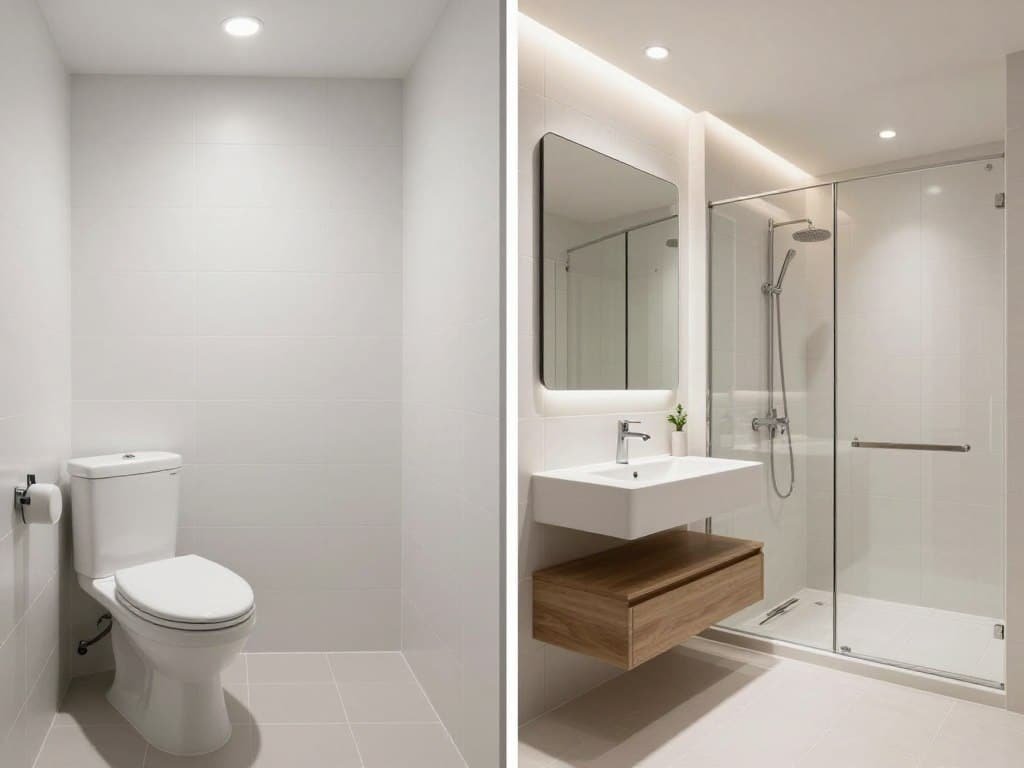
Visual continuity is a fast way to make a small bathroom feel larger and more custom. Limiting the palette — the same tile on floors and walls, one metal finish for fixtures, matching cabinet fronts — reduces visual clutter and makes the room read as a single, intentional composition.
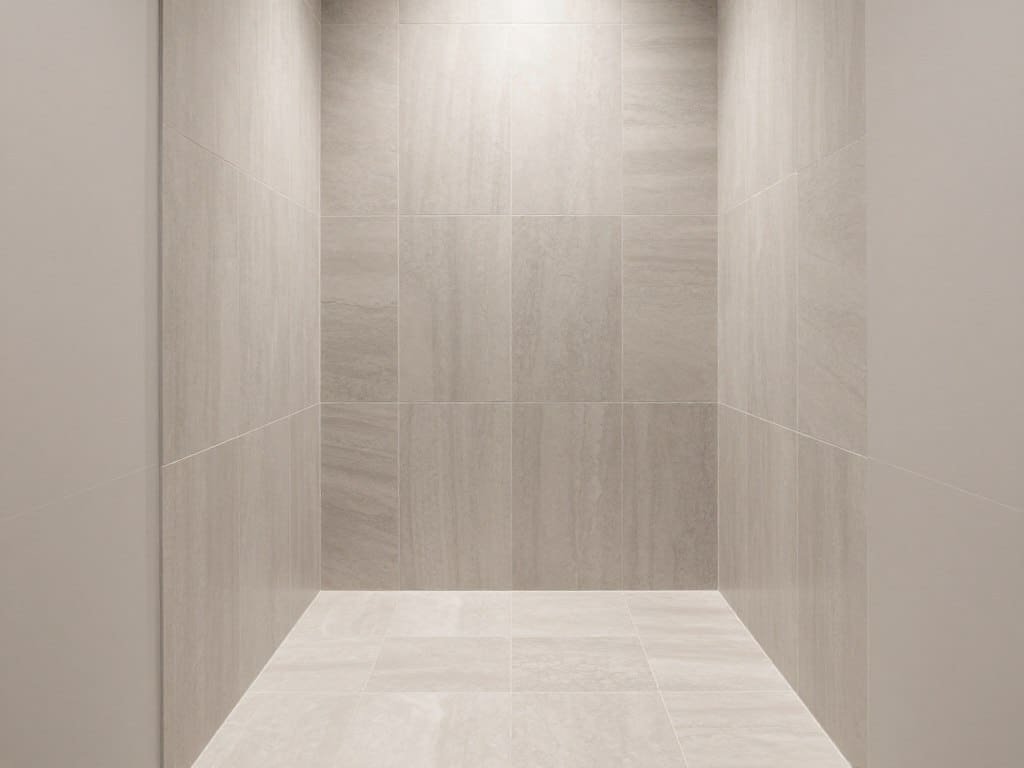
For example, using the same 12×24 porcelain on the floor and shower wall removes breaks in the eye line and helps the space feel more open. Small, consistent choices like this are what make a compact room feel considered rather than piecemeal.
Why Fewer Materials Often Look More Expensive
Using fewer, higher-quality materials often yields a calmer, more luxurious result than mixing many cheaper finishes. Boutique hotels and high-end residential projects frequently repeat a single statement material — a dramatic marble or consistent porcelain — so the eye rests and each surface reads as intentional.
This restraint mimics custom millwork and built-in cabinetry, where continuity and scale, not variety, communicate quality. In a tiny bathroom, a limited palette amplifies the visual impact of premium materials without needing large quantities.
Elevate Your Bathroom’s Look
For product inspiration, visit manufacturer showrooms (Kohler, Duravit, Geberit) or our internal product guide to compare faucets and finishes that work in small bathrooms.
Smart Layout Changes That Maximize Small Bathrooms
The most effective tiny bathroom remodels start with smarter layouts. You don’t always need to move walls — strategic fixture placement and thoughtful clearances can dramatically improve function and make the room feel larger.
Wall-Mounted Toilets (Geberit)
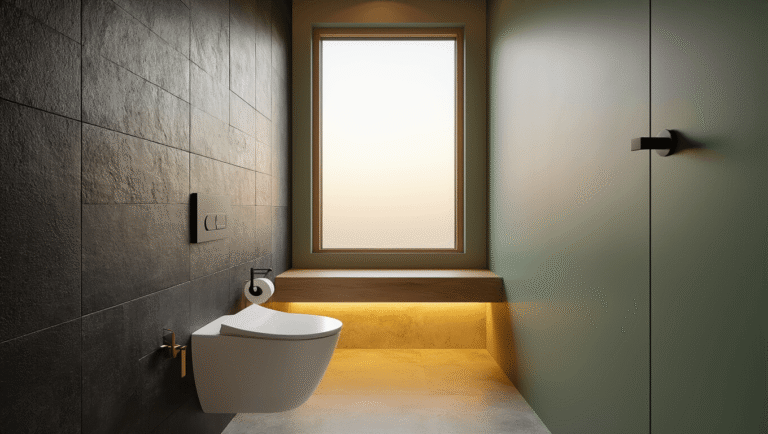
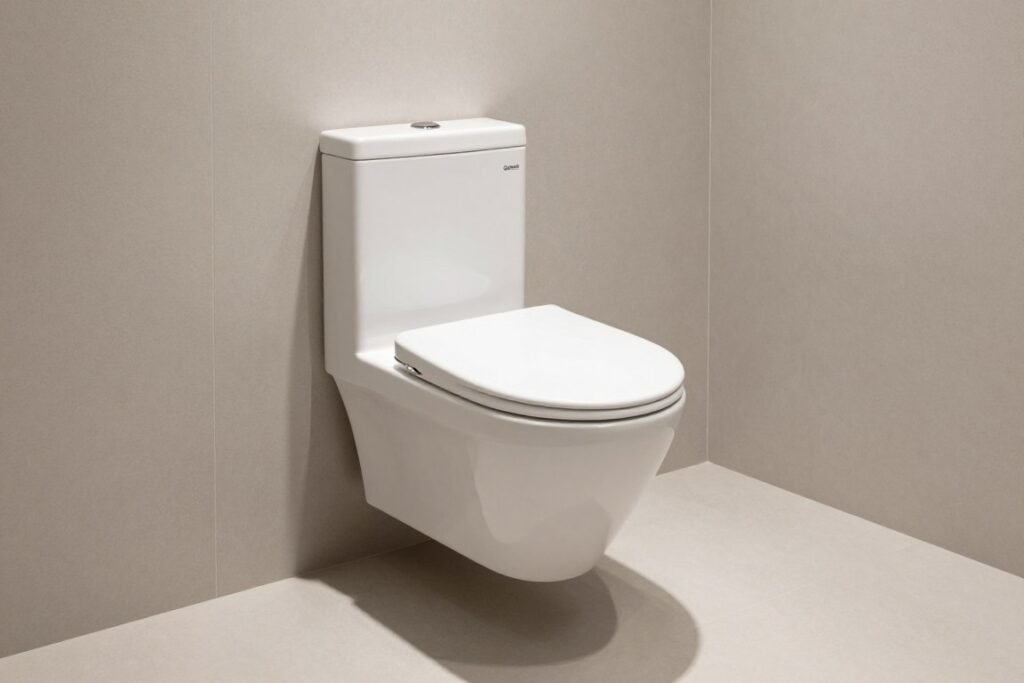
Wall-mounted toilets are one of the quickest ways to make a small bathroom feel custom. By hiding the tank in the wall and floating the bowl above the floor, these systems reduce visual bulk and can reclaim roughly a foot of projection compared with some floor-mounted setups—helpful when every inch counts.
Geberit’s in-wall carriers are widely used for reliable performance and a clean aesthetic. Note: in-wall systems require planning for access panels and may affect stud depth or plumbing location, so confirm structural and plumbing details with a pro before specifying.
Floating Vanities for Visual Space
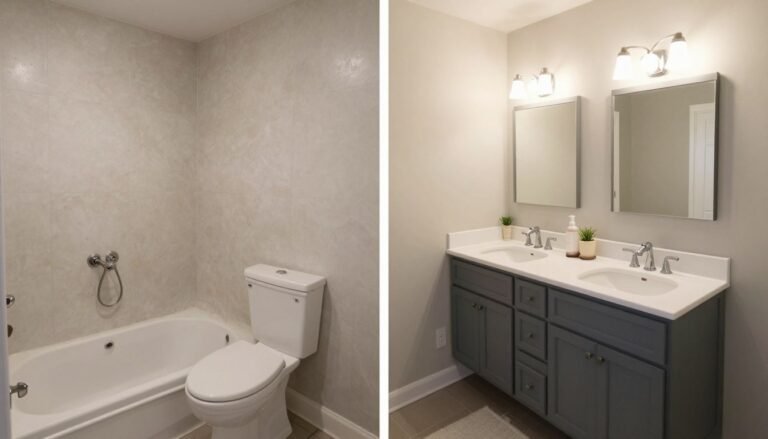
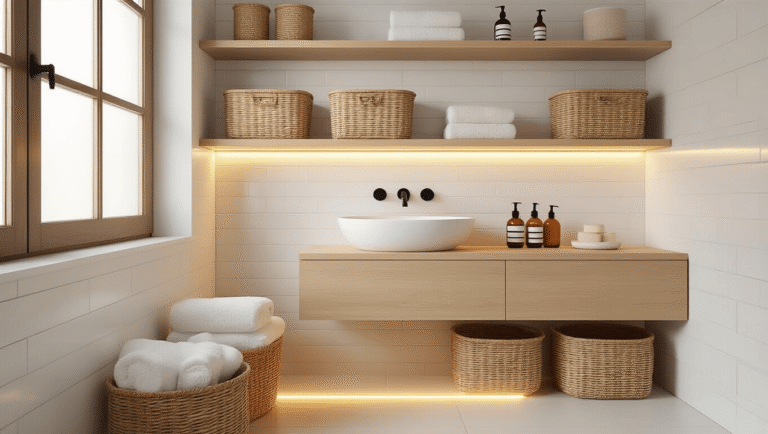
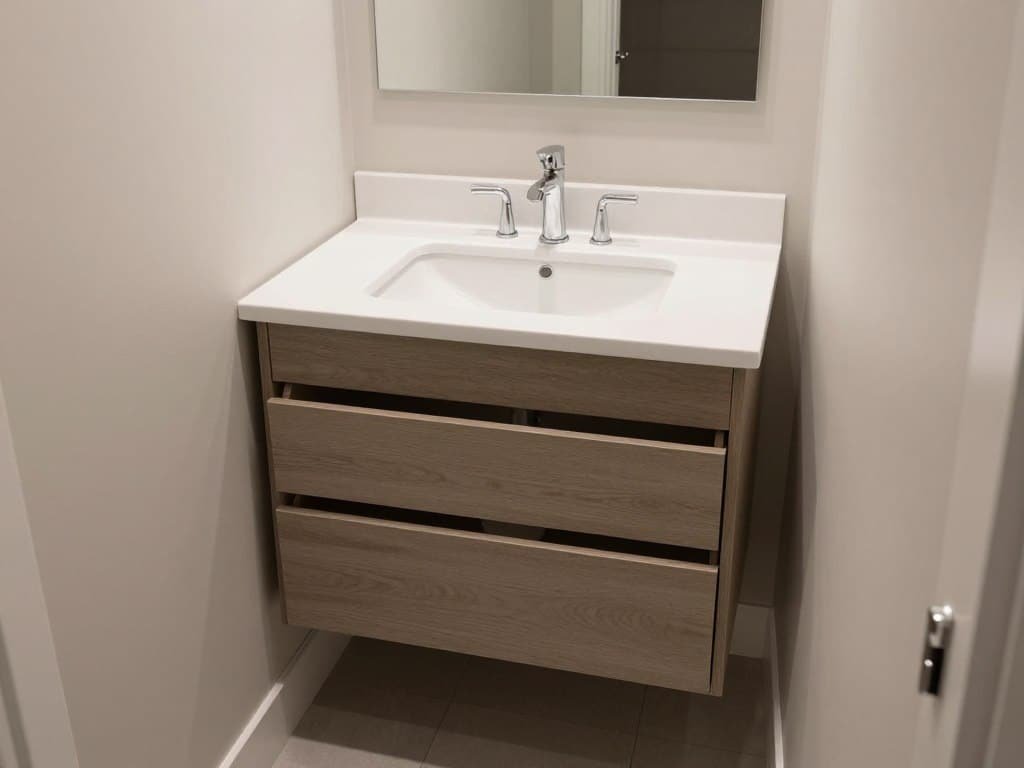
Floating (wall-hung) vanities reveal floor area and create the airy feeling that makes a small bathroom read as larger. Choose proportions that match your room — a slim-depth unit maintains clearance while providing usable sink space and storage.
High-quality modular systems (Duravit and similar manufacturers) can be configured to fit tight widths and heights, giving a built-in look without full custom carpentry. Ensure proper wall reinforcement and installer expertise for secure mounting.
Create Visual Space
Compare floating vanity options and mounting requirements at manufacturer sites or view our internal guide to select sizes that maximize space without sacrificing function.
Pocket Doors vs Swing Doors
Standard swing doors steal usable floor area — roughly 6–9 sq ft depending on swing and room size — which in a tiny bathroom can mean the difference between a comfortable layout and a cramped one. Pocket doors reclaim that footprint by sliding into the wall.
Pros: saves floor area, improves circulation, and allows larger fixtures or storage. Cons: needs wall cavity space, can cost more, and may require reinforcement or a specialized frame. Consider pocket doors when the bathroom is under about 50 sq ft or when door swing limits fixture placement.
Walk-in Showers vs Tubs in Tiny Baths
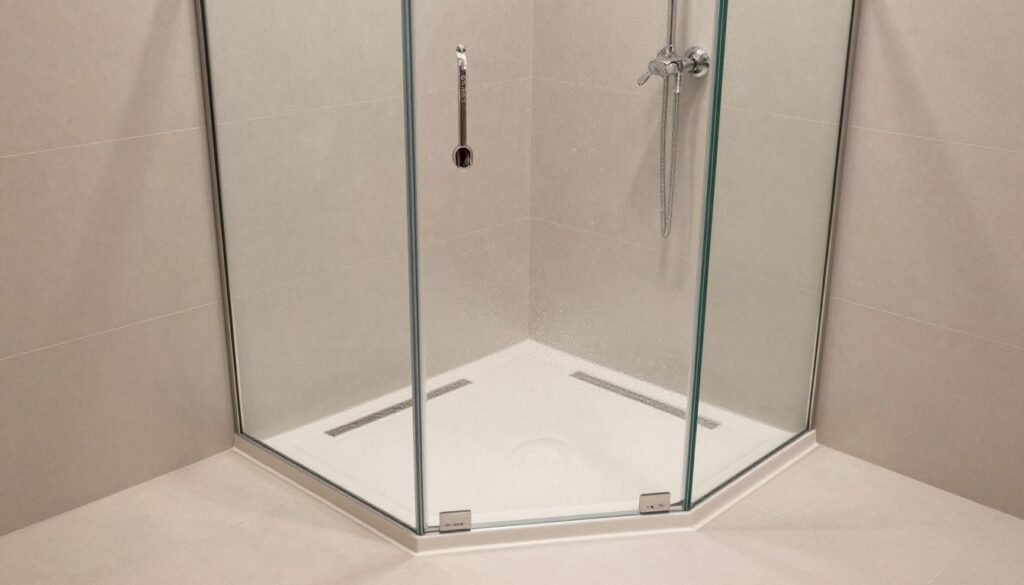
The tub vs. shower decision defines usability. For many tiny bathrooms, a curbless walk-in shower with a frameless glass panel delivers the most efficient use of space and creates uninterrupted visual flow. This approach lets tile run continuously from floor into the shower, which helps make the small room feel larger and more custom.
If a bathtub is essential (e.g., for families with young children), consider a shallow or alcove tub with integrated shower to balance bathing needs and space. Otherwise, prioritize a roomy shower footprint and details like a linear drain and full-height glass to maximize openness.
Custom Vanity Ideas for Tiny Bathrooms
The vanity often becomes the focal point in a tiny bathroom, so choose one that balances storage, proportion, and style. A well-chosen vanity helps the bathroom look custom-made while keeping daily basics organized and within reach.
Slim-Depth Vanities
Standard vanities are typically 21–22 inches deep and can overwhelm narrow rooms. Slim-depth options (15–18 inches) preserve clearance while still providing a usable sink and storage — a practical way to make space without sacrificing function.
Many manufacturers offer slim-profile collections designed for small bathrooms; when specifying, double-check sink overhang and plumbing to ensure full usability. Quick guideline: aim for at least 30 inches of clear floor space in front of the vanity for comfortable use.
Furniture-Style Vanities
Furniture-style vanities add warmth and character, making a small bathroom feel curated rather than purely functional. Vintage dressers converted into vanities or new pieces that echo furniture proportions offer personality while providing surface space and cabinetry.
These pieces work especially well in powder rooms where storage needs are lighter — visually they read as an intentional design choice that elevates the entire room.
Add Character With Furniture-Style Design
Explore manufacturer and showroom options or download our vanity dimension checklist to pick a bathroom vanity that saves space and looks custom.
Wall-Hung vs Freestanding
Wall-hung (floating) vanities reveal floor area and reduce visual weight, helping a small bathroom feel airier. Freestanding pieces can anchor a design and add furniture-like detail. Choose wall-hung when maximizing floor clearance matters; choose freestanding when you want a more traditional, furniture-driven look.
Ensure proper wall reinforcement for wall-hung units and confirm cabinet depth so the sink projects comfortably without encroaching on circulation space.
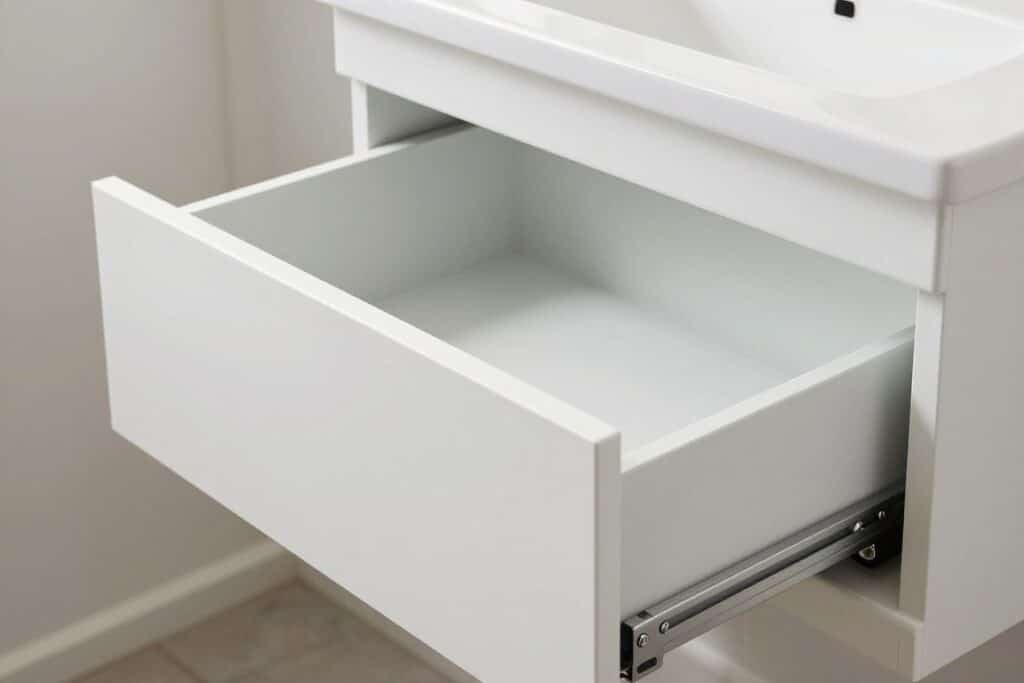
Integrated Drawers & Pull-Outs
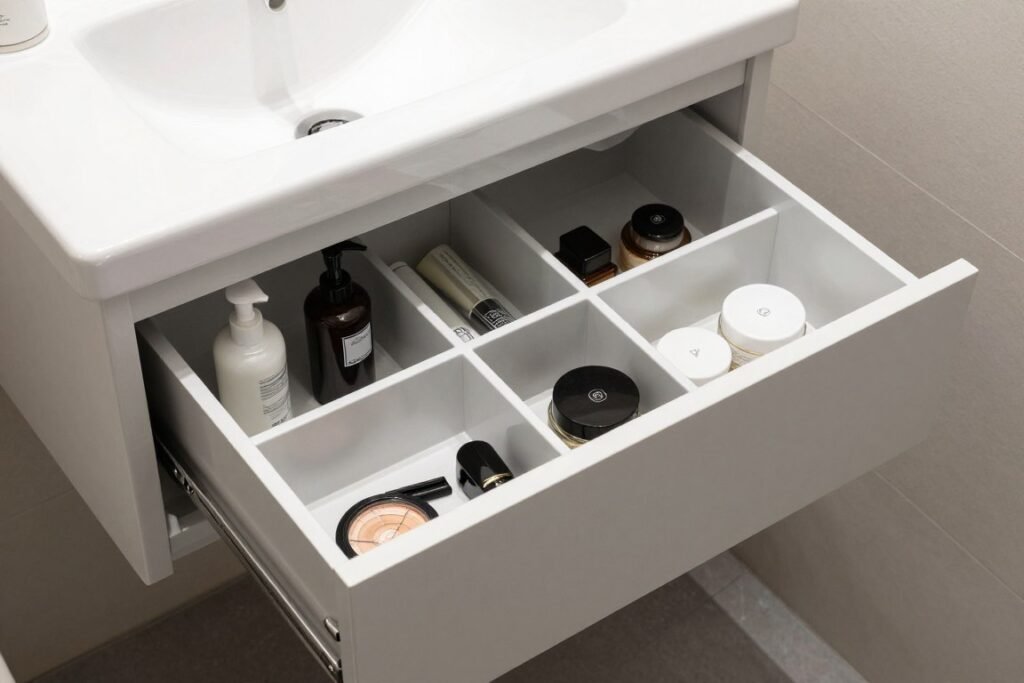
Thoughtful interior organization turns ordinary cabinets into high-function solutions. Tiered drawers, pull-out trays, and dedicated compartments for toiletries and hair tools keep counters clear and make cabinets more usable in a small bathroom.
For a space-smart build, consider drawer-first layouts over deep single-door cabinets — drawers provide better visibility and access in tight quarters. Pair quality hardware with custom cabinet fronts for a refined, built-in appearance.
Tile Tricks That Make Small Bathrooms Look High-End
Tile is one of the fastest ways to change how a small bathroom reads. The right tile choices and layouts increase visual continuity, reduce cluttered sightlines, and make the space feel custom and more expansive.
Full-Height Tile Walls
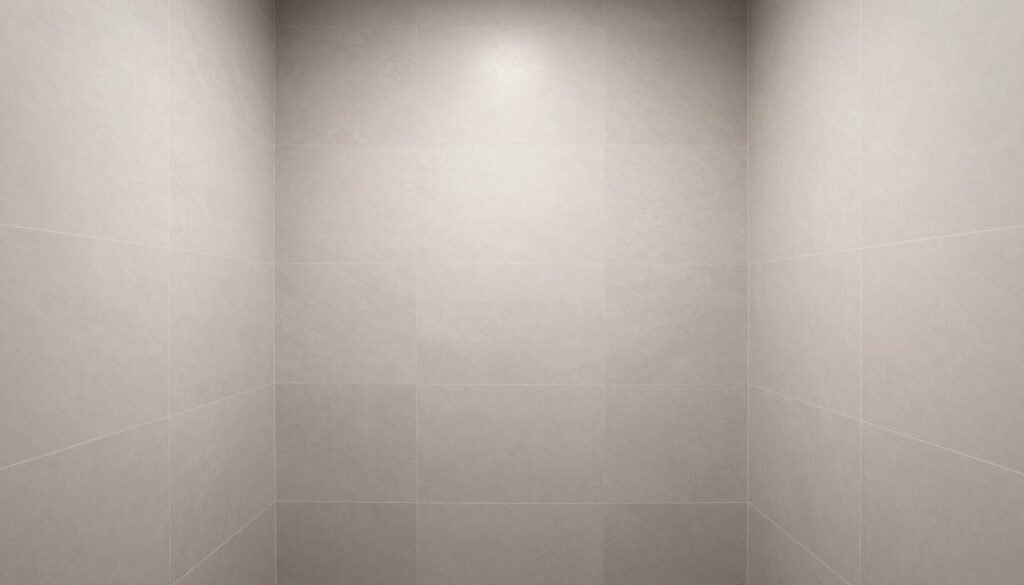
Rather than stopping tile at an arbitrary band, carry tile from floor to ceiling on one or more walls to create a seamless backdrop. Full-height tile walls eliminate visual breaks that make a small space feel chopped up and help the bathroom feel intentionally designed.
Pro tip: pick coordinated collections from reputable manufacturers and specify trim pieces and transition details up front so field tile, trim, and accents read as a single system.
Vertical Tile Layouts
Installing rectangular tiles vertically (think 4×12 or 4×16 subway formats) draws the eye upward and emphasizes ceiling height, a simple trick to make the room feel taller. Vertical subway tile also adds subtle texture without narrowing the perceived width of the room.
Use this technique on a focal wall behind a vanity or in the shower to create height without changing the footprint. Plan grout color and orientation to support the effect.
Create Visual Height
For samples and specifications, visit manufacturer product pages or your local tile showroom to compare vertical subway and large-format options before ordering.
Large-Format Tile in Small Spaces
Large-format tiles (12×24, 24×24, or larger) reduce grout lines and visual noise, which often makes a small bathroom feel larger and calmer. They work especially well on floors and full-height walls where fewer seams create a more continuous plane.
Carefully plan layout to avoid tiny edge cuts—mock up layouts or consult a tile pro so large tiles don’t create awkward slivers at thresholds or around fixtures.
Matching Floor and Shower Tile
Running the same tile from the main floor into the shower removes boundaries and visually enlarges the room. For the most seamless look, keep orientation and pattern consistent and select shower drains that support larger tiles.
Example: in a 5×8 bathroom, a 12×24 floor tile laid longitudinally can lengthen the perceived room; in very narrow rooms a 12×24 laid transversely can widen the feel—ask a pro to test mockups for your layout.
Custom Shower Features That Don’t Take Extra Space
Smart shower details deliver a spa-like experience without expanding the footprint. Thoughtful niches, drainage, and glass choices preserve visual flow and increase perceived space.
Built-in Shower Niches
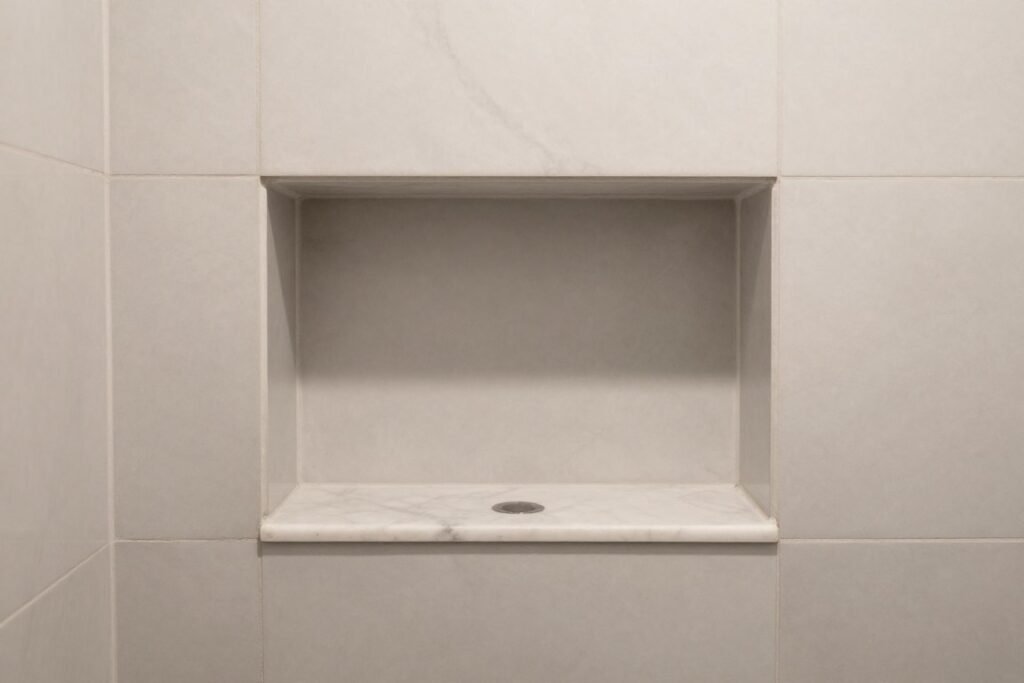
Recessed niches provide storage without protrusion. Align niches with grout lines and finish them in the same tile or a complementary accent to make them feel like built-in architecture rather than an afterthought.
Consider a shallow shelf depth matched to the stud cavity where possible; a well-placed niche clears clutter from tubs or shower floors and keeps soaps and bottles organized within sight lines.
Linear Drains
Linear drains let you slope the shower in a single direction and use larger tiles in the pan, improving continuity with the main floor. They also simplify waterproofing details when installed with appropriate systems.
Note: linear drains require careful planning of slope and waterproofing. Work with a tile contractor and reference manufacturer installation guidelines so you don’t end up with drainage or tile-cutting issues.
Upgrade Your Shower Drainage
Talk to a pro or check vendor installation guides to confirm slope requirements and compatible drain products for large-format tile installations.
Frameless Glass Panels
Frameless glass panels or doors remove visual barriers and let tile and fixtures read as one continuous space. Floor-to-ceiling or full-height panels minimize reflections and edges; consider glass treatments like clear low-iron glass for maximum transparency.
Statement Shower Heads
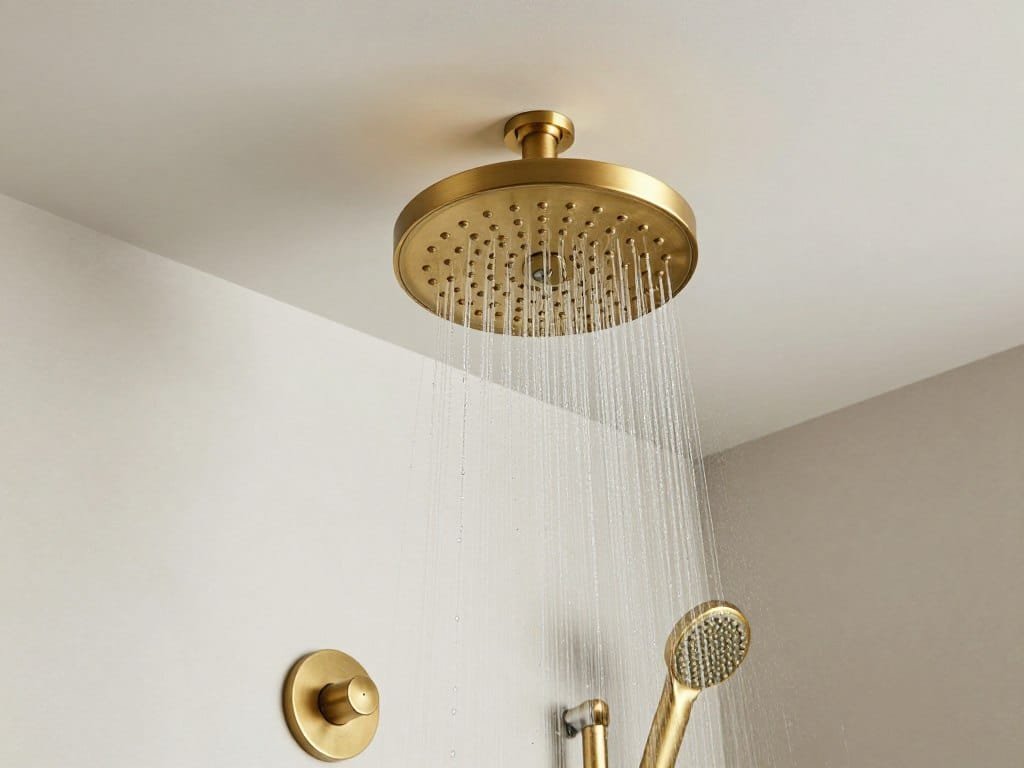
Choose a focal shower fixture—an overhead rain head or a sculptural wall-mounted unit—to add visual interest without taking extra room. Coordinate the finish with other metal elements to maintain a cohesive palette that reinforces the custom feel.
Lighting Ideas That Instantly Elevate Tiny Bathrooms
Lighting is one of the most powerful, often-overlooked tools for making a small bathroom feel custom and more spacious. The right mix of fixtures changes how materials read, reduces shadows, and highlights architectural details so the room looks deliberately designed.
Layered Lighting Approach
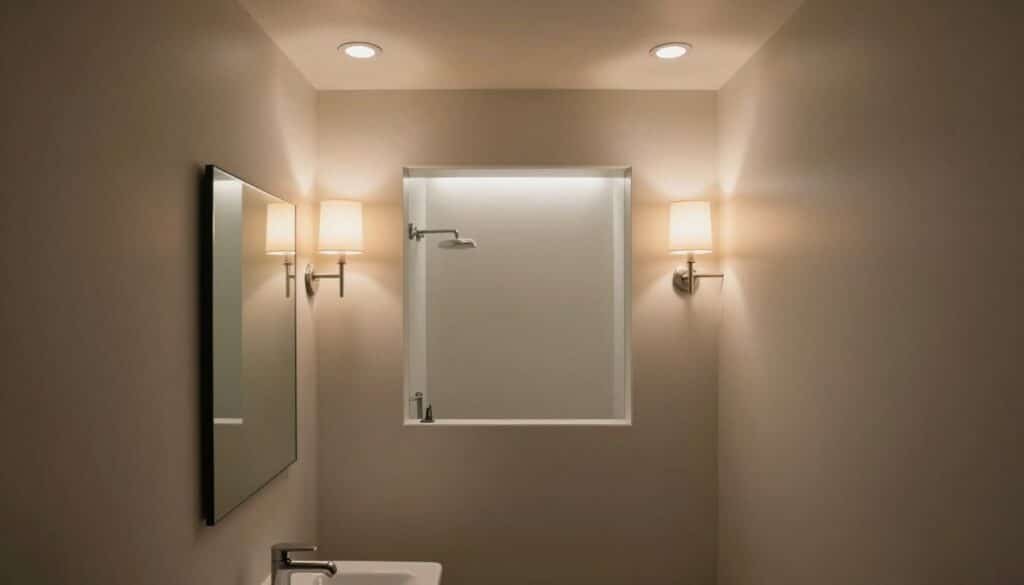
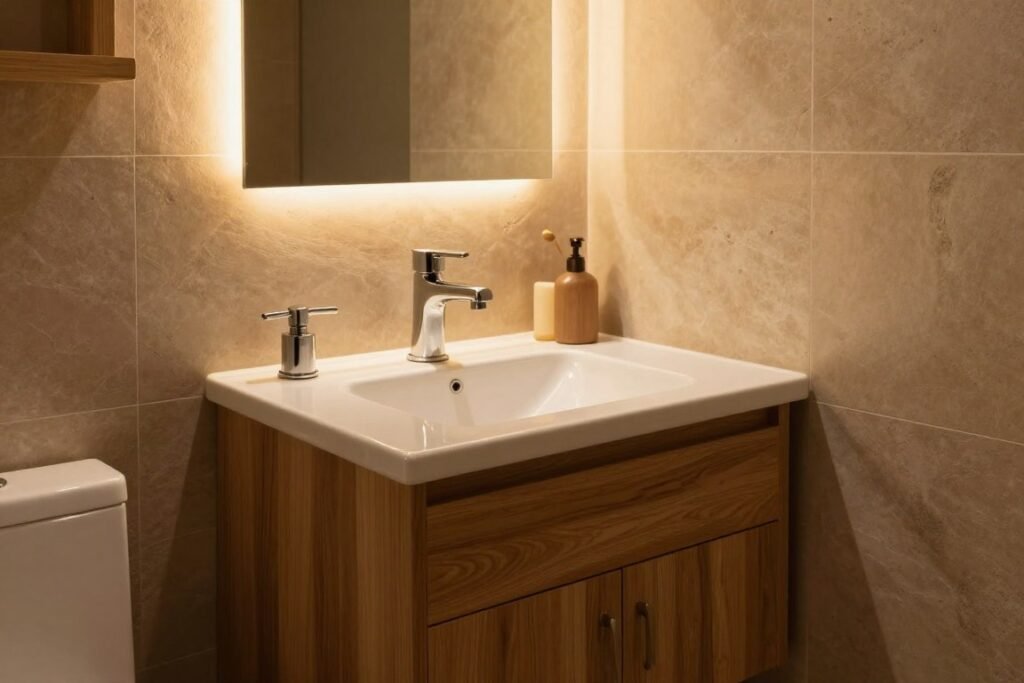
A single overhead fixture usually creates flat, unflattering light. Instead, layer ambient, task, and accent lighting: recessed ceiling fixtures for even illumination, wall sconces or vertical fixtures for vanity tasks, and LED strips to highlight niches, shelving, or toe-kick details.
Plan fixture placement to avoid glare and to illuminate task areas. For example, place sconces on either side of the mirror at about 60–66 inches high and roughly the same height as the user’s face for even, shadow-free light.
Backlit Mirrors
Backlit or integrated-LED mirrors deliver even, shadow-free illumination while creating a subtle floating effect that adds depth. Look for models with dimming and color-temperature controls so you can switch from bright, cool task light to a warmer, relaxed evening glow.
NOTE: backlit mirrors require wiring behind the wall and often a licensed electrician for safe installation—plan for this in your scope and budget.
Add Sophisticated Lighting
Compare backlit mirror specs on manufacturer sites or visit a lighting showroom to test color temperature and dimming before you buy.
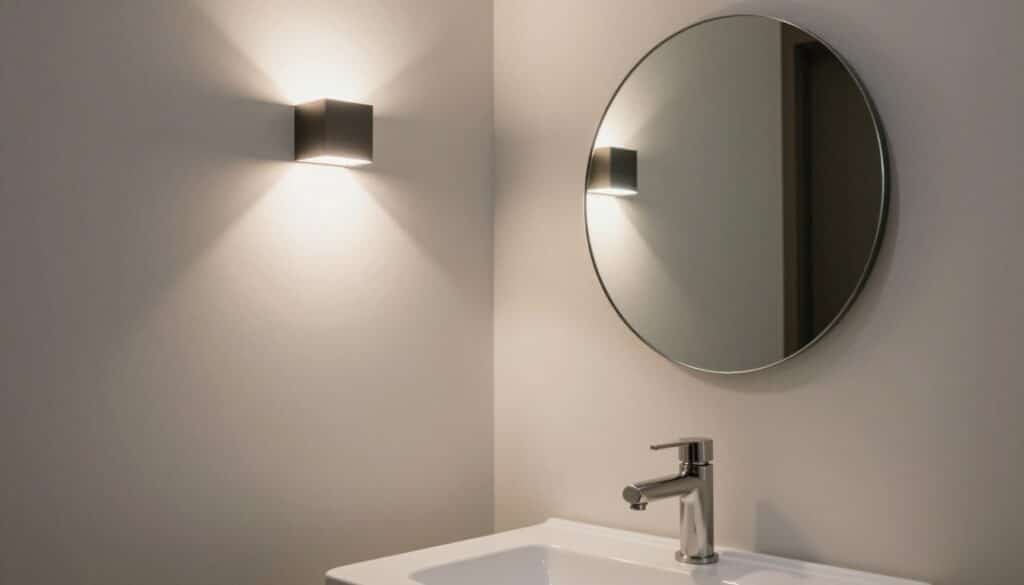
Wall Sconces Instead of Overhead Lights
Wall sconces mounted at eye level provide flattering, directional task light for grooming and add architectural interest. Choose fixtures rated for damp locations and coordinate finishes with other hardware for a cohesive look.
Two sconces flanking the mirror are typically better than a single overhead source; if space is tight, a horizontal vanity fixture above the mirror can work if it has good diffusion.
Warm Color Temperature (2700K–3000K)
Color temperature affects how finishes and skin tones appear. Warmer light (2700K–3000K) tends to make wood, stone, and brass feel richer and the room more inviting; avoid clinical, bluish light (4000K+) in small bathrooms unless a cooler look is your explicit design choice.
Select LED fixtures with a high CRI (90+) to render colors accurately in your small space.
Storage Solutions That Look Built-In
Storage in a tiny bathroom should disappear into the design. The most custom-feeling solutions integrate storage into walls and millwork so everything looks planned rather than stuck on later.
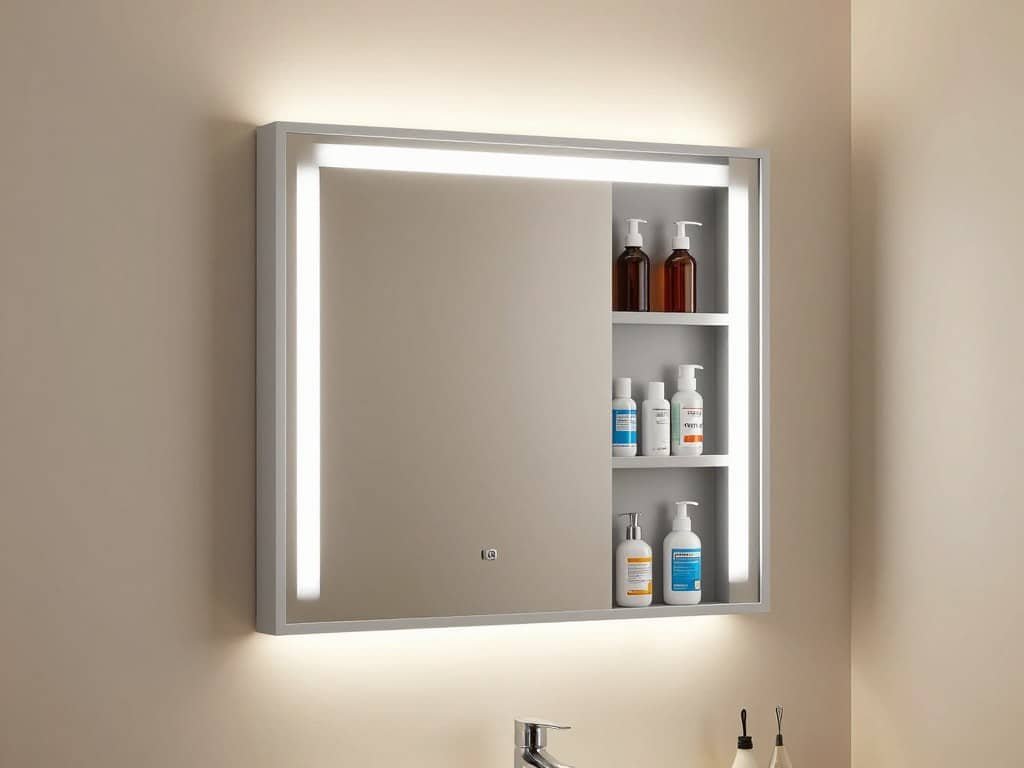
Recessed Medicine Cabinets
Recessed medicine cabinets sit flush with the wall and free up visual space compared with surface-mounted boxes. Choose models with integrated LEDs, anti-fog, and interior outlets to keep counters tidy and provide practical value.
Plan recessed cabinets where there is wall cavity depth and avoid placing them where plumbing runs behind the wall unless the unit is specifically designed for that condition.
Custom Niches Between Studs
The cavity between studs (commonly about 14–16 inches) creates perfect shallow storage for niches or inset shelves. Use these spaces for toiletries or folded towels and finish them with the same tile or material as the surrounding wall for a built-in look.
When possible, align niches with tile grout and consider adding subtle LED strips to make items visible without additional clutter.
Create Built-In Storage
Check framing dimensions before planning niches; consult a pro for electrical or plumbing conflicts and visit cabinetry pages for recessed cabinet options.
Floating Shelves with Stone or Wood
Open floating shelves maintain openness while providing display and storage space. Use the same material as the vanity top or a matching wood tone to keep the palette cohesive and avoid visual clutter.
Limit shelf depth in narrow rooms so they don’t encroach on circulation; 8–10 inches is often sufficient for folded towels or small containers.
Hidden Toe-Kick Drawers
Toe-kick drawers make use of otherwise wasted space under vanities. These shallow pull-outs are ideal for infrequently used items and keep the main cabinetry clean and uncluttered. Pair with quality hardware for smooth operation and long life.
Mirrors That Make Tiny Bathrooms Feel Bespoke
Mirrors serve practical and visual roles in small bathrooms: they provide grooming surfaces and amplify light and sightlines, helping a compact room feel bespoke and substantially larger.
Oversized Mirrors
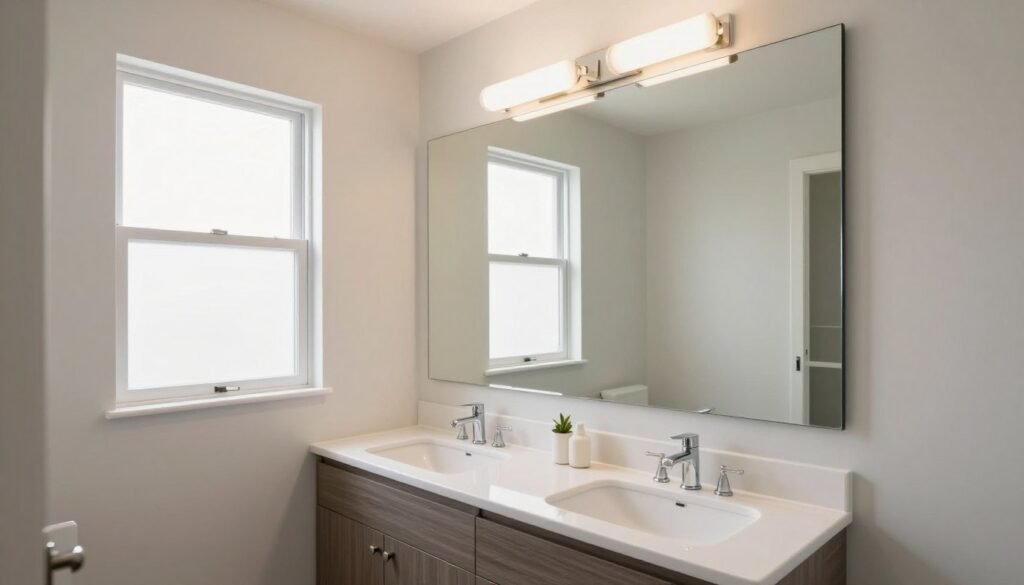
Small, centered vanity mirrors read cheap and chopped. Oversized mirrors that run nearly wall-to-wall reflect more light and context, effectively doubling perceived space and turning the mirror into a key design element.
Rule of thumb: aim for a mirror width close to the vanity width (vanity width + 2–4 inches gives a tailored look) or extend the mirror wall-to-wall in really narrow rooms to maximize the sense of openness.
Framed vs Frameless Mirrors
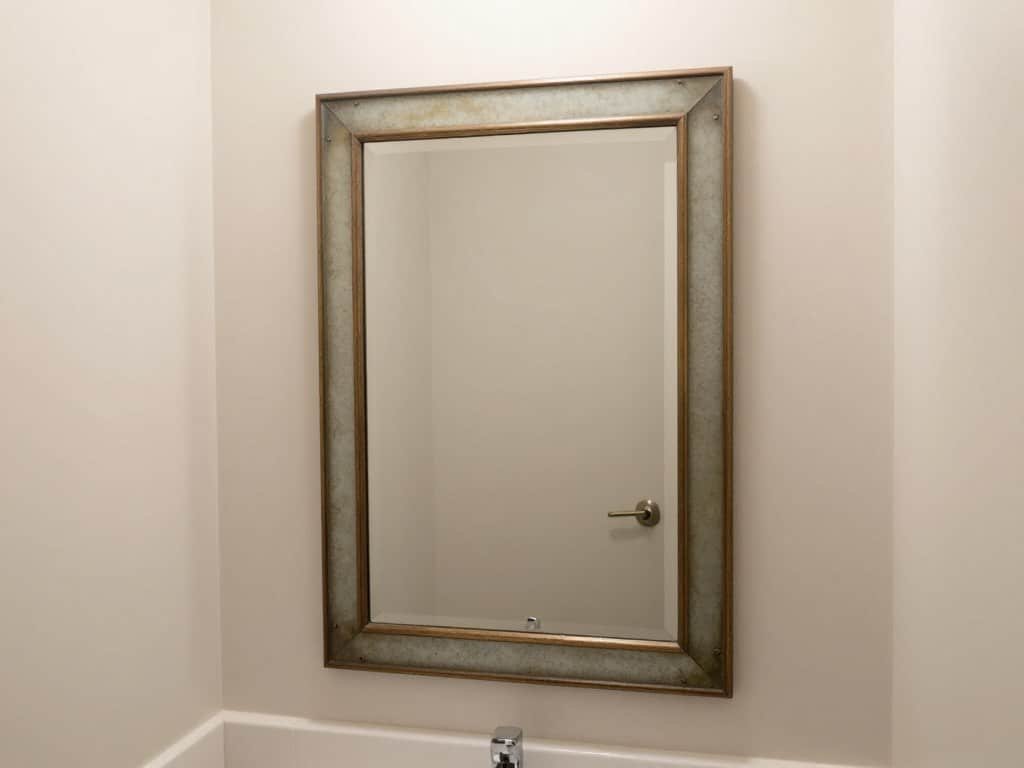
Frameless mirrors give a clean, contemporary look and maximize reflective area; framed mirrors add architectural detail and can tie into cabinet hardware or lighting finishes. Choose the option that reinforces your bathroom design rather than competing with it.
Coordinate frame finishes with cabinet pulls, faucets, and sconces for a cohesive, custom appearance that reads as intentional design rather than an afterthought.
Add Architectural Interest
Visit local showrooms or manufacturer pages to compare frame styles and low-iron glass options so you can see differences in reflectivity and tint before buying.
Custom-Cut Mirrors Wall-to-Wall
Custom-cut mirrors that span an entire wall create dramatic impact in tiny bathrooms. They eliminate visual boundaries and multiply attractive elements—windows, tile patterns, pendant lights—making the room feel much larger.
Use wall-to-wall mirrors thoughtfully: ensure the reflected view is attractive (tile, a window, or a vanity wall) and account for electrical boxes or cabinets that may need recessing.
Antique or Smoked Mirror Options
While clear mirrors maximize perceived space, antique or smoked mirror finishes introduce depth and character. These finishes work well in powder rooms or guest baths where the mirror serves more as a focal point than a daily task surface.
Use subdued antique finishes sparingly so they add texture without reducing useful reflectivity for grooming.
Materials That Make Small Bathrooms Feel Expensive
Material choices have outsized impact in tiny bathrooms—pick finishes that read as high-quality and use them consistently to make the whole room feel intentional and expensive.
Quartz vs Marble in Small Rooms
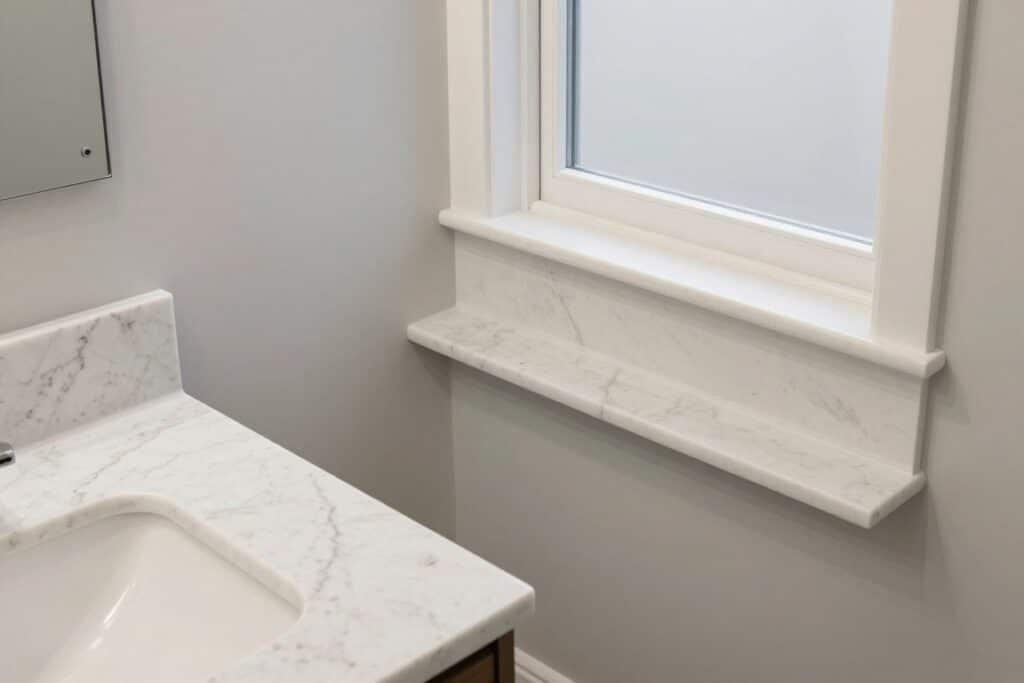
Natural marble signals luxury but comes with maintenance and cost. Engineered quartz (brands like Caesarstone and Cambria) offers marble-like veining, superior durability, and lower upkeep—practical for high-use small bathrooms.
Cost trade-off: quartz reduces sealing and etching concerns, while marble delivers natural variation and prestige. In tiny bathrooms, you can often afford a small slab of genuine stone because quantities are modest—consider mixing a small marble accent with quartz elsewhere for balance.
Wood Accents in Humid Spaces
Wood warms tile-and-stone palettes, and modern finishes make it viable in humid rooms. Use sealed wood for shelving, vanity faces, or a treated ceiling panel; keep the pieces small and well-vented to ensure longevity.
For a custom feel, match shelf or vanity wood tones to cabinet fronts and use marine-grade sealants or engineered woods where moisture is a concern.
Add Natural Warmth
See material samples in-person—visit stone and wood showrooms to compare finishes at real scale before committing.
Brass vs Chrome Finishes
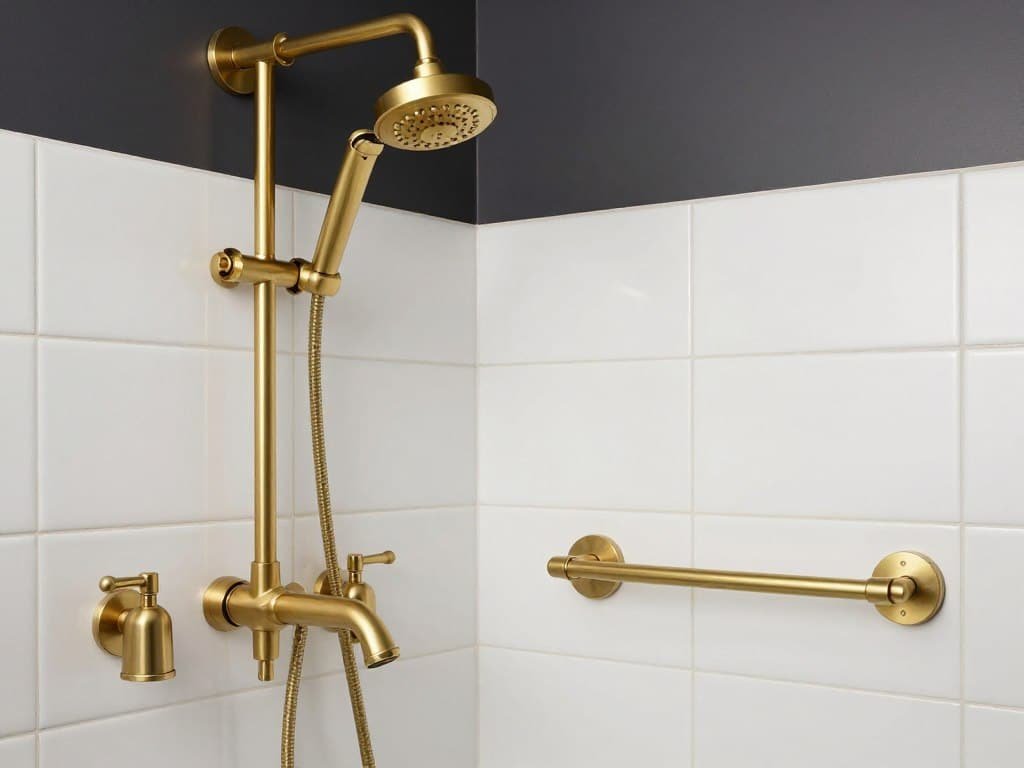
Metal finishes dramatically influence perceived quality. Chrome is ubiquitous in builder-grade baths; warmer finishes like brushed brass, satin bronze, or matte black read more custom and modern. Keep metal finishes consistent across faucets, shower trims, lighting, and cabinet hardware to tie the room together.
A restrained palette—one metal, one wood, one tile—creates a cohesive look that emphasizes design rather than a jumble of parts.
Tiny Powder Room Ideas That Feel Like Boutique Hotels
Powder rooms are ideal places to make bold, high-impact choices because their small size keeps costs and material quantities down. A few well-considered moves—dramatic wall treatments, a statement sink, and focused lighting—can make a tiny powder room feel like a boutique hotel foyer.
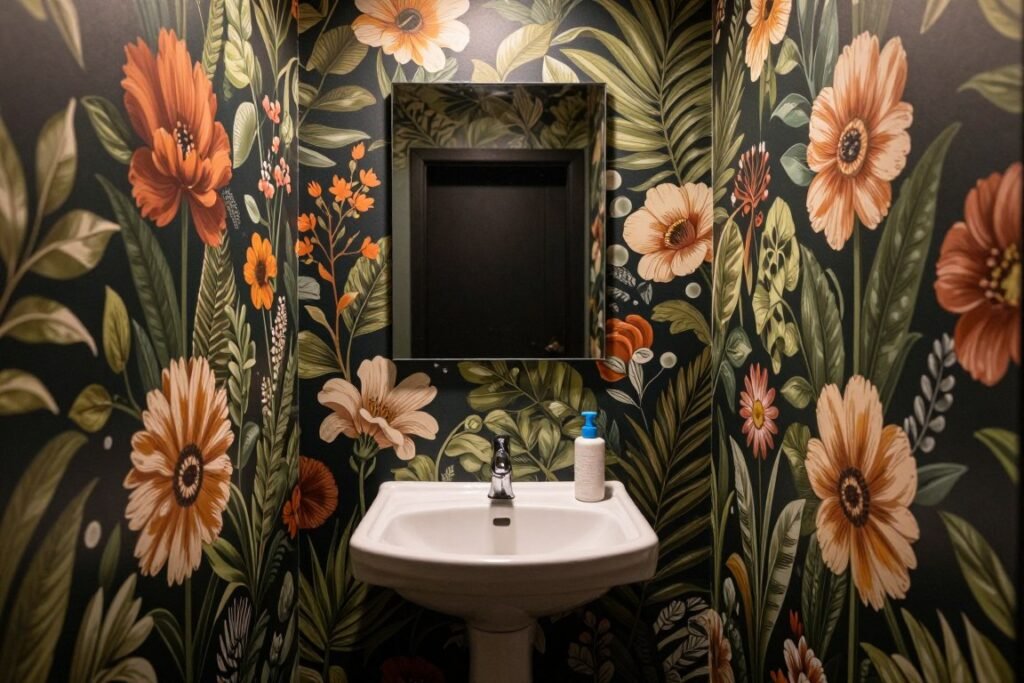
Statement Wallpaper
Statement wallpaper instantly transforms a small powder room. Because these rooms are used briefly, you can choose bold patterns and saturated colors that might overwhelm a larger bathroom. Choose durable, paste-the-wall papers and have seams matched by a professional installer for the most polished look.
Tip: pick a wallpaper pattern that complements your fixtures and finishes so the room reads as a single, intentional composition.
Bold Paint Colors
Deep, saturated paint can create a jewel-box effect with minimal cost. In powder rooms, specialty finishes like high-gloss or lacquer are often appropriate; paint ceilings and trim the same color for an enveloping, custom feel.
Before committing, test large swatches in the room under your lighting—color reads very differently in a small space. Visit a local paint supplier to view samples and confirm the product is suitable for bathroom environments.
Create a Jewel-Box Effect
Download our free powder-room styling sheet or visit your local paint store to compare samples in person—seeing color on real walls prevents costly mistakes.
Designer Sinks
Because counter space is limited, a statement sink becomes the room’s focal point. Consider vessel sinks, hand-hammered metal bowls, or sculptural ceramic pieces that serve as functional art. Verify soap and faucet compatibility and ensure the sink’s scale suits the vanity and room width.
Example guideline: avoid vessel sinks that overhang the vanity edge by more than 1–2 inches in very narrow powder rooms to preserve clearance.
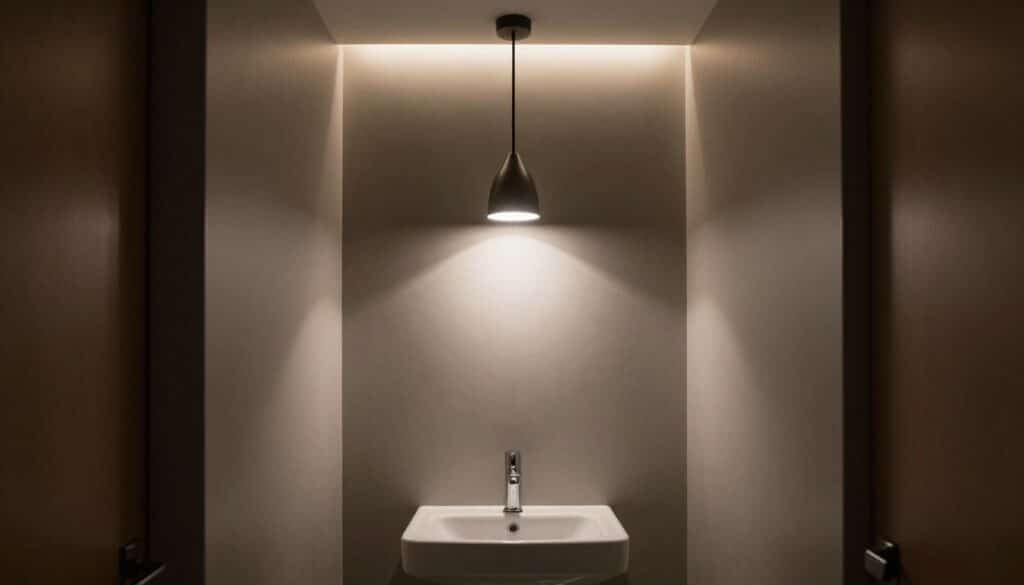
Accent Lighting
Accent lighting elevates small powder rooms. Try a small chandelier, a picture light for artwork, or architectural sconces that coordinate with other metals in the room. Add dimming so lighting can shift from bright task light to soft ambiance for guests.
These intentional lighting choices distinguish boutique-feel powder rooms from builder-grade spaces.
Mistakes That Make Tiny Bathrooms Feel Cheap
Knowing common pitfalls helps you avoid a small bathroom that looks underspecified. Focus on scale, limited finishes, and proper lighting to keep the space feeling custom, not cheap.
Undersized Fixtures
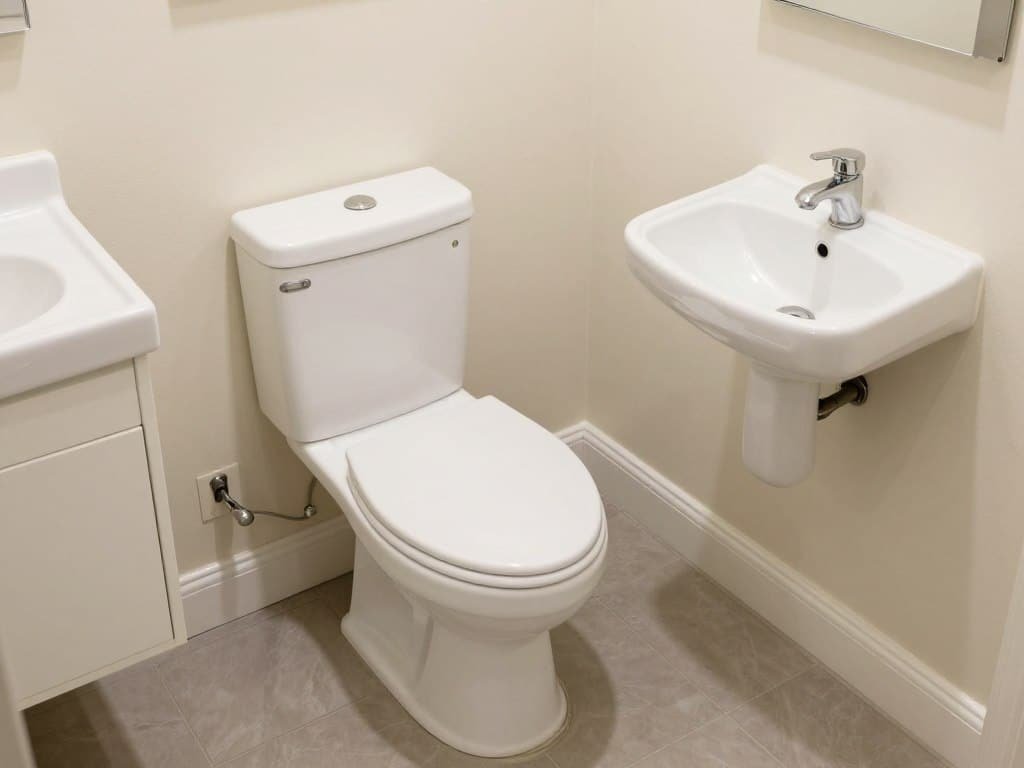
Going too small everywhere causes an off-balance look. Maintain human-scale fixtures: standard sink bowls, properly sized toilets, and showers sized for comfortable use. Rather than miniaturize, opt for space-efficient products that keep proportion—wall-hung toilets with standard bowl sizes or slim-depth vanities are good examples.
Quick rule: preserve at least 30 inches of clear space in front of fixtures where possible to maintain usability in a small bathroom.
Too Many Finishes
Mixing dozens of materials makes a tiny room feel busy and cheap. Limit your palette—two tile choices, one metal finish, and one cabinet material is often enough. That restraint creates cohesion and a more refined result.
Create Visual Cohesion
Instead of shopping product pages, visit manufacturer galleries or our curated finish boards to compare coordinated sets of finishes that work well together.
Skipping Lighting Layers
Relying only on overhead lighting leaves the room flat and uninviting. Use layered lighting—ambient, task, and accent—to flatter finishes and faces and to highlight architectural details.
Simple fix: add sconces beside the mirror and a small recessed ceiling light for even general illumination.
Cheap Mirrors and Hardware
Thin, frameless mirrors and flimsy chrome hardware read builder-grade. Upgrade to a quality mirror with a substantial edge or frame and choose hardware in a considered finish; these are high-touch details that signal quality every day.
Investing in a few tactile, visible items (mirror, faucet, towel bar) delivers disproportionate perceived value compared with hidden materials.
Budget vs Custom — Where to Spend in a Small Bathroom
Creating a bathroom that reads custom doesn’t require unlimited funds—what matters is where you allocate your budget. In a tiny bathroom, strategic splurges and smart savings produce the biggest perceived upgrade.
What’s Worth Splurging On
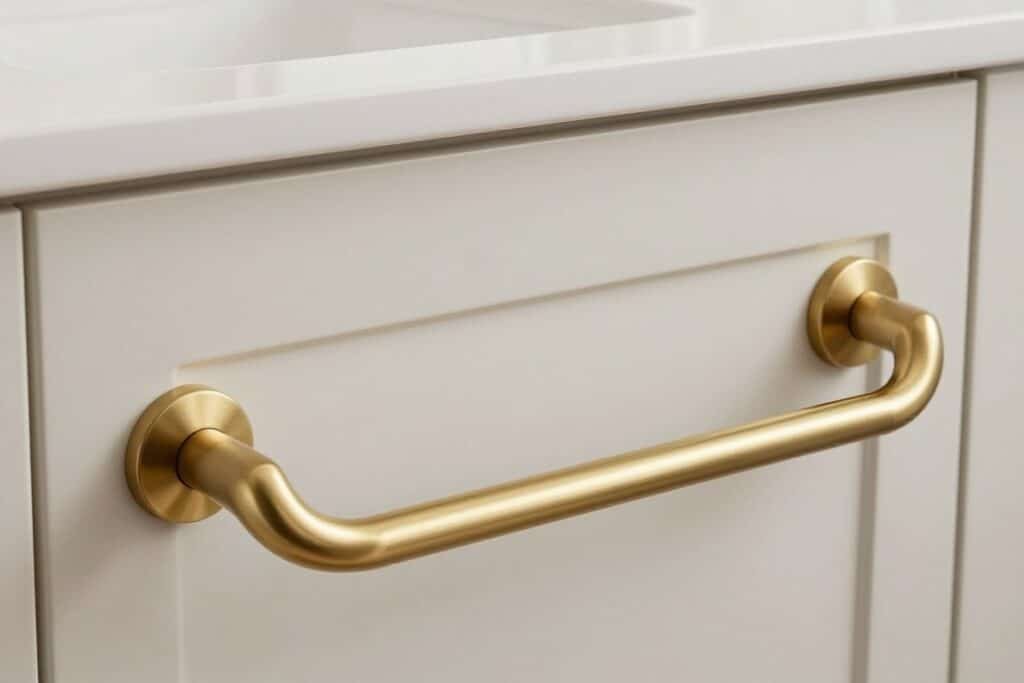
Spend where users notice and touch: faucets, shower controls, cabinet hardware, and door pulls. These high-contact items show quality through both look and feel. Also prioritize items at eye level—mirrors, lighting, and upper wall treatments—because they establish the room’s perceived finish level.
Think tactile: a well-weighted faucet, a substantial towel bar, and a framed mirror deliver instant luxury that belies a modest spend elsewhere.
Where Affordable Alternatives Work
Not every surface needs to be premium. Floor tile and basic wall tile can be value-engineered—proper installation and grout choice often matter more than a high price tag. A classic white subway tile or a durable large-format porcelain floor can read high-end when installed with care.
Focus your budget on visible, tactile, and highly used elements; save on areas partly hidden by fixtures or rugs. Installation quality is the multiplier for affordable materials—hire a good tile setter and carpenter.
Affordable Quality
Browse manufacturer galleries or our internal tile-buying guide to compare cost-effective floor and subway tile options, and download a budget worksheet to plan your remodel.
Why Small Rooms Are Perfect for Luxury Accents
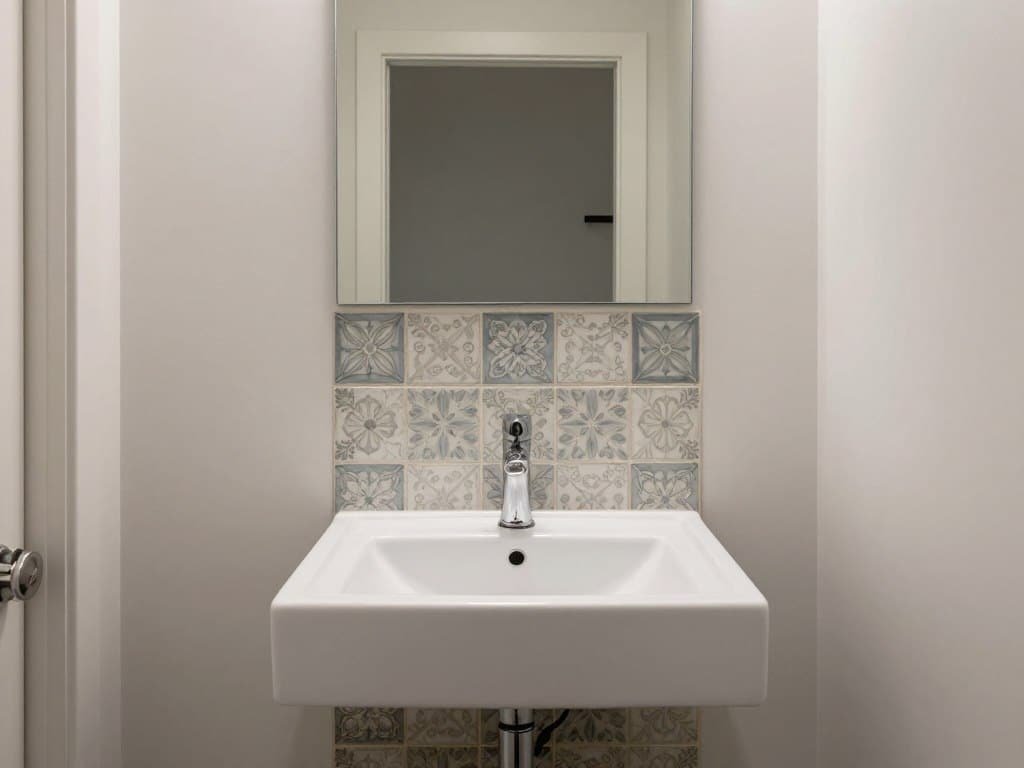
Because quantities are small, tiny bathrooms are ideal places to add a genuine luxury accent: a slab of premium stone, a small area of handmade tile, or an artisan light fixture can be affordable in a compact space and deliver huge visual returns.
This is the smartest way to make a small bathroom feel bespoke—use a modest amount of a standout material where it will be seen most.
FAQs About Tiny Bathroom Remodels
Can a tiny bathroom feel custom?
Yes. Thoughtful bathroom design—visual continuity, proper scale, and quality materials in key spots—creates a custom feel regardless of square footage. Small rooms benefit from continuous tile, well-proportioned fixtures, and coordinated finishes that make the space feel intentional.
What’s the best vanity for a small bathroom?
A vanity that balances storage and proportion works best. Wall-hung (floating) vanities create visible floor space; slim-depth models (15–18 inches deep vs. standard 21–22 inches) preserve clearance. Prefer drawer-based storage over deep cabinets for better access in small spaces.
Are floating vanities practical?
When installed correctly, floating vanities are practical and durable. They must be securely anchored to studs or reinforced blocking; manufacturers’ installation guides specify load capacities. They offer easier cleaning, customizable mount heights, and a lighter visual footprint that helps make small bathrooms feel larger.
Do large tiles work in small bathrooms?
Yes—large-format tiles (12×24, 24×24, etc.) often make small bathrooms feel larger by reducing grout lines and visual breaks. Proper planning is essential to avoid tiny cuts at edges; consult your tile setter and consider layout mockups to ensure seamless results.
How much does a tiny bathroom remodel cost?
Costs vary widely by region and scope. A cosmetic refresh might start around ,500, while full renovations with premium fixtures can exceed ,000. Get at least three local contractor quotes, and use a budget worksheet to prioritize splurges vs. savings.
Making a tiny bathroom feel custom is less about square footage and more about thoughtful bathroom design: prioritize visual continuity, pick durable materials, and invest in the high-touch finishes that people notice. A consistent tile strategy, well-proportioned cabinets and vanities, and coordinated metal finishes (brass, black, or chrome) create the cohesive look of a bespoke space.
Before you commit, get material samples (tile, countertop, and paint), request three contractor quotes, and use a simple checklist to prioritize splurges (fixtures, lighting, mirror) versus savings (field tile, basic floor tile). These steps help ensure your small bathroom remodel delivers maximum visual impact and long-term value.
Ready to Start?
Download the Tiny Bathroom Remodel Ideas Checklist to plan layout, materials, and budget or browse our before-and-after gallery for ideas on how to make a small bathroom feel custom.