This post may contain affiliate links. Please see my disclosure policy for details.
The Winter Shutdown: Nature’s Survival Mode
When winter hits, trees don’t just sit back and hope for the best. They activate an incredible survival system that’s been millions of years in the making.

Dormancy: The Tree’s Hibernation
Imagine your body going into super-low-energy mode. That’s exactly what trees do in winter:
- Metabolism slows way down
- Growth comes to a near-complete stop
- Energy conservation becomes the top priority
Water Management: Nature’s Antifreeze Trick
Trees pull off a mind-blowing survival hack:
- Move water out of sensitive cell areas
- Accumulate sugars that act like natural antifreeze
- Develop flexible cell membranes to prevent ice crystal damage

✎ Steal This Look
- Paint Color: Sherwin-Williams Evergreen Fog SW 9130
- Furniture: low-profile platform bed in raw white oak with integrated storage drawers, paired with a sculptural live-edge nightstand in black walnut
- Lighting: oversized linen drum pendant with dimmable LED, suspended low over the bed for cocoon-like intimacy
- Materials: unbleached Belgian linen, hand-plastered lime wash walls, reclaimed barn wood ceiling beams, chunky hand-knit wool throws, matte black iron hardware
There’s something deeply reassuring about sleeping in a room that acknowledges winter isn’t something to fight but to surrender into—your bedroom becomes permission to slow down when everything outside demands you speed up.
Types of Winter Tree Survival
Evergreen Trees
These champions keep their green pine needles and continue limited photosynthesis. They’re the winter warriors of the tree world.
Deciduous Trees
These trees take a different approach:
- Drop all leaves
- Minimize water loss
- Prepare for spring regrowth
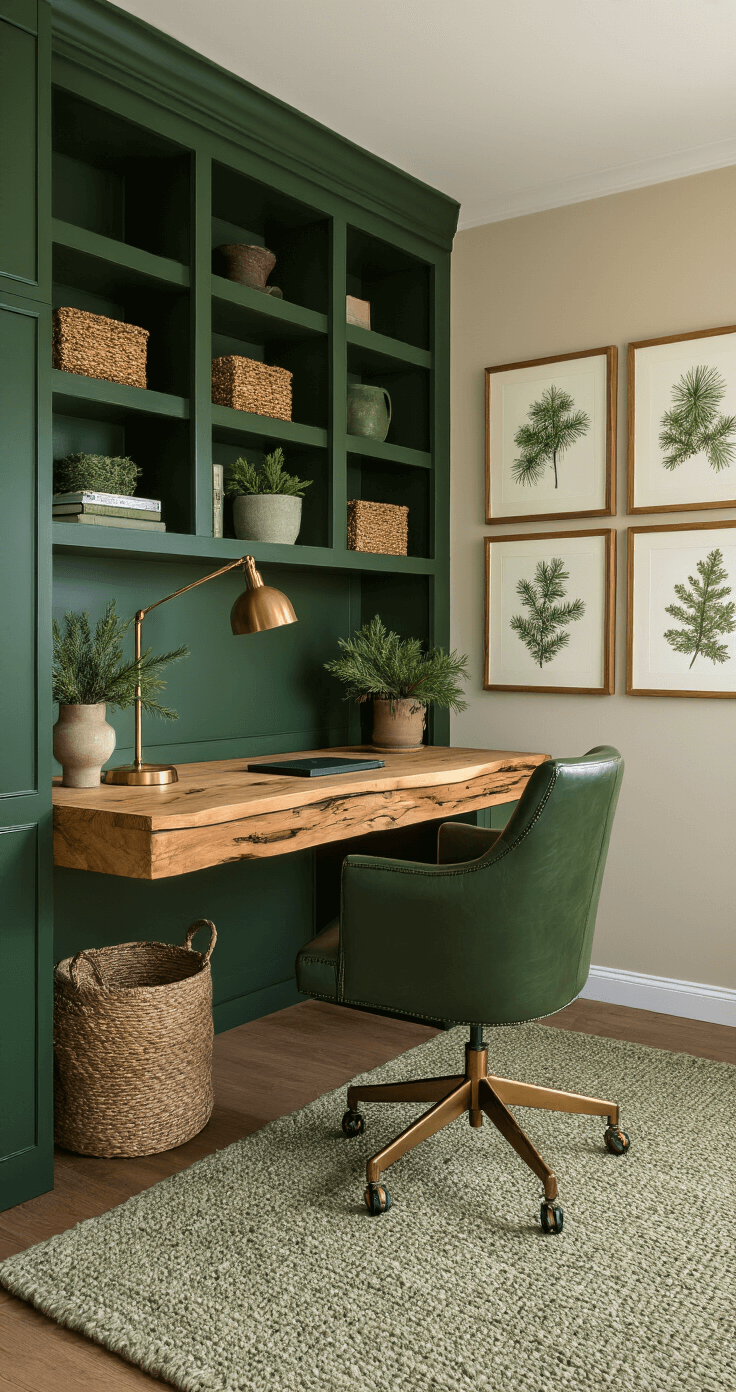
🌟 Steal This Look
- Paint Color: Benjamin Moore Hunter Green HC-109
- Furniture: a sculptural live-edge walnut dining table with organic, branching legs that echo tree trunk forms
- Lighting: a cluster of three pendant lights with hand-blown amber glass globes resembling winter buds, suspended at varying heights
- Materials: raw-edge wood, brushed brass, forest green velvet, natural linen, and preserved moss accents
This dining room concept celebrates the quiet resilience of trees that endure winter rather than retreat from it, creating a space that feels both grounded and alive during the coldest months.
Winter Risks Trees Face
Not everything is smooth sailing in the winter forest:
- Frost Cracking: Bark can split during temperature swings
- Branch Breakage: Ice and snow can seriously damage tree limbs
- Water Stress: Dehydration becomes a real threat

Save this article
Enter your email and we'll send it straight to your inbox.
✎ Steal This Look
- Paint Color: Farrow & Ball Studio Green 93
- Furniture: reclaimed oak console table with live-edge detail
- Lighting: bronze adjustable pharmacy floor lamp with amber glass shade
- Materials: raw edge walnut, hand-forged iron, nubby wool bouclé, crackled ceramic
This room feels like the quiet tension of a January dawn walk through bare woods—beautiful because it’s unguarded, not despite it.
How to Help Your Trees Survive Winter
Pro tips for tree care during the cold months:
- Water regularly before ground freezes
- Use mulch to insulate roots
- Prune during dormancy
- Wrap young tree trunks for protection
- Remove heavy snow from branches carefully
Pro Tip for Tree Protection
Consider using tree wraps to shield young trees from winter damage. They’re like a cozy winter jacket for your trees!
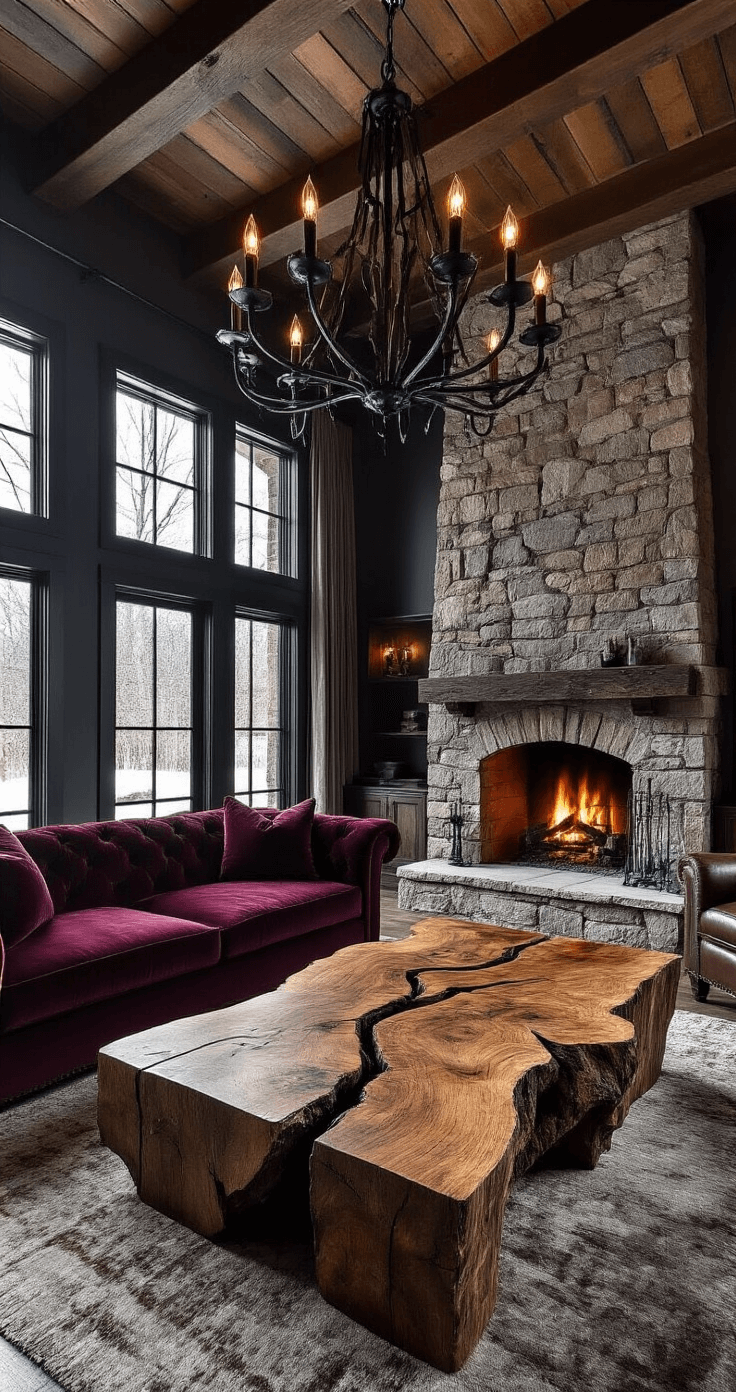
🖼 Steal This Look
- Paint Color: Behr Frosted Juniper N430-3
- Furniture: weathered teak potting bench with galvanized steel top
- Lighting: industrial gooseneck barn light in matte black
- Materials: rough-hewn cedar, burlap tree wrap, aged terra cotta, cast iron hardware
There’s something deeply satisfying about tucking your landscape in for winter—this mudroom-style potting corner lets you store wraps, mulch, and tools right where you need them, so you’re more likely to actually protect those trees before the first hard freeze.
🔔 Get The Look
The Big Picture
Winter isn’t the end for trees – it’s just a strategic pause. They’re storing energy, protecting themselves, and preparing for the explosive growth of spring.
Remember, every tree is a complex, living system with incredible survival mechanisms. Next time you see a bare tree in winter, appreciate the incredible biology happening right before your eyes.
Pro Survival Tip: The trees that look dead are actually working their hardest, storing energy and preparing for their spring comeback!
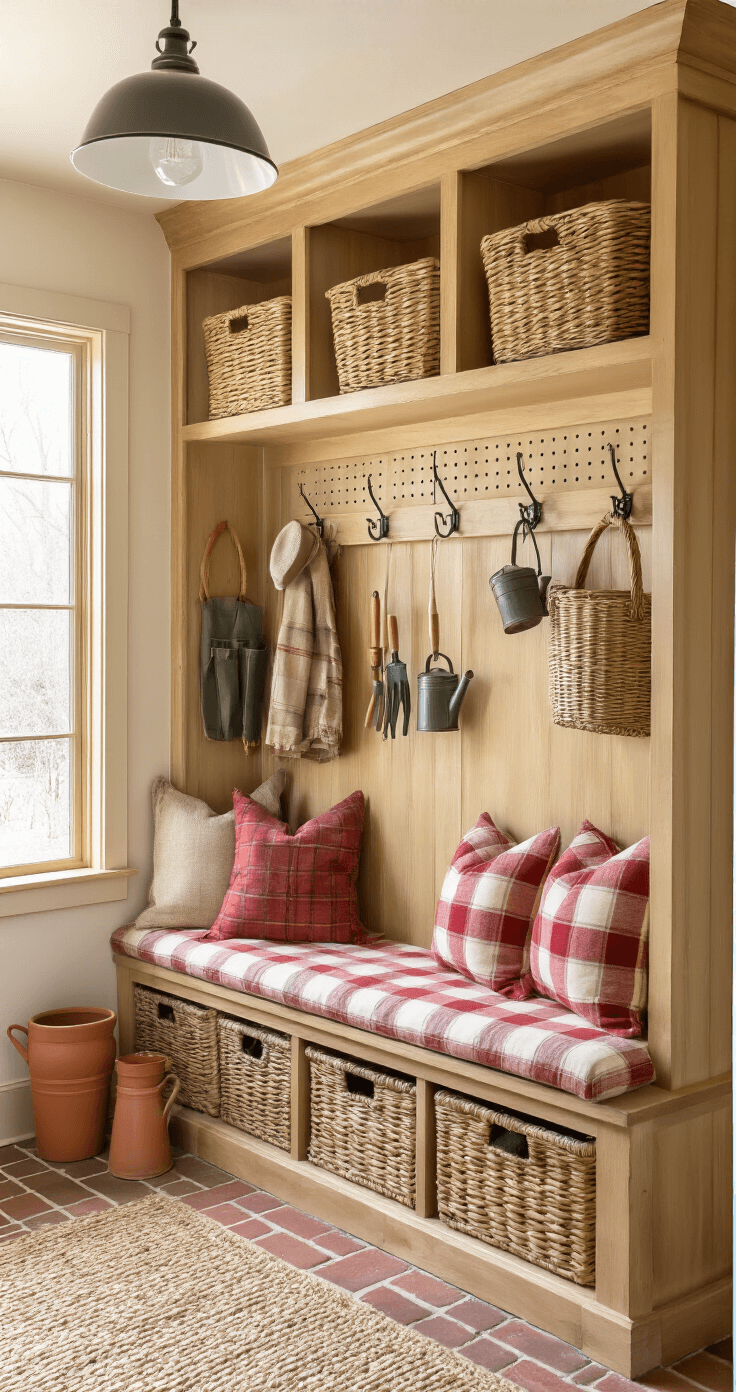
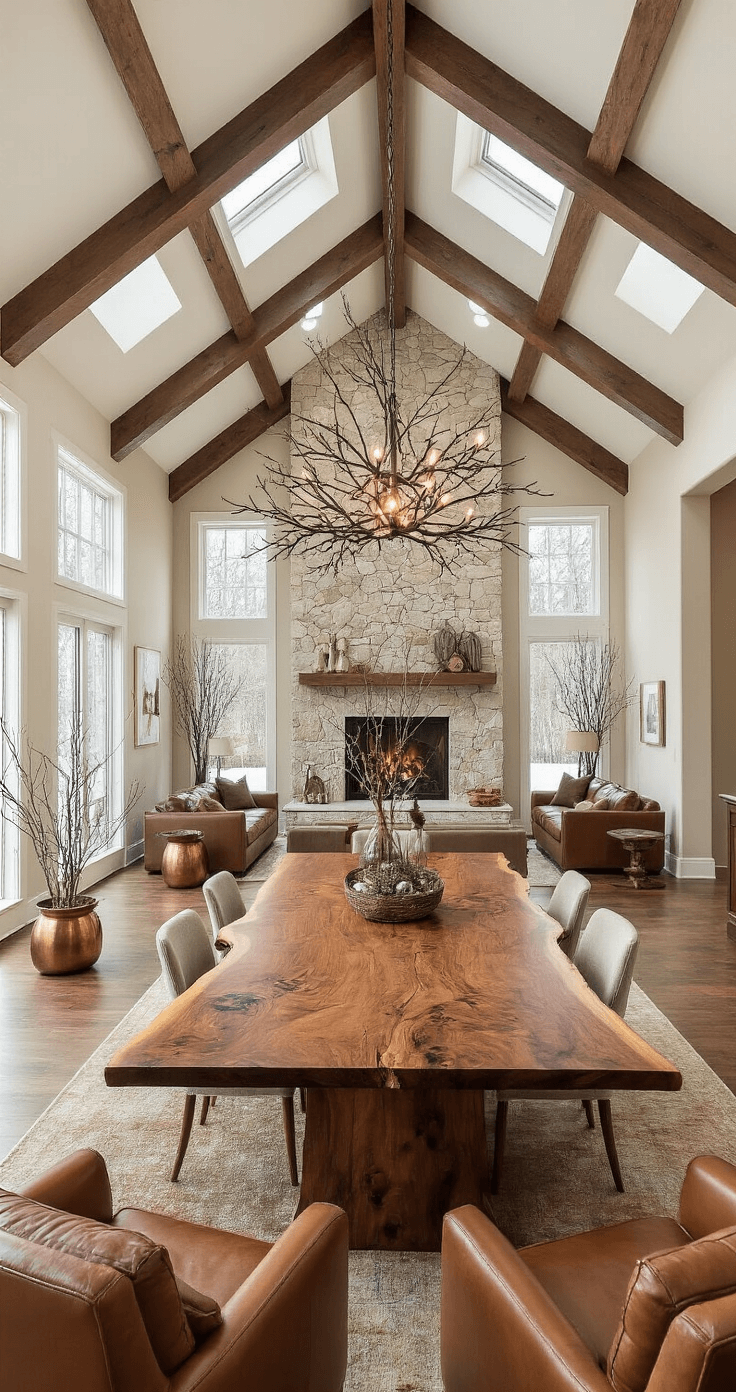
🎨 Steal This Look
- Paint Color: Valspar Winter Calm 5002-1B
- Furniture: a low-profile walnut platform bed with integrated nightstands and clean horizontal lines
- Lighting: a sculptural branch-inspired chandelier with dimmable LED candle bulbs in aged bronze finish
- Materials: raw edge walnut, brushed brass, chunky hand-knit wool, matte ceramic, and preserved bare branches
This is the room where you finally exhale after months of constant doing—there’s something deeply human about surrendering to the quiet season, about trusting that rest itself is productive.
Keep this one for later
We'll email you the link so you can come back to it.