
This post may contain affiliate links. Please see my disclosure policy for details.
Wabi Sabi Dining Tables: Embracing Imperfect Beauty in Your Home
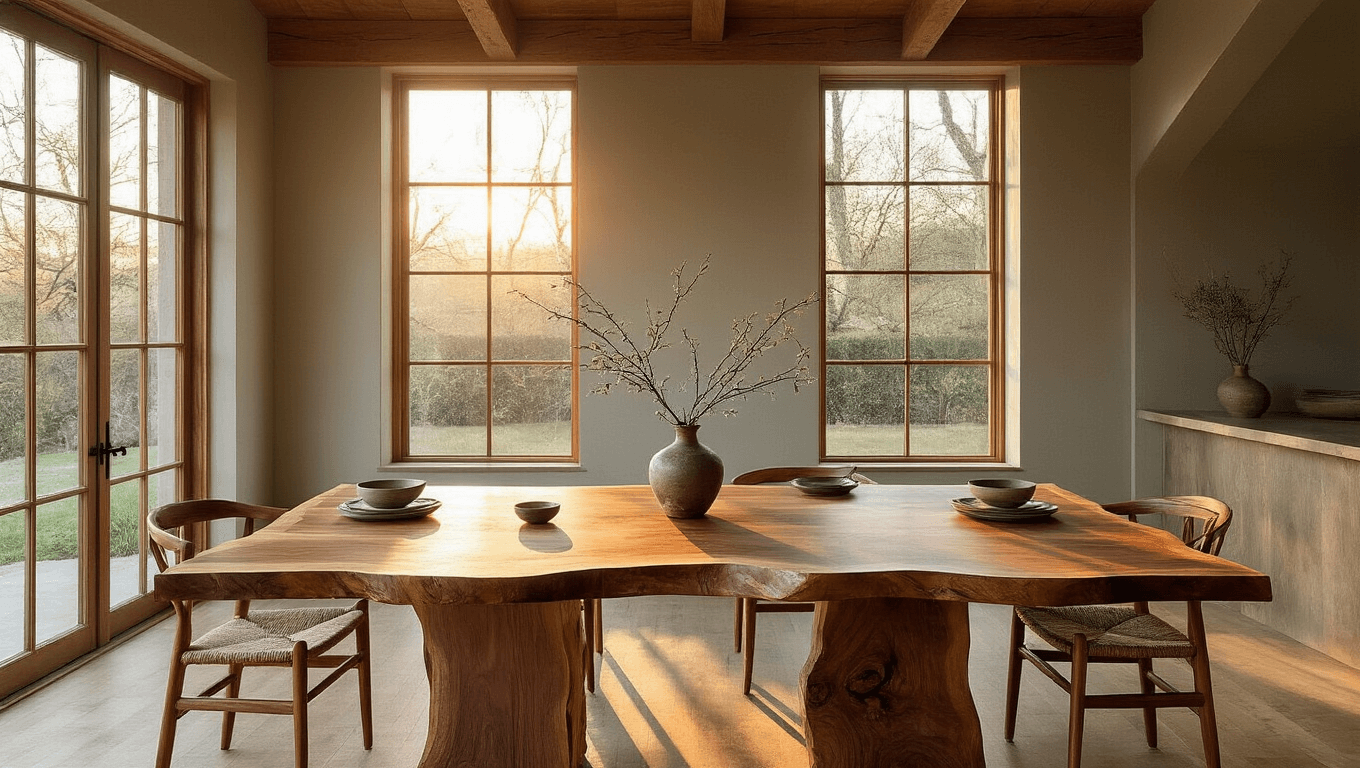
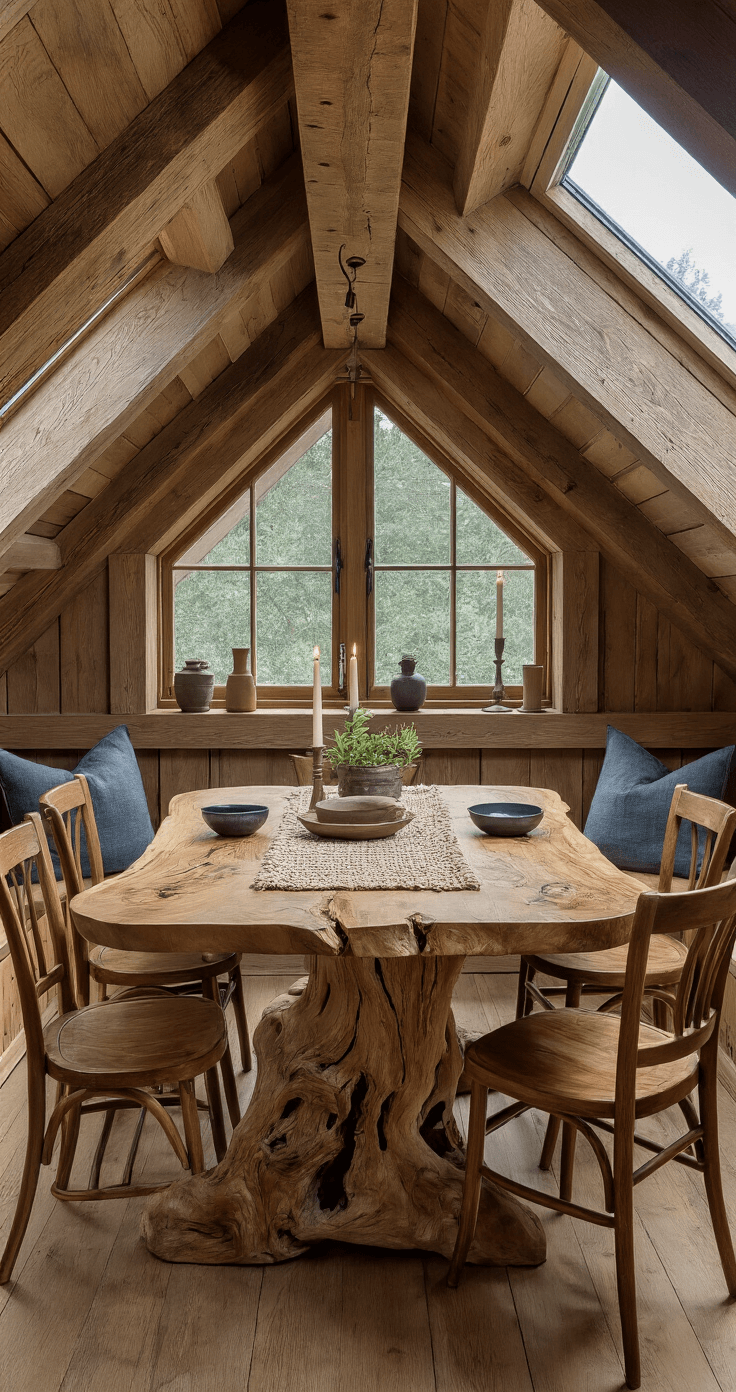
The wabi-sabi dining table that felt most elegant was a reclaimed wood table with visible knots, cracks, and a surface that showed years of meals. Wabi-sabi dining tables are about the beauty of natural materials and the stories they carry. The table should feel like it has a history.
You know, that indescribable quality that makes a space feel warm, inviting, and utterly unique?
Well, my friend, let me introduce you to the world of Wabi Sabi dining tables.
Trust me, once you go Wabi Sabi, you’ll never look back!
I remember the first time I stumbled upon a Wabi Sabi-inspired dining space.
It was like walking into a zen garden, but with food involved.
The table was this gorgeous slab of raw-edged wood, complete with knots and grain patterns that told a story all their own.
I was instantly hooked.
So, what exactly is Wabi Sabi, and why should you care?
Buckle up, because we’re about to dive deep into this Japanese philosophy that’s taking the design world by storm.
The Heart of Wabi Sabi: Celebrating Imperfection
Wabi Sabi isn’t just a design trend; it’s a way of life.
It’s about finding beauty in the imperfect, the incomplete, and the impermanent.
When it comes to dining tables, this translates to:
- Embracing natural materials in their raw, unfinished glory
- Celebrating unique quirks and “flaws” in wood grain or stone
- Appreciating the patina that develops over time
Think of it as the anti-IKEA approach.
No mass-produced perfection here, folks!
Natural Materials: The Stars of the Show
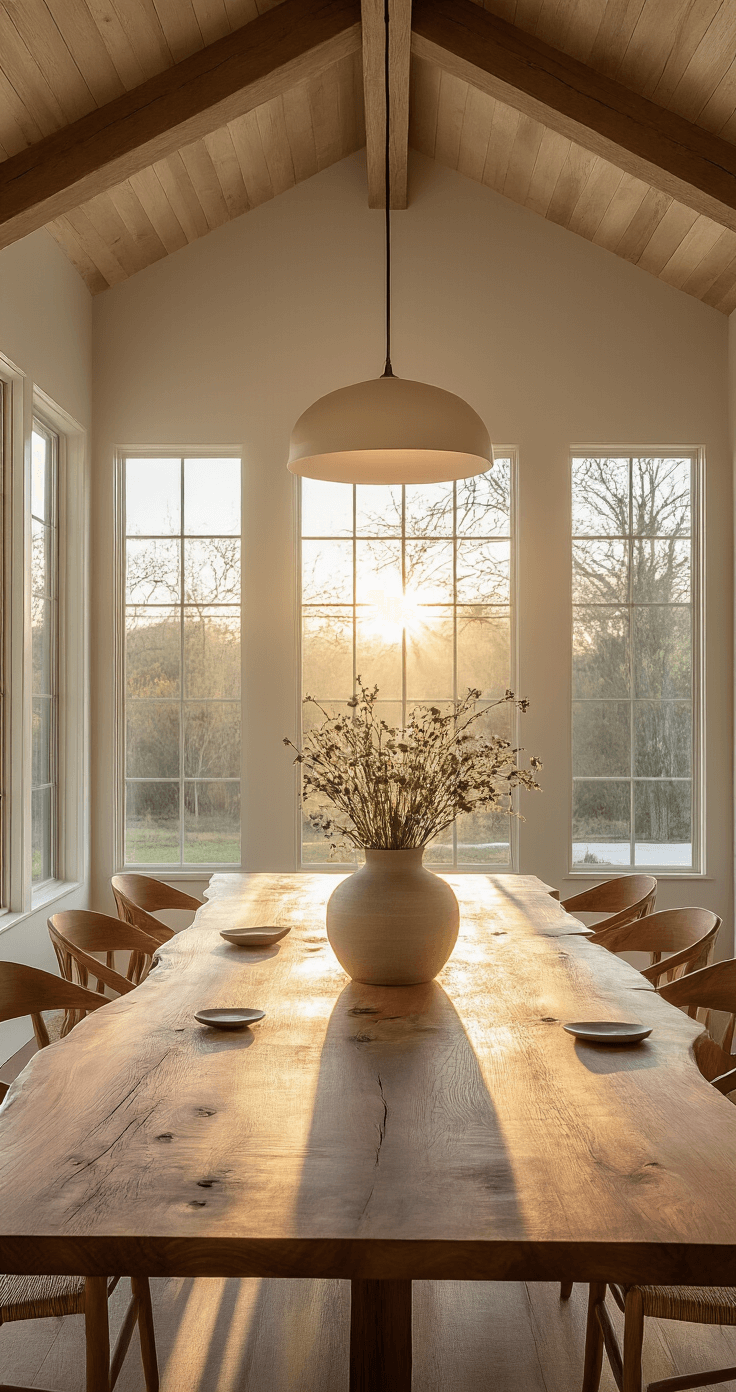
When choosing a Wabi Sabi dining table, natural materials are your best friends.
We’re talking:
- Solid wood (the knottier, the better!)
- Natural stone (hello, gorgeous veining!)
- Handmade ceramics (perfectly imperfect)
My personal favorite?
A massive slab of live-edge walnut.
It’s like having a piece of the forest right in your dining room.
Color Me Earthy: The Wabi Sabi Palette
Forget about loud, trendy colors.
Wabi Sabi is all about keeping it natural and serene.
Think:
Save this article
Enter your email and we'll send it straight to your inbox.
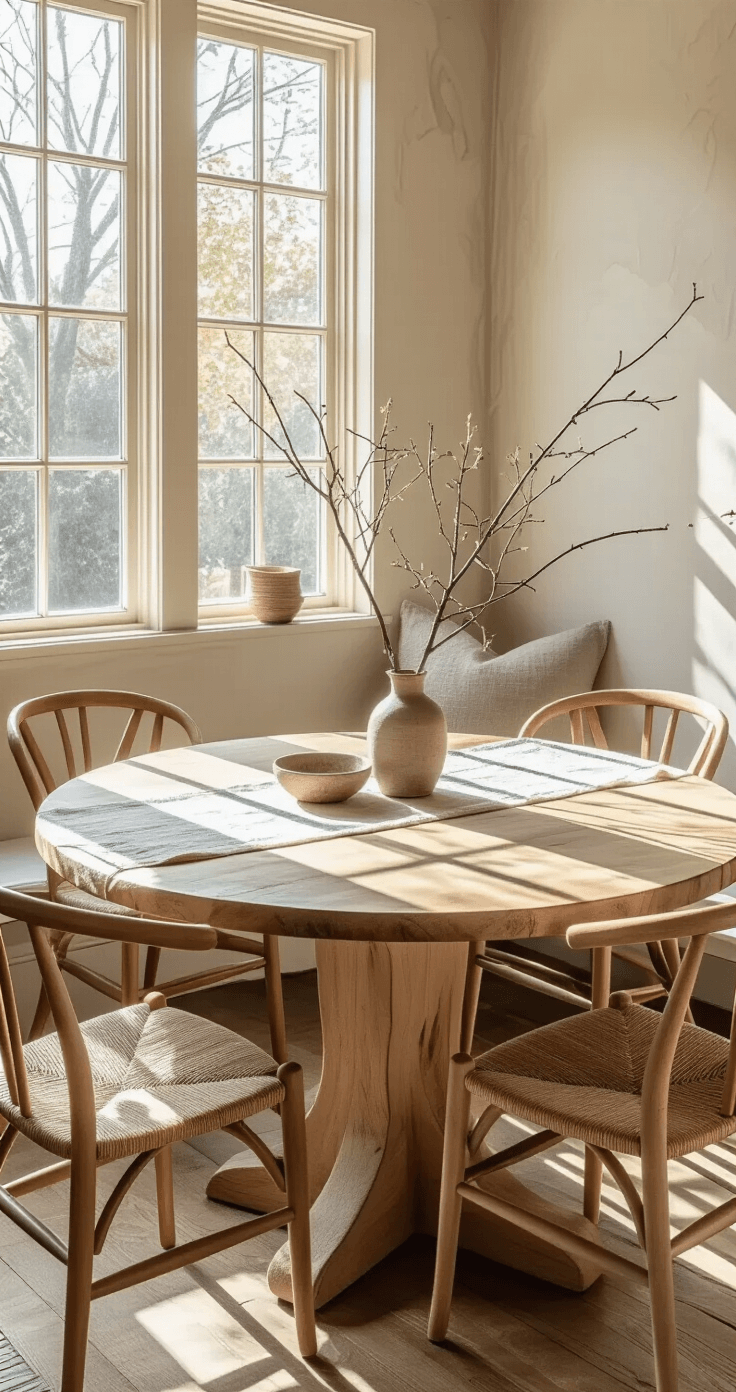
- Warm wood tones
- Soft greys
- Muted greens
- Earthy browns
The goal is to create a calming atmosphere that lets the natural beauty of your table shine.
Less is More: The Art of Minimal Adornment
Here’s where Wabi Sabi really sets itself apart from other design styles.
Instead of piling on the decorations, we’re stripping things back to the essentials.
Your table should be the star of the show, not hidden under a mountain of stuff.
A few carefully chosen pieces are all you need:
- A simple ceramic vase with wildflowers
- A handwoven table runner
- Artisanal plates and bowls
Remember, every item should have a purpose and enhance the natural beauty of your table.
Creating the Perfect Wabi Sabi Atmosphere
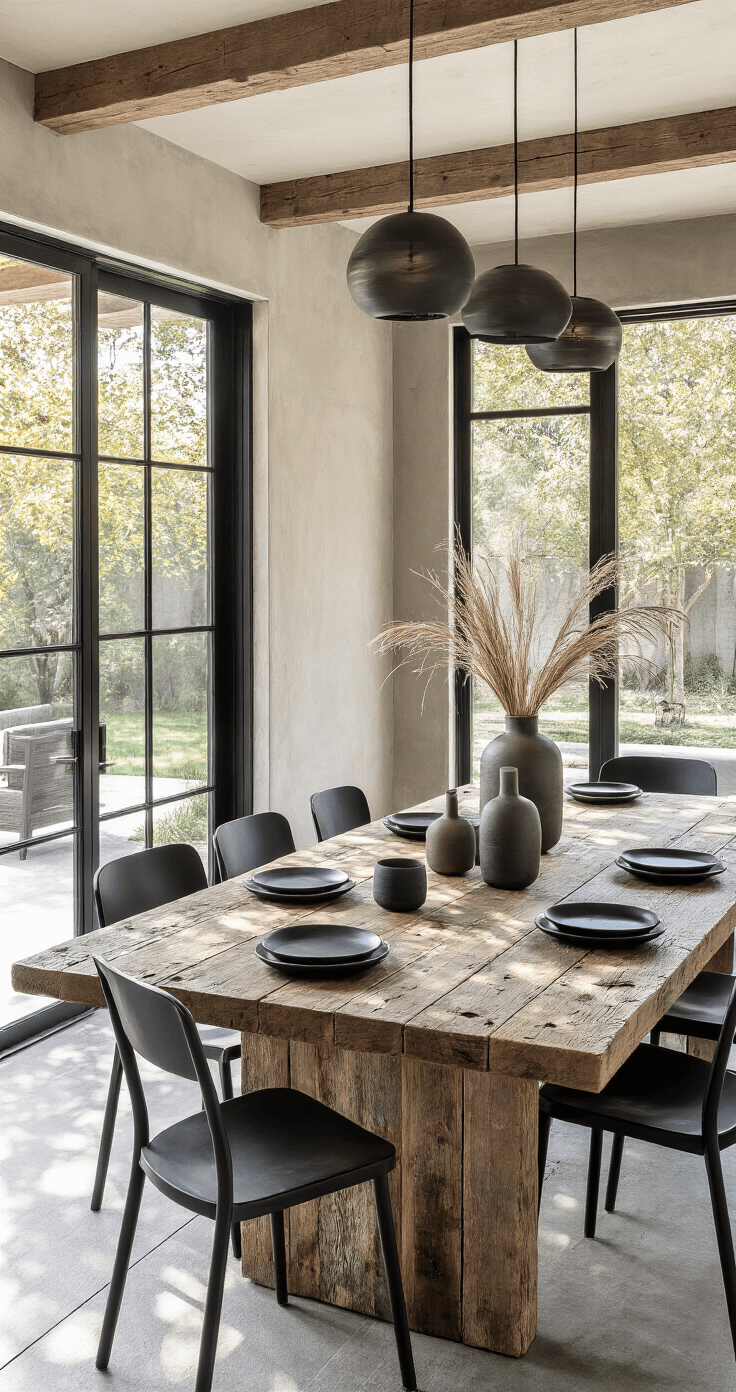
Lighting is key in a Wabi Sabi dining space.
Forget harsh overhead lights – we want soft, warm illumination that creates gentle shadows and highlights the texture of your table.
Consider:
- Pendant lights with organic shapes
- Candles for a cozy glow
- Natural light from nearby windows
The goal is to create an inviting atmosphere that makes people want to linger over meals and conversations.
Why Choose a Wabi Sabi Dining Table?
Now, you might be wondering, “Why should I embrace this whole Wabi Sabi thing?
Let me tell you, the benefits go way beyond just looking good:
- Each table is unique: No more cookie-cutter furniture!
- It’s a conversation starter: Get ready for endless compliments and questions about your one-of-a-kind piece.
- It’s timeless: Trends come and go, but natural beauty never goes out of style.
- It’s grounding: In our fast-paced, digital world, connecting with natural materials can be incredibly calming.
- It encourages mindfulness: The imperfections in your table become a daily reminder to appreciate the beauty in life’s little quirks.
Where to Find Your Perfect Wabi Sabi Table
Ready to embrace the Wabi Sabi lifestyle?
Here’s where to look:
- Local artisans and woodworkers
- Antique shops and flea markets
- Specialty furniture stores focusing on natural materials
- Online marketplaces for handmade goods
Pro tip: Don’t be afraid to ask about the story behind each piece.
Knowing the journey of your table adds an extra layer of meaning to your dining experience.
DIY Wabi Sabi: Embracing Your Inner Artist
Feeling crafty?
Creating your own Wabi Sabi-inspired table can be a rewarding project.
Here are some ideas to get you started:
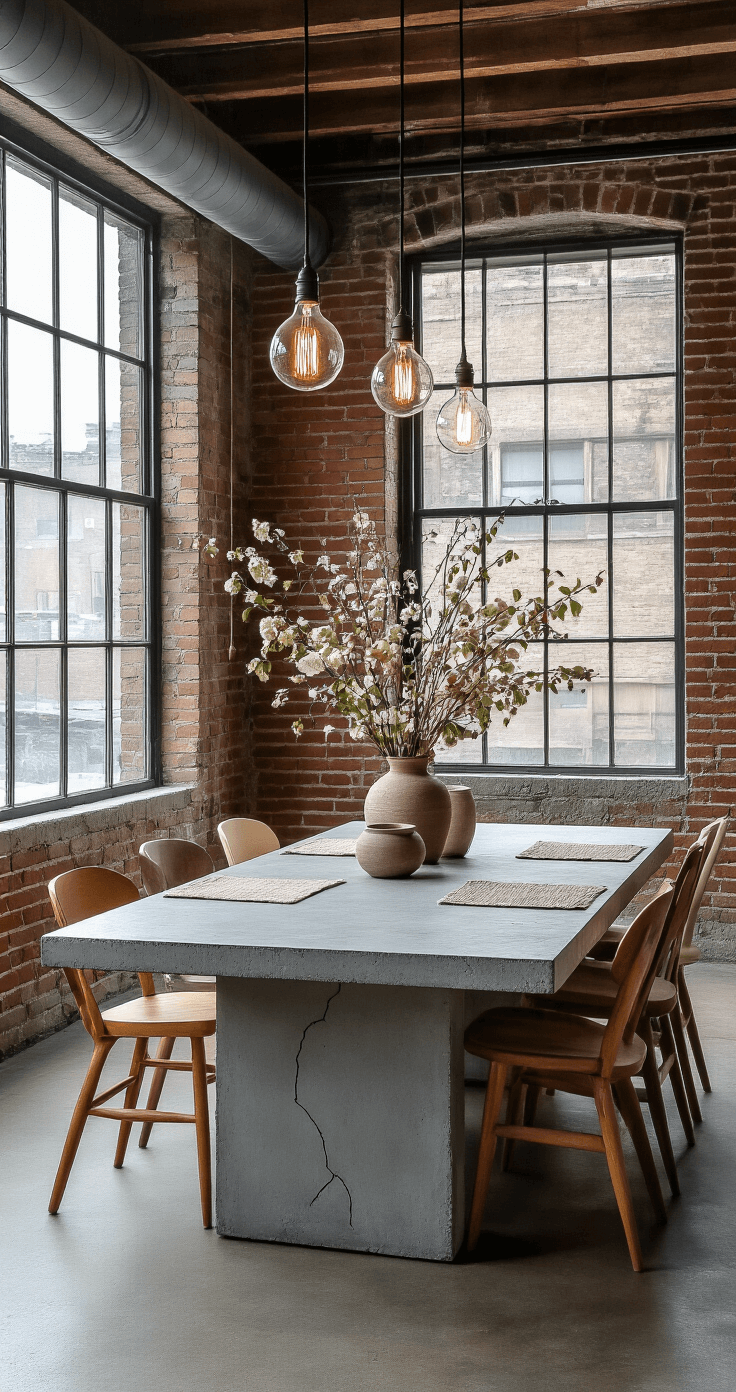
- Find a piece of driftwood or reclaimed wood for a tabletop
- Experiment with natural stains and oils to enhance the wood’s natural beauty
- Leave edges raw and unfinished for that authentic Wabi Sabi look
Remember, perfection is not the goal here.
A wabi-sabi dining table works when the wood is natural and the finish is matte. Let the knots, cracks, and grain be the decoration. The table should feel like a gathering place that has hosted many meals and will host many more.
<img
Keep this one for later
We'll email you the link so you can come back to it.


[…] a Wabi Sabi rug isn’t just a floor covering – it’s a philosophy. It’s about embracing the beauty of imperfection, celebrating authenticity, and creating a space that feels lived-in and […]
[…] go ahead, let your furniture show its age. Embrace those imperfect ceramics. Mix old and new with abandon. Your home will thank you for it, and you’ll wonder […]