
This post may contain affiliate links. Please see my disclosure policy for details.
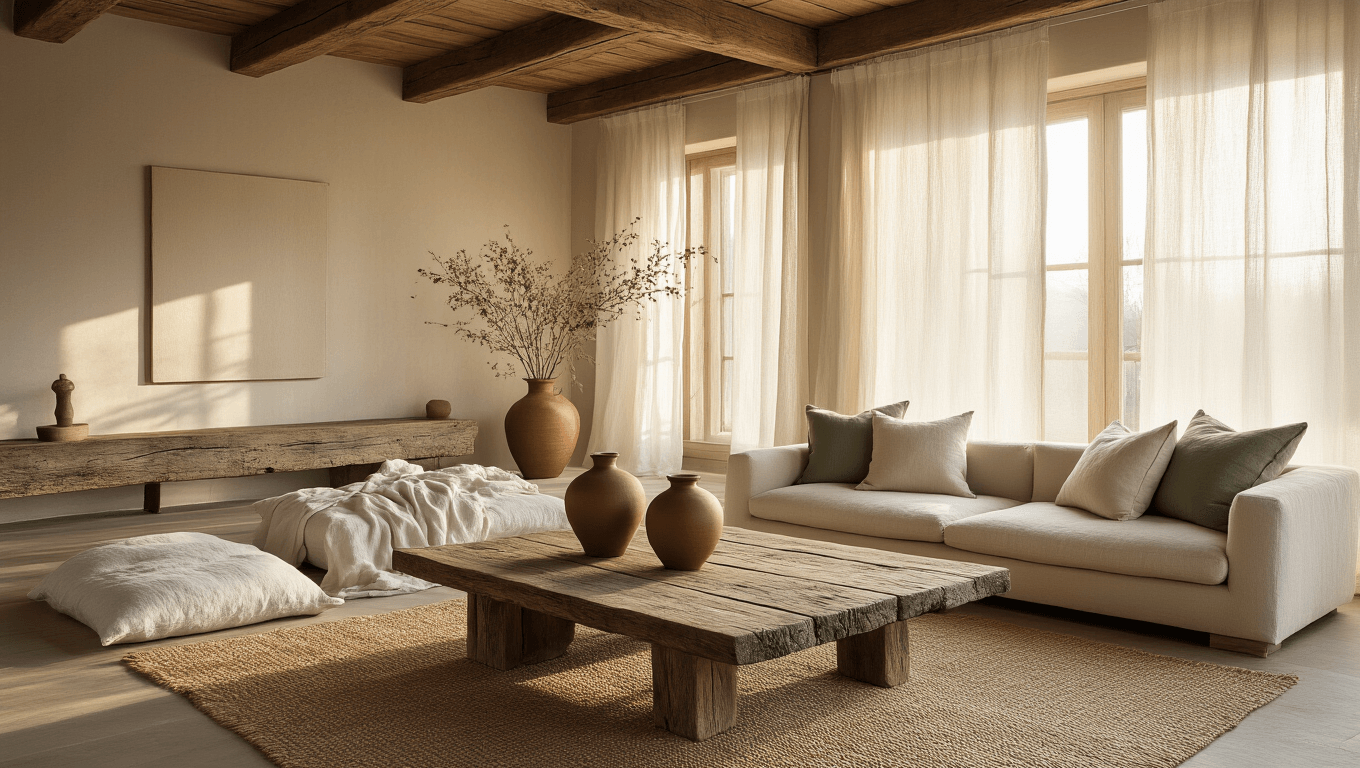
The wabi-sabi home that felt most soulful had natural materials, muted colors, and objects that showed their age. Wabi-sabi home decor is about finding beauty in imperfection and simplicity. The key is choosing natural materials and embracing the wear of time.
What Exactly is Wabi Sabi?
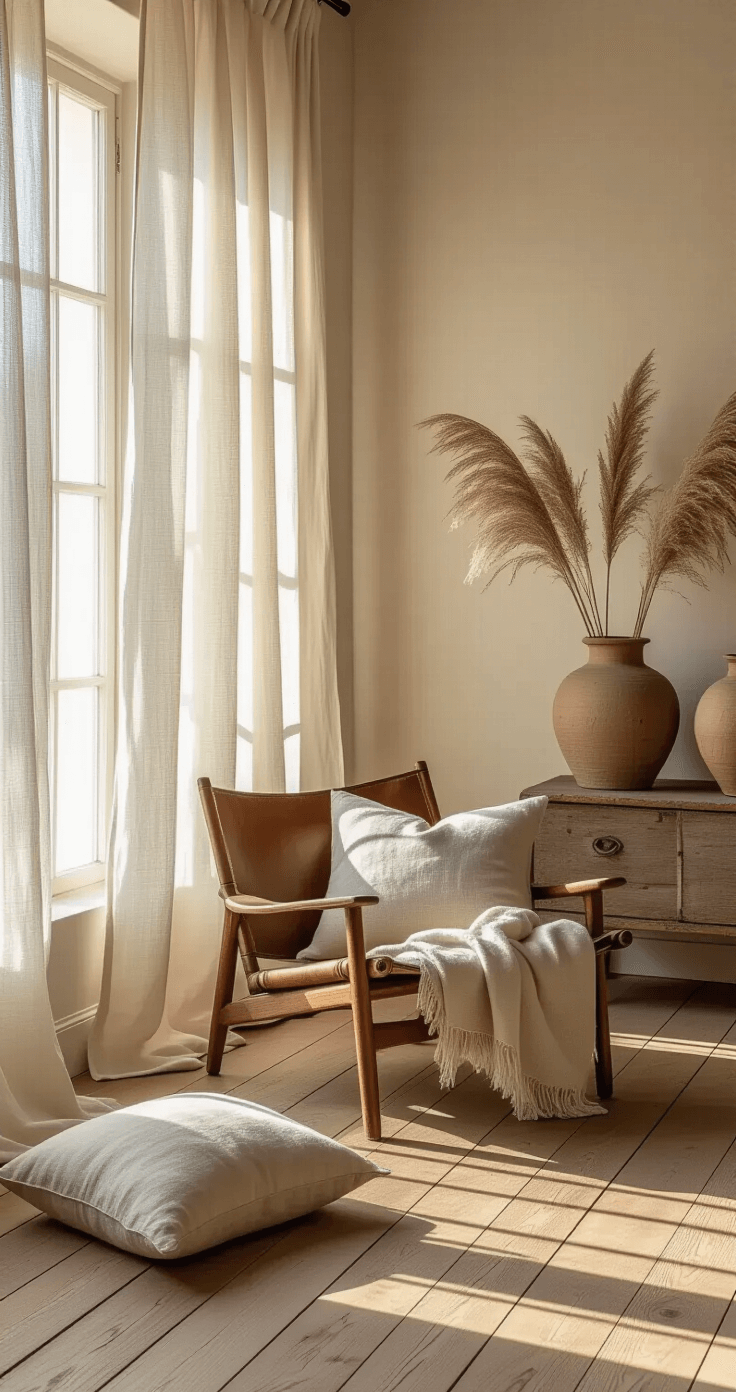
Wabi sabi isn’t just a design trend—it’s a profound way of seeing beauty in life’s imperfections. Imagine a ceramic bowl with a slight crack, a weathered wooden table that tells stories of family gatherings, or a linen throw with gentle wrinkles that whisper of comfort.

|

|

|

|

|

|

|
|

|
|
Our Rating:
3.5
|
Our Rating:
3.5
|
Our Rating:
3.5
|
Our Rating:
3.5
|
Our Rating:
3.5
|
Our Rating:
3.5
|
Our Rating:
3.5
|
Our Rating:
3.5
|
Our Rating:
3.5
|
|
$32.99
|
$33.89
|
|
$56.99
|
$27.99
|
$27.99
|
$114.78
|
$28.99
|
$36.99
|
The Core Philosophy: Beauty in Imperfection
Key principles of wabi sabi include:
- Celebrating natural wear and tear
- Finding grace in asymmetry
- Valuing authenticity over artificial perfection
- Connecting deeply with natural materials
Creating a Wabi Sabi Home: Practical Steps
1. Declutter with Intention
Wabi sabi isn’t about minimalism, but meaningful simplicity. Keep only items that:
- Spark joy
- Have personal significance
- Serve a genuine purpose
Pro Tip: Use storage baskets made from natural materials to organize thoughtfully.
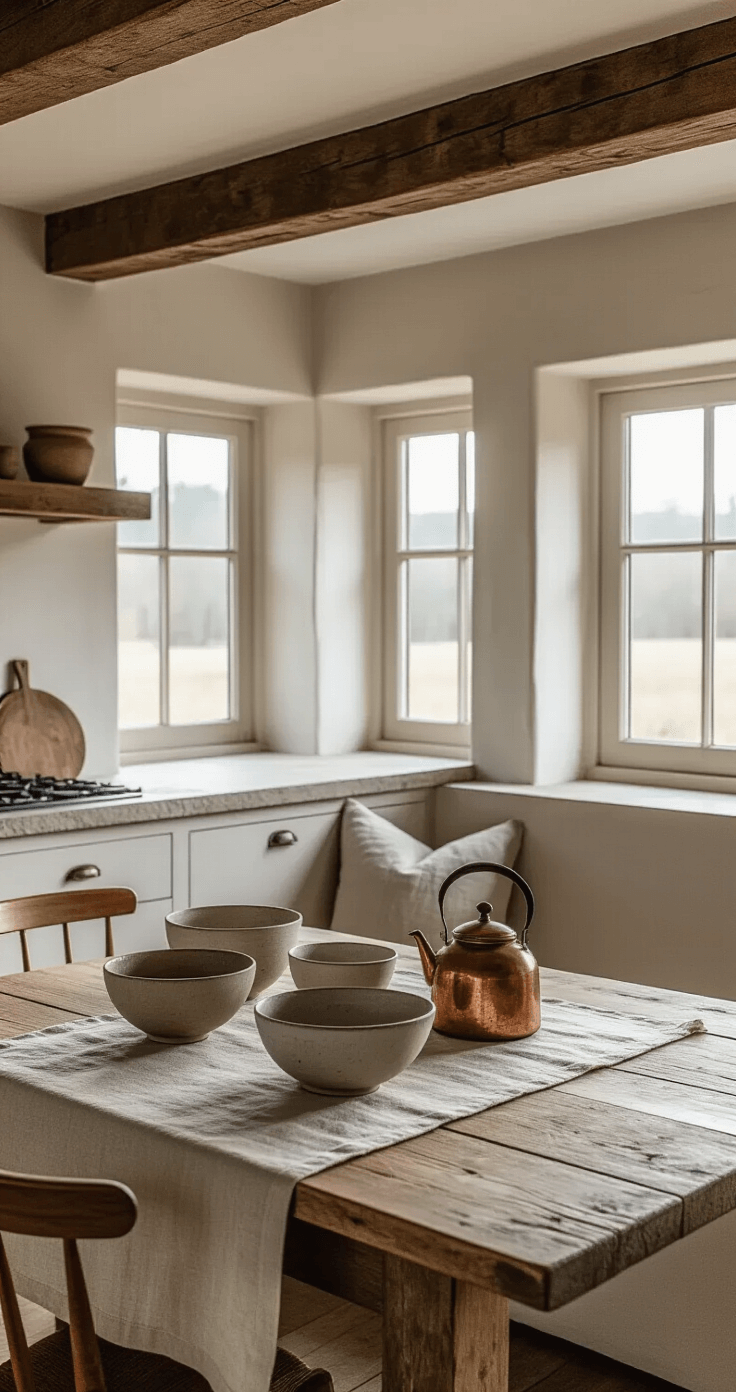
2. Choose Natural Materials
Prioritize materials that age gracefully:
- Raw wood with visible grain
- Stone surfaces
- Unprocessed linen
- Hand-thrown ceramics
- Natural fiber rugs
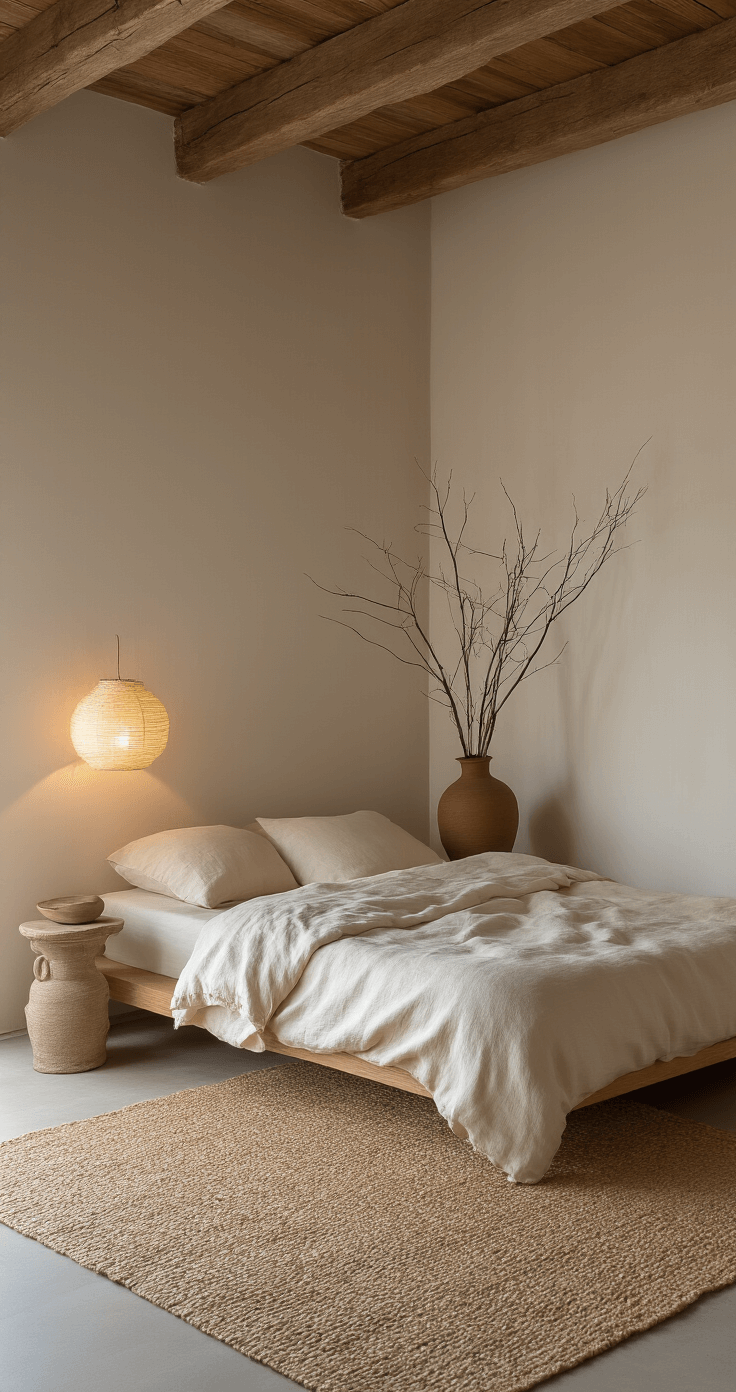
3. Embrace a Neutral Color Palette
Stick to earthy, muted tones:
- Soft whites
- Warm beiges
- Gentle greys
- Subdued greens
- Warm browns
This vase for decor are crafted using 100% pottery clay fired under intense temperatures to give them a sturdy and durable. Every detail is crafted by hand to create beautiful lines and a unique look.
Each hand-made white vase is made of high-quality hand-crafted porcelain with uniform texture, the matte surface with a special frosted hand feel. These vases are sturdy, durable, and leak-proof. Perfect for shelf decor, aesthetic room decor, coffee table decor, Office Desk, boho home decor, and office decor.
The definitive guide that teaches you how to use the Japanese concept of wabi sabi to reshape every area of your life and find happiness right where you are.
Modern Japanese Wabi Sabi pendant light featuring an elegant white high-density polystyrene lampshade with minimalist aesthetics.
Solid wood construction with a rich dark brown finish that adds sophistication to any table setting or display.
Save this article
Enter your email and we'll send it straight to your inbox.
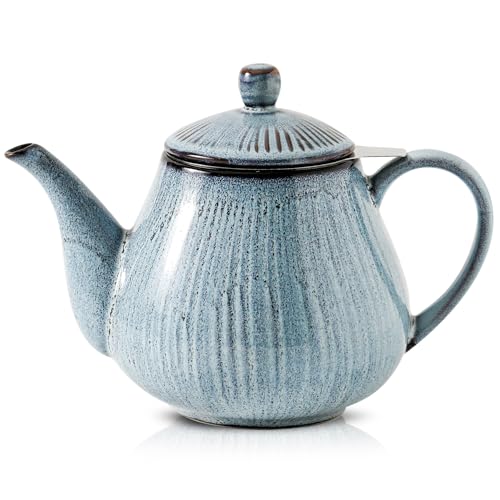
This farmhouse tea pots design combine simplicity with modern style, with the large handle design to make you more comfortable and stable to grasp and hold. Equipped with a stainless steel fine-mesh filter to keep tea out of your cup.
This Noguchi Table Lamp features minimalist styling with soothing and warm lighting, featuring a handmade paper lantern lamp shade that casts a soft ambient light, perfect for creating a serene space in your home, not only do we hope to bring you a unique and cozy experience, but we also hope that you will be inspired to live a little more. It is a stylish addition to any apartment, bedroom or dorm room.
This vase is handmade from high-quality ceramic in Jingdezhen, China, renowned for its pottery craftsmanship.
This ceramic casserole dish is poured at high temperature during processing and its structure is firm and durable. It can stand up to 500 degrees Fahrenheit in the oven heat. Thick enough ceramics can keep food warm and resist odor, stain, cracking and debris.
4. Lighting Matters
Create ambiance with:
- Soft table lamps
- Candles
- Natural light
- Warm, layered illumination
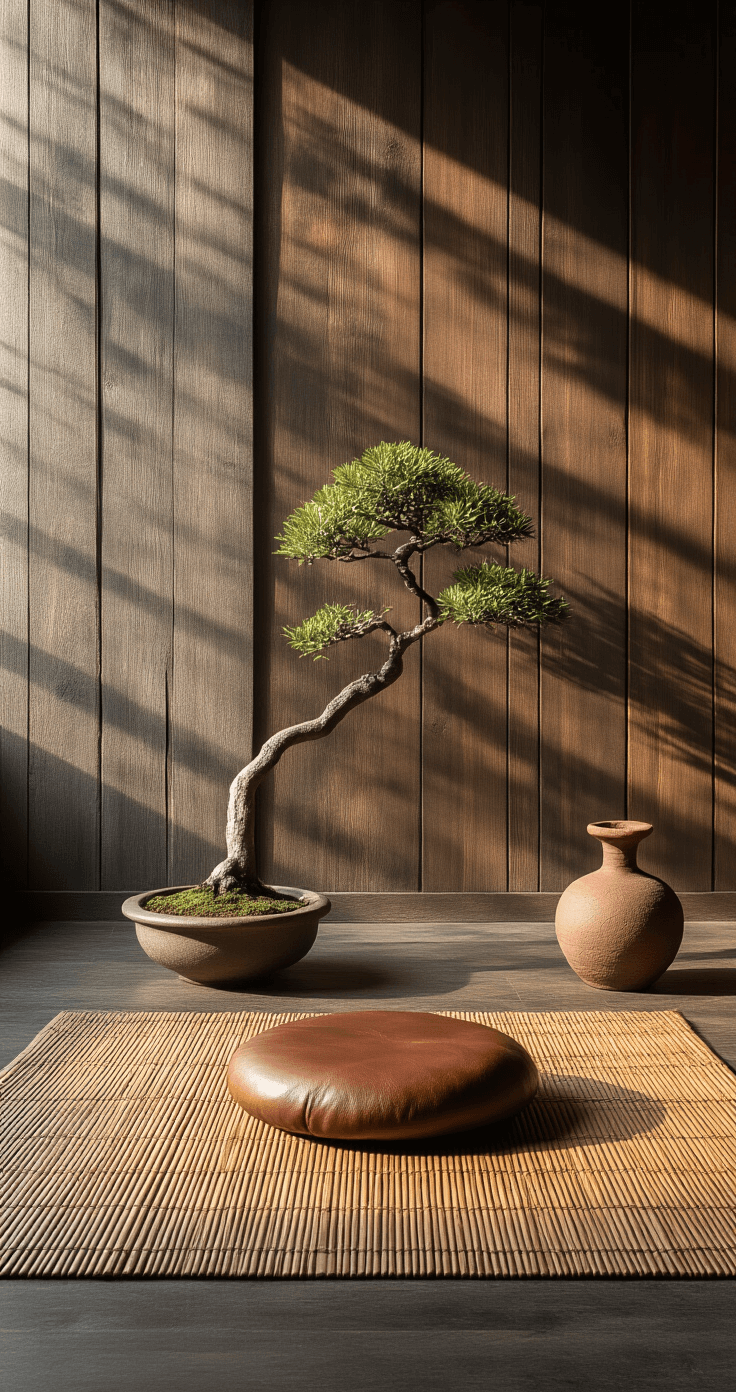
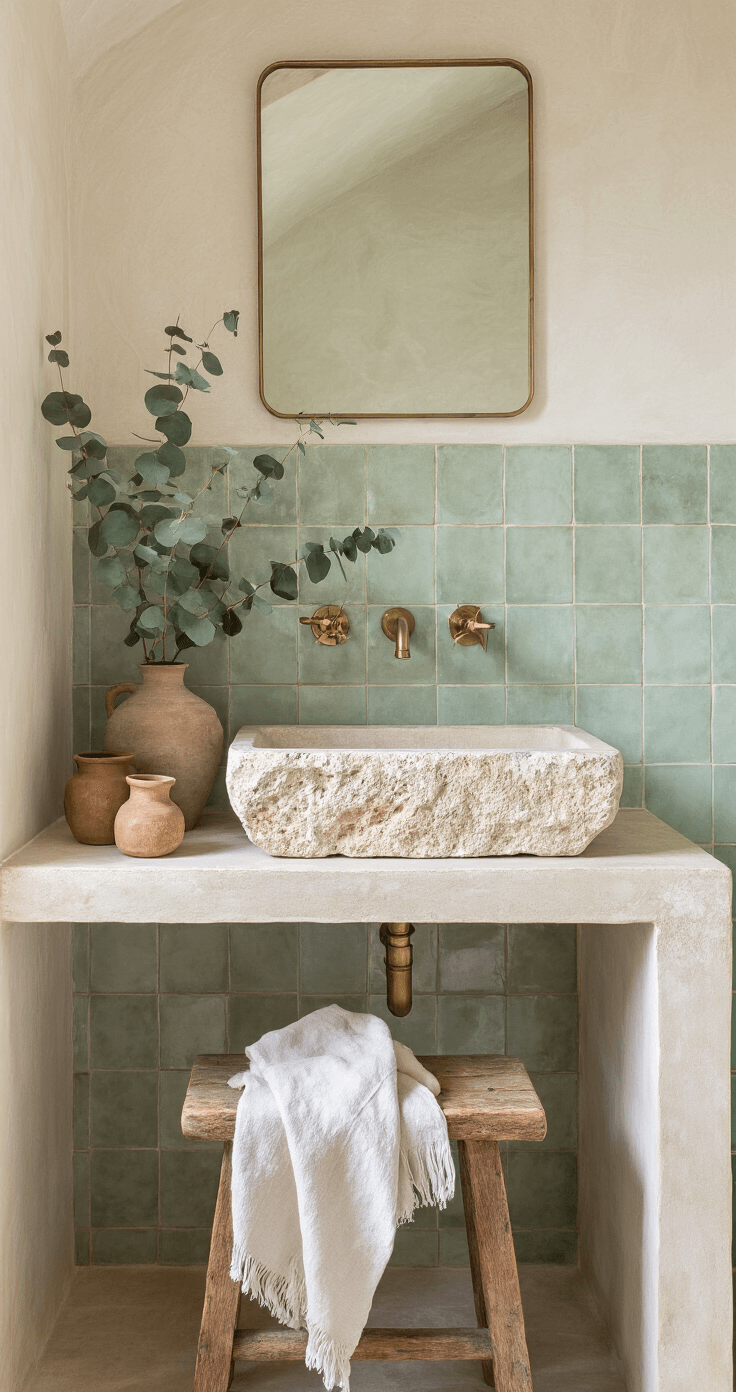
5. Bring Nature Indoors
Incorporate natural elements:
- Potted plants
- Dried branches
- Stone decorative pieces
- Woven textiles
- Ceramic vases with asymmetrical shapes
What to Avoid in Wabi Sabi Design
- Perfectly symmetrical furniture
- Mass-produced decor
- Sterile, clinical spaces
- Overly polished surfaces
The Emotional Impact of Wabi Sabi
This design philosophy isn’t just about aesthetics—it’s about creating a space that:
- Reduces stress
- Promotes mindfulness
- Celebrates life’s natural progression
- Connects you with authentic beauty
A Personal Reflection
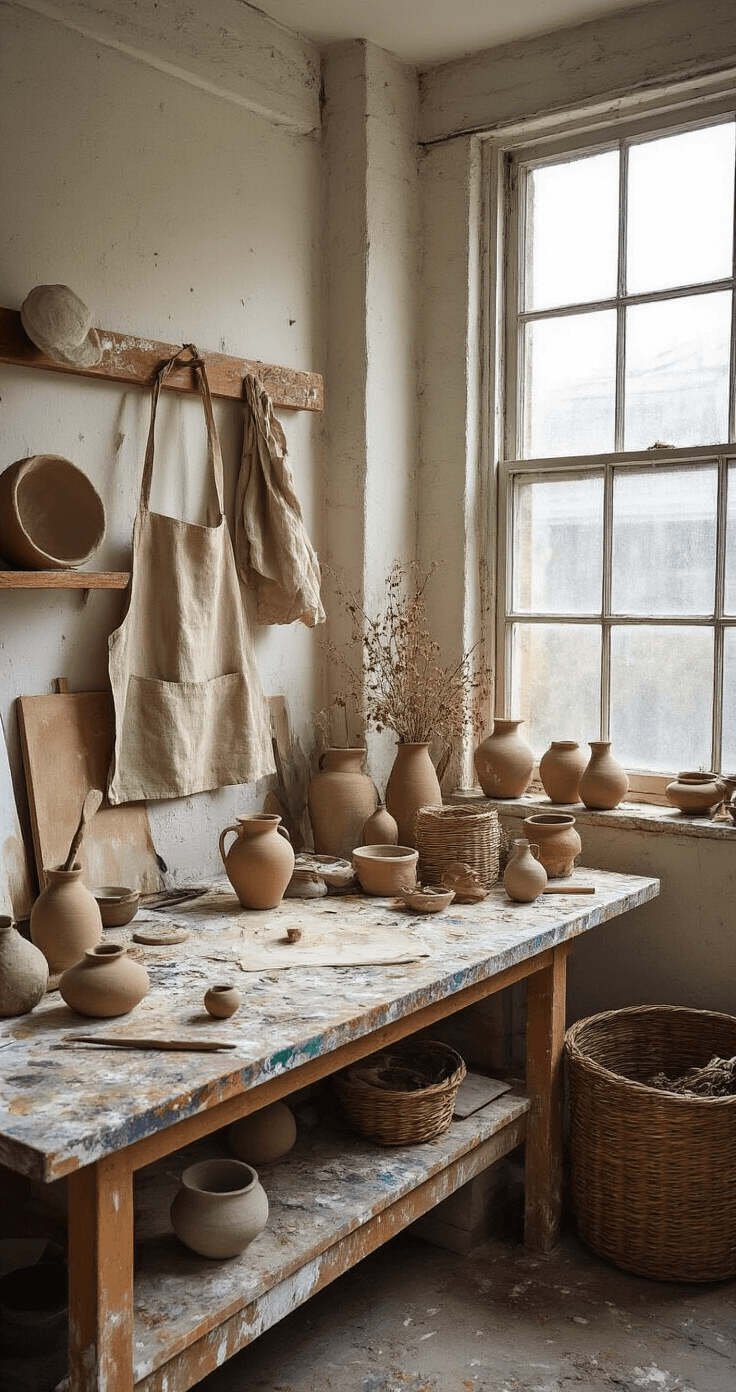
In my own home, a handmade ceramic vase with a slight imperfection reminds me that beauty isn’t about perfection, but about character and story.
Final Thoughts
Wabi sabi is more than a design trend—it’s a philosophy of accepting and celebrating life’s beautiful imperfections. Your home becomes a canvas that reflects your journey, complete with all its wonderful, unique marks.
Quick Start Guide
- Observe your current space
- Remove unnecessary items
- Introduce natural materials
- Choose meaningful decor
- Allow spaces to breathe
Remember: Wabi sabi is a journey, not a destination. Embrace the process, and let your home tell your story.
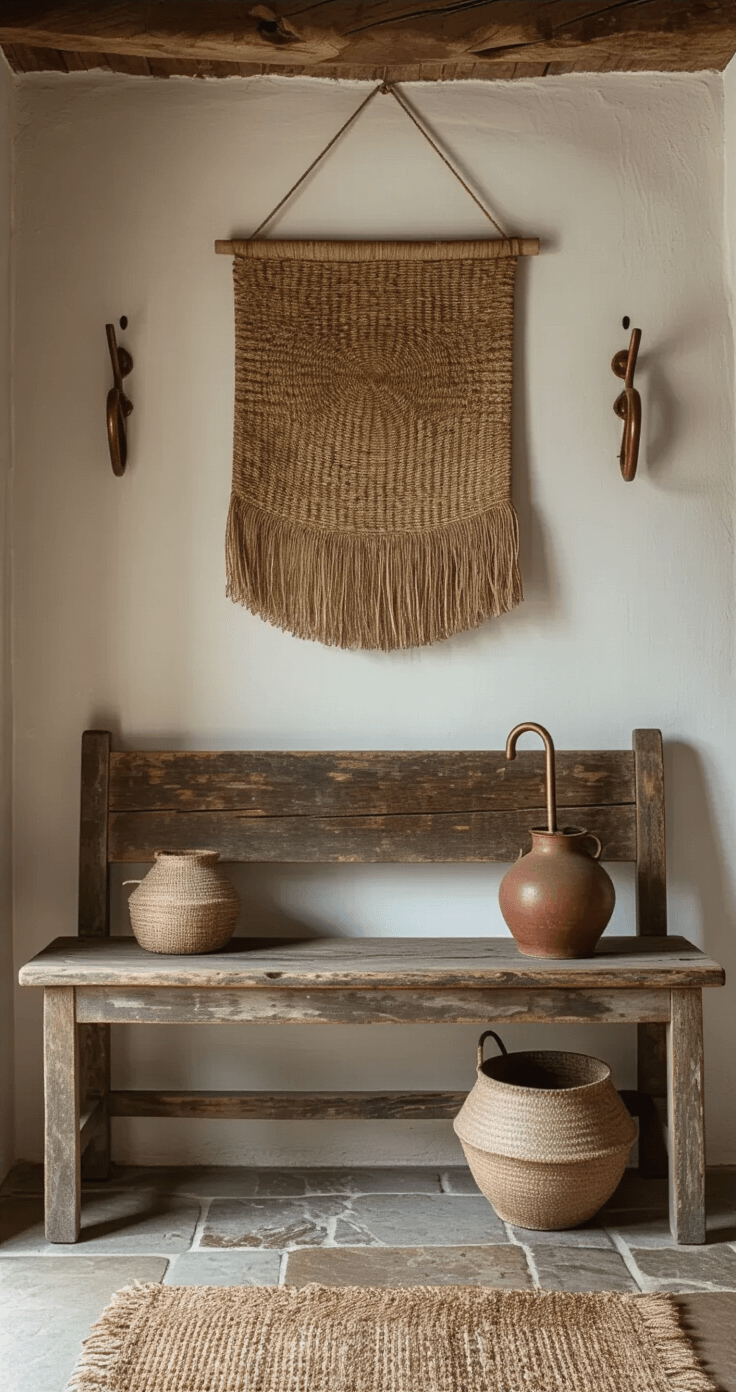
Wabi-sabi home decor works when the materials are natural and the palette is muted. Use wood, stone, linen, and ceramic, and let the patina of age show. The home should feel authentic and soulful.
Keep this one for later
We'll email you the link so you can come back to it.


