
This post may contain affiliate links. Please see my disclosure policy for details.
Wabi-Sabi Magic: Embracing Imperfection in Your Home
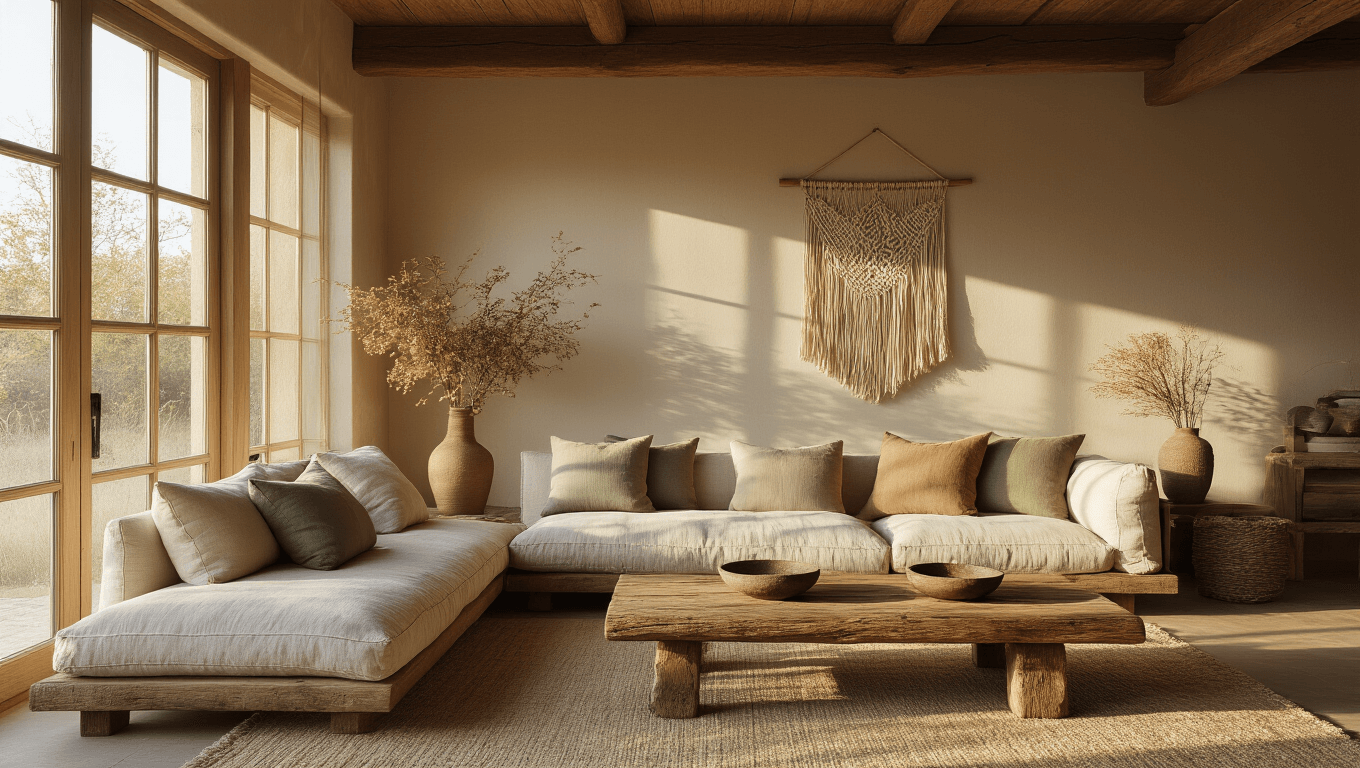
Hey there, fellow home decorators! Ready to ditch the pressure of perfection and dive into a world where cracks, wrinkles, and weathered finishes are celebrated? Welcome to the wonderful world of wabi-sabi interior design!
I’ll let you in on a little secret: my obsession with wabi-sabi started when I accidentally chipped my favorite ceramic mug. Instead of tossing it, I decided to embrace its new “character.” That tiny imperfection became a daily reminder to slow down and appreciate life’s little quirks.
So, what’s the deal with wabi-sabi anyway?
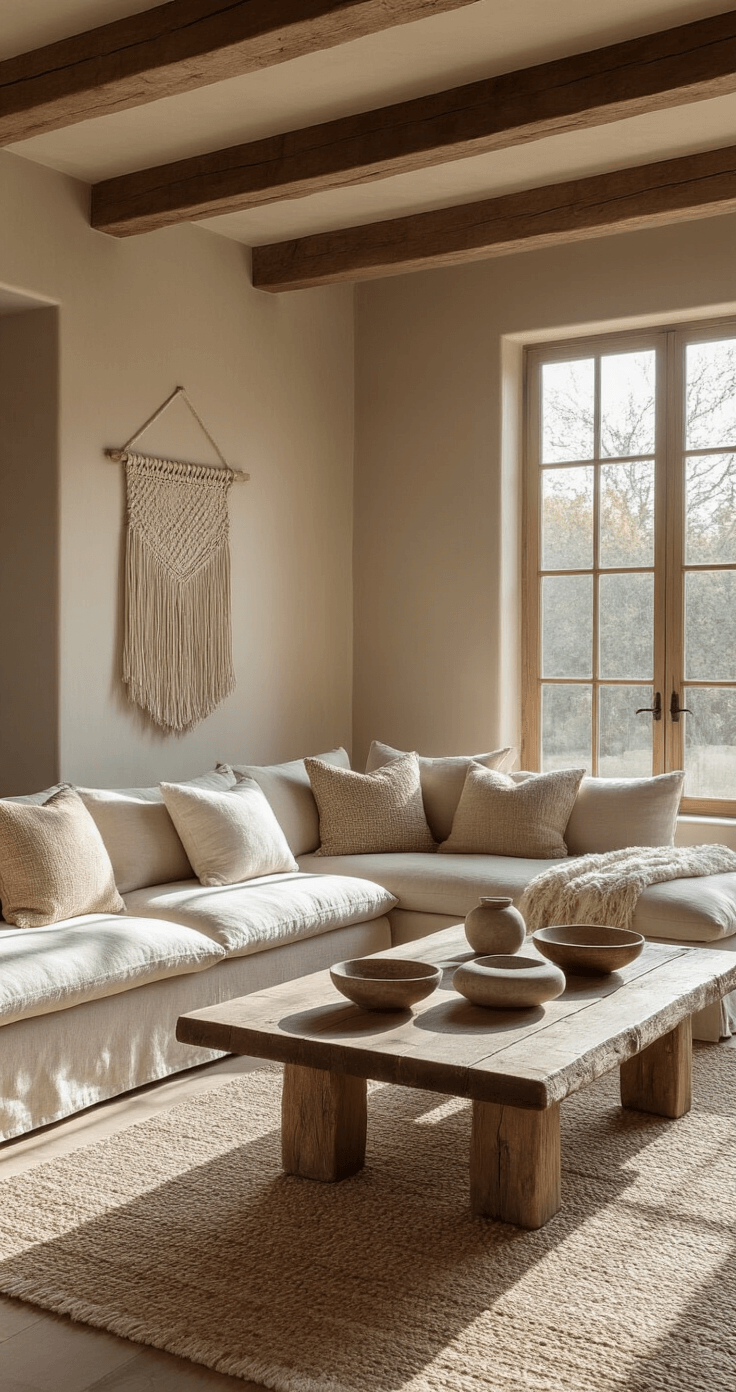
Wabi-sabi is like that cool Japanese philosophy that gives you permission to chill out about your home decor. It’s all about finding beauty in the imperfect, incomplete, and ever-changing nature of things. Think of it as the anti-Instagram filter for your living space!
Why should you care about wabi-sabi?
- It’s a stress-buster: No more freaking out over every little scratch or dent!
- It’s eco-friendly: Upcycling and reusing are totally on-brand.
- It’s unique: Say goodbye to cookie-cutter interiors and hello to personality.
- It’s budget-friendly: Thrift stores and flea markets become treasure troves.
Ready to wabi-sabi your space? Let’s dive in!
🏠 Steal This Look
- Paint Color: Sherwin-Williams Accessible Beige SW 7036
- Furniture: live-edge dining table with natural cracks and knots, paired with mismatched vintage wooden chairs with worn finishes
- Lighting: hand-formed ceramic pendant lights with uneven glazes and visible finger impressions
- Materials: raw linen, unbleached cotton, rough-hewn timber, crackle-glaze ceramics, oxidized metals, and hand-troweled plaster walls
This room should feel like a deep exhale—where your shoulders drop the moment you walk in because nothing demands perfection from you.
1. Embrace Natural Materials
Ditch the plastic fantastic and go au naturel! Think:
- Weathered wood (the more knots and grain, the better)
- Unglazed ceramics (handmade gets bonus points)
- Raw stone (hello, texture!)
- Organic fabrics like linen and cotton (wrinkles welcome)
Pro tip: Mix and match textures for a feast for the senses. Pair rough stonework with smooth leather, or nubby linen with sleek metal.
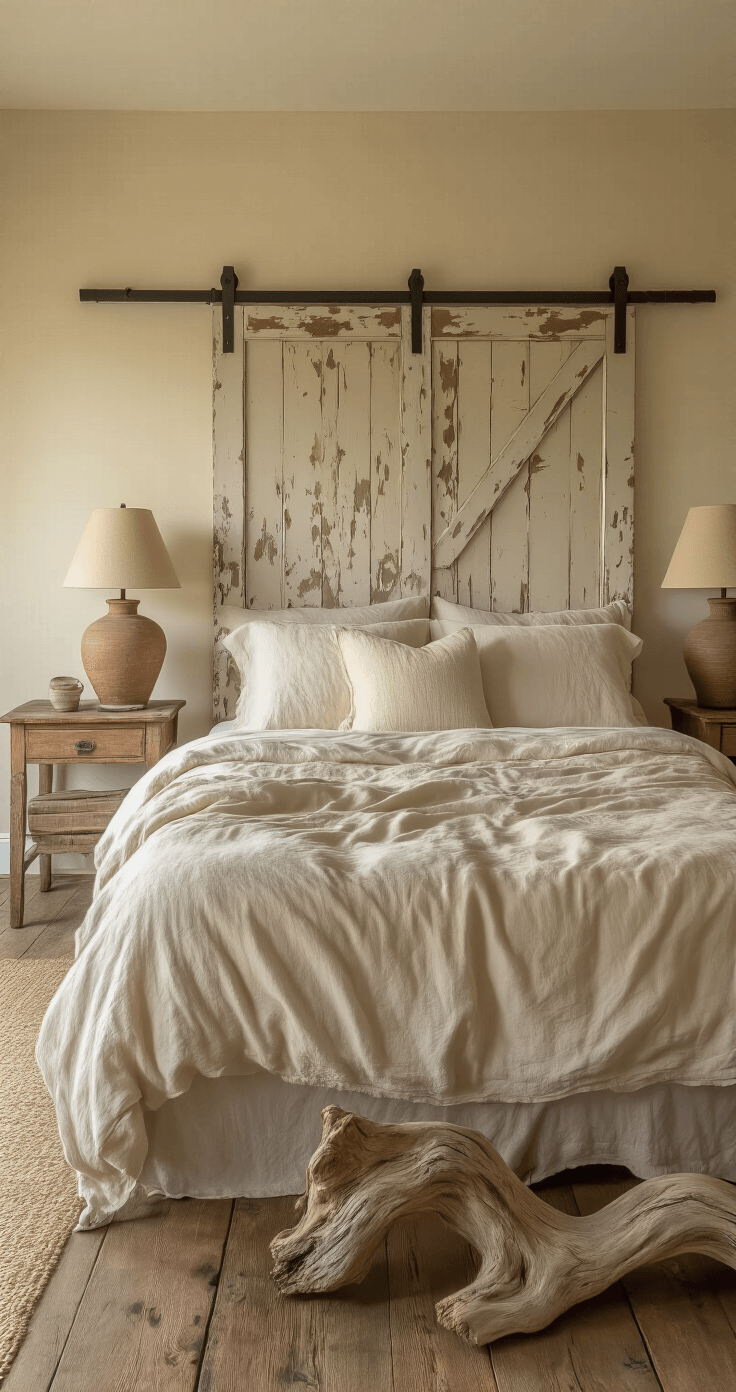
✎ Steal This Look
- Paint Color: Benjamin Moore Pashmina AF-100
- Furniture: live-edge walnut coffee table with natural bark edge
- Lighting: hand-forged iron pendant with visible hammer marks
- Materials: reclaimed barn wood, unglazed terracotta, slubby Belgian linen, raw-edge marble
This is where wabi-sabi feels most lived-in and forgiving—these materials age alongside you, developing patina that tells your story rather than fighting time.
2. Celebrate Imperfections
Remember that chipped mug I mentioned? It’s time to give all your slightly damaged goods their moment in the spotlight!
- Display cracked pottery (Google “kintsugi” for some serious inspiration)
- Hang art with visible brushstrokes or “flaws”
- Use furniture with visible wear and tear
- Embrace asymmetry in your arrangements
3. Keep It Simple, Sweetie
Wabi-sabi isn’t about clutter – it’s about curating with intention. Less is definitely more here.
- Choose a few meaningful objects over a sea of knick-knacks
- Leave plenty of negative space to let your items breathe
- Opt for low, minimalist furniture
- Create simple vignettes that tell a story
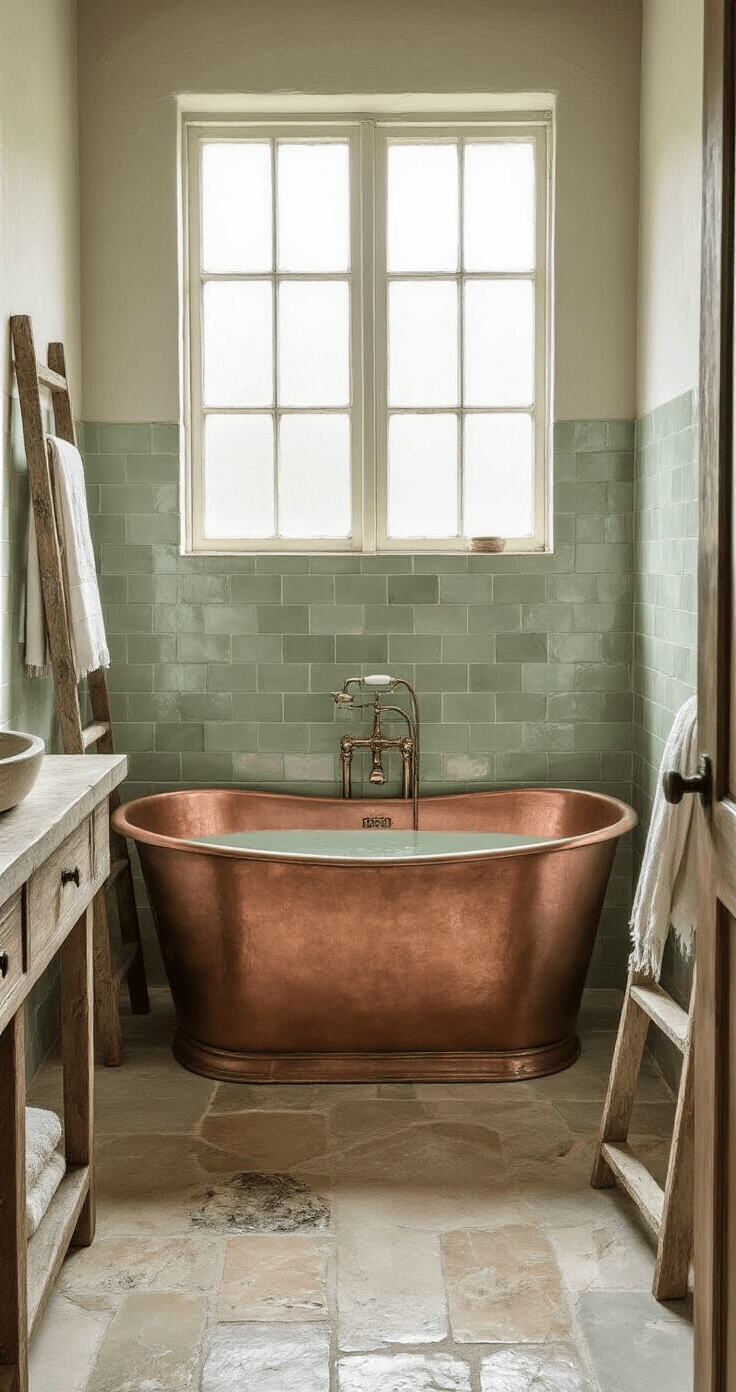
🌟 Steal This Look
- Paint Color: Behr Smoky White BWC-13
- Furniture: low-profile platform bed in unfinished oak with visible joinery, paired with a single sculptural side table
- Lighting: paper-and-bamboo Noguchi-inspired pendant with warm LED glow
- Materials: raw linen bedding, hand-thrown ceramic vessels, unfinished wood grain, slightly irregular handwoven wool textiles
This is where the noise of the world finally quiets down—a bedroom that doesn’t demand attention but rewards stillness with every glance.
4. Go Earth-Toned and Muted
Think soothing, natural hues that wouldn’t look out of place in a zen garden.
- Warm beiges and taupes
- Soft greys
- Earthy greens and browns
- Creamy off-whites
Avoid anything too bright or artificially vibrant – we’re going for calm here, not sensory overload!
Save this article
Enter your email and we'll send it straight to your inbox.
5. Let There Be (Soft) Light
Harsh overhead lighting is a wabi-sabi no-no. Instead, create a cozy atmosphere with:
- Natural light (leave those windows bare!)
- Warm-toned bulbs
- Candles galore
- Salt lamps
- Paper lanterns
The goal is to create gentle shadows that highlight, rather than hide, imperfections.
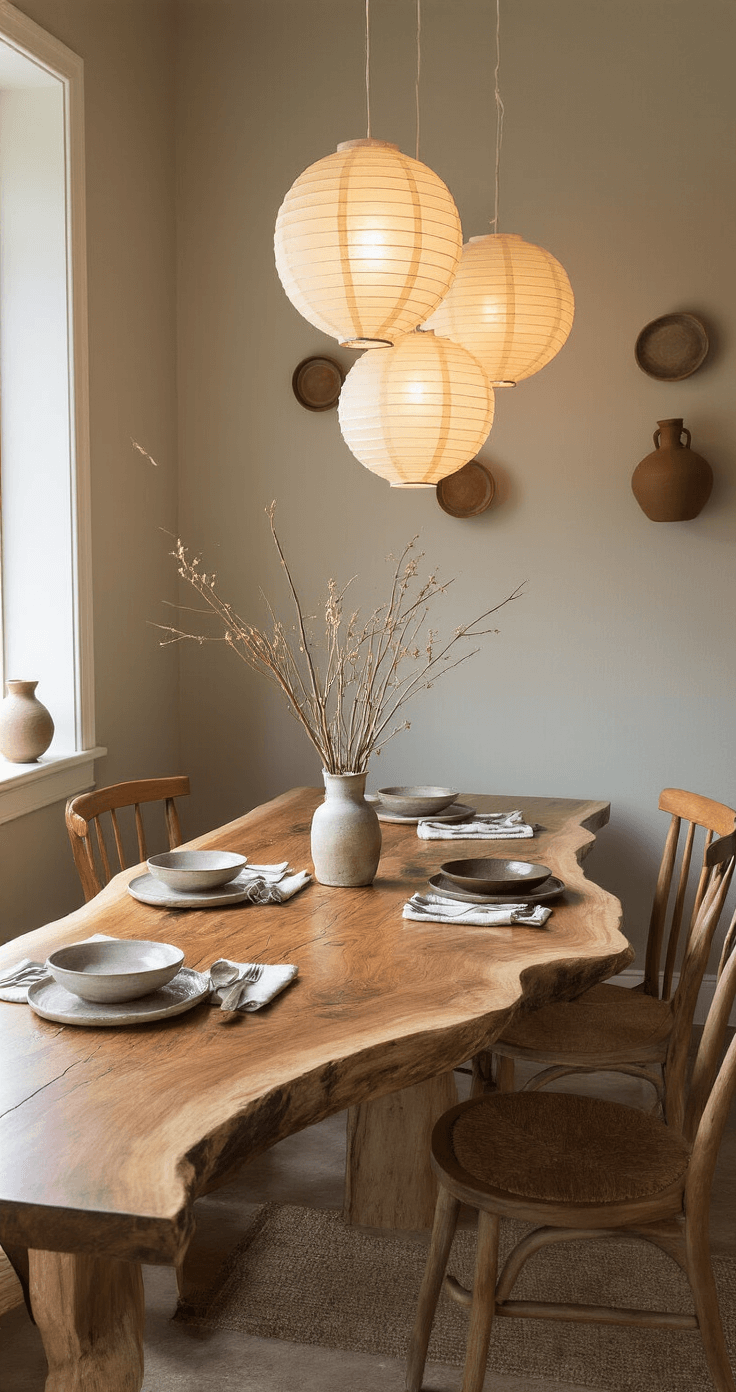
💡 Steal This Look
- Paint Color: use PPG brand. Match the ACTUAL wall color in the image. Format: PPG ColorName CODE
- Furniture: specific furniture for this room
- Lighting: specific lighting fixture
- Materials: key textures and materials
1-2 sentences of human framing about this room
🌊 Get The Look
6. Bring the Outdoors In
Nature is the ultimate wabi-sabi inspiration, so invite it into your home!
- Display found objects like interesting rocks or driftwood
- Use plants liberally (bonus: they purify the air!)
- Create a mini indoor zen garden
- Hang nature-inspired art
7. Upcycle and Repurpose
Get creative with items that might otherwise end up in the trash:
- Turn old ladders into bookshelves
- Use chipped teacups as planters
- Frame interesting fabric scraps
- Transform wooden crates into side tables
Remember, one person’s trash is another’s wabi-sabi treasure!
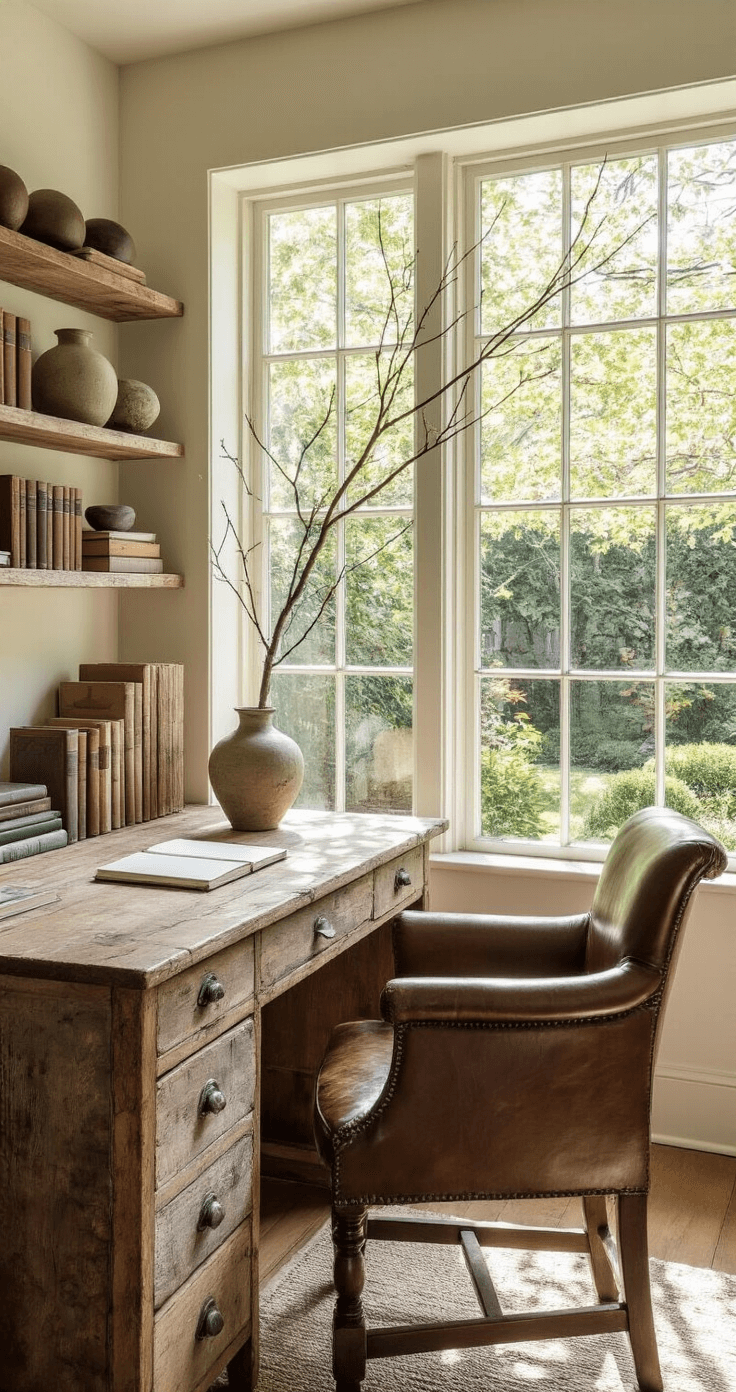
★ Steal This Look
- Paint Color: Clare Paint Softened Green 005
- Furniture: vintage wooden ladder with weathered rungs converted to leaning bookshelf
- Lighting: exposed bulb pendant with hand-formed ceramic socket
- Materials: reclaimed barn wood, oxidized metal, hand-thrown ceramics with glaze drips, raw linen
This approach transforms guilt about consumption into creative meditation; each scuff and water stain becomes a conversation starter rather than something to hide.
8. Focus on Handmade and Artisanal
Mass-produced perfection? No thanks! Seek out items with visible human touch:
- Handwoven baskets
- Pottery thrown on a wheel
- Hand-knitted throws
- Artwork with visible brushstrokes
Bonus: You’re supporting artists and craftspeople!
9. Create Intentional Incompleteness
Leave some things undone or unfinished to spark curiosity and imagination:
- Display an unframed canvas
- Leave some shelves partially empty
- Show off the raw edges of a textile
- Keep some walls intentionally bare
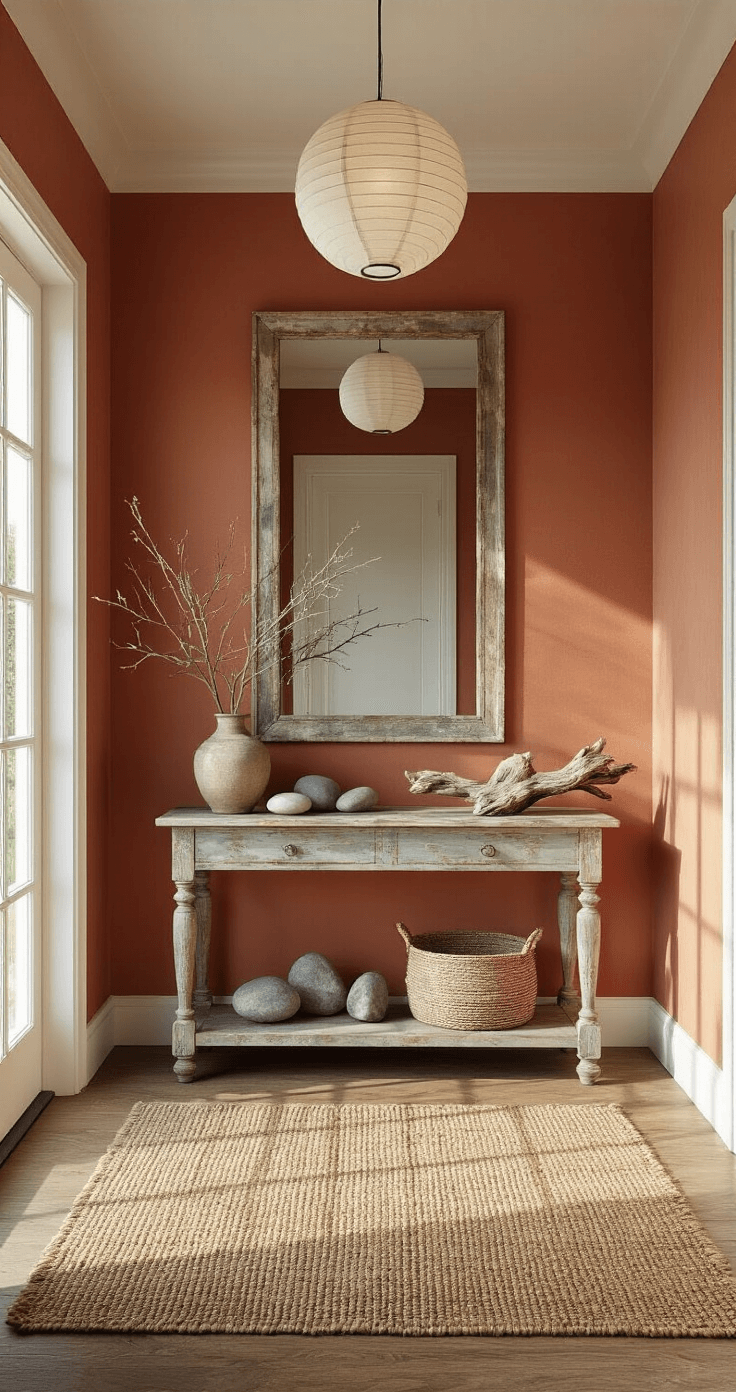
🌟 Steal This Look
- Paint Color: Backdrop Stonehenge 005
- Furniture: low-slung oak platform bed with visible joinery and unfinished edges, paired with a single mismatched vintage nightstand with worn paint
- Lighting: hand-formed ceramic pendant with deliberately uneven glaze and visible finger marks, hung off-center
- Materials: raw linen bedding with frayed hems, unbleached cotton canvas, reclaimed wood with saw marks, hand-thrown pottery with cracked glazes
This bedroom becomes a quiet rebellion against the pressure to have it all figured out—there’s profound comfort in waking up surrounded by things that aren’t trying too hard to be finished.
10. Cult
Keep this one for later
We'll email you the link so you can come back to it.


