

This post may contain affiliate links. Please see my disclosure policy for details.
Wabi-Sabi Kitchens: The Art of Simple Sophistication
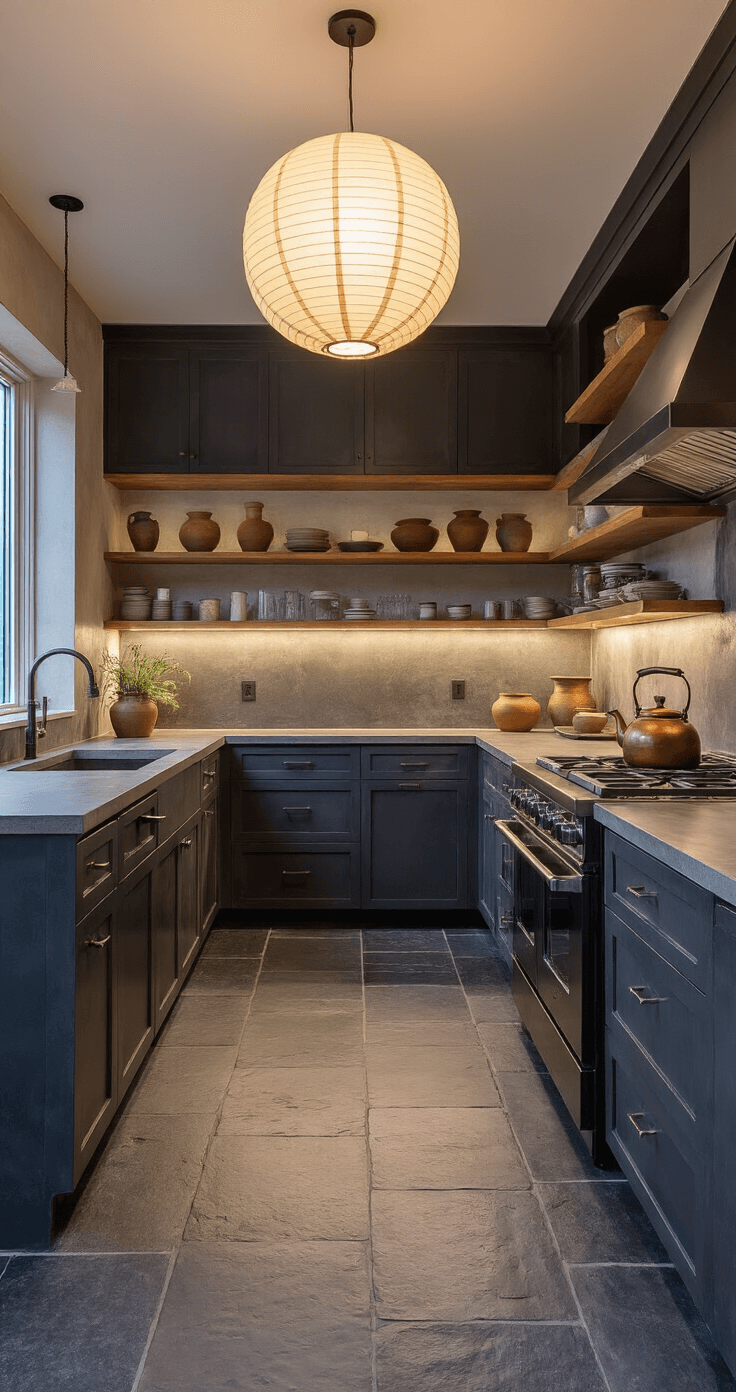
The wabi-sabi kitchen that felt most elegant had open wooden shelves with hand-thrown ceramic plates, a patinaed copper pot on the stove, and a simple wooden counter that showed years of use. Wabi-sabi in a kitchen is about finding beauty in natural materials and the marks of daily life. The kitchen should feel lived-in and warm.
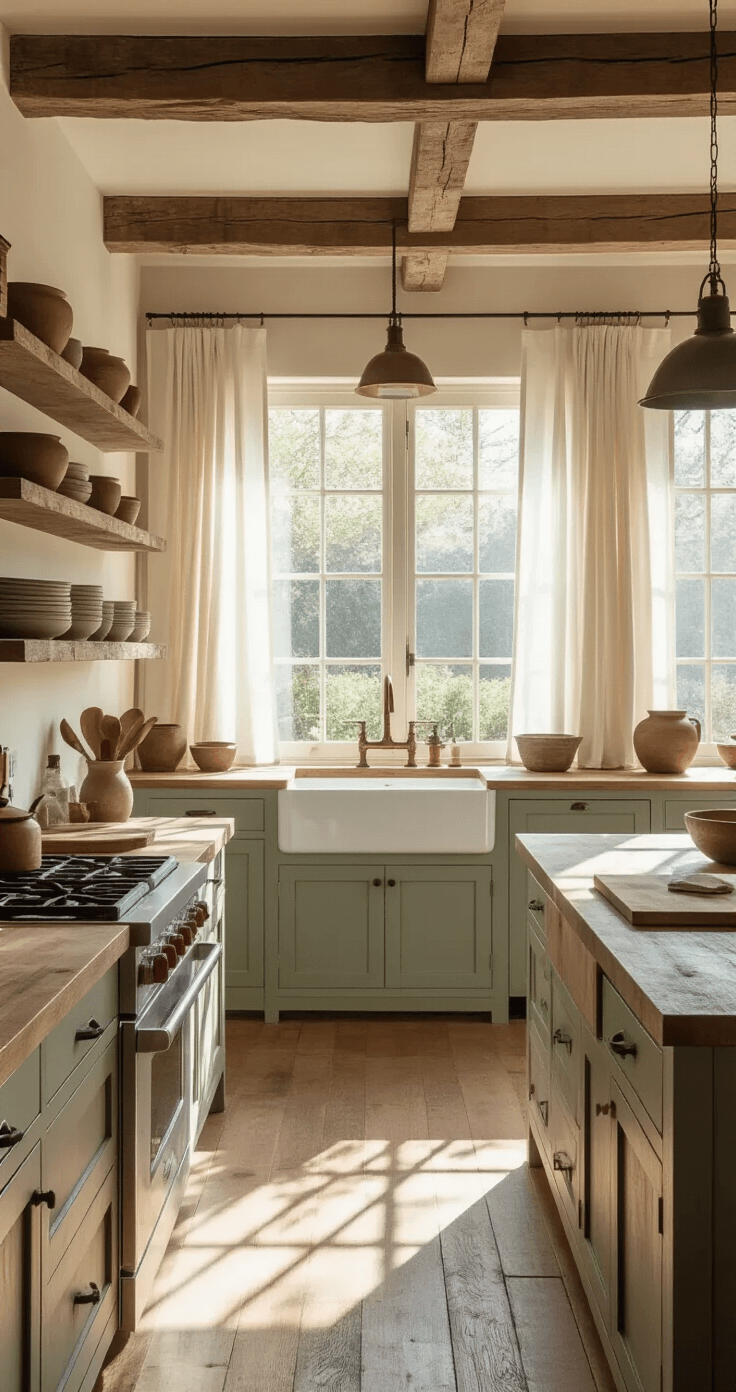
Thoughtful Simplicity: The Soul of Your Space
Forget about cramming every gadget known to man into your drawers. In a wabi-sabi kitchen, every item earns its keep. It’s not about being sparse; it’s about being intentional.
- Open shelving becomes a mini art gallery for your favorite handmade mug collection
- That old copper kettle? It’s not just for tea; it’s a statement piece
- Your well-loved wooden spoons aren’t hidden away – they’re proudly displayed
The result? A kitchen that feels lived-in and loved, not like a showroom.
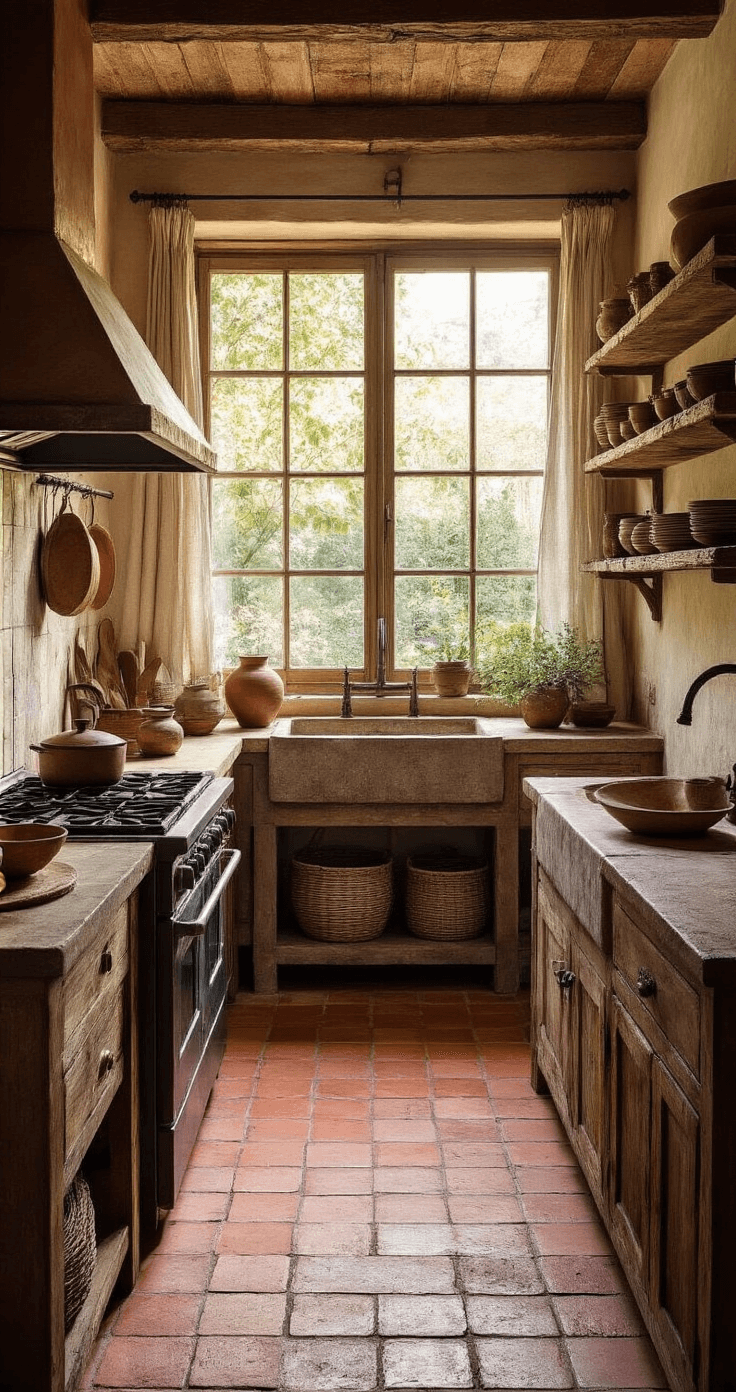
Nature’s Touch: Materials That Tell a Story
Forget clinical white and cold stainless steel. Wabi-sabi kitchens embrace:
- Rich wooden countertops that gain character with every slice and dice
- Stone surfaces that feel cool and timeless under your fingertips
- Clay tiles that add warmth and subtle texture to your backsplash
These materials don’t just look good on day one – they get better with age, like a fine wine (or that sourdough starter you’ve been nursing).
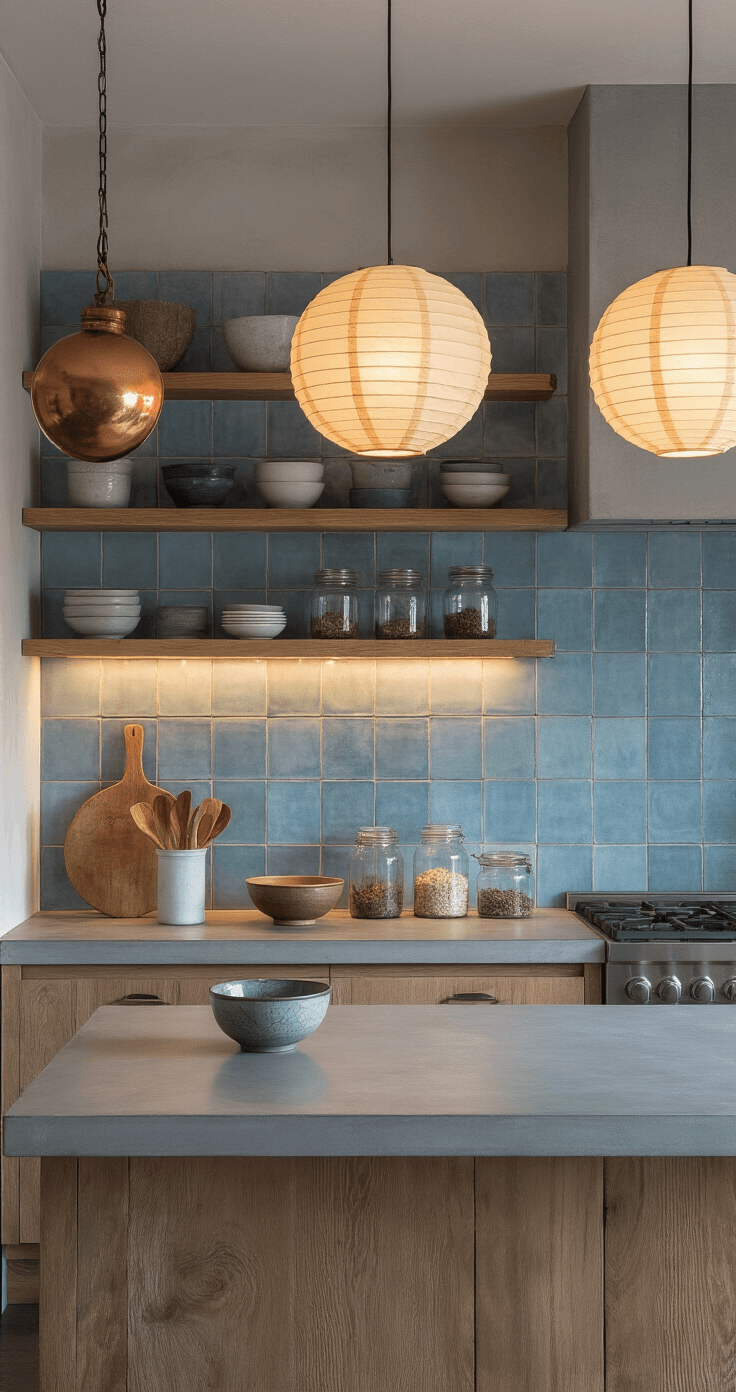
Imperfection Perfected: Celebrating the Handmade
In a world of mass-produced everything, wabi-sabi says, “Let’s get real.” It’s about:
- Embracing the wobble in hand-thrown ceramic plates
- Appreciating the unique grain patterns in wooden cabinets
- Finding beauty in the subtle patina your copper pans develop over time
Trust me, these “flaws” add soul to your space that no factory-perfect item ever could.
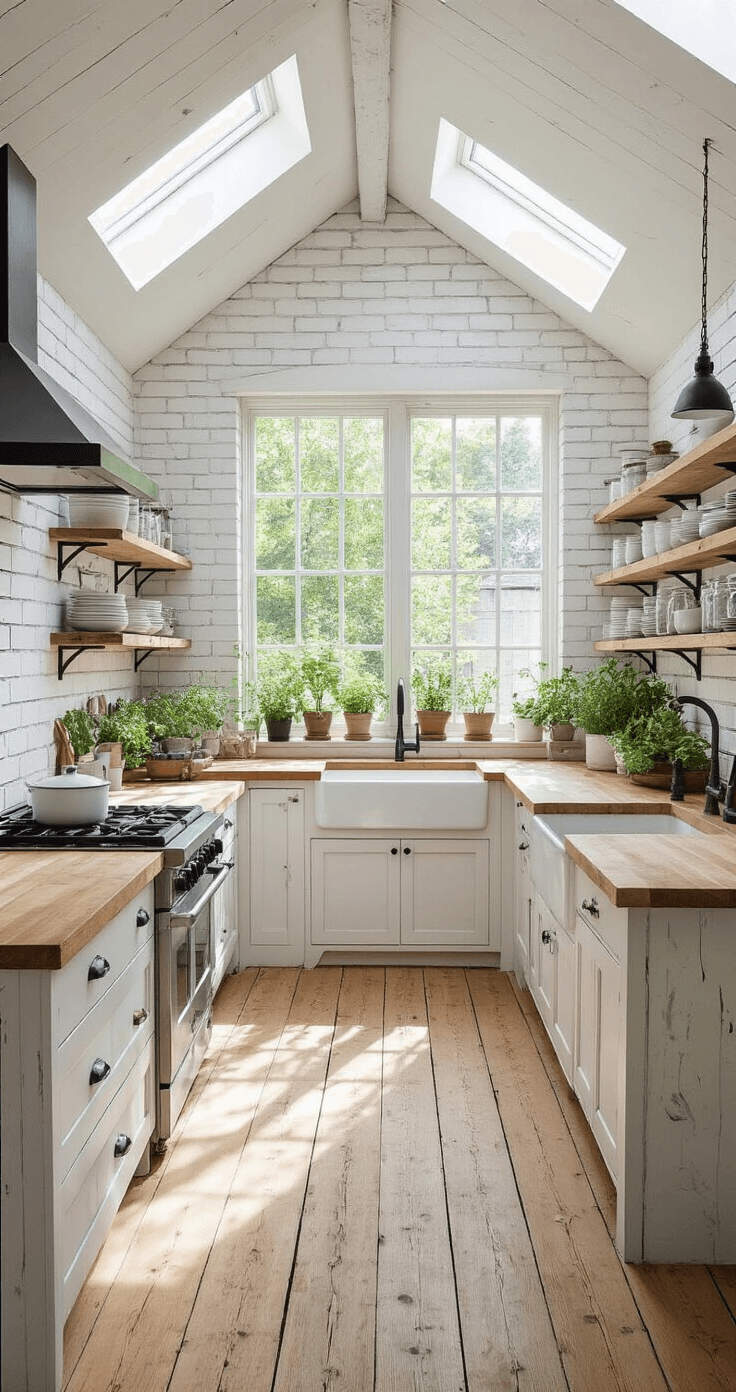
Timeless Appeal: No More Kitchen Facelifts
Sick of your kitchen looking dated faster than you can say “avocado green appliances”? Wabi-sabi design laughs in the face of trends. We’re talking:
- Simple, clean-lined cabinets that will look just as good in 20 years
- Modest hardware that doesn’t scream for attention
- An overall aesthetic that feels fresh without chasing the latest fad
Your wabi-sabi kitchen will age like George Clooney – gracefully and with an ever-increasing appeal.
Save this article
Enter your email and we'll send it straight to your inbox.
The Stealth Kitchen: Appliances in Disguise
No one wants their kitchen to look like an appliance showroom. In wabi-sabi design:
- Refrigerators hide behind cabinet panels
- Dishwashers blend seamlessly into the cabinetry
- Even microwaves can be tucked away in clever built-ins
The result? A cohesive space where the food (and the chef) are the stars.
Flow and Function: A Kitchen That Works With You
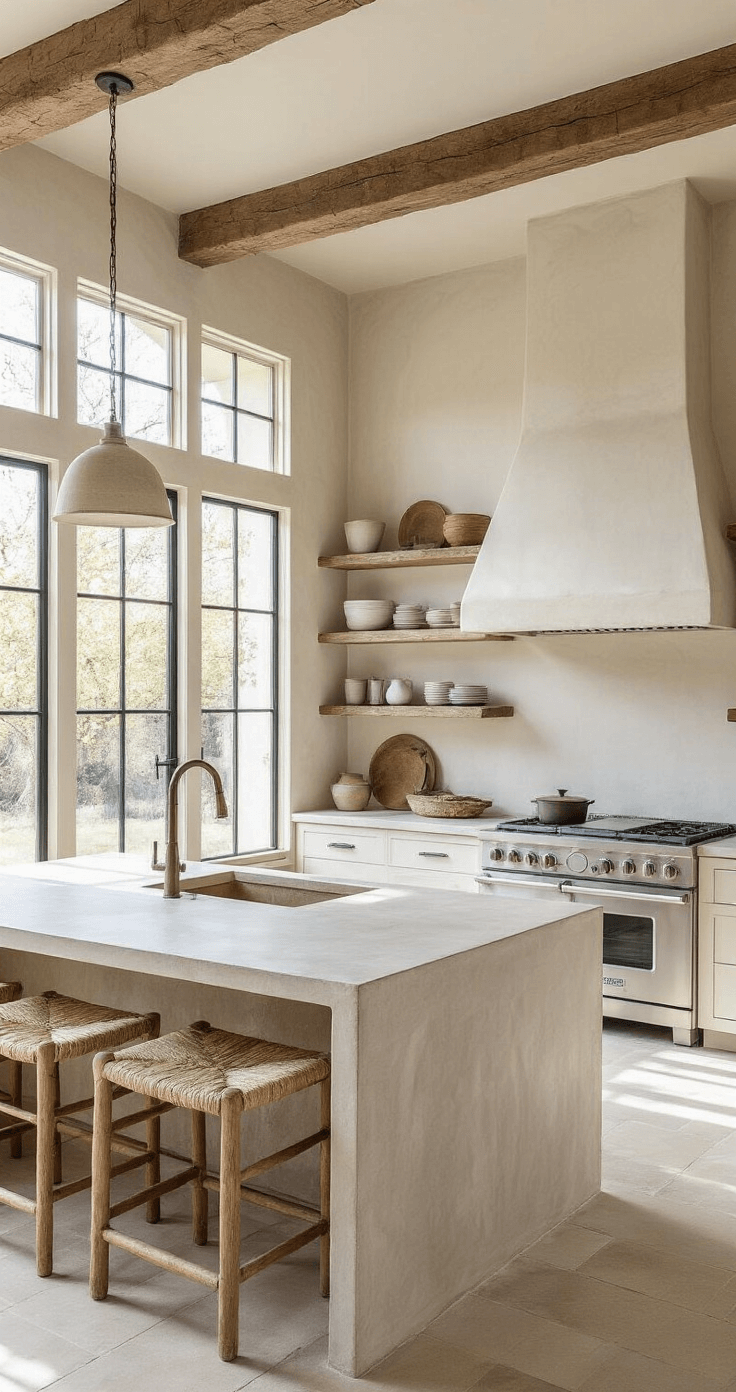
A wabi-sabi kitchen isn’t just pretty – it’s a joy to use. Think:
- Open layouts that make cooking feel like a dance, not an obstacle course
- Intuitive storage that puts everything right where you need it
- A space that invites lingering conversations over a glass of wine
It’s about creating a kitchen that feels like it was built just for you and your cooking style.
The Wabi-Sabi Palette: Nature’s Color Scheme
Forget jarring colors or stark white. Wabi-sabi kitchens embrace:
- Warm, earthy tones that feel grounding
- Soft, muted shades inspired by nature
- Subtle contrasts that add depth without overwhelming
Picture the soothing colors of a forest floor or a misty mountain – that’s the vibe we’re after.
Lighting the Way: Warmth and Ambiance
Harsh overhead lights? Not in a wabi-sabi kitchen. We’re talking:
- Soft, diffused lighting that makes everyone look their best
- Pendant lamps with natural materials like silk or paper
- Layered lighting that can shift from prep mode to dinner party with ease
The right lighting can turn your kitchen from a workspace into a sanctuary.
Bringing It All Together: The Wabi-Sabi Kitchen in Action
Imagine walking into your kitchen on a lazy Sunday morning. Sunlight filters through gauzy curtains, casting a warm glow on your worn wooden countertops. Your favorite mug – slightly misshapen but perfectly imperfect – sits ready for coffee. The space feels calm, inviting, and uniquely yours.
That’s the magic of a wabi-sabi kitchen. It’s not about achieving perfection; it’s about creating a space that feels authentic, functional, and deeply connected to the rhythms of daily life.
A wabi-sabi kitchen works when the materials are natural and the wear is visible. Choose wood that gains patina, ceramics that show handmade character, and textiles that soften with use. The kitchen should feel sophisticated in its simplicity, not perfect.
Keep this one for later
We'll email you the link so you can come back to it.


[…] voila! You’ve just created an Art Deco kitchen that would make even Jay Gatsby […]