

This post may contain affiliate links. Please see my disclosure policy for details.
What Is an Outdoor Toilet? Everything You Need to Know Before Installing One
Outdoor toilets solve a problem millions of property owners face: how do you add a bathroom when there’s no plumbing, no septic system, and sometimes no electricity?
I’ve spent years researching sustainable living solutions, and I can tell you that outdoor toilets have come a long way from the smelly outhouses your grandparents complained about. These aren’t just holes in the ground anymore.

What Exactly Is an Outdoor Toilet?
An outdoor toilet is any sanitation facility located outside your main dwelling that doesn’t necessarily connect to traditional plumbing systems. Think of it as your bathroom solution when conventional plumbing isn’t available or practical.
I first encountered a proper outdoor toilet setup at my friend’s cabin in Montana, and honestly, I expected the worst. What I found instead was a clean, odor-free composting system that worked better than some indoor bathrooms I’ve used in cheap hotels.
Common situations where outdoor toilets make sense:
- Off-grid cabins and tiny homes
- Large properties where the workshop or garden shed sits far from the main house
- Camping and RV adventures
- Construction sites
- Remote hiking trails and parks
- Backyard studios and home offices
- Beach houses and lakeside properties
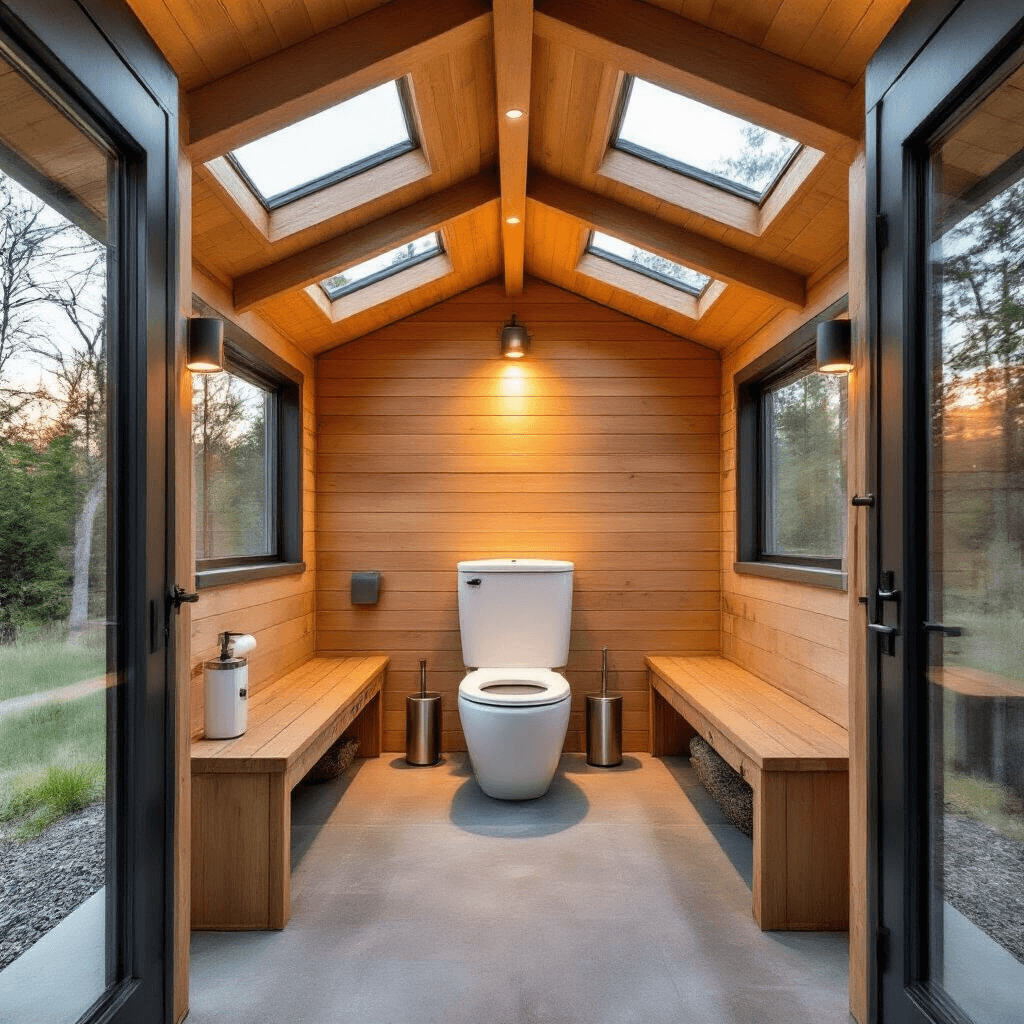
The Different Types (And Which One Won’t Make Your Guests Run Away)
Not all outdoor toilets are created equal, and picking the wrong type can turn your peaceful retreat into a nightmare.
Composting Toilets: The Modern Game-Changer
These separate solid and liquid waste right from the start. The solid waste mixes with carbon-rich materials like coconut coir or wood shavings, breaking down naturally into compost you can actually use in your garden.
Why I’m obsessed with composting toilets:
- Zero odor when used correctly (seriously, none)
- No chemicals poisoning the environment
- Creates usable compost for ornamental plants
- Works in any climate with proper setup
- Requires no water or electricity in most models
The separation system is brilliant in its simplicity. Liquids drain into one container, solids fall into another with your carbon material, and the natural decomposition process does the rest.
I installed a composting toilet system in my garden office last year, and guests genuinely don’t believe it’s not connected to the house plumbing.
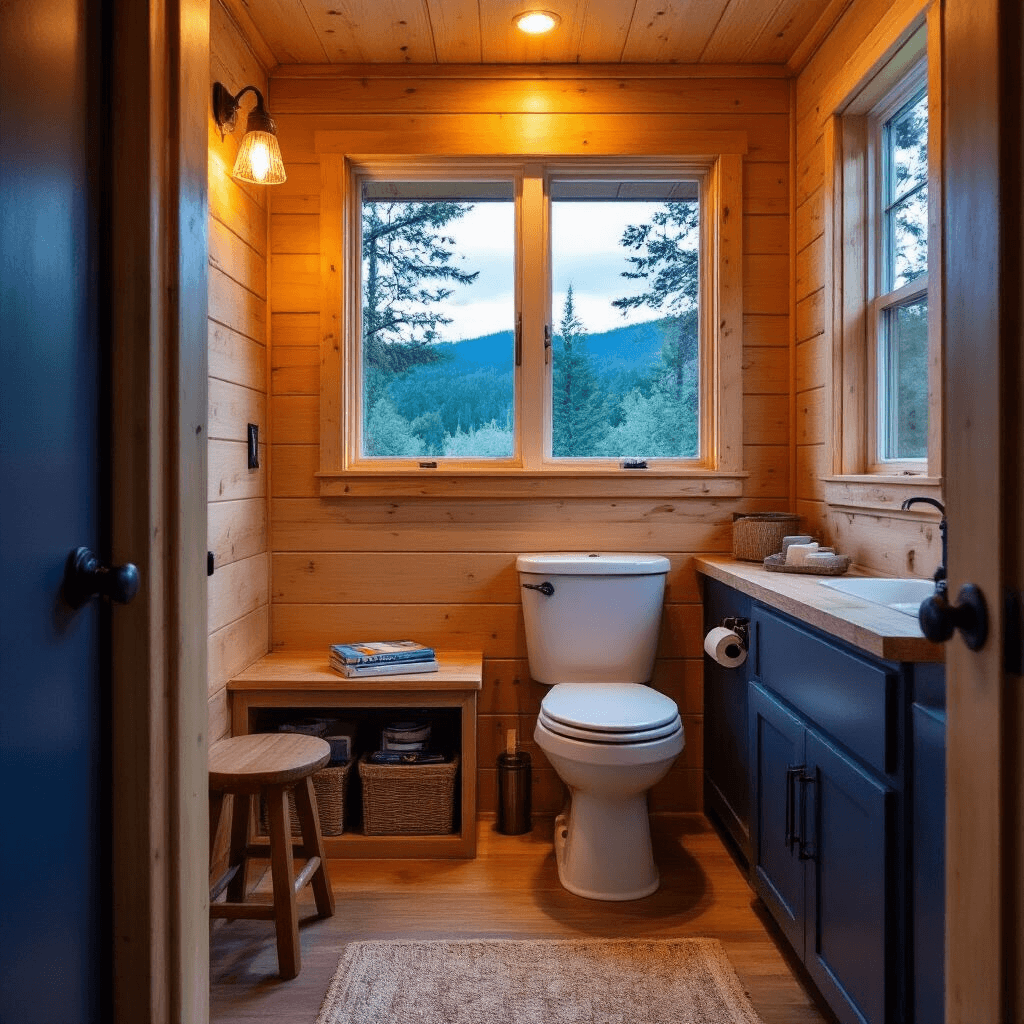
Chemical Toilets: The Temporary Fix
These use chemical solutions to break down waste and control odors. You’ll see them at outdoor concerts, construction sites, and anywhere people need a quick bathroom solution.
The reality of chemical toilets:
- Easy to set up and move
- Relatively inexpensive upfront
- Require regular chemical refills (ongoing cost)
- Need frequent emptying at designated disposal stations
- Not environmentally friendly
- Can develop strong chemical smells
I’ve used plenty of these at festivals and job sites, and while they work in a pinch, they’re not what I’d choose for a permanent outdoor bathroom solution.
Save this article
Enter your email and we'll send it straight to your inbox.
Outhouses: The Old-School Option That Still Has Its Place
Traditional outhouses collect everything in one holding tank below ground. No separation, no chemicals, just a hole with a structure built over it.
The honest truth about outhouses:
- Cheapest option to build initially
- Extremely simple construction
- Develop odors quickly, especially in warm weather
- Require professional pumping for emptying
- Can attract flies and pests
- Fill up faster than you’d expect
My grandfather had an outhouse at his hunting camp, and let me tell you, nobody lingered in there reading magazines.
Portable Toilets: For People on the Move
These lightweight portable camping toilets work like miniature flush toilets you can carry in your truck.
Perfect for:
- Weekend camping trips
- RV and van life adventures
- Emergency preparedness kits
- Temporary work sites
- Boat excursions
They hold a limited amount of waste before needing to be emptied, so they’re not practical for permanent installations unless you enjoy constant maintenance.
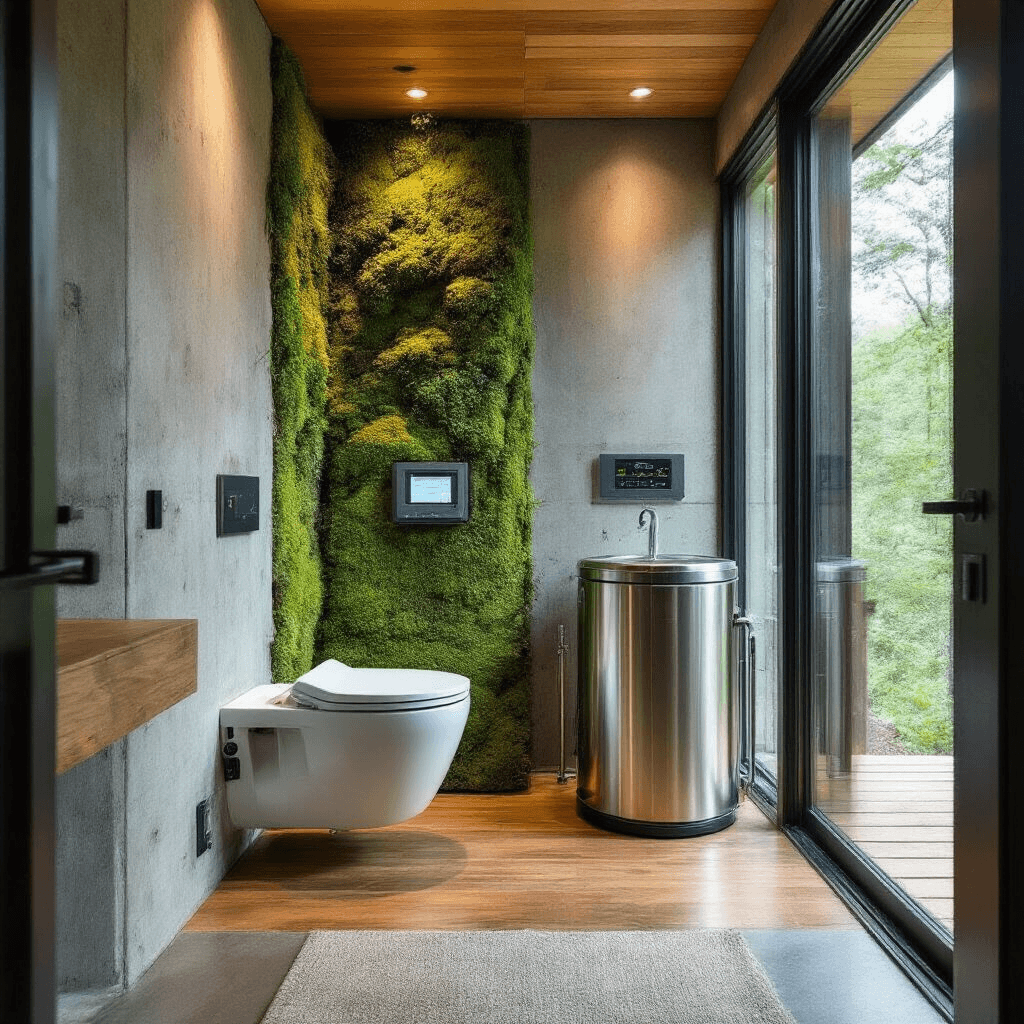
Pit Latrines: The Bare-Bones Approach
A hole in the ground with a platform or seat built over it. That’s literally it. These are common in developing countries and extremely remote areas where any other option proves impractical.
What you need to know:
- Absolute cheapest option possible
- Requires significant digging initially
- Eventually fills up and needs to be relocated or pumped
- Can contaminate groundwater if improperly sited
- Usually requires permits and specific depth/distance requirements from water sources
I wouldn’t recommend this unless you’re in a truly remote situation with no other viable options.
Biodigester Toilets: The High-Tech Solution
These systems use anaerobic bacteria in a sealed tank to convert waste into biogas and fertilizer. You’re essentially creating fuel and plant food from your bathroom waste.
The impressive benefits:
- Produces methane gas for cooking or heating
- Creates liquid fertilizer for gardens
- Completely sealed system with zero odor
- Environmentally sustainable
- Reduces waste to near zero
The downside? These systems are complex and expensive to install, requiring professional setup and ongoing monitoring. I’ve seen one operating at an eco-village in Oregon, and the technology is genuinely impressive, but it’s overkill for most small-scale applications.
<img
Keep this one for later
We'll email you the link so you can come back to it.


