

This post may contain affiliate links. Please see my disclosure policy for details.
Winter Herbs That Actually Survive (And Thrive) When It’s Freezing Outside
Winter herbs saved my cooking last January when I realized I’d been wasting money on wilted supermarket basil that died the moment I looked at it wrong.
You know that sinking feeling when you’re halfway through a recipe and realize the “fresh herbs” you bought three days ago have turned into expensive green slime in your fridge?
I’ve been there too many times.
But here’s what changed everything for me: I discovered that some herbs actually prefer the cold months, and they’ll keep growing right through winter without turning into mush.
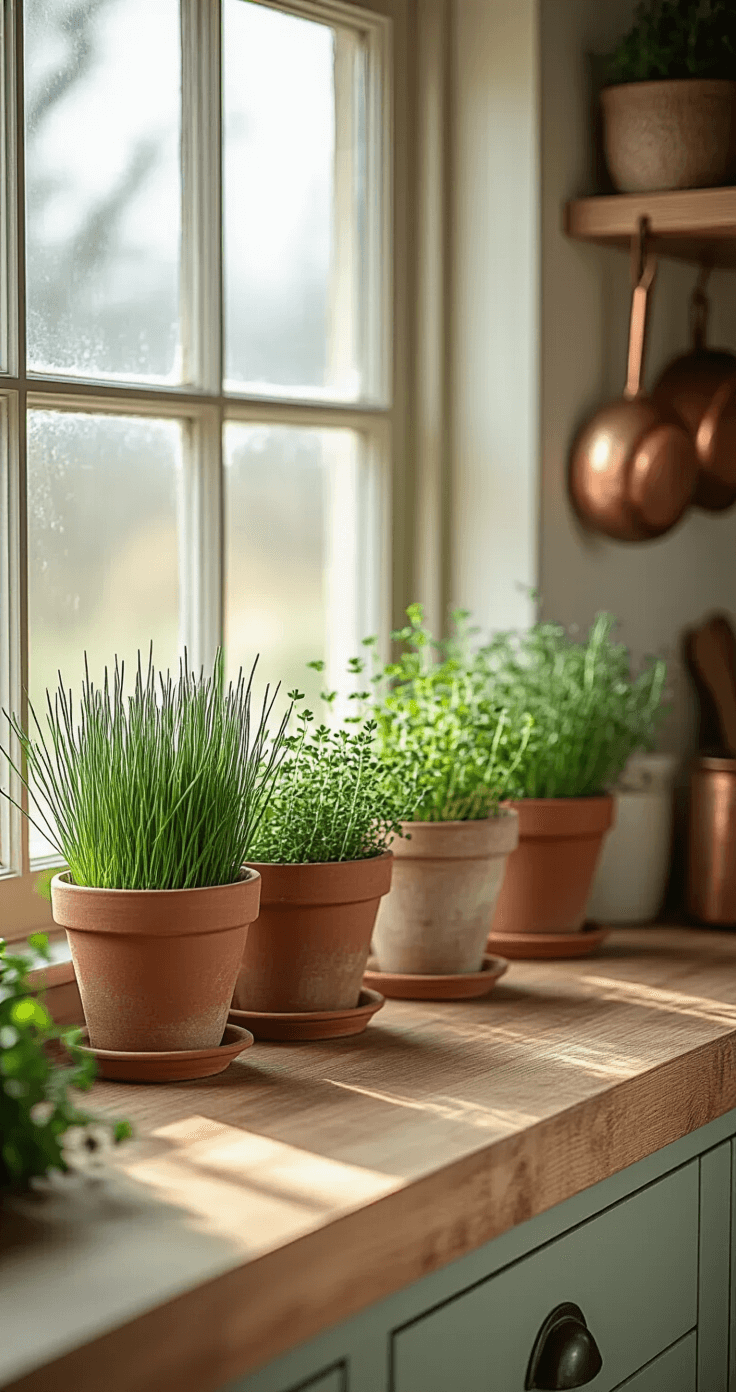
The Herbs That Laugh at Frost
I’m not talking about babying delicate plants under grow lights in your basement.
These are the tough ones that handle winter like champions.
The hardy perennials that won’t quit:
- Chives – These guys are nearly indestructible and keep popping up even when there’s frost on the ground
- Thyme – That woody little shrub with grey-green leaves that stays put all winter long
- Oregano – Specifically Greek oregano, which hugs the ground and keeps producing
- Rosemary – Handles temperatures down to 10°F without batting an eye
- Sage – Shows new growth even in December, which honestly shocked me the first time I saw it
The biennials that refuse to give up:
- Parsley – Those delicate-looking leaves are tougher than they appear
- Chervil – Delicate foliage with a mild licorice flavor that’s surprisingly winter-hardy
I planted winter herb garden starter sets in October, and they’re still going strong.
My Biggest Mistake (So You Don’t Make It)
Last year, I treated all my herbs the same way.
Big mistake.
Basil died immediately (obviously), but I also lost my lemon verbena and some other tender plants because I assumed “herb” meant “tough.”
Not all herbs are winter warriors.
How I Keep Them Alive Without Fussing
Protection is everything:
I’m not handy with construction projects, so I went simple.
I bought portable cold frames for my outdoor herb beds, and they made all the difference.
You can also use:
- Mini hoop tunnels (looks fancy, but it’s just curved pipes with plastic over them)
- Cloches (basically fancy hats for plants)
- Polytunnels if you’re feeling ambitious
The oregano in my northern-facing bed needed extra protection, so I threw a small hoop tunnel over it.
Worth every penny.
When Outdoor Growing Isn’t Cutting It
Some winters are just brutal.
When temperatures dropped below what even my tough herbs could handle, I brought some inside.
Here’s my indoor system:
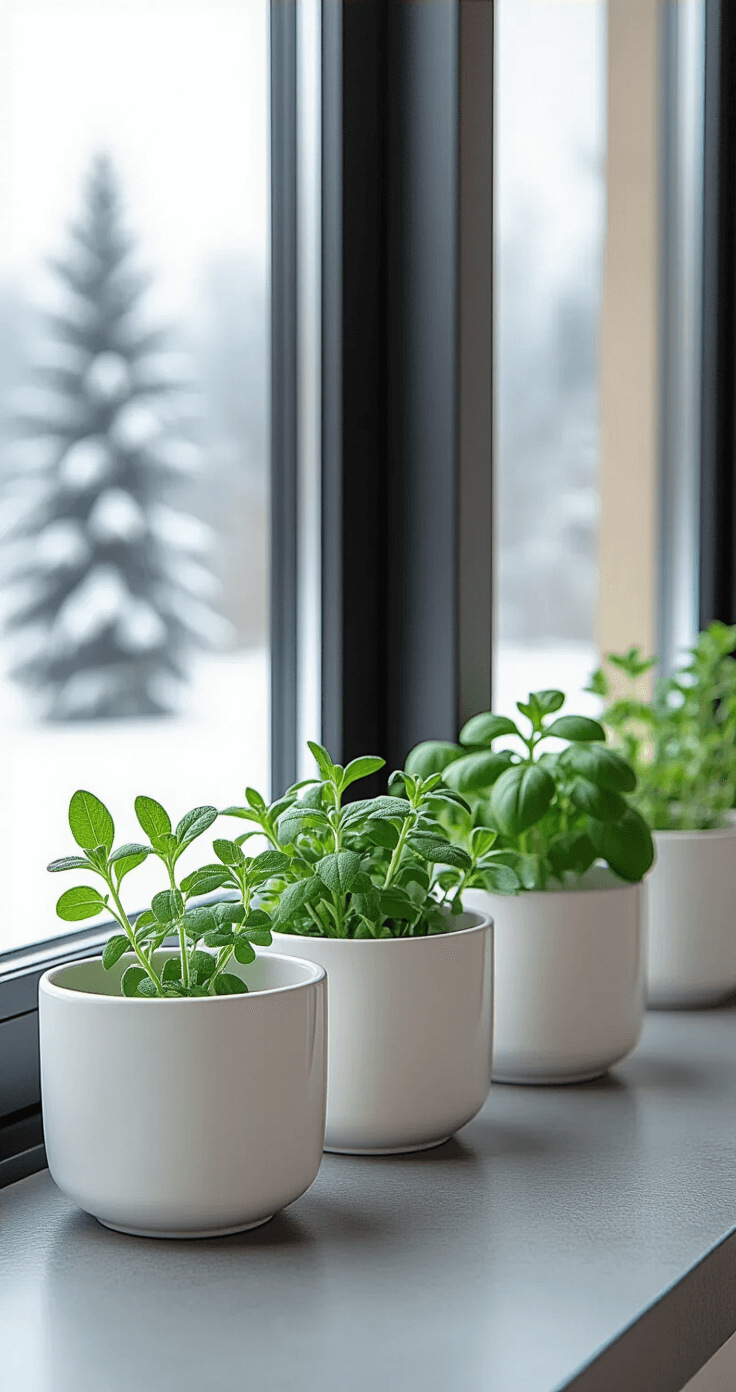
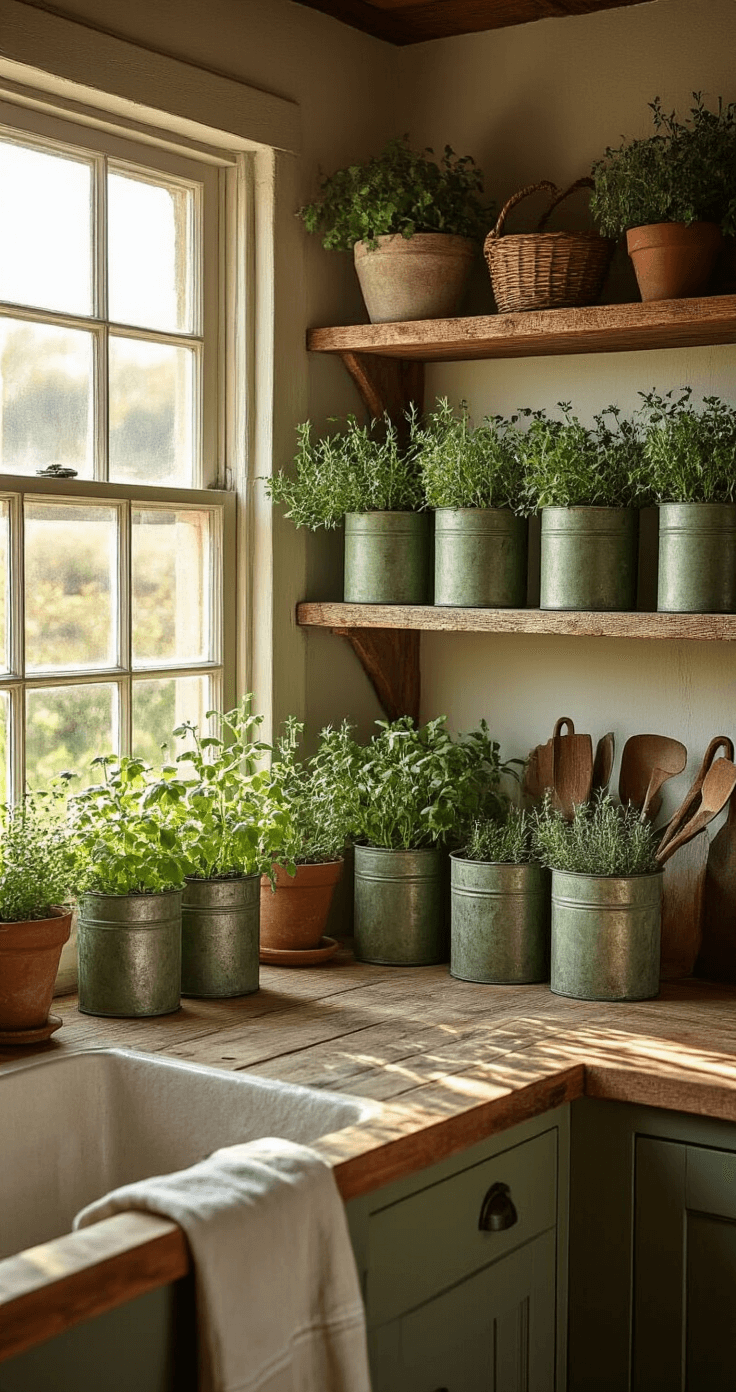
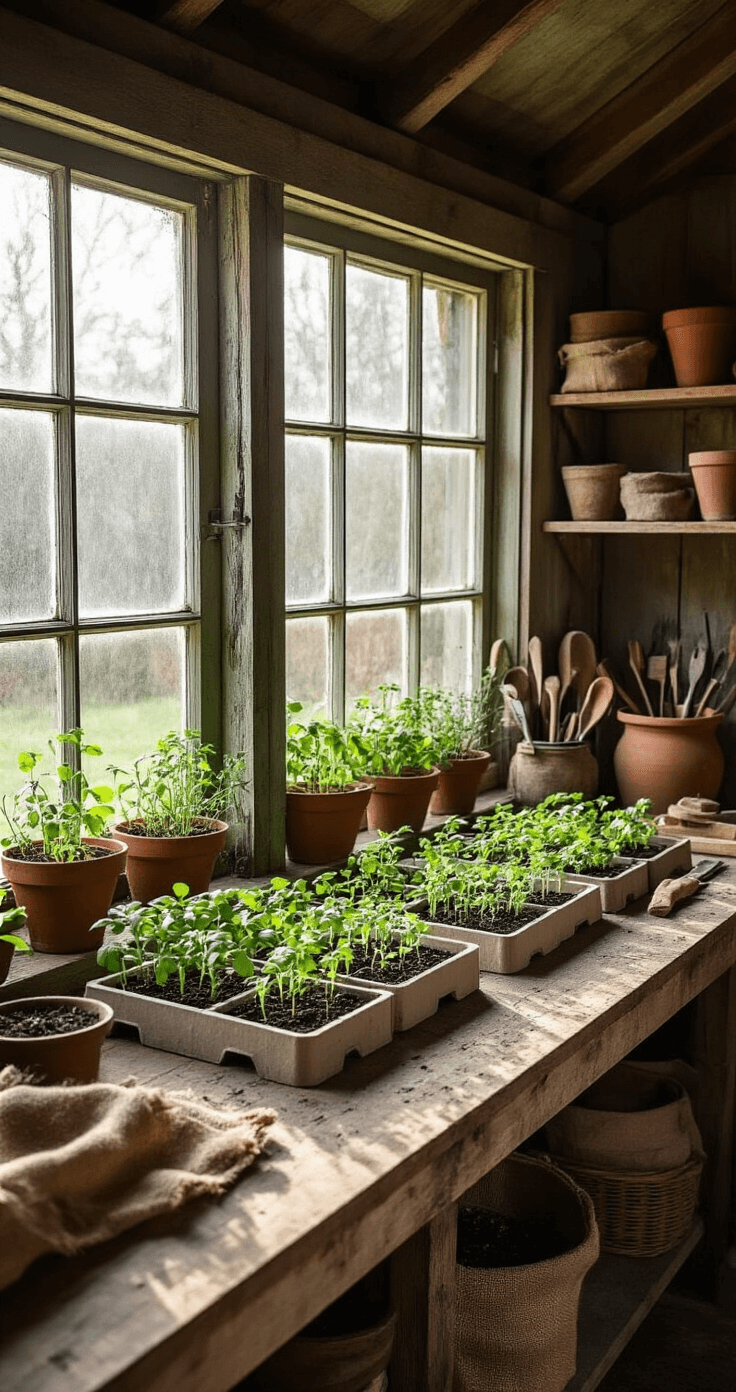
I potted up thyme, oregano, and rosemary in herb growing pots with drainage and stuck them on my sunniest windowsill.
They didn’t grow as vigorously as in summer, but they stayed alive and gave me enough leaves for cooking.
Pro tip that saved my rosemary:
I took 4- to 6-inch cuttings from my outdoor rosemary before the first hard freeze and rooted them in moistened vermiculite.
Sounds complicated, but it’s literally just sticking cut stems in damp stuff and waiting.
Now I have backup plants.
The Snipping Strategy That Actually Works
I used to hack away at my herbs randomly.
Then I learned this matters more than I thought.
After a few hard freezes:
- Cut tall herbs back to 4-6 inches from the ground
- Leave the woody base intact
- Don’t cut everything at once (learned this the hard way with my sage)
Throughout winter:
- Snip chives for scrambled eggs and baked potatoes
- Grab thyme sprigs for roasted vegetables
- Pull oregano leaves for pasta sauces (still blows my mind that I can do this in January)
The Zones Thing Everyone Mentions
I ignored growing zones at first because they seemed complicated.
They’re not.
Quick reference:
- Chives: zones 3-10 (basically everywhere)
- Thyme: zones 5-9
- Greek oregano: zones 5-9
- Rosemary: depends on variety, but most handle zone 7 and up
If you’re in a colder zone than recommended, just add protection or bring them inside.
I’m in zone 6, and everything on my list works fine.
What’s Actually Worth Your Time
Not all winter herbs are created equal for cooking.
My most-used winter herbs:
- Thyme – Goes with everything, especially roasted chicken and root vegetables
- Sage – Perfect for winter comfort food (brown butter sage sauce changed my life)
- Rose
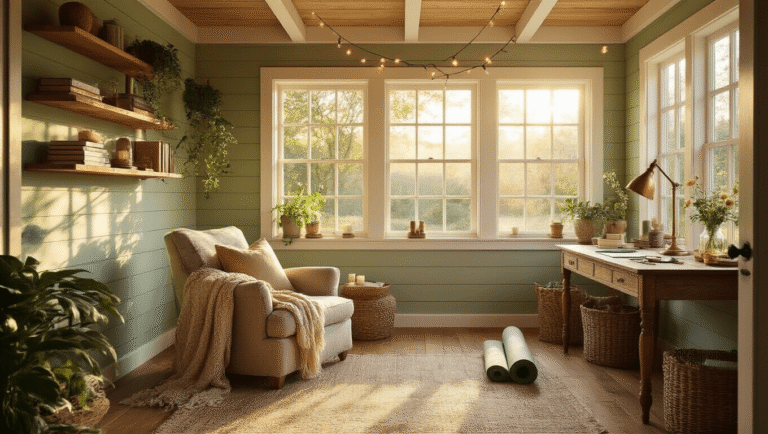
🎨 Steal This Look
- Paint Color: Sherwin-Williams Ripe Olive SW 6209
- Furniture: wall-mounted cedar herb planter with chalkboard labels
- Lighting: adjustable brass gooseneck grow light pendant
- Materials: raw cedar wood, unglazed terracotta pots, matte black metal, natural linen
There’s something quietly rebellious about snipping fresh thyme in February while snow piles against the window—it makes the kitchen feel like a working greenhouse rather than just another room to heat.



[…] And if that happens, you’re basically guaranteeing it’ll die the moment you plant it outside in freezing […]
[…] Winter aconite thrives in zones 4-9, which covers most of the United States. The sweet spot? Under deciduous trees. They grab all that precious spring sunlight before the tree canopy fills in, then politely vanish once shade takes over. […]