This post may contain affiliate links. Please see my disclosure policy for details.
Why Your Living Room Still Feels Like a Waiting Room (And How I Fixed Mine in One Weekend)
Living room layout ideas saved my sanity last spring when I walked into my own space and felt absolutely nothing.
You know that sinking feeling when your living room looks like furniture randomly landed there during a tornado? I’ve been there. Staring at a sofa pushed against the wrong wall, a coffee table nobody could reach, and that awkward corner where conversation goes to die.
The Layout Mistake That’s Ruining Your Entire Space
Most people arrange furniture around the TV like it’s a religious shrine. I did this for three years before I realized why every gathering felt stiff and uncomfortable.
Here’s what nobody tells you: your furniture arrangement controls how people feel in your space.
Bad layout creates:
- Awkward traffic patterns where guests squeeze past the sofa
- Conversation circles that don’t actually face each other
- Dead zones where furniture sits unused
- That “something’s off” feeling you can’t quite name
My Living Room Layout Disaster (And What It Taught Me)
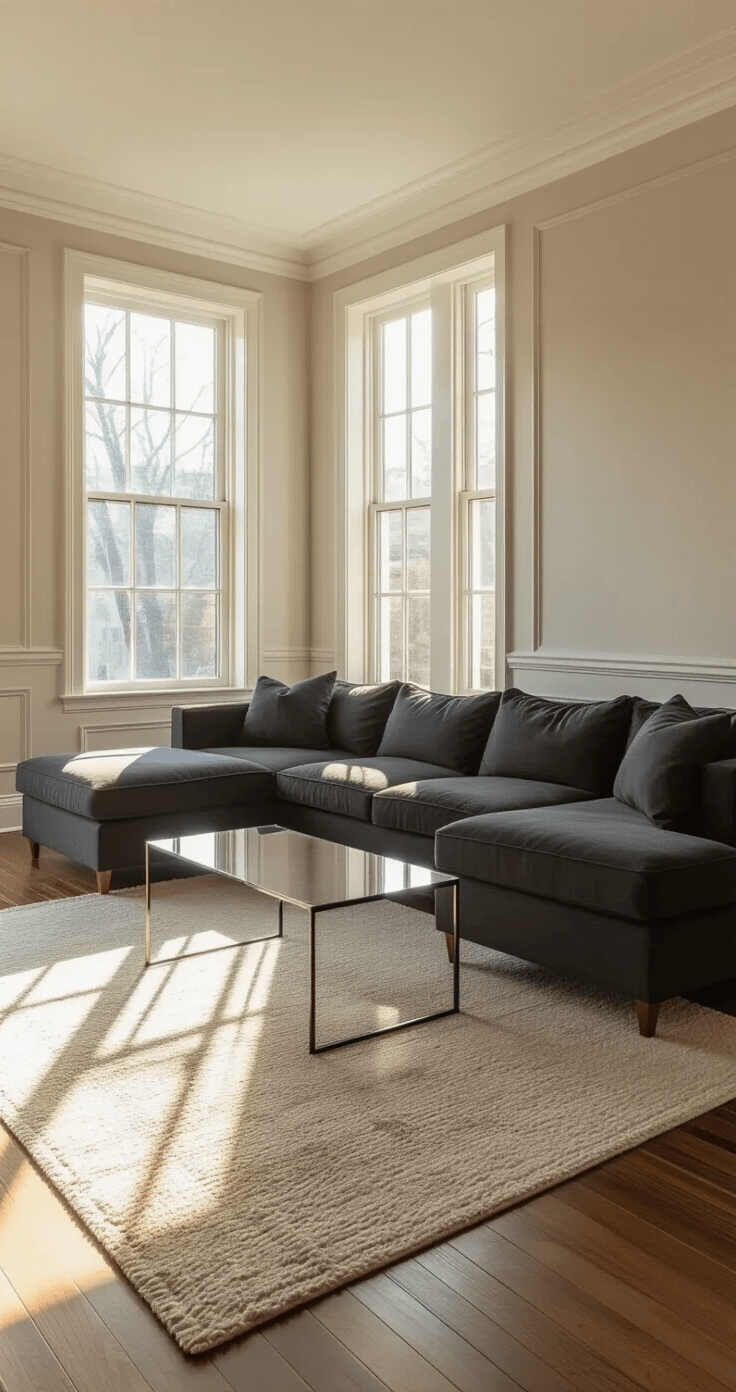
I used to have a beautiful modern sectional sofa crammed against two walls. It looked ridiculous. Nobody sat on half the seats because they faced absolutely nothing.
The turning point came when my sister visited and perched on the armrest instead of the actual sofa. “It just feels more natural here,” she said.
That’s when I knew my layout was actively fighting against human behavior.
The One Rule That Changed Everything
Float your furniture.
Pull that sofa away from the wall. I know it feels wrong. I know you think you’re “wasting space.” You’re not.
When I moved my sofa 18 inches from the wall, suddenly:
- The room felt intentionally designed
- Conversation flow improved immediately
- Walking paths made actual sense
- The space looked bigger (yes, bigger by using more space)
Living Room Layouts That Actually Work
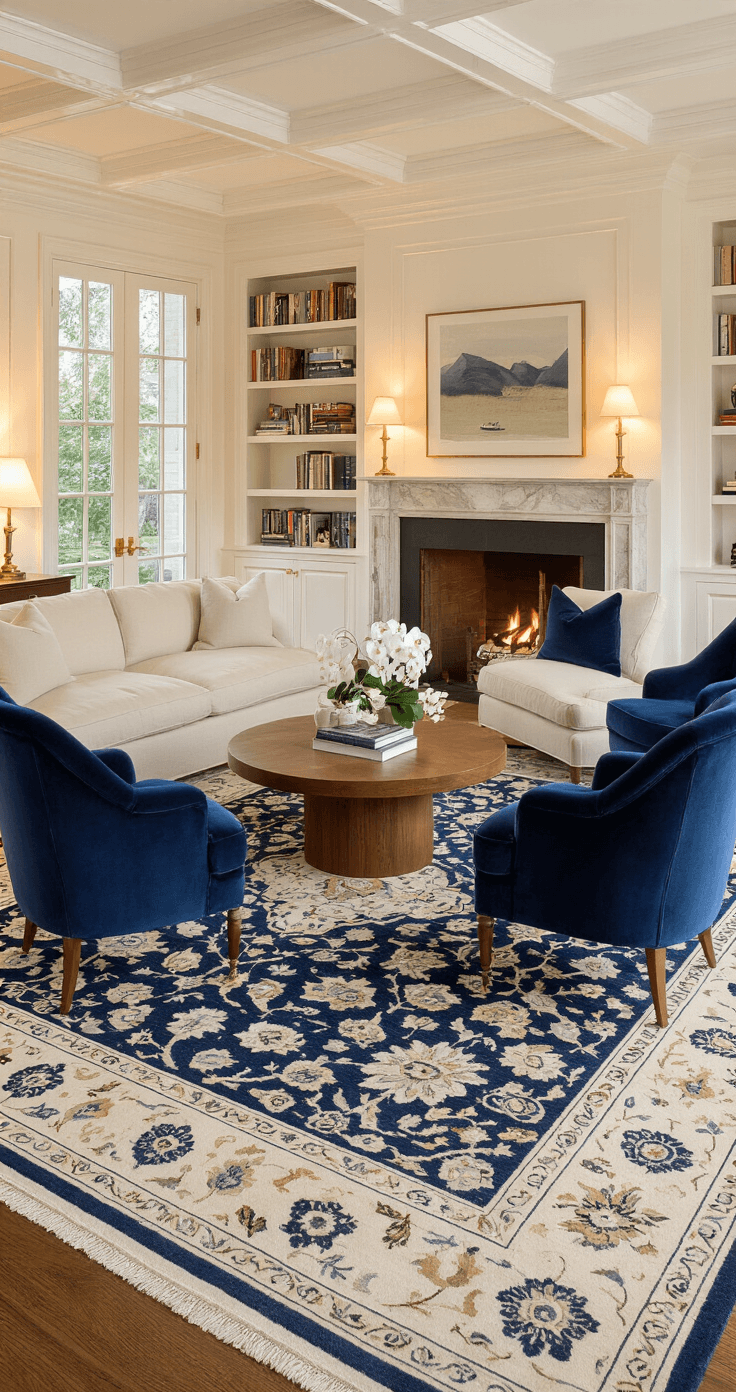
The Classic Conversation Circle
Best for: Homes where people actually talk to each other
What you need:
- Sofa as the anchor piece
- Two chairs facing or angled toward the sofa
- Coffee table within arm’s reach of all seats
- Area rug defining the entire zone
The setup: Position your sofa perpendicular to the longest wall (not against it). Place chairs across from the sofa, angled slightly inward. Everything should sit on or touch the rug.
I tried this layout first, and within one dinner party, three people commented that my living room “felt different.” Nobody could pinpoint why. That’s good design.
The Dual-Purpose Layout
Best for: Families who need TV watching AND conversation
Save this article
Enter your email and we'll send it straight to your inbox.
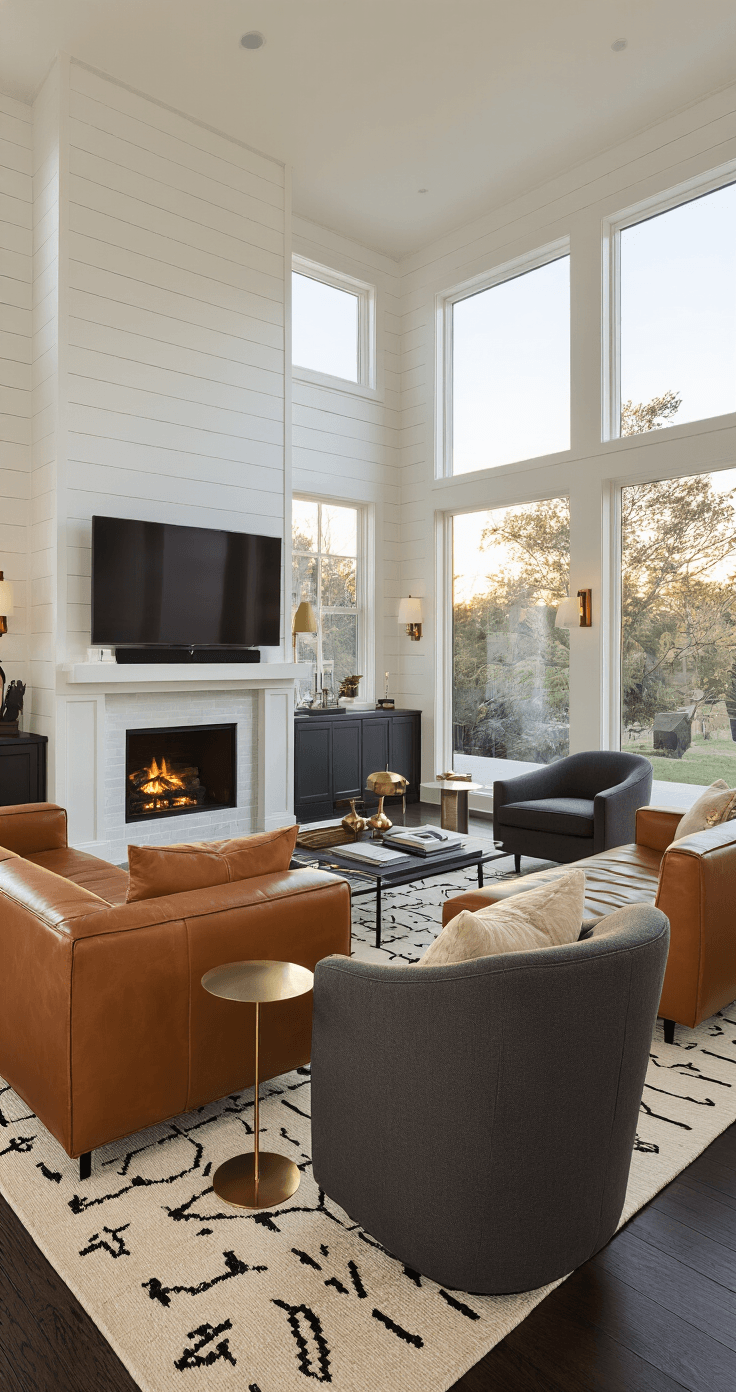
Create two distinct zones:
- Zone 1: Conversation area with sofa and chairs
- Zone 2: Media viewing with loveseat or extra seating
The trick: Angle seating so it serves both purposes. Your main sofa faces the TV at a slight angle, while chairs can swivel between conversation and screen.
Add a console table behind the sofa to create separation without walls. I keep lamps and books there, and it transformed my space from “one confused room” to “two intentional areas.”
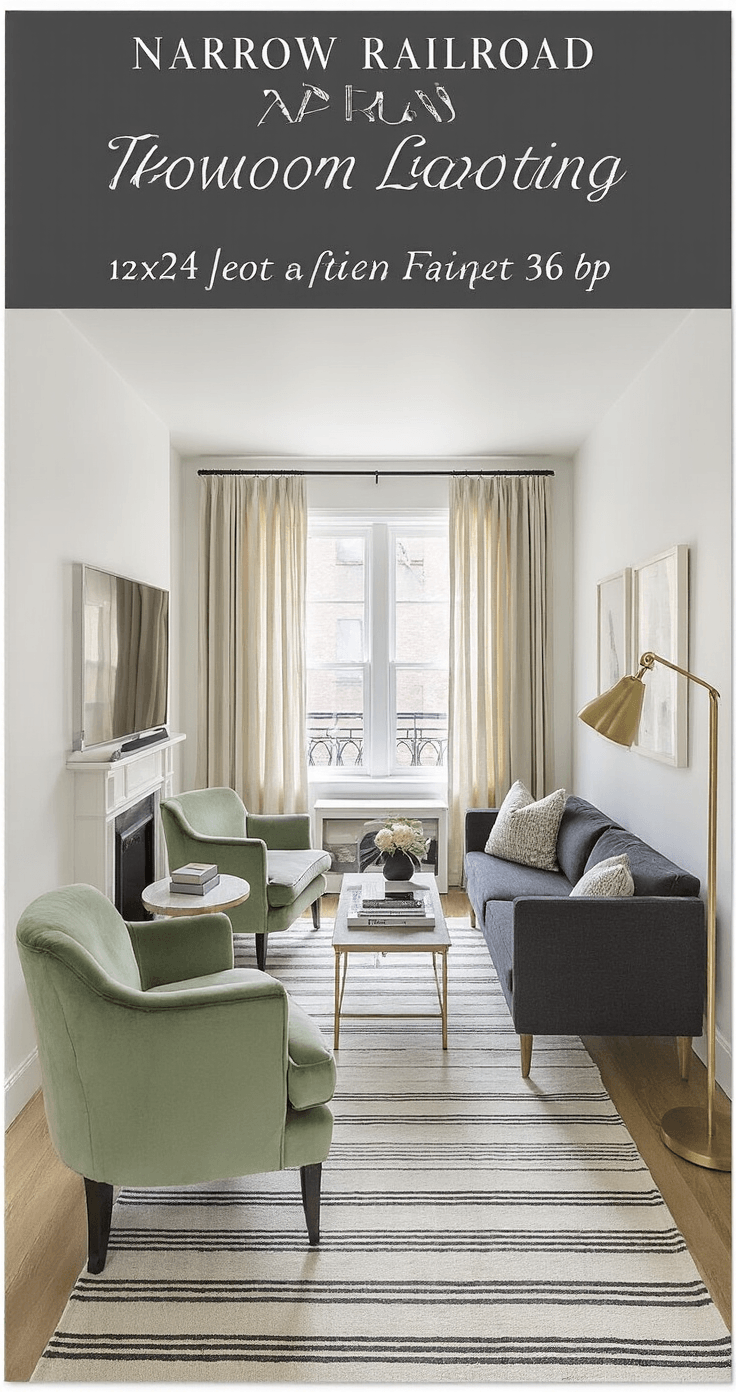
The Narrow Living Room Layout
Best for: Those cursed railroad apartments we all pretend to love
Long, narrow rooms make people crazy. Here’s how I handled mine:
Break it into sections:
- Front section: Main seating area
- Middle: Walkway (keep this clear)
- Back: Reading nook or workspace
The key move: Position furniture perpendicular to the long walls. This breaks up the bowling alley effect.
I placed my sofa facing into the room, not along the wall. Added two chairs on the opposite side. Suddenly the room had width instead of just endless length.
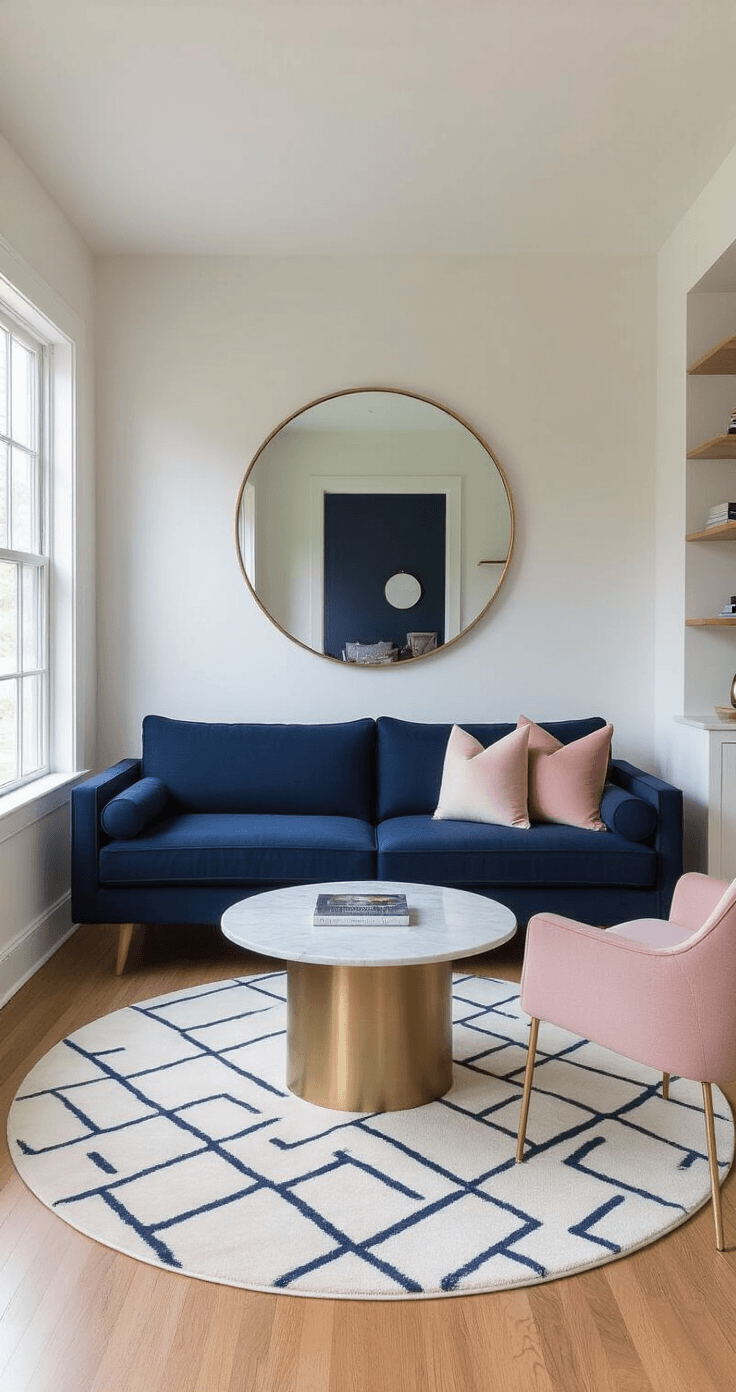
The Small Living Room Layout
Best for: Spaces under 200 square feet where every inch matters
Forget the rules about big furniture in small spaces. That’s nonsense.
What actually works:
- One properly-sized sofa (not tiny furniture that looks like dollhouse rejects)
- Two compact chairs or one statement chair
- Furniture with legs (not blocky pieces touching the floor)
- Mirrors to bounce light and expand sight lines
I replaced my bulky traditional armchairs with slimmer ones that had visible legs. The floor space showing underneath made the room feel twice as large.
The Traffic Pattern Test Nobody Talks About
Walk through your living room like you’re actually living there:
- Entering from the front door
- Walking from the living room to the kitchen
- Moving around to dust or vacuum
- Getting up from the sofa to answer the door
You should never have to:
- Squeeze between furniture pieces
- Walk behind someone sitting down
- Step over anything
- Do that awkward side-shuffle
Leave 30 inches for main walkways. 18 inches minimum for secondary paths.
When I measured my old layout, I had a 12-inch gap between
Keep this one for later
We'll email you the link so you can come back to it.