
This post may contain affiliate links. Please see my disclosure policy for details.
What is a Cut Flower Garden?
Let’s dive right into the world of cut flower gardens – your personal bloom factory that transforms your backyard into a living, breathing floral workshop. Unlike traditional ornamental gardens, this is a purposeful space designed to produce the most stunning, vase-ready flowers you’ll ever bring indoors.

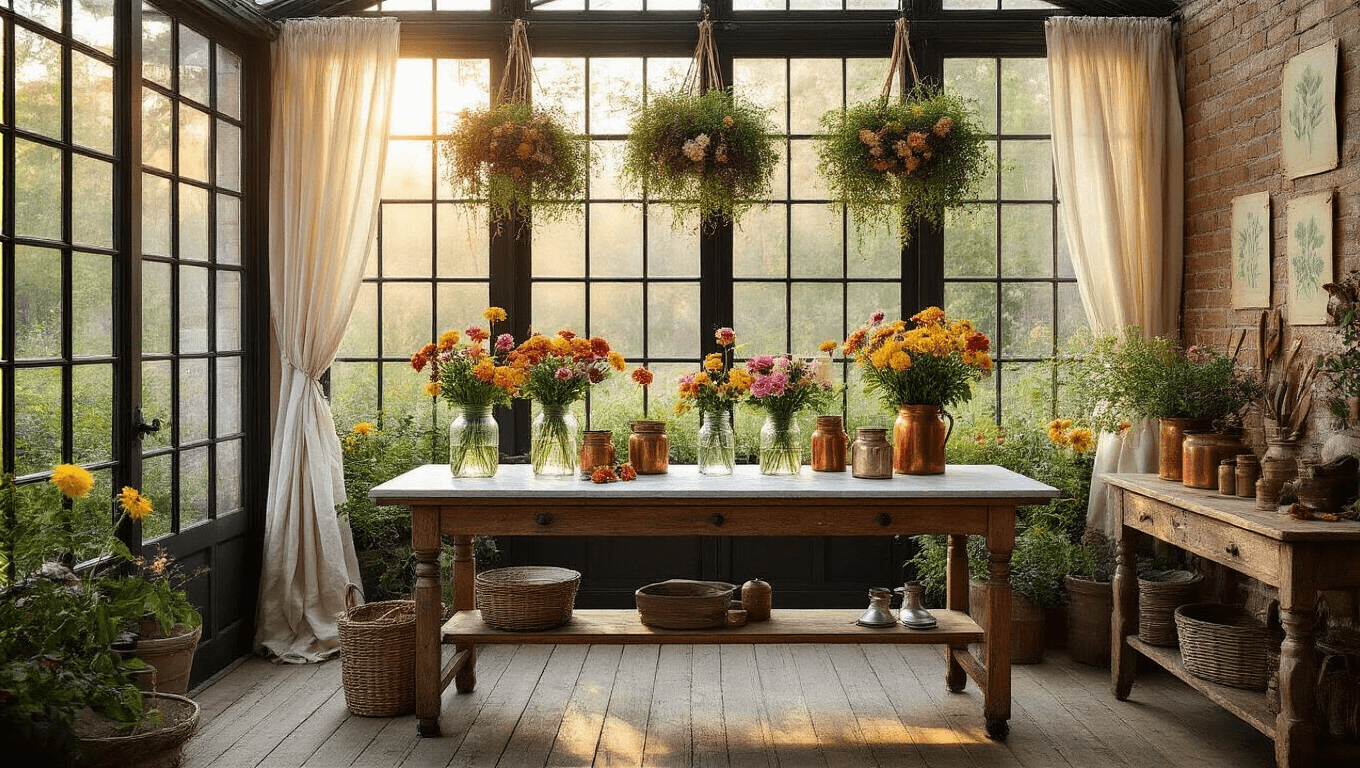
✎ Steal This Look
- Paint Color: Sherwin-Williams Garden Sage SW 6165
- Furniture: weathered potting bench with zinc top, vintage garden stool, galvanized metal shelving unit for stem storage
- Lighting: oversized barn pendant with seeded glass, solar-powered Edison string lights overhead
- Materials: raw cedar raised beds, aged terracotta, burlap ribbon bundles, matte black iron tools
There’s something quietly radical about growing exactly what you’d otherwise overpay for at the grocery store, and the first time you walk your own dahlias to the dinner table, you’ll understand why this garden type has become a full-blown movement.
Why Create a Cut Flower Garden?
Imagine walking into your kitchen and grabbing a fresh, vibrant bouquet straight from your own garden. No more expensive flower shop runs or wilting supermarket stems. Just pure, homegrown beauty at your fingertips.
Key Benefits:
- Fresh flowers on demand
- Cost-effective floral arrangements
- Complete control over flower varieties
- Therapeutic gardening experience

★ Steal This Look
- Paint Color: Benjamin Moore Simply White OC-117
- Furniture: farmhouse-style kitchen island with butcher block top for arranging flowers
- Lighting: vintage-inspired glass pendant lights over the prep area
- Materials: weathered wood, galvanized metal buckets, linen tea towels, terracotta pots
This is the room where your morning coffee meets your evening wind-down, and having living proof of your garden’s abundance right here—where you actually live—transforms a functional space into something that feeds you in ways takeout never could.
Designing Your Cut Flower Garden: Essential Principles
1. Strategic Plant Selection
Pro Tip: Not all flowers are created equal in the cut flower world. Look for:
- Stems at least 12-18 inches long
- Varieties with excellent vase life
- Unique colors and textures
- Harvest-friendly characteristics
2. Garden Layout Secrets
Forget traditional spacing! Cut flower gardens are all about productivity:
- Plant in dense rows
- Space plants closer together (around 9 inches apart)
- Focus on maximizing stem length and quality
3. Soil and Nutrition Matters
The foundation of great flowers is great soil:
- Use compost-rich, well-amended soil
- Ensure full sun exposure
- Implement consistent watering techniques
- Feed plants regularly for maximum bloom production

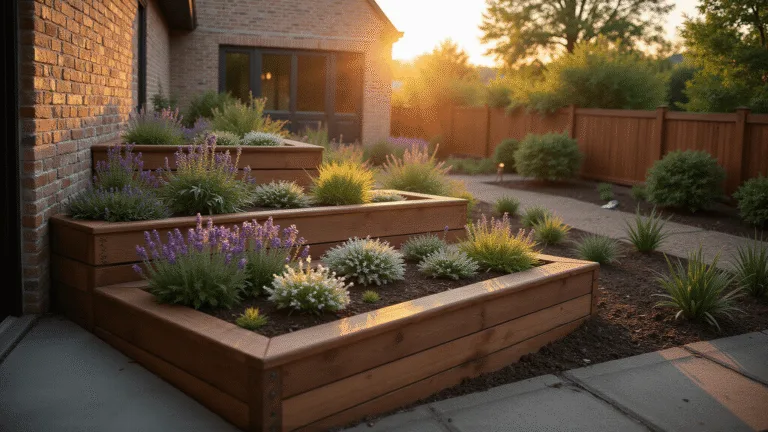
💡 Steal This Look
- Paint Color: Farrow & Ball Cooking Apple Green 32
- Furniture: vintage potting bench with zinc top for workspace and tool storage
- Lighting: galvanized steel gooseneck barn light for task illumination over work areas
- Materials: weathered cedar raised beds, aged terracotta pots, raw linen harvest aprons, and brushed brass plant markers
There’s something deeply satisfying about walking outside with shears in hand and returning with armfuls of blooms you grew yourself—this room, even outdoors, deserves the same intentional design you’d give any interior space.
Save this article
Enter your email and we'll send it straight to your inbox.
Top Flowers for Your Cut Flower Garden
Beginner-Friendly Annuals
- Zinnias
- Cosmos
- Sunflowers
- Snapdragons
- Sweet Peas
Reliable Perennials
- Peonies
- Lilies
- Echinacea
- Rudbeckia

✎ Steal This Look
- Paint Color: Behr Springtime Bloom PPU2-10
- Furniture: weathered cedar potting bench with galvanized steel top
- Lighting: vintage gooseneck barn sconce in oil-rubbed bronze
- Materials: raw cedar, aged terracotta, galvanized zinc, jute twine, linen seed sacks
There’s something quietly triumphant about walking outside with shears before coffee, gathering what you grew from a tiny seed into something worthy of your grandmother’s vase.
Harvesting Like a Pro
Cutting Techniques
- Harvest early morning or late evening
- Use sharp, clean cutting tools
- Cut deeply into the plant
- Immediately place stems in cool water
Maintenance Tips
- Deadhead regularly
- Pinch young plants to encourage branching
- Use stakes or netting for support

🎨 Steal This Look
- Paint Color: Valspar Garden Sage 5005-5B
- Furniture: vintage wooden potting bench with galvanized steel top and lower storage shelf
- Lighting: adjustable gooseneck LED task lamp with daylight color temperature for early morning harvests
- Materials: weathered cedar, brushed brass, linen canvas, terracotta, cast iron
There’s something almost meditative about the rhythm of dawn harvesting when the light is still soft and the bees haven’t arrived—these quiet moments connect you to generations of gardeners who rose before sunrise for the same purpose.
Arrangement Magic: From Garden to Vase
Flower Arrangement Formula
- Choose focal flowers (like dahlias)
- Add accent flowers (snapdragons, cosmos)
- Include fillers (baby’s breath, greenery)
Keeping Flowers Fresh
- Use clean vases
- Trim stems at an angle
- Remove submerged foliage
- Change water frequently
- Pro Hack: Add floral preservative or a sugar/vinegar mix

🌟 Steal This Look
- Paint Color: PPG Gardenia PPG14-05
- Furniture: vintage wooden potting bench with zinc top for arranging
- Lighting: adjustable-arm brass pharmacy lamp for task lighting
- Materials: weathered terracotta, galvanized metal, linen apron fabric, raw wood
There’s something deeply satisfying about walking outside with clippers in hand and returning with an armful of blooms you nurtured yourself—these arrangement moments feel less like chores and more like creative meditation.
Common Mistakes to Avoid
- Overcrowding plants
- Inconsistent watering
- Neglecting soil health
- Improper harvesting techniques
Final Thoughts
A cut flower garden isn’t just a garden – it’s a living, breathing floral studio that brings joy, beauty, and creativity right to your doorstep. With some planning, care, and love, you’ll soon be creating stunning arrangements that’ll make your friends wonder if you’ve hired a professional florist.
Ready to bloom? Your cut flower garden adventure starts now!

🎨 Steal This Look
- Paint Color: Clare Paint Fresh Kicks 7000
- Furniture: vintage potting bench with zinc top for arranging flowers
- Lighting: oversized rattan pendant with Edison bulb
- Materials: weathered cedar, galvanized steel, raw linen, terracotta
There’s something quietly revolutionary about walking outside with empty hands and returning with an armful of dahlias you grew yourself—it’s the kind of slow, deliberate pleasure that makes a house feel like home.
Keep this one for later
We'll email you the link so you can come back to it.


[…] all flowers are created equal when it comes to […]