

This post may contain affiliate links. Please see my disclosure policy for details.
Desert Flowers: Nature’s Resilient Colorful Survivors
Have you ever wondered how flowers survive in scorching, unforgiving desert landscapes?
Desert flowers are nature’s ultimate survivors. They burst with color in environments where most plants would wither and die, transforming barren landscapes into breathtaking canvases of vibrant life.

🏠 Steal This Look
- Paint Color: Sherwin-Williams Cavern Clay SW 7701
- Furniture: low-profile linen slipcovered sofa in warm sand tone, reclaimed wood coffee table with live edge, woven rattan accent chairs with terracotta cushions
- Lighting: oversized woven pendant light in natural jute with warm Edison bulb
- Materials: handwoven wool rugs with geometric patterns, unglazed terracotta pottery, raw linen textiles, weathered brass accents, dried pampas grass and desert wildflower arrangements
This living room feels like stepping into a hidden canyon at golden hour—there’s something deeply grounding about surrounding yourself with colors that refuse to fade, even in harsh conditions.
What Makes Desert Flowers So Special?
These incredible plants have developed mind-blowing survival strategies that put other plants to shame:
Extreme Adaptations
- Water-conserving leaves: Minimizing moisture loss
- Waxy protective coatings: Blocking intense solar radiation
- Deep root systems: Accessing hidden underground water sources
- Compact growth: Reducing surface area exposed to heat
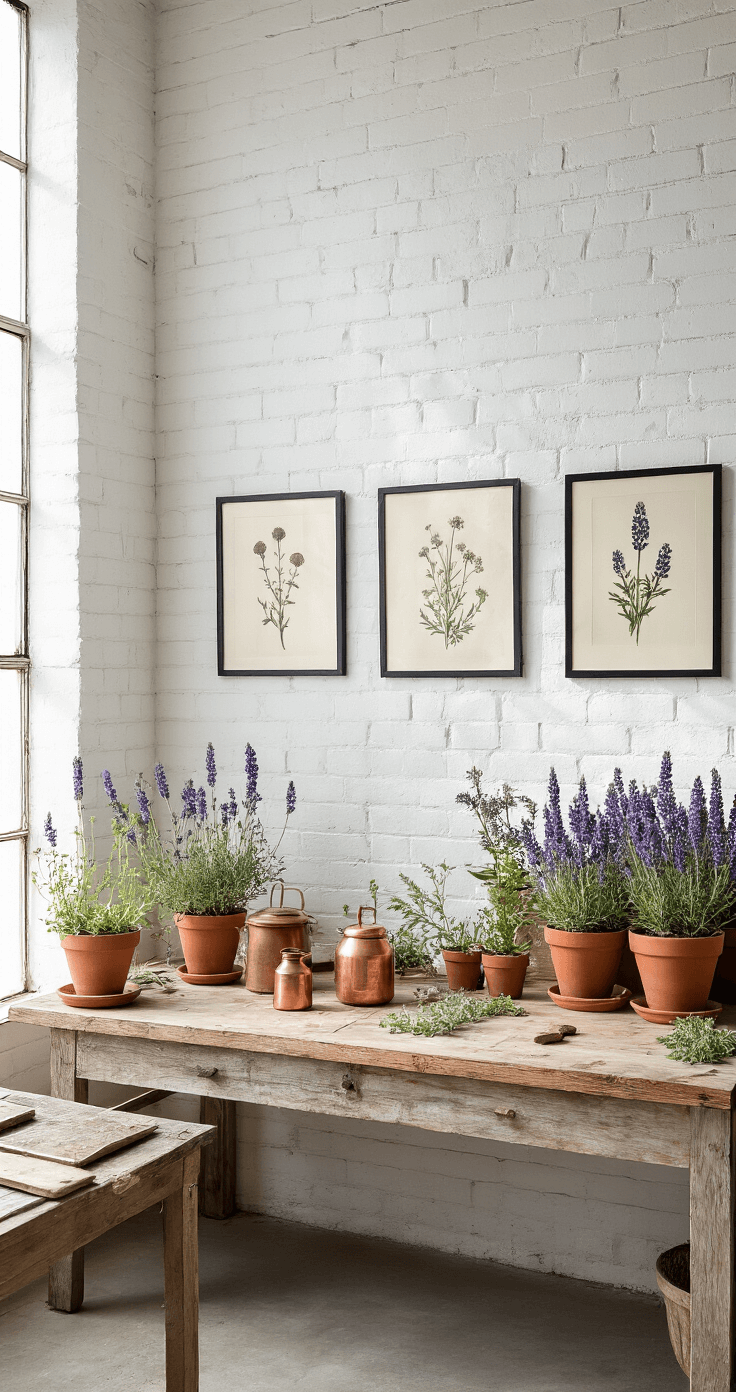
Spectacular Blooming Patterns
Desert flowers don’t just survive—they put on jaw-dropping shows called “super blooms” that can turn entire desert regions into stunning color explosions. Imagine carpets of California Poppy and Desert Lily transforming rocky terrain into a painter’s palette.
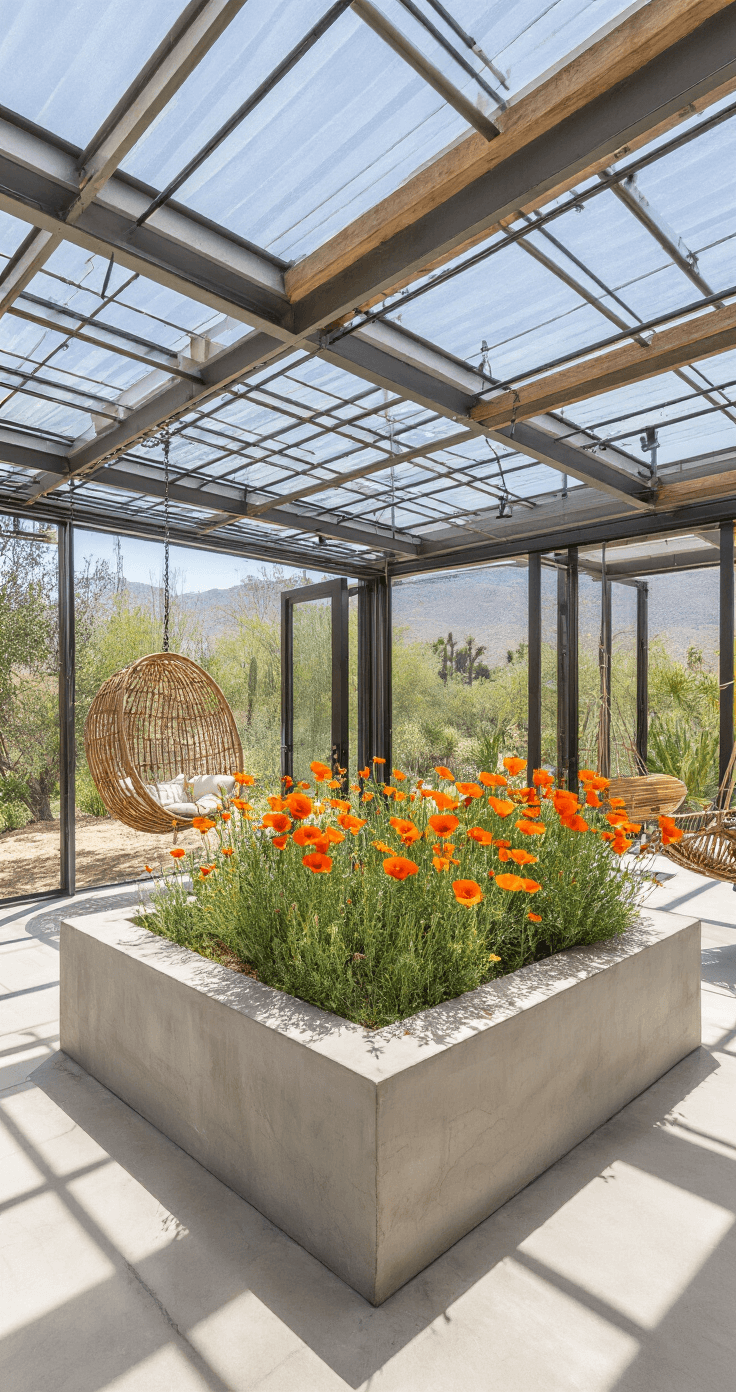
🖼 Steal This Look
- Paint Color: Benjamin Moore Adobe Dust 1128
- Furniture: low-profile platform bed with rounded edges in warm terracotta bouclé upholstery, paired with sculptural nightstands in bleached oak
- Lighting: oversized handwoven rattan pendant with organic irregular shape, hung low over bedside
- Materials: raw clay plaster walls, hand-tufted wool rugs in ochre and sand tones, aged brass hardware, linen bedding in muted poppy and sage
This bedroom should feel like waking up inside a super bloom—those rare mornings when the desert surprises you with color you forgot was possible.
Top Desert Flower Varieties
Color Spectrum Highlights
🌼 Yellow Wonders
- Desert Marigold
- Golden Poppy
- Brittlebush
🌸 Passionate Pinks & Reds
- Sand-verbena
- Chuparosa
- California Poppy
💜 Royal Purple Beauties
- Desert Lavender
- Coulter’s Lupine
- Desert Chia
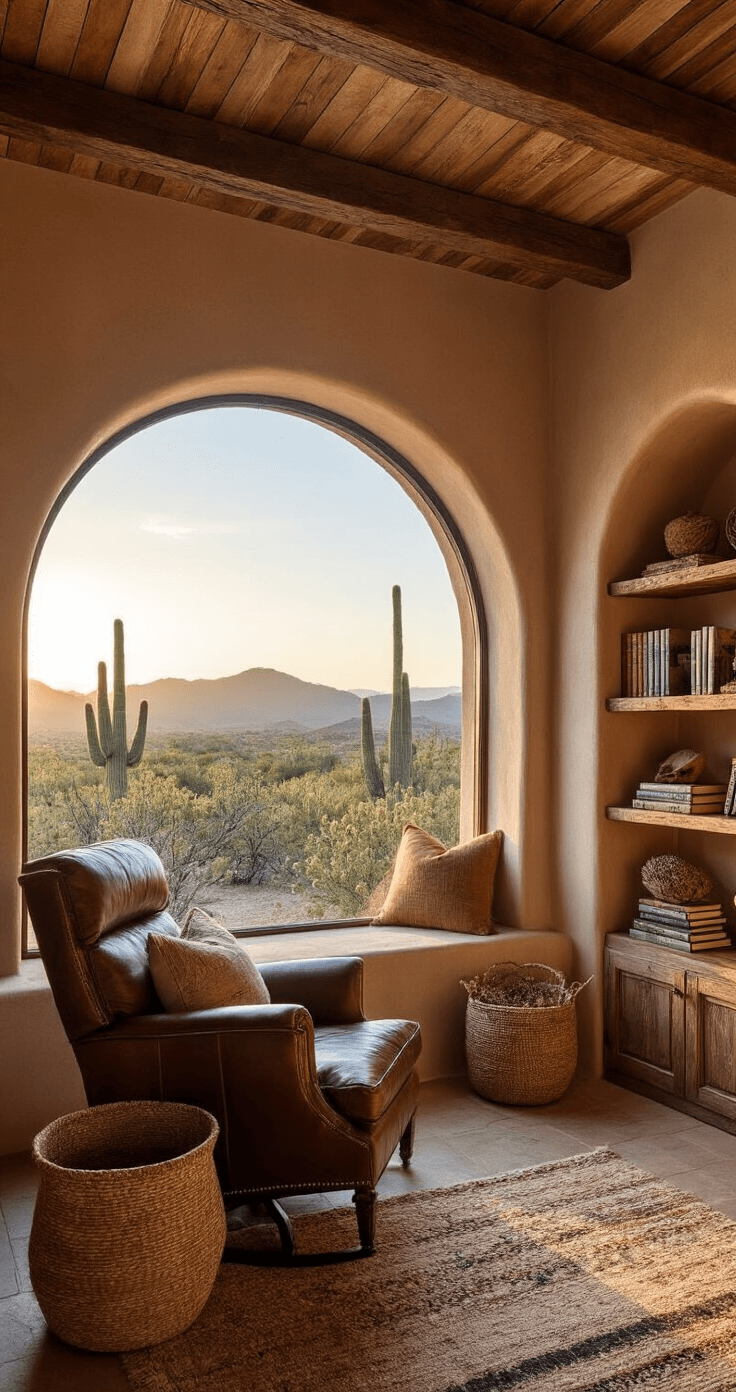
🌟 Steal This Look
- Paint Color: Farrow & Ball India Yellow 66
- Furniture: low-profile linen sofa in warm sand tone with rounded arms, paired with a reclaimed mesquite wood coffee table with live edge
- Lighting: oversized handwoven rattan pendant with warm amber glow, suspended over seating area
- Materials: terracotta clay, raw silk, weathered oak, hand-thrown ceramics, natural jute
This is the room where you slow down—where morning coffee tastes better because the walls hold the same honeyed light that makes desert blooms glow at golden hour.
Ecological Superstars
Desert flowers aren’t just pretty faces. They’re critical ecosystem players:
Save this article
Enter your email and we'll send it straight to your inbox.
- Pollinator Magnets: Attracting bees, butterflies, and hummingbirds
- Wildlife Support: Providing food and shelter
- Soil Stabilization: Preventing erosion in fragile desert environments
Where to Find Them
North American Hotspots:
- Sonoran Desert
- Mojave Desert
- Arizona’s desert regions
International Desert Flower Zones:
- Kalahari Desert
- Atacama Desert
- Chilean Desert Regions
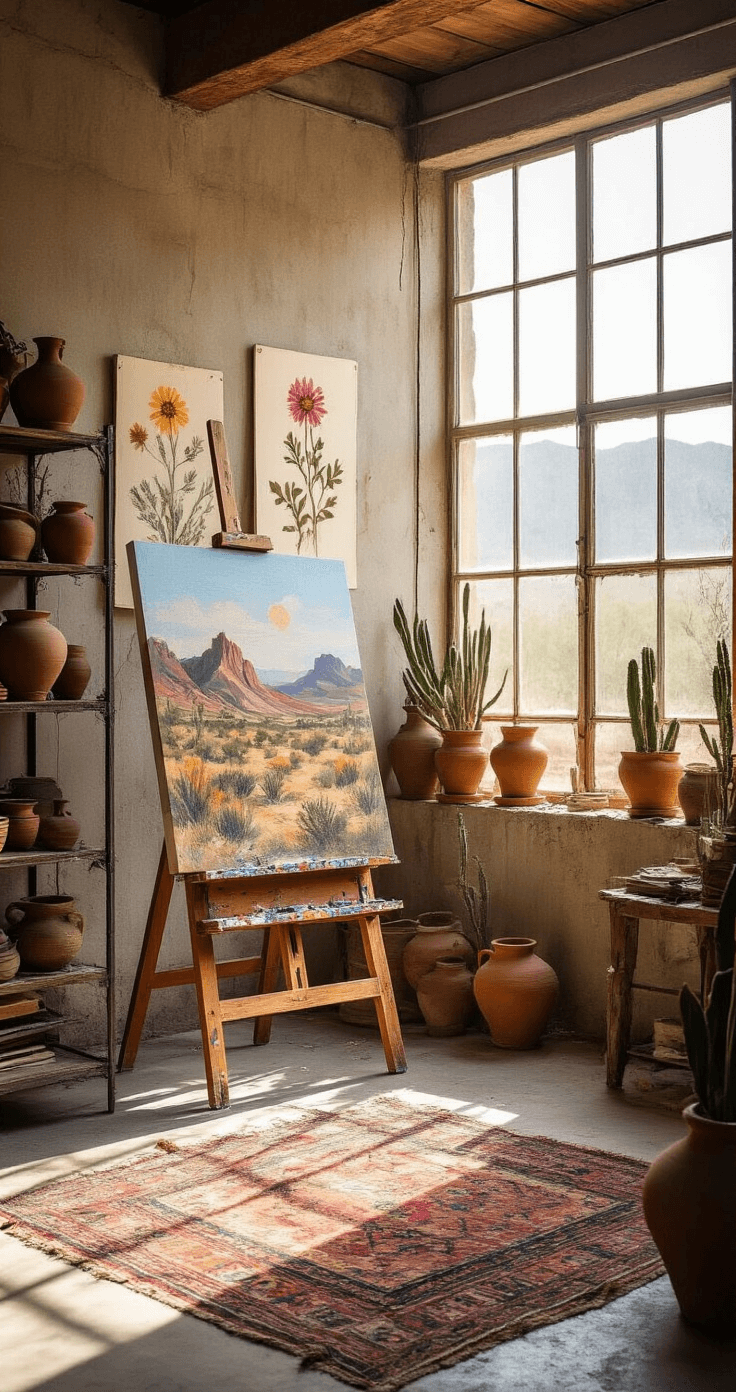
🖼 Steal This Look
- Paint Color: Behr Adobe Sand N240-2
- Furniture: live-edge mesquite wood coffee table with natural bark edges, woven rattan accent chairs with leather cushions
- Lighting: oversized woven jute pendant light with warm Edison bulb
- Materials: unpolished travertine, raw linen, terracotta clay, weathered bronze, dried botanicals
This room should feel like stepping into a shaded ramada after a morning hike—earthy, breathable, and quietly alive with the resilience of things that thrive in hard places.
👑 Get The Look
Pro Gardening Tips
Want to grow your own desert flower garden?
Must-Have Supplies:
- Specialized desert soil mix
- Drought-resistant gardening tools
- Minimal watering equipment
- Rocks and gravel for authentic desert landscaping
Rare Gem Alert: Ghost Flower
The Ghost Flower (Mohavea confertiflora) is the unicorn of desert flora—pale, translucent, and incredibly rare. Found only in specific southwestern U.S. regions, it’s a true botanical collector’s dream.
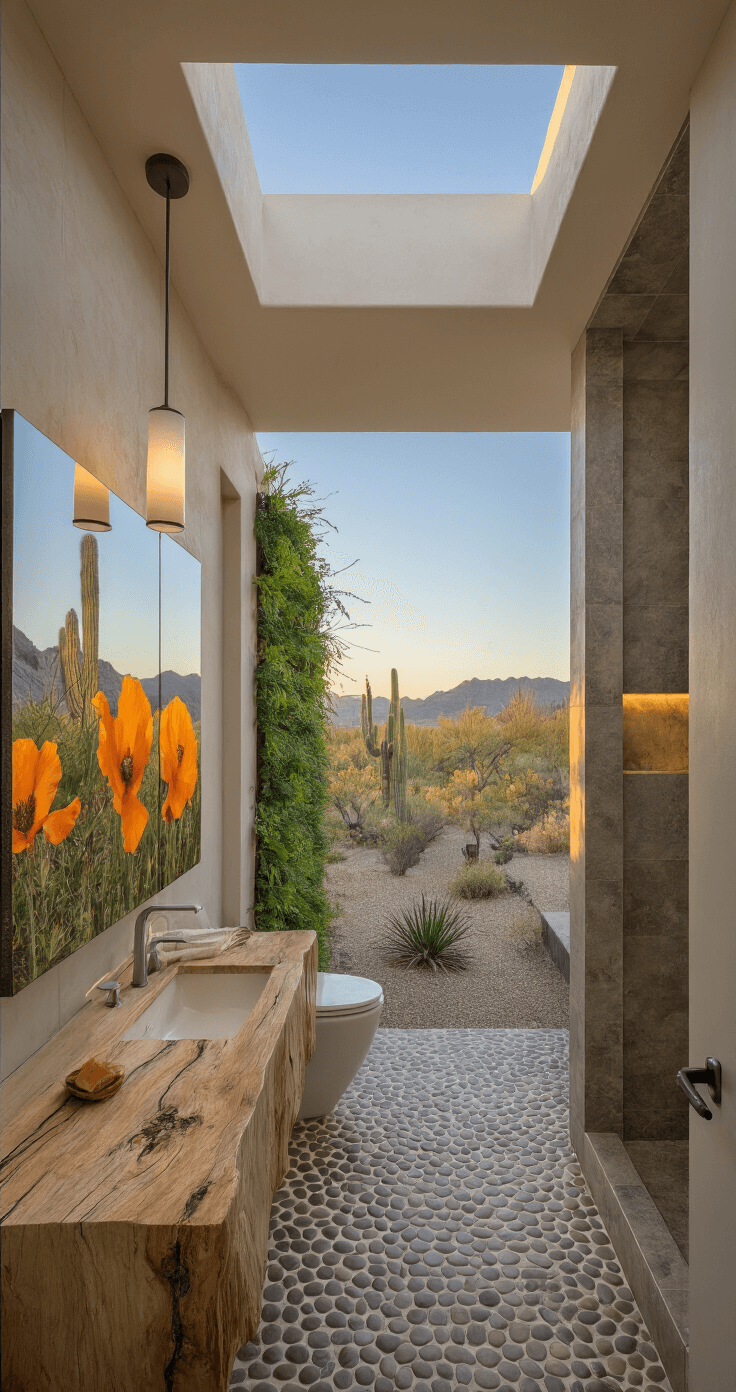
🌟 Steal This Look
- Paint Color: Valspar Desert Fortress 2008-10A
- Furniture: weathered teak potting bench with galvanized steel top
- Lighting: solar-powered LED grow light pendant with terracotta shade
- Materials: raw concrete planters, untreated cedar shelving, rusted metal tool hooks, crushed decomposed granite flooring
This is where patience becomes visible design—every faded label on a seed packet and water ring on your bench tells the story of plants that refused to grow anywhere else.
Final Thoughts
Desert flowers prove that beauty and resilience can emerge from the harshest conditions. They’re not just plants—they’re living testaments to nature’s incredible adaptability and creativity.
Ready to transform your understanding of desert ecosystems? These flowers are waiting to blow your mind.
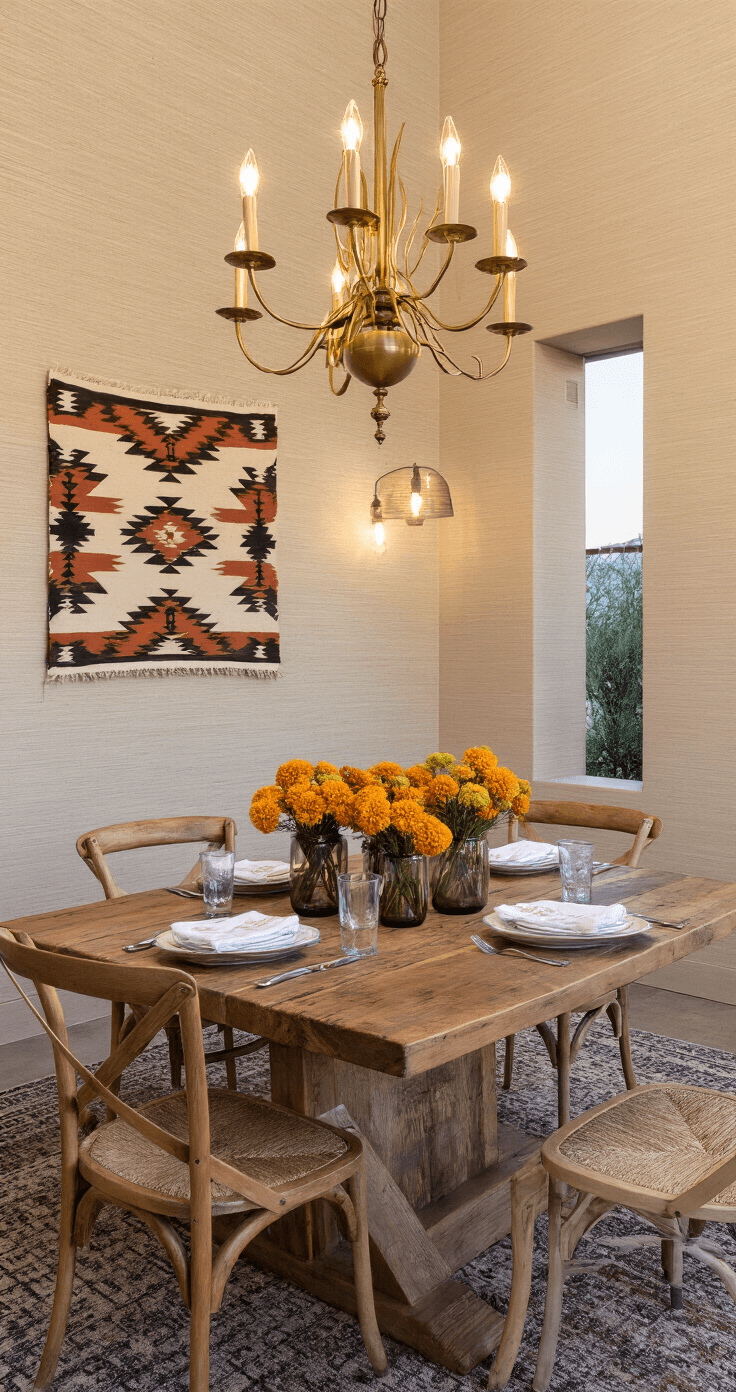
✎ Steal This Look
- Paint Color: PPG Warm Stone PPG1076-3
- Furniture: low-profile linen-upholstered sectional in sand beige, reclaimed wood coffee table with live edge, ceramic garden stool side tables
- Lighting: oversized woven rattan pendant with warm amber glow, mimicking desert sunset
- Materials: hand-troweled plaster walls, terracotta tile flooring, raw linen, aged brass, unglazed pottery, dried palm and pampas grass arrangements
This is the room where you finally slow down enough to notice things—the way afternoon light pools in the corner, how a single stem casts a shadow like calligraphy.
Keep this one for later
We'll email you the link so you can come back to it.


[…] in flowering plants for color […]