This post may contain affiliate links. Please see my disclosure policy for details.
Exotic Flowers: How I Learned to Bring Paradise Into My Living Room (Without Killing Everything)
Exotic flowers stopped me dead in my tracks at a hotel lobby three years ago.
I’m talking about those Bird of Paradise stems that looked like they’d flown straight out of a rainforest and landed in a vase.
You know that moment when you see something so ridiculously beautiful that you immediately want it in your own space?
That was me, staring at those orange-and-blue blooms, thinking “I need this energy in my life.”
But here’s what nobody tells you about exotic flowers: they’re not just pretty faces.
They’re conversation starters, mood lifters, and honestly, some of them are tougher than your average rose.
What Actually Makes a Flower “Exotic” (And Why You Should Care)
Let me cut through the fluff here.
Exotic flowers are basically the rebels of the flower world.
They show up with bizarre shapes, colors that don’t seem real, and origins that make your local daisies look downright boring.
Most come from tropical regions between the Tropics of Cancer and Capricorn, where the climate lets plants get absolutely wild with their creativity.
Here’s what sets them apart:
- Shapes that make you do a double-take (seriously, some look like birds, lobster claws, or alien spacecraft)
- Colors so vivid they almost hurt to look at
- Longevity that puts regular bouquets to shame—we’re talking two weeks or more
- Drama levels that could fill a theater
The best part?
Many of these showstoppers are way easier to care for than you’d think.
The Heavy Hitters: Exotic Flowers That Actually Deliver
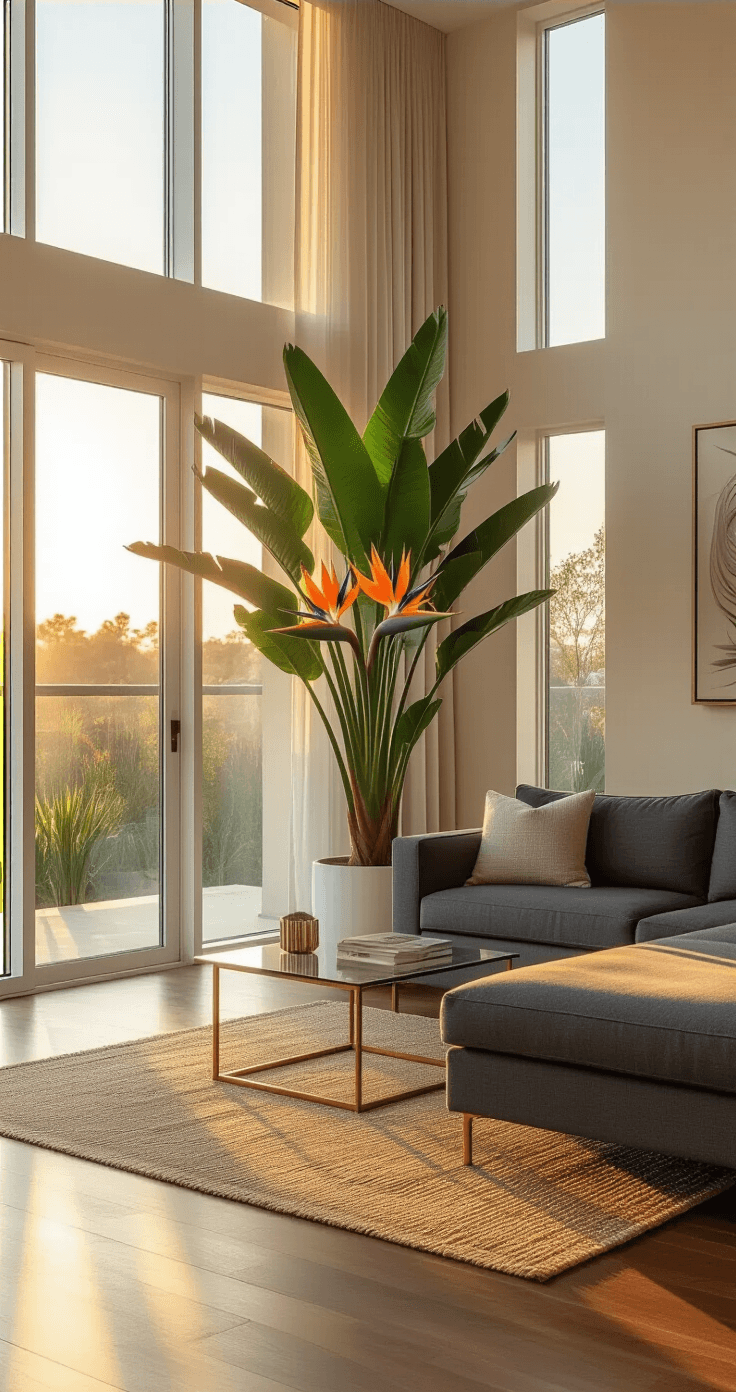
Bird of Paradise – The One Everyone Recognizes
I started with a Bird of Paradise plant because I’m not subtle.
These Strelitzia beauties are the poster children of exotic flowers.
Orange and blue petals arranged to look like a tropical bird mid-flight.
When people walk into my living room, this is what they photograph first.
Why I love them:
- They’re architectural (fancy word for “they look expensive”)
- Each bloom lasts for weeks
- The leaves alone are stunning even without flowers
- They make every other decoration in the room look more intentional
Real talk: They need bright light and patience. Mine took eight months to bloom the first time, and I almost gave up at month seven.
Orchids – Not as Scary as You Think
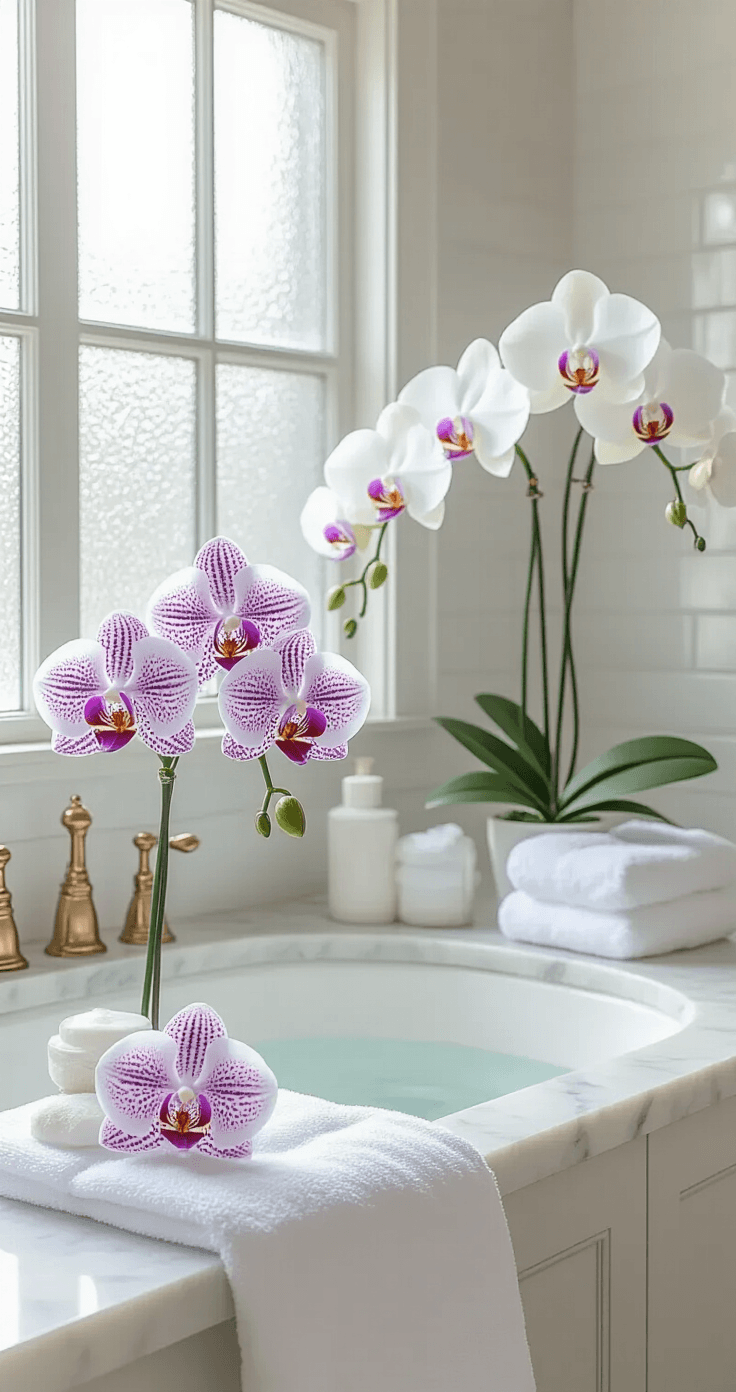
Listen, I killed four orchids before I figured them out.
Four.
But now I’ve got orchid arrangements all over my bathroom and bedroom, and guests think I’m some kind of plant whisperer.
The secret? Ignore them.
Save this article
Enter your email and we'll send it straight to your inbox.
My orchid survival rules:
- Water once a week with ice cubes (three cubes, done)
- Indirect light only
- Don’t repot unless absolutely necessary
- Let them go dormant without panicking
Orchids come in thousands of varieties, but Phalaenopsis (moth orchids) are the gateway drug.
They’re forgiving, they bloom for months, and they come in colors from pure white to deep purple with spots.
Anthuriums – The Glossy Heart-Shaped Winners
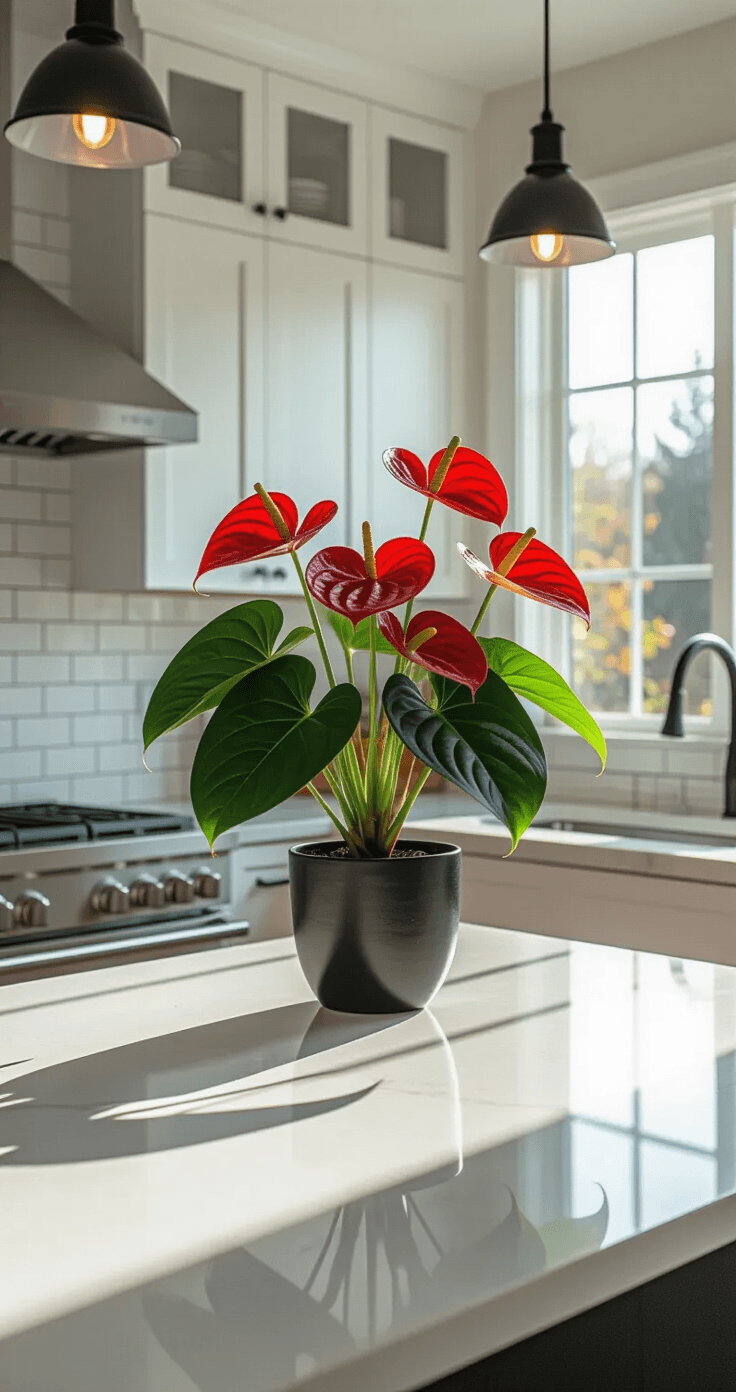
These are my kitchen favorites.
Anthuriums have that glossy, almost plastic-looking heart-shaped “flower” (it’s actually a spathe, but who cares) that comes in red, pink, white, or even green.
I’ve got a red one on my kitchen counter that’s been blooming nonstop for seven months.
Seven. Months.
What makes them perfect for beginners:
- They actually like the humidity from your sink and dishwasher
- They bloom constantly if you don’t murder them with overwatering
- They’re compact enough for small spaces
- That glossy finish catches light beautifully
Pro tip: wipe the leaves with a damp cloth once a month. They’ll shine like you polished them with car wax.
Protea – For When You Want Drama
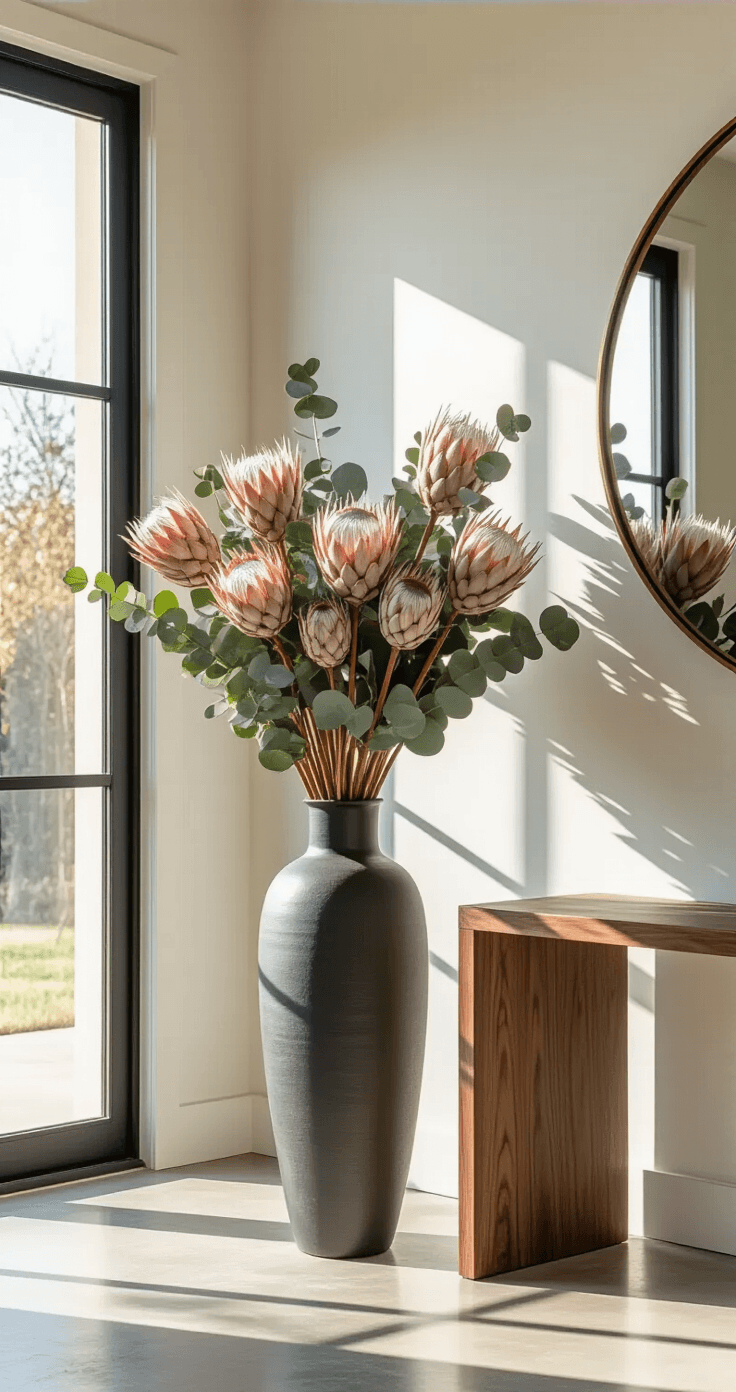
My first protea bouquet came from a farmer’s market, and I genuinely gasped.
These South African natives look like something from a science fiction movie.
Big, architectural, with a spiky central cone surrounded by colorful bracts that range from soft pink to deep burgundy.
Here’s why proteas are special:
- They dry beautifully (I’ve got some that are three years old and still gorgeous)
- They’re incredibly long-lasting as fresh cuts
- The texture adds dimension that regular flowers can’t match
- They photograph like absolute champions
I use dried proteas in my entryway arrangement, mixed with eucalyptus, and people constantly ask where I bought the “sculpture.”
It’s flowers, Karen. Just really cool flowers.
The Bold Choices for Adventurous Souls
Heliconia – The Lobster Claw That Commands Attention
Heliconias are not for minimalists.
These Central and South American natives have bold, beak-like bracts in fire-engine red, electric orange, or sunshine yellow.
They’re tall, they’re loud, and they’re unapologetic.
I used them for a dinner party once, and they completely upstaged my cooking.
Worth it.
Best uses:
- Statement arrangements in large spaces
- Tropical-themed events
- When you need a focal point that screams confidence
- Outdoor entertaining areas
<img
Keep this one for later
We'll email you the link so you can come back to it.