This post may contain affiliate links. Please see my disclosure policy for details.
Fall Lawn Care: The 7 Essential Tasks That’ll Make Your Neighbors Green With Envy
Fall lawn maintenance involves four core tasks: reducing mowing height, managing leaves, seeding bare spots, and adjusting watering—and I’m here to walk you through every single one.
Look, I get it. Your lawn looks tired after a brutal summer, and you’re wondering if you should just let nature take its course. Maybe you’re thinking, “Can’t I just rake some leaves and call it a day?”
Here’s the truth: what you do in fall determines whether you’ll have a lush green carpet next spring or a patchy mess that makes you avoid eye contact with your neighbors.
I’ve spent years figuring out what actually works (and wasted plenty of time on what doesn’t). Let me save you the trouble.
Why Your Mowing Height Matters More Than You Think
Gradually reduce your mowing height throughout fall, aiming for a final cut of 2-3 inches for cool-season grasses.
I used to think cutting grass short in fall was some old wives’ tale. Then I learned the hard way when snow mold turned sections of my lawn into a brown, matted disaster.
Here’s what actually happens: Long grass flops over under snow and ice, creating the perfect breeding ground for fungal diseases. Short grass stands up better and breathes.
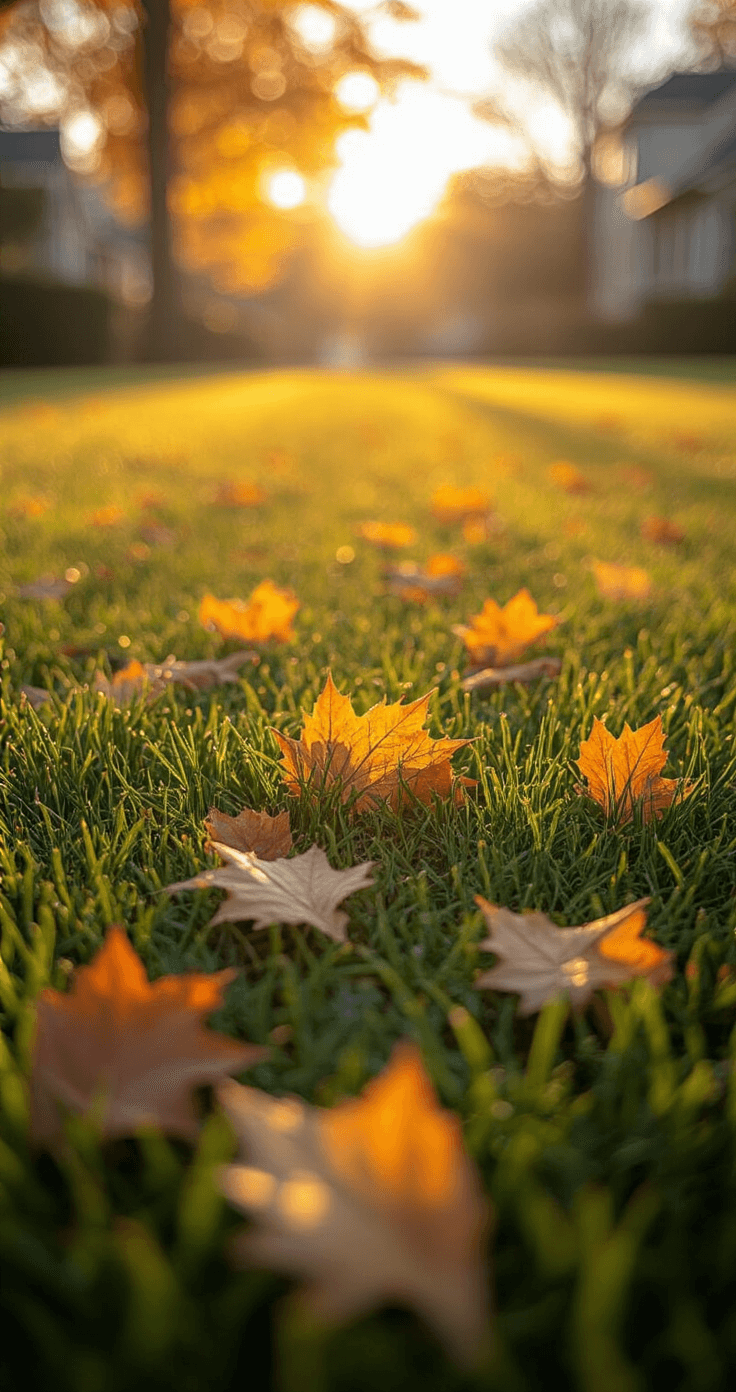
For cool-season grasses (think bluegrass, fescue, ryegrass):
- Start lowering your mower deck gradually—don’t shock the grass
- Aim for that sweet spot between 2-3 inches
- Make your final cut when daytime temps consistently drop below 50°F
For warm-season grasses (Bermuda, zoysia, St. Augustine):
- Cut about 1/2-inch longer than your summer height
- This extra length protects the crown from cold damage
- Stop when temperatures dip below 60-65°F
Pro tip: Don’t scalp your lawn in one aggressive cut. Your grass needs time to adjust, just like you need time to adjust to wearing pants again after summer shorts season.
A quality lawn mower with adjustable height settings makes this process infinitely easier.
Leaf Management: Don’t Let Nature Smother Your Grass
Remove or mulch fallen leaves weekly during peak fall season.
I know those autumn leaves look picturesque for about five minutes. Then they become a wet, suffocating blanket that’s actively trying to kill your grass.
Accumulated leaves block sunlight and trap moisture—basically creating a petri dish for mold, pests, and diseases your lawn doesn’t need.
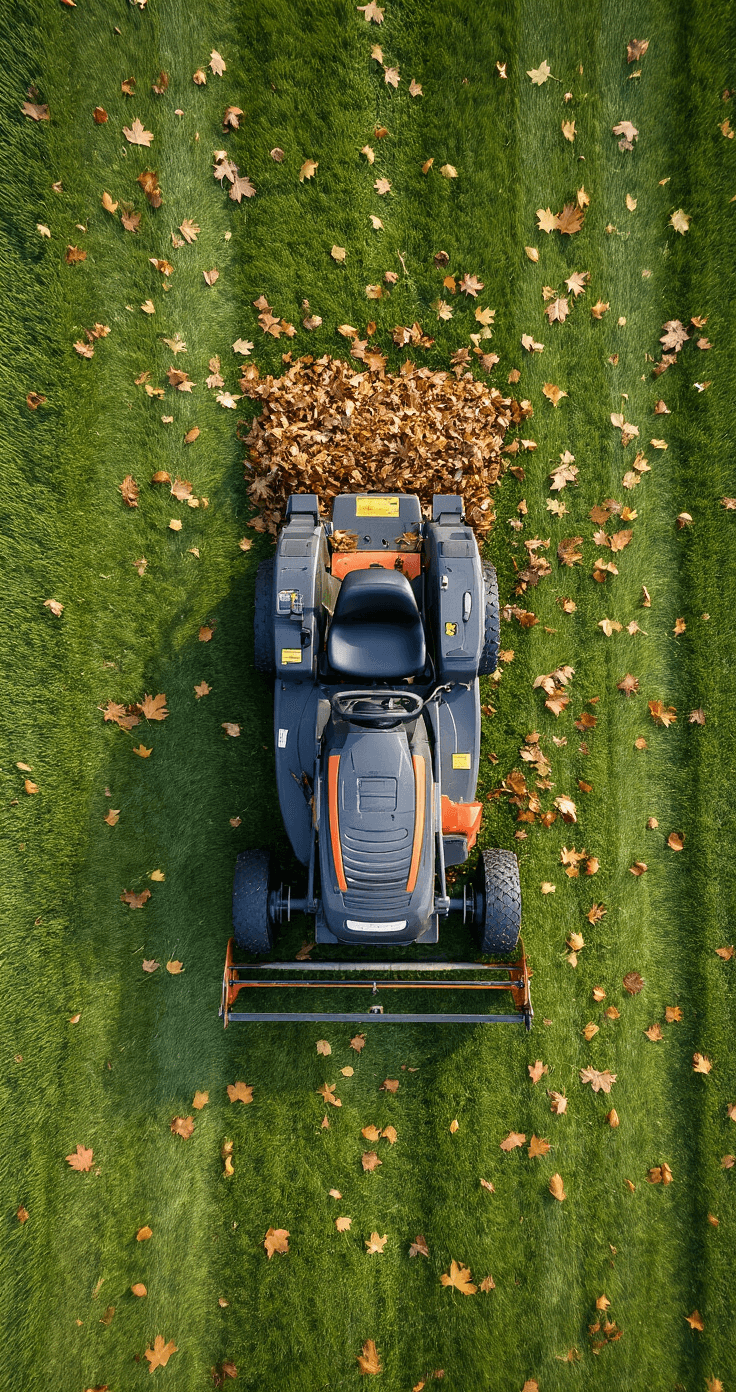
Your options:
Option 1: Mulch them
- Run over small quantities with your mower
- The chopped pieces fall between grass blades
- They decompose and actually feed your lawn
- Only works if leaf coverage is light
Option 2: Rake and remove
- Necessary for heavy leaf accumulation
- Compost them if you’re feeling ambitious
- Bag them for municipal pickup if you’re not
Option 3: The hybrid approach (my favorite)
- Mulch weekly to stay ahead
- Rake only when leaves pile up faster than you can mulch
Don’t wait until all the leaves have fallen. By then, the bottom layers have already started their destructive work.
A reliable leaf mulching mower can cut your fall workload in half.
Seeding and Overseeding: Your Secret Weapon Against Spring Weeds
Fall provides ideal conditions for cool-season grass seed germination.
This is the magic window. Soil is still warm, air is cool, morning dew provides natural moisture. It’s like grass seed’s version of Goldilocks—everything is just right.
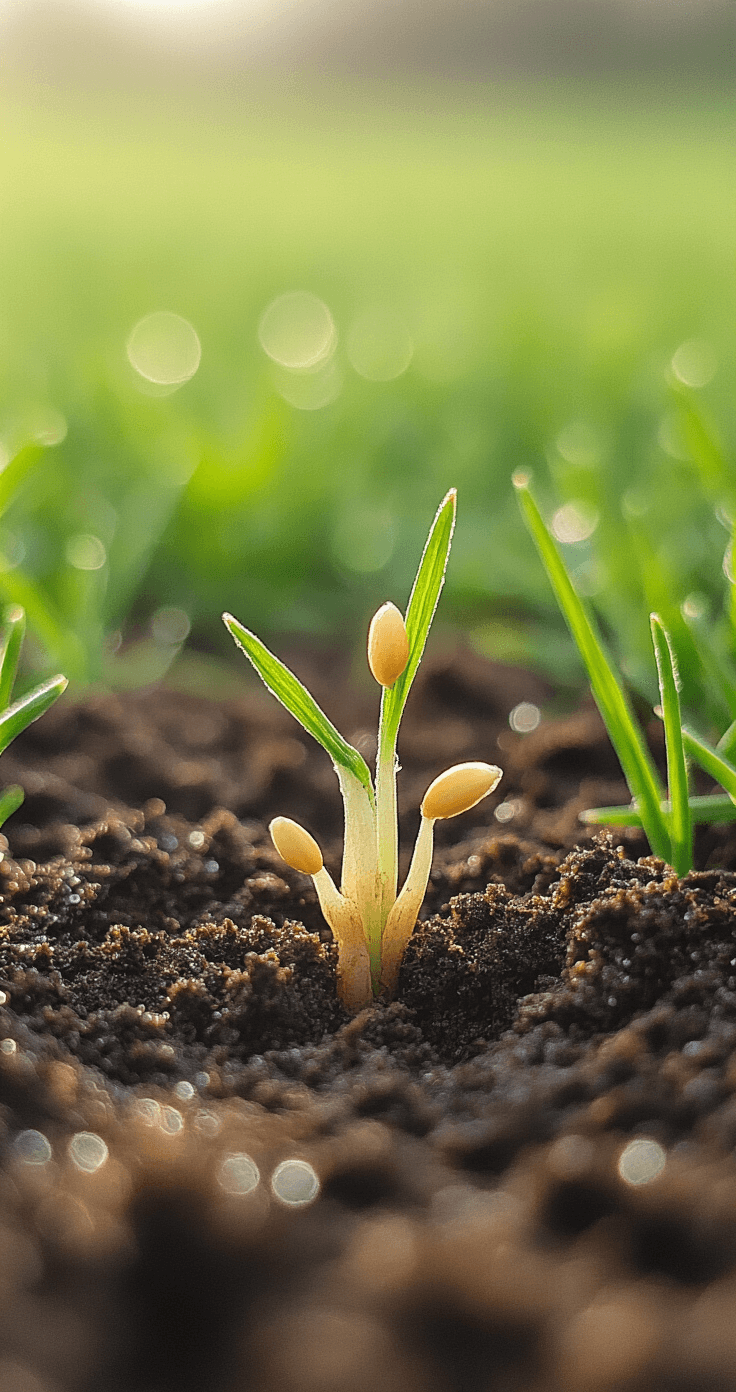
For bare patches:
- Rake away dead debris gently
- Apply seed directly to exposed soil
- Press seeds into contact with soil (I just walk on them)
- Water daily until you see green
For thinning lawns (overseeding):
- Spread seed over existing grass
- A thick lawn naturally chokes out spring weeds
- Think of it as preventative maintenance
- Way cheaper than fighting dandelions next spring
Critical timing rule: Overseed at least 45 days before your anticipated first frost. Seeds need time to establish roots before cold weather hits.
After germination, here’s where people mess up: they keep watering like it’s the Sahara. Water daily until seeds sprout, then significantly reduce watering. Baby grass needs to toughen up.
Quality grass seed for overseeding makes a noticeable difference in germination rates.
Aeration and Dethatching: Give Your Lawn Room to Breathe
For cool-season lawns, aeration and dethatching are beneficial fall tasks.
Your soil gets compacted over time. Kids running around, you mowing, gravity doing its thing. Eventually, water and nutrients can’t penetrate.
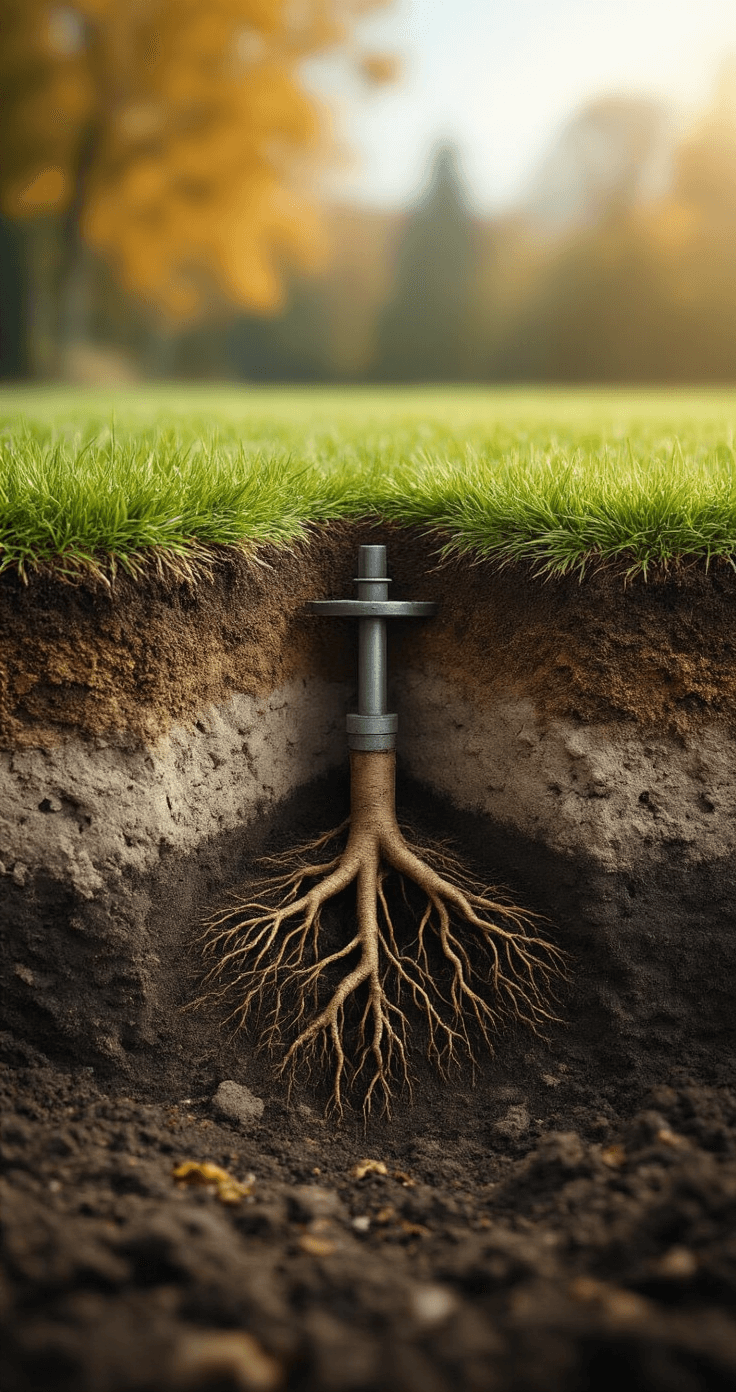
Core aeration:
- Pulls out small plugs of soil
- Breaks up compaction
- Helps oxygen, water, and nutrients reach roots
- Makes your lawn look temporarily terrible (worth it)
Dethatching:
- Removes excess thatch buildup
- Thatch is that spongy layer between grass and soil
- A little (1/4-inch) is good for moisture retention
- Too much blocks everything your grass needs
Fair warning: your lawn will look rough for 2-4 weeks after dethatching. I panicked the first time I did it, thinking I’d destroyed everything. Then it came back thicker than ever.
You can rent machines for both tasks, or hire someone if you’re not feeling ambitious. A manual dethatching rake works for smaller lawns without the