
This post may contain affiliate links. Please see my disclosure policy for details.
Creating the Perfect Family Backyard: A Comprehensive Design Guide
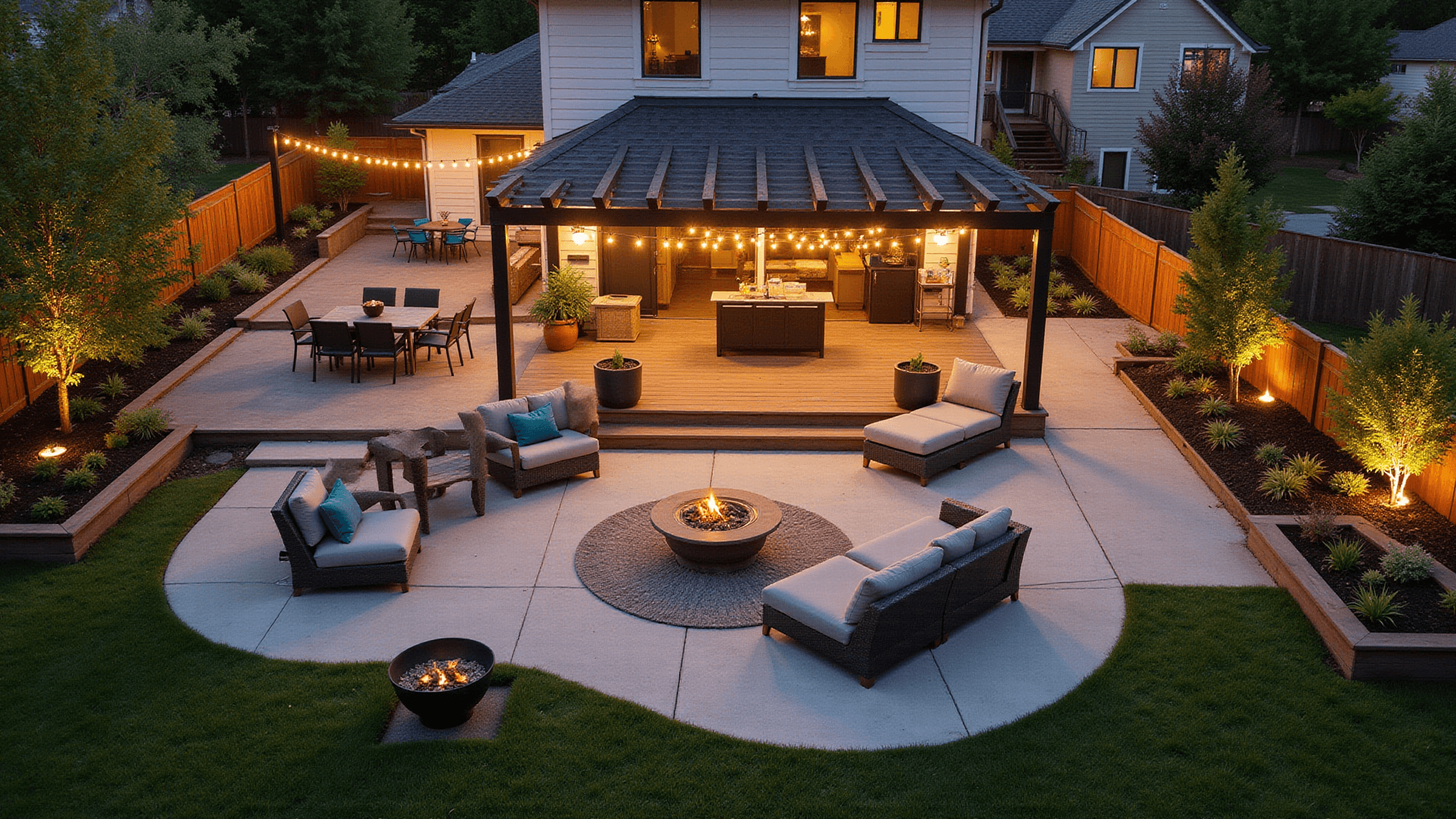
The family backyard that worked best had distinct zones for dining, playing, and relaxing. A family backyard layout should accommodate all ages. The key is creating safe play areas, comfortable seating, and a space for meals.
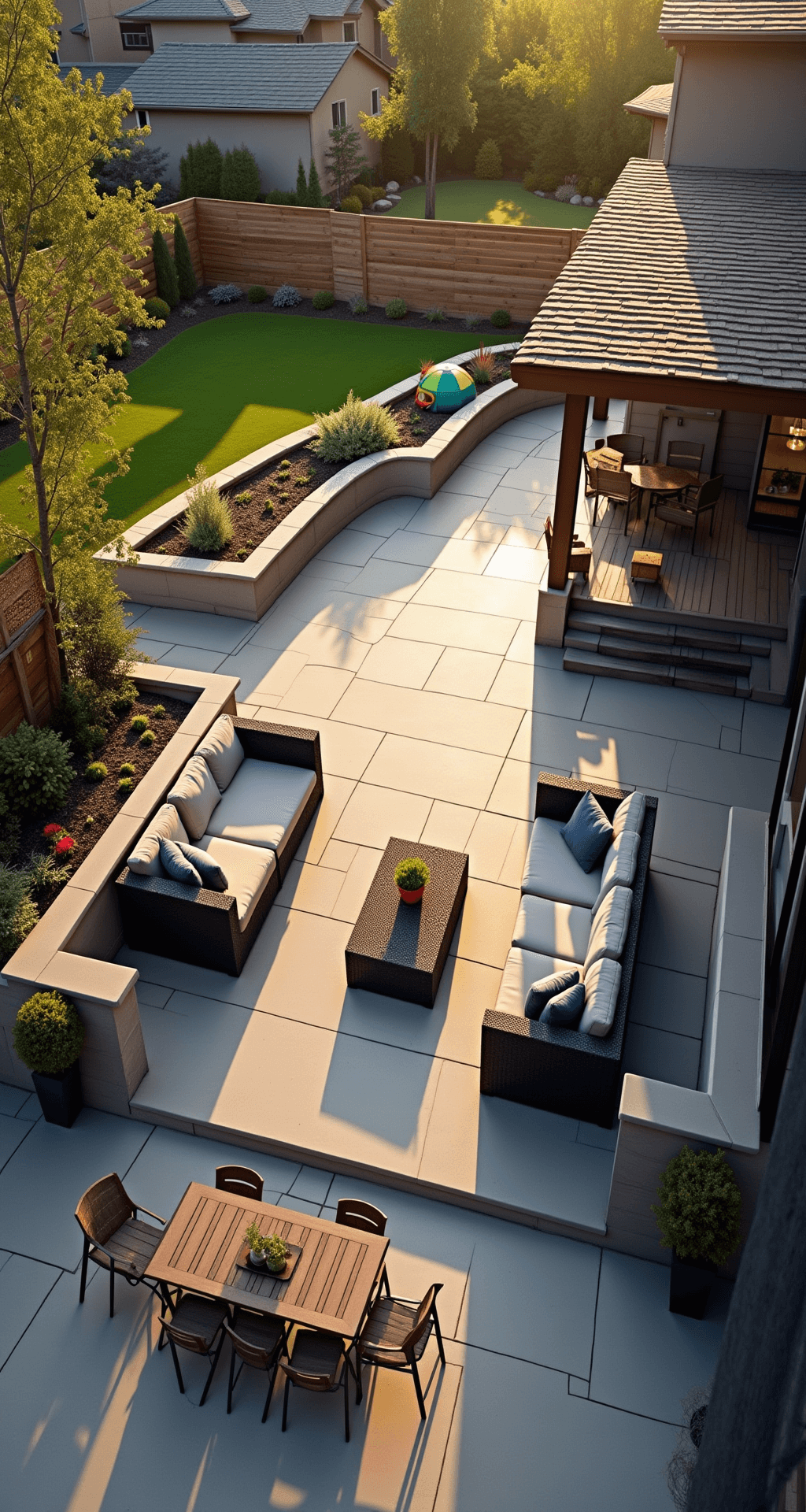
🖼 Steal This Look
- Paint Color: Sherwin-Williams Rookwood Dark Green SW 2806
- Furniture: weathered teak Adirondack chairs with wide arms for holding drinks, a large rectangular outdoor dining table with bench seating for flexible kid-and-adult arrangements, and a modular sectional with Sunbrella cushions in deep navy
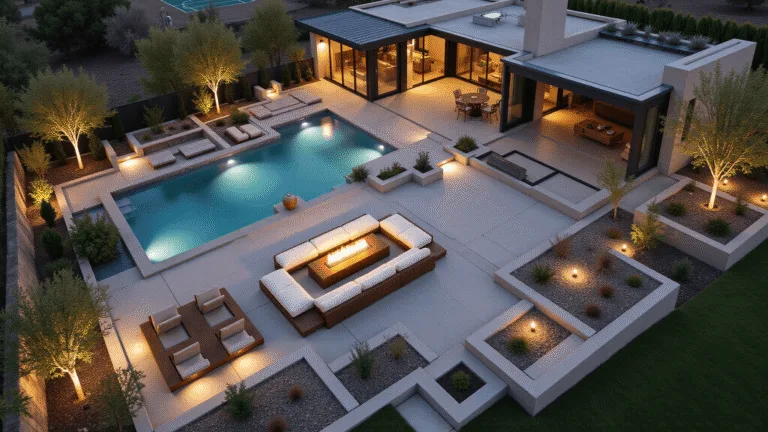
- Lighting: oversized string lights with Edison bulbs crisscrossed overhead, solar path lights lining walkways, and a statement propane fire pit table as both warmth and gathering anchor
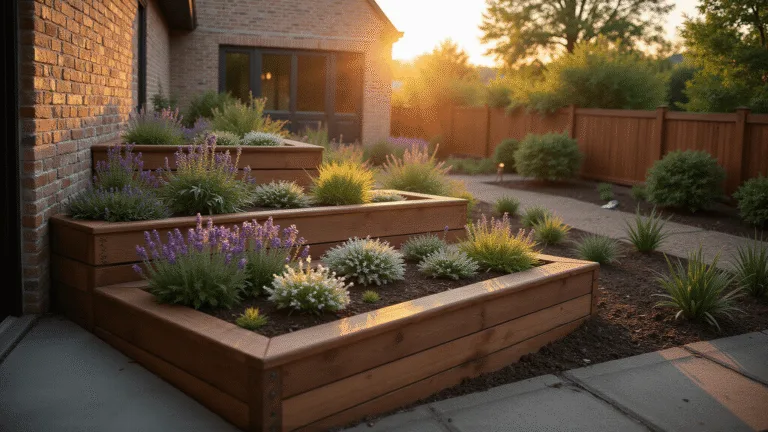
- Materials: natural cedar for raised garden beds and privacy screens, pea gravel and large flagstone pavers for defined zones that drain well and stay mud-free, galvanized steel planters, and outdoor-rated polypropylene rugs in geometric patterns
The best family backyards aren’t Instagram-perfect—they’re permission slips for messy joy. That worn patch of grass where the soccer goal sat all summer? That’s the good stuff. Design for the memories, not the photos.
Why Your Backyard Layout Matters
Imagine a backyard that works for everyone: kids playing safely, parents relaxing, and the whole family enjoying quality time together. That’s not a dream—it’s totally achievable with smart design.
Creating Functional Family Zones
1. Designate Strategic Spaces
Key Zones Every Family Needs:
- Kids’ Play Area
- Adult Relaxation Space
- Dining/Entertainment Zone
- Gardening Spot
2. Kid-Friendly Design Elements
Must-Have Play Features:
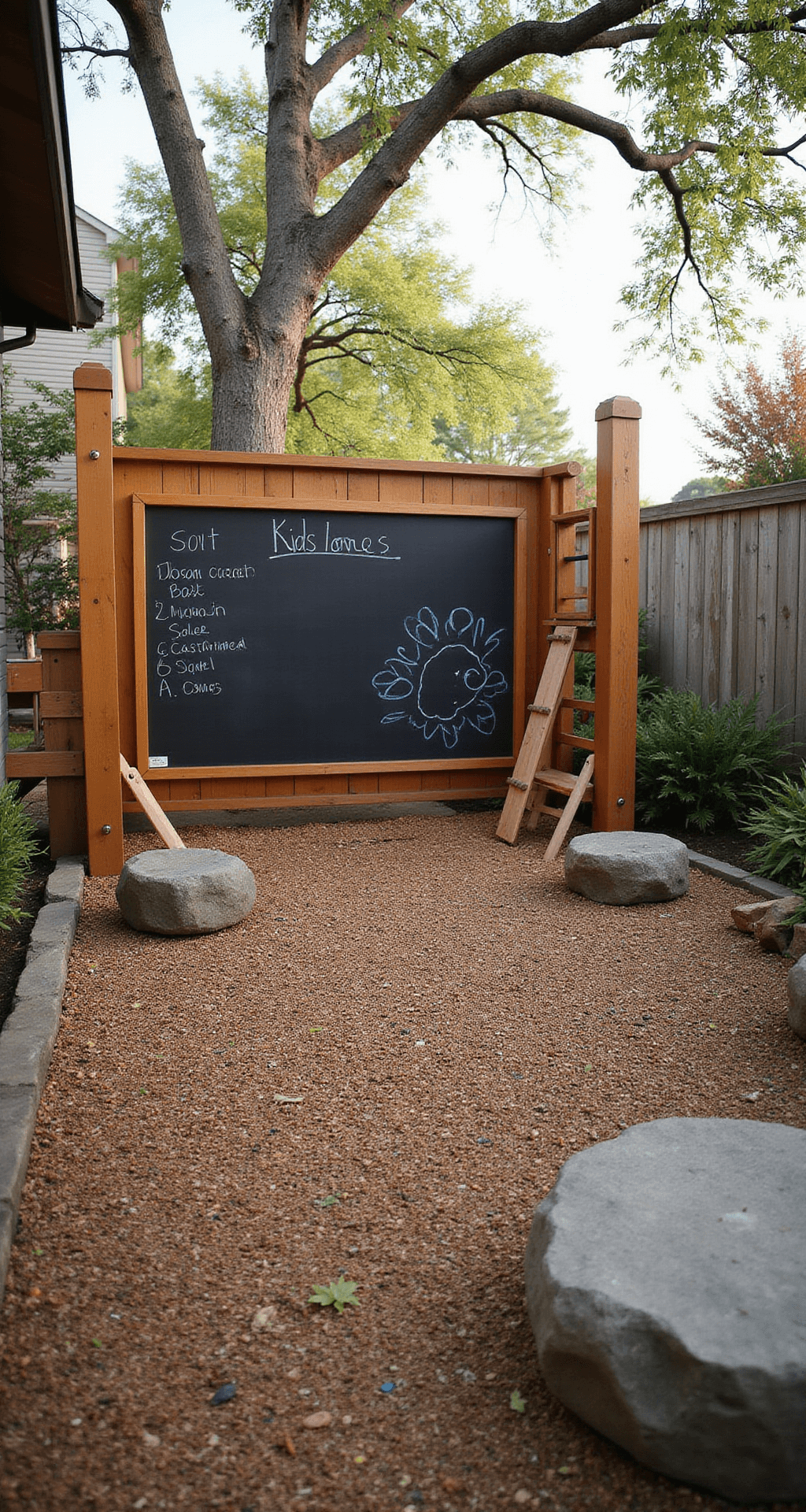
- Soft, safe ground surfaces
- Climbing structures
- Interactive play zones
- Sensory garden elements
- Chalkboard walls
- Musical activity stations
3. Multi-Purpose Functionality
Flex Space Strategies:
- Movable furniture
- Portable game equipment
- Adaptable seating arrangements
- Modular design concepts
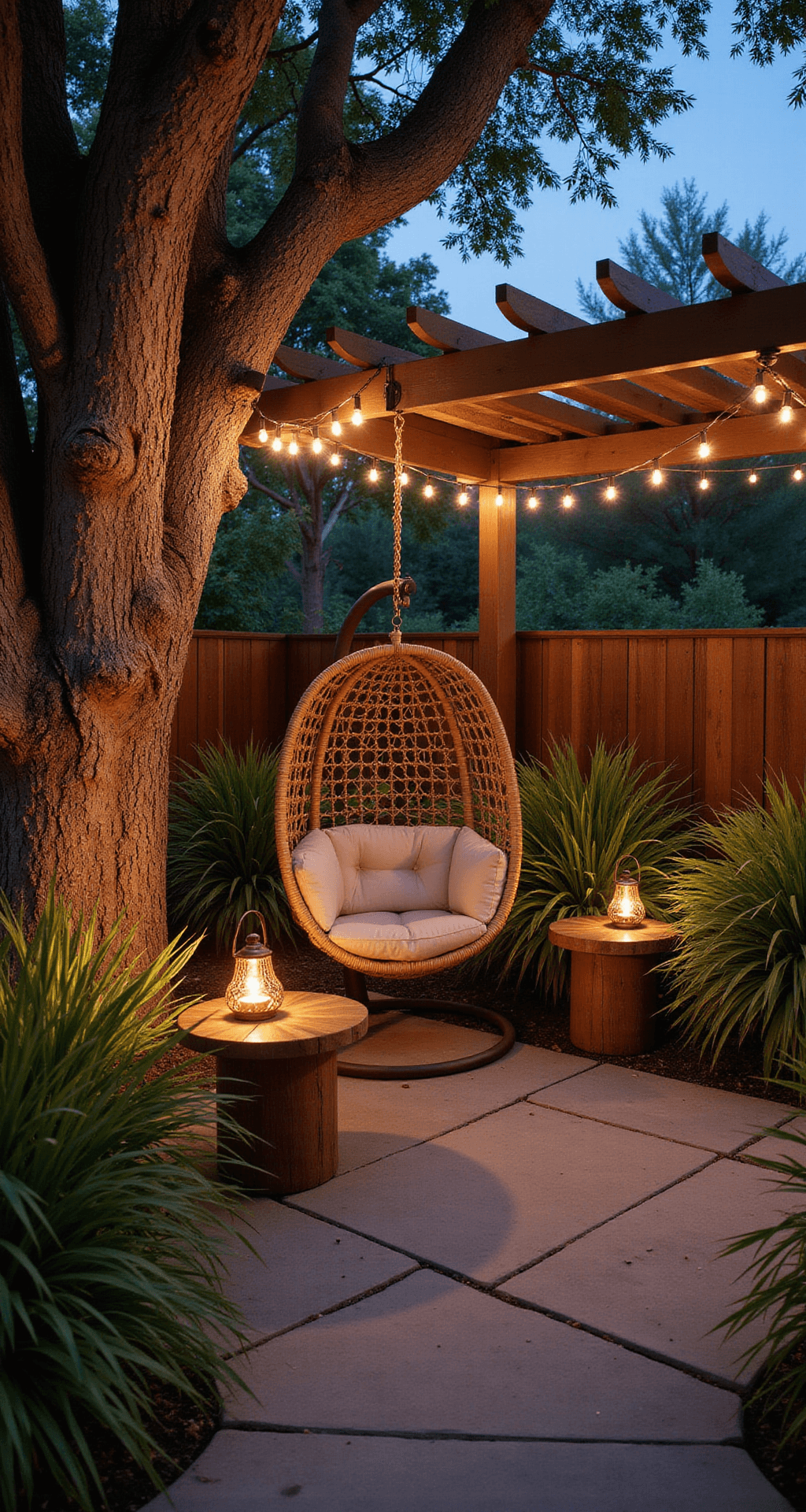
🎨 Steal This Look
- Paint Color: Farrow & Ball Green Smoke 47
- Furniture: Weathered teak Adirondack chairs with wide arms for adult relaxation zone; modular L-shaped outdoor sectional with Sunbrella cushions for dining/entertainment; low-profile cedar play table with built-in storage benches for kids’ zone
- Lighting: String lights with vintage Edison bulbs draped overhead; solar-powered pathway lighting with warm 2700K output; motion-sensor security floodlights for play area safety
- Materials: Crushed rubber mulch for play surfaces; reclaimed cedar for raised garden beds; powder-coated aluminum for climbing structures; concrete pavers with permeable joints; outdoor-rated chalkboard paint on fence panels
I’ve watched too many families default to one giant lawn that becomes a no-man’s-land—nobody fully relaxes, kids wander bored, and the space never gets used simultaneously. The most successful backyards I’ve seen treat the lawn as connective tissue between purposeful rooms, not the main event.
Smart Design for Small Spaces
Vertical Solutions
Space-Saving Tricks:
- Wall-mounted play areas
- Hanging gardens
- Compact play equipment
- Foldable/stackable furniture
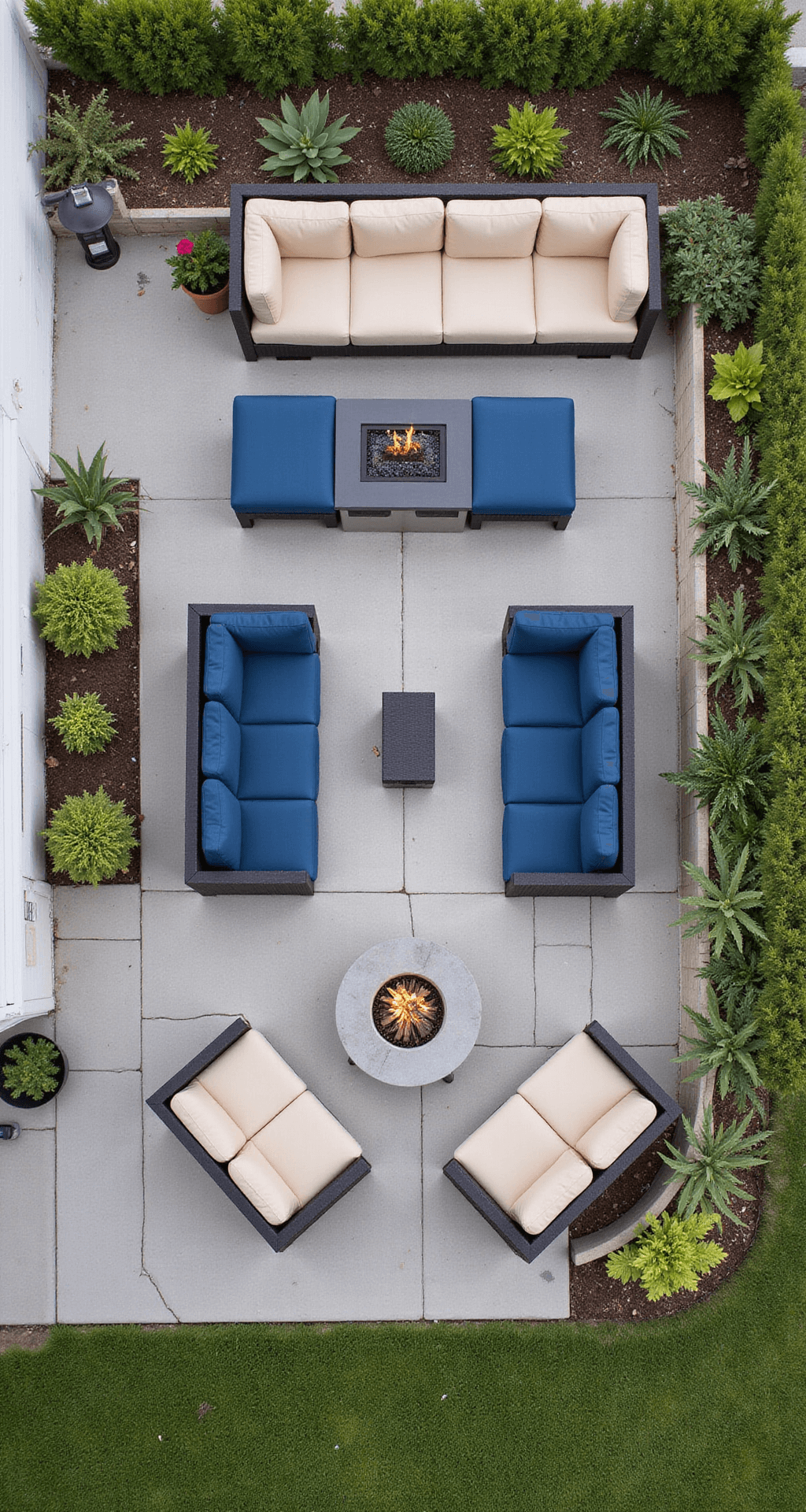
Landscaping Tips
Small Yard Design Principles:
- Limit material varieties
- Choose cohesive color schemes
- Prioritize functionality
- Use multi-purpose furniture
- Create visual depth with strategic plantings
💡 Steal This Look
- Paint Color: Behr Back to Nature S340-4 for a fresh, cohesive green that blends outdoor structures with landscaping; Behr Ultra Pure White PPU18-06 for trim and foldable furniture to keep small spaces feeling open
- Furniture: wall-mounted fold-down picnic tables, stackable Adirondack chairs, compact modular outdoor storage benches with built-in planters, vertical garden towers with integrated seating
- Lighting: solar-powered string lights with clip-on mounting for fence lines, battery-operated motion-sensor wall sconces for play areas, collapsible LED lanterns for flexible placement
- Materials: weather-resistant powder-coated aluminum for foldable frames, cedar or composite vertical garden panels, permeable pavers for ground cover, marine-grade canvas for stackable cushions
I’ve watched too many families abandon their small backyards because they tried to squeeze in a full dining set, play structure, and fire pit simultaneously—the smartest layouts I’ve seen embrace rotation, not accumulation, letting the same footprint serve different purposes at different times of day.
Save this article
Enter your email and we'll send it straight to your inbox.
Recreation and Entertainment Features
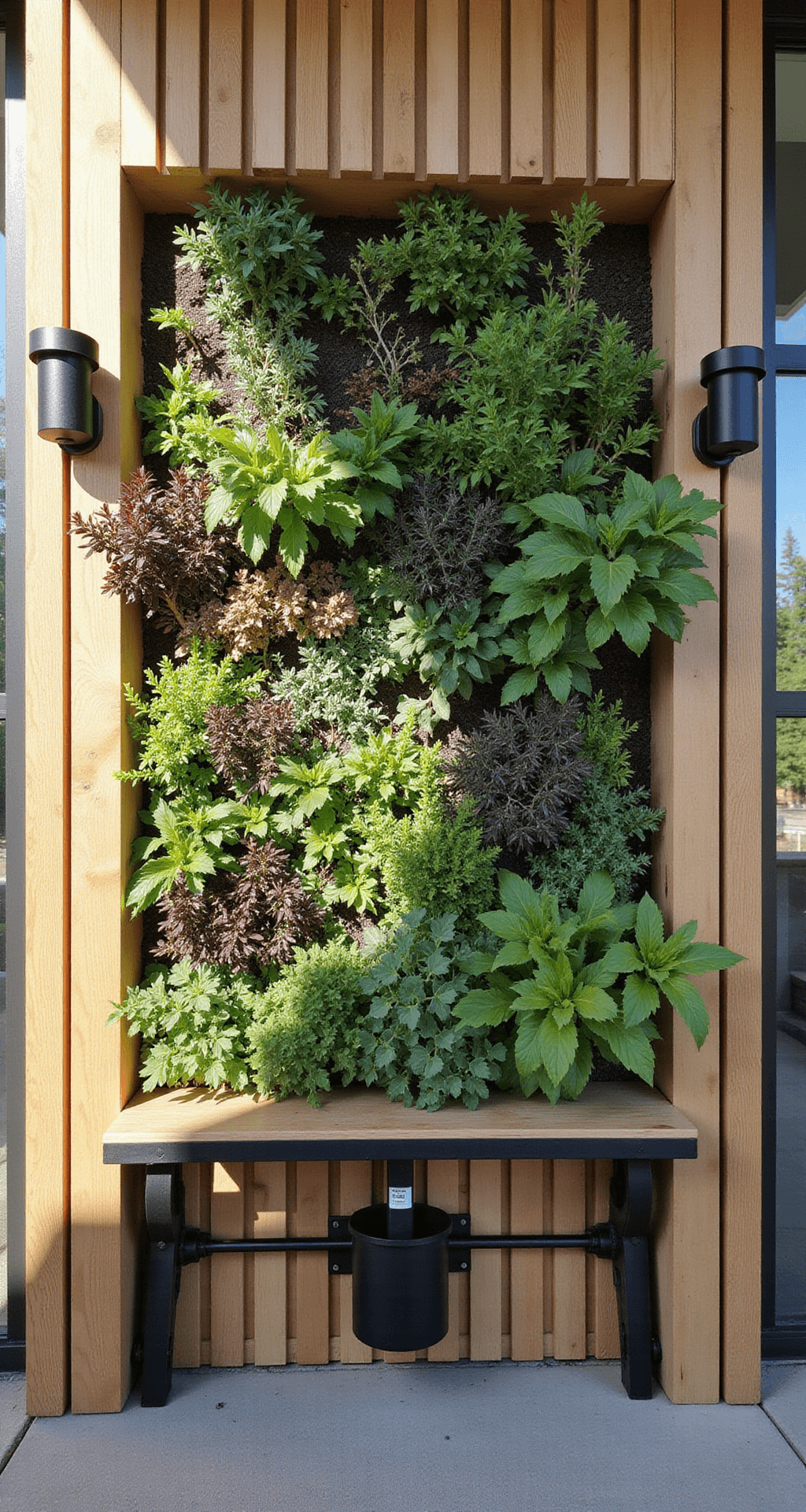
Game and Activity Areas
Backyard Fun Zones:
- Mini sports courts
- Putting greens
- Bocce ball areas
- Shuffleboard spaces
- Water play stations
Comfort and Ambiance
Essential Comfort Elements:
- Shade structures
- Comfortable seating
- Mood lighting
- Temperature control options
★ Steal This Look
- Paint Color: Valspar Deep Earth 4009-2C for shade structure ceilings and pergola undersides; Valspar Secluded Garden 5007-3B for accent walls on outdoor kitchen or bar areas; Valspar Crushed Out SW 7006 for clean bright trim on arbors and fencing
- Furniture: Weathered teak sectionals with quick-dry foam cushions for poolside lounging; aluminum sling chaise lounges with adjustable backs for sunbathing zones; modular outdoor daybeds with integrated side tables for flexible entertainment seating; bar-height gathering tables with swivel stools for game-watching areas
- Lighting: LED string lights with Edison-style bulbs draped overhead in activity zones; low-voltage path lighting along bocce and shuffleboard court edges; color-changing LED floodlights for evening sports play; propane fire tables with integrated lighting for gathering focal points
- Materials: Permeable pavers in warm travertine tones for court surfaces; marine-grade polymer for shade structure roofing; powder-coated aluminum framing for all-weather durability; artificial turf with sand infill for putting greens; cedar or redwood for custom bocce ball backboards and court borders
I’ve watched too many backyards become beautiful but unused museums—this layout succeeds because every zone invites actual play, whether that’s a competitive bocce tournament at sunset or kids exhausting themselves on a splash pad while adults linger in the shade with cold drinks.
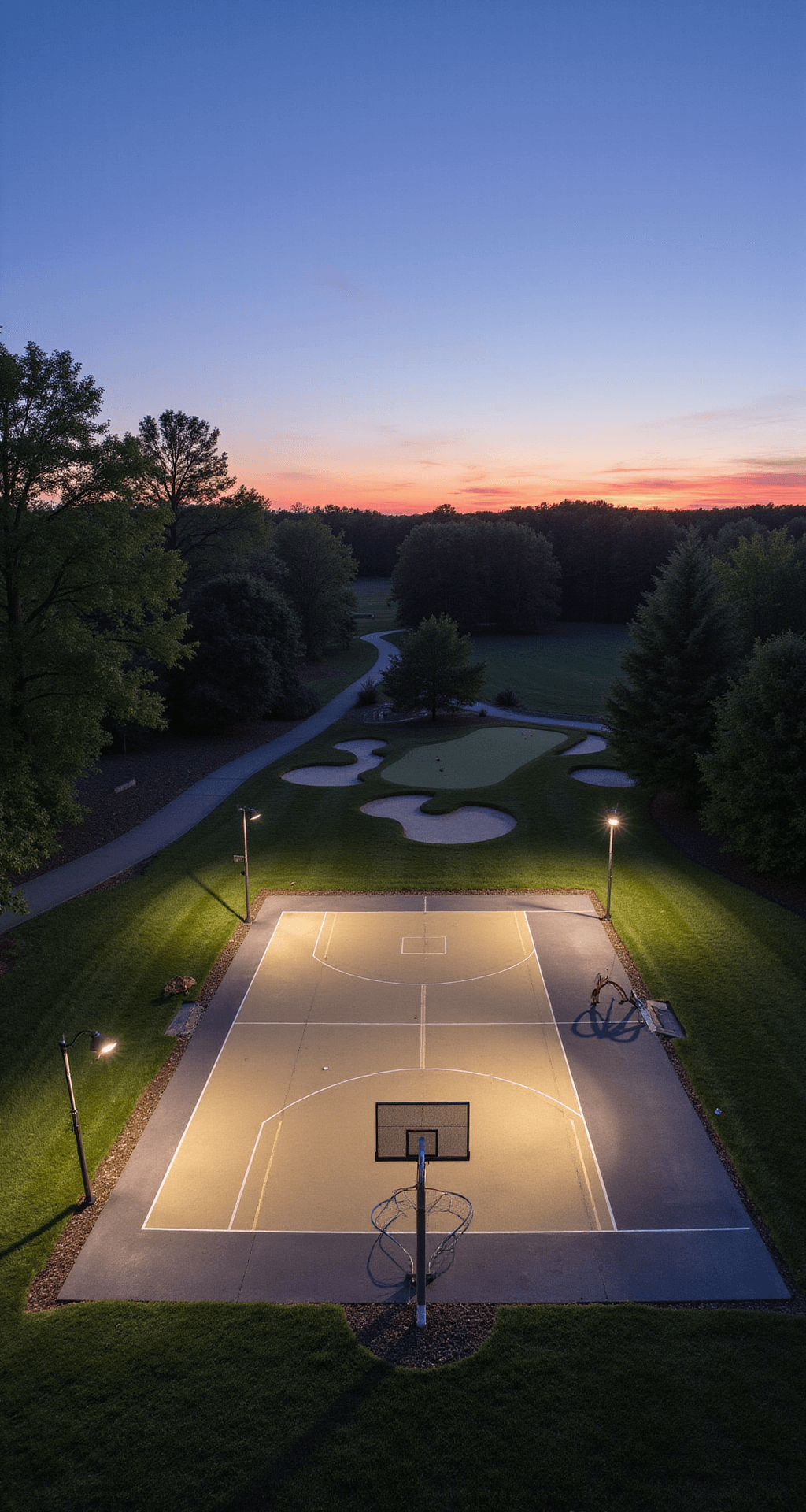
Sample Family Backyard Layout
Ideal Configuration:
- Dedicated play zone
- Central dining/gathering area
- Quiet relaxation corner
- Flexible lawn space
- Garden integration
- Ambient lighting
✎ Steal This Look
- Paint Color: PPG Fernwood 419-4 for garden-facing structures, PPG Stonehenge Greige PPG1001-4 for dining pergola accents, PPG Black Magic PPG1001-7 for modern fence staining
- Furniture: Weathered teak extendable dining table with bench seating, modular outdoor sectional with Sunbrella performance fabric, cedar Adirondack chairs with ottomans for the quiet corner, galvanized steel raised garden beds
- Lighting: String lights with vintage Edison bulbs draped overhead dining area, solar-powered bollard lights lining pathways, battery-operated LED lanterns with flicker effect for relaxation zone, hardwired low-voltage spotlights uplighting trees
- Materials: Cedar and pressure-treated pine for structures, crushed limestone or decomposed granite for pathways, artificial turf or drought-tolerant fescue for flexible lawn, river rock drainage beds, black metal edging defining zones
I’ve walked too many backyards where the grill ends up forty feet from the kitchen and the seating faces a fence instead of the garden—this layout fixes both by keeping work triangles tight and sightlines intentional.
Pro Design Tips
Expert Recommendations:
- Balance aesthetics with functionality
- Consider all family members’ needs
- Plan for future adaptability
- Invest in quality, durable materials
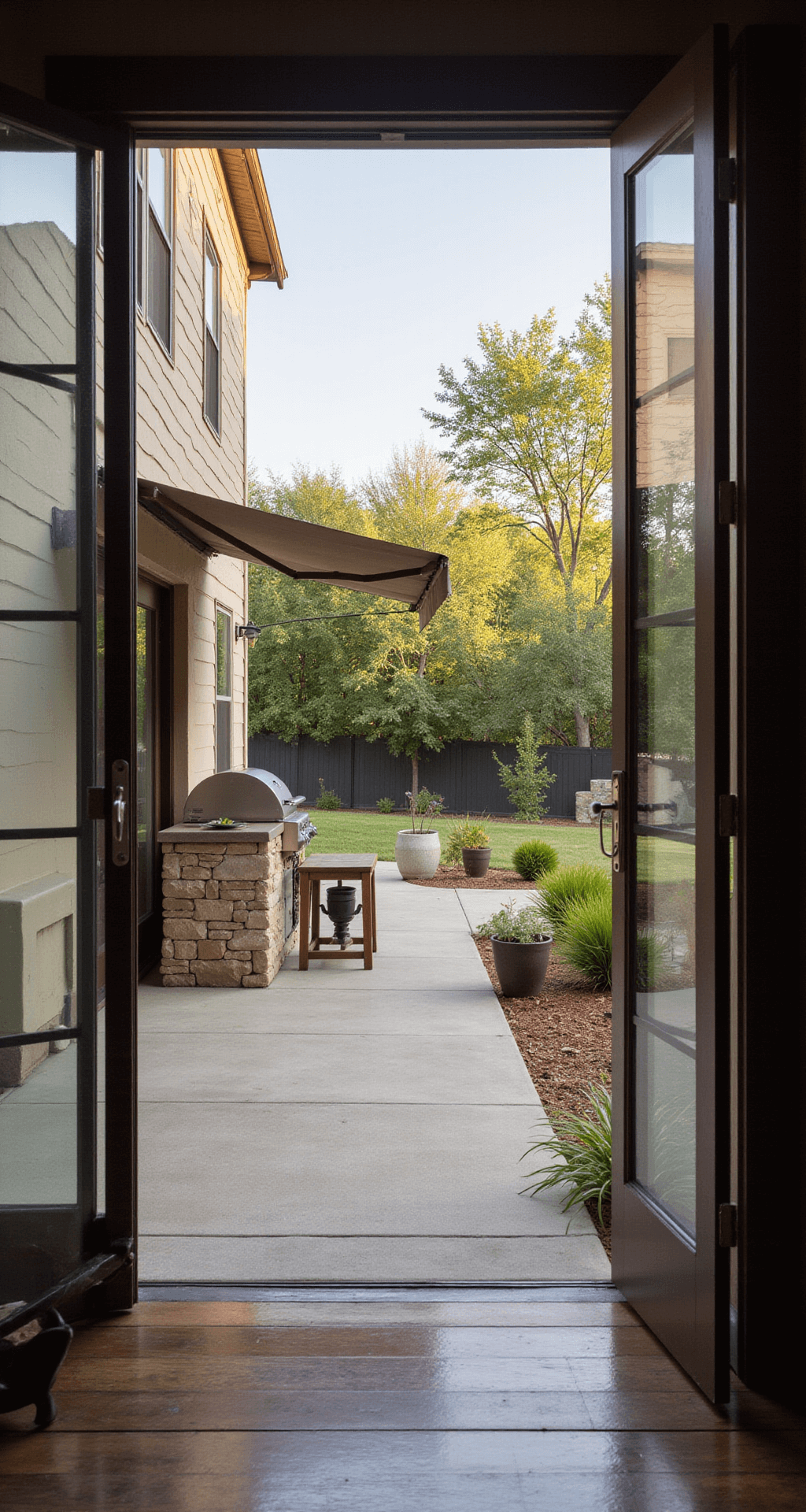
- Create seamless indoor-outdoor transitions
🖼 Steal This Look
- Paint Color: Dunn-Edwards Whisper DEW 340
- Furniture: Weathered teak sectional with Sunbrella cushions, concrete fire pit table, modular Adirondack chairs for flexible seating arrangements
- Lighting: String lights with Edison bulbs suspended on galvanized steel guide wire, solar path lights with warm 2700K output, hardwired post lanterns at seating area perimeter
- Materials: Powder-coated aluminum frames, marine-grade stainless steel fasteners, permeable paver base, composite decking with hidden fasteners, outdoor-rated fabrics
I’ve seen too many families design for the children they have right now, only to find the space feels juvenile in five years. The best family backyards evolve—think sandbox that becomes a fire pit zone, swing set footprint that converts to a dining pavilion.
Budget-Friendly Implementation
Cost-Effective Strategies:
- DIY project potential
- Phased implementation
- Modular design approach
- Multipurpose equipment selections
- Seasonal planning
Your backyard is more than outdoor space—it’s an extension of your home and family’s lifestyle. With thoughtful design, you can create a versatile, engaging environment that grows and adapts with your family’s changing needs.
Remember: Great backyard designs aren’t about perfection. They’re about creating spaces where laughter echoes, memories form, and family connections deepen.
A family backyard layout works when the zones are defined and safe. Use a dining area, play zone, and lounge area. The backyard should work for the whole family.
Keep this one for later
We'll email you the link so you can come back to it.


[…] Creating the perfect fire pit seating isn’t about spending the most money. It’s about understanding your space, your style, and how you want to use your outdoor area. […]
[…] Herbs from nearby garden […]