This post may contain affiliate links. Please see my disclosure policy for details.
Why Garden Hedges Matter
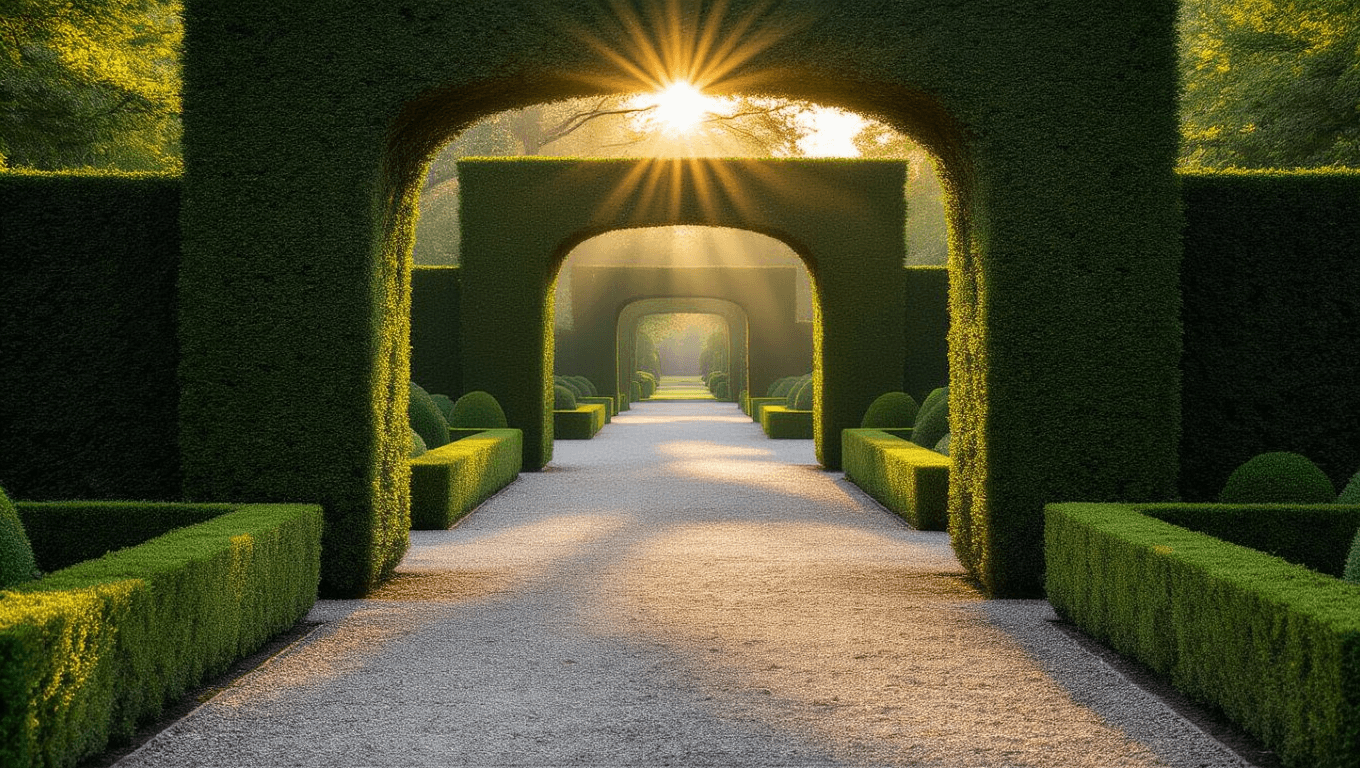
Garden hedges aren’t just plants – they’re living walls that solve multiple landscaping challenges. Privacy? Check. Wind protection? Absolutely. Aesthetic appeal? You bet.
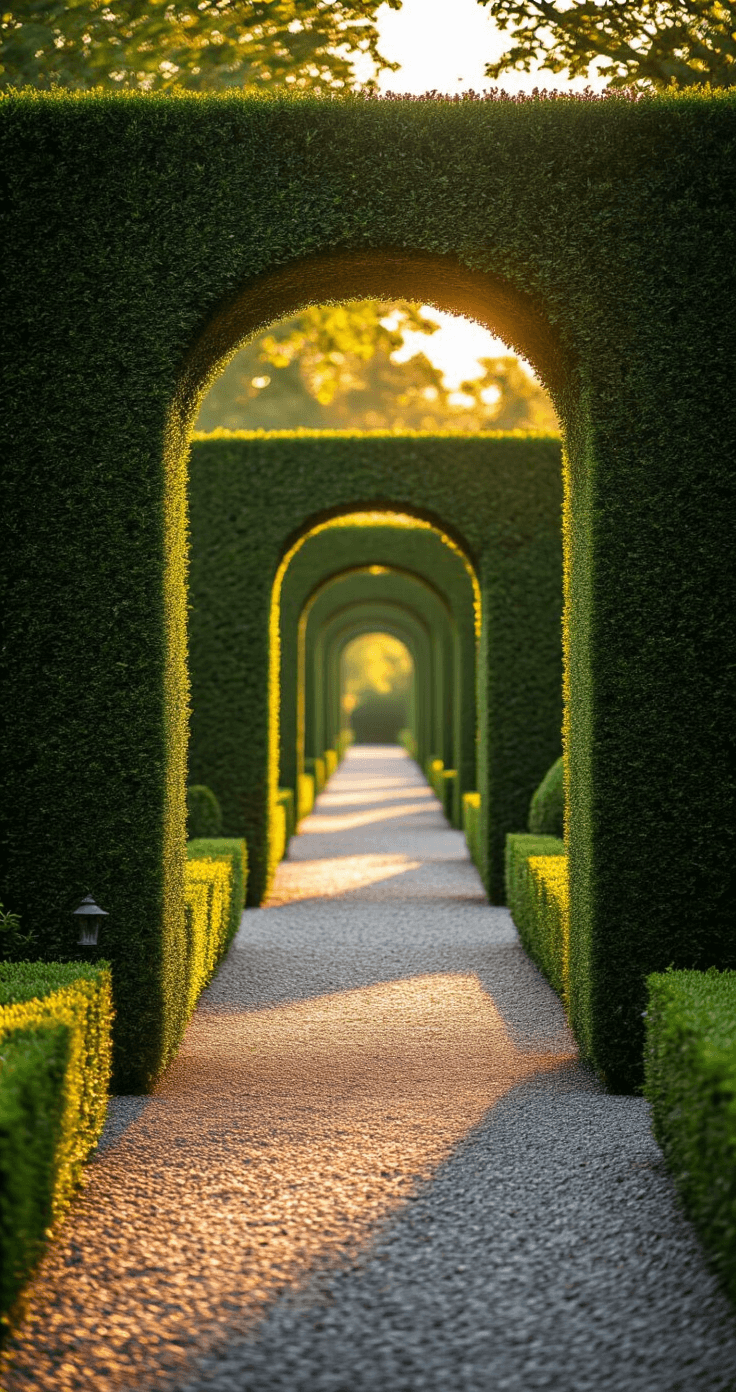
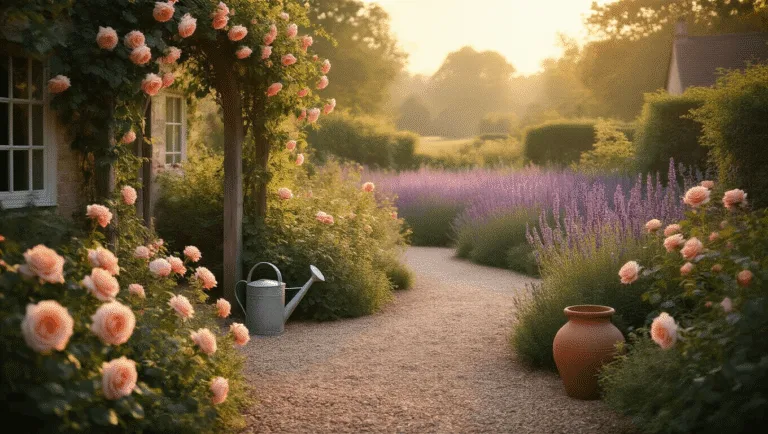
★ Steal This Look
- Paint Color: Sherwin-Williams Ripe Olive SW 6209
- Furniture: weathered teak Adirondack chairs with olive green Sunbrella cushions
- Lighting: black cast iron path lights with seeded glass shades
- Materials: limestone gravel, untreated cedar mulch, wrought iron trellis panels, boxwood clippings for compost
There’s something deeply satisfying about a hedge you’ve trained yourself—watching bare-root whips become a green wall feels like earning your stripes as a homeowner, not just hiring one.
Types of Garden Hedges: Choose Your Green Champion
Let’s break down your hedge options:
Evergreen Superstars
- Arborvitae: The year-round privacy king
- Boxwood: Elegant and precise
- Holly: Classic and tough
- Laurel: Fast-growing density machine
Seasonal Drama Queens
- Beech: Gorgeous autumn transformations
- Hornbeam: Soft, romantic vibes
- Viburnum: Unexpected beauty
Pro Tip: Mix hedge types for maximum visual interest and ecosystem diversity.
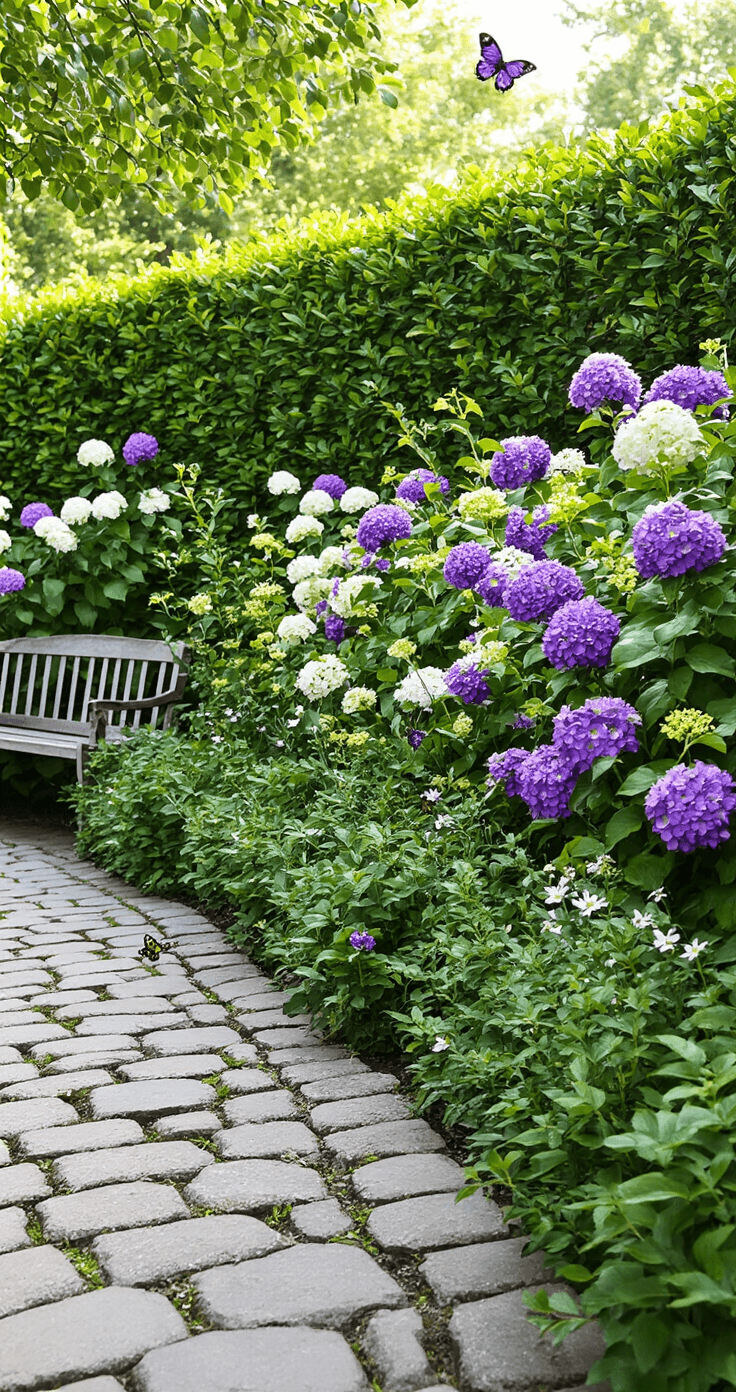
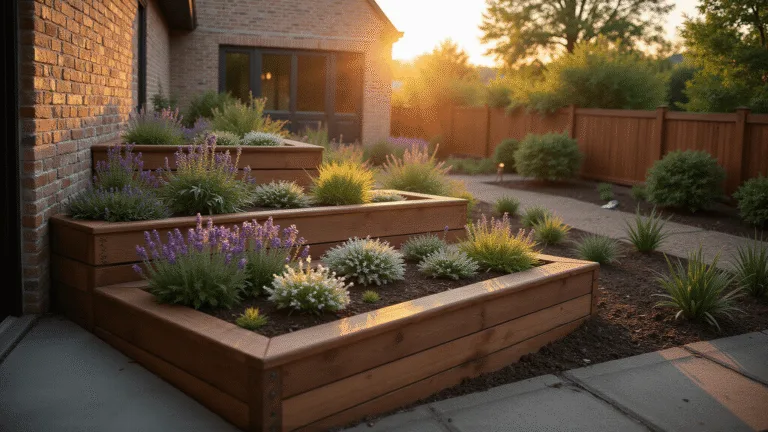
🏠 Steal This Look
- Paint Color: Benjamin Moore Hunter Green HC-109
- Furniture: weathered teak potting bench with zinc top
- Lighting: aged brass gooseneck barn sconces
- Materials: limestone gravel, reclaimed brick edging, untreated cedar trellis panels
There’s something deeply satisfying about choosing your hedge lineup like casting characters in a play—each variety brings its own personality to the garden’s year-round performance.
Hedge Planting: The Golden Rules
- Space plants close (3 feet or less)
- Mulch immediately after planting
- Ensure proper drainage
- Consider sunlight and soil conditions
Maintenance Mastery: Keeping Your Hedge Healthy
Pruning Secrets
- Evergreens: Light trim once yearly
- Deciduous: Two trims per season
- Always use sharp, clean tools
- Trim at the right time (late winter/early spring)
Watering Wisdom
- Deep, infrequent watering
- Young hedges need more frequent attention
- Drought periods require extra care
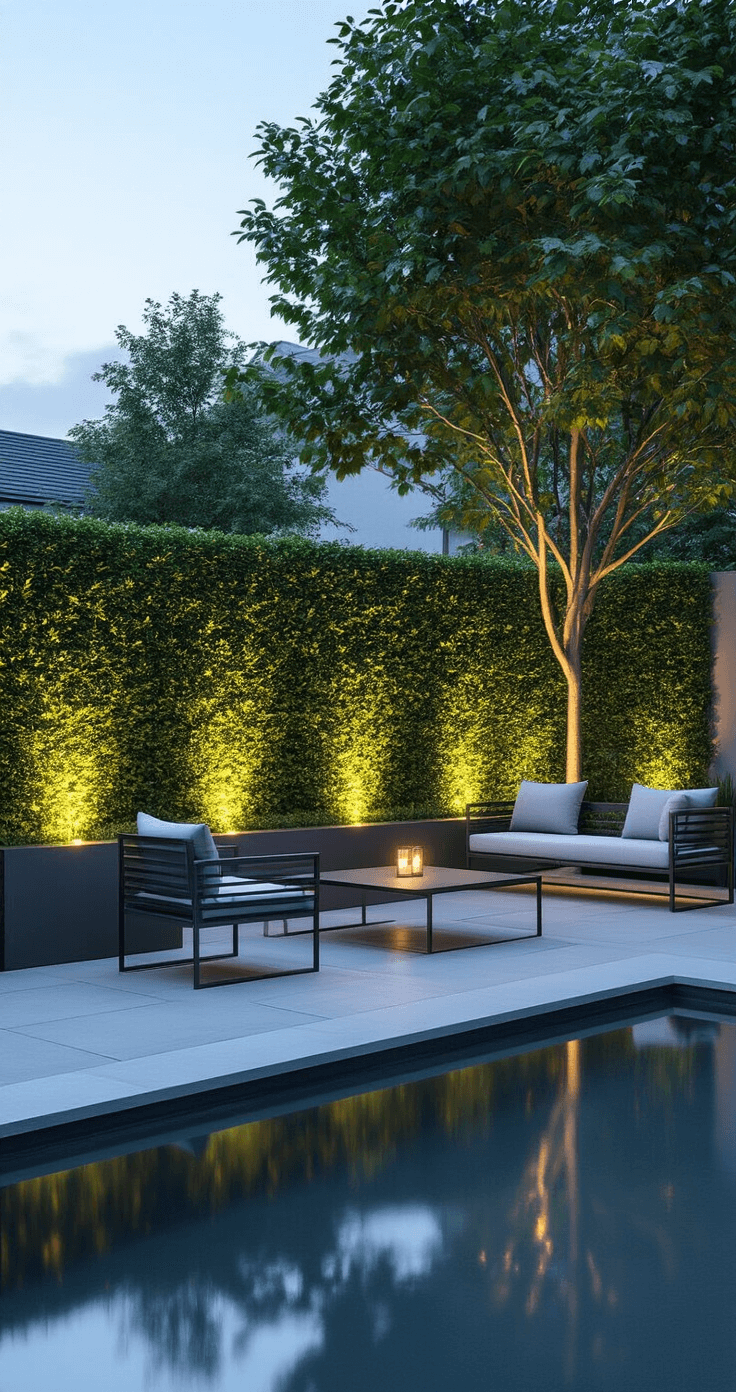
✎ Steal This Look
- Paint Color: Behr Garden Moss S340-6
- Furniture: weathered teak potting bench with galvanized steel top for tool storage and workspace
- Lighting: solar-powered LED task lights with motion sensors mounted on fence posts
- Materials: corten steel edging, crushed limestone pathways, untreated cedar tool storage, rubber-coated tool handles
There’s something deeply satisfying about standing back after a proper hedge trim—the crisp geometry against soft garden chaos feels like the one thing you can actually control in an unruly yard.
Common Hedge Fails (And How to Avoid Them)
- ❌ Pruning at wrong times
- ❌ Letting tops get too wide
- ❌ Inconsistent watering
- ❌ Using dull pruning tools
Budget-Friendly Hedge Hacks
- Start with smaller, cheaper plants
- Space closely
- Be patient – hedges take time to fill in
- Use string lines for perfect alignment
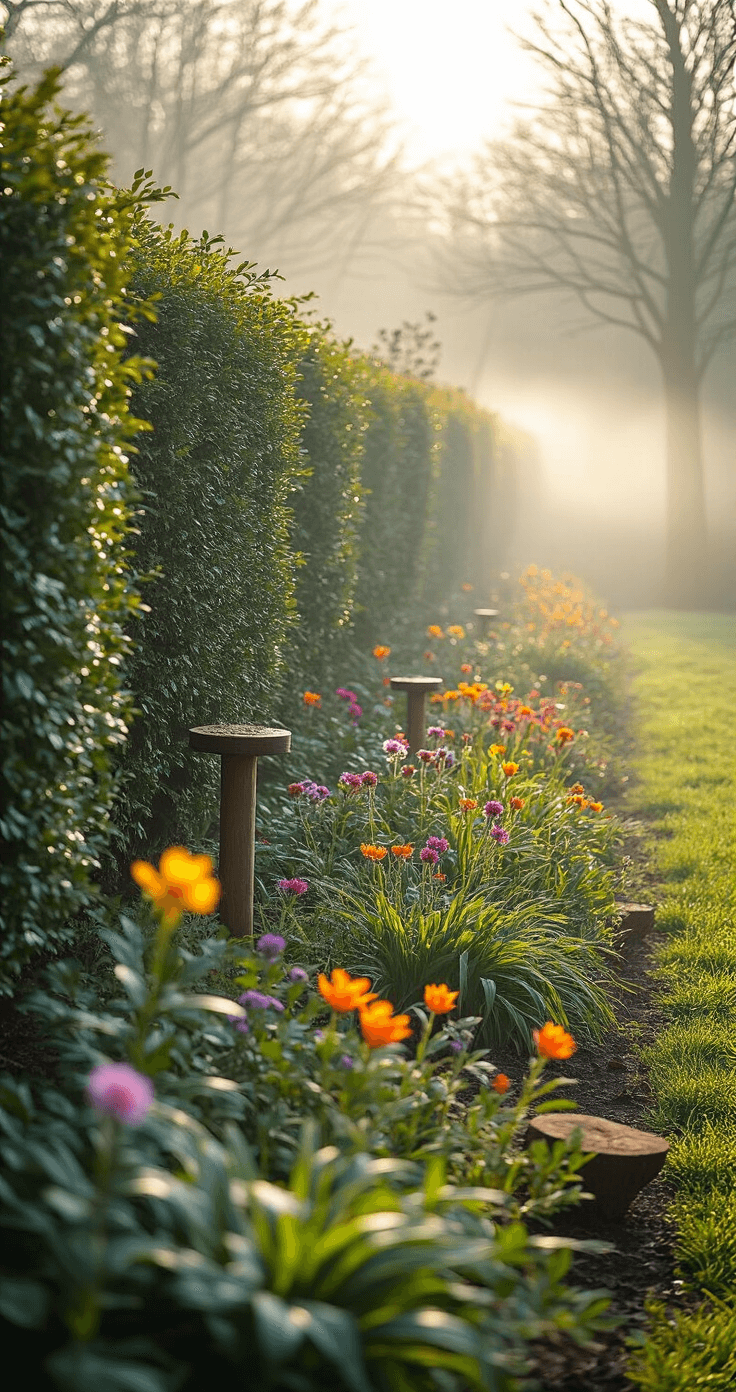
Save this article
Enter your email and we'll send it straight to your inbox.
💡 Steal This Look
- Paint Color: PPG Olive Lane PPG1122-5
- Furniture: weathered teak potting bench with galvanized steel top
- Lighting: solar-powered LED string lights with black cable
- Materials: untreated cedar stakes, jute twine, aged terracotta, crushed limestone paths
There’s something quietly satisfying about watching a scrappy row of $3 whips become the backbone of your garden over three seasons—patience here pays dividends that money simply can’t buy.
Environmental Bonus Points
Garden hedges aren’t just pretty – they’re ecological heroes:
- Wildlife habitats
- Noise reduction
- Dust trappers
- Pollinator supporters
Choosing Your Perfect Hedge: Quick Cheat Sheet
- Privacy needed? → Arborvitae or Laurel
- Formal garden? → Boxwood
- Wildlife lover? → Mixed native species
- Small space? → Compact varieties
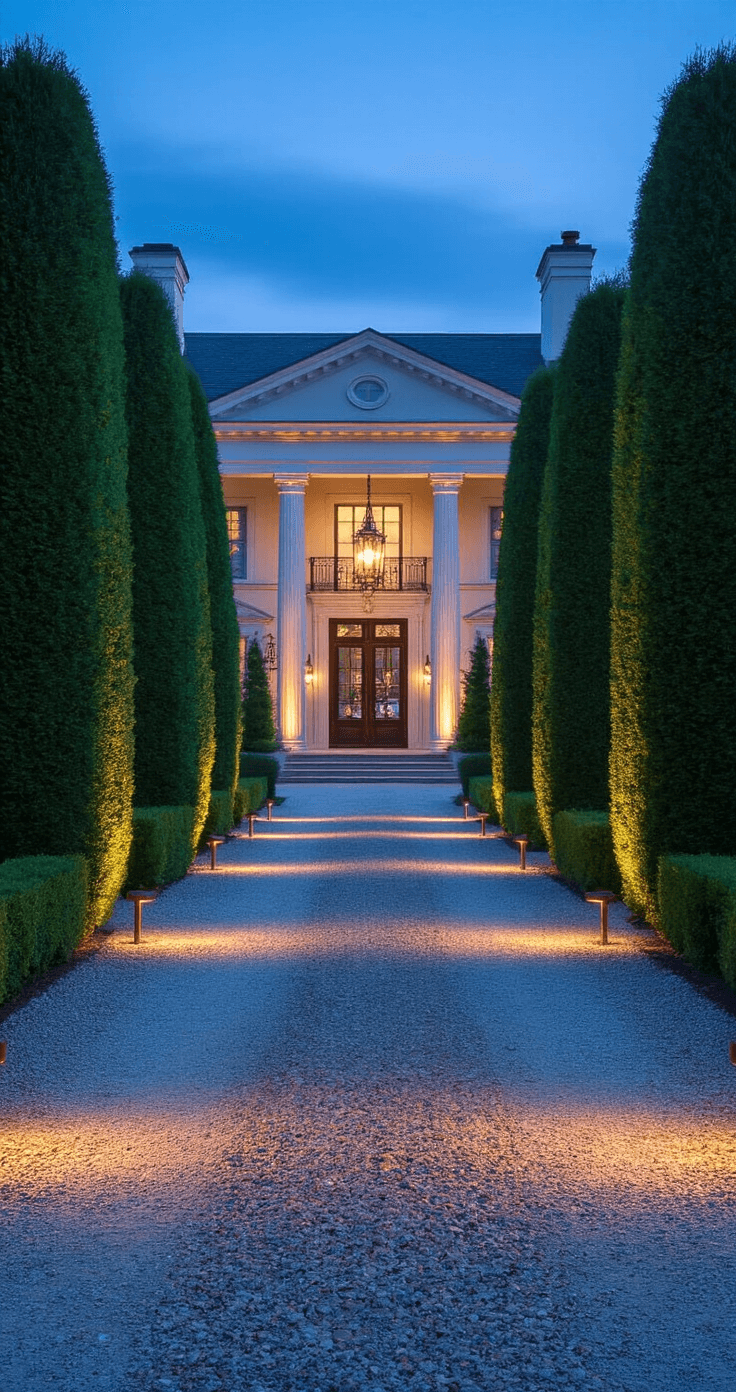
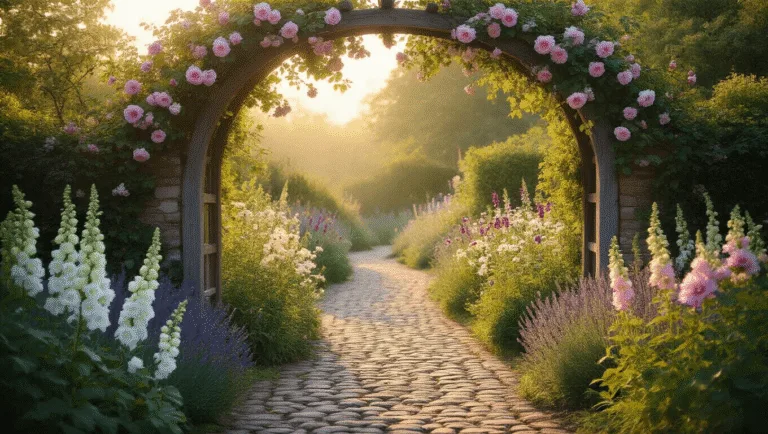
🎨 Steal This Look
- Paint Color: Clare Paint Fresh Kicks 0010
- Furniture: weathered teak garden bench with slatted back
- Lighting: black powder-coated bollard path lights with frosted glass
- Materials: natural cedar mulch, bluestone pavers, untreated hemlock edging
There’s something deeply satisfying about a hedge that knows its job—whether that’s muffling street noise or framing your morning coffee spot like a living wall.
Final Pro Tips
- 🌿 Match hedge to your climate
- 🌿 Consider maintenance requirements
- 🌿 Think long-term growth potential
- 🌿 Blend aesthetics with functionality
Your garden hedge is more than a boundary – it’s a living, breathing statement of your landscape design philosophy. Choose wisely, care consistently, and watch your green masterpiece come to life!
Ready to transform your outdoor space? Let’s turn those hedge dreams into reality!
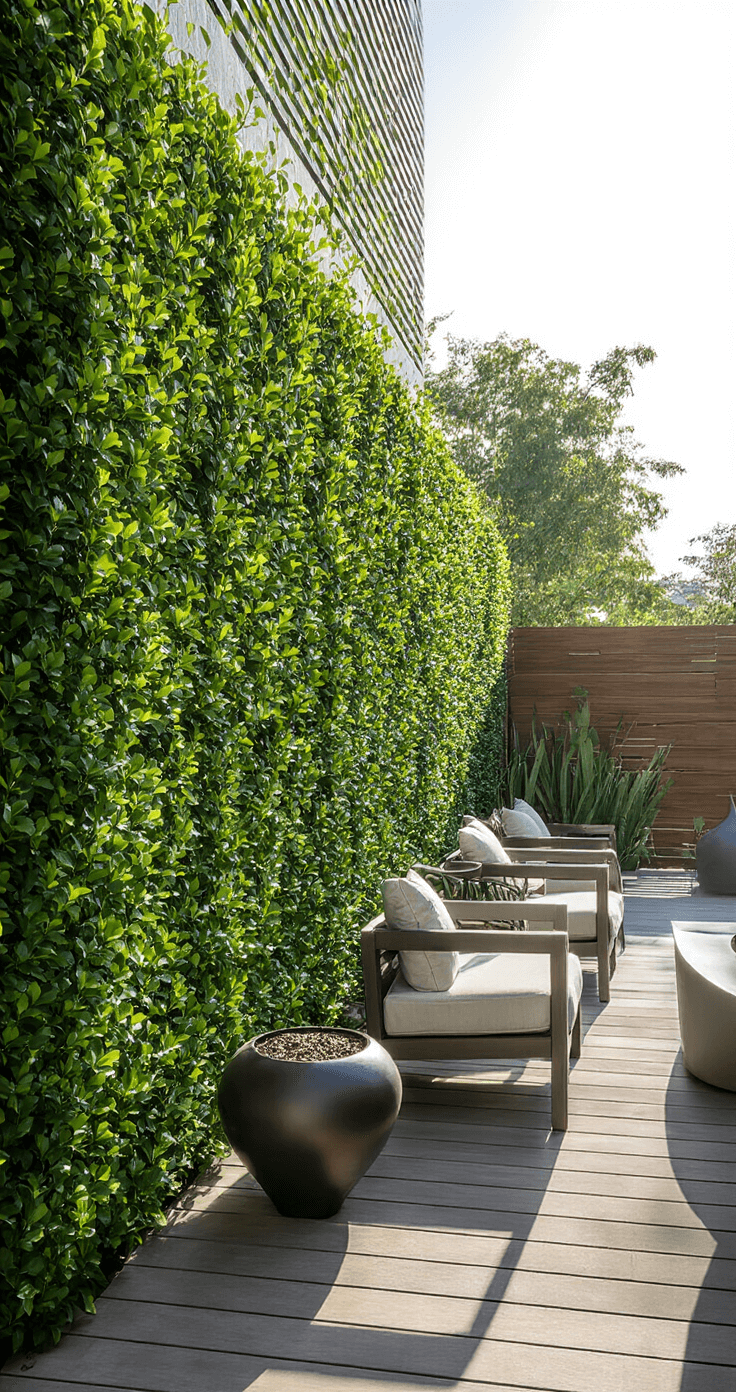
🏠 Steal This Look
- Paint Color: use Fine Paints of Europe brand. Match the ACTUAL wall color in the image. Format: Fine Paints of Europe ColorName CODE
- Furniture: weathered teak potting bench with zinc top, positioned against a garden wall for tool storage and workspace
- Lighting: rechargeable LED landscape uplights with warm 2700K output, spike-mounted for adjustable hedge illumination
- Materials: hand-forged iron plant supports, untreated cedar raised beds, crushed granite pathways, and aged terracotta vessels
There’s something deeply satisfying about a hedge you’ve nurtured from bare root to dense screen—it’s the slowest, most rewarding form of home improvement, teaching patience that no interior renovation ever could.
Keep this one for later
We'll email you the link so you can come back to it.