This post may contain affiliate links. Please see my disclosure policy for details.
Why Your Sunroom Feels Like a Beautiful Mistake
Here’s what nobody tells you before you add a sunroom: that gorgeous glass box comes with some serious design challenges.
I learned this the hard way.
My first attempt looked like a furniture showroom threw up in there—no cohesion, uncomfortable seating, and plants dying left and right because I had zero clue about climate control.
The thing is, sunroom decorating isn’t just about making it pretty. It’s about creating a space that functions through blazing summers and frigid winters while still feeling like the sanctuary you imagined.
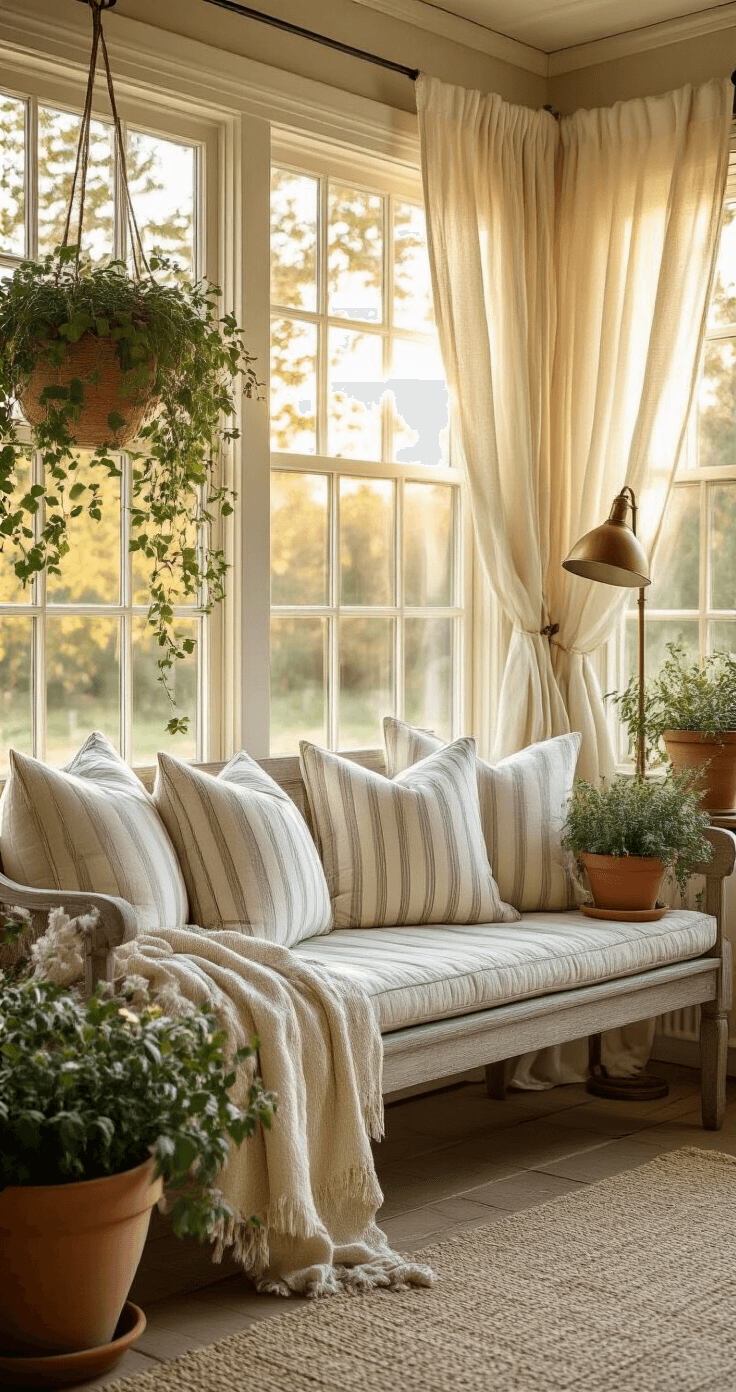
🏠 Steal This Look
- Paint Color: Sherwin-Williams Pure White SW 7005
- Furniture: wicker or rattan loveseat with weather-resistant cushions, paired with a reclaimed teak coffee table
- Lighting: adjustable arc floor lamp with linen shade for task lighting without blocking window views
- Materials: natural fiber rugs (sisal or jute), ceramic garden stools, powder-coated aluminum frames, UV-resistant acrylic fabrics
I’ve sat in too many sunrooms that felt like solar ovens by July and iceboxes by January, and the difference always comes down to whether someone treated it as a three-season afterthought or a true year-round room.
Find Your Sunroom’s Personality (Mine Went Through Three)
Farmhouse Charm
I started here because I’m a sucker for Pinterest boards. Wooden furniture with that weathered look, rustic decorative pieces, and soft neutral colors created instant warmth. The secret sauce? Striped, checkered, or floral patterns that made the space feel lived-in rather than staged.
I added comfortable farmhouse-style cushions that completely changed how the wooden furniture felt.
Mediterranean Escape
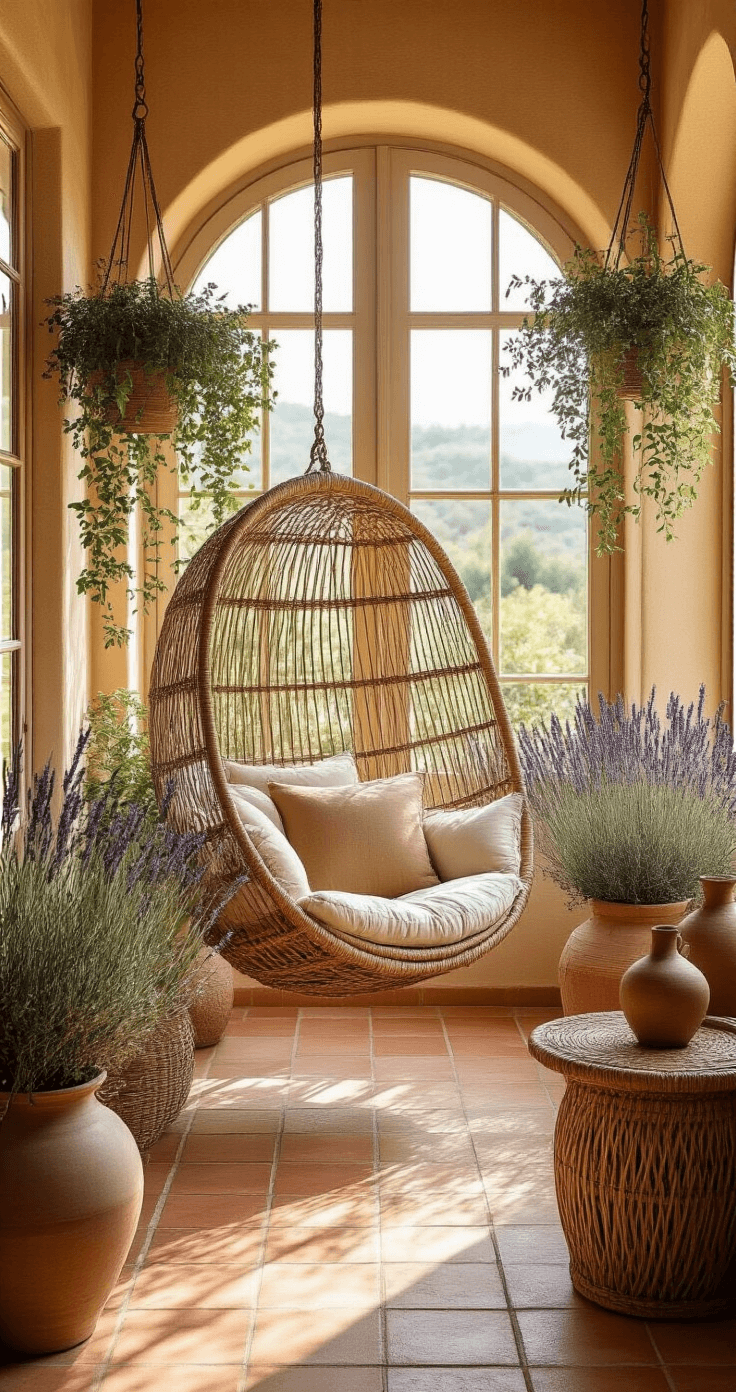
This happened during a particularly brutal winter when I needed to mentally escape to somewhere warm. I found a wicker hanging chair on sale and built the entire look around it.
Terracotta pots everywhere. Warm earth tones. Suddenly I was sipping coffee in a Greek villa (or at least that’s what I told myself).
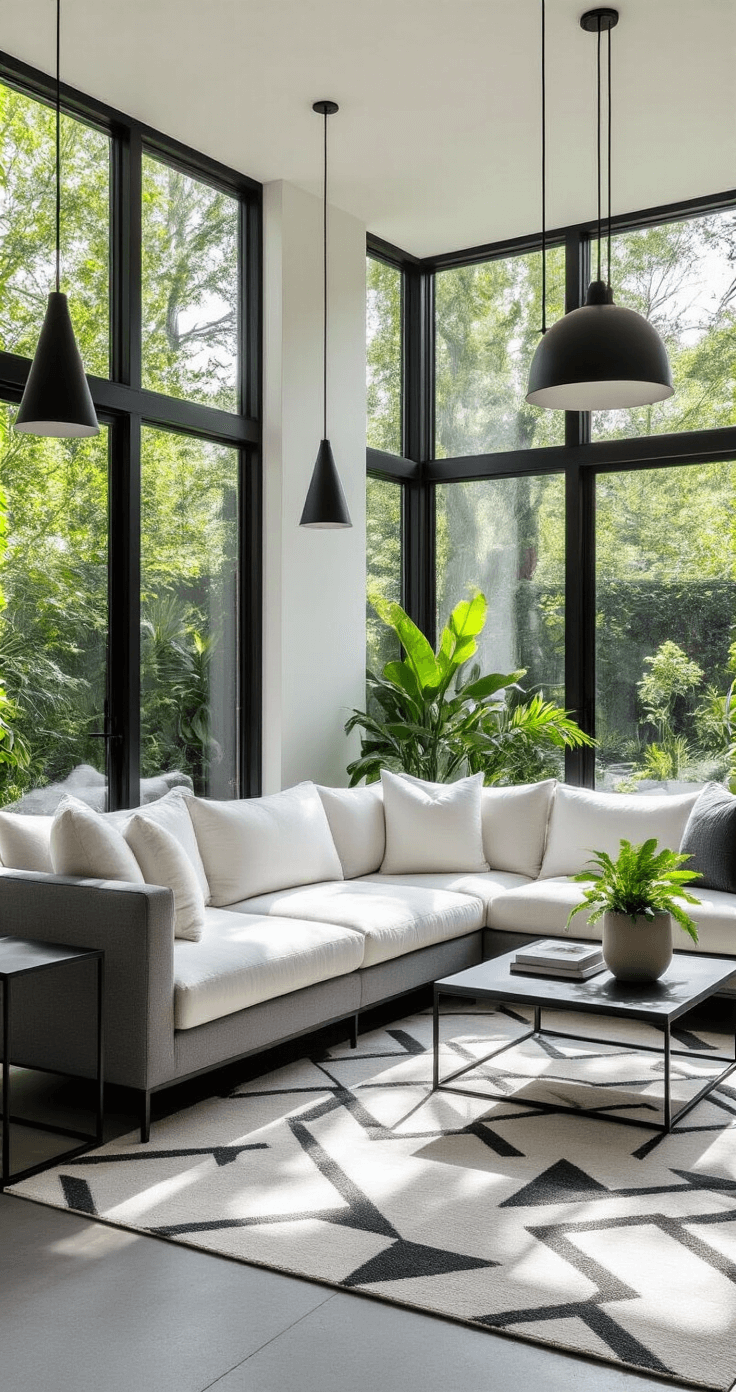
Clean Modern Lines
My current phase. Simple furniture with straight edges. Gray, white, and black palette. Minimal fuss.
Turns out I needed the space to feel calm rather than cluttered, and this style delivered exactly that.
🌟 Steal This Look
- Paint Color: Benjamin Moore White Dove OC-17
- Furniture: distressed whitewashed pine farmhouse dining table with turned legs
- Lighting: wrought iron chandelier with Edison bulbs and wooden bead accents
- Materials: reclaimed barn wood, galvanized metal, grain sack textiles, chippy painted finishes
My first sunroom iteration taught me that farmhouse style isn’t about buying ‘rustic’ from a big-box store—it’s about finding pieces that feel like they already have stories, even if you’re the one writing them.
The Furniture Mistakes I Made (So You Don’t Have To)
Comfort beats everything
My first furniture purchase looked amazing but felt like sitting on decorative rocks. I lasted about twenty minutes before retreating back to my regular living room.
Here’s what actually worked:
- Deep-seated chairs you can curl up in
- Plush outdoor cushions thick enough for hours of reading
- Side tables within arm’s reach (trust me on this)
- A coffee table that’s actually functional, not just pretty
Material matters more than you think
Wood and rattan create warmth but need protection from direct sunlight and moisture. Metal and glass look sleek but can get scorching hot or freezing cold depending on the season.
I learned to mix them. Wood provides visual warmth while metal frames keep things from looking too country-cottage.
Texture creates the magic
A soft area rug changed everything. Add throw blankets and decorative pillows, and suddenly you’ve got a space people actually want to hang out in.
💡 Steal This Look
- Paint Color: Farrow & Ball Oval Room Blue No. 85
- Furniture: deep-seated teak lounge chair with wide arms for curling up
- Lighting: oversized rattan pendant with frosted glass diffuser
- Materials: weathered teak, thick Sunbrella canvas cushions, powder-coated aluminum frames, natural rattan weave
This is the space where you’ll actually want to linger with a book and hot tea when it’s barely above freezing outside, so every piece needs to earn its place through genuine comfort, not just good bone structure.
Lighting: The Thing That Makes or Breaks Evening Use
Natural light floods in during the day (obviously). But evenings? That’s where I totally whiffed it initially.
Save this article
Enter your email and we'll send it straight to your inbox.
My lighting evolution
Started with one overhead fixture that made the space feel like an interrogation room. Added floor lamps that helped but created weird shadows. Finally figured out the winning combination:
- Indirect lighting along the walls for soft ambient glow
- Low-hanging pendant lights over reading spots
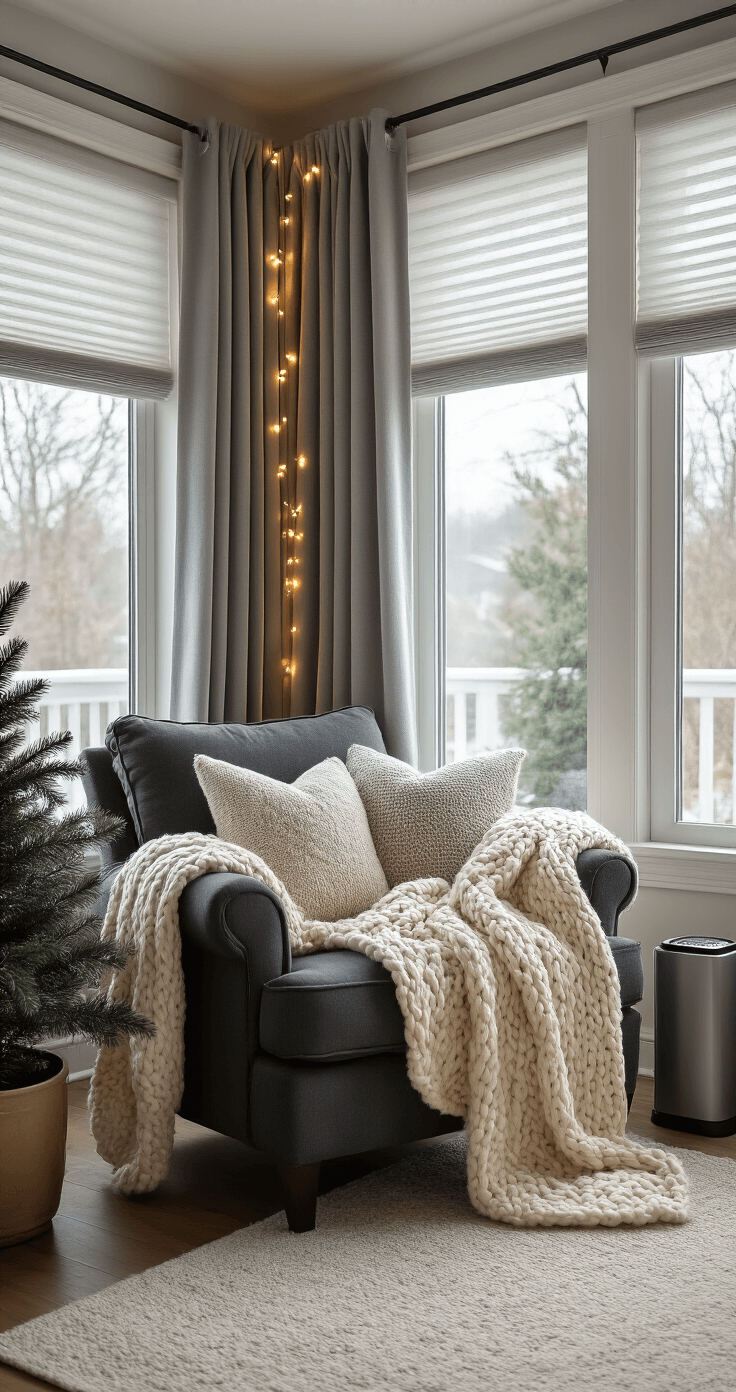
- String lights wrapped around plants and architectural features
The string lights were my eureka moment. They create instant coziness without trying too hard.
Position them along the window frames, draped over shelving, or tucked into glass vases for soft sparkle.
🏠 Steal This Look
- Paint Color: Behr Soft Focus PPU25-09
- Furniture: low-slung teak lounge chairs with weatherproof cushions, a compact fire pit table as the central gathering anchor, and narrow console tables for displaying lit lanterns
- Lighting: Philips Hue outdoor light strips for indirect wall washing, rattan-wrapped pendant clusters hung at varying heights over seating zones, and solar-powered Edison bulb string lights with black cable
- Materials: frosted glass globes, powder-coated aluminum fixtures, natural rattan shades, weathered teak bases, and copper-accented path lighting
I learned this the hard way: my first winter out here, I’d retreat inside by 5 p.m. because the garden felt abandoned once the sun disappeared. The right lighting didn’t just extend my usable hours—it completely transformed how I feel about the coldest, darkest season.
Color Schemes That Actually Work
I went overboard with color initially. Everything competed for attention and the view outside got lost in the visual noise.
The formula that saved me
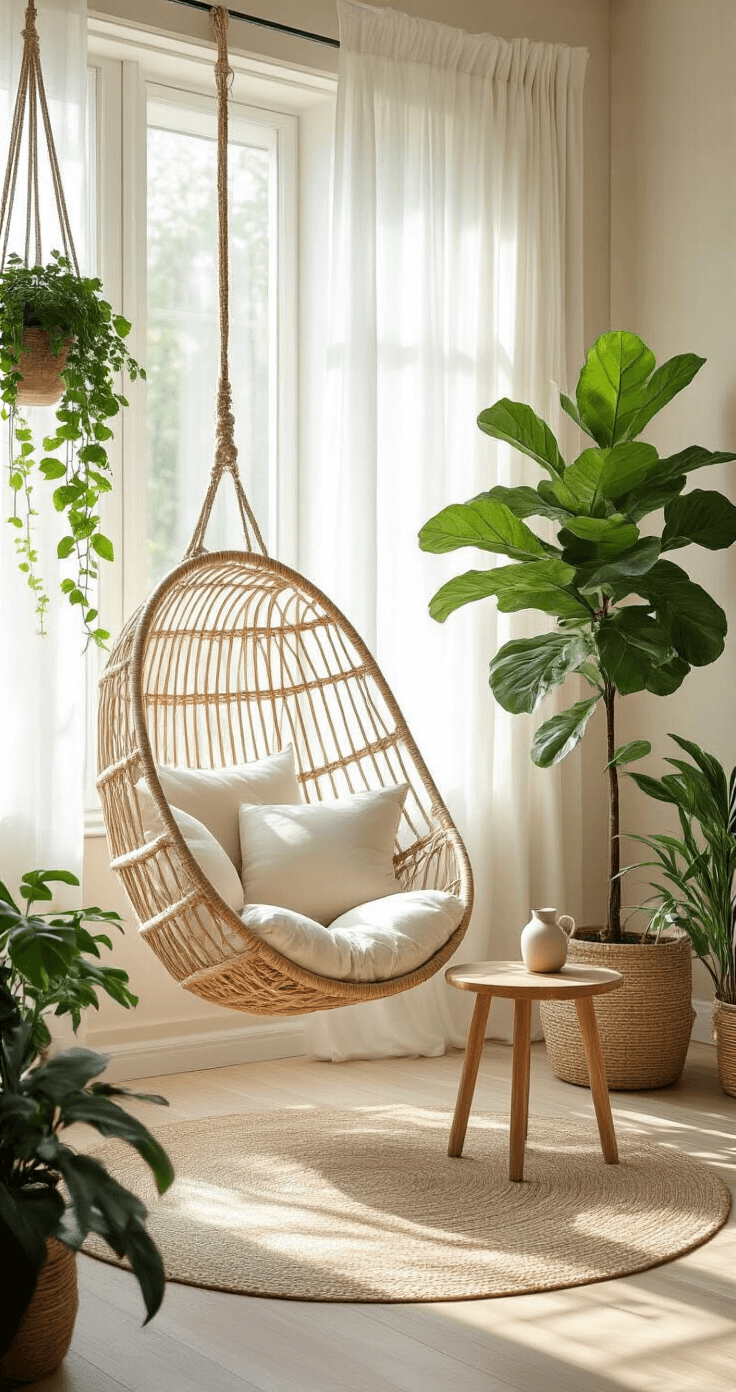
Base everything in whites, grays, and beiges. This neutral foundation lets the outdoor view shine. Your furniture doesn’t fight with the garden.
Then add pops of bold color through easily changeable items:
- Throw pillows
- Blankets
- Curtains
- Small decorative pieces
This way you can shift the mood without repainting or buying new furniture.
🖼 Steal This Look
- Paint Color: Valspar Gardenia 7003-8
- Furniture: low-profile linen slipcovered sofa in warm gray, natural wood coffee table with visible grain, woven rattan accent chair
- Lighting: oversized linen drum pendant with brass hardware
- Materials: raw Belgian linen, bleached oak, unglazed terracotta, hand-thrown ceramics, nubby wool
I learned this the hard way after repainting twice—now my winter garden room feels like a frame, not a competing scene.
Plants: My Complicated Relationship
I killed seventeen plants before understanding sunroom plant care. Seventeen.
The problem? I assumed more light equals happier plants. Wrong.
What I learned through plant murder
Direct summer sun through glass is intense enough to scorch even sun-loving plants. Winter cold radiating through those same windows will kill tropical plants overnight.
Position plants strategically:
- Heat-tolerant varieties in direct sun spots
- Delicate plants in filtered light areas
- Use plants as natural privacy screens if neighbors can see in
- Hanging plants draw the eye upward and make ceilings feel higher
Large statement plants work better than lots of small ones. They create impact without cluttering every surface.
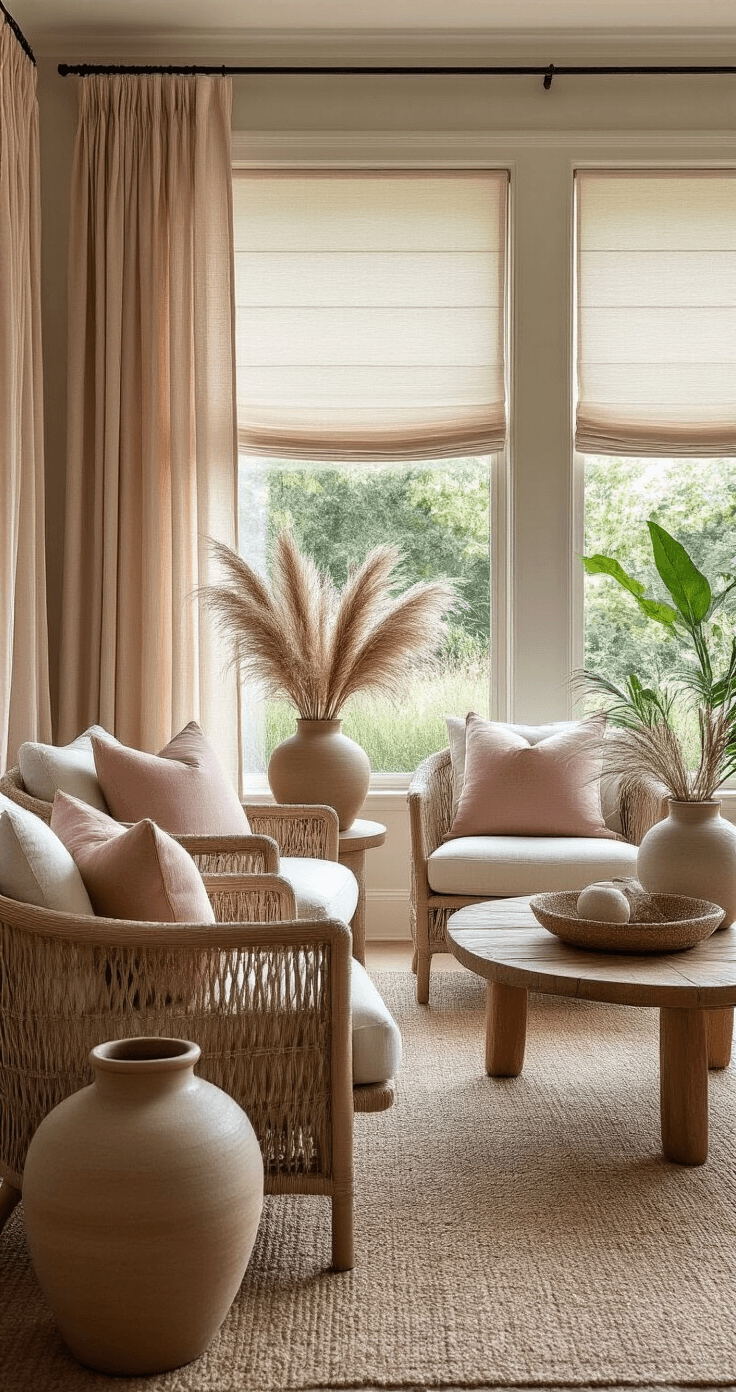
💡 Steal This Look
- Paint Color: PPG Stonehenge Greige PPG1003-3
- Furniture: wrought iron plant stand with multiple tiers, weathered teak bench with storage for potting supplies
- Lighting: adjustable-arm grow light pendant with brass finish and warm 3000K full spectrum bulbs
- Materials: terracotta with patina, raw linen pot covers, galvanized metal watering cans, unfinished wood plant risers
This room taught me that plant parenthood is really about observation—watching how light moves across the space through the seasons, feeling where drafts settle, and accepting that some corners are meant to stay empty rather than forcing a plant to suffer there.
Solving the Temperature Nightmare
This nearly broke me.
Summer temperatures hit 95°F inside even with outside temps at 75°F. Winter felt like I’d built an expensive icebox.
My climate control solutions
Ventilation saved my summers:
- Open windows at
Keep this one for later
We'll email you the link so you can come back to it.