

This post may contain affiliate links. Please see my disclosure policy for details.
How to Grow a Lilac Bush That Actually Blooms (Because Mine Didn’t for 3 Years)
Growing a lilac bush taught me more about patience and proper sunlight than any other plant in my garden.
I planted my first lilac in what I thought was a “sunny enough” spot near my porch. Three years passed with barely a handful of blooms. Turns out, “sunny enough” doesn’t cut it with these shrubs.

🌟 Steal This Look
- Paint Color: Sherwin-Williams Garden Sage SW 7749
- Furniture: weathered teak Adirondack chair with natural gray patina
- Lighting: solar-powered copper path lights with warm 2700K output
- Materials: aged terracotta, unfinished cedar, crushed limestone gravel, hand-forged iron
I finally moved my stubborn lilac to the sun-baked corner of my driveway where nothing else thrived, and the following spring it exploded with the kind of blooms I’d been mourning in garden catalogs.
Why Your Lilac Might Be Struggling (And Mine Was)
Let me save you the frustration I went through.
Lilacs are actually pretty forgiving plants, but they’re brutally honest about three things:
- Not enough sun? They’ll give you leaves and maybe five sad flowers.
- Wet feet? They’ll sulk, develop diseases, or just die.
- Wrong pruning time? You’ve just cut off next year’s blooms.
I learned all three lessons the hard way.
The Sunlight Situation (This Is Make-or-Break)
Lilacs need at least 6 hours of direct sunlight daily.
Not dappled shade. Not “mostly sunny.” Full, actual sunlight beating down on those branches.
I moved my struggling lilac from its “sort of sunny” spot to a location that gets blasted with morning through mid-afternoon sun. The next spring, I had more blooms than I could count. The difference was honestly shocking.
Here’s what happens in too much shade:
- Fewer blooms (or none at all)
- Increased risk of powdery mildew
- Weak, leggy growth
- Generally sad-looking plant
Pro tip: Walk your yard at different times during one full day and actually mark where the sun hits for 6+ hours. Don’t guess. I guessed, and I was wrong.
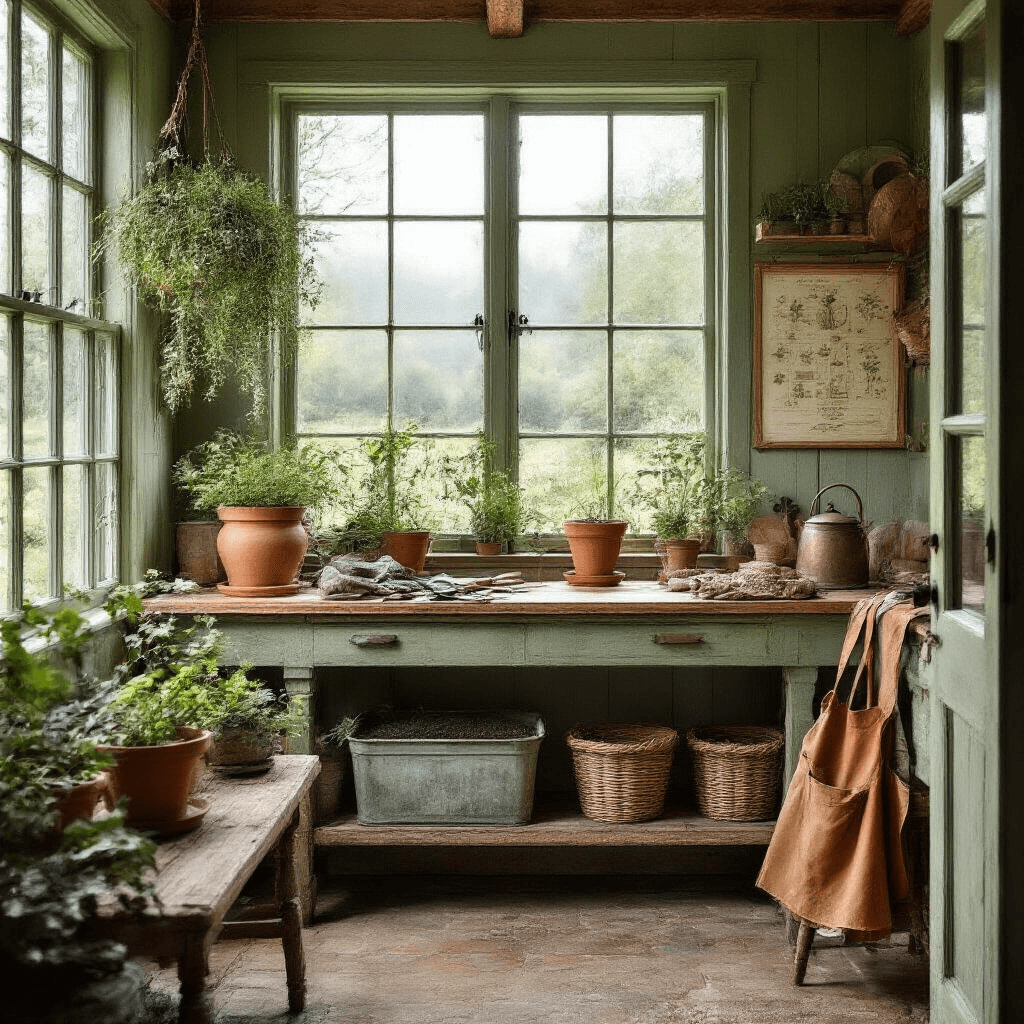
💡 Steal This Look
- Paint Color: Farrow & Ball Green Smoke 47
- Furniture: weathered teak potting bench with galvanized steel top
- Lighting: antique brass gooseneck barn light with clear glass shade
- Materials: raw terracotta, aged zinc, hand-forged iron, rough-sawn cedar
My own lilac transformation happened in a south-facing border I’d written off as ‘too exposed’—turns out that brutal afternoon sun was exactly what the plant had been begging for all along.
Soil: The Thing Nobody Warns You About Enough
Drainage matters more than almost anything else with lilacs.
I cannot stress this enough. Lilacs would rather be slightly too dry than slightly too wet.
Test your drainage before planting:
- Dig a hole about 8 inches wide and 12 inches deep
- Fill it completely with water
- Time how long it takes to drain
If that water is still sitting there after an hour, either choose a different spot or prepare for serious soil amendment work.
I amended my heavy clay soil with:
- Compost mixed thoroughly into the planting area
- Some coarse sand to improve drainage
- A slightly raised planting area to prevent water pooling
Soil pH matters too: Lilacs prefer alkaline to neutral soil (around pH 7.0 or slightly higher). Most garden soils are slightly acidic.
I add garden lime every fall to keep my soil from getting too acidic. Simple fix that makes a real difference.
Save this article
Enter your email and we'll send it straight to your inbox.
When to Plant (Timing Saved My Second Lilac)
Best times to plant lilacs:
- Spring: After the ground thaws but while temperatures stay cool
- Fall: At least 2-4 weeks before your first hard frost
I planted my second lilac in early fall, and it established so much better than my spring-planted one. The cooler weather meant less stress on the plant and more time for roots to develop before winter.
Spring planting works fine, but you need to stay on top of watering during those first few months.

✎ Steal This Look
- Paint Color: Valspar Garden Sage 5003-3C
- Furniture: weathered teak potting bench with galvanized steel top
- Lighting: solar-powered Edison bulb string lights with warm 2700K output
- Materials: raw cedar raised beds, aged terracotta, hand-forged iron plant markers, hemp twine, unglazed ceramic watering cans
There’s something deeply satisfying about that crisp September morning when you finally get the timing right—kneeling in cool soil, knowing those roots are settling in without the panic of summer drought.
How to Actually Plant the Thing
This is where I made my biggest rookie mistake with that first lilac.
I planted it too deep.
Lilacs are fussy about planting depth. The top of the root ball should be level with the surrounding soil surface. Not an inch below. Not two inches below because you’re worried about it drying out. Level.
Here’s my step-by-step process now:
- Dig a hole twice as wide as the root ball but just slightly deeper
- If you’re planting bare-root lilacs, soak the roots in tepid water for 10-15 minutes first
- Loosen any circling roots (I use my fingers to gently tease them out)
- Place the plant so the root ball top is level with the ground
- Backfill with your native soil mixed with compost
- Water between adding soil layers to eliminate air pockets
- Water thoroughly after planting
- Add a 2-3 inch layer of mulch around the base (but not touching the trunk)
Spacing tip: Don’t crowd your lilacs. They need air circulation to prevent disease. Space them 3-15 feet apart depending on the mature size of your variety.
Watering: Less Drama Than You’d Think
During the first year or two, water regularly. I’m talking once or twice a week if it doesn’t rain, making sure the soil stays moist but not soggy.
After that? Lilacs are surprisingly drought-tolerant once established.
Mine get by on rainfall alone most years. I only haul out the hose during extended dry spells in summer.
Signs your lilac needs water:
- Wilting leaves during the heat of the day
- No rain for 2+ weeks during growing season
- New growth looks stressed
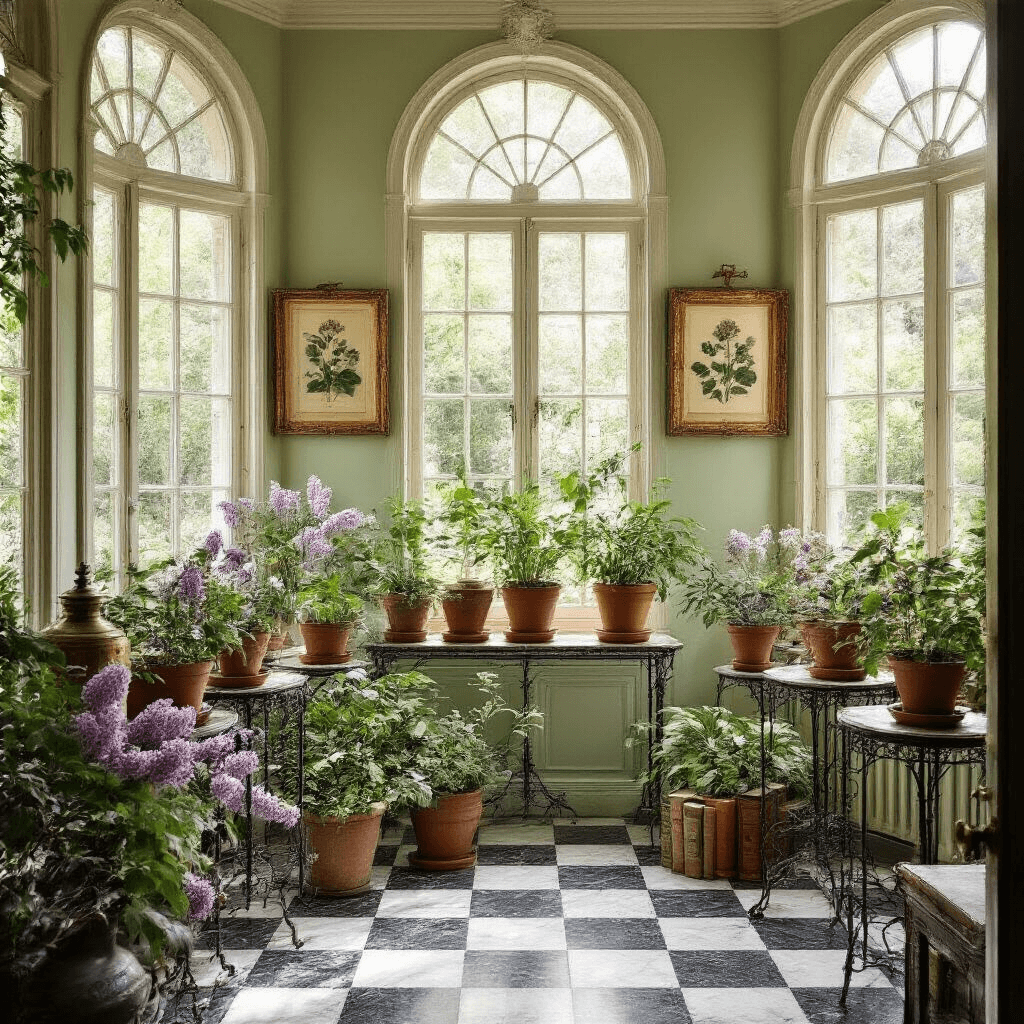
✎ Steal This Look
- Paint Color: Dunn-Edwards Quiet Rain DEW383
- Furniture: weathered teak potting bench with galvanized steel top
- Lighting: galvanized steel gooseneck barn light with motion sensor
- Materials: unglazed terracotta, raw cedar, river rock, aged zinc
This is the gardener’s corner where patience pays off—that satisfying shift from anxious new plant parent to confident observer who trusts the rain.
Fertilizing (I Was Doing This Wrong Too)
I used to hit my lilacs with the same high-nitrogen fertilizer I used on my lawn. Big mistake.
High nitrogen gives you lots of green leaves and very few flowers.
Here’s what actually works:
- After the first growing season, apply a <
Keep this one for later
We'll email you the link so you can come back to it.




[…] Blooms once yearly […]