

This post may contain affiliate links. Please see my disclosure policy for details.
Growing an Indoor Winter Garden: Fresh Greens When It’s Freezing Outside
Indoor winter gardening saved my sanity during last February’s polar vortex.
I was staring out at my frost-covered windows, craving something green and alive, when I realized I didn’t have to wait until spring.
You know that itch you get in January when your fingers are literally twitching to dig in soil again? Or when you’re paying $6 for a tiny container of fresh basil at the grocery store? I’ve been there, friend.
The good news is you can grow actual food inside your home right now, even if there’s three feet of snow outside.
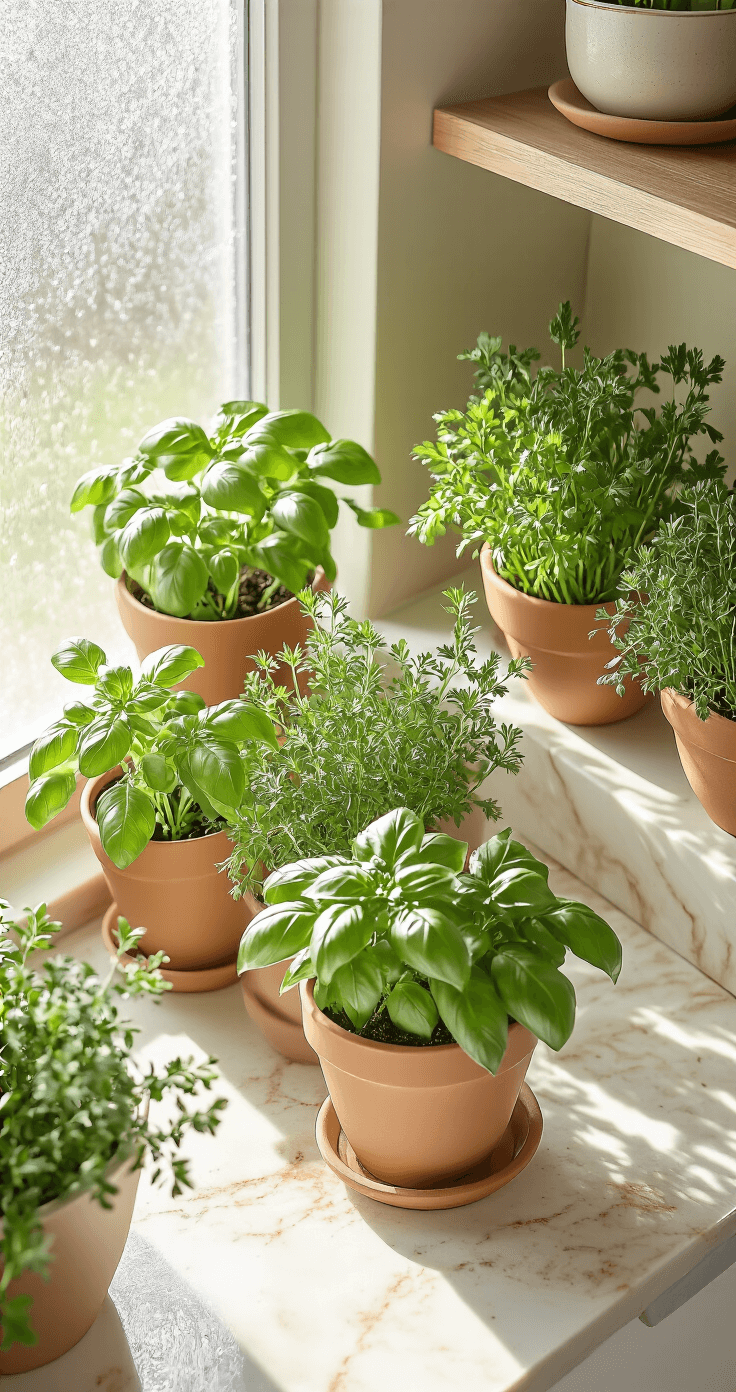
Why Your Winter Blues Need an Indoor Garden
Let me paint you a picture.
It’s dark by 4:30 PM. Your outdoor garden is a frozen wasteland. You’re eating sad, wilted lettuce from a plastic clamshell that traveled 2,000 miles to reach your kitchen.
Now imagine walking over to your kitchen counter and snipping fresh arugula for your dinner salad.
That’s exactly what indoor winter gardening gives you.
I started my first indoor setup three winters ago in my drafty Chicago apartment, and I haven’t looked back. My electric bill went up about $8 a month for grow lights, but I saved at least triple that on herbs alone.
Plus, there’s something deeply satisfying about eating food you grew while ice is literally forming on your windows.
The Plants That Actually Work Indoors (No Wishful Thinking)
Not every plant wants to live in your house.
I learned this the hard way when I tried growing full-size tomato plants in my guest bedroom. Spoiler: disaster.
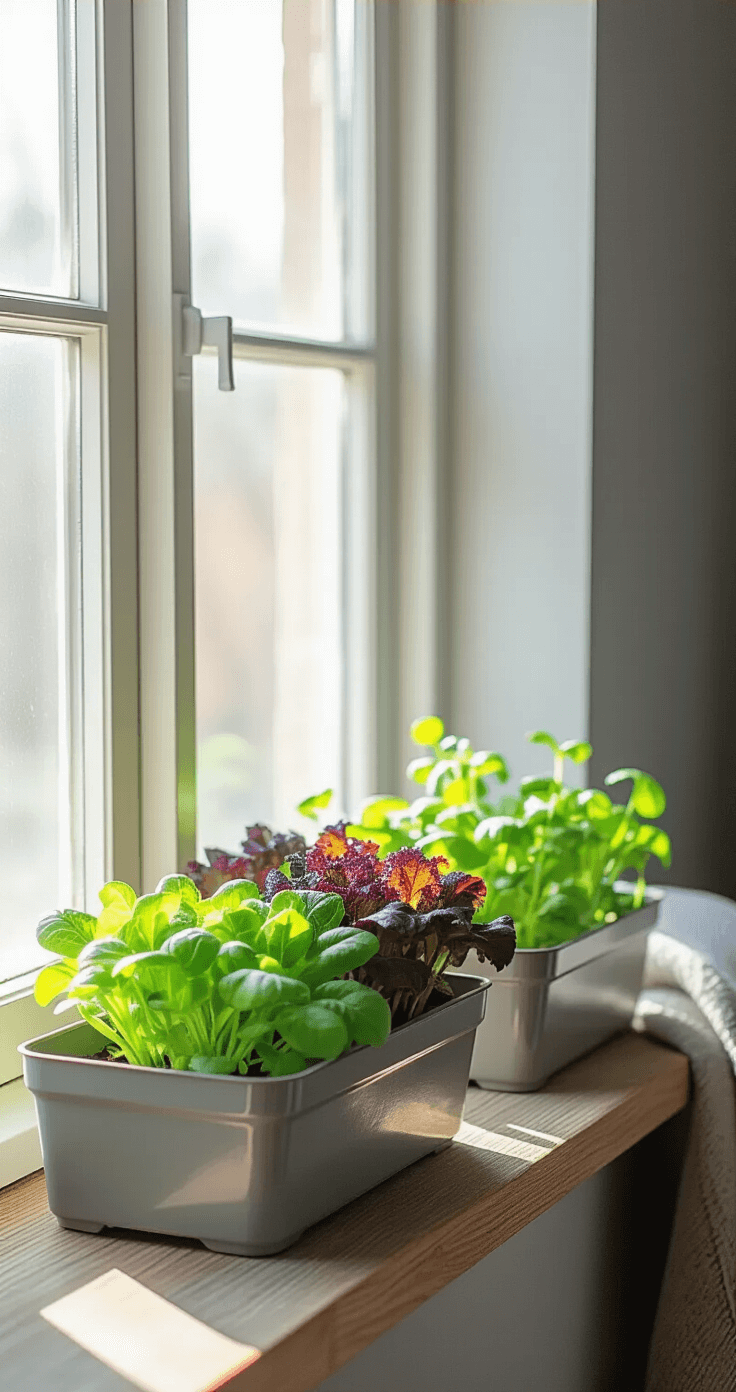
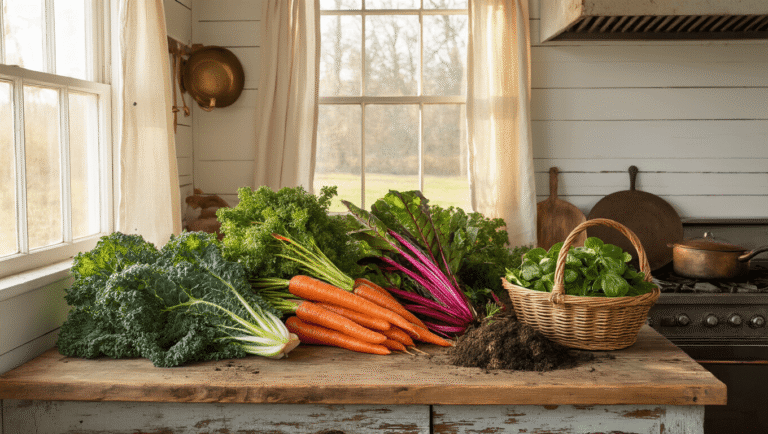
Leafy greens are your best friends for indoor winter gardens.
These cool-weather warriors don’t care that they’re not outside. They’re actually happier around 60 degrees than in blazing summer heat.
The Reliable Performers
Greens that never let me down:
- Kale – Grows like a weed, tastes better after a cold snap (even simulated indoor cold)
- Arugula – Peppery, fast, ready in about 30 days
- Spinach – The ultimate beginner green, nearly impossible to kill
- Lettuce varieties – Buttercrunch and loose-leaf types work best
I keep a windowsill planter box going with mixed lettuces constantly. Harvest the outer leaves, and the plant keeps producing.
Herbs that earn their counter space:
- Basil – Needs more light than others but worth it
- Parsley – Both flat-leaf and curly grow well indoors
- Thyme – Low-maintenance superstar
- Rosemary – A bit finicky about watering but smells incredible
- Mint – Grows aggressively (maybe too aggressively)
One pot of basil saves me about $20 a month compared to buying those ridiculous grocery store packages.
Quick wins for impatient gardeners:
- Microgreens – Harvest in 2-3 weeks, insanely nutritious
- Sprouts – Don’t even need soil, just a jar and water
- Green onions – Stick the roots in water, they regrow forever
- Radishes – Surprisingly fast, even indoors
The overachievers (if you’re feeling ambitious):
- Cherry tomatoes – Need serious light and space but possible
- Small carrots – Choose short varieties like Thumbelina
- Peppers – Compact varieties only
I won’t lie to you about tomatoes. They’re high-maintenance divas indoors. But if you’ve got a sunny south-facing window and a quality grow light, they’ll reward your effort.
The low-drama options:
- Succulents – For when you forget watering is a thing
- Cacti – Basically indestructible
- Pothos – Not edible but purifies air like nobody’s business
Setting Up Your Indoor Growing Space (The Non-Negotiables)
Light is everything. Without proper light, you’re just watering dirt and hoping.
I spent my first month wondering why my seedlings looked like they were reaching for heaven. They were literally stretching toward any light source because I didn’t give them enough.
Light: The Make-or-Break Factor
Natural light is free (obviously).
South-facing windows are gold. East or west-facing windows work for many herbs and greens. North-facing windows are basically useless for growing food.
Count the actual sunlight hours on your windowsill. Not just daylight – actual direct sun hitting that spot. You need minimum six hours for most edibles.
When natural light fails (which it probably will in winter):
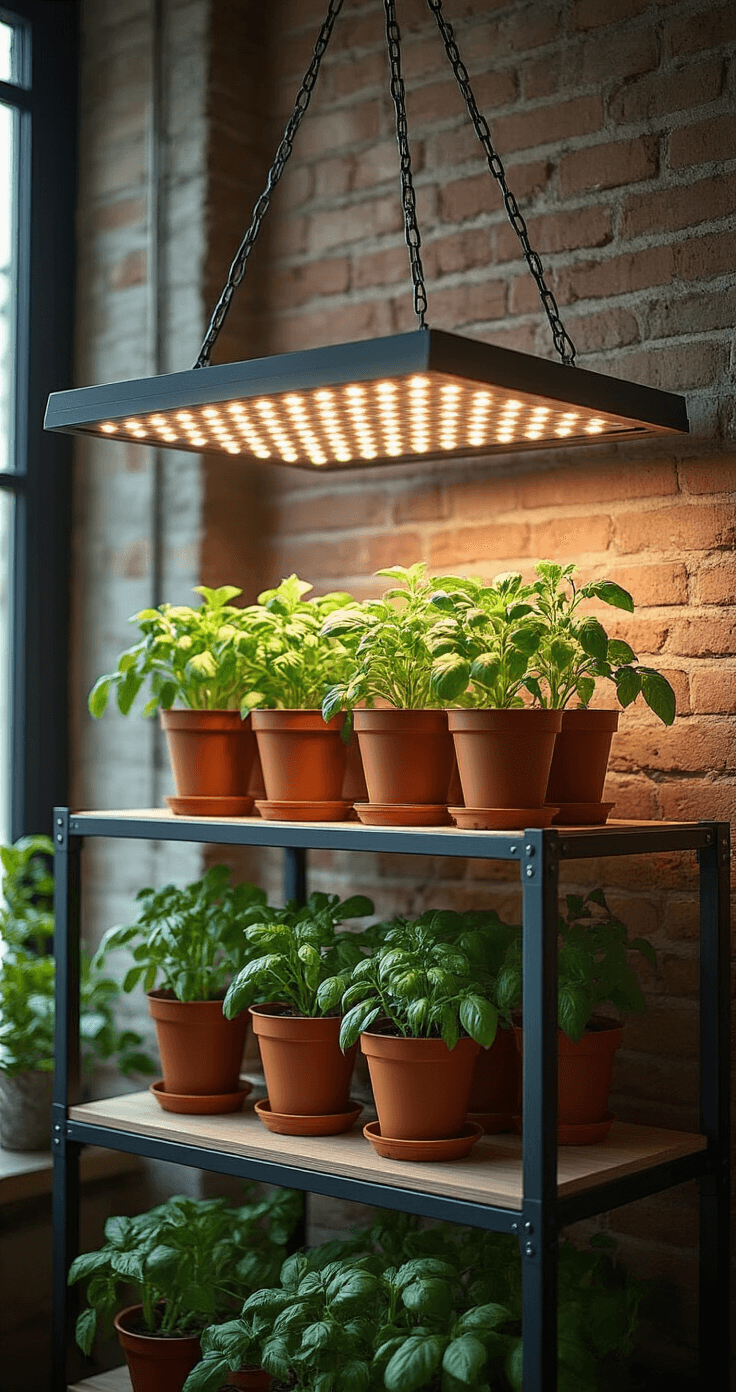
Get yourself some grow lights. This is not optional if you’re serious.
I resisted buying lights for weeks because I’m cheap. My plants looked pathetic and stretched out. The day I installed proper lighting, everything changed.
A basic full-spectrum LED grow light runs about $30-50 and will transform your setup.
Grow light basics that actually matter:
- Position lights 6-12 inches above plants (closer for seedlings, farther for mature plants)
- Run them 12-14 hours daily (yes, get a timer)
- LED lights stay cooler than fluorescent (important in small spaces)
- You don’t need expensive “plant” bulbs for everything – regular full-spectrum LEDs work great
I hung my lights on adjustable chains so I can raise them as plants grow. Total game-changer.
Containers: Where Your Plants Actually Live
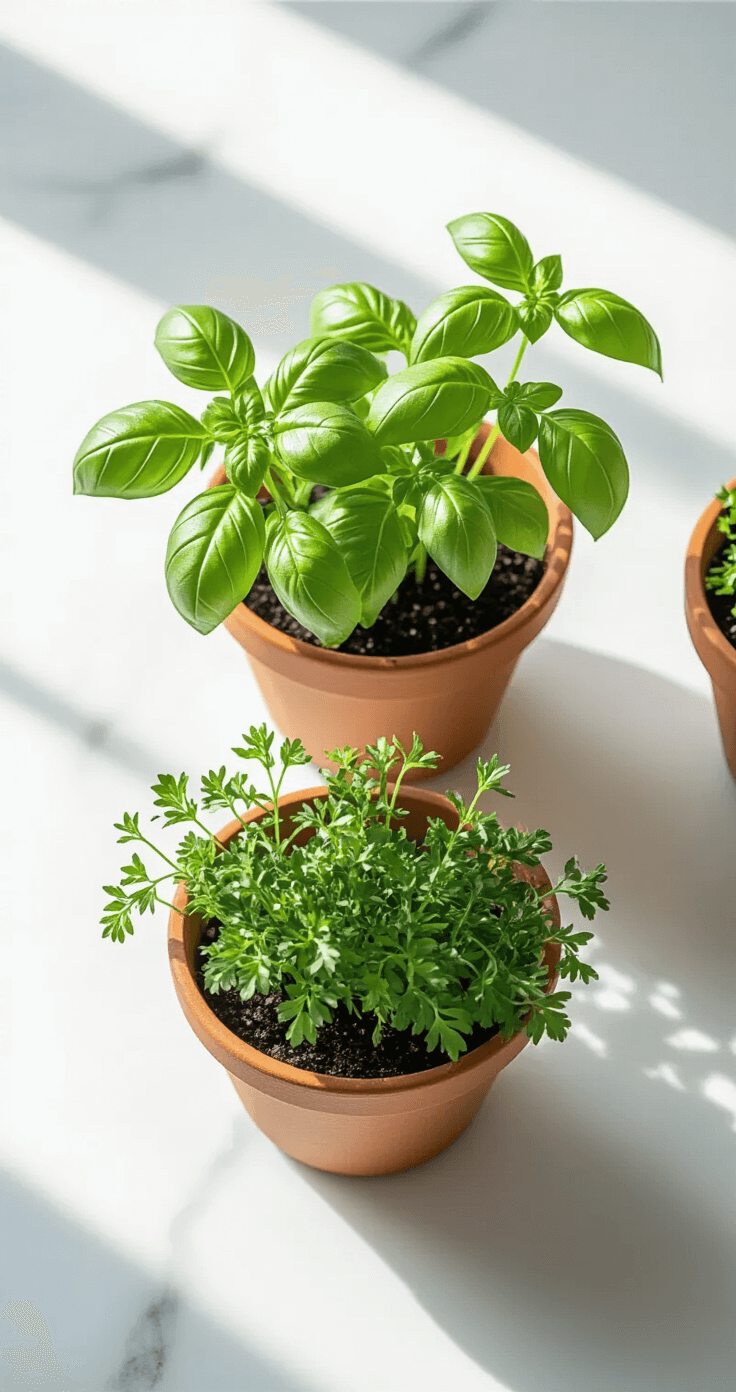
Terra cotta pots are classic for a reason.
They breathe. They help regulate moisture. They look better

[…] Fresh herbs and greens […]
[…] isn’t just a plant. It’s a statement. A declaration that your garden isn’t just green – it’s […]