This post may contain affiliate links. Please see my disclosure policy for details.
Agapanthus: The Ultimate Garden Showstopper for Stunning Landscape Design
Every garden needs a star player that turns heads and makes neighbors stop and stare. Enter the Agapanthus – nature’s own fireworks display that transforms ordinary landscapes into extraordinary visual masterpieces.

🎨 Steal This Look
- Paint Color: Sherwin-Williams Garden Grove SW 6445
- Furniture: weathered teak Adirondack chairs with slatted backs, positioned to face the agapanthus border
- Lighting: low-voltage brass path lights with hammered copper hoods, staggered along garden walkways
- Materials: natural limestone pavers, aged corten steel edging, crushed granite mulch, woven seagrass outdoor cushions
There’s something deeply satisfying about watching agapanthus emerge each summer like clockwork—these are the plants that make you feel like you’ve actually mastered gardening, even when you haven’t.
Why Agapanthus is Your Garden’s Secret Weapon
Let’s cut to the chase: Agapanthus isn’t just another plant. It’s a dramatic, architectural marvel that brings serious style to any outdoor space. Whether you’re a gardening newbie or a seasoned pro, these African lilies will revolutionize your landscape design.
The Visual Magic of Agapanthus
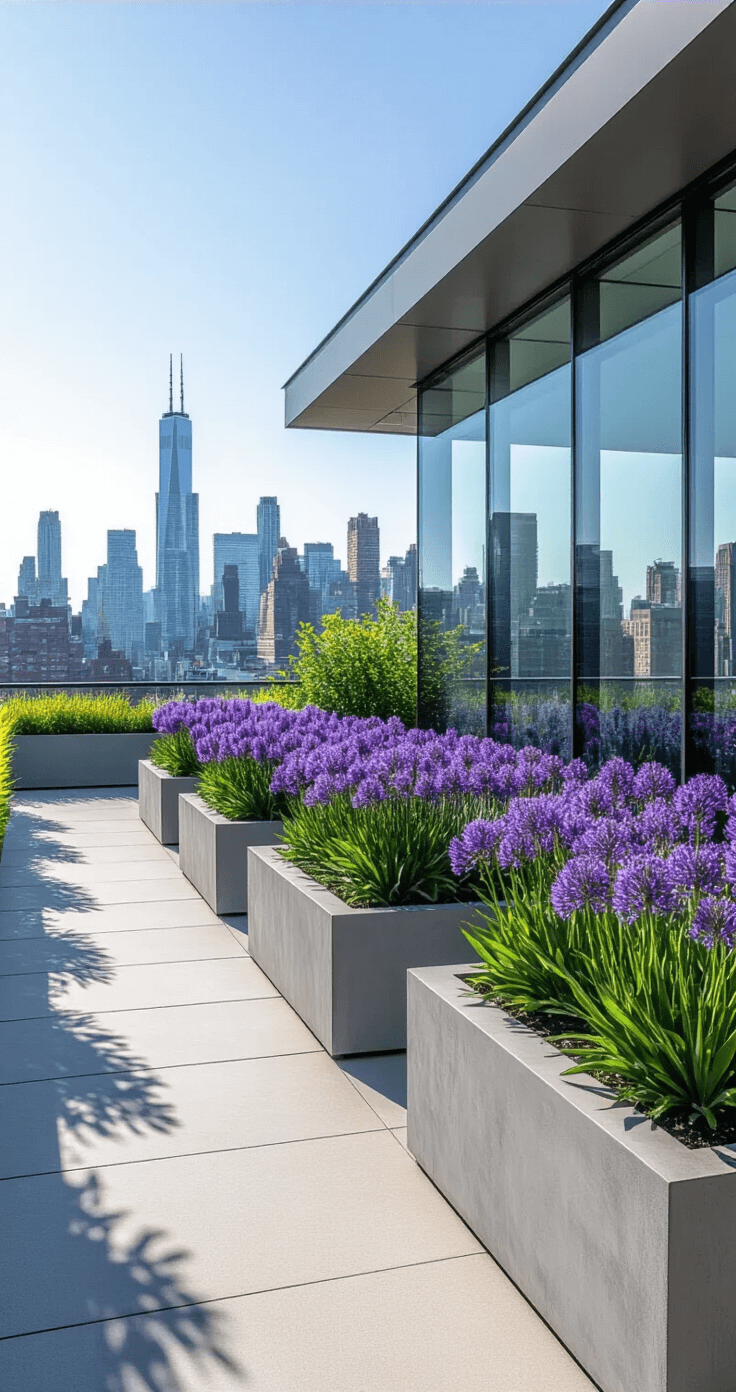
Imagine clusters of blue, lavender, and white blooms exploding like natural fireworks above lush, strap-like foliage. That’s the Agapanthus promise. These perennials aren’t just plants – they’re living sculptures.
★ Steal This Look
- Paint Color: Benjamin Moore Wythe Blue HC-143
- Furniture: weathered teak Adirondack chair with wide arms for holding garden books and morning coffee
- Lighting: solar-powered copper path lights with warm 2700K LED bulbs lining garden walkways
- Materials: aged terracotta planters, crushed limestone gravel paths, untreated cedar raised beds, hand-forged iron plant supports
There’s something deeply satisfying about watching these sculptural blooms emerge each summer like old friends returning—you’ll find yourself planning your entire outdoor calendar around their July peak.
Where to Plant Your Agapanthus for Maximum Impact
Perfect Placement Strategies
- Full Sun Lovers: Agapanthus thrives in bright, direct sunlight
- Border Brilliance: Line pathways or create stunning garden edges
- Container Superstars: Perfect for decorative outdoor pots
- Focal Point Magic: Use as a dramatic centerpiece in any garden design
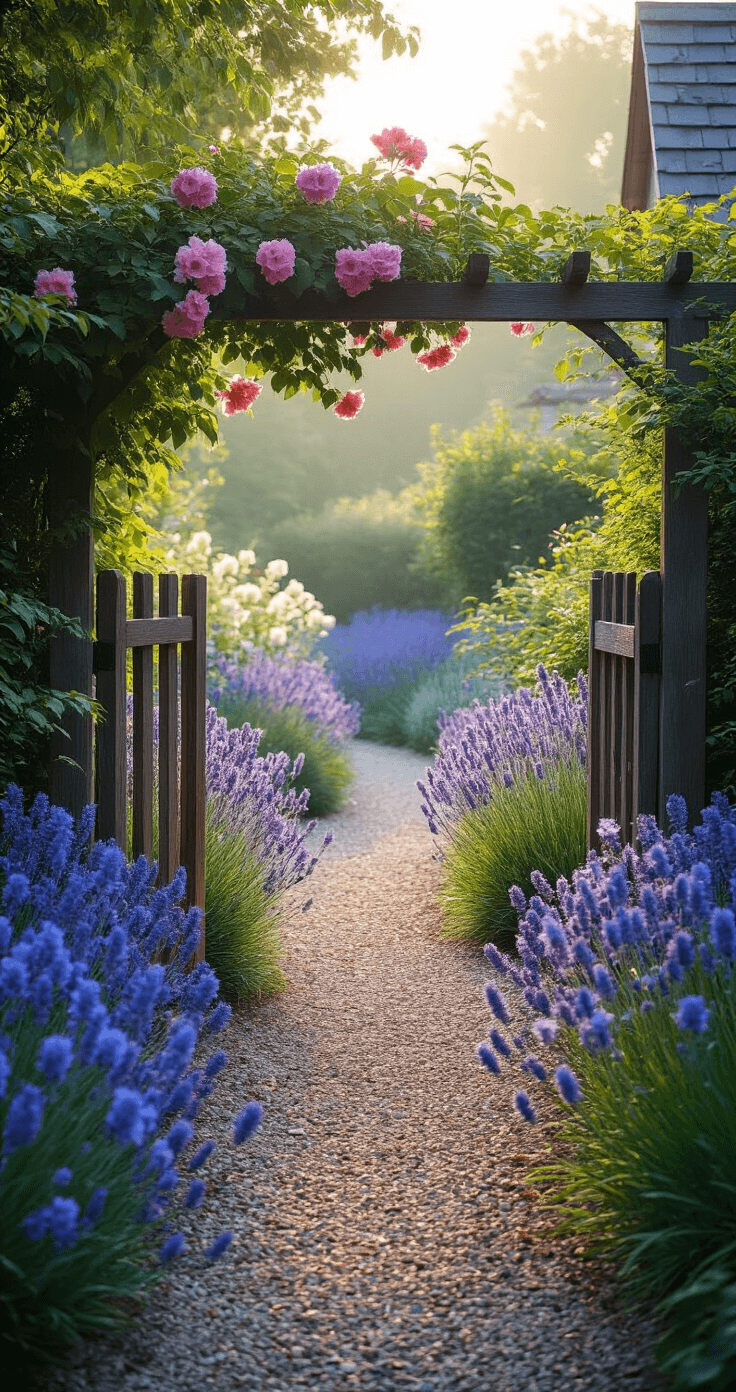
🎨 Steal This Look
- Paint Color: Farrow & Ball Green Smoke 47
- Furniture: weathered teak garden bench with curved backrest, positioned as a viewing perch facing the agapanthus bed
- Lighting: oversized copper and glass globe garden lantern on a slender black metal stake, clustered in threes along the border edge
- Materials: hand-cut Cotswold stone pavers, brushed concrete planters with drainage, aged zinc edging strips, and crushed slate mulch
There’s something quietly triumphant about that first agapanthus bloom in July—you’ve waited months, and suddenly your garden has this vertical punctuation that feels both wild and utterly composed.
Companion Planting: Who Plays Nice with Agapanthus?
Your Agapanthus will love hanging out with:
- Ornamental grasses
- Lavender
- Salvia
- Hydrangeas
- Roses
Pro tip: Think about creating layers and textures. Mix heights, colors, and leaf shapes for a truly stunning landscape.
Save this article
Enter your email and we'll send it straight to your inbox.
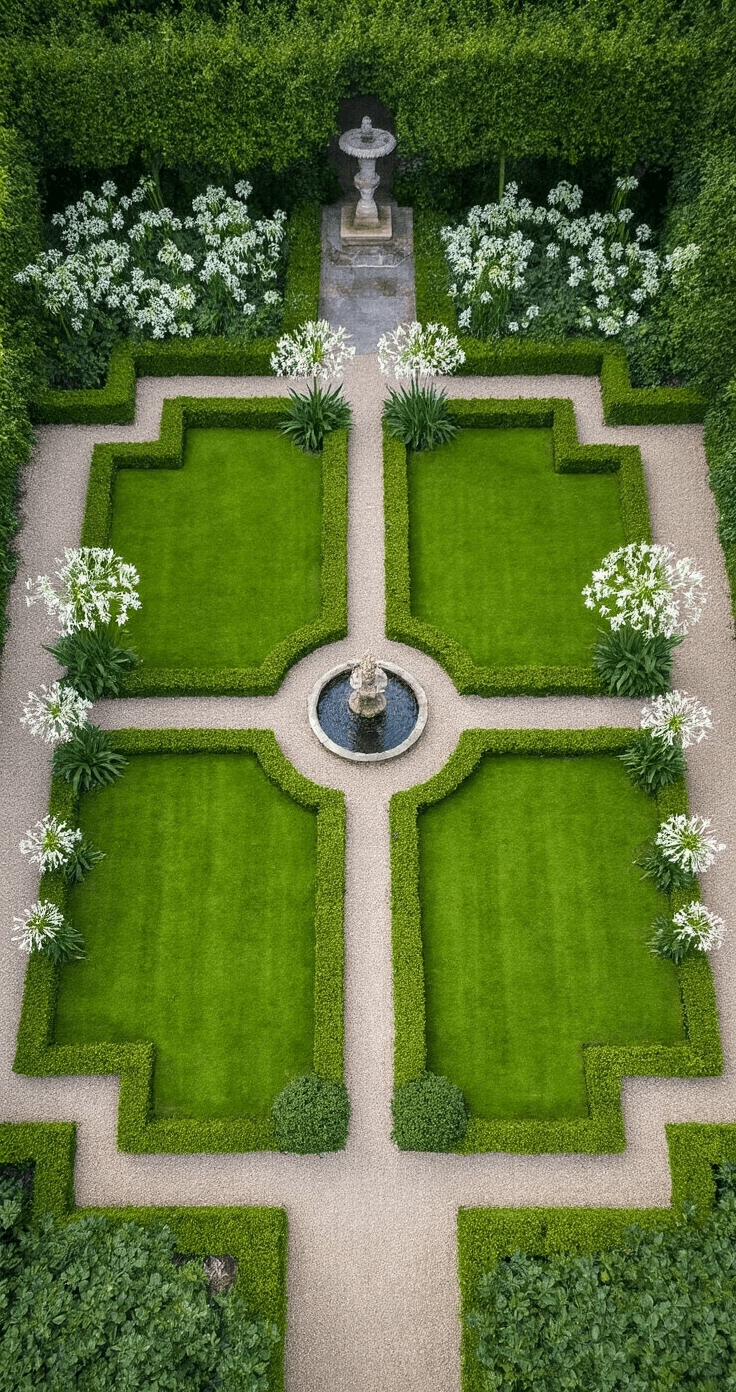
🖼 Steal This Look
- Paint Color: Behr Garden Path S340-3
- Furniture: weathered teak potting bench with zinc top
- Lighting: solar-powered copper stake lights with warm 2700K output
- Materials: aged terracotta, crushed oyster shell mulch, galvanized steel edging, reclaimed brick pavers
There’s something deeply satisfying about walking a garden path where every plant seems to lean into its neighbor; this layered approach turns a simple flower bed into a living composition that rewards you from spring through first frost.
Care Tips That’ll Make Your Agapanthus Thrive
Maintenance Simplified
- Watering: Moderate and consistent
- Fertilizer: High-potassium blend in summer
- Spacing: 30 cm between plants
- Winter Care: Mulch in colder regions
Bonus Tip: These plants love being slightly root-bound. Don’t rush to transplant!
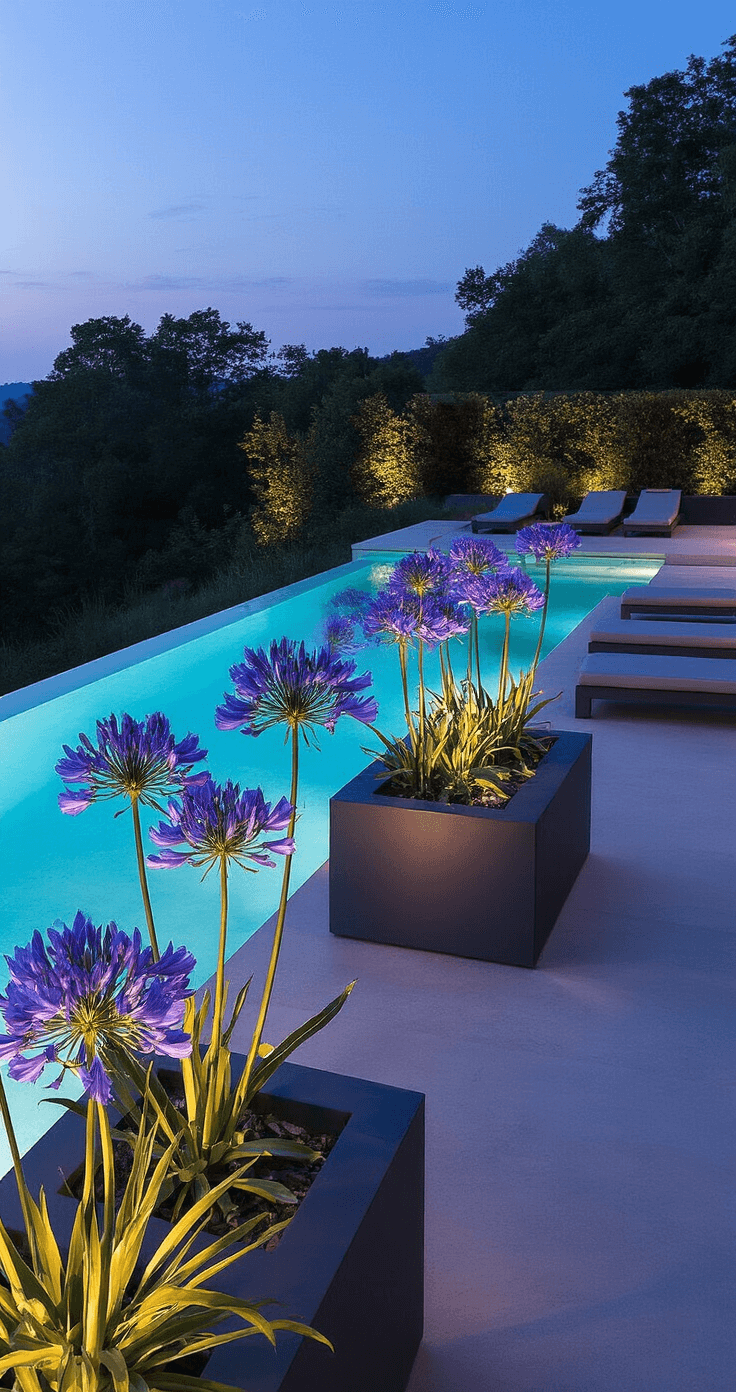
🖼 Steal This Look
- Paint Color: use Valspar brand. Match the ACTUAL wall color in the image. Format: Valspar ColorName CODE
- Furniture: weathered teak potting bench with lower shelf for tool storage
- Lighting: solar-powered LED string lights with warm 2700K bulbs draped along garden fence
- Materials: unglazed terracotta pots, aged galvanized steel watering cans, woven seagrass baskets for bulb storage
There’s something deeply satisfying about tending a plant that practically tells you when it’s happy; those tight, crowded roots pushing up spectacular blooms feel like a quiet victory against the perfectionism we usually bring to our gardens.
Design Styles: Agapanthus Everywhere
| Garden Style | Agapanthus Role | Mood |
|---|---|---|
| Formal | Precise borders | Elegant |
| Cottage | Relaxed groupings | Whimsical |
| Modern | Architectural focal point | Minimalist |
| Mediterranean | Hot color schemes | Vibrant |
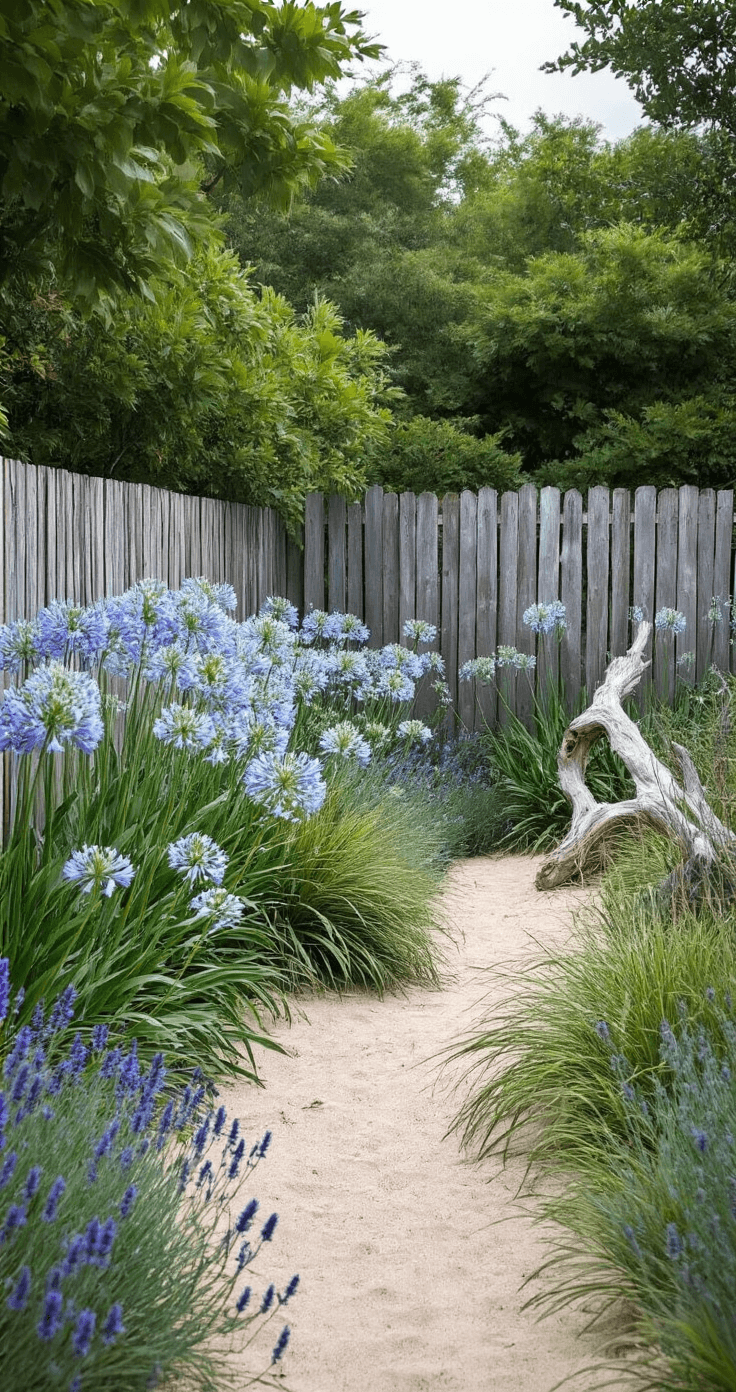
💡 Steal This Look
- Paint Color: PPG Olive Court PPG1125-5
- Furniture: weathered teak garden bench with curved backrest, positioned as a viewing seat facing the agapanthus border
- Lighting: low-voltage brass path lights with frosted glass globes, spaced every 6 feet along the garden edge
- Materials: crushed limestone gravel paths, corten steel edging strips, aged terracotta pots, and clipped boxwood hedges for structure
This is the garden style that finally made me understand why my grandmother planted the same flower everywhere—it creates a kind of visual heartbeat that pulls you through the space.
Pro Gardener Secrets
- Deadhead flowers for continuous blooming
- Leave some seedheads for winter interest
- Consider garden gloves for easy maintenance
- Use pruning shears for precise shaping
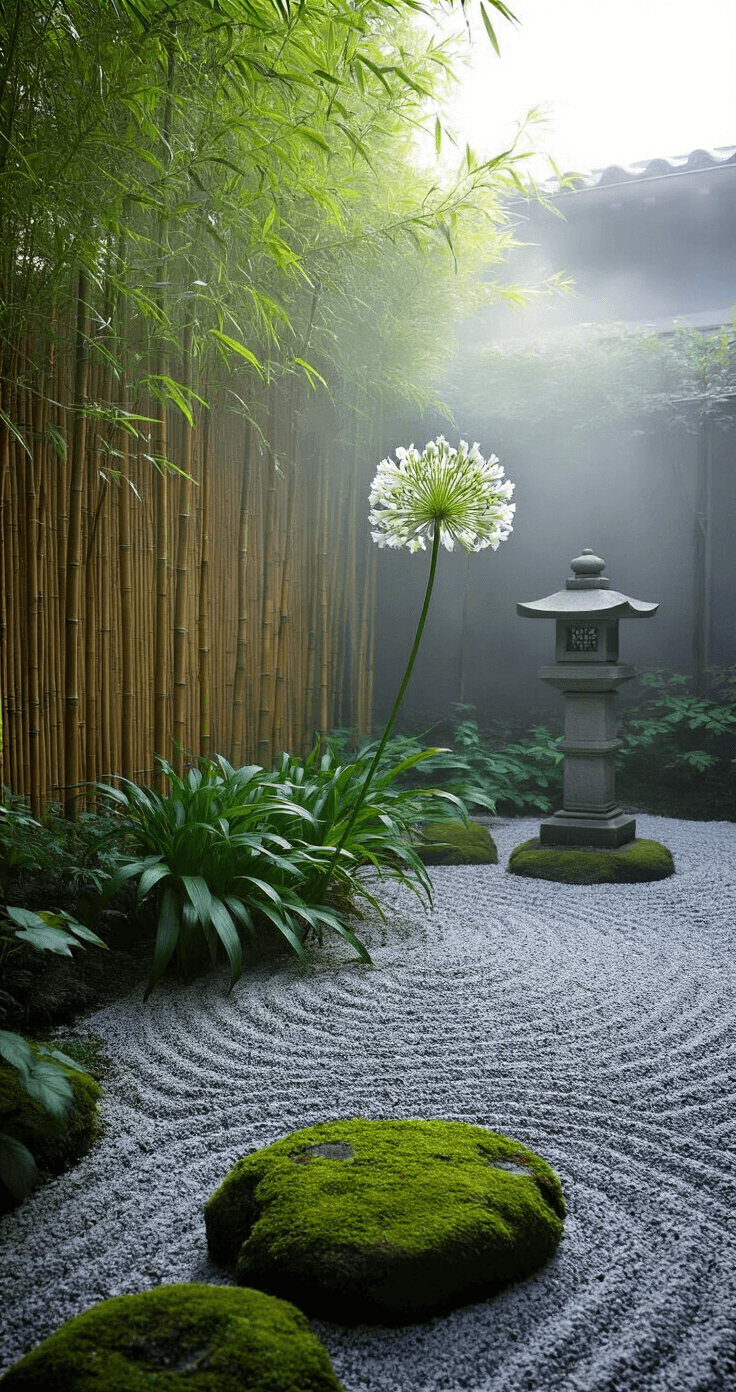
★ Steal This Look
- Paint Color: Dunn-Edwards Garden Gate DE5649
- Furniture: weathered teak potting bench with zinc top, galvanized steel tool caddy, cast iron garden stool
- Lighting: vintage brass gooseneck barn light with seeded glass shade
- Materials: raw linen apron fabric, untreated cedar for raised beds, hand-forged iron tool hooks, terracotta with aged patina
There’s something deeply satisfying about the rhythm of deadheading agapanthus on a quiet morning—the snip of shears, the pile of spent blooms, the promise of another wave of those iconic blue globes.
Final Thoughts: Your Garden, Your Masterpiece
Agapanthus isn’t just a plant. It’s a statement. A declaration that your garden isn’t just green – it’s extraordinary.
Pro Gardener Insider Keywords: garden design, landscape architecture, summer blooms, drought-tolerant plants, architectural gardening
Keep this one for later
We'll email you the link so you can come back to it.