This post may contain affiliate links. Please see my disclosure policy for details.
**Lilies: Everything You Need to Know About Growing These Stunning Blooms in Your Garden**
Contents
Lilies have completely transformed my garden, and I’m betting they’ll do the same for yours.
Look, I get it. You’re tired of flowers that promise the world and deliver wilted disappointment by mid-July. You want blooms that actually show up, smell incredible, and don’t demand a horticulture degree to keep alive.
I’ve killed my fair share of plants over the years. But lilies? These beauties have stuck with me through neglect, heat waves, and my questionable watering schedule.
Let me show you why these herbaceous flowering plants from the Lilium genus deserve a spot in your garden—and how to keep them thriving without losing your mind.

Why I’m Obsessed With Lilies (And You Should Be Too)
Lilies grow from bulbs and produce large, often fragrant flowers that’ll make your neighbors slow down when they walk past your house.
We’re talking whites, yellows, oranges, pinks, reds, and purples. The color range is absolutely bonkers.
These tall perennials range from 1 to 6 feet in height, which means you can create actual drama in your garden beds. Most species are native to the Northern Hemisphere in temperate climates, so chances are they’re already suited to your area.
The best part? They’re important in culture and literature throughout much of the world for good reason—they deliver on their promises.
The Lily Lineup: Finding Your Perfect Match
Not all lilies are created equal, and that’s actually fantastic news. Each type has its own personality, bloom time, and maintenance level.
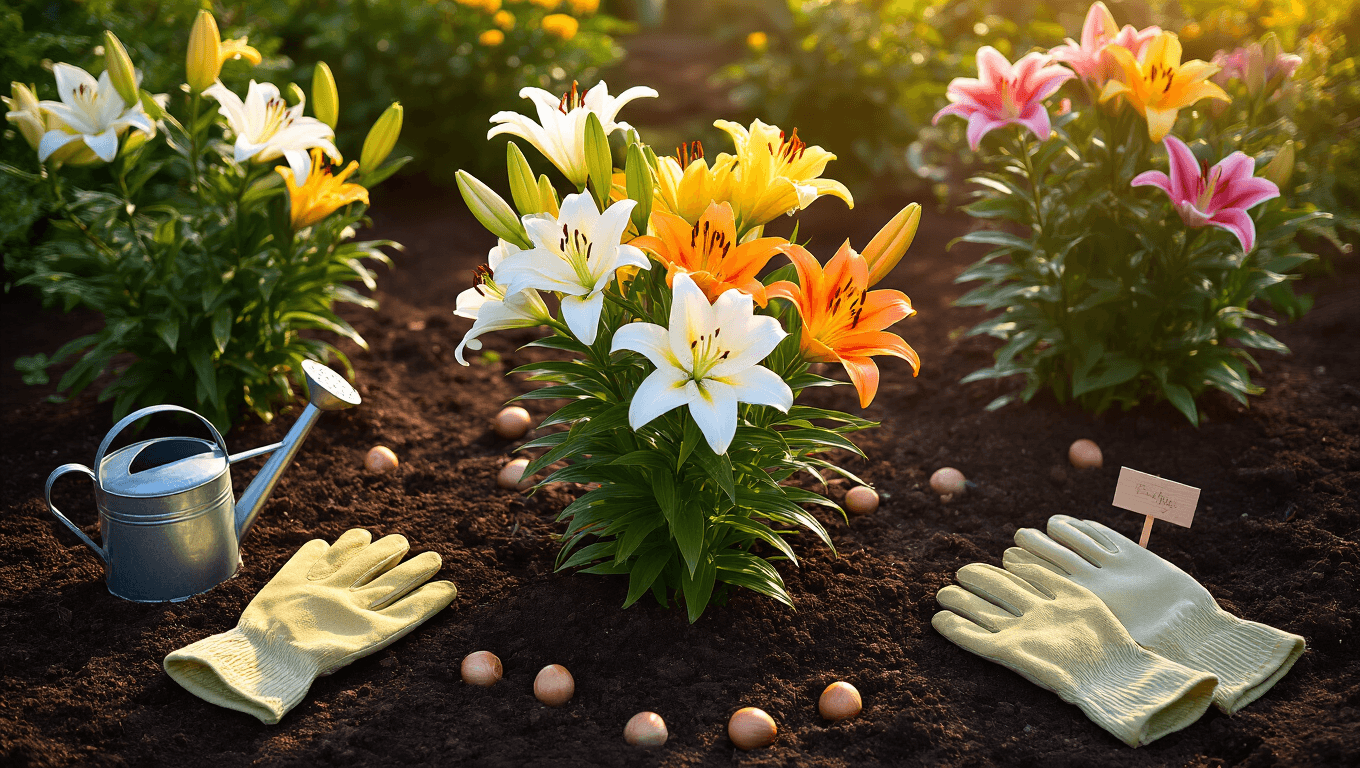
Asiatic Lilies: The Overachievers
These are my go-to recommendation for beginners.
Here’s what makes them brilliant:
- Vibrant colors that pop from across the yard
- Bloom early to midsummer when everything else is still waking up
- Produce up to 12 flowers per bulb (yes, seriously)
- Completely unscented (perfect if you’re sensitive to fragrance)
- Low-maintenance to the point of being almost insulting to other flowers
I planted Asiatic lily bulbs in a neglected corner three years ago. They’ve come back stronger every single season without me doing much of anything.
Oriental Lilies: The Show-Offs
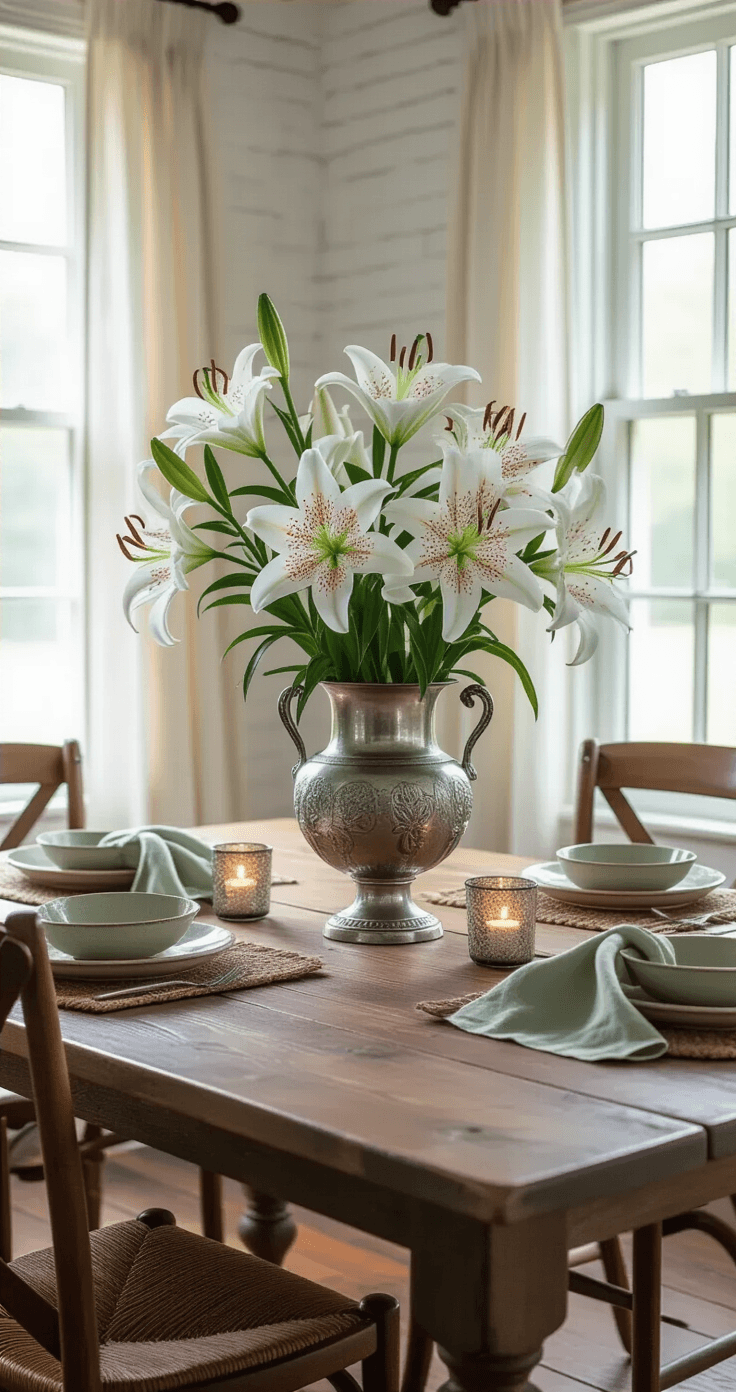
If Asiatic lilies are the reliable friend, Oriental lilies are the glamorous one who shows up fashionably late but steals the show.
What sets them apart:
- Large flowers spanning 6 to 9 inches across
- Fragrant enough to perfume your entire patio
- Intricate speckles that look hand-painted
- Bloom mid to late summer, extending your lily season
Fair warning: the fragrance is powerful. I once cut a few stems for my dining table and had to move them because the scent was overwhelming during dinner.
Trumpet Lilies: The Romantics
These are for the gardener who wants elegance and impact.
The trumpet lily appeal:
- Elongated, trumpet-shaped blooms you can’t miss
- Rich, sweet fragrance that isn’t as aggressive as Orientals
- Mid-summer blooming
- Architectural presence in any garden design
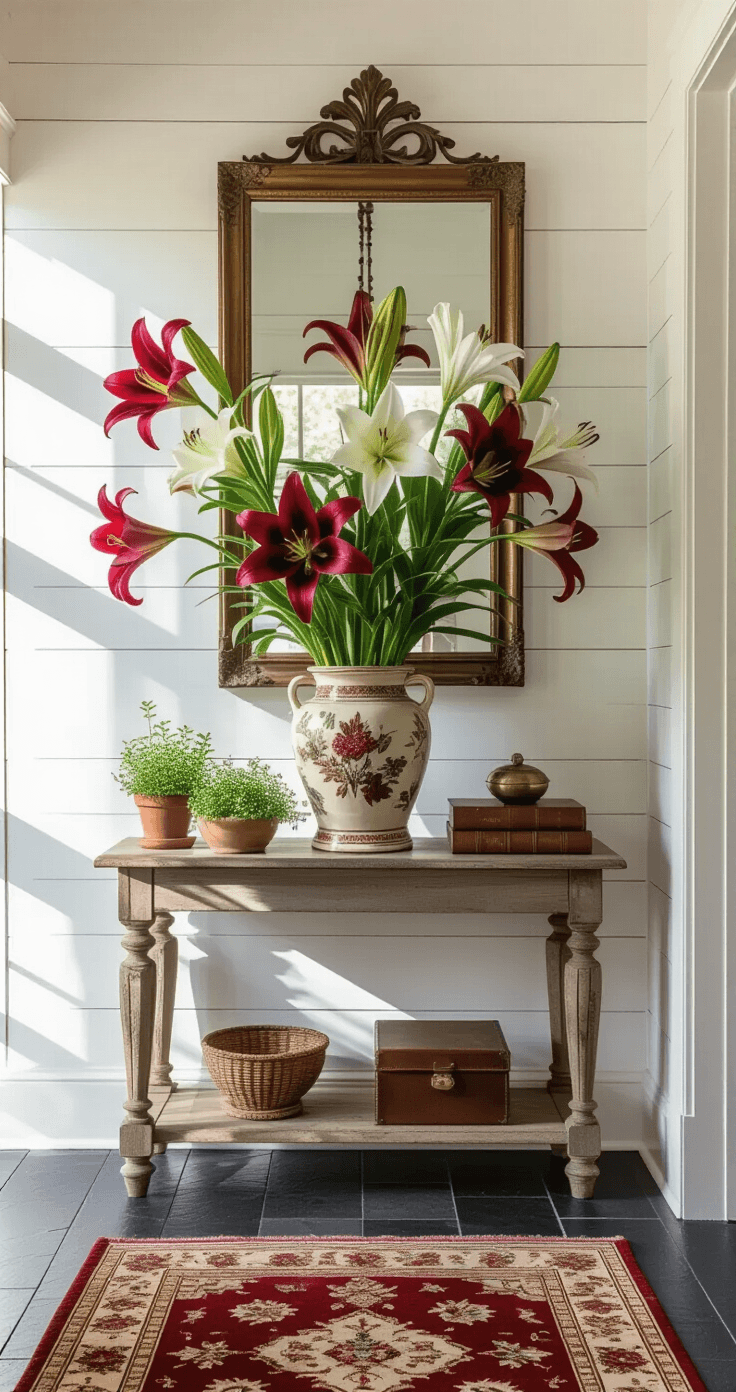
I use trumpet lily supports because these tall beauties can get top-heavy when fully bloomed.
Tiger Lilies: The Wild Cards
Tiger lilies bring attitude to your garden.
Why they’re special:
- Unique colors and spotted markings
- Tall, graceful stems that sway in the breeze
- Summer blooming that adds energy
- Practically indestructible once established
These were my grandmother’s favorite. She had them lining her driveway, and they required zero attention for decades.
LA Hybrid Lilies: The Best of Both Worlds
Someone brilliantly crossed Asiatic and Longiflorum varieties and gave us LA Hybrids.
The hybrid advantage:
- Vibrant colors from the Asiatic side
- Soft fragrance from the Longiflorum parent
- Early to midsummer blooming
- Combines low-maintenance with elevated beauty
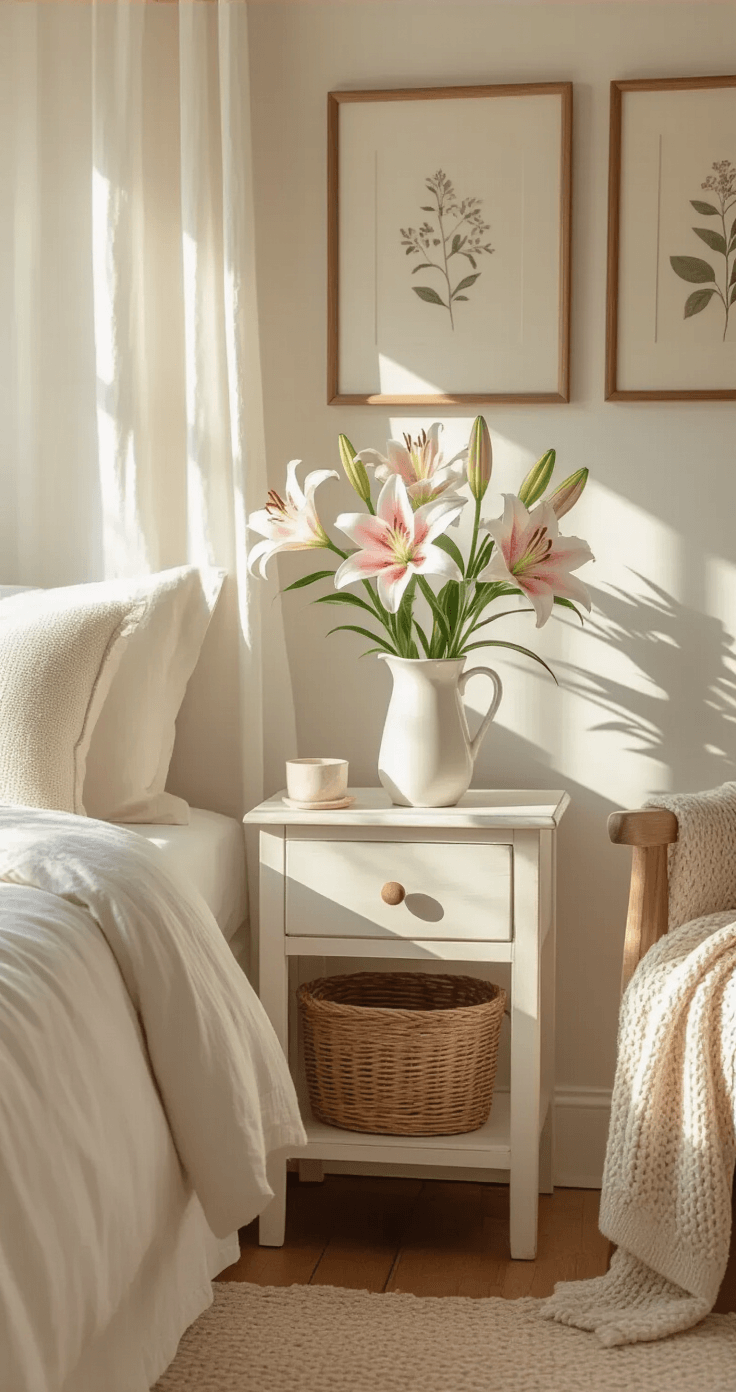
Easter Lilies: The Symbols
We’ve all seen these in spring.
Easter lily characteristics:
- White trumpet-shaped flowers
- Symbolize hope and renewal
- Usually forced to bloom in spring for religious holidays
- Can be planted outdoors after flowering
Pro tip: those potted Easter lilies you get as gifts can actually go in your garden after they finish blooming indoors.
Martagon Lilies: The Underrated Champs
These don’t get nearly enough attention.
Martagon perks:
- Hardy varieties that handle cold better than others
- Small downward-facing blooms with recurved petals
- Relatively easy to grow
- Unique “Turk’s cap” shape
They look delicate but they’re tougher than most gardeners realize.

Getting Lilies to Actually Grow (Without the Drama)
I’ve learned that lilies are forgiving, but they do have some non-negotiable requirements.
Sunlight: They’re Sun Worshippers
Lilies thrive in full sun with at least six hours of direct sunlight daily.
This isn’t a suggestion. I planted some in partial shade my first year, and they were leggy, pale, and produced maybe three sad flowers total.
<p