

This post may contain affiliate links. Please see my disclosure policy for details.
The Pink Flower Garden You’ve Been Dreaming About (And How to Actually Grow It)
Pink flowers transform ordinary gardens into something that makes your neighbors slow down when they drive past.
I’ve spent fifteen years getting dirt under my fingernails, and I can tell you that pink blooms are the secret weapon most gardeners overlook.
You’re probably wondering which pink flowers will actually survive in your yard without becoming a full-time job.
Maybe you’ve killed a few plants already and you’re feeling like you don’t have a green thumb.
Let me save you the heartbreak and the wasted money at the garden center.
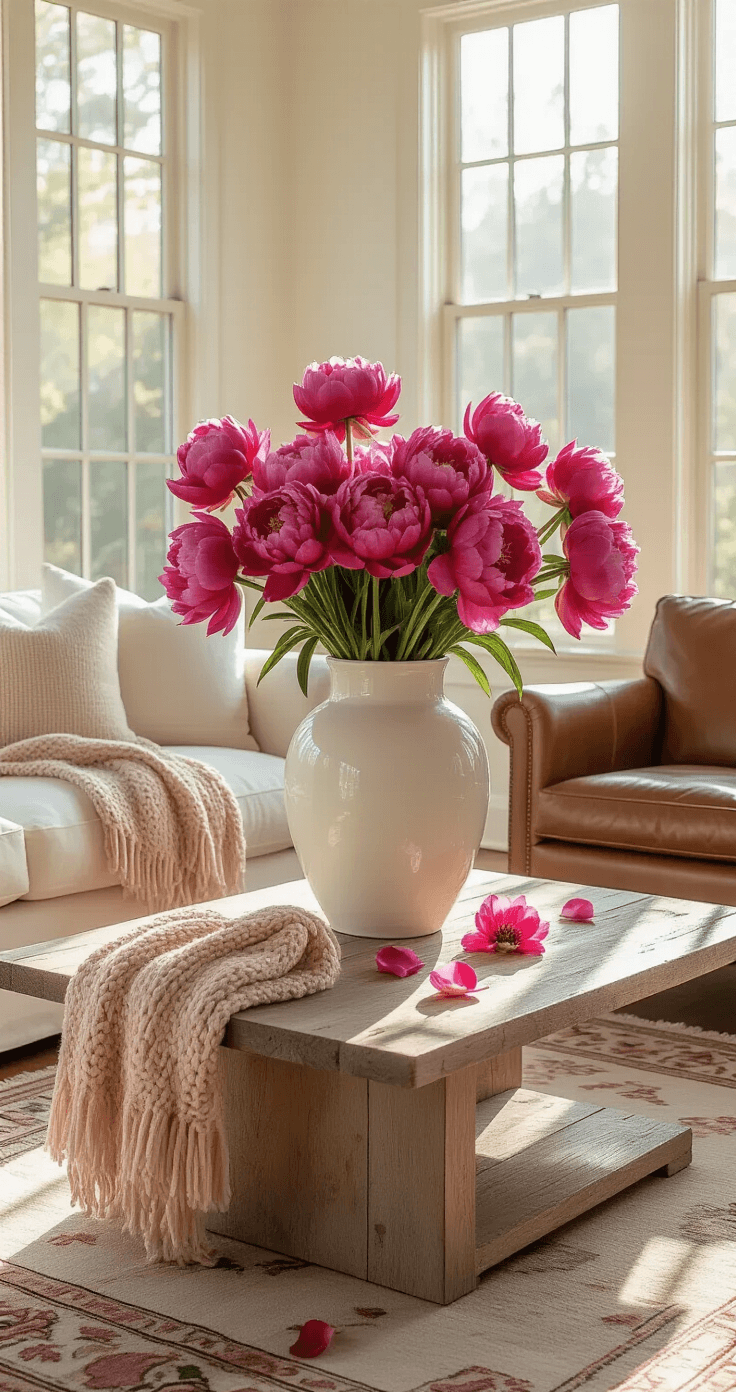
The Heavy Hitters: Pink Flowers That Do All the Work
💡 Steal This Look
- Paint Color: Sherwin-Williams Garden Grove SW 6445
- Furniture: weathered teak potting bench with galvanized steel top, vintage cast iron garden bistro set with peeling rose-pink finish
- Lighting: solar-powered Edison string lights with warm amber bulbs draped between galvanized steel shepherd’s hooks
- Materials: crushed limestone gravel pathways, aged terracotta pots with white mineral deposits, untreated cedar raised beds, raw linen cushion covers
There’s something quietly defiant about a pink garden—it refuses to apologize for being pretty, and after a brutal week, that unapologetic softness is exactly what your nervous system needs.
Peonies Are Worth the Wait (Trust Me on This)
I planted my first peony bush seven years ago, and now I refuse to garden without them.
These flowers are the drama queens of late spring with blooms so full they look fake.
Here’s what you need to know:
- They grow 2-3 feet tall and spread just as wide
- Hardy in zones 3-8 (basically everywhere except the extreme south)
- Bloom late spring to early summer
- Need full sun to partial shade
- Come in shades from whisper-soft blush to deep magenta that practically shouts
The fragrance hits you before you even see them.
Plant them once and they’ll outlive you—seriously, some peony plants are over 100 years old.
Pair them with peony support rings because those heavy blooms will face-plant in the dirt after the first rain without support.
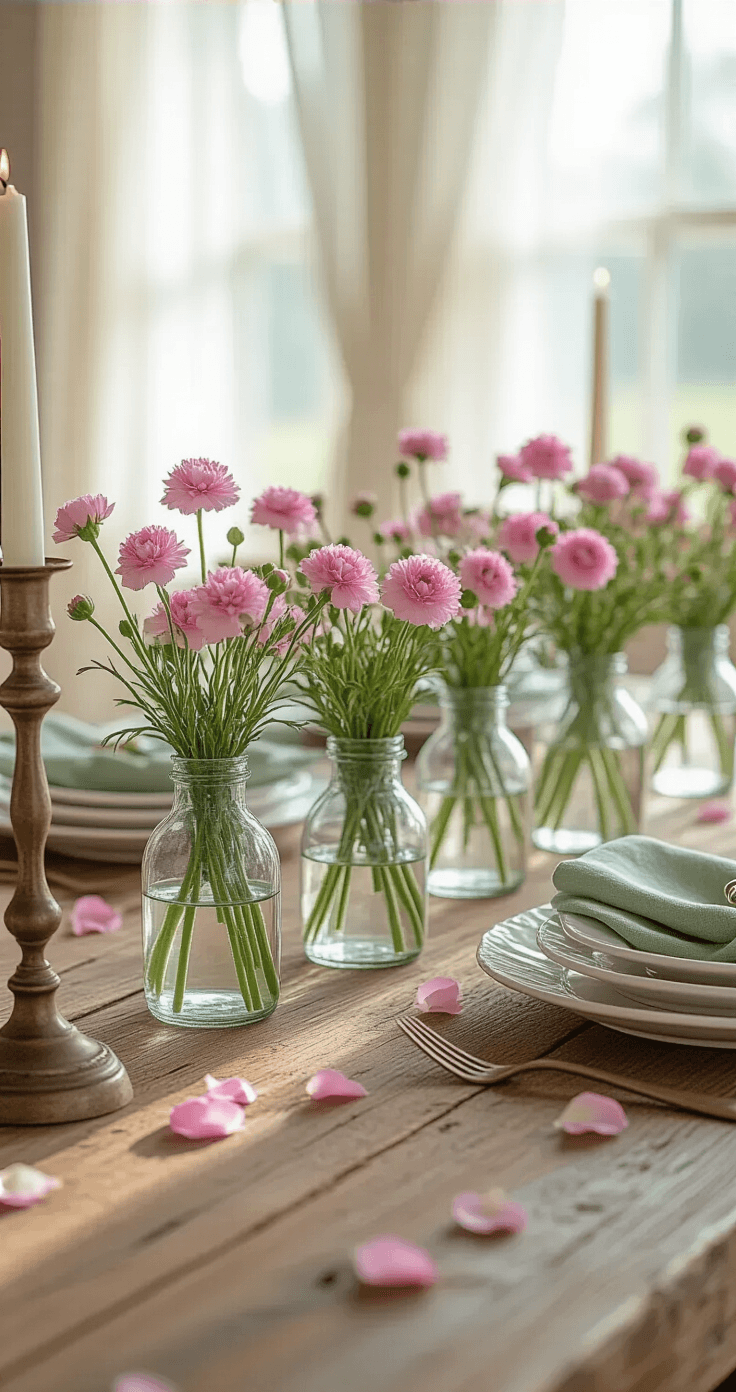
🎨 Steal This Look
- Paint Color: Benjamin Moore First Light 2102-70
- Furniture: vintage-inspired wrought iron garden bench with curved arms and distressed white finish
- Lighting: solar-powered copper finish path lights with seeded glass shades
- Materials: weathered cedar mulch, aged limestone edging, galvanized steel peony supports, crushed pea gravel pathways
There’s something almost meditative about the patience peonies demand; my seven-year wait taught me that the best things in a garden can’t be rushed, and now those same bushes anchor every spring bouquet I bring inside.
✓ Get The Look
Roses: Yes, They’re Cliché, But There’s a Reason
Over 300 species and thousands of cultivars means you can definitely find a pink rose that works for you.
I grow the ‘Bonica’ variety because it laughs at neglect and keeps blooming from spring through fall.
Rose basics that actually matter:
- Zones 3-11 (there’s a rose for almost everyone)
- Full sun is non-negotiable—six hours minimum
- Pink shades range from cotton-candy pastels to bold fuchsia
- Deadhead spent blooms and you’ll get more flowers
Stop overthinking it and start with a disease-resistant rose bush.
Modern varieties are tougher than the finicky roses your grandmother grew.
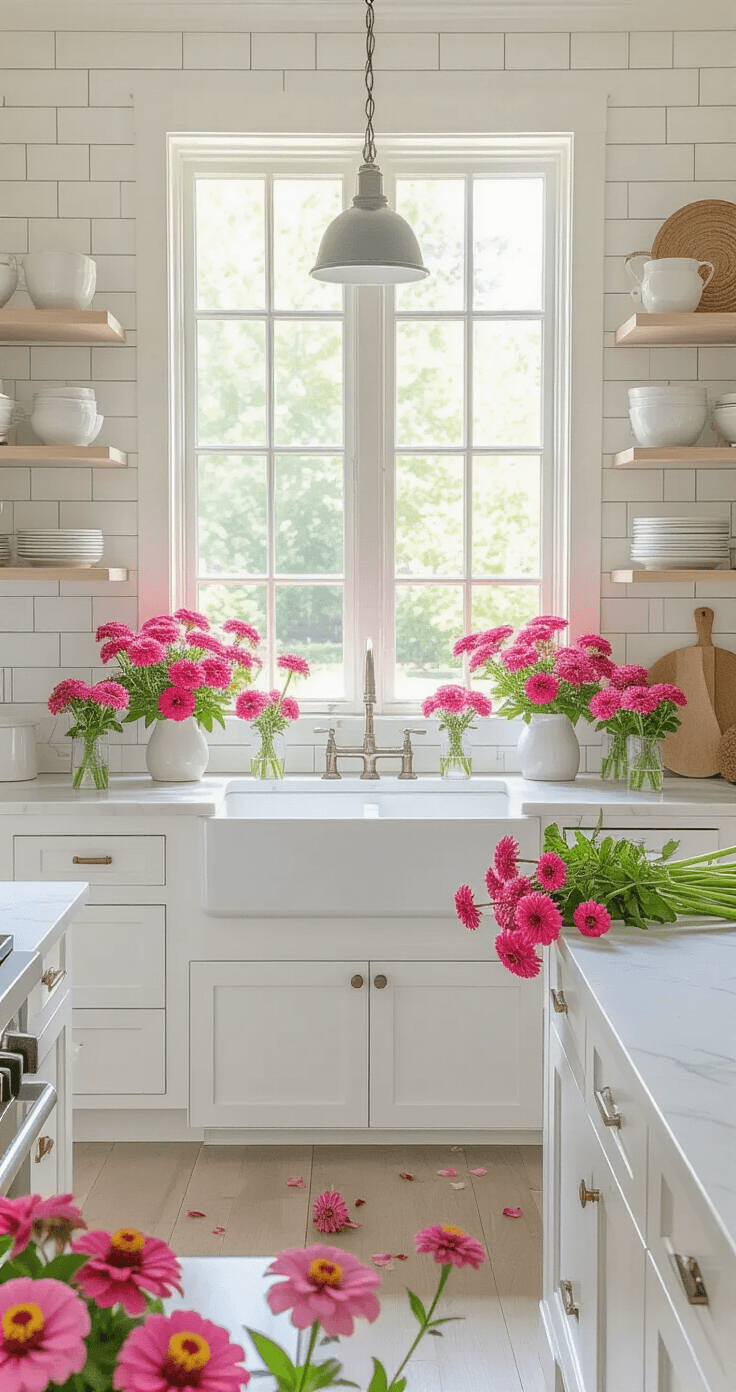
🎨 Steal This Look
- Paint Color: Farrow & Ball Pink Ground 202
- Furniture: vintage French-style wrought iron bistro set with curved legs and scrollwork details
- Lighting: antiqued brass outdoor wall lantern with seeded glass panels
- Materials: weathered terracotta pots, crushed gravel pathways, aged zinc planters, clipped boxwood hedges
There’s something quietly defiant about choosing roses anyway—everyone warns you against them, then your ‘Bonica’ hedge outperforms every trendy perennial you’ve fussed over, and you feel like you’ve been let in on a secret the design world forgot.
🌊 Get The Look
Zinnias Are Your Summer Safety Net
Last year, I forgot to water my zinnias for two weeks during a heat wave.
Save this article
Enter your email and we'll send it straight to your inbox.
They looked annoyed but bounced back the moment I gave them a drink.
These flowers are the insurance policy for your summer garden.
Why zinnias make gardening easy:
- Grow from 1-4 feet depending on variety
- Work in zones 2-11 (yes, really)
- Bloom late spring through early fall
- Need full sun but handle heat like champions
- Butterflies and bees treat them like an all-you-can-eat buffet
Start them from seed because they’re stupidly easy to germinate and you’ll save money.
Grab some zinnia seed mix and scatter them after your last frost date.
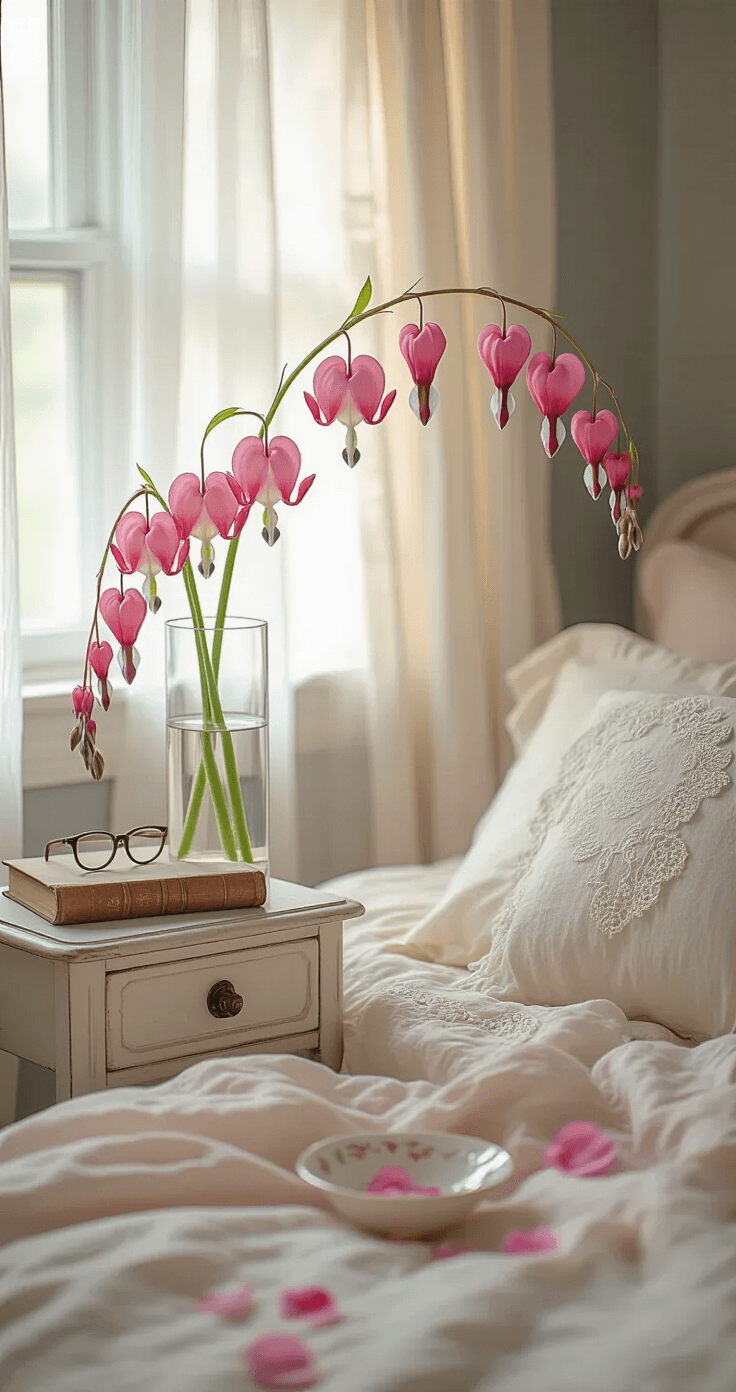
✎ Steal This Look
- Paint Color: Behr Garden Rose M160-4
- Furniture: weathered teak potting bench with galvanized steel top for seed starting
- Lighting: solar-powered Edison string lights draped along garden fence
- Materials: terracotta seedling trays, raw linen garden apron, powder-coated steel plant markers
There’s something deeply satisfying about flowers that forgive your neglect and still reward you with ridiculous color; zinnias taught me that gardening doesn’t have to be precious to be beautiful.
Dianthus: Small But Mighty
The common name is literally “pinks,” so you know they’re serious about the color.
I have them edging my front walkway where their spicy clove scent smacks you in the face every time you walk past.
Dianthus details:
- Height: 6-24 inches (perfect for edges and containers)
- Zones 3-9
- Bloom late spring through summer
- Fringed petals that look hand-cut
- Full sun makes them happiest
They’re low-maintenance perennials that come back year after year without drama.
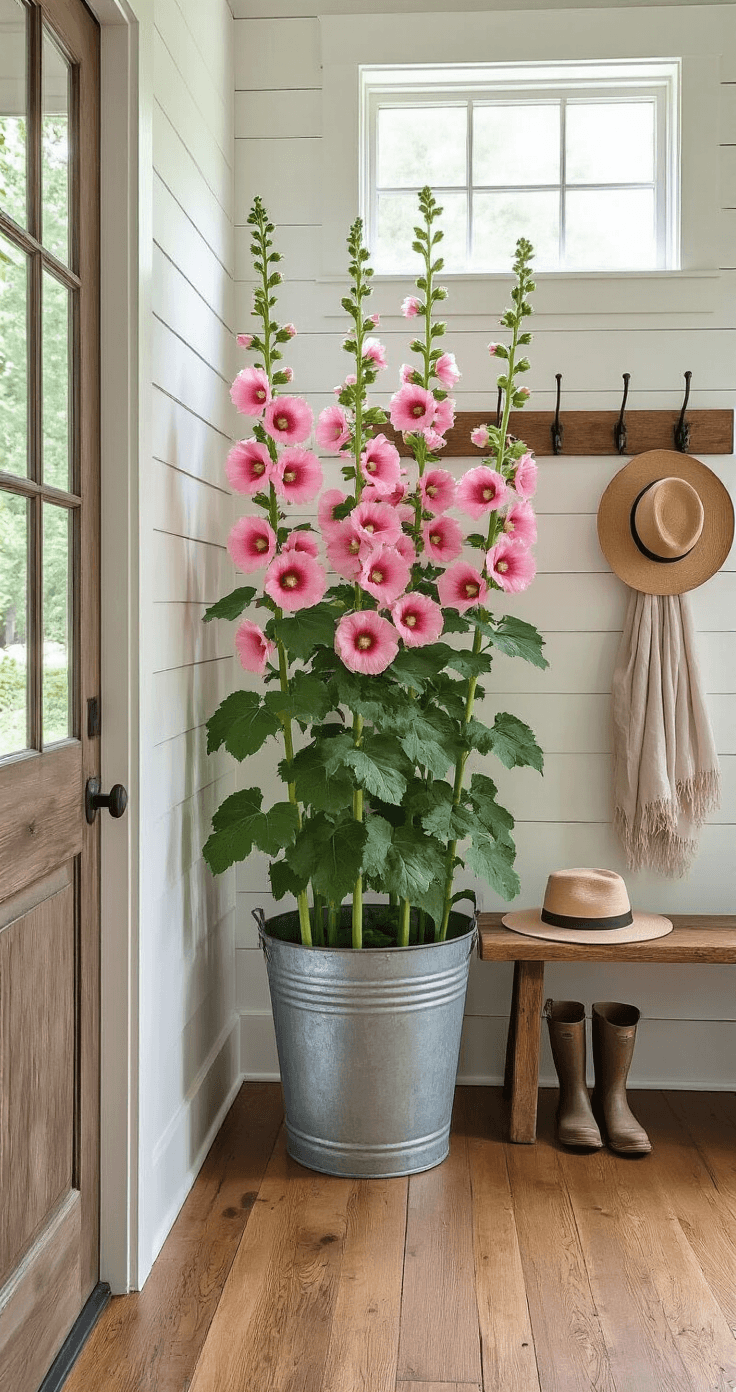
Early Season Pink: When You’re Desperate for Color
🖼 Steal This Look
- Paint Color: Valspar Sweet Dianthus 1002-2A
- Furniture: A slim console table in whitewashed oak with turned legs, positioned just inside the entryway to catch mail and keys
- Lighting: A seeded glass semi-flush mount with aged brass hardware, casting warm light that mimics late afternoon sun through petals
- Materials: Weathered limestone pavers, clipped boxwood hedges, galvanized zinc planters, and hand-thrown terracotta with raw unglazed rims
There’s something quietly defiant about these flowers, how they survive zone 3 winters and still open ruffled and perfect each May, demanding nothing but a sunny spot and decent drainage.
Hyacinths Hit Different in Early Spring
After months of brown and gray, hyacinths are the first real color show in my yard.
Those spiky clusters of star-shaped flowers appear in early to mid-spring like they can’t wait to get started.
What makes hyacinths special:
- Zones 3-9
- Fragrance so strong it perfumes your entire yard
- Available in dozens of pink shades
- Plant bulbs in fall for spring blooms
- Naturalizes (spreads) over time
The scent can be overwhelming up close—I learned not to plant them directly under my bedroom window.
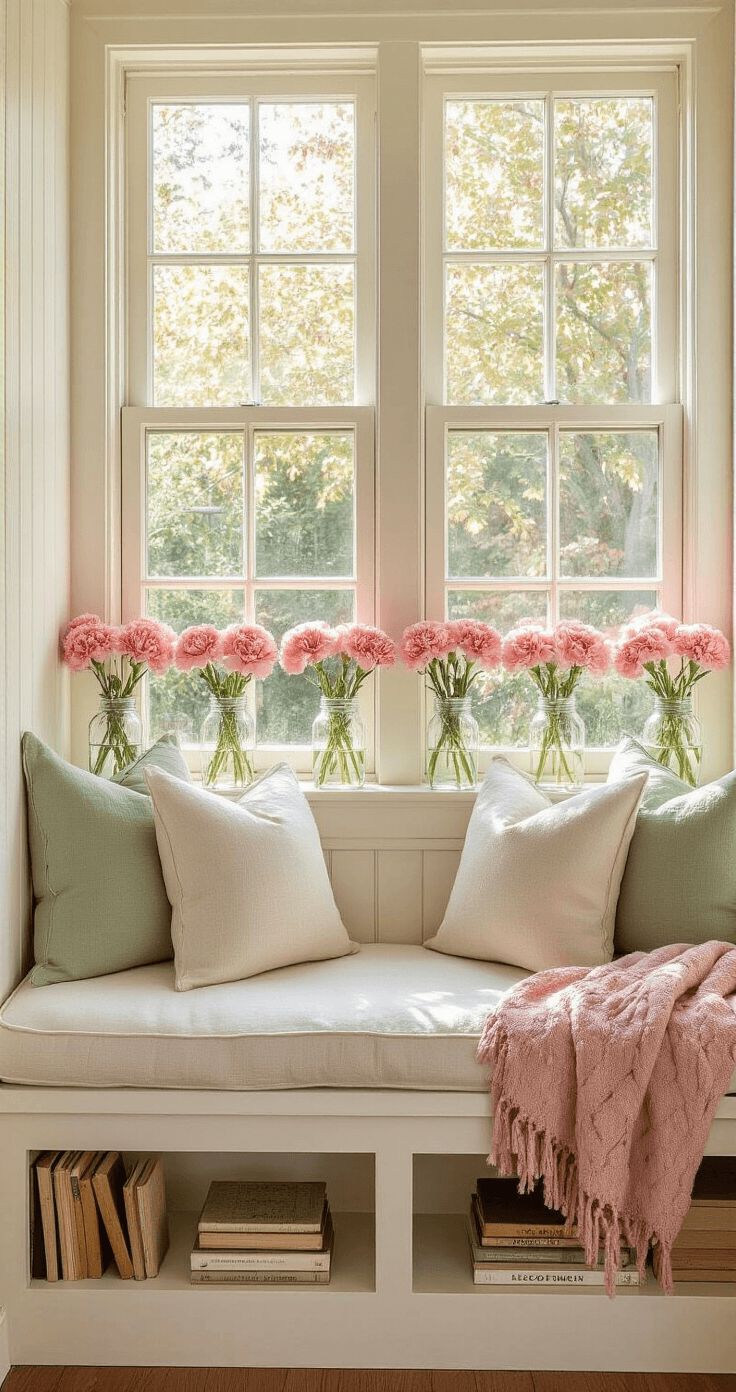
🎨 Steal This Look
- Paint Color: PPG Delicate White PPG1001-1
- Furniture: vintage whitewashed potting bench with zinc top for forced bulb displays
- Lighting: antiqued brass gooseneck wall sconce with seeded glass shade
- Materials: weathered cedar planters, raw linen bulb storage sacks, unglazed terracotta forcing pots
There’s something almost defiant about hyacinths pushing through cold soil when you’re still wearing a coat—they remind me that patience with winter always pays off.
👑 Get The Look
Ranunculus Are Bougie But Worth It
Persian buttercups sound fancy because they kind of are.
Those silky rose-colored blooms look like they belong in a wedding, not my backyard.
I grow them in containers because I’m in zone 6 and they’re only hardy in zones 8
Keep this one for later
We'll email you the link so you can come back to it.


[…] cheerful flowers are basically garden […]